






Neisson
By Velier
The collaboration with Neisson began in 2005, after a long courtship with Claudine Neisson-Vernant. Today Grégory, Claudine's son, has propelled Neisson to the top of the world in quality. And it is my personal opinion that Neisson is the best distillery in the world. Among the reasons, there are the conversion to agricultural work, the studies on natural yeasts, the long fermentations, the distillation conducted by Gregory himself, minute by minute, the studies that led to the aging in former Neisson barrels. For my part, I have never had a rum from this distillery that I have found the slightest fault with, and I am convinced that, one day, every bottle of Neisson will be a treasure for collectors.
Overview
History
Neisson's story begins in 1932, when brothers Adrien and Jean Neisson bought on the northwest coast of Martinique the habitation La Thieulbert, a 20-hectare estate planted with sugar cane. Adrien opened the first distillery, while his brother Jean - who studied chemistry in Paris - opened an import-export company with his wife, which distributed the family rum. Immediately, the distillate became recognized by the iconic square shape of the "Zèpol Karé" bottle, still used by Neisson today. In 1952, beginning to take an interest in production as well, Jean designed a new copper "Savalle" distillation column, which still plays a key role in the taste of Neisson rums today. With both brothers having died prematurely in the early 1970s, the distillery then passed into the hands of his sister Gabrielle, aided by master distiller Emmanuel Frédronic. But the distillery's real new life, marked by a series of successes, began in 1995, when Jean's daughter Claudine took the reins of the business together with her son Grégory, who today personally oversees every aspect of production.
Production method
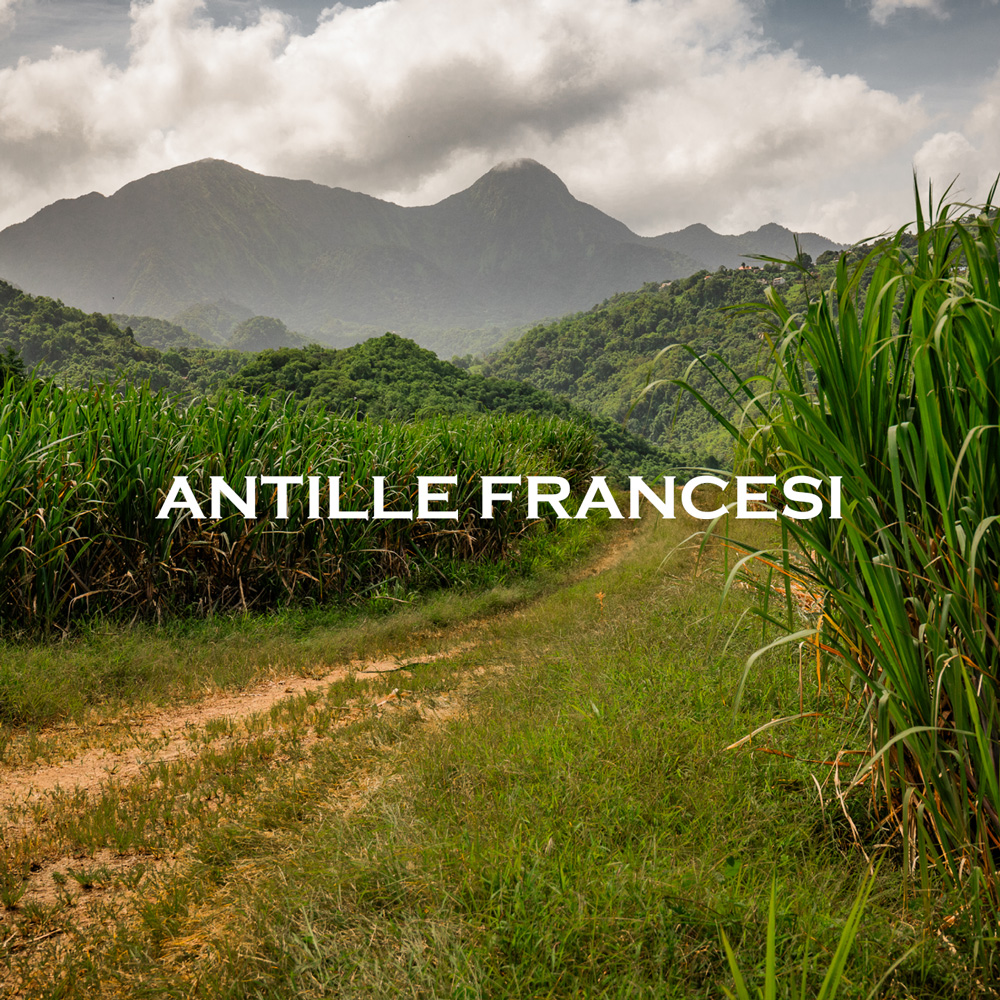
Neisson's first feature is the cultivation of sugarcane using sustainable methods. Grégory Neisson can be considered a pioneer in this, since today almost all of his production has been certified or is undergoing the conversion process. The canes grown on the estate include some of the best varieties granted in the Aoc Rhum Agricole Martinique specification, such as Cannelle, Zikak, Rouge, and even some of the very rare unhybridized Cristalline. After partially manual cutting, the cane is pressed at the distillery; the juice is put into fermentation, using a strain of yeast selected from those indigenous to the Neisson canes. After a long fermentation that reaches 96 hours, a unique cane ferment is produced, ready to be distilled in Jean Neisson's famous Savalle column. The result is a liquid at a maximum degree of 72/73°. The bottling of white rum always follows a slow rest. For aging, which takes place totally in a tropical climate, different types of barrels or foudres are used, as well as new wood.

Focus
La fermentazione con i lieviti selezionati a partire da quelli autoctoni è un processo fondamentale, capace di trasmettere la ricchezza aromatica che le canne prendono fin dal sottosuolo. La colonna di distillazione Savalle di Jean Neisson è uno dei tasselli più importanti della produzione, ed è una vera e propria opera d’arte, non solo dal lato estetico ma anche come lavoro di ingegneria: fu disegnata con delle specifiche ben precise, che contribuiscono in maniera importantissima al gusto del rhum agricole. La colonna prevede una caldaia di ricezione dei vapori proprio alla base, il che permette di avere un’evaporazione più dolce e una perfetta gestione dei tempi di distillazione. È poi costituita da 15 piatti di separazione dei vapori, e altri 5 per la rettifica dei vapori.

L’imbottigliamento dei rum bianchi avviene dopo un riposo che va da uno a quattro mesi, in tini di acciaio. I diversi tipi di recipienti utilizzati per l’invecchiamento sono botti ex bourbon o legni francesi, di piccola taglia, oppure foudres di grande capacità per gli invecchiamenti più brevi, fino alla “nuova frontiera” dei legni nuovi, che Grégory Neisson è stato fra i primi a utilizzare. L’invecchiamento, totalmente in clima tropicale, avviene nelle due warehouse adiacenti alla distilleria, con un microclima decisamente particolare, e ha un effetto unico sui liquidi che riposano nei barili. Anche e soprattutto grazie a Claudine Neisson, il rhum agricole ha vissuto una svolta epocale nel 1996, quando venne finalizzato il percorso per la creazione della Appellation D’Origine Controllée Rhum Agricole Martinique, una disciplinare che fissa tutte le regole sul processo di produzione del rhum agricole, partendo dalla coltivazione delle diverse varietà di canna da zucchero, fino ad arrivare alla messa in bottiglia.
Galleria foto


Products
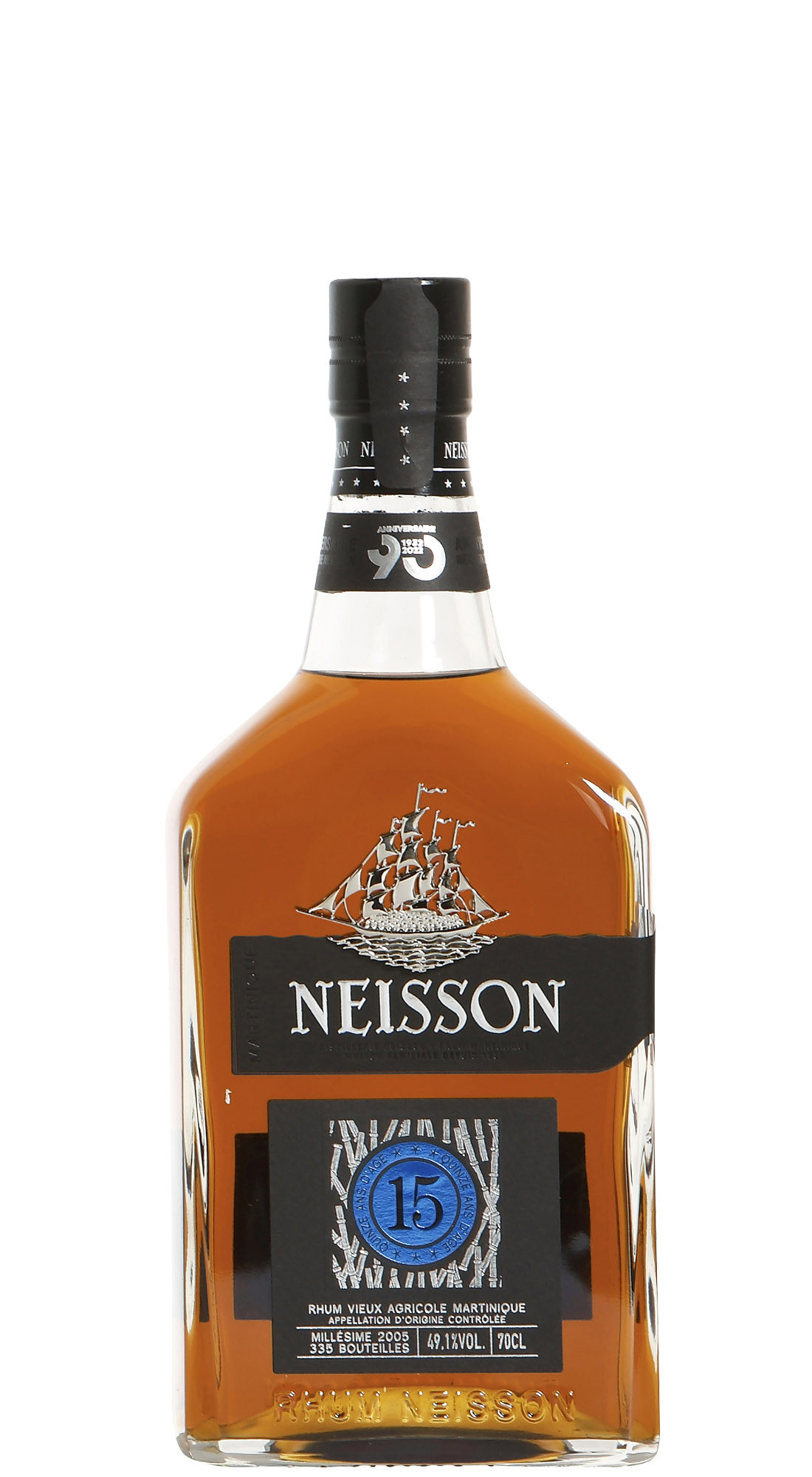
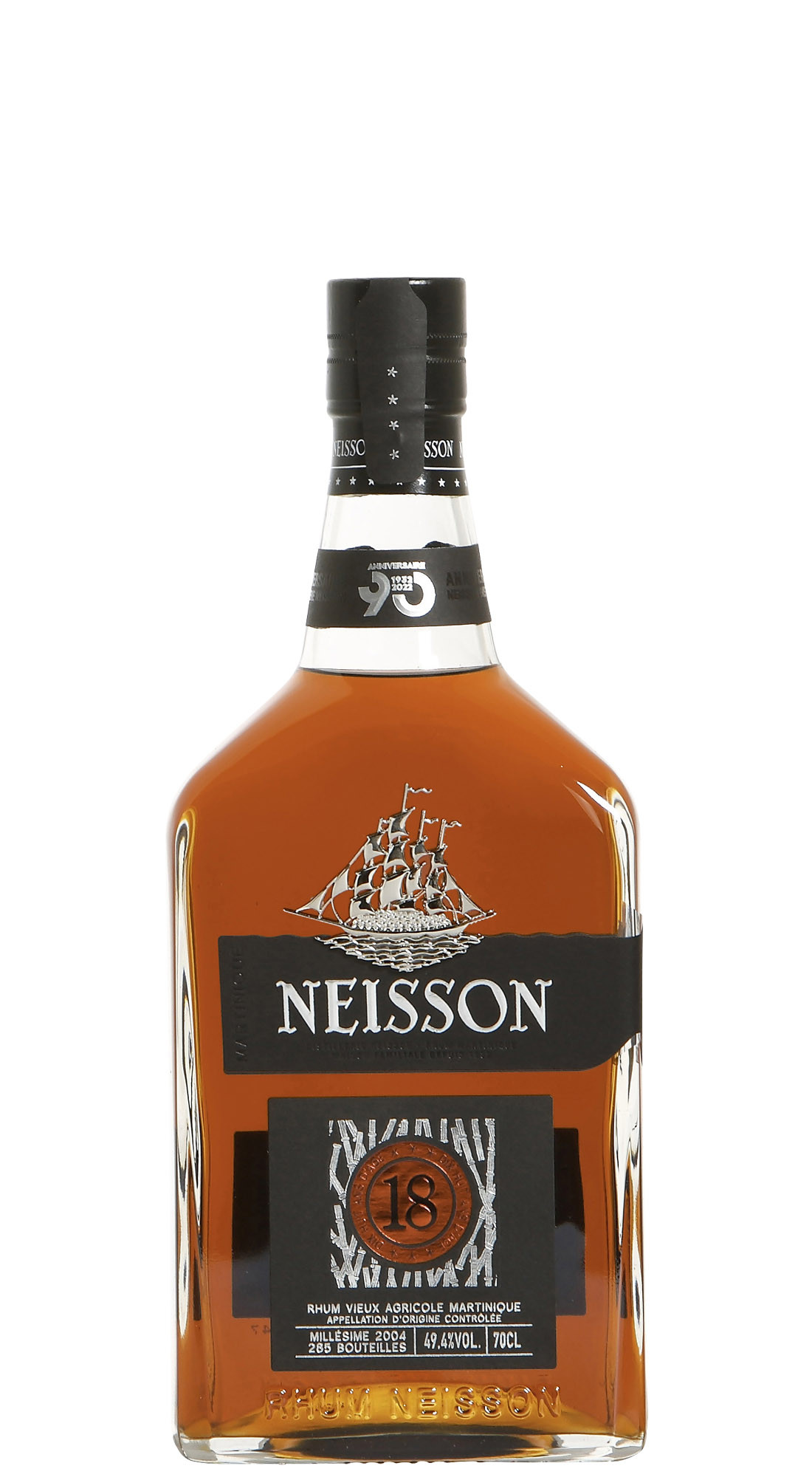
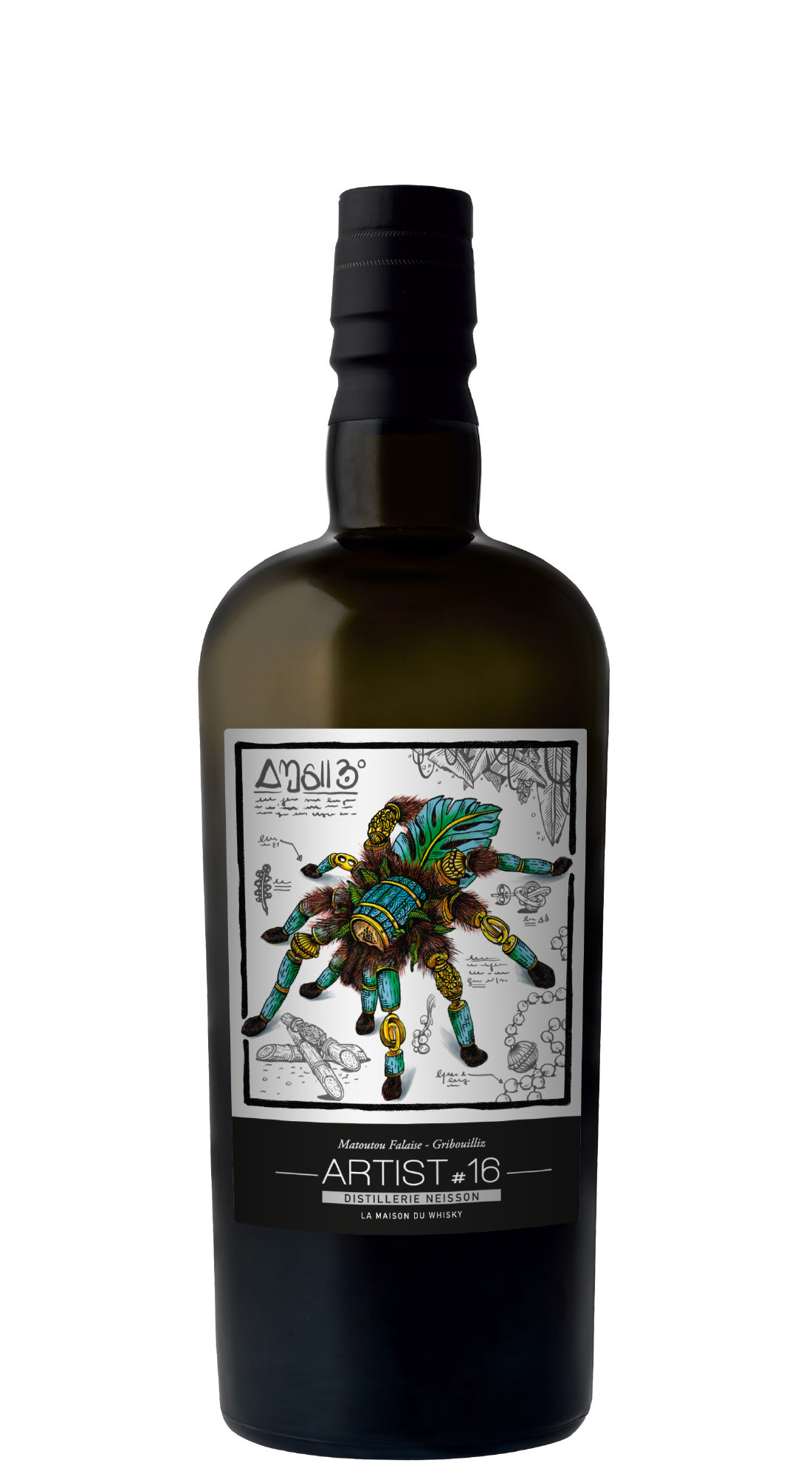
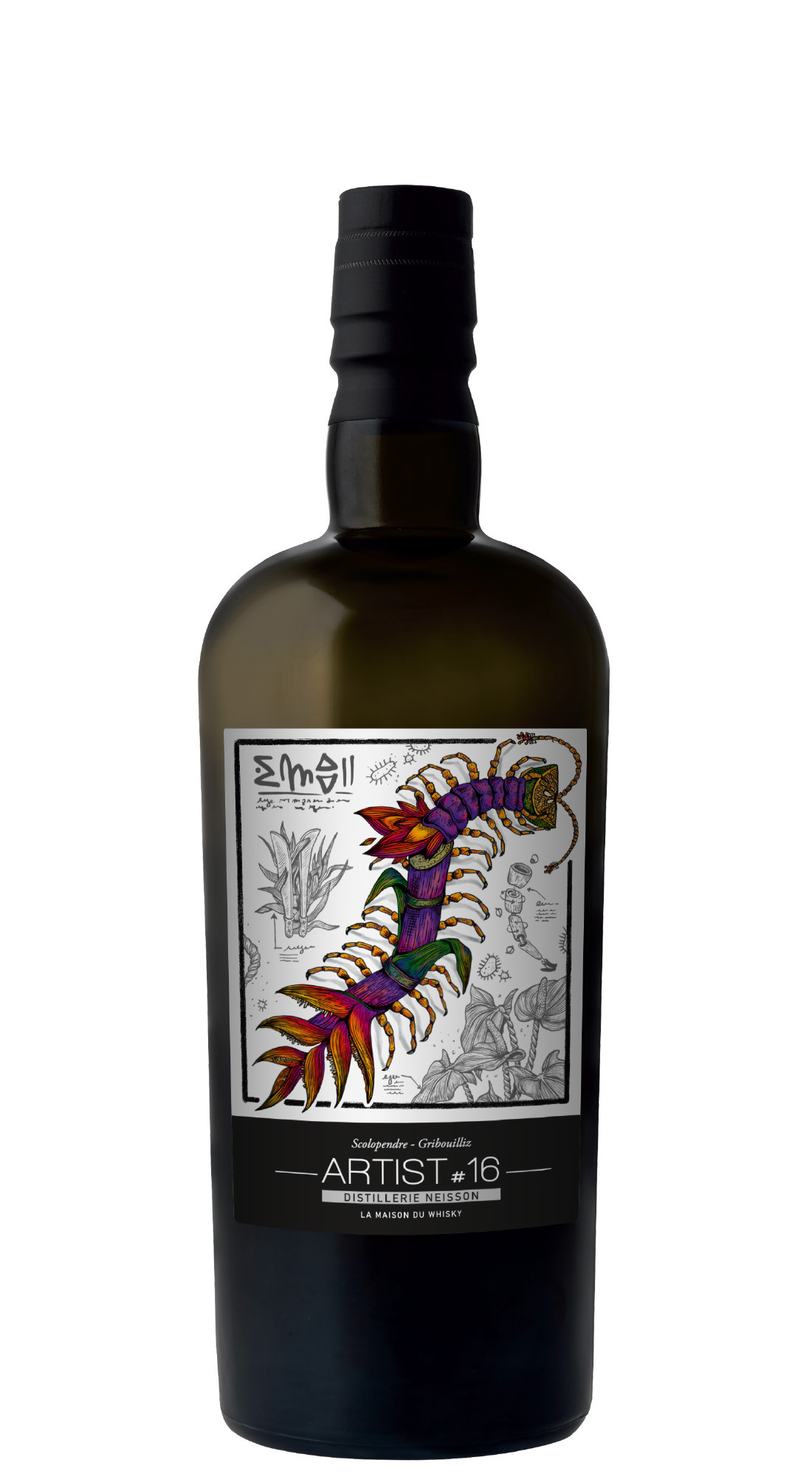
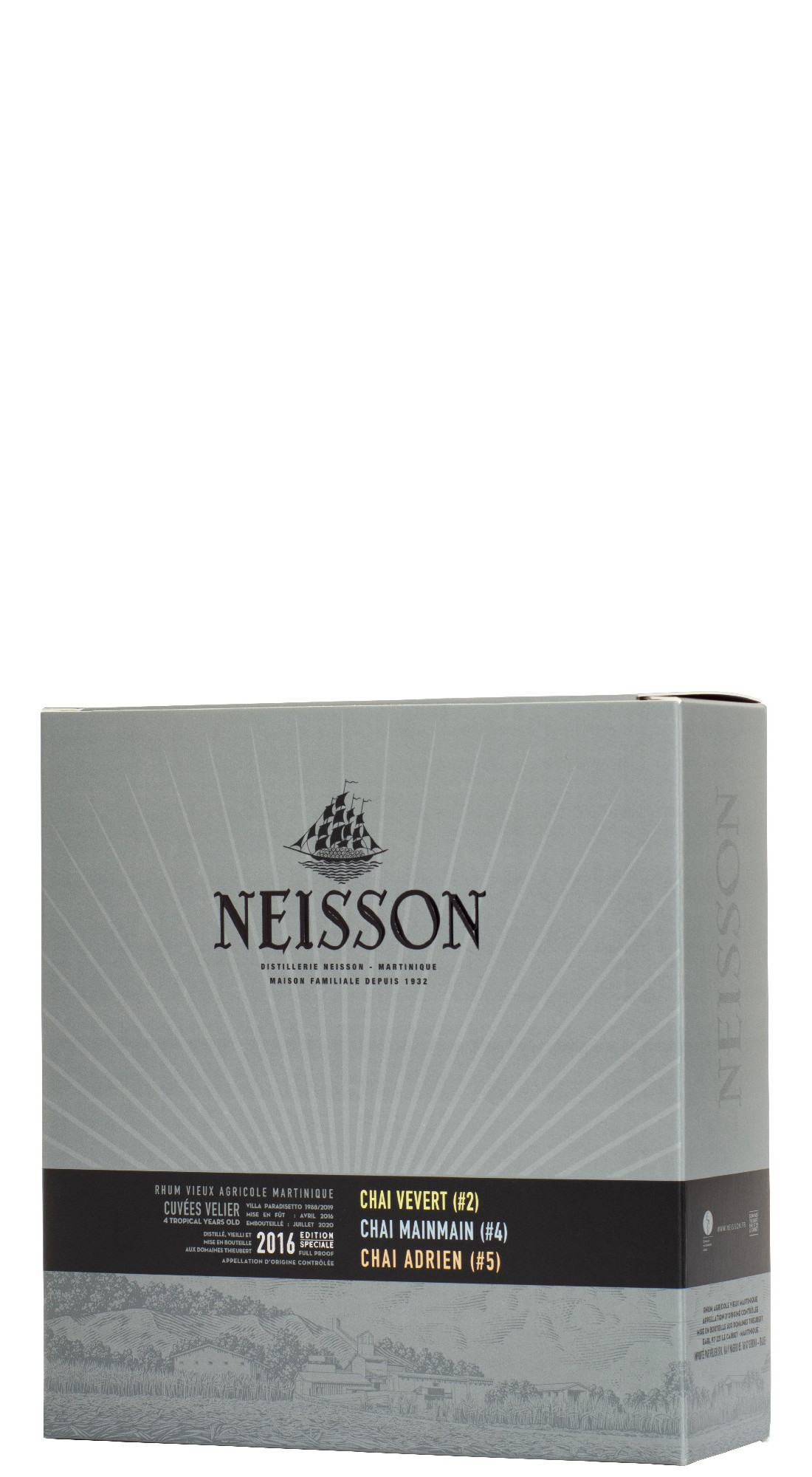
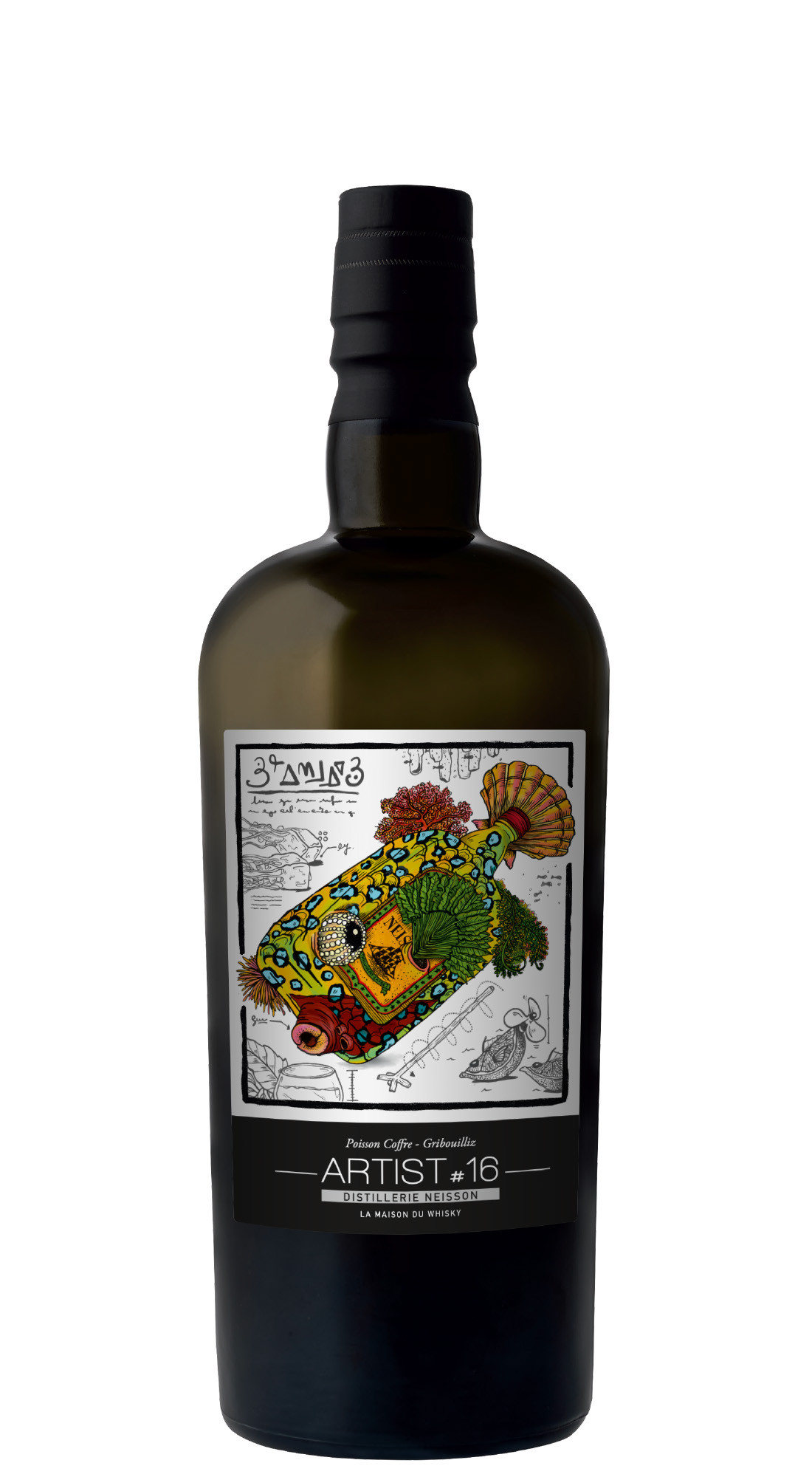
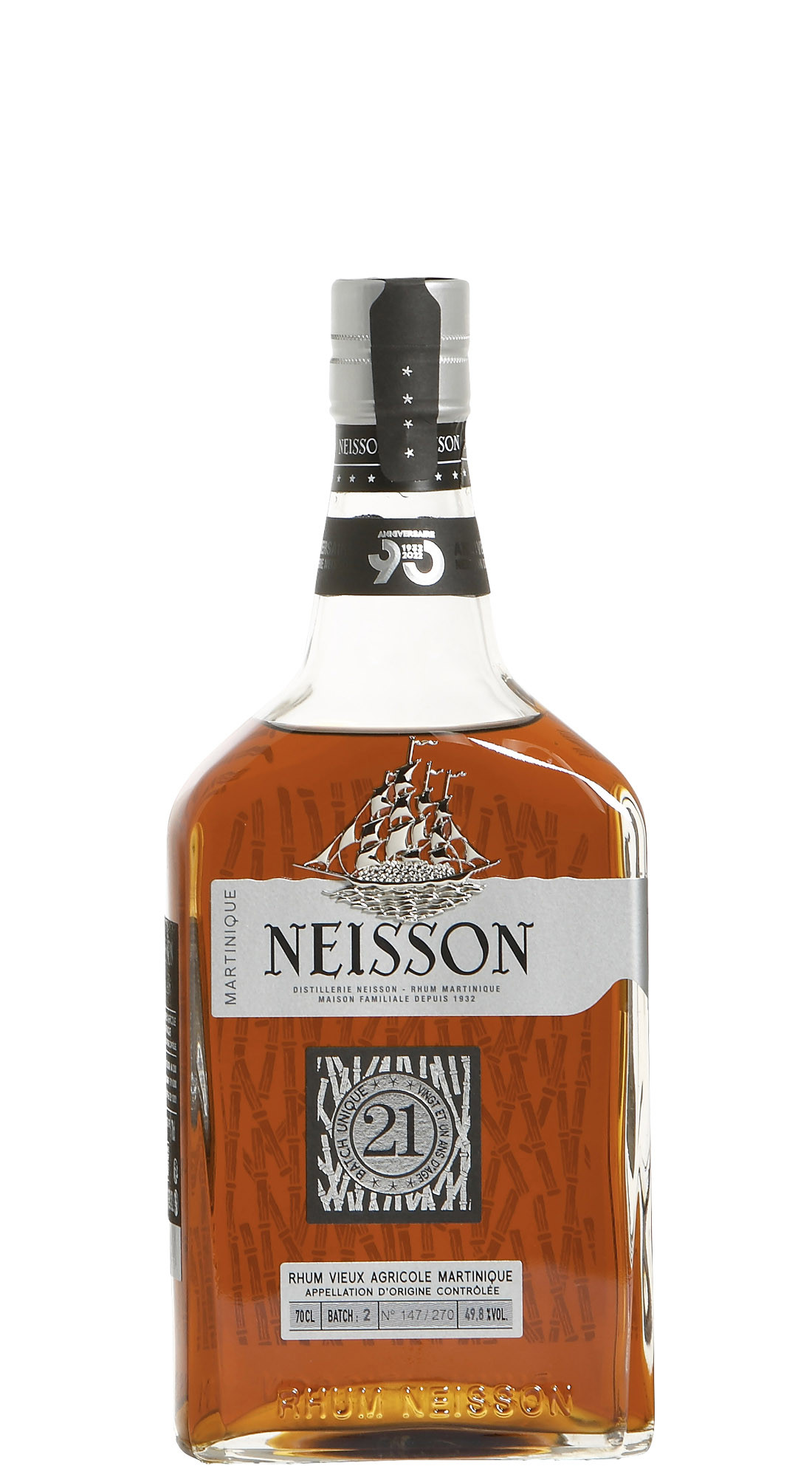
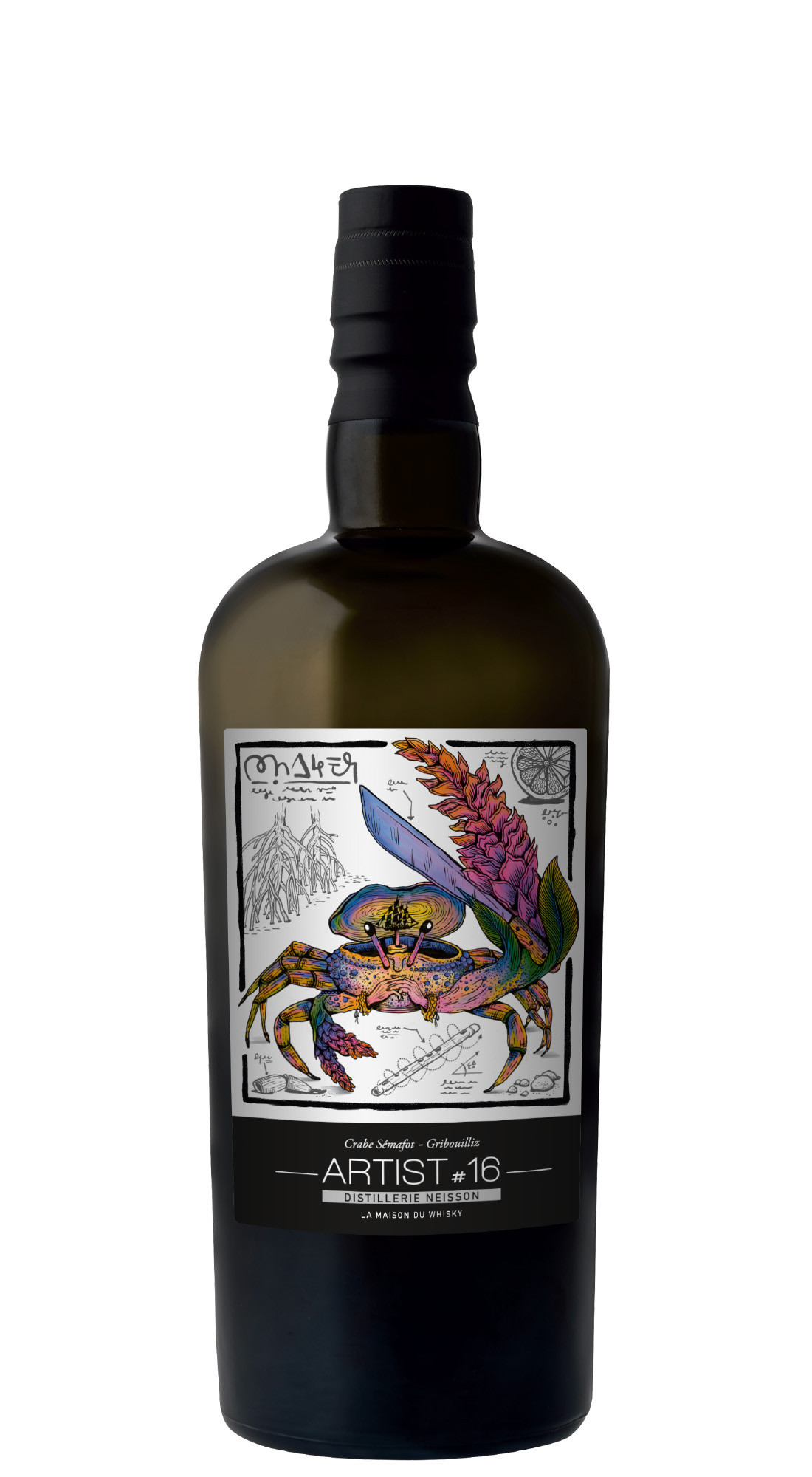
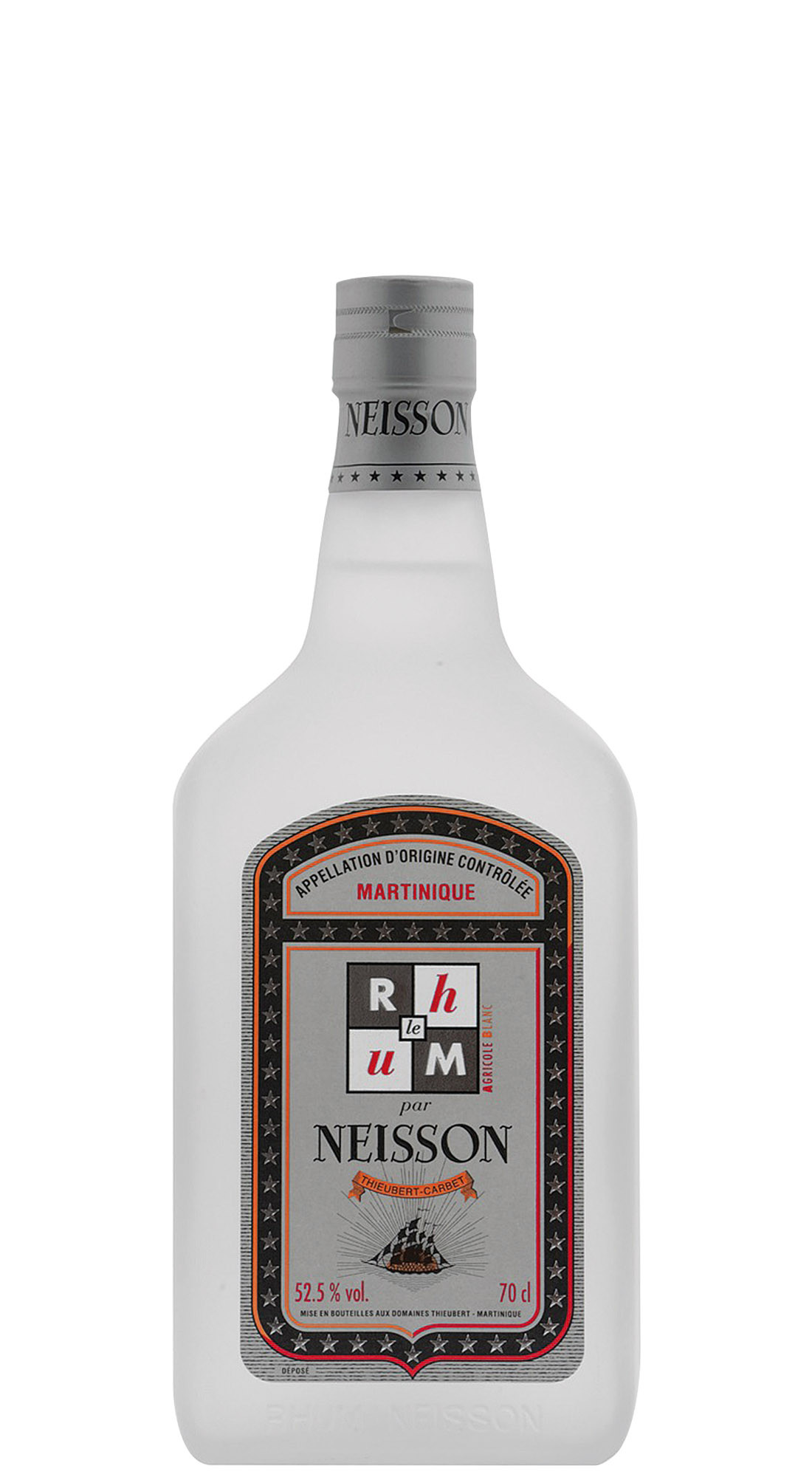
Neisson
Neisson Blanc
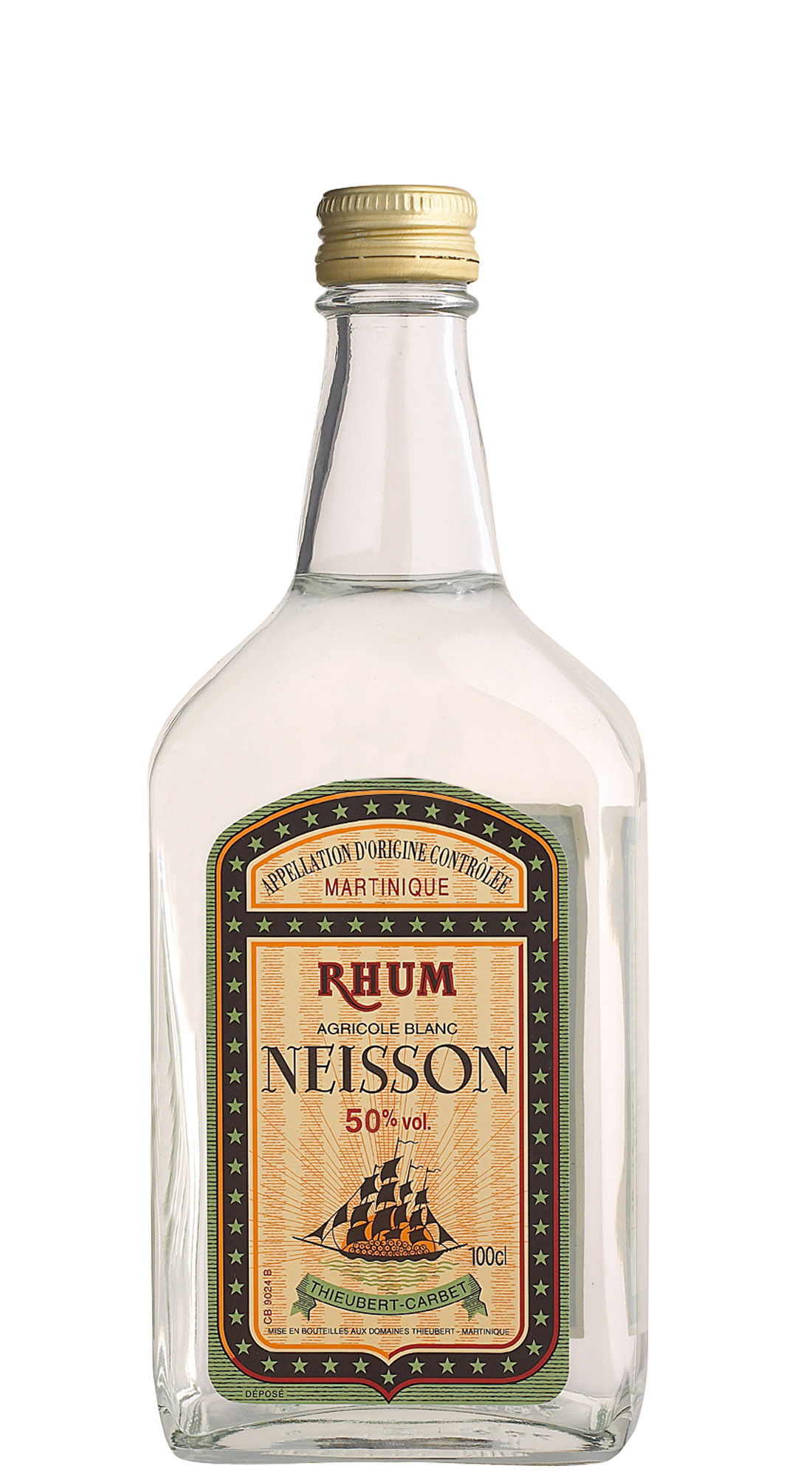
Neisson
Neisson Blanc
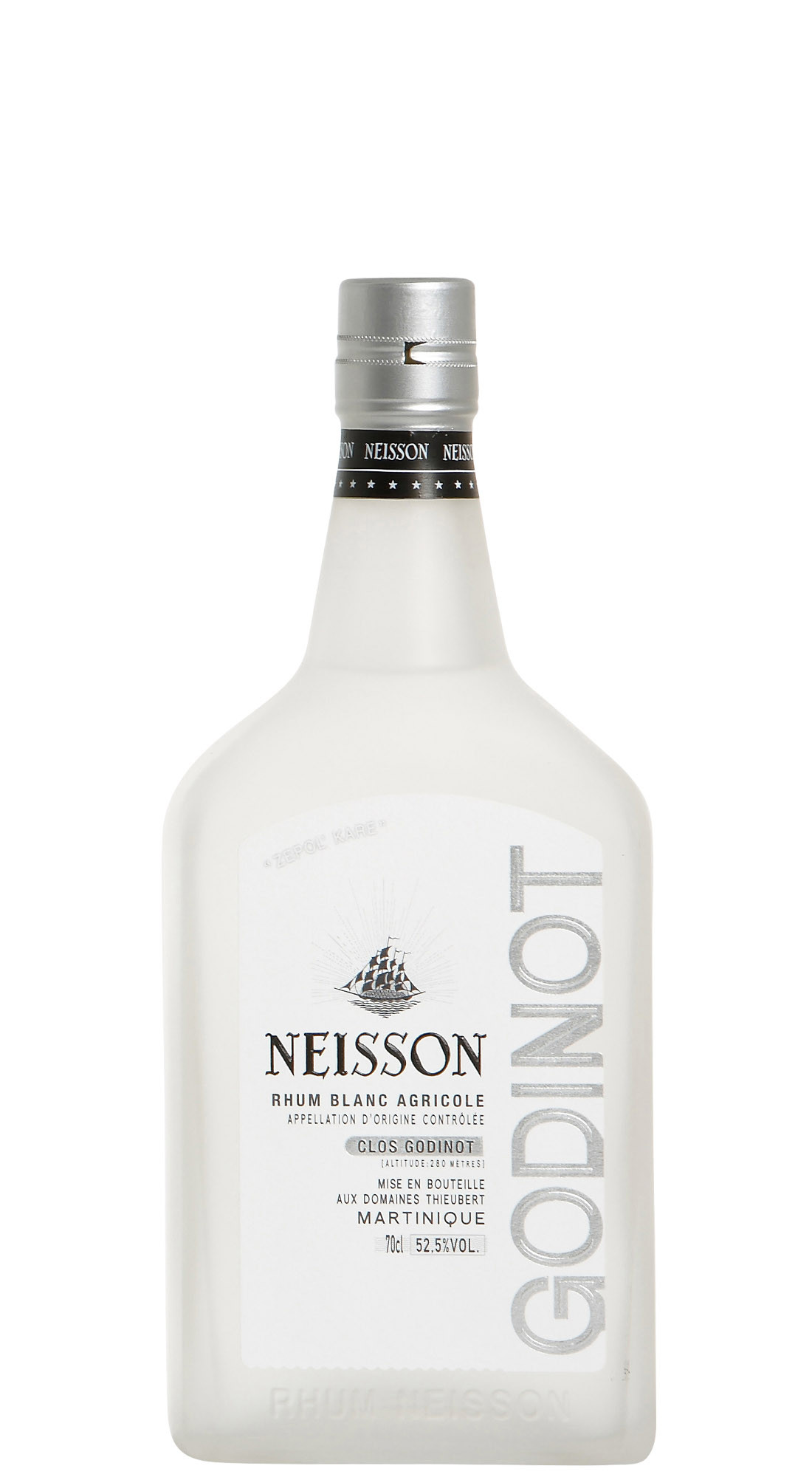
Neisson
Neisson Blanc Clos Godinot
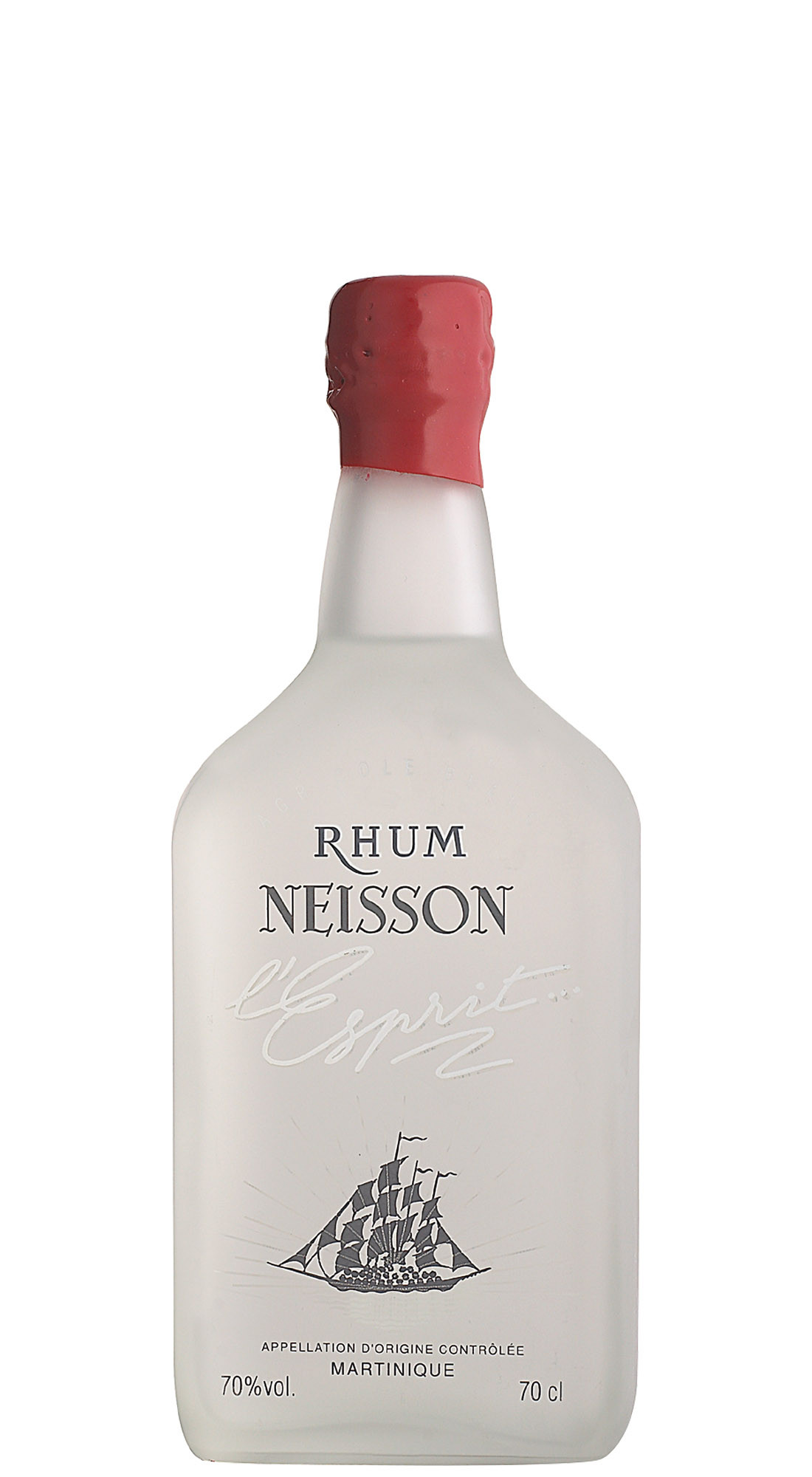
Neisson
Neisson Blanc L'Esprit
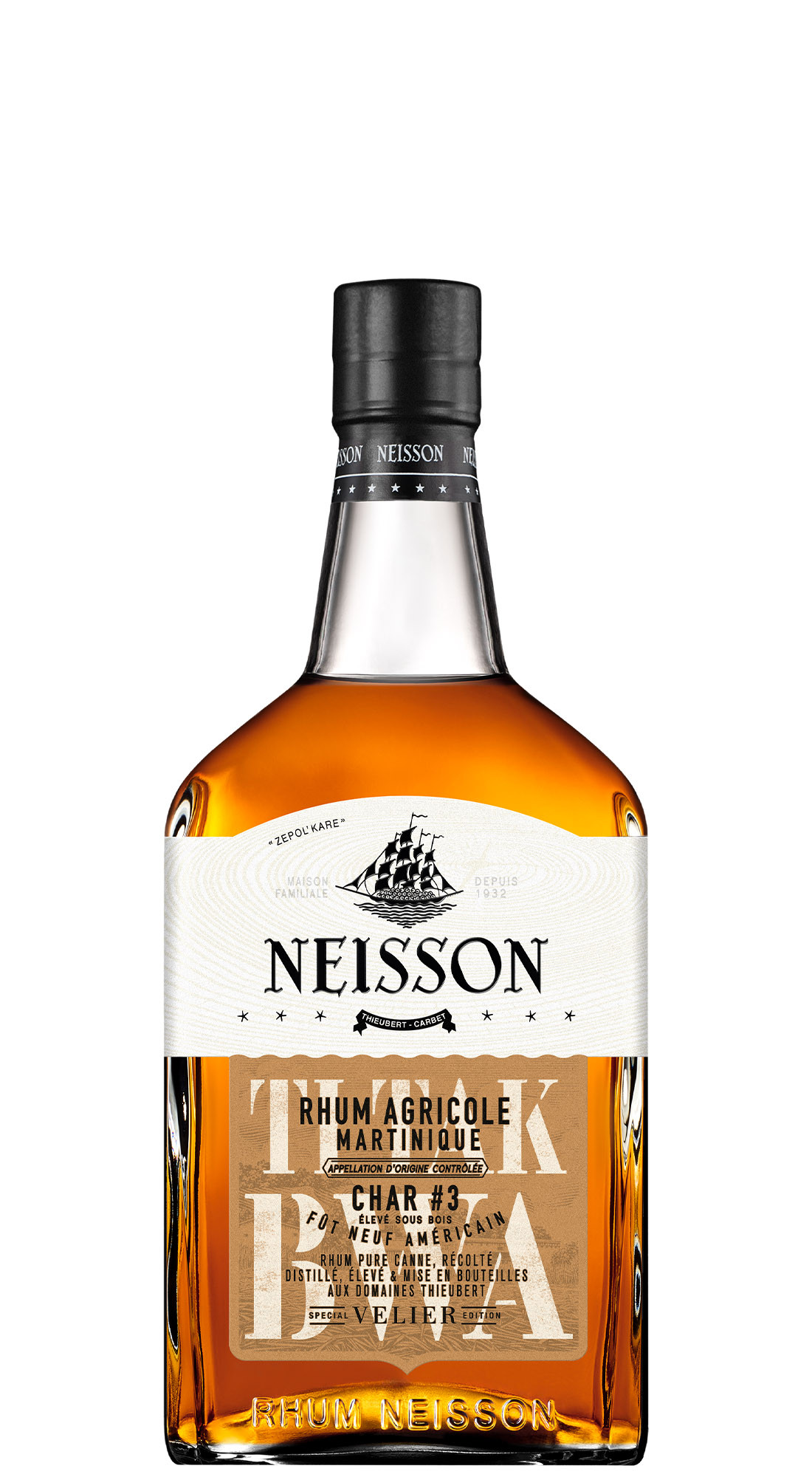
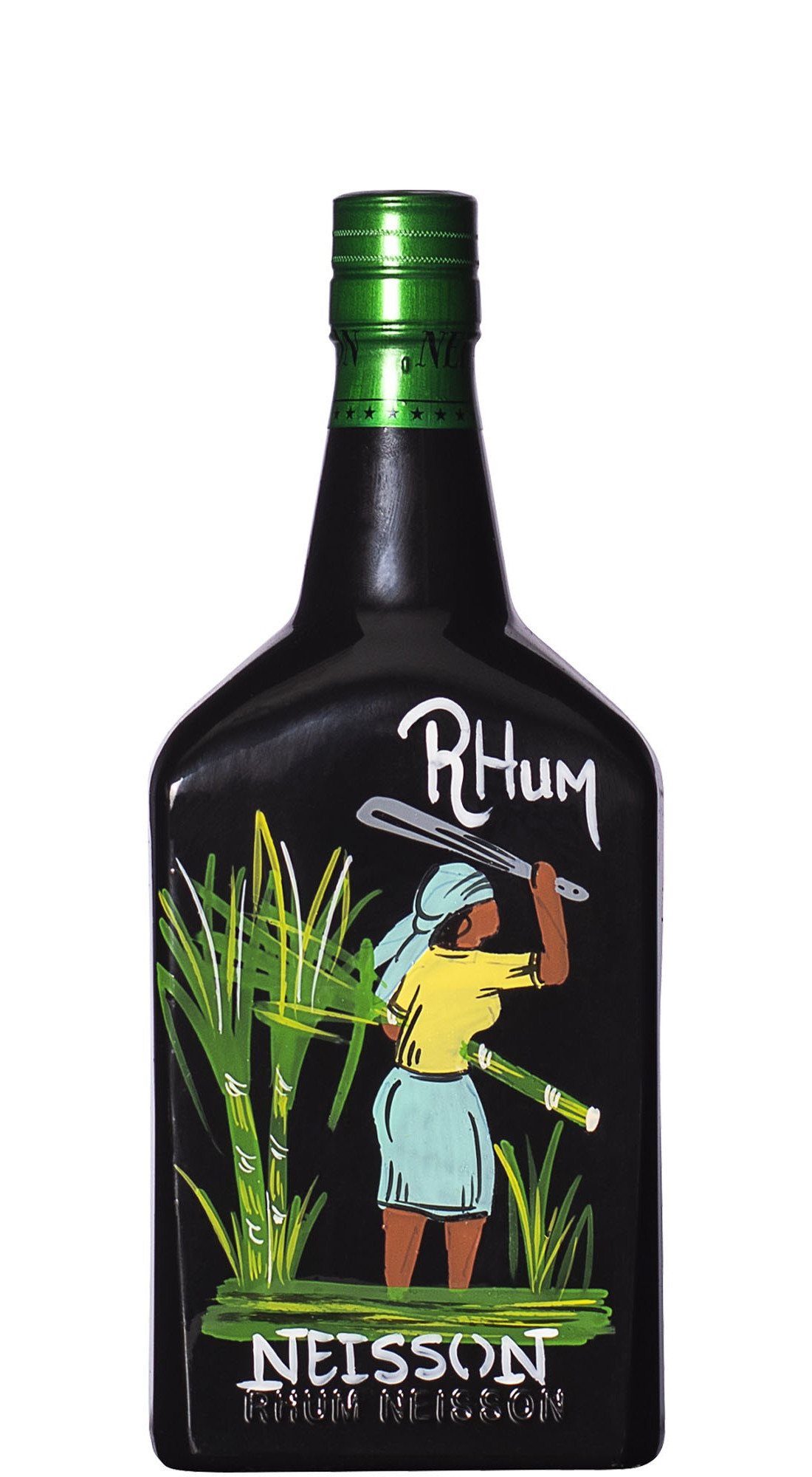
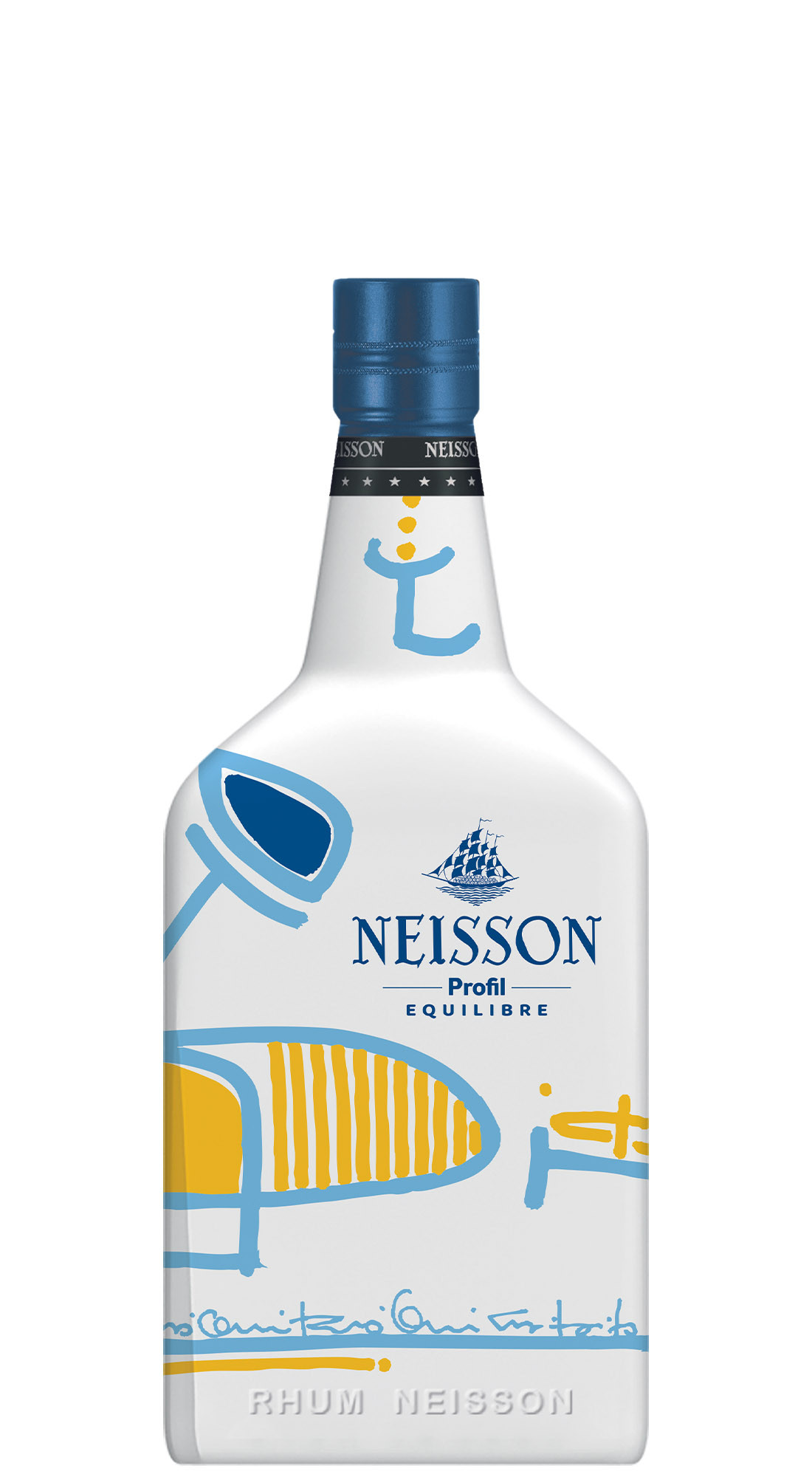
Neisson
Neisson Eleve Sous Bois Profile Equilibre
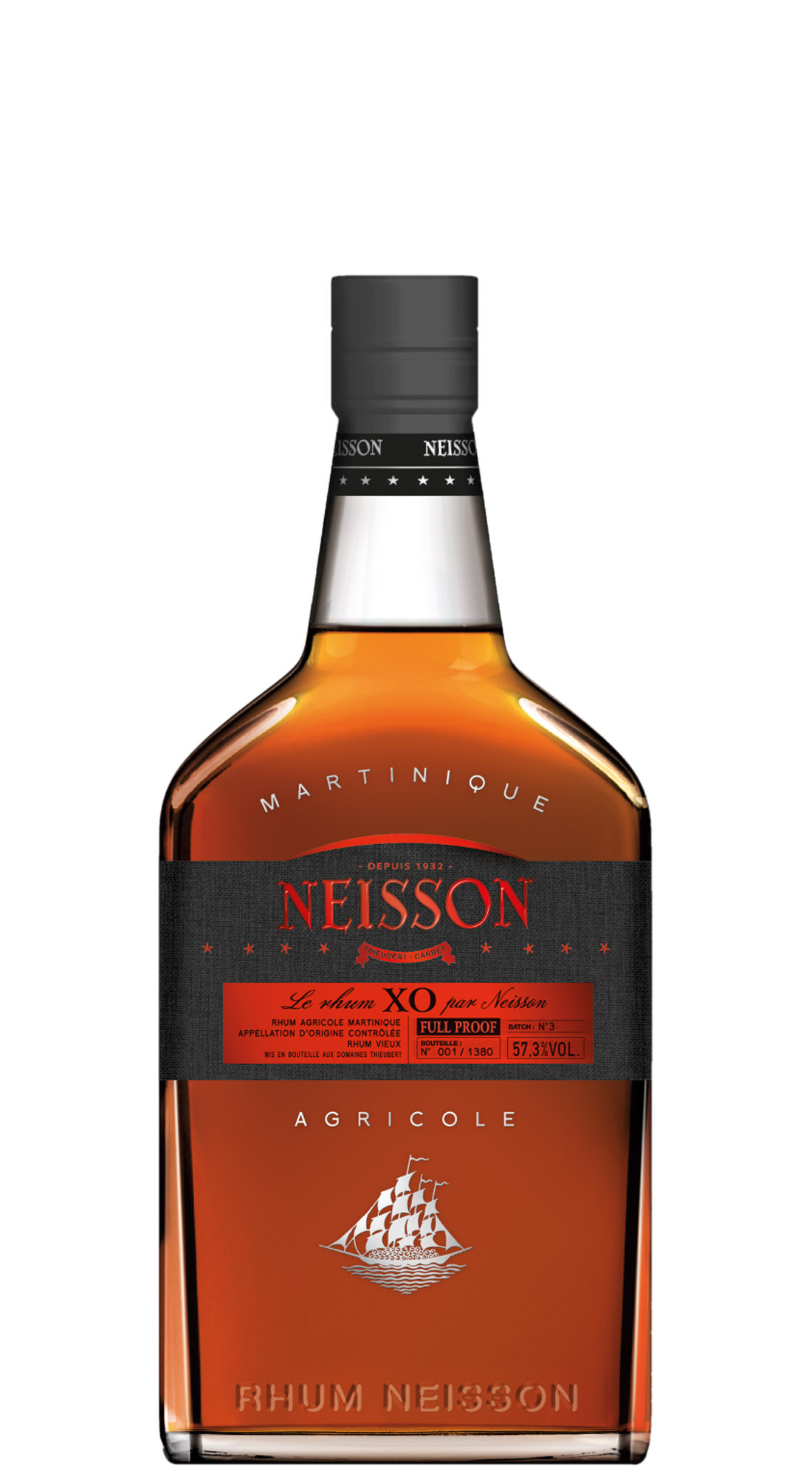
Neisson
Neisson Extra Vieux Full Proof
Neisson
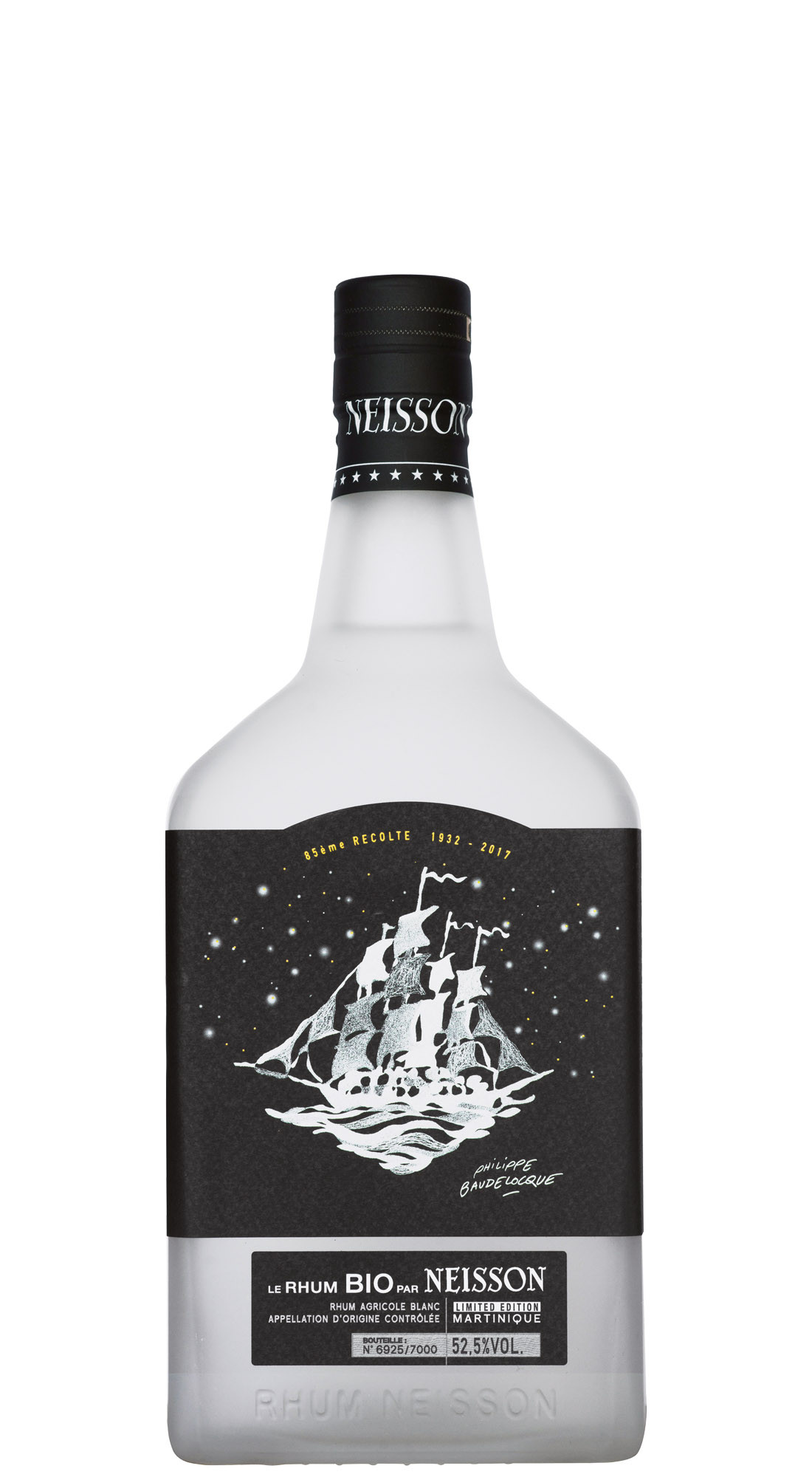
Neisson Le Bio Par Neisson
Neisson
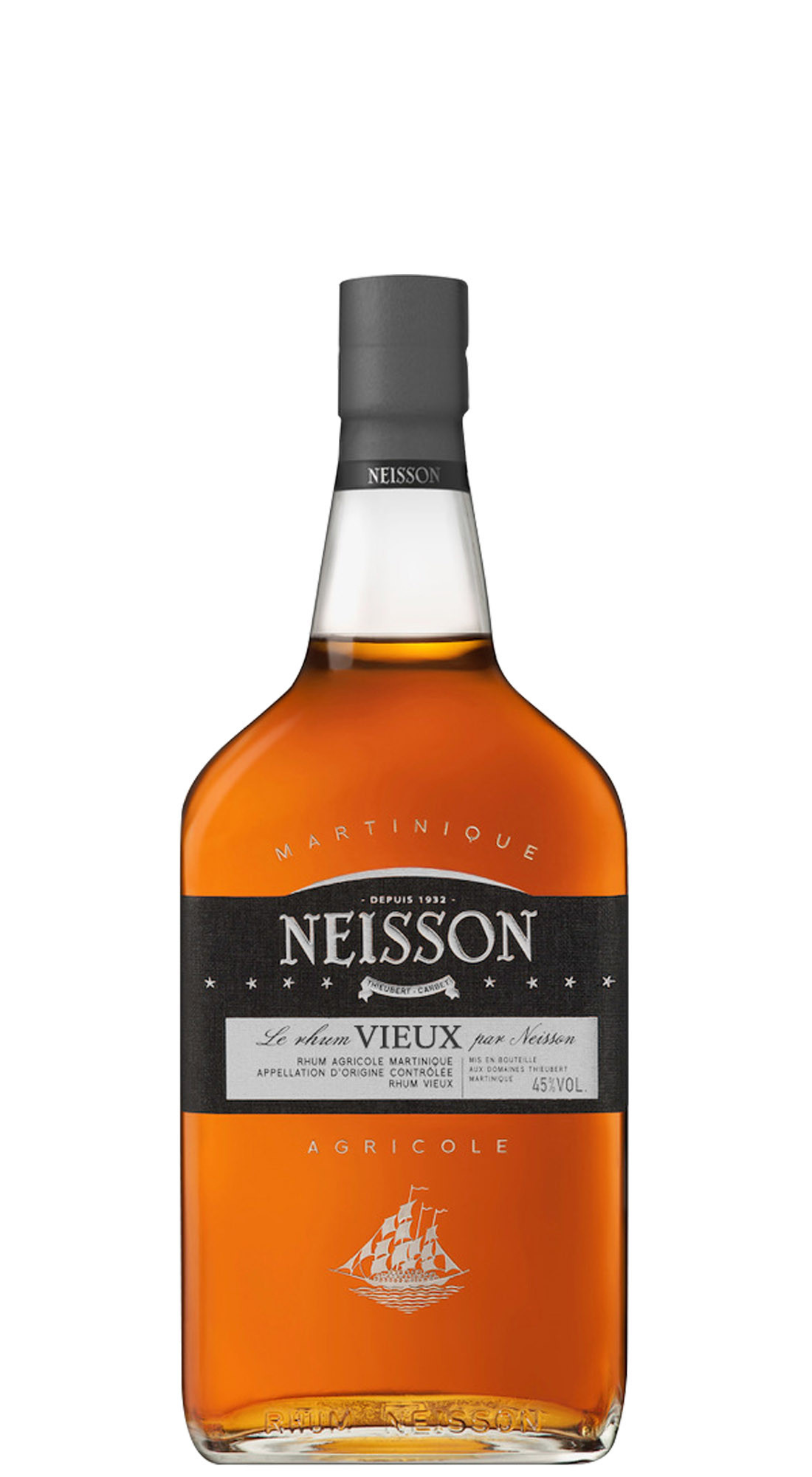
Neisson Le Rhum Vieux Par Neisson
Neisson
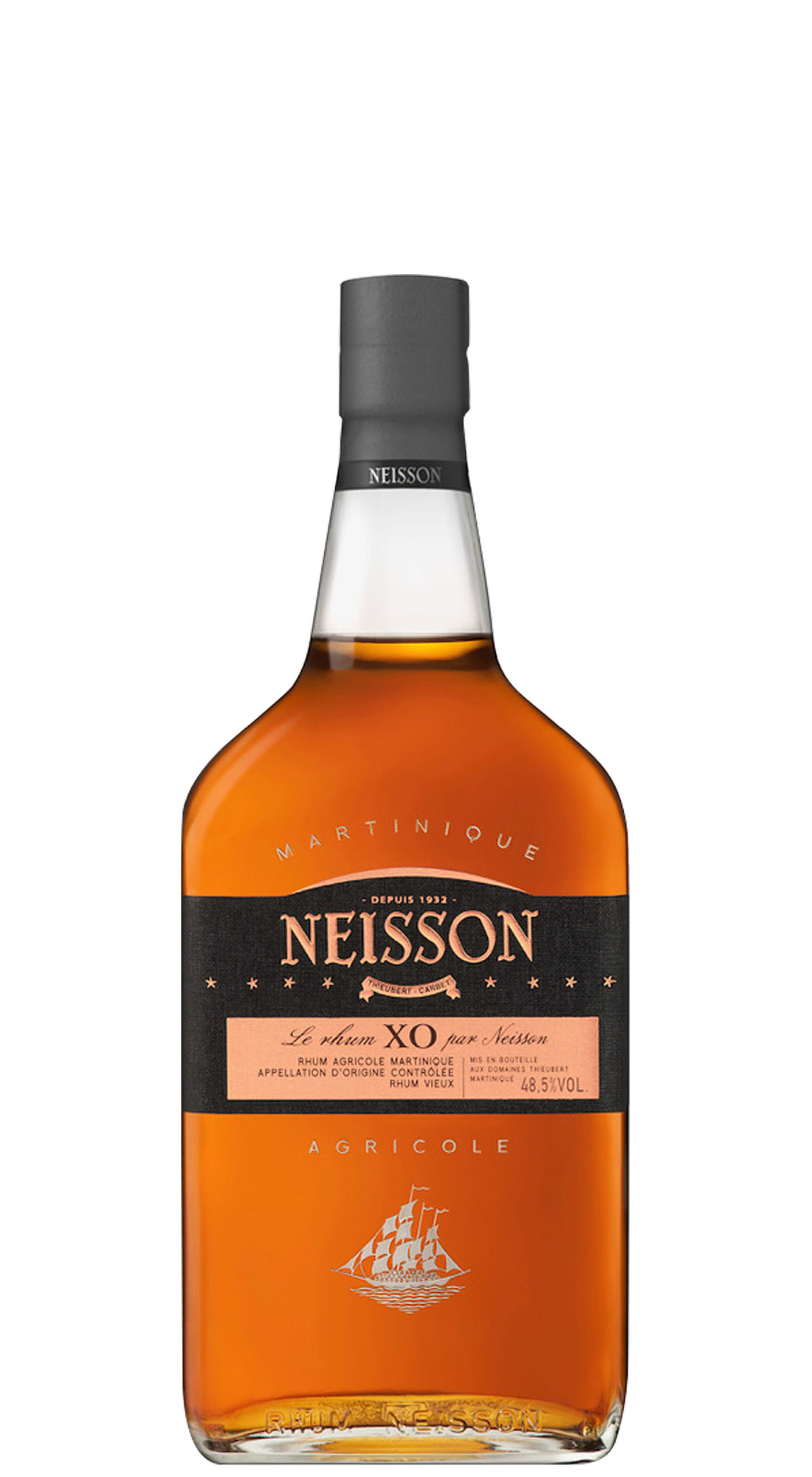
Neisson Le Rhum XO Par Neisson
Neisson
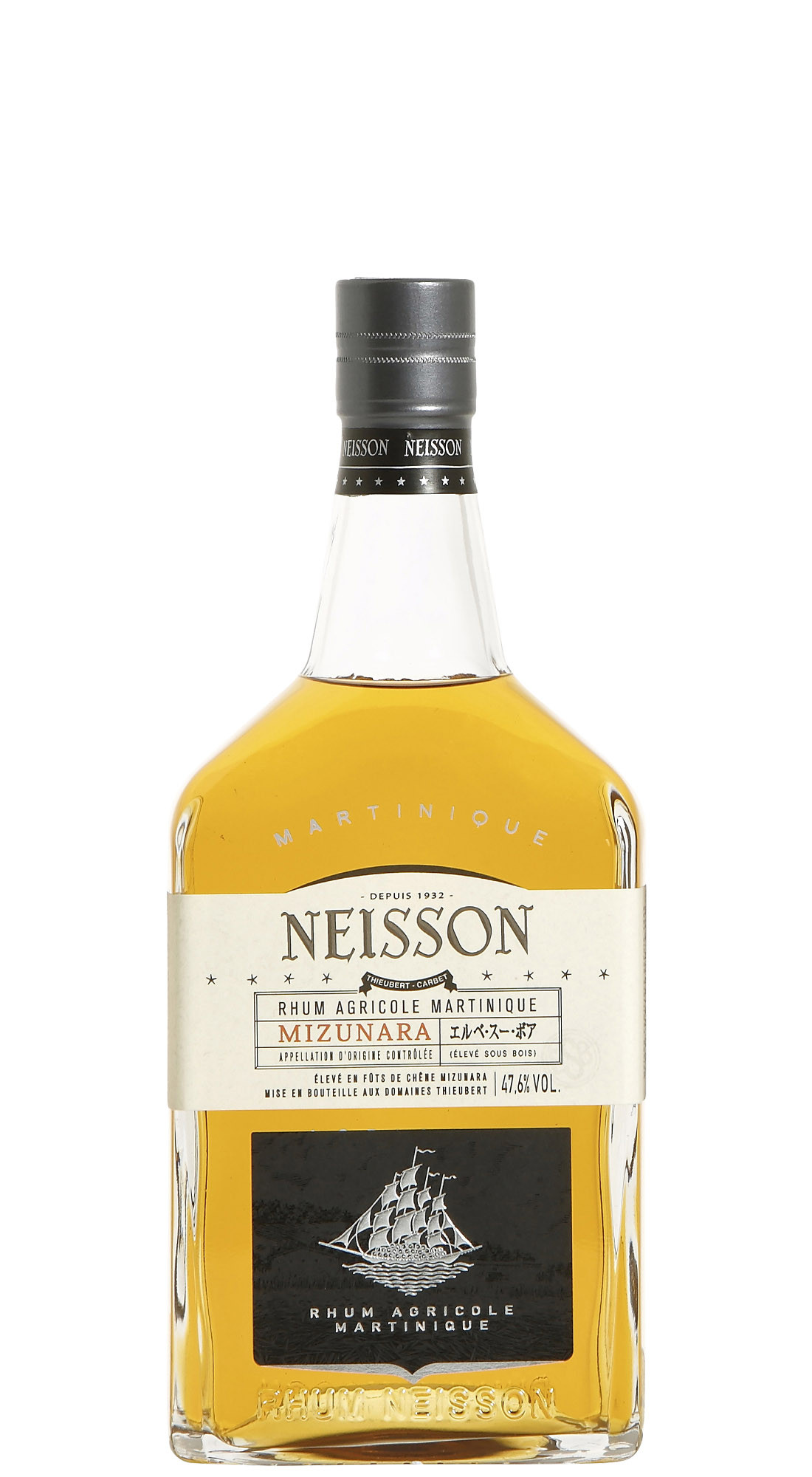
Neisson Mizunara
Neisson
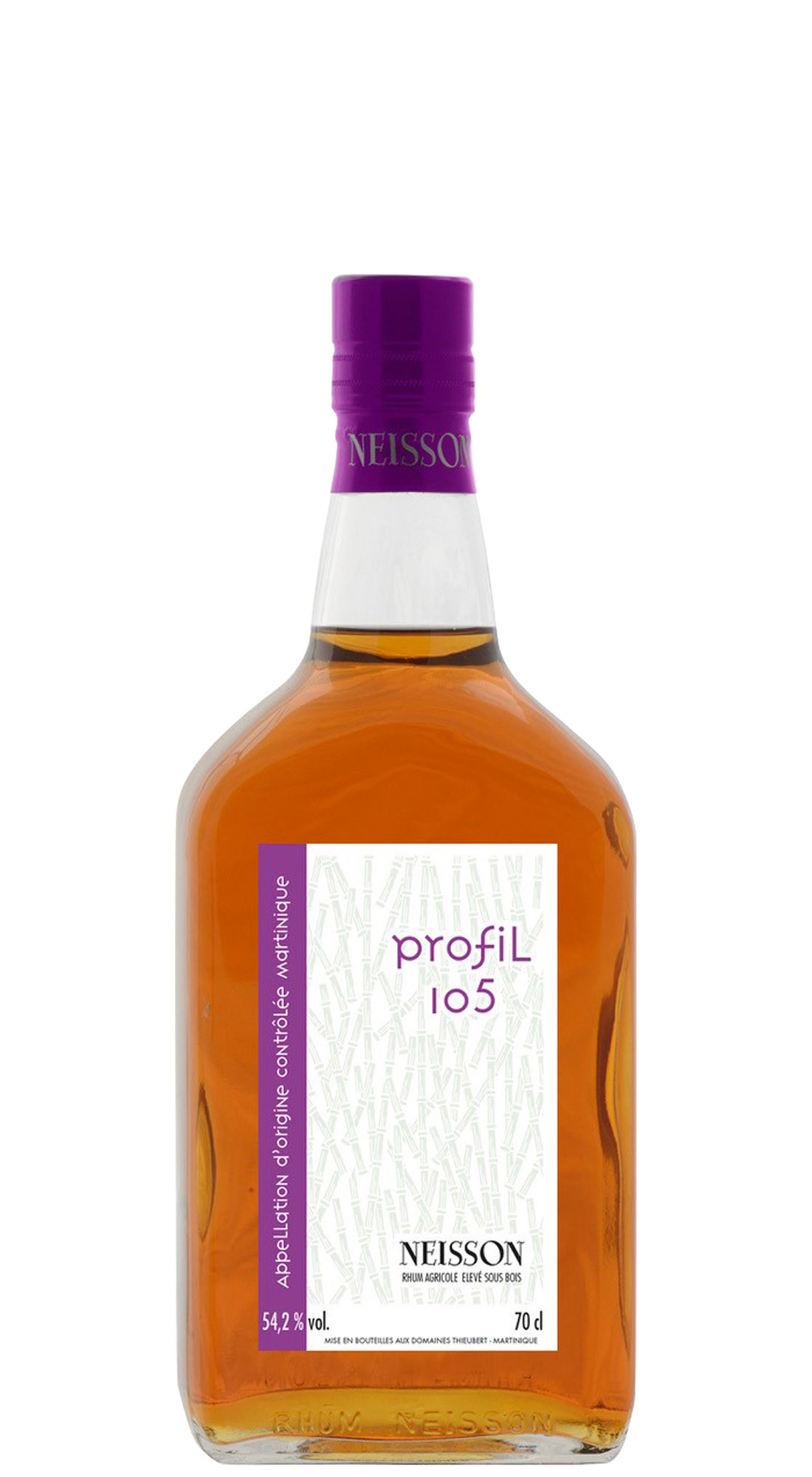
Neisson Profil 105
Neisson
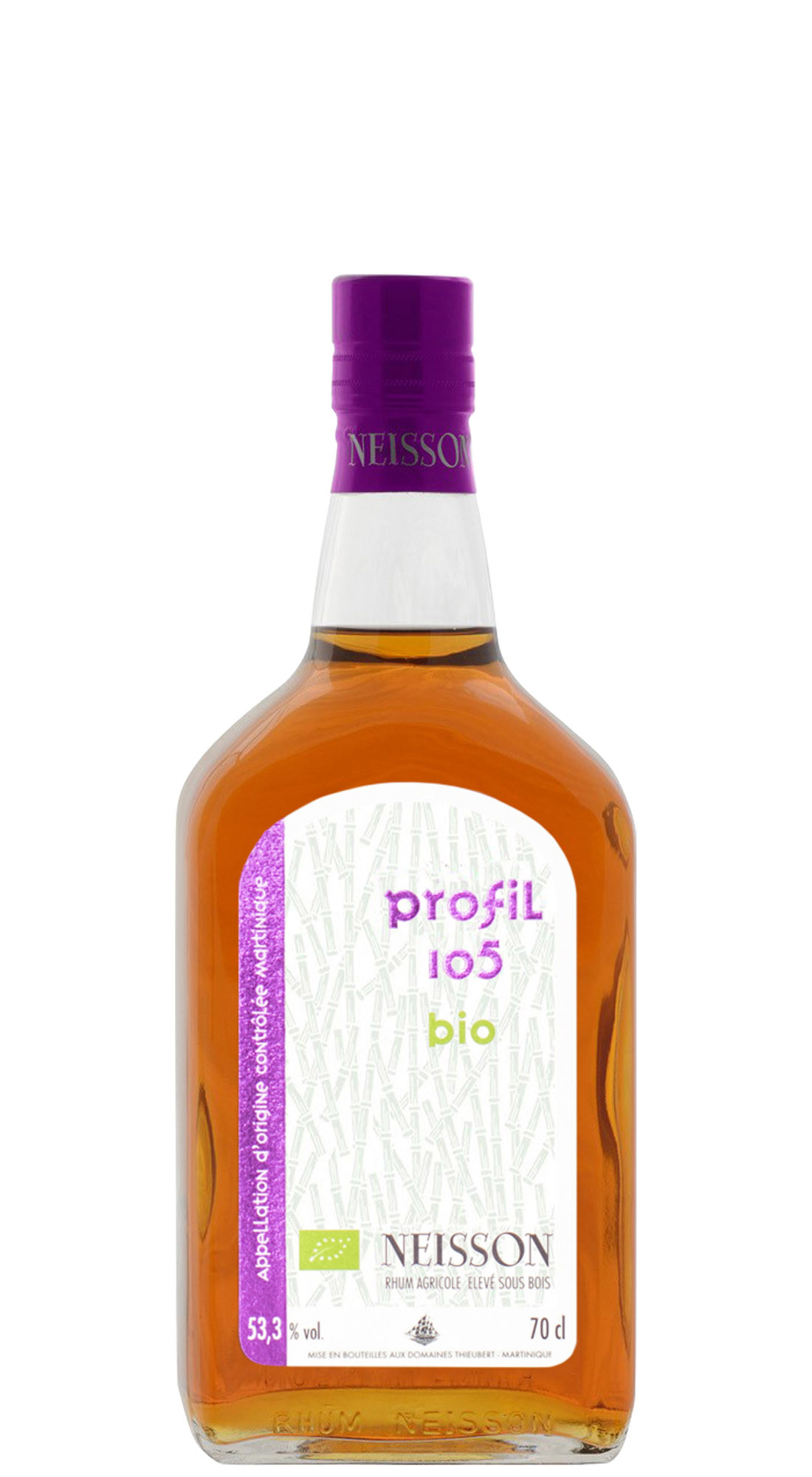
Neisson Profil 105 Bio
Neisson
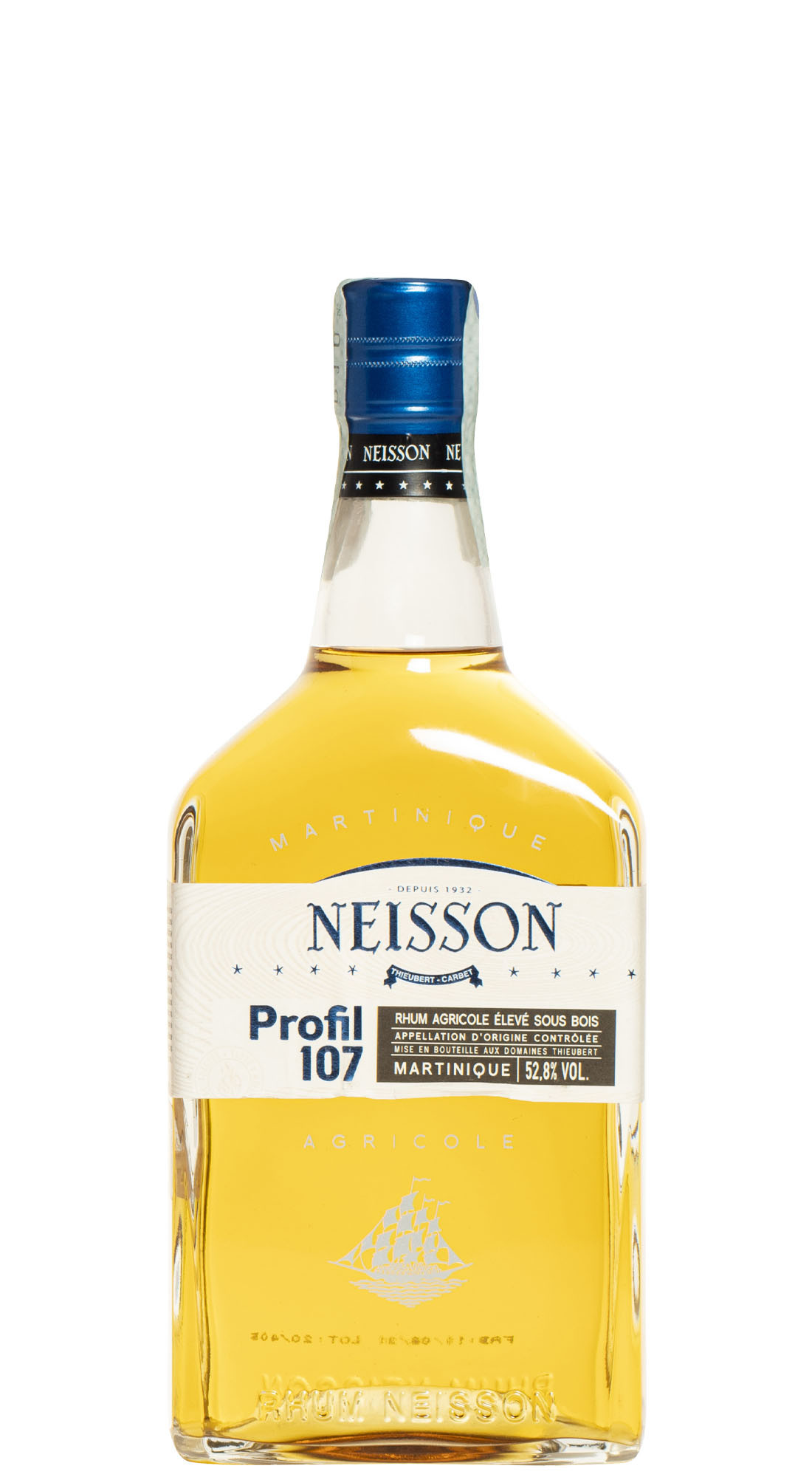
Neisson Profil 107
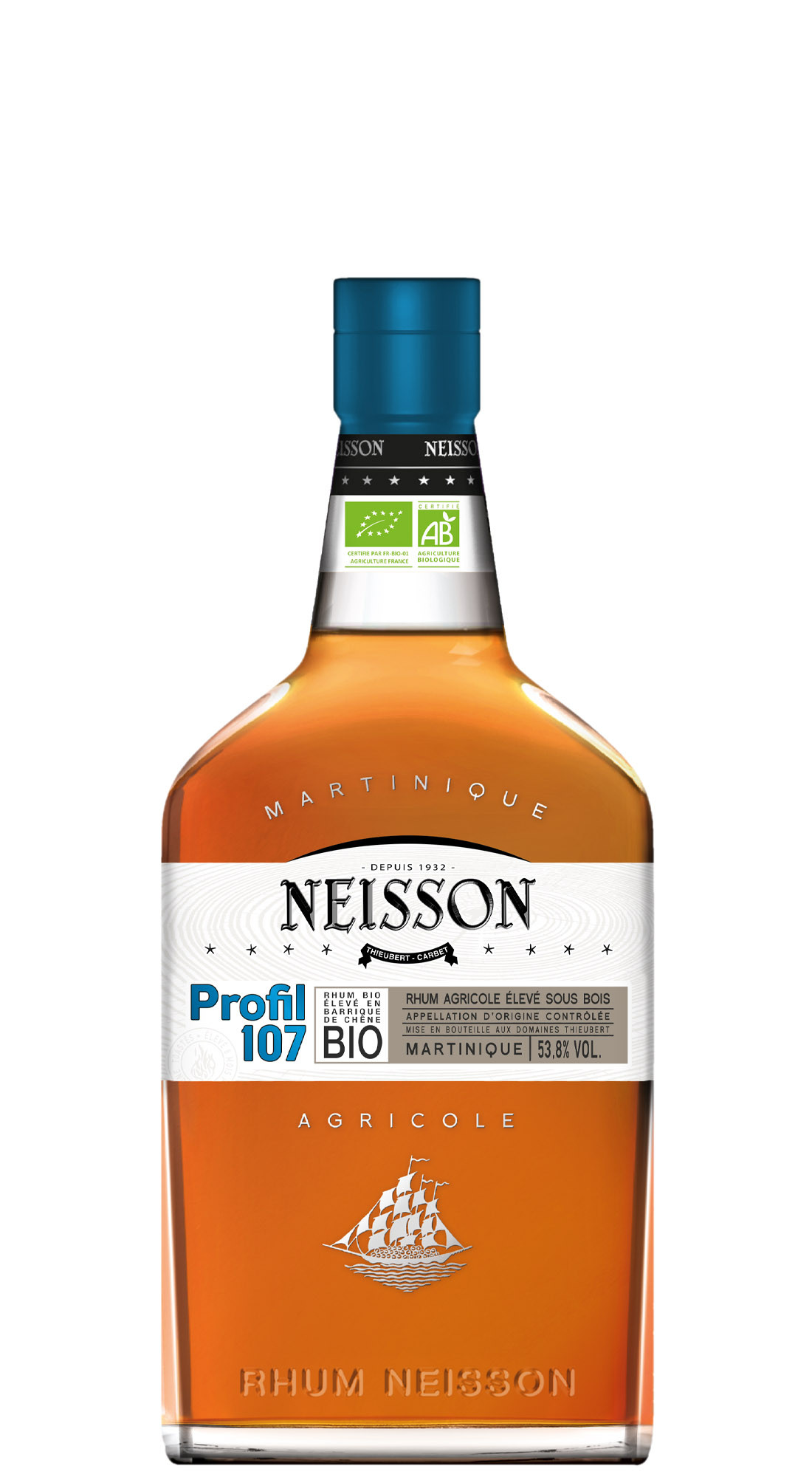
Neisson
Neisson Profil 107 Eleve Sous Bois
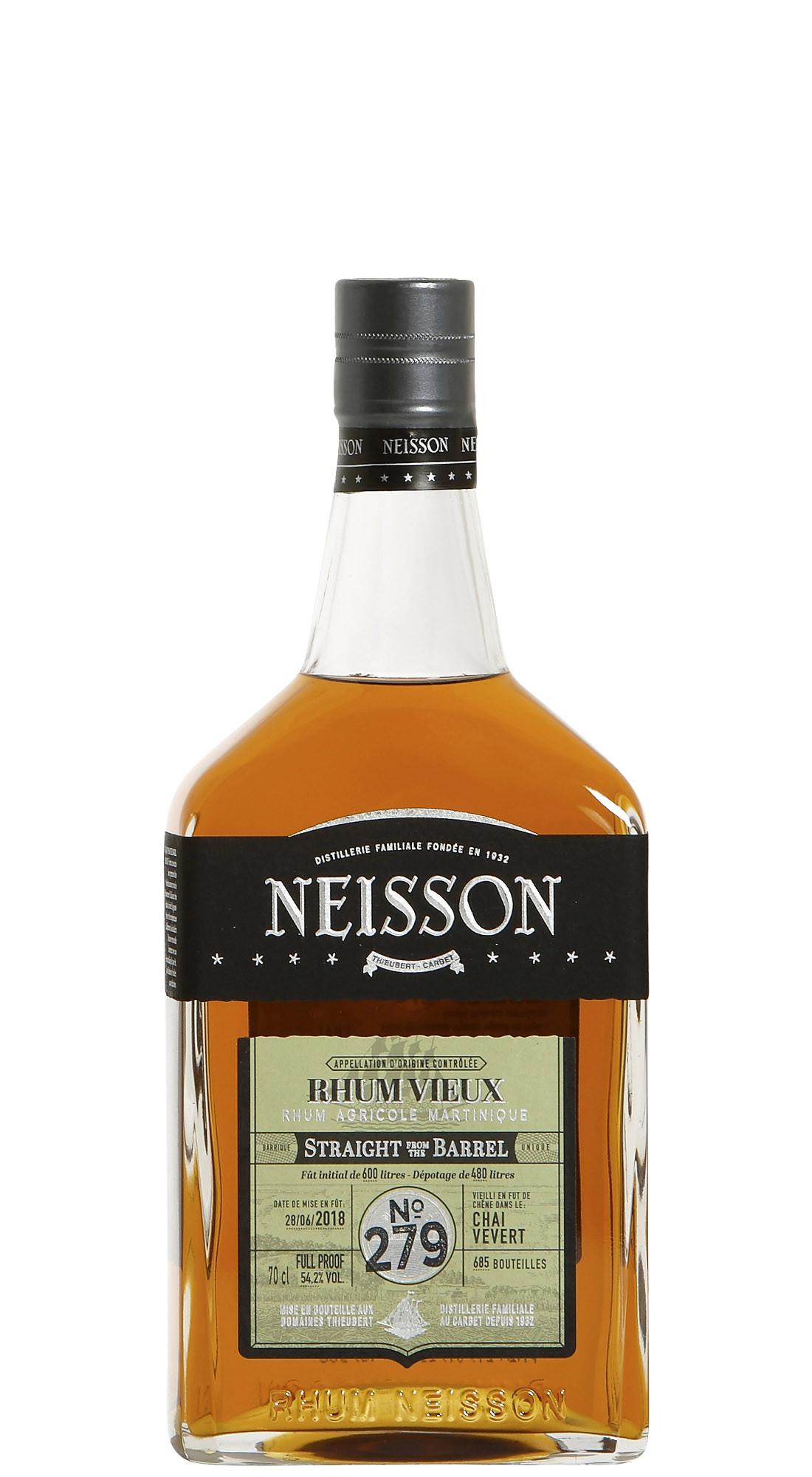
Neisson
Neisson Rhum Vieux SFTB No. 279 Chai Vevert
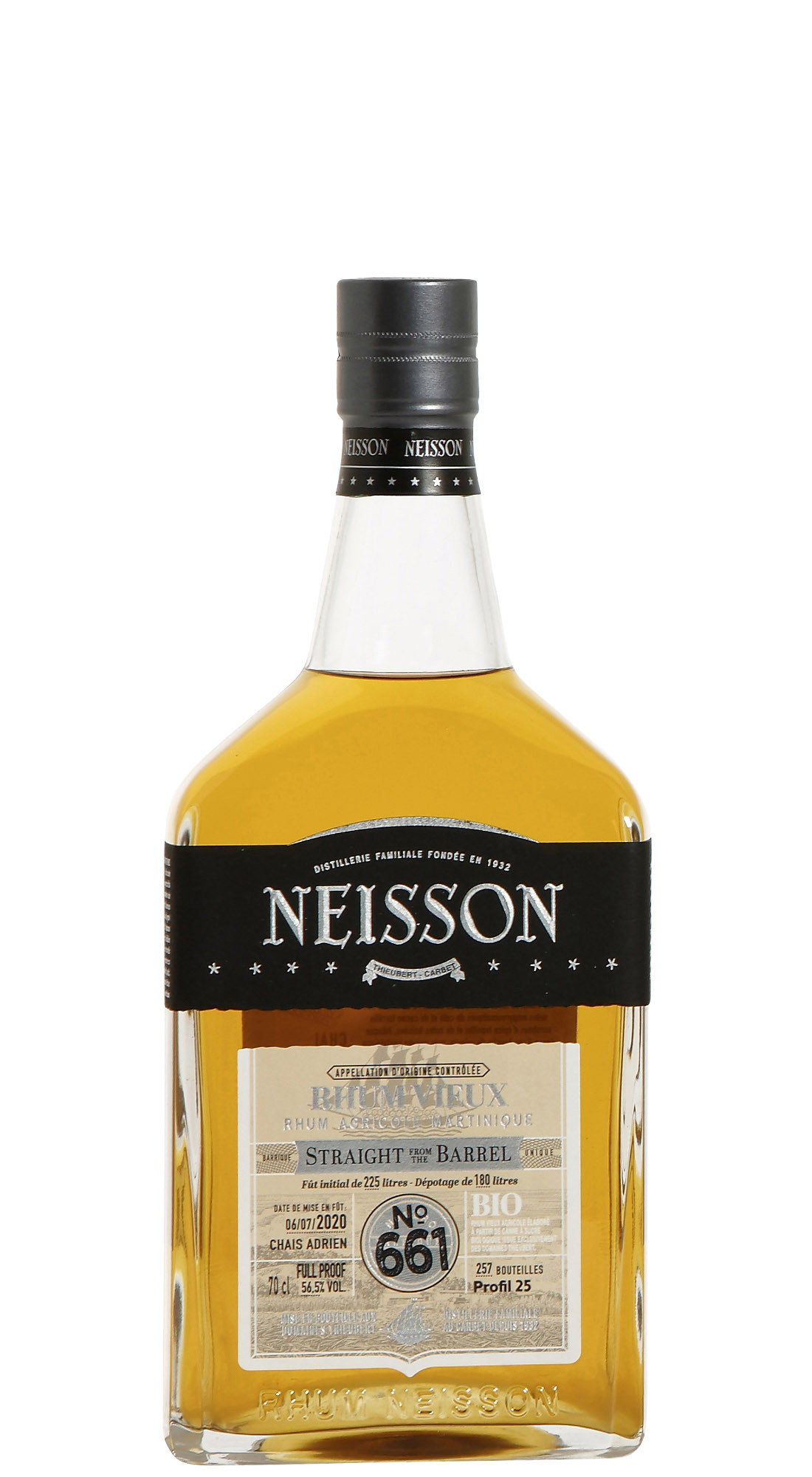
Neisson
Neisson Rhum Vieux SFTB No. 661 Profil 25 Bio
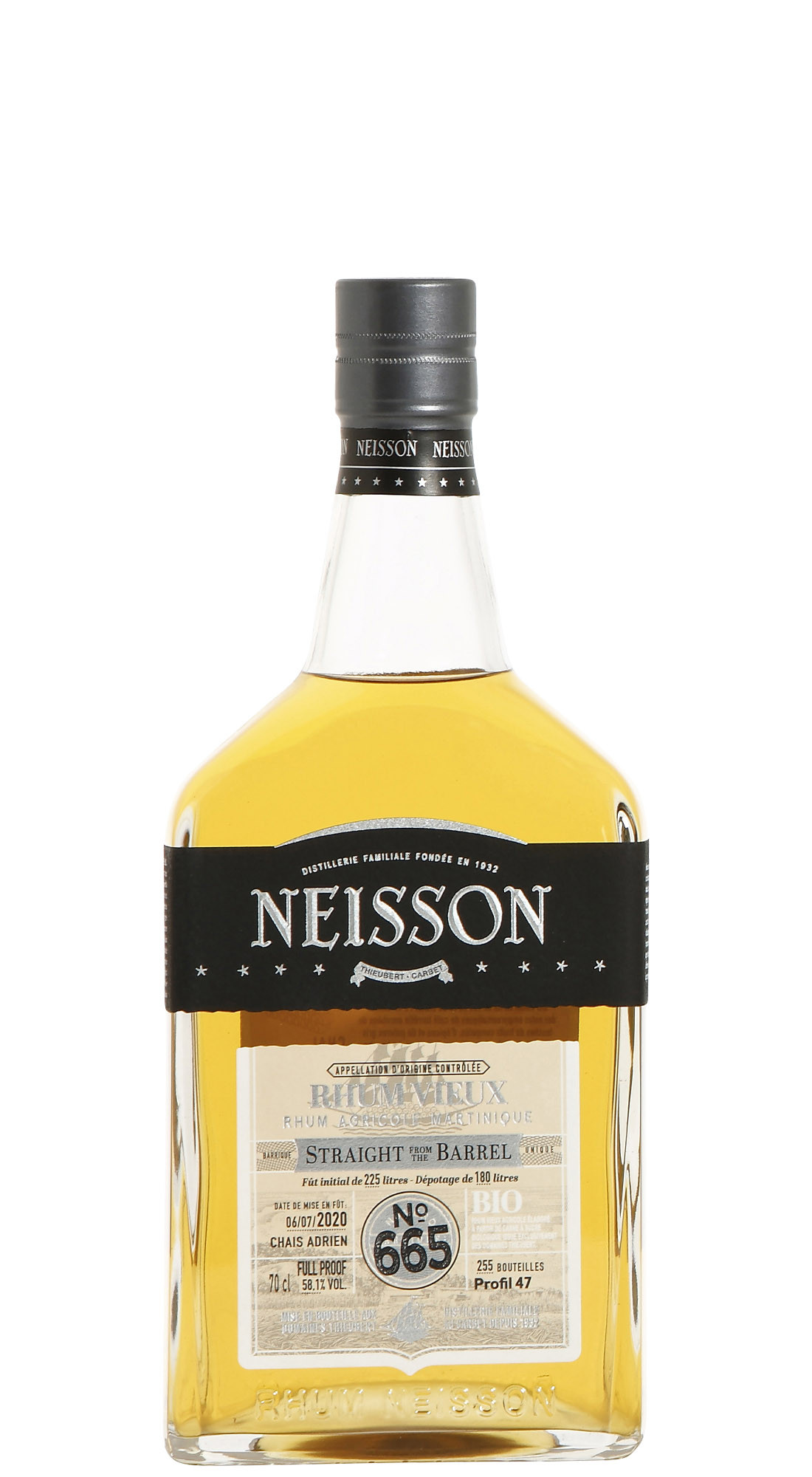
Neisson
Neisson Rhum Vieux SFTB No. 665 Profil 47 Bio
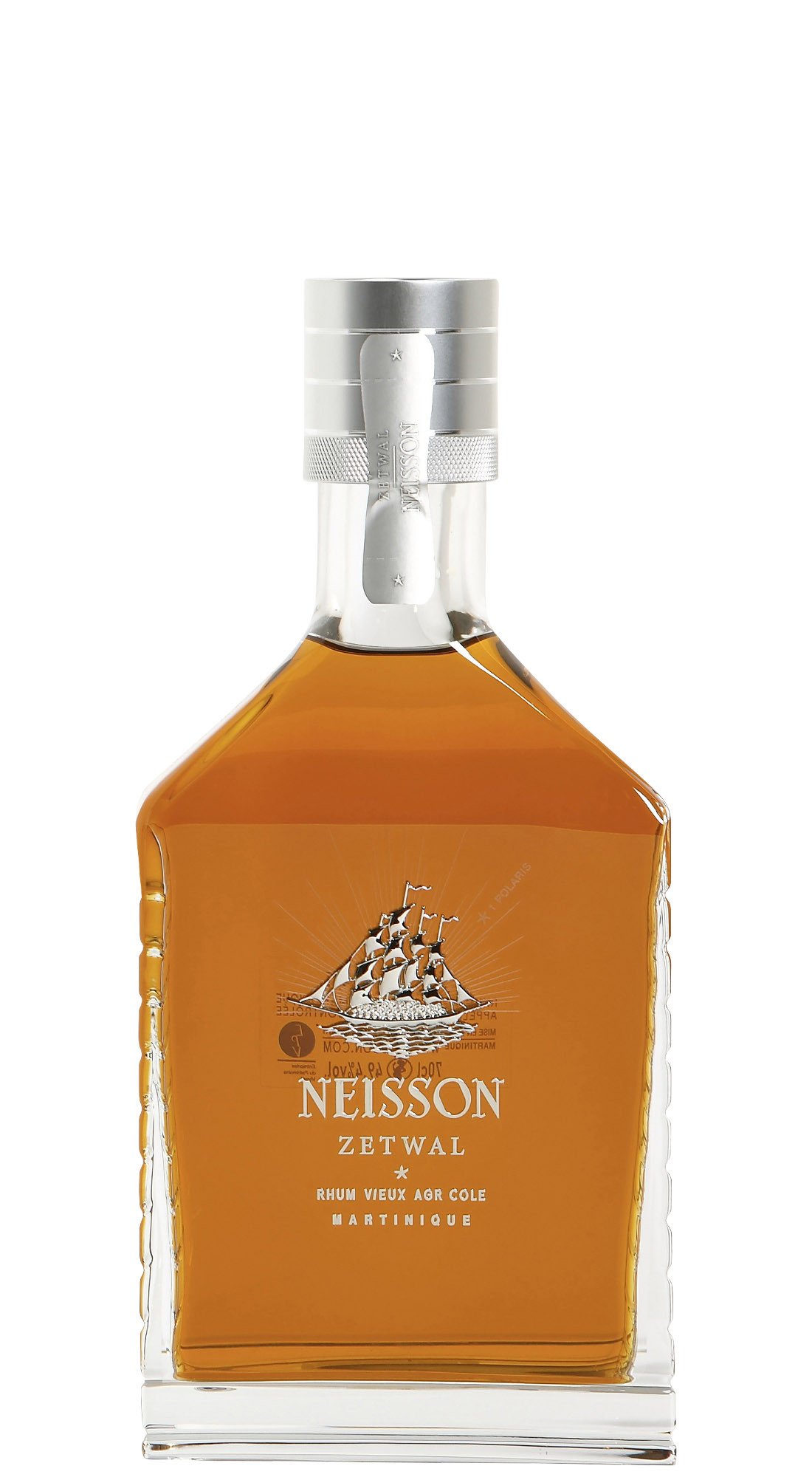
Neisson
Neisson Rhum Vieux Zetwal
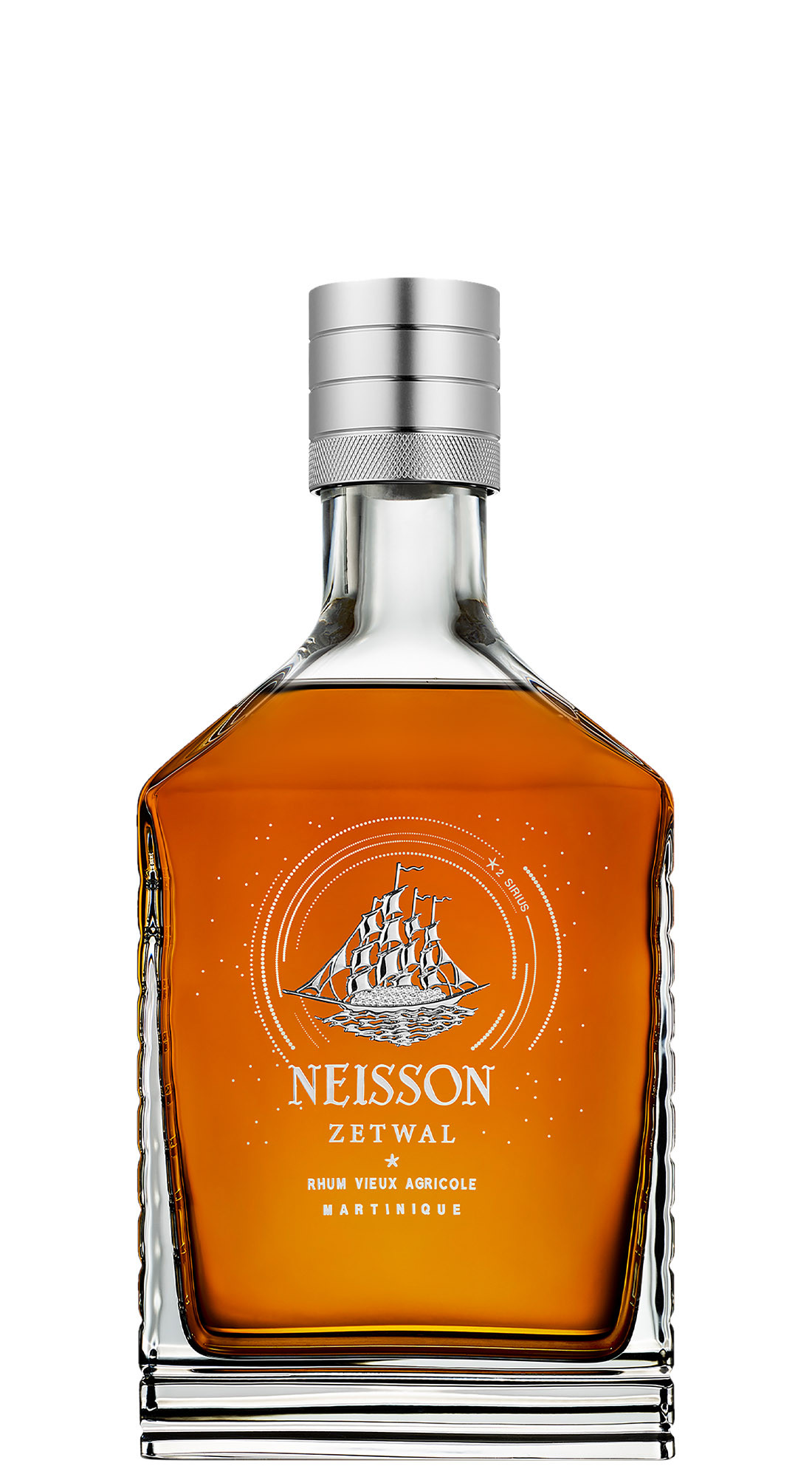
Neisson
Neisson Rhum Vieux Zetwal Sirius
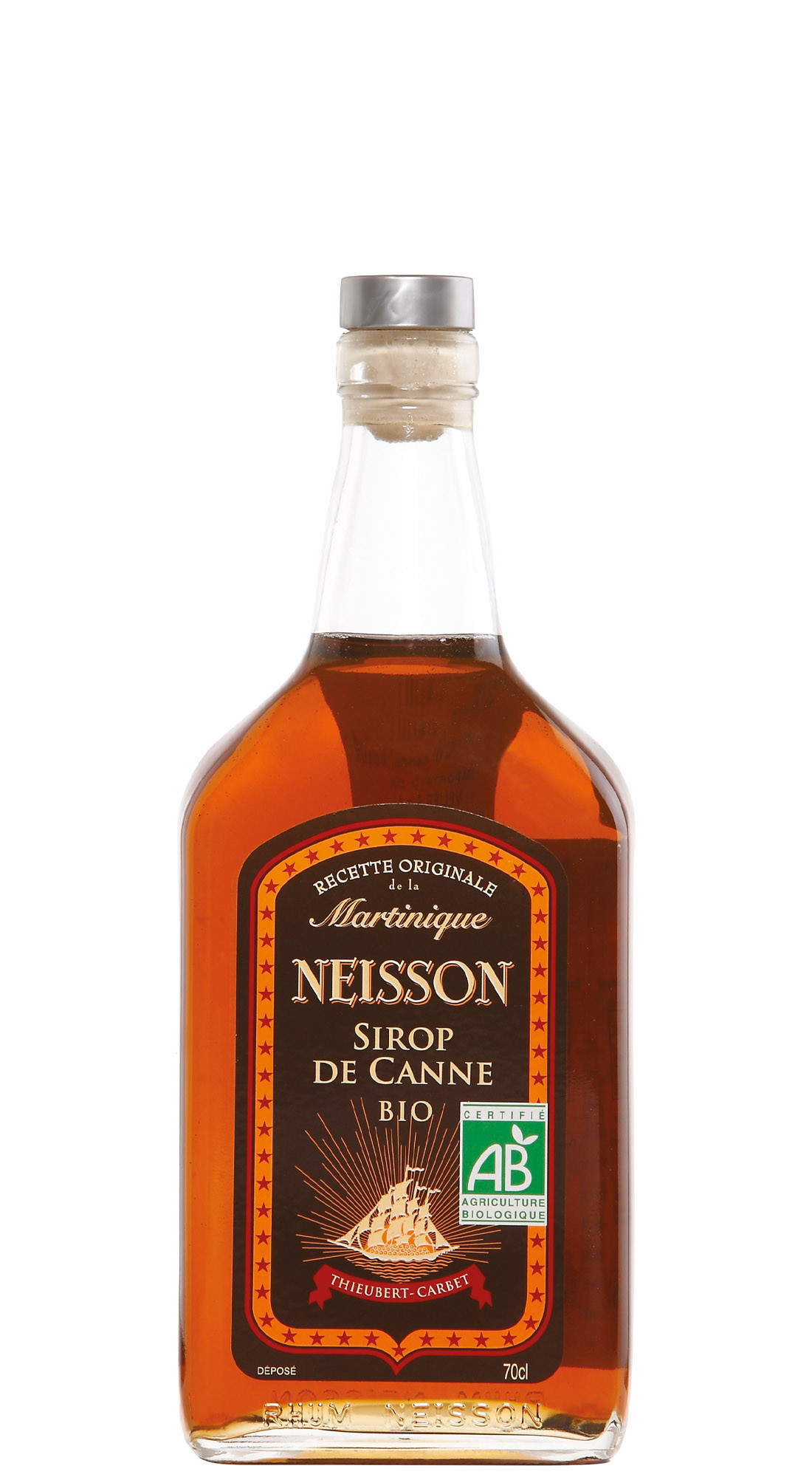
Neisson
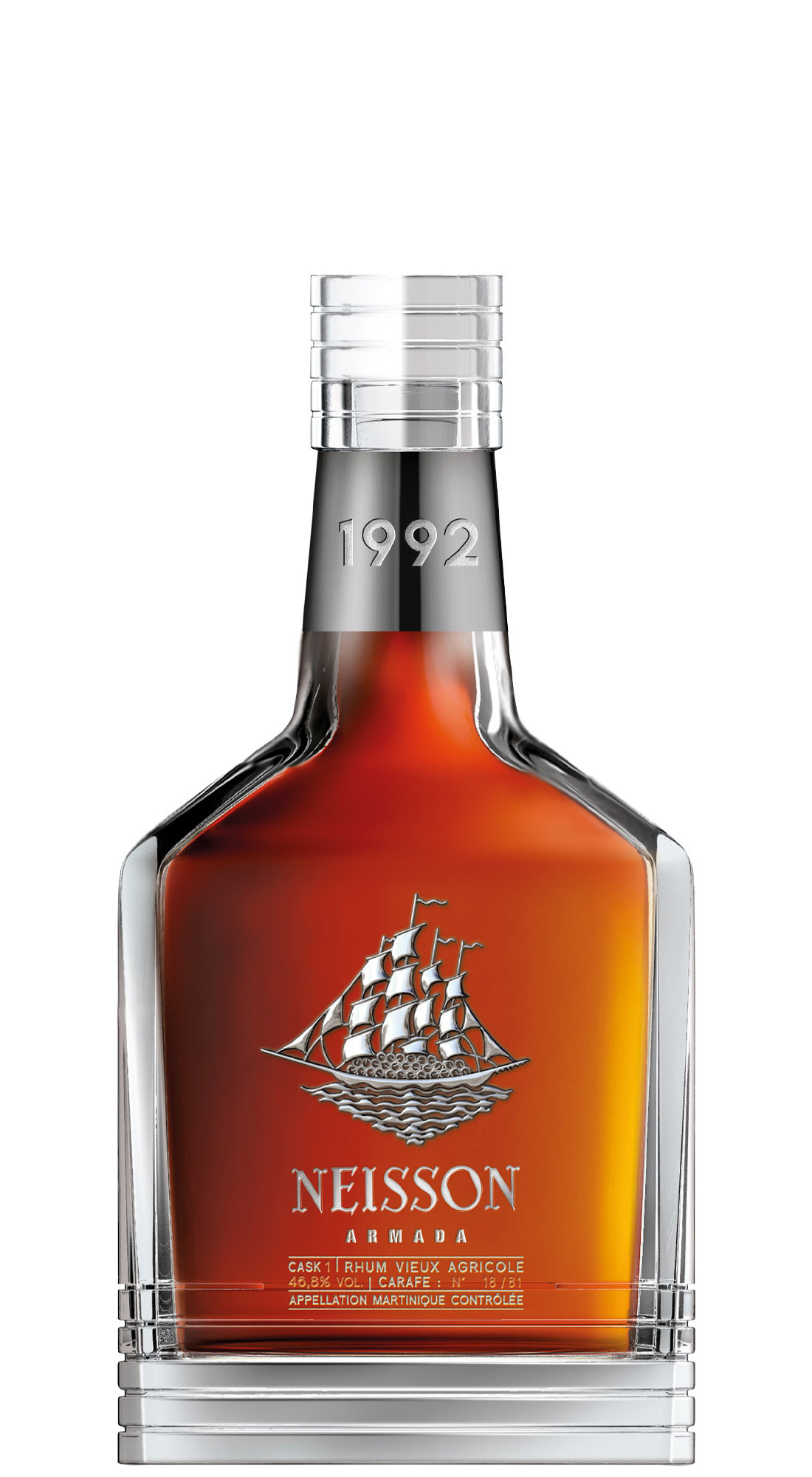
Neisson The Armada 1992
Neisson
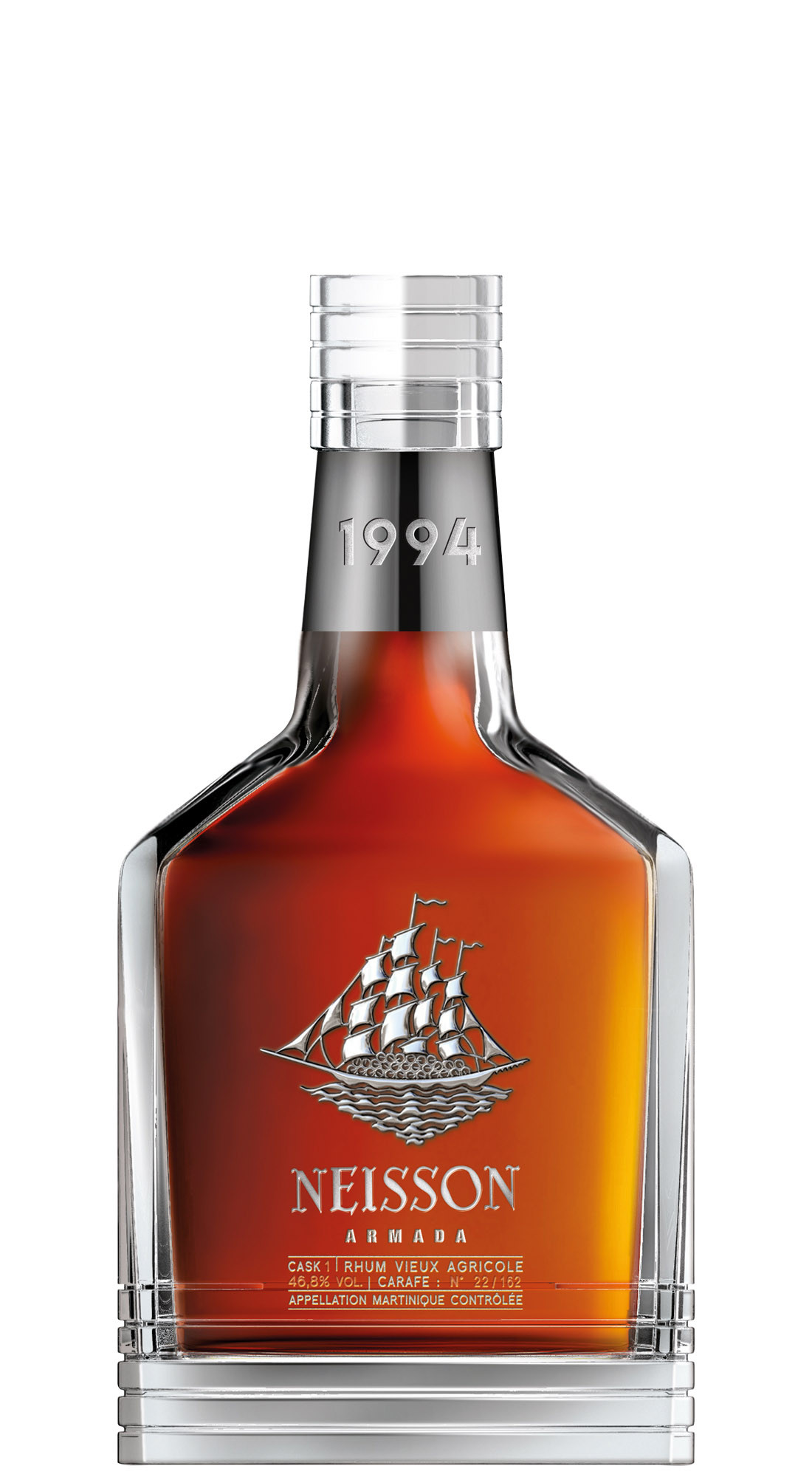
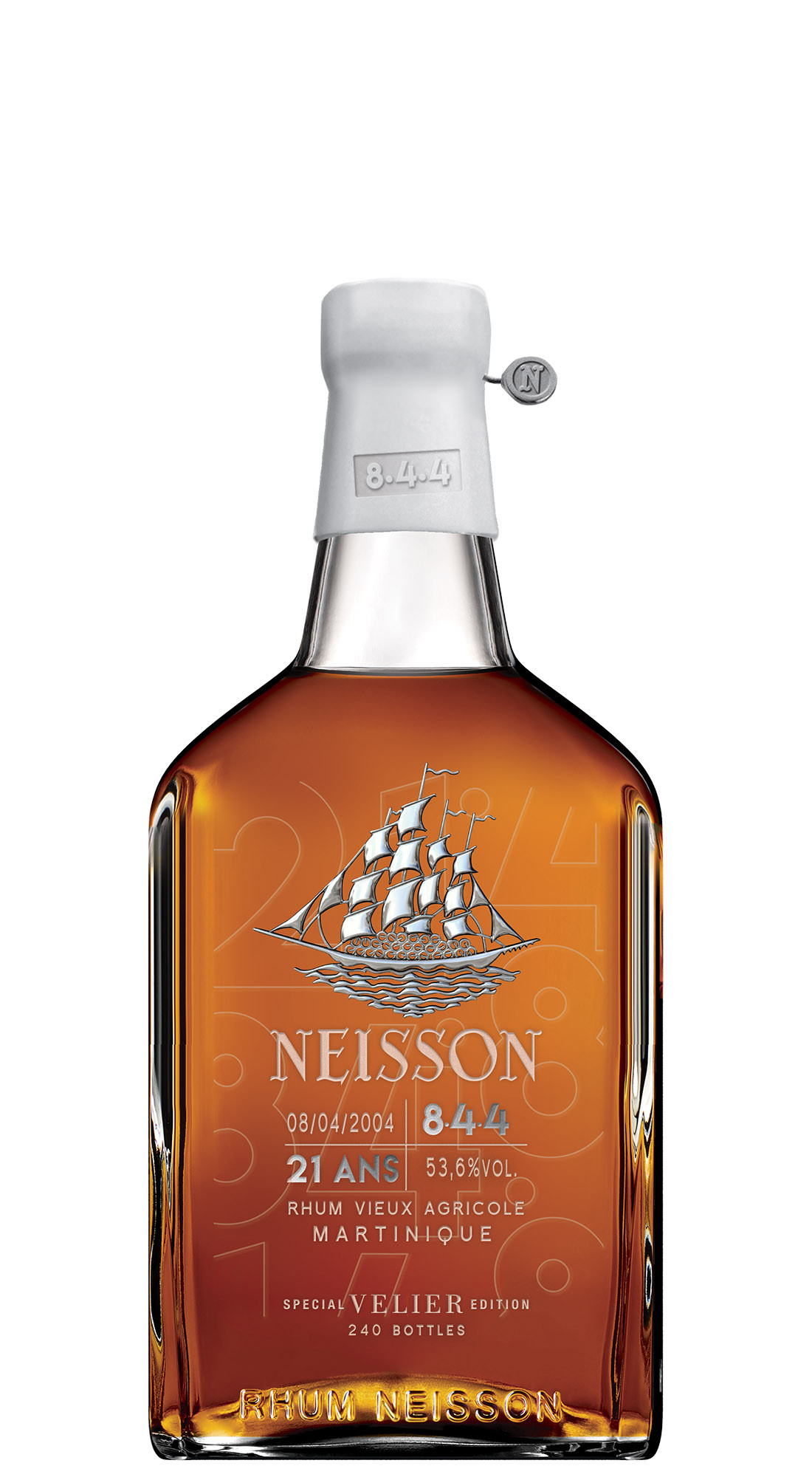
Neisson The Armada 1994
Neisson
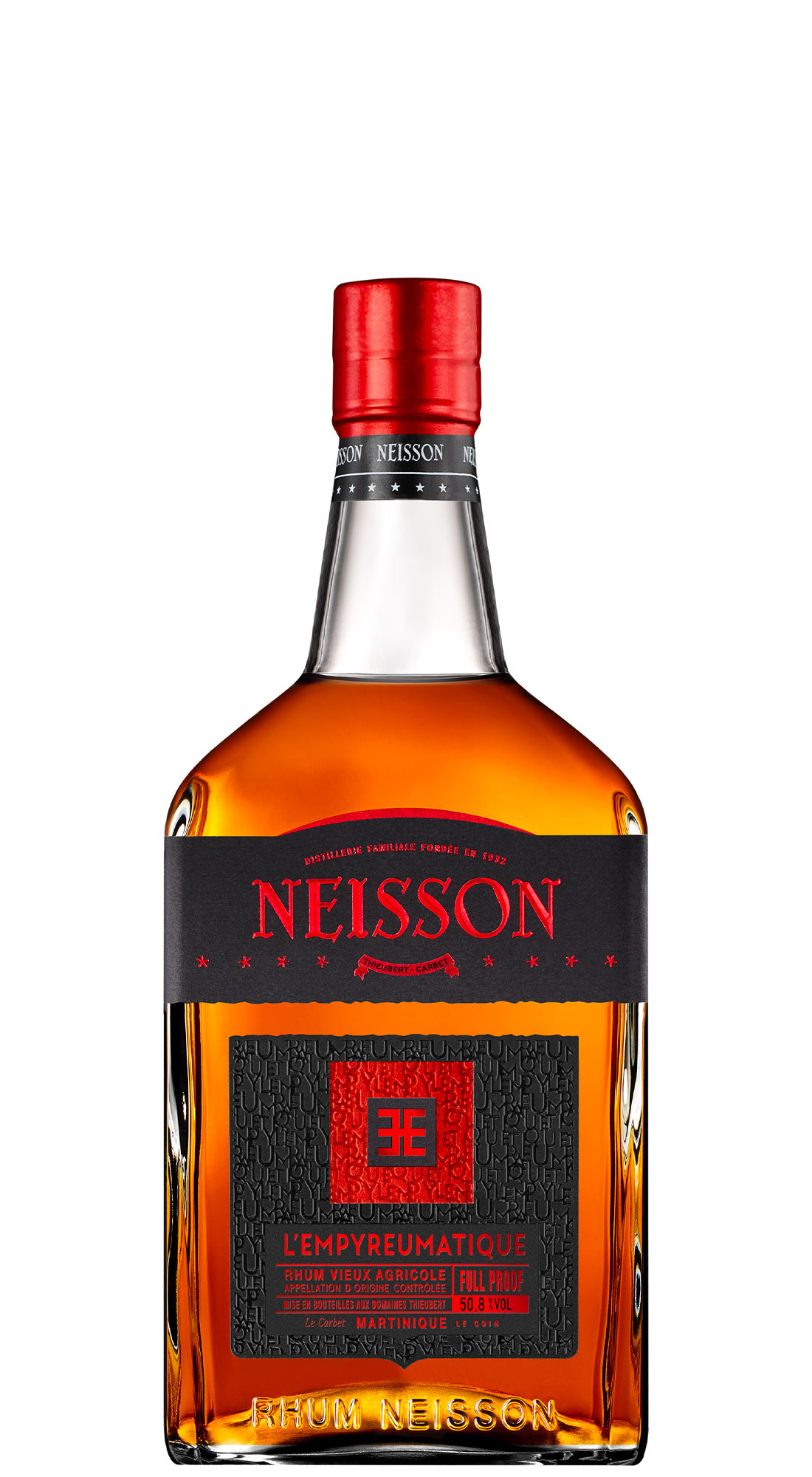
Neisson Vieux AOC Empyreumatique
Neisson
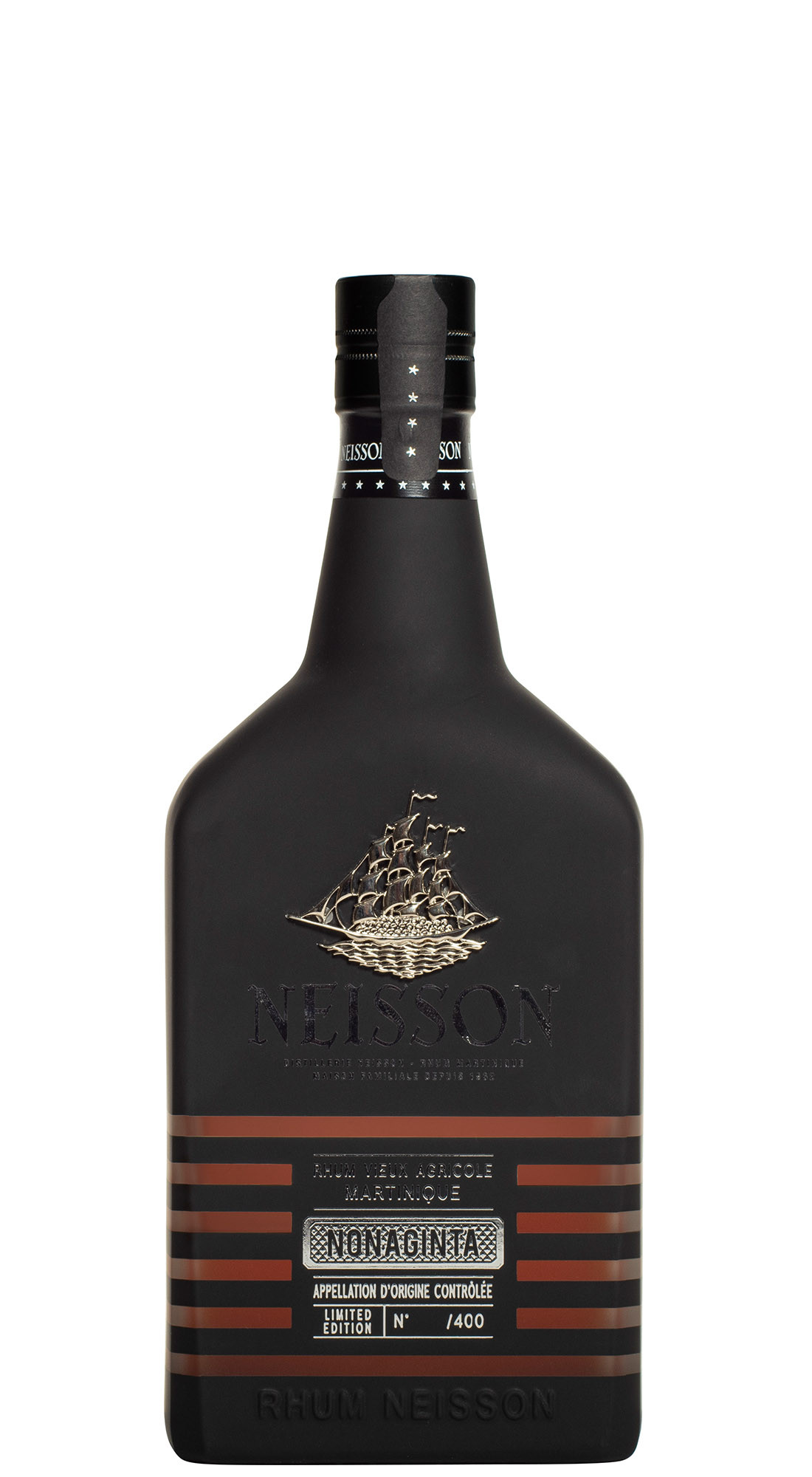
Neisson Vieux AOC Nonaginta
Neisson
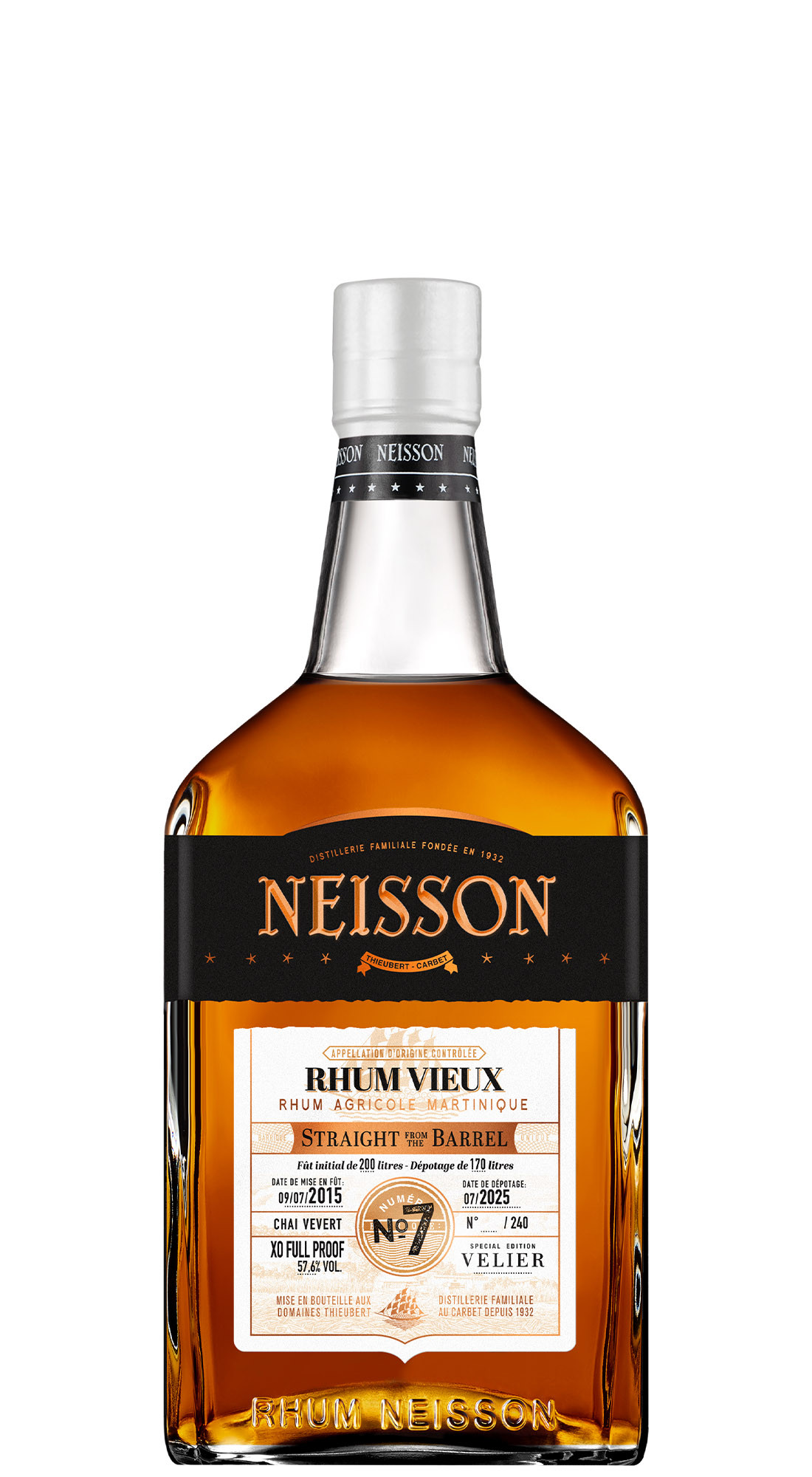
Neisson Vieux AOC SFTB No. 7 Clos Velier
Neisson
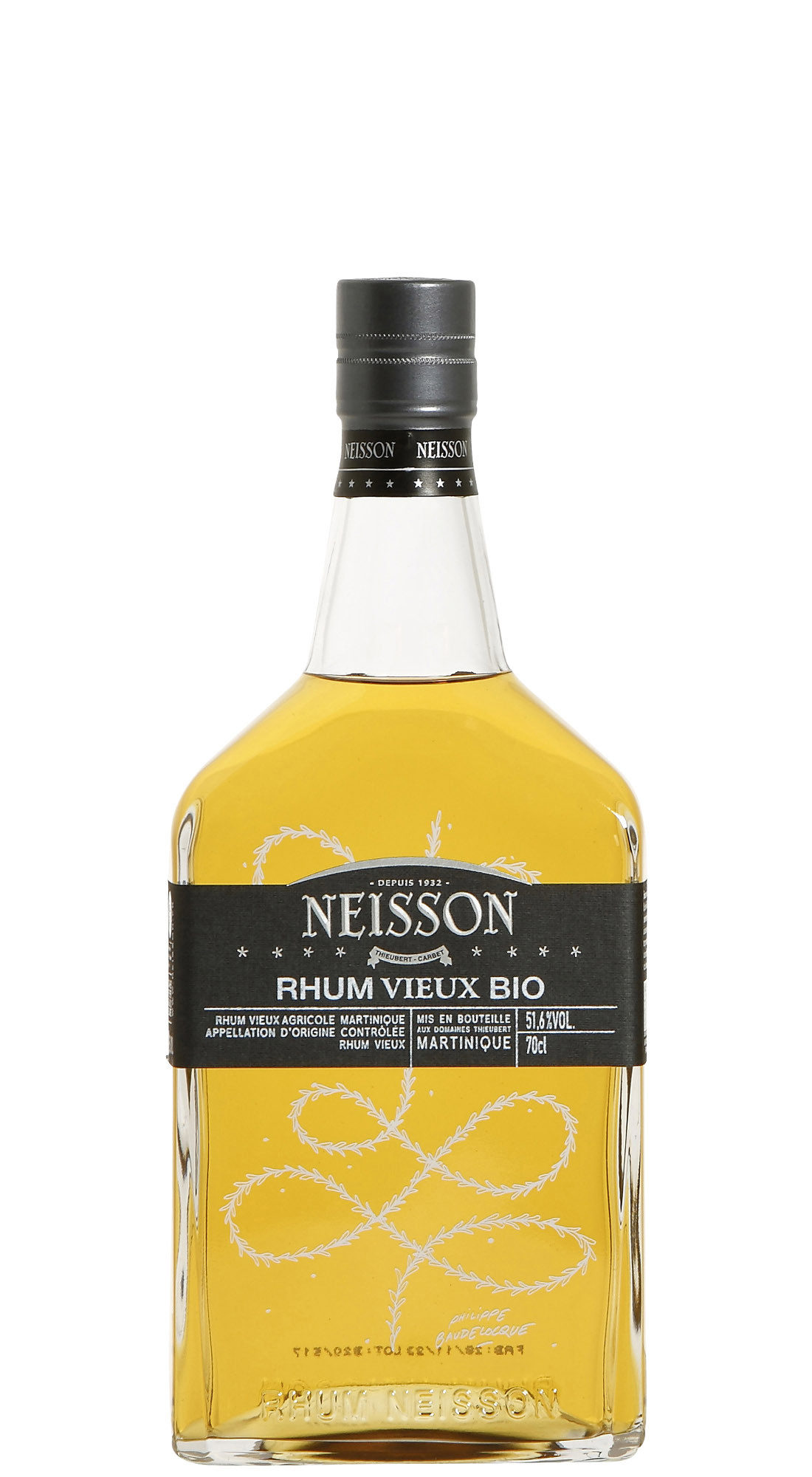
Neisson Vieux Bio
Neisson


