



Artist Series, when whisky dresses in art
31 gennaio 2025
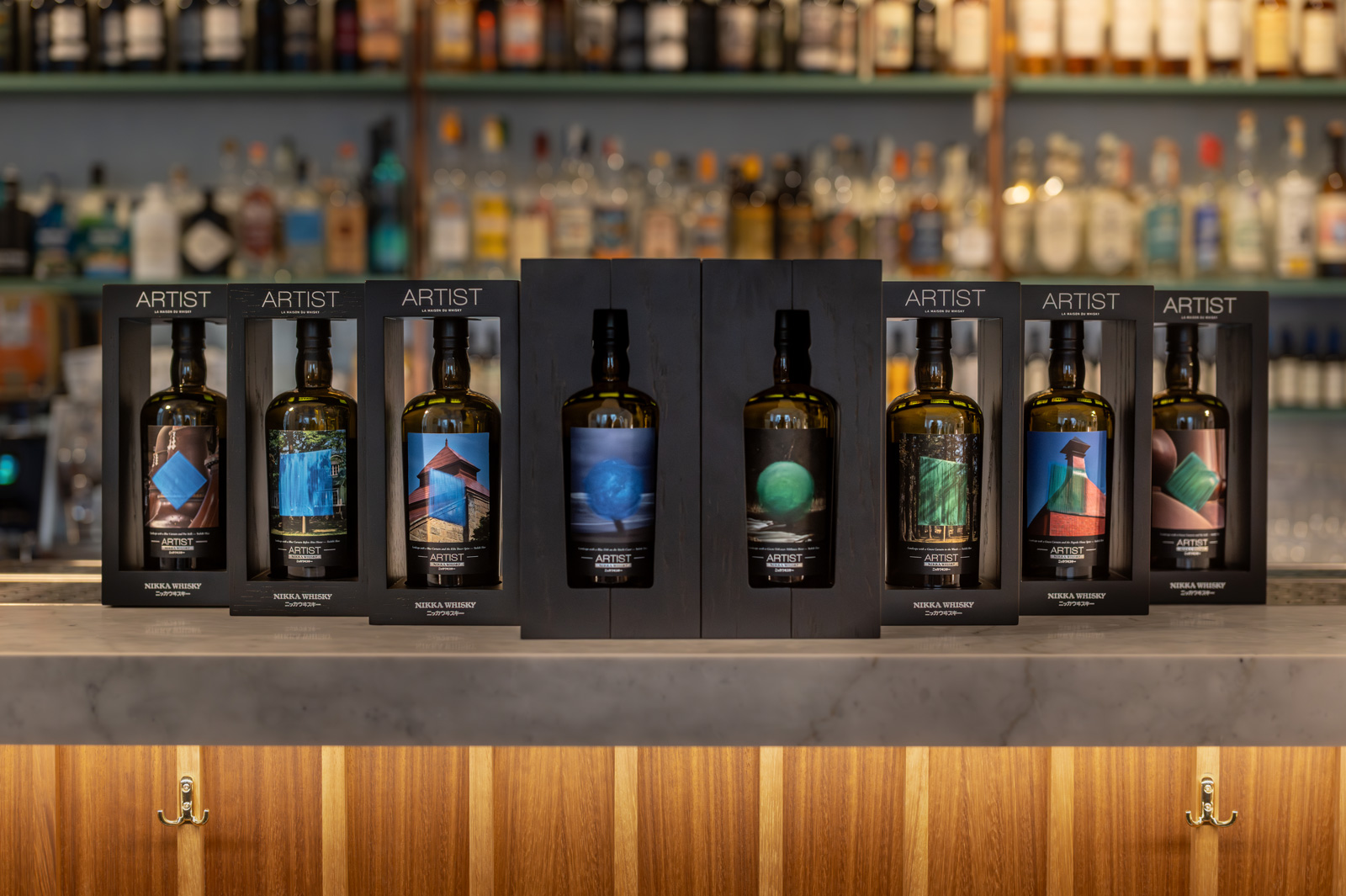
Today La Maison du Whisky is one of the most important independent distributors of spirits in France – a leading player in the market as well as the go-to place for many lovers of fine drinking. Throughout its long history, it has contributed with a passionate - rather than profit-driven - approach to the spread of the spirit culture in the country, especially in connection to whiskey.
La Maison was founded in 1956 by Georges Bénitah and his two brothers. Right from the start, they were driven by a desire to spread the huge heritage of whisky. At that time, the malt spirit did not yet enjoy the reputation of King of Distillates it has today. Indeed, the superior category of Single Malts was still largely unexplored by distilleries both in Scotland and Ireland, which traditionally sold their malts for the creation of Blended Whisky. 1962 saw the first Single Malt, a Glen Grant, being placed on the market, and as early as 1977 La Maison's catalogue already included 150 labels. A year later, a distribution agreement with leading independent bottlers Gordon & MacPhail marked a new chapter in this exciting journey.
Today we can say that La Maison du Whisky has contributed in a significant way to the growth of the popularity and consumption of Scotch whisky in France and all of Europe, and later of whisky from other countries - not to mention the extensive catalogue built over the years in the wake of the rising fame of quality rum and the revival of Cognac and other spirits.
The arrival of Thierry Bénitah as head of the company in 1995 provided a significant boost to La Maison’s growth and diversification process. It should be remembered that La Maison was the first to import Nikka whiskies in France in 2001, paving the way for the explosion of Japanese whisky in Europe. Thierry also started new projects reaching far beyond the company's import and distribution business with special emphasis on whisky, La Maison's first love.

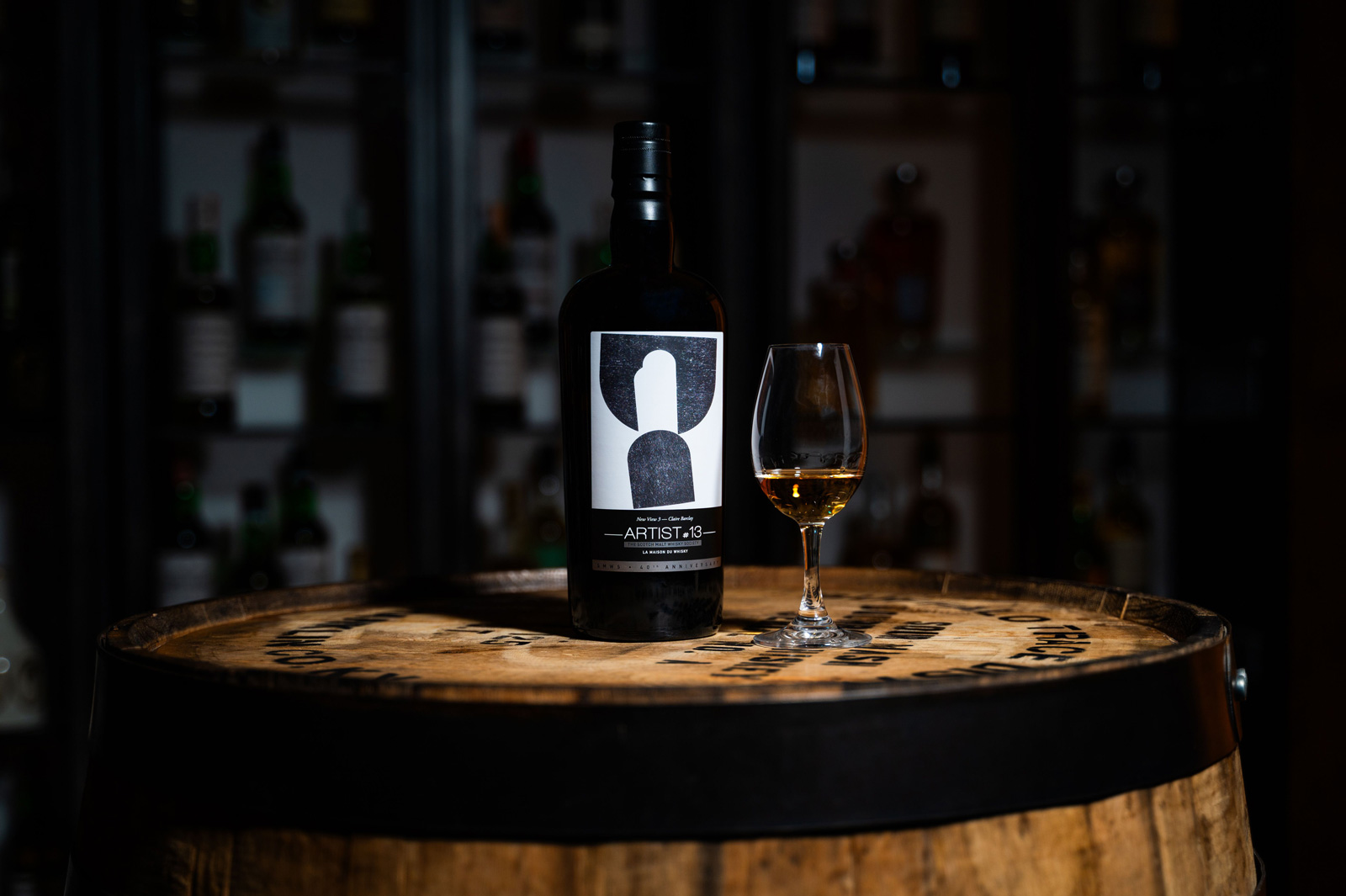
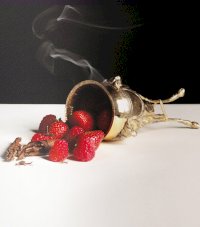
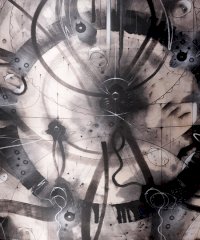
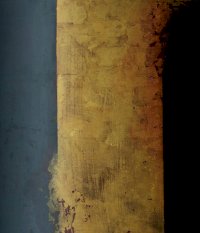
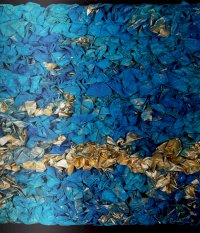
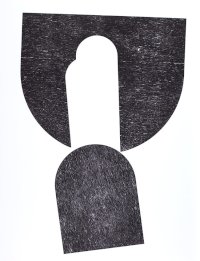
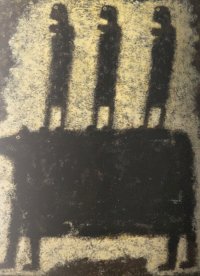
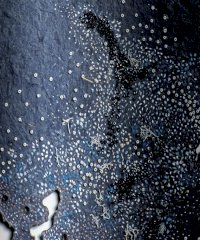
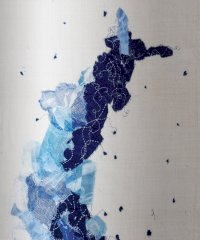
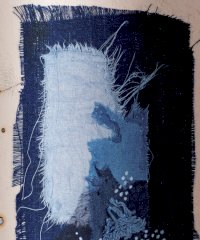
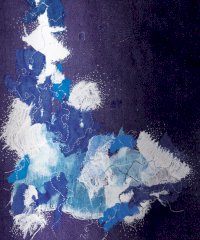
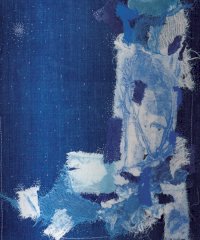
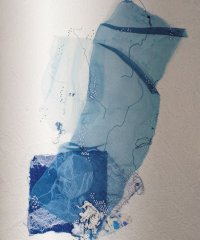
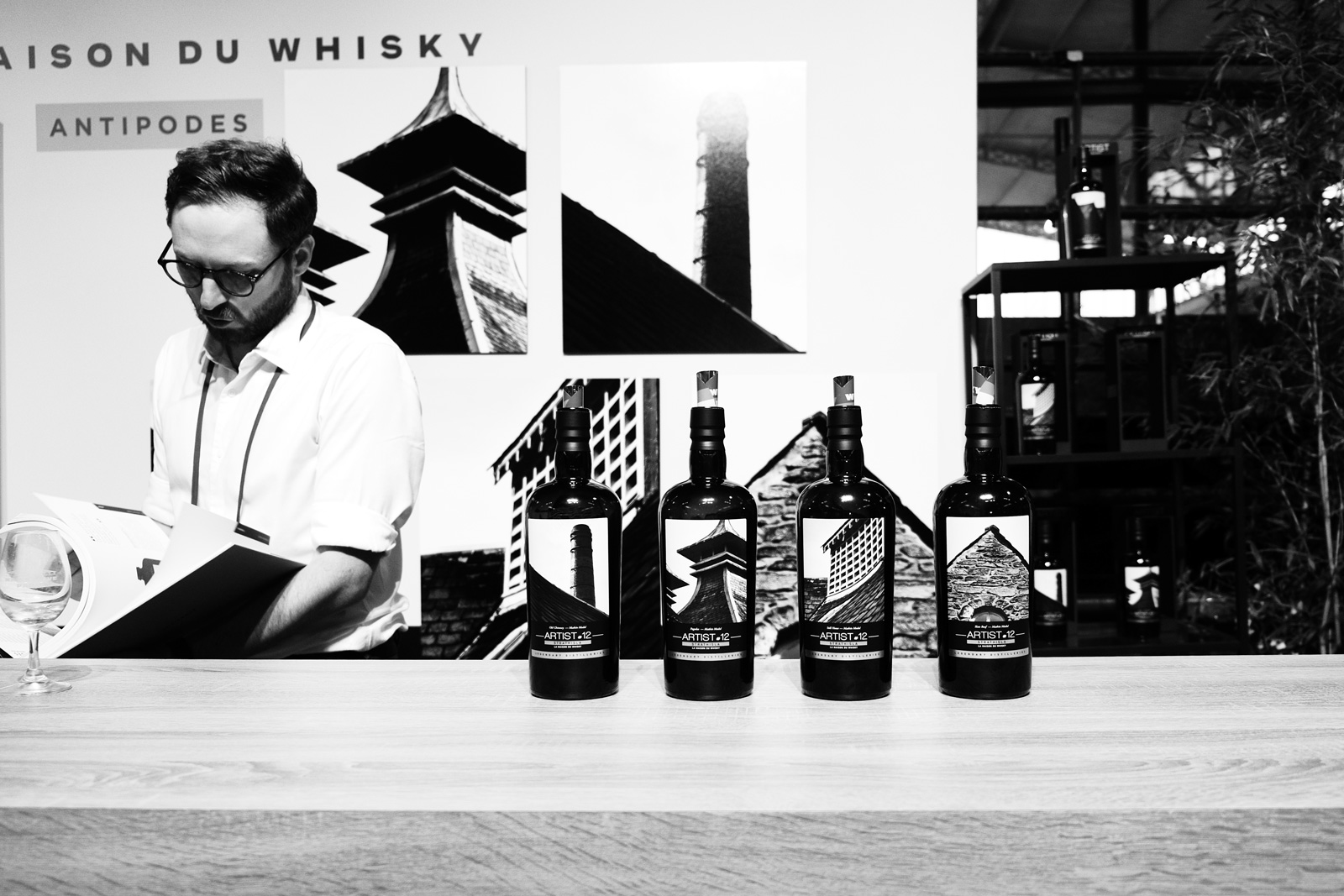
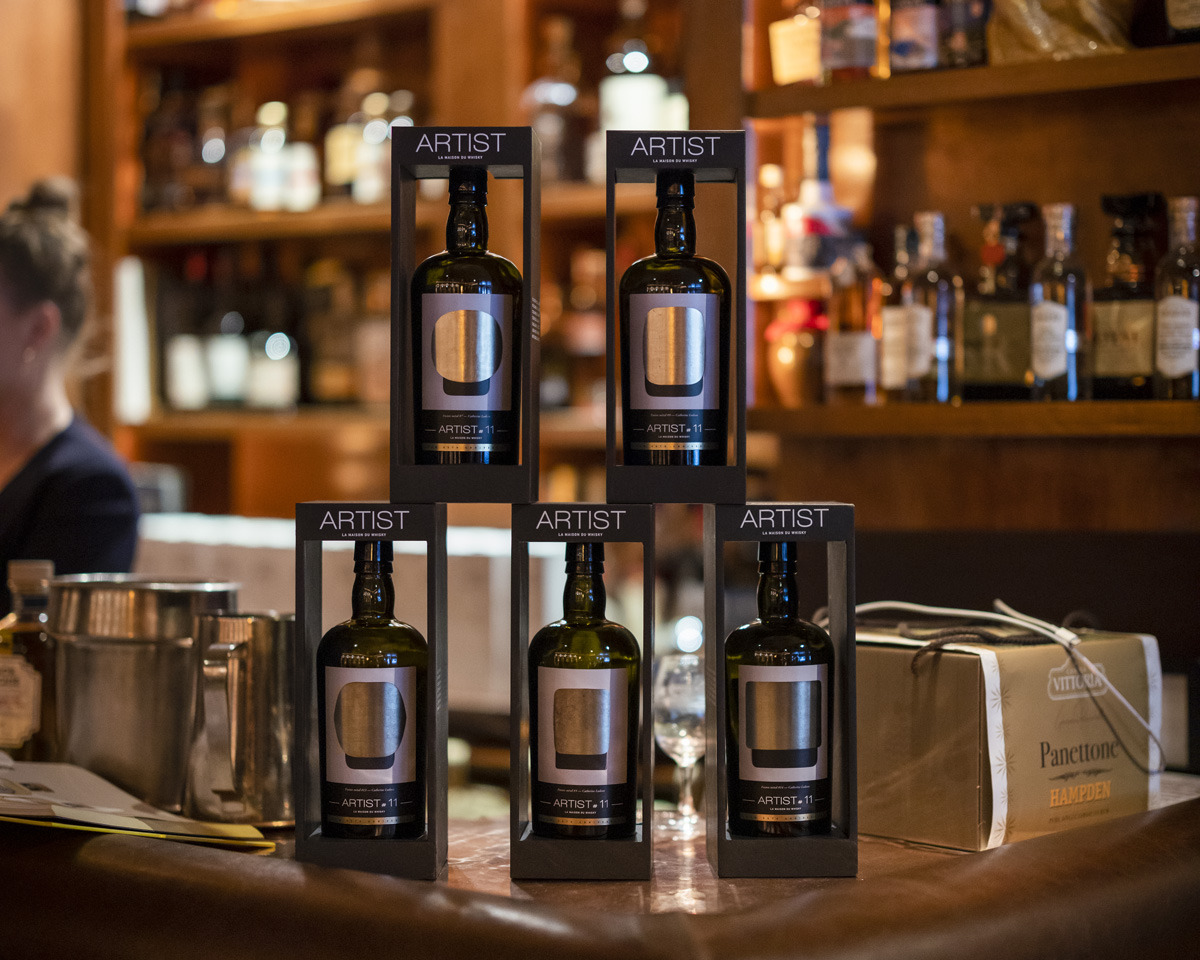
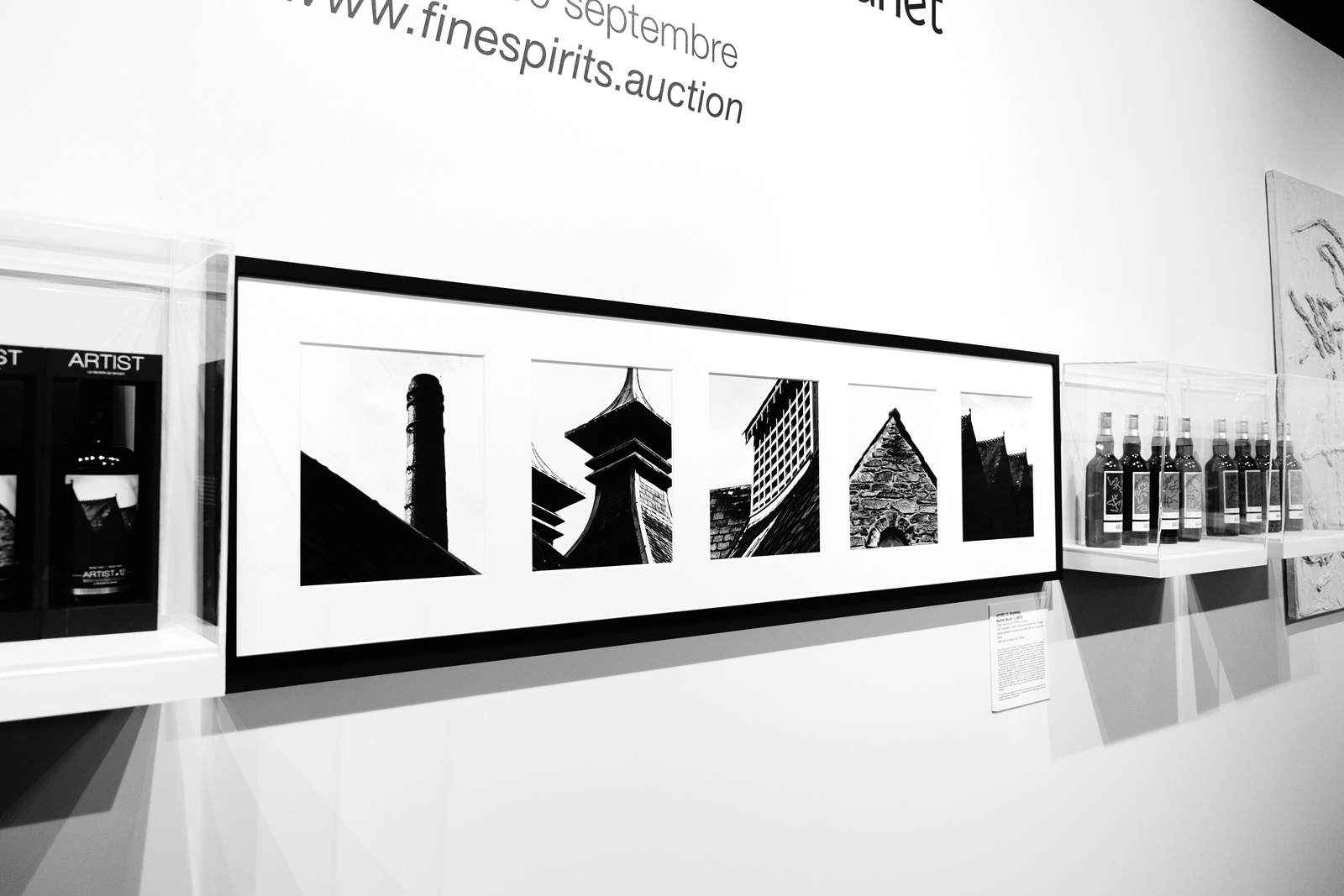
As part of this new journey, the Artist project was created in 2011 as a series that sees La Maison du Whisky’s team in the role of independent whisky bottlers - mainly micro-selections of single casks bottled at full strength with uncompromising quality standards. Yet the Artist series is much more. The idea behind it was absolutely revolutionary and disruptive for a world still very much anchored in tradition like whisky - combining excellent spirits with works by up-and-coming visual artists. A merging of distant universes, yet united by being the result of human genius and artisan spirit.
Artist will soon be celebrating its fifteenth anniversary, proving the gamble definitely paid off. Meanwhile, things have changed for whisky, which today enjoys unprecedented popularity, and in the way spirits are generally communicated.
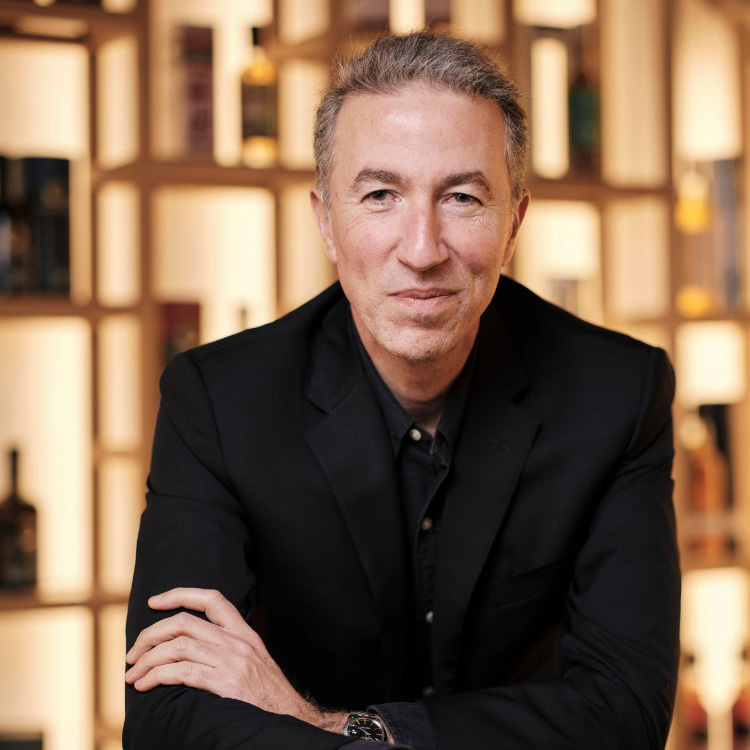
This is why we brought together all of the Artist series releases in this collection and interviewed Thierry Bénitah, who took us on a tour of his Maison du Whisky.
Archive

















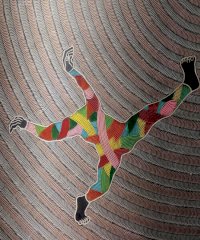
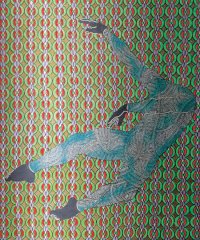
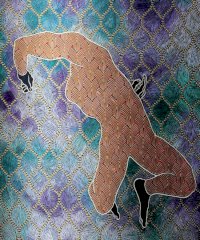


Thierry Bénitah's interview
The Artist series stems from a brilliant idea - to associate top-notch spirits with the best expressions of contemporary art. However, 14 years ago whisky bottles had a much more traditional appearance than they do today. Did you draw inspiration from any specific bottler in your choice to place such strong emphasis on aesthetics rather than on the traditional information and imagery of whisky bottles? Did you face any difficulties on the market when you first made this choice?
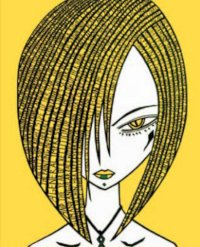
The original idea was Marlène Léon's. She worked for us for 18 years and was living in Singapore at the time we started the project. We needed a new way of communicating La Maison du Whisky's limited-edition productions. Since the 1990s we had mostly been bottling Single Casks. By 2010 we had the impression of doing almost the same thing every year and we were looking for a new approach, something that people would remember as more intimately linked to La Maison du Whisky – in other words, something that went beyond whisky. So for us, and especially for Marlène, aesthetics were absolutely key in this project, almost more important than the whisky itself. We knew we were bucking the trend by targeting whisky enthusiasts for whom the spirit and the information on the label are of primary importance, but the artistic dimension was absolutely key to this project. It wasn't easy in the beginning and we didn't have a budget to invest in big art names. We weren't looking for the most famous artists. We wanted our project to involve little-known artists we felt would be the perfect match for our idea. Like Warren Khong, an artist from Singapore Marlène met while living there. The idea was to launch the project simultaneously in France and Singapore.
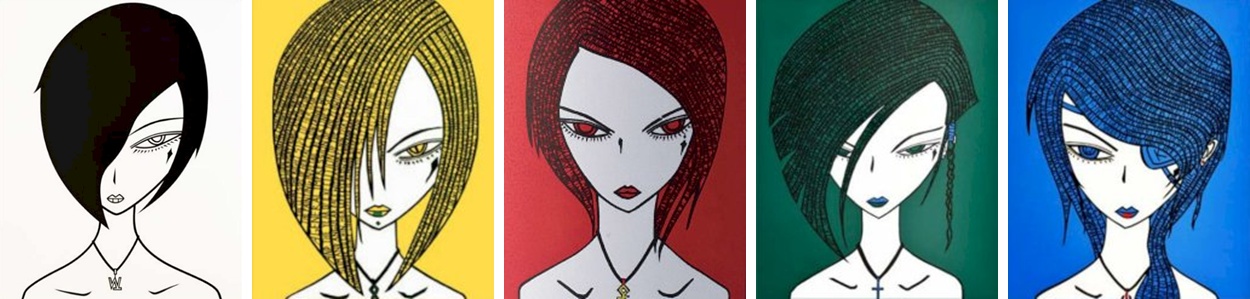
It was a completely different idea from the traditional view of whisky, a really personal approach. We decided to start from there because we really liked that artist and felt he had something special. The idea was to communicate an emotion before even communicating the whisky. Looking back on all this, fourteen years later I must say I was very pleased to read one of Serge Valentin's latest reviews on whiskyfun.com about a recent Artist series release. He liked the whiskey but Serge was especially praising of the artist and included an up-close of the label. Every time Serge talks about the project he first talks about the art and then the whiskey, which I think is fantastic. After all, these are limited editions only available in small numbers, so they are more an exercise in style than a real business. That's why the artistic side gets more and more important with each passing year.
How has the process of finding artists evolved over time and how does it work?
When we started out we didn't have any real connection in the art world - we didn't even know much about it. Neither did Marlène, but just think she left the whisky industry and now works as an agent for a number of artists, spending her time in art galleries. Her passion infected me and the people who worked with her, as is often the case. It was the same with Luca. People can express their passion so strongly that you can't help following them. If that hadn't been the case the Artist series would have stopped at the first release, and we are now at the fifteenth. It's not the same range as the beginning, but the spirit has remained the same. The difference is that we now have a lot of experience with the art world and we have a team of three people working only on this. They actively search for artists, visit galleries and also have connections with art magazines. We created a good network.
As I said, originally the idea was to work with artists who were not widely known yet to give them greater visibility. We still do that, but we now also work with more famous artists. We are also prepared to pay for collaborations because now we have 15 years of experience under our belt, and it's no longer all about gut feeling as it was in the beginning. Today the point is no longer finding an artist, but finding the right one for us. Every year we have a different theme, for example the last one was Art Brut (raw, or spontaneous art), so we worked with street artists, but we generally work with a wide range of artists. Now people know about our work and that we are always looking for new talent, so we're creating new connections all the time and can leverage a wide range of opportunities.
Over the years, has any artist in your selection achieved fame on the global art scene?
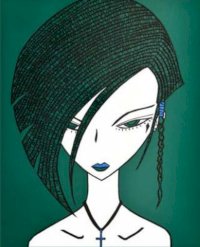
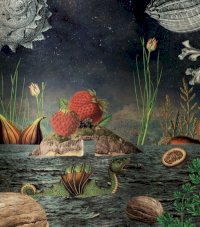
One of the artists we worked with is Gesine Arps, an Italian naturalized German who signed series #12. Gesine already enjoyed some fame in art circles and today her career has really taken off. Her artworks sell for 20 to 50 thousand euros, she has a beautiful gallery in Paris and exhibits in Berlin and New York. Among the best-known artists we can boast Warren Khong, who is quite famous in Singapore and Asia and works a lot with the local government in addition to being a university professor. I personally love the work of Paola Pares, the author of series #2, which I think is perhaps one the most beautiful. She's from a family of artists, has worked in France and like everyone else earns a living from her art.
Is there a connection between the whisky inside the bottle and the painting you select?
When we select an artwork we normally first find an agreement within the team. We say ok, this whisky goes with that work of art, but we also like to ask for the artist's point of view. I think it's something very personal, but when we make our choice internally with the team of six people working on the series we actually agree 95% of the time. I think that in order to create a connection between art and whisky you first need to have a whisky culture. We also have a number of criteria: we can associate the whisky's flavor and style with a certain kind of art. Occasionally we've asked the artist to try the whisky and associate his or her work with the best matching spirit. I believe one of the strengths of this project is that there isn't a single person working on it but a group of people, which is usually very close-knit and has now developed a shared artistic sensibility.
Let's talk about whisky. How does the cask selection process work? Buying from distilleries has become increasingly difficult after the recent boom. Do you work directly with producers or do you rely on brokers and other independent bottlers?
When we started in 2011 we relied on independent bottlers. We wanted to produce a quality product range but we also had to focus on financial sustainability - in other words, we were looking for quality but not at any price. We found the perfect partner in Signatory Vintage, a Scottish bottler and selector that gave us access to a wide range of Single Casks. The experience with Signatory Vintage was the best option because we could select the barrels straight from the warehouse, something that would be impossible to find today. In our first three series Signatory enabled us to really diversify, so we had five different distilleries for the first, second and third release.
Today the situation is very different, because as you know rare whiskies, i.e. those aged 20 years or more, are increasingly difficult to find even for Signatory, so we had to find new sources. In a way it was also a challenge, as we'd been a bit spoiled in previous years. We didn't have to make a lot of effort to find good whisky. We risked getting lazy, but instead we were forced to knock on other doors. We turned to large producers and were surprised when we got positive answers - it's not easy to find partners willing to be part of this kind of project and, what’s more, the larger the partner, the less flexible they are. We worked directly with distilleries like Benromach, Chichibu, Kornog, Kavalan, Sullivan's Cove. We also collaborated with Pernod Ricard and their Strathisla. We succeeded in expanding our network and now we are not afraid to knock on other doors. In fact, we are aware that the Artist series can actually increase a distillery's reputation. We also work with other independent bottlers like The Scotch Malt Whisky Society. We are still in touch with Signatory Vintage, but we no longer have an exclusive relationship.
In addition, what we do now is invest in casks. We still select very old Single Malts, but over the last ten years we have been storing newer casks which are now ageing in Scotland as a solution to the problem of the shortage of 20+ year old whiskies I mentioned. So we bought a number of exceptional 15-year-old barrels, some of which are still ageing and are now close to 25 years of age. That's how we successfully addressed the scarcity of rare whiskies by building up a stock of barrels as well as continuing to work as selectors. We didn't buy much though, because at the moment prices are lower than they were three years ago and may get even lower. The casks are currently stored in several warehouses in Scotland with two people from our staff looking after them. In September, on the occasion of the twentieth anniversary edition of Paris Whisky Live and Whisky Magazine France we created a fantastic project selecting 40 single magnums from 40 of our barrels.
The Artist series is always very high-quality. Are there any bottlings that impressed you with their quality or unique history?
Most of our range is made up of Scotch Whisky, but among those that impressed me the most is a French whisky, a 10-year-old Kornog part of series #10. It's a peaty Single Malt that I think is absolutely fantastic. Another whisky which I think is exceptional is a 1990 Clynelish that we selected for series #12. We generally love Islay whisky and have selected a few amazing ones, especially from Bowmore. More recently, with our latest release, #14, we focused on a single distillery and dedicated an entire series to Benromach, which in my opinion is really an excellent distillery. It's still relatively unknown and it's also very rare to find it as a Single Cask, but I think it has incredible quality and the 2022 release is outstanding. We bought it directly from Gordon & MacPhail, it was the first time they agreed to be part of a project with another company. When we asked them we expected them to say no, but instead what they said was, “why not?” Additionally, Logovarda - the artist we chose for the release - is very unique and very distant from our idea of Benromach, but they were very happy with it.
How is the Artist Series going to evolve over the coming years?
Since series #10 and our international project with Chichibu we've been gradually shifting towards co-bottling with projects independent bottlers have never been involved in before. This is something we are able to do because LMDW has a long history of working in the whisky industry. We also need to consider that as with all projects, when you create a product range people may get tired of seeing the same thing every year, so we know we need to be creative and keep things interesting year in and year out.
We adopted this new approach when we started wondering what to do for the 10th anniversary of the series. We thought we could have a classic range including distilleries from Scotland, and a very specific one to celebrate young distilleries from around the world. The tenth release was a big success and somewhat reshaped the Artist series. From then on, we decided to do two projects each year, a classic one with Scottish distilleries and a second one with specific series on a single distillery or on a producer outside Scotland. We also started series in partnership with other Independent Bottlers, as we did with Compass Box. This evolution is keeping interest in the range high.
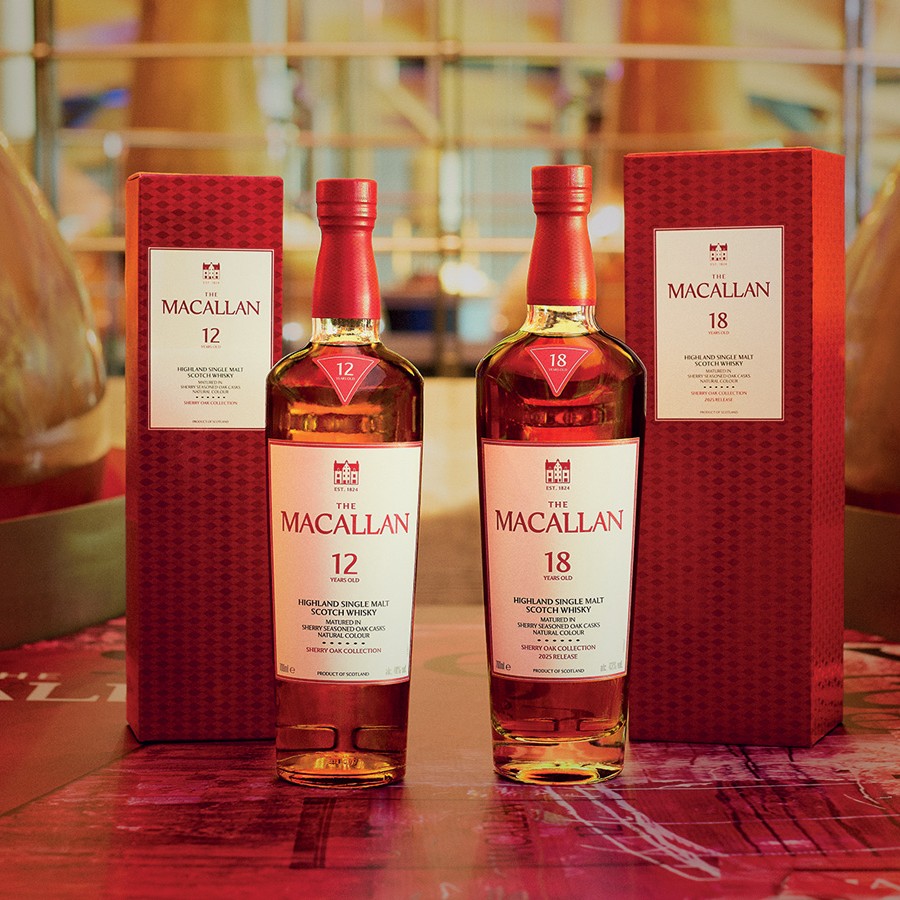
We also came up with another way to stand out - instead of creating five or six expressions per batch, sometimes we will make a seventh with a unique product, for example a 30-year-old Macallan or a 20-year-old Karuizawa, associated with a high-priced painting. I'm aware that the final price is quite high, but the reason is that we also invest a great deal and only have a very small profit margin. The artist acts as a magnet helping to sell those 200 bottles for thousands of euros each. They are unique items bringing more prestige to the Artist Series.