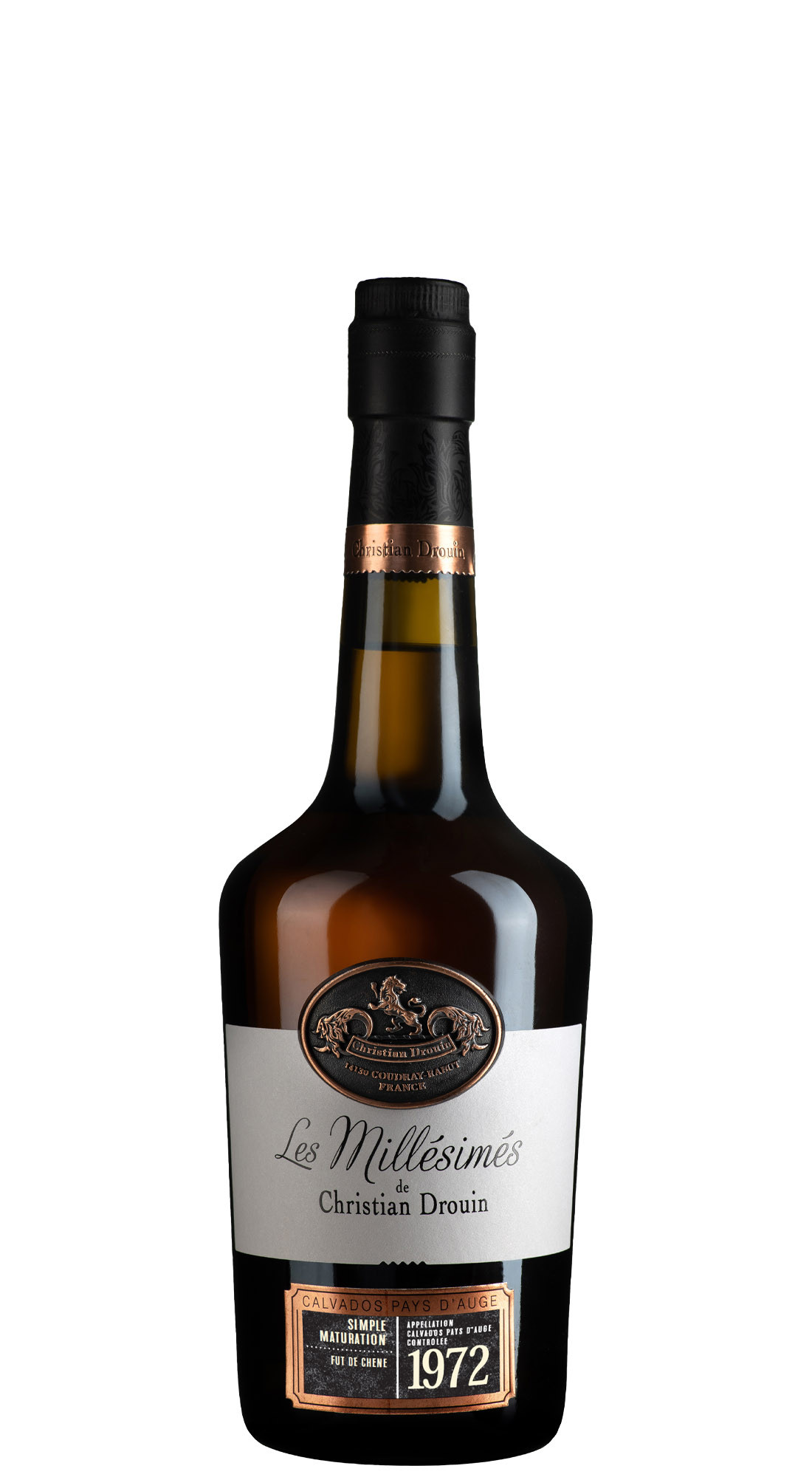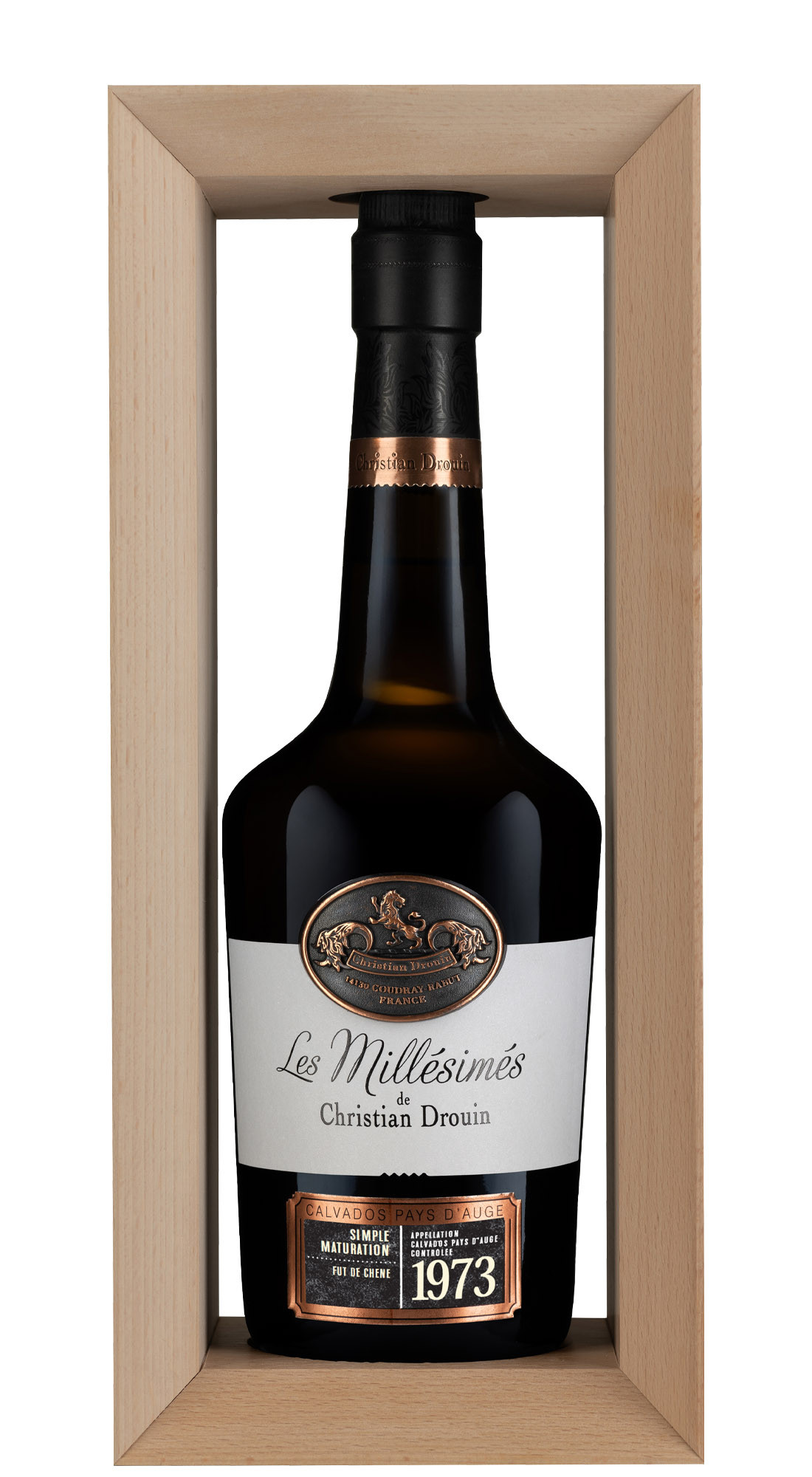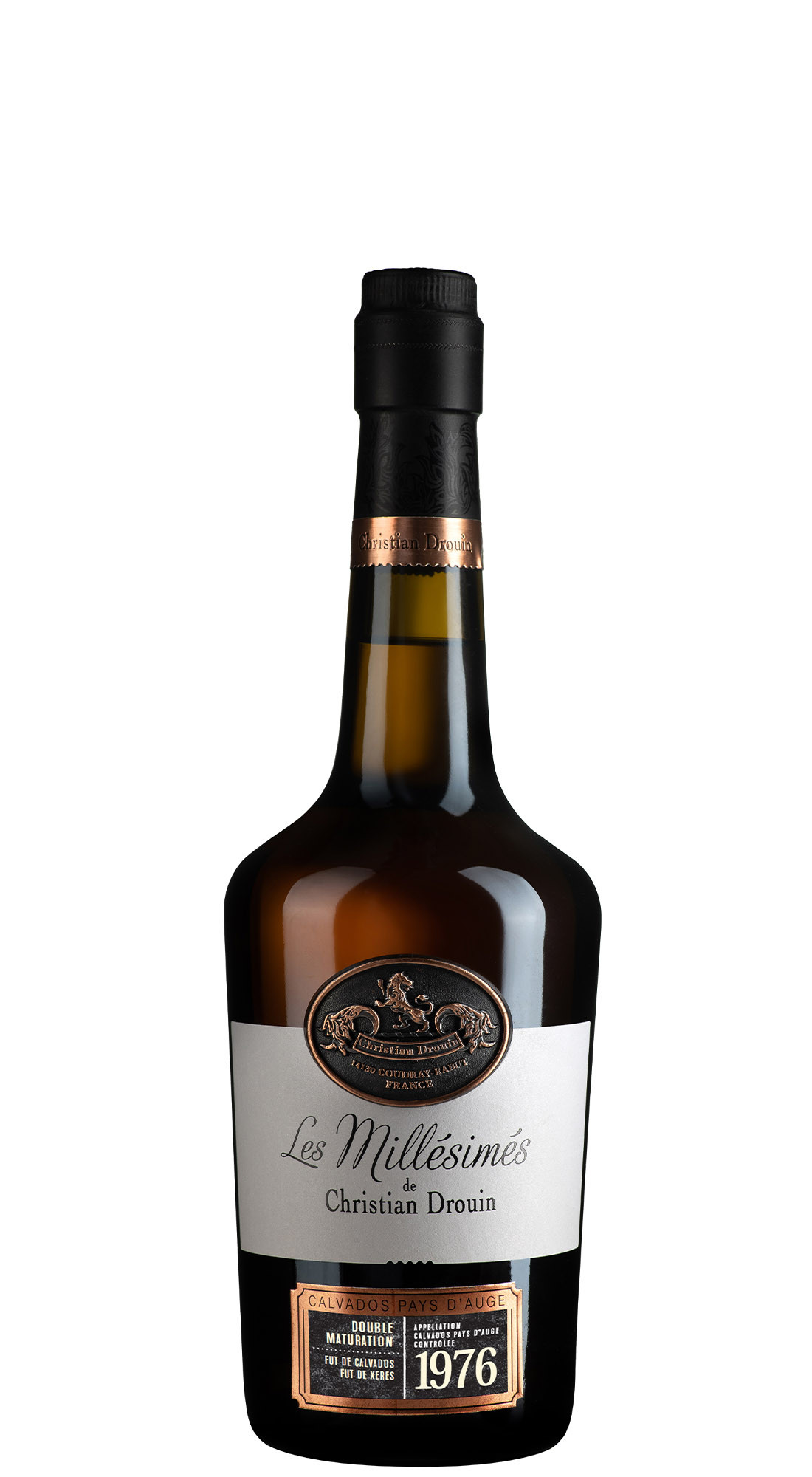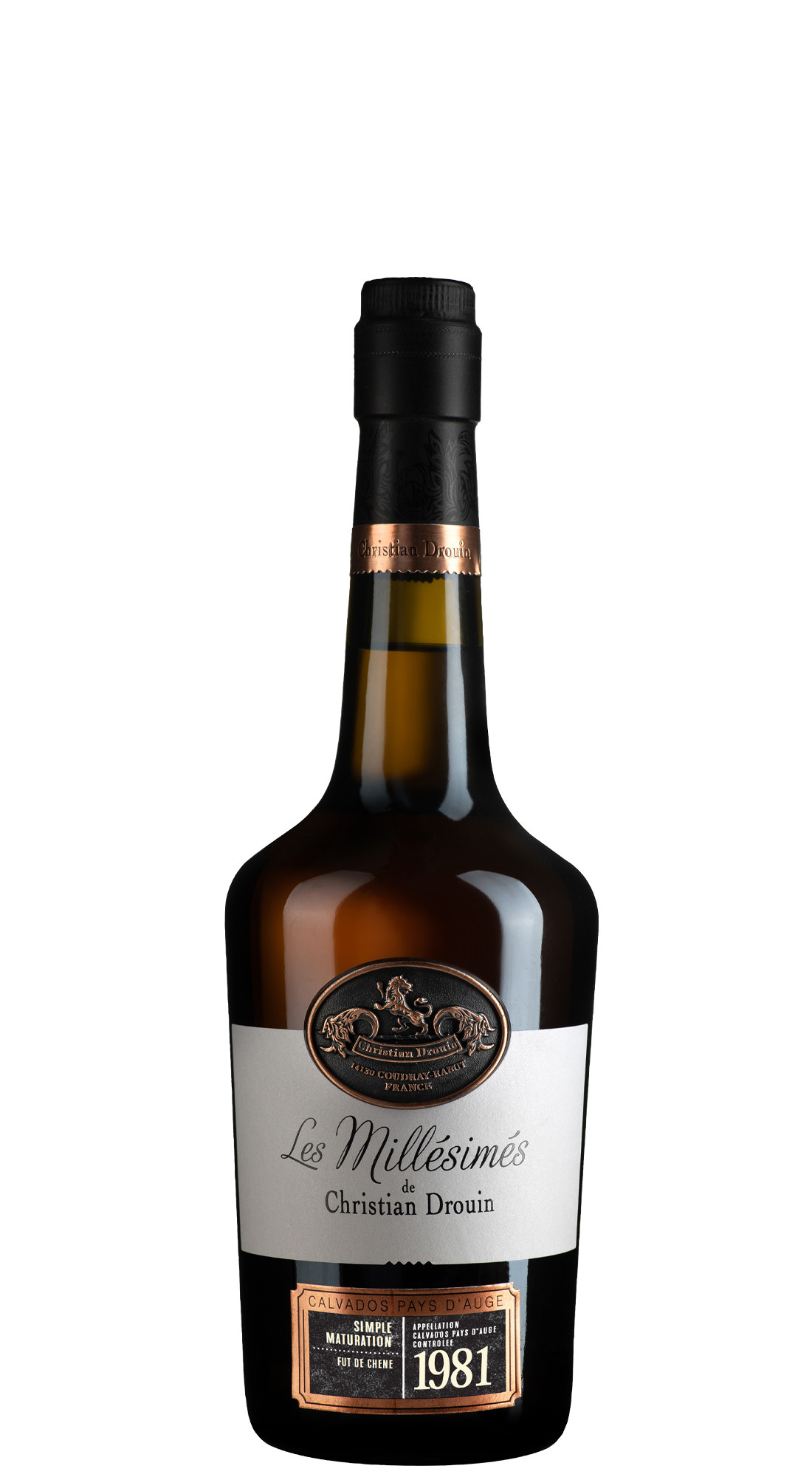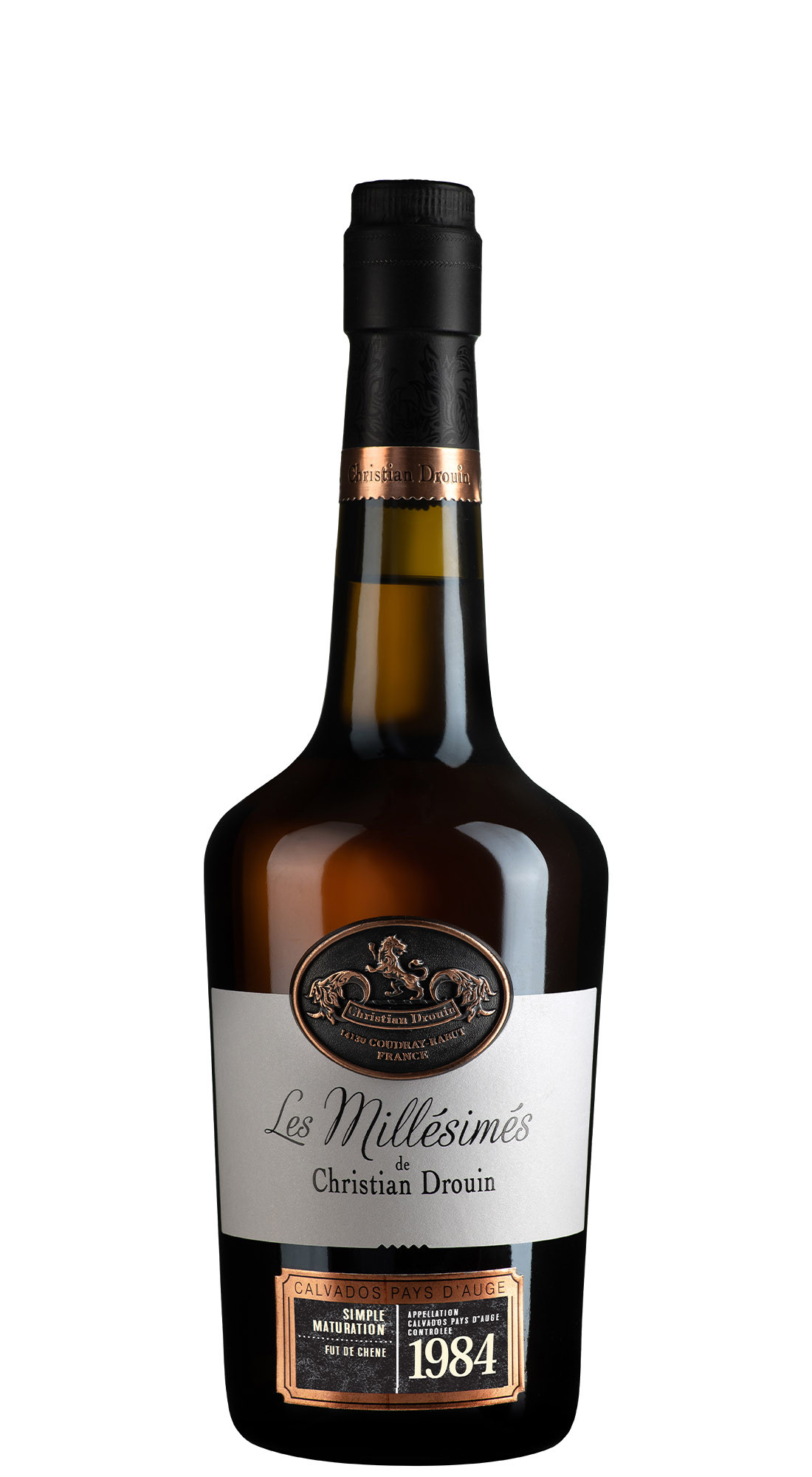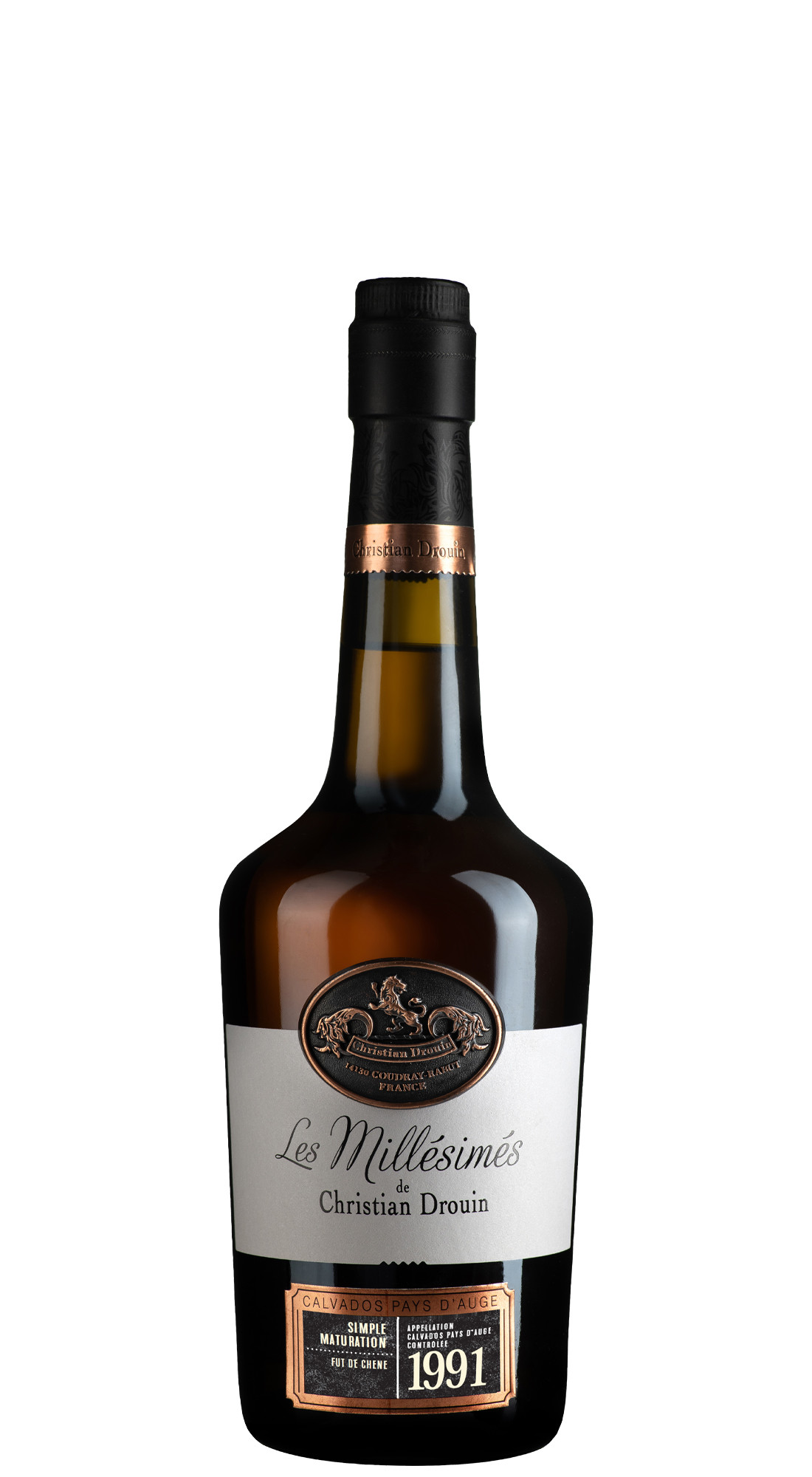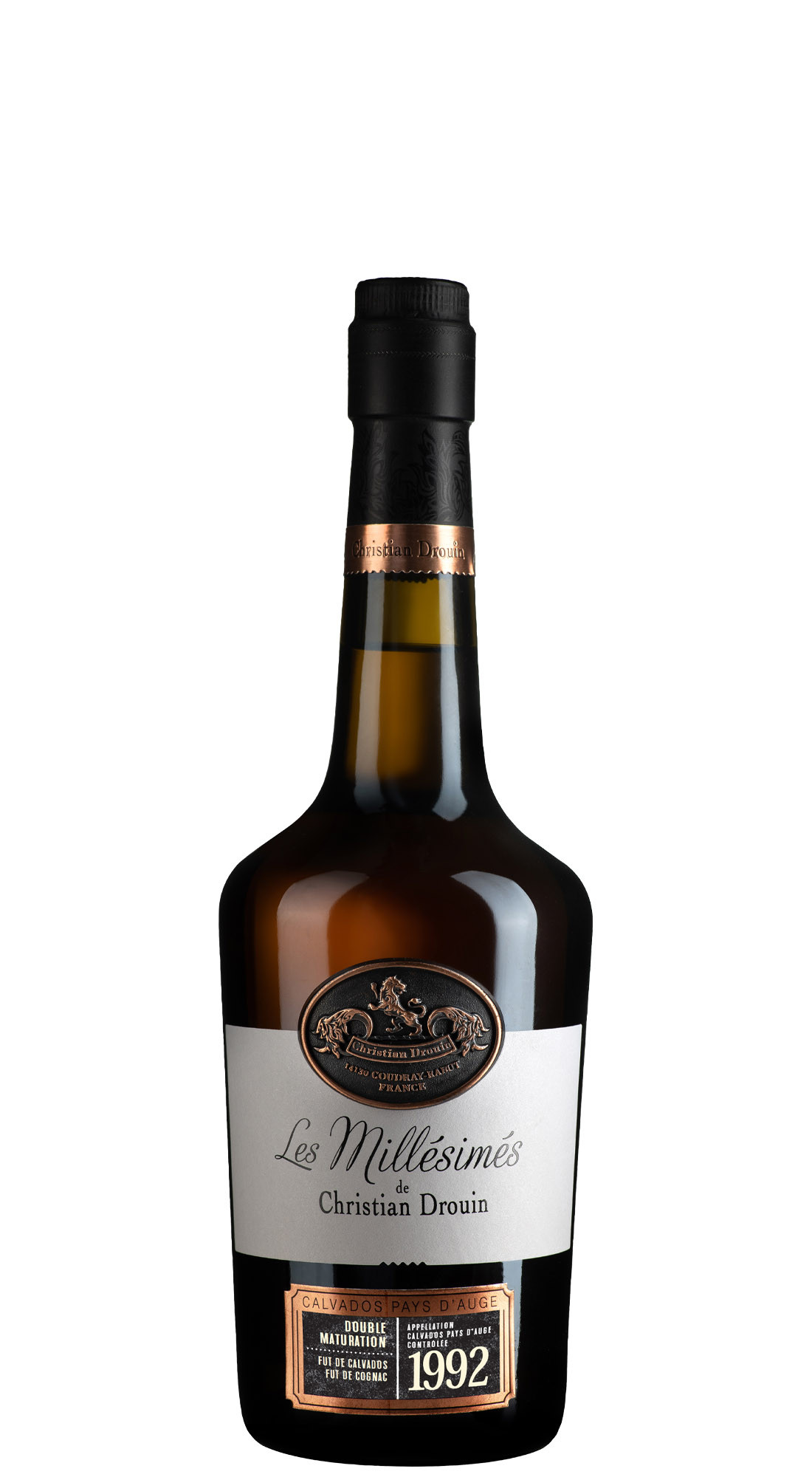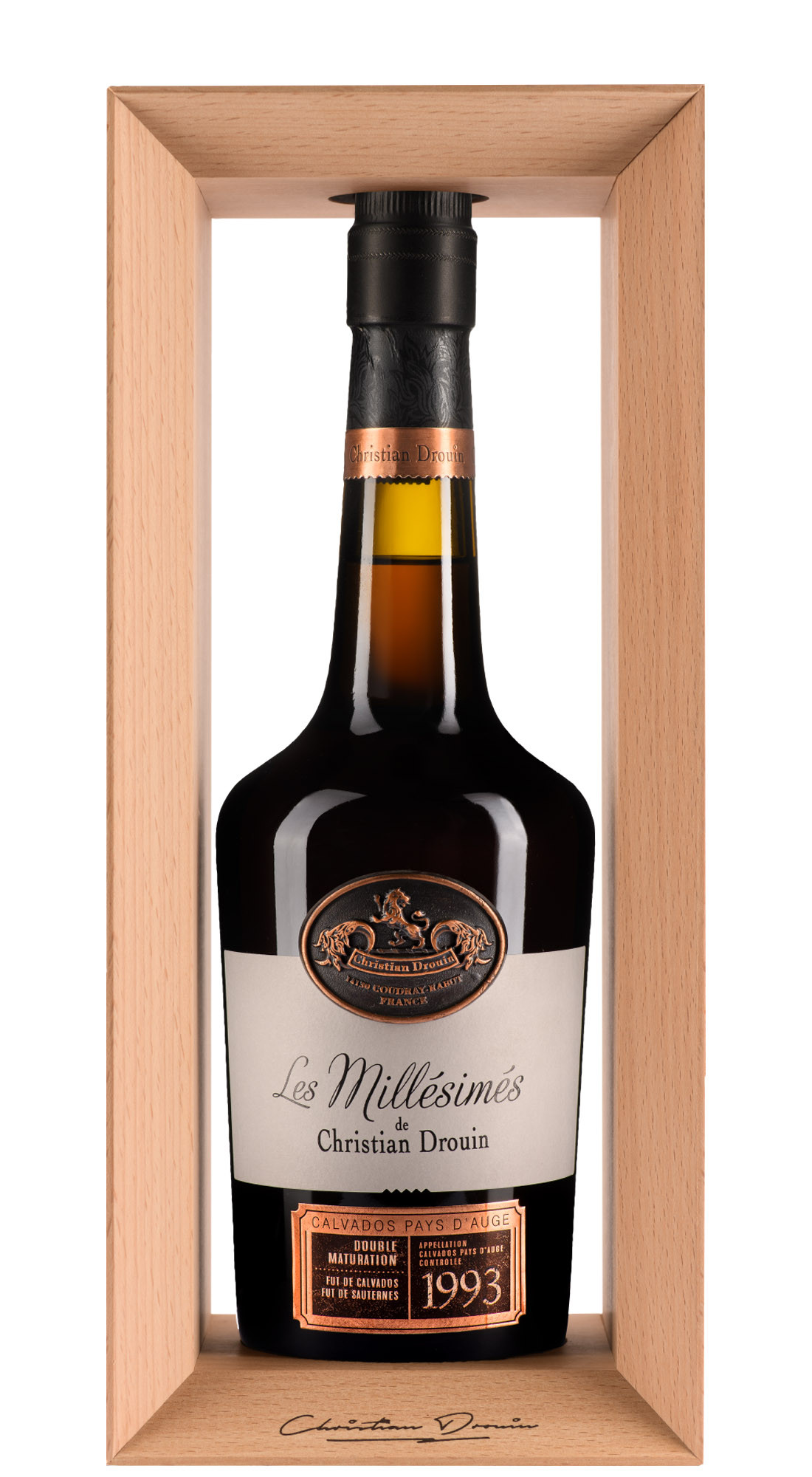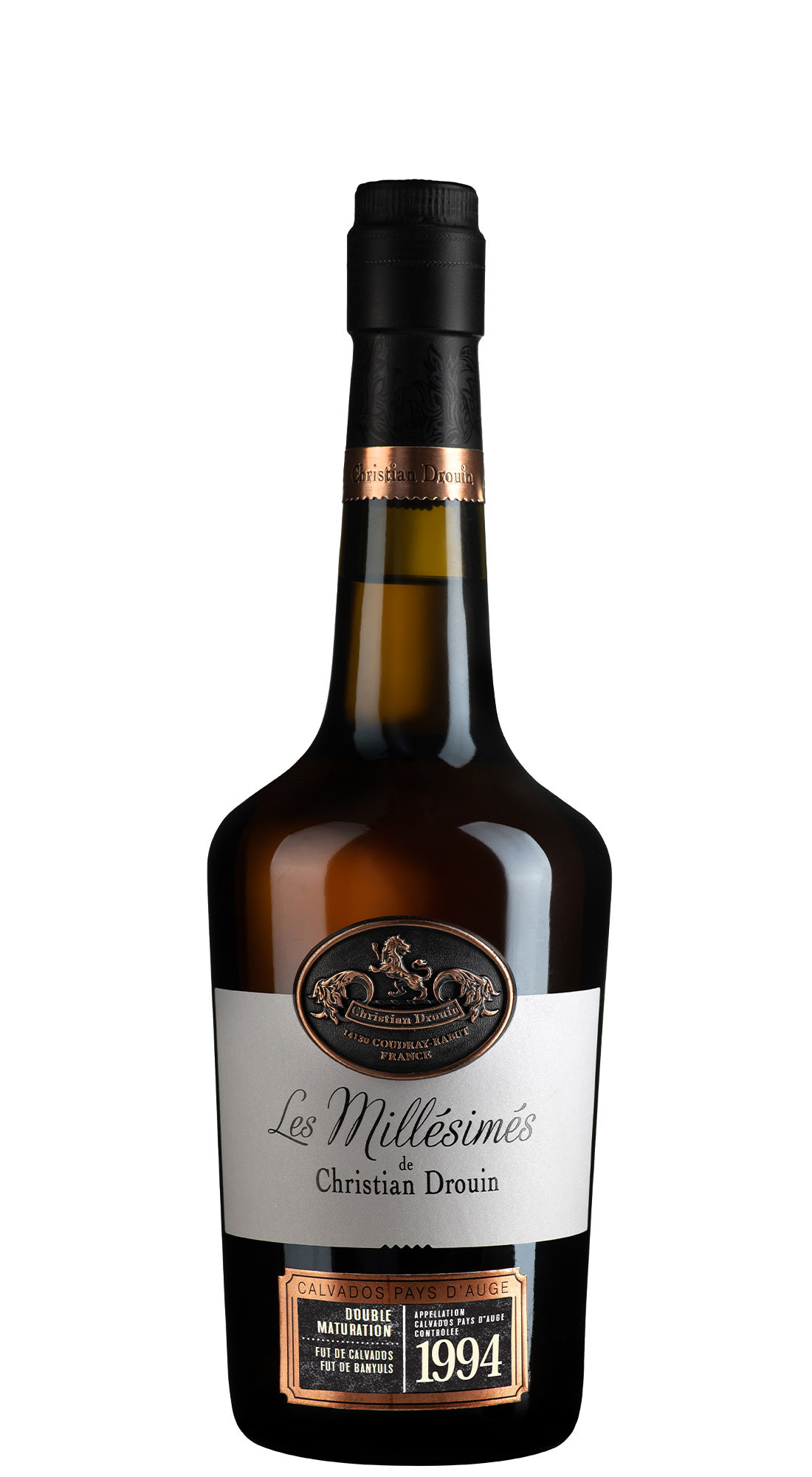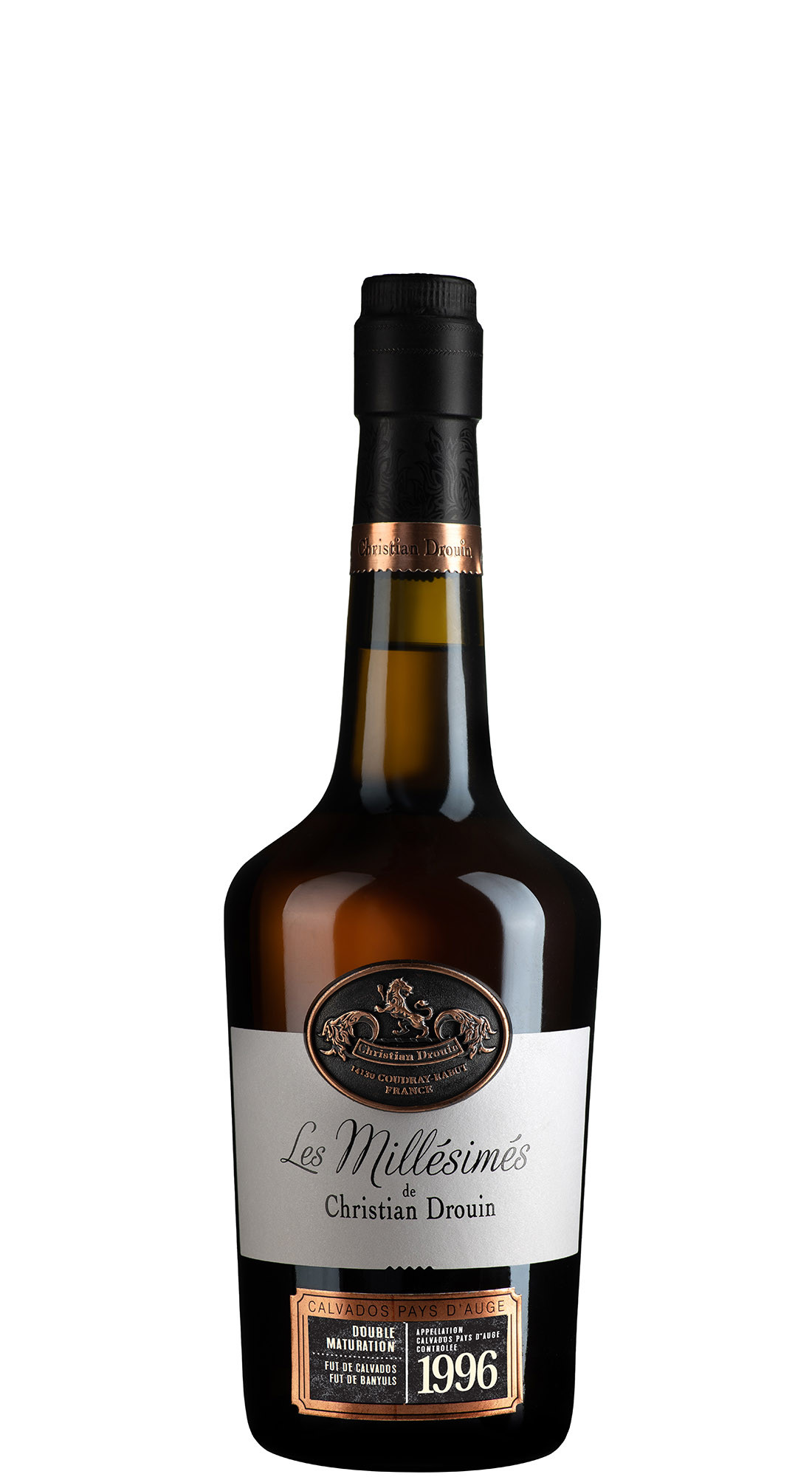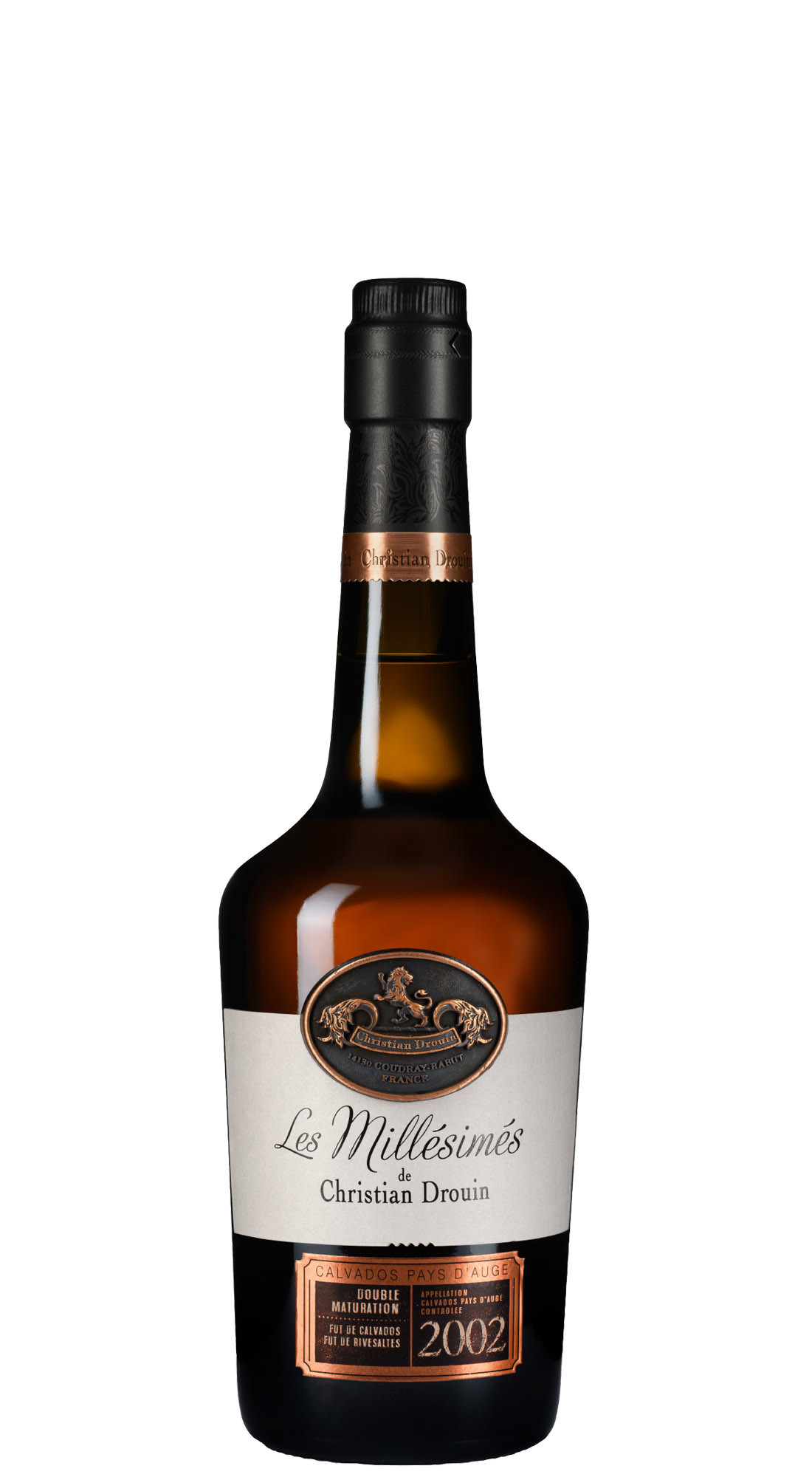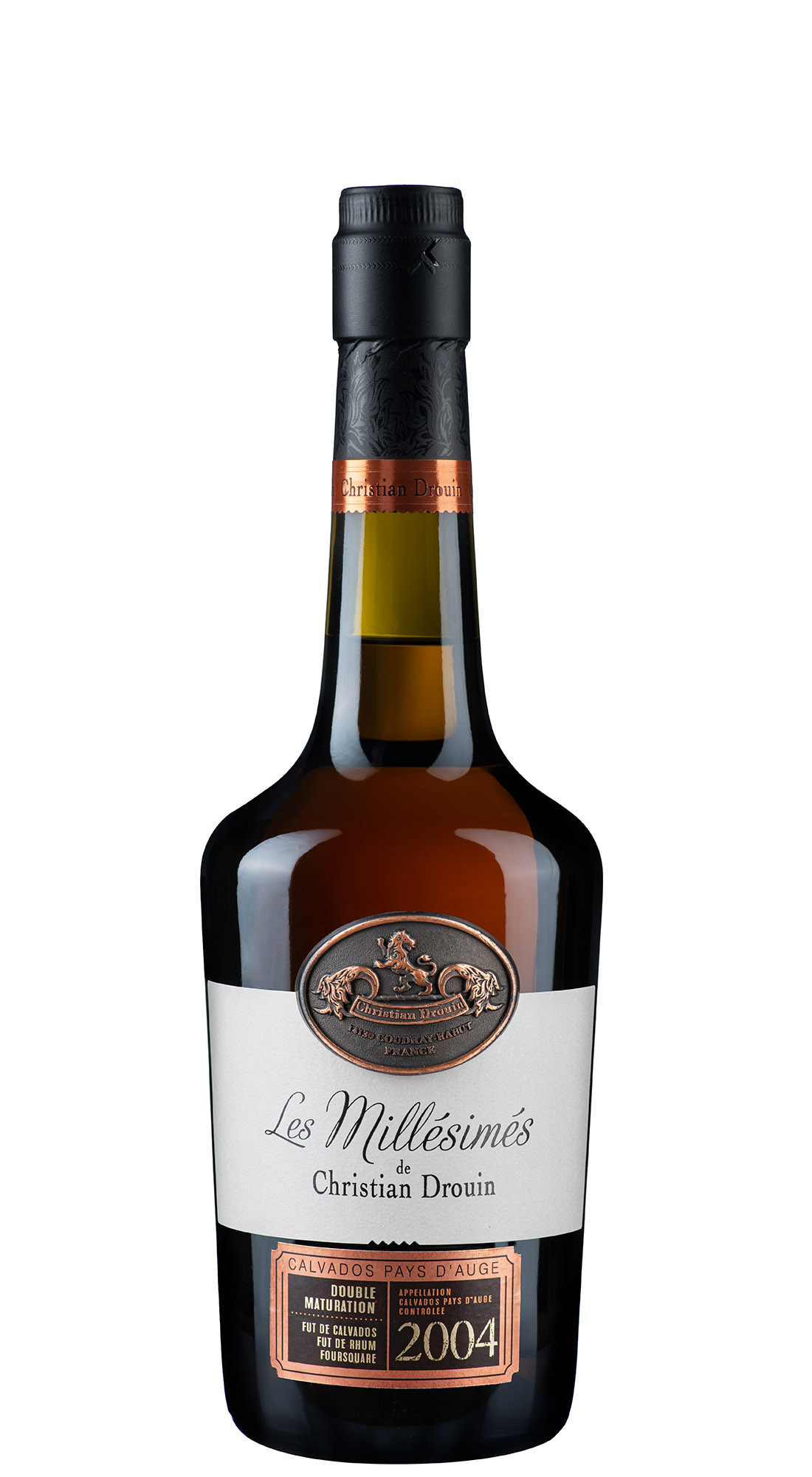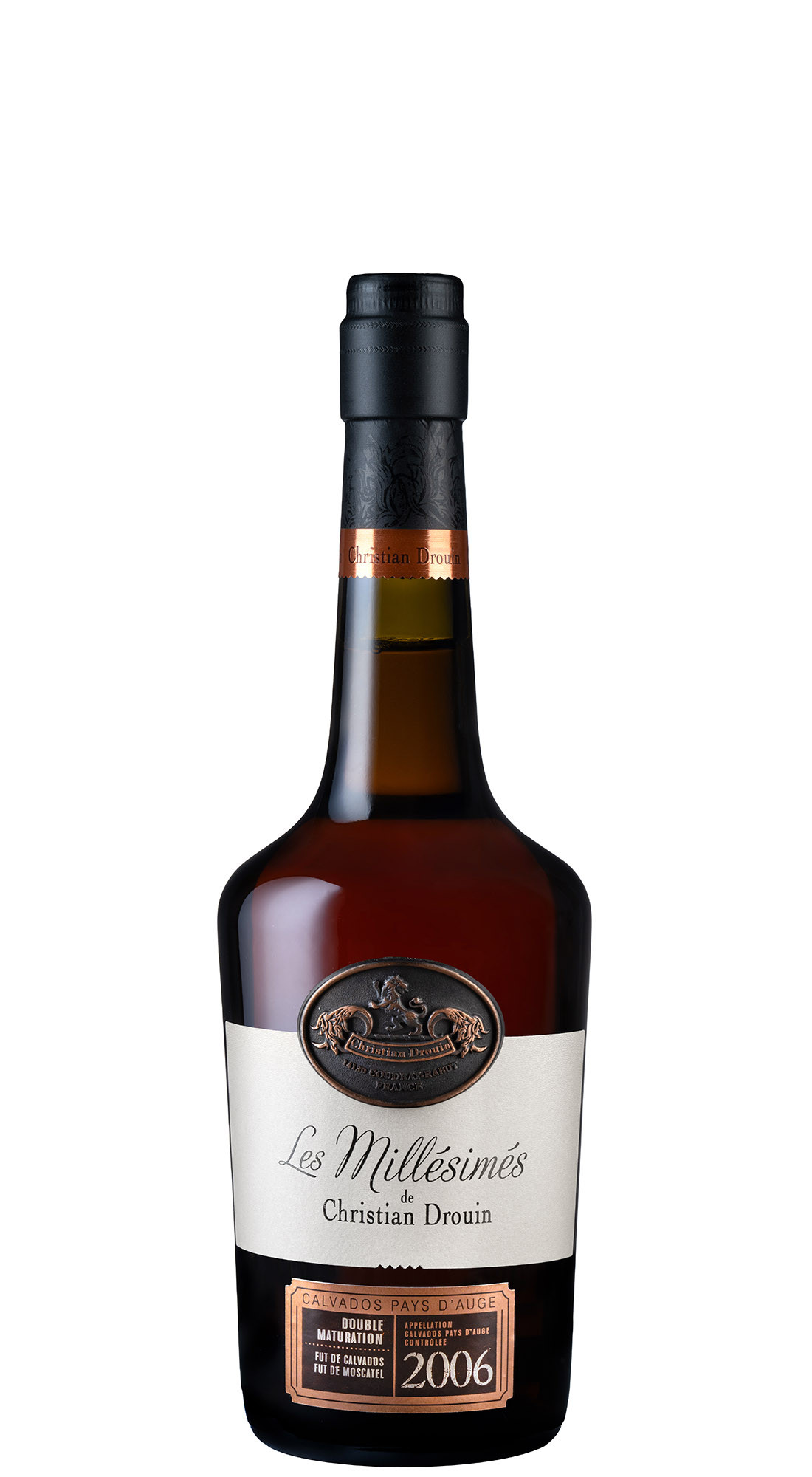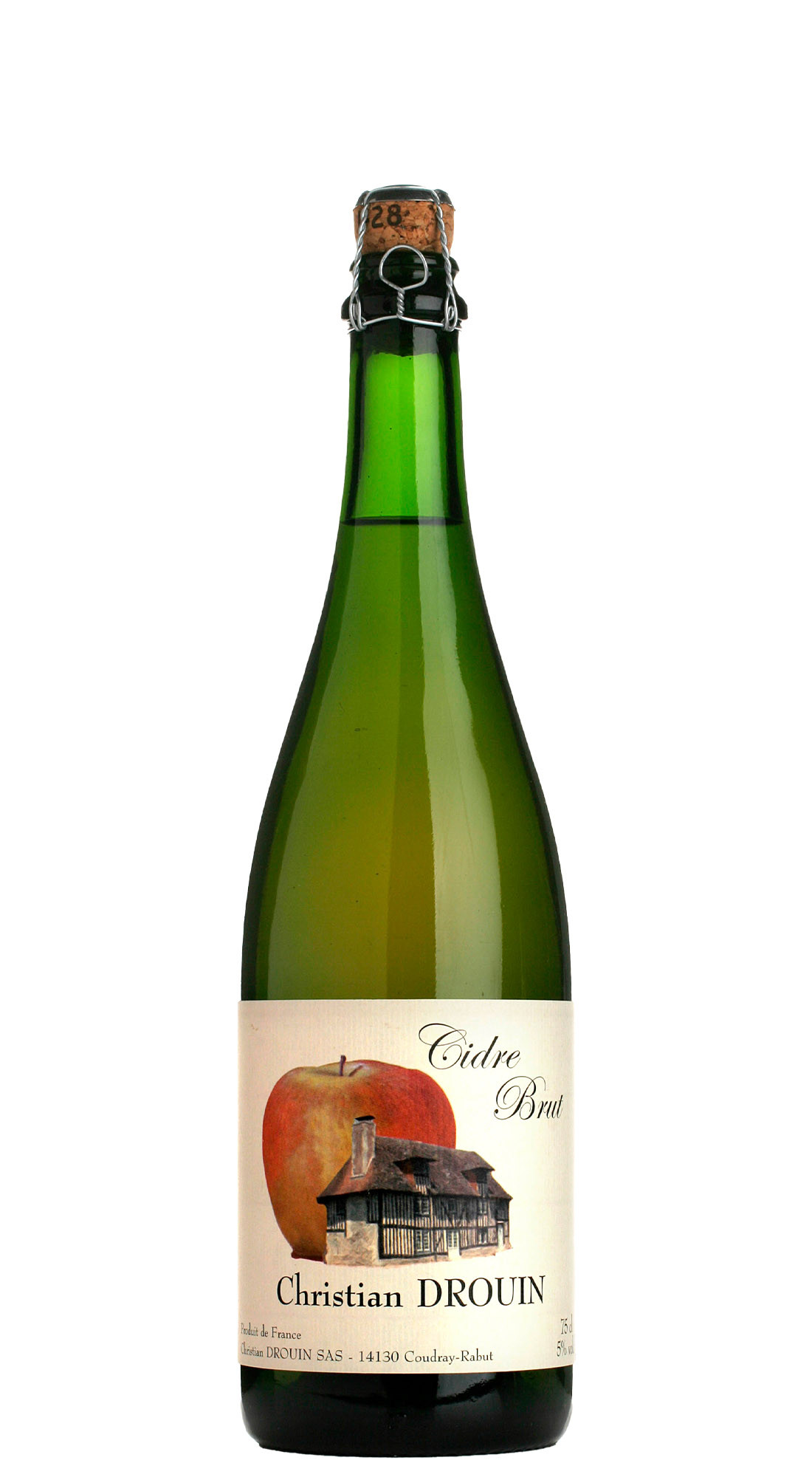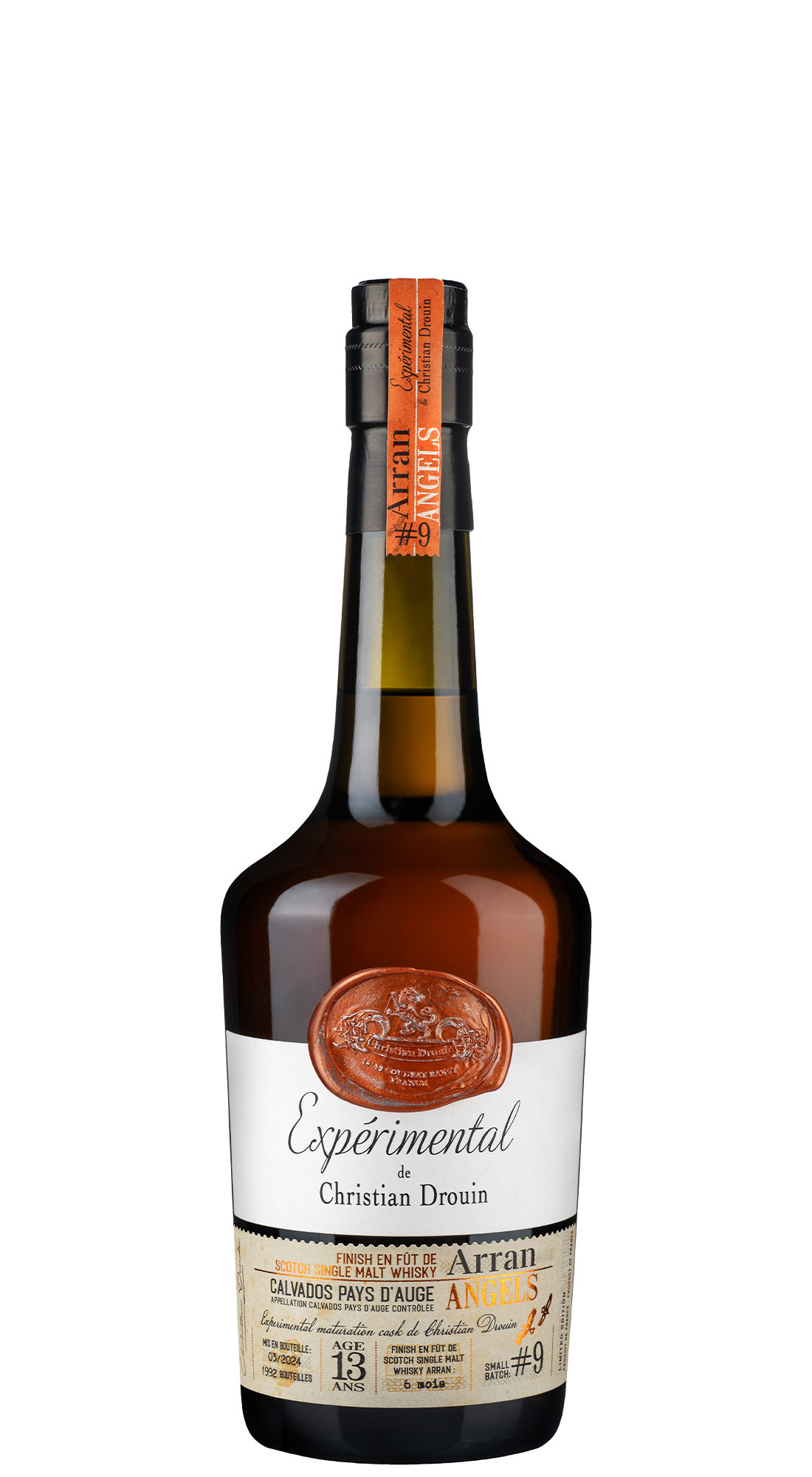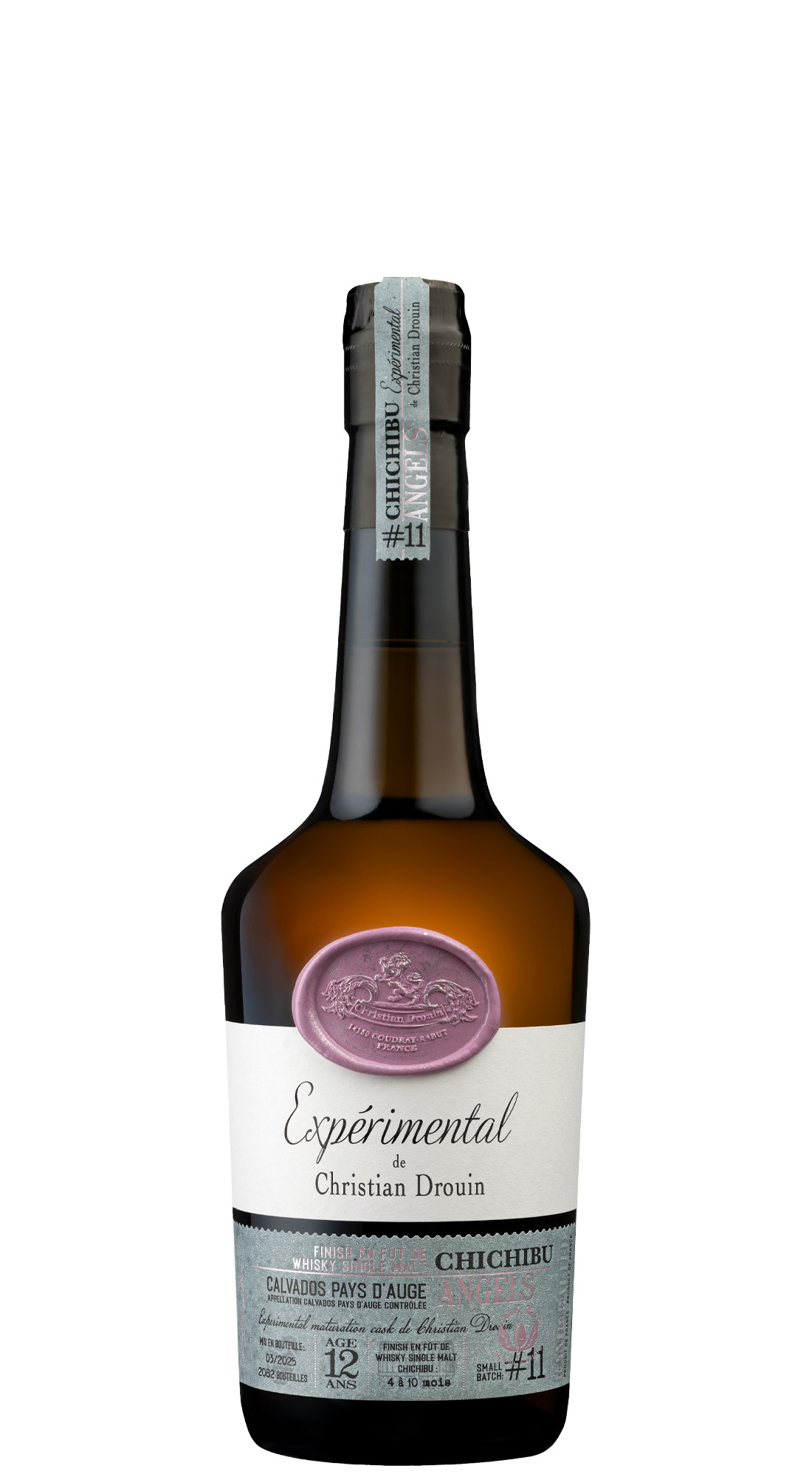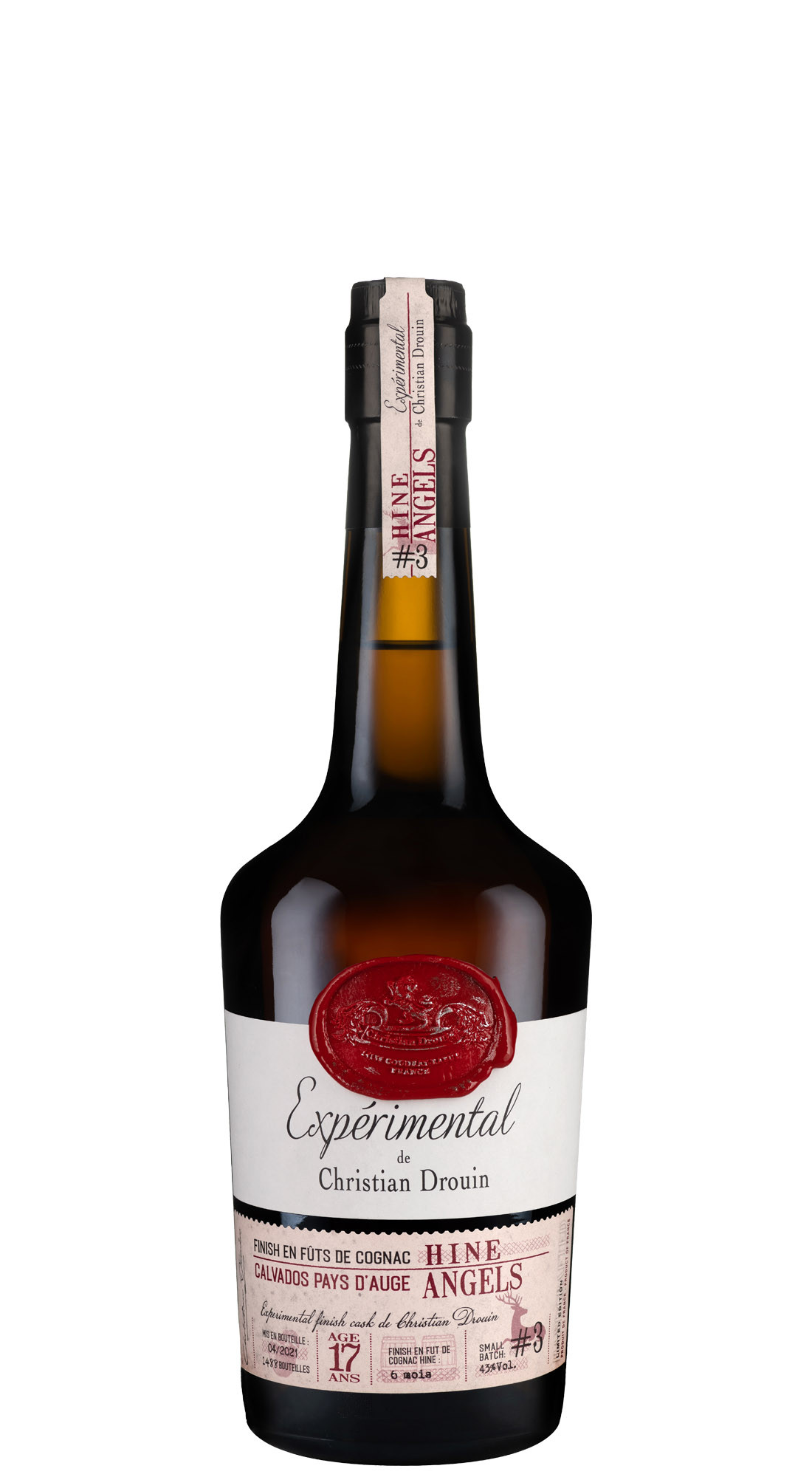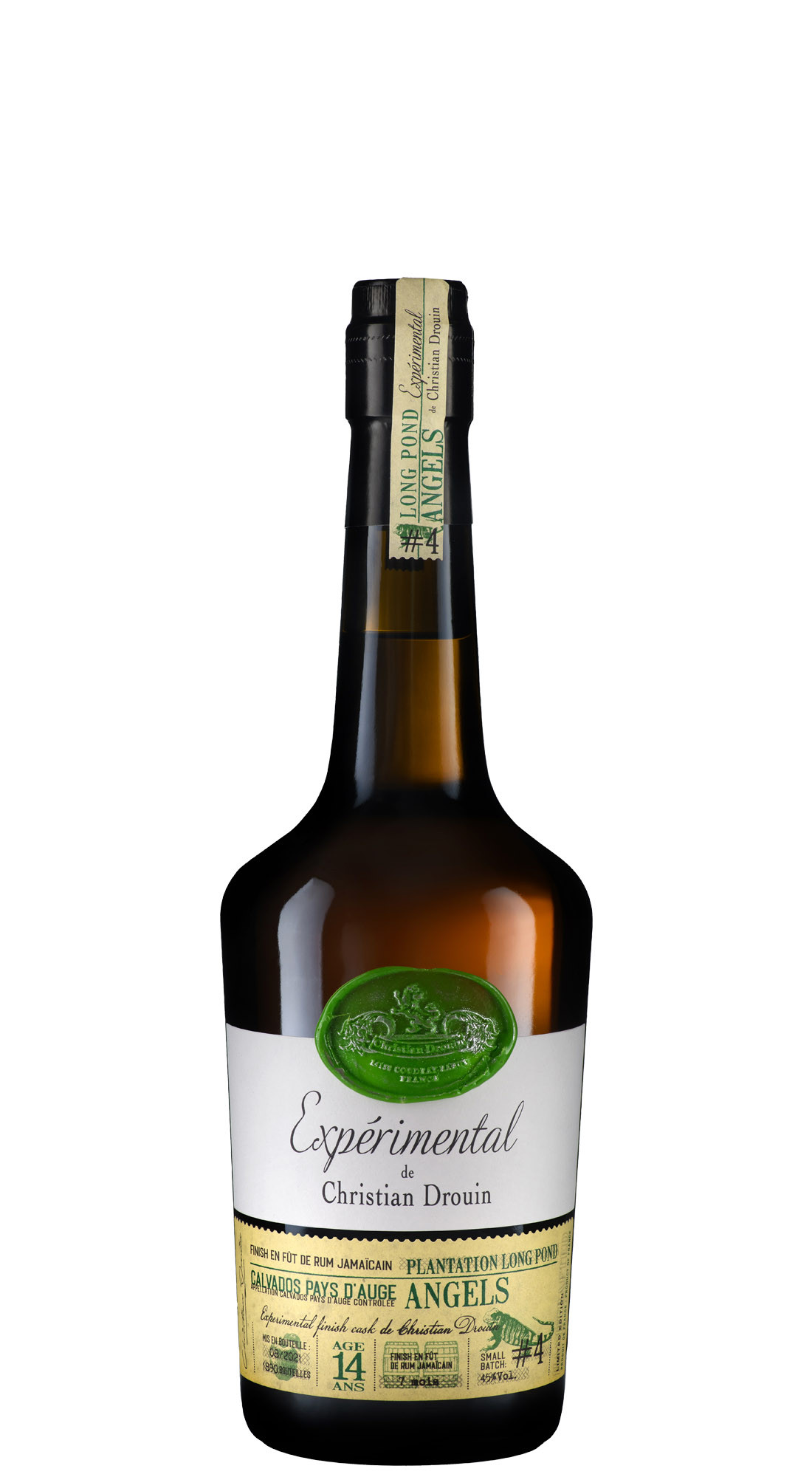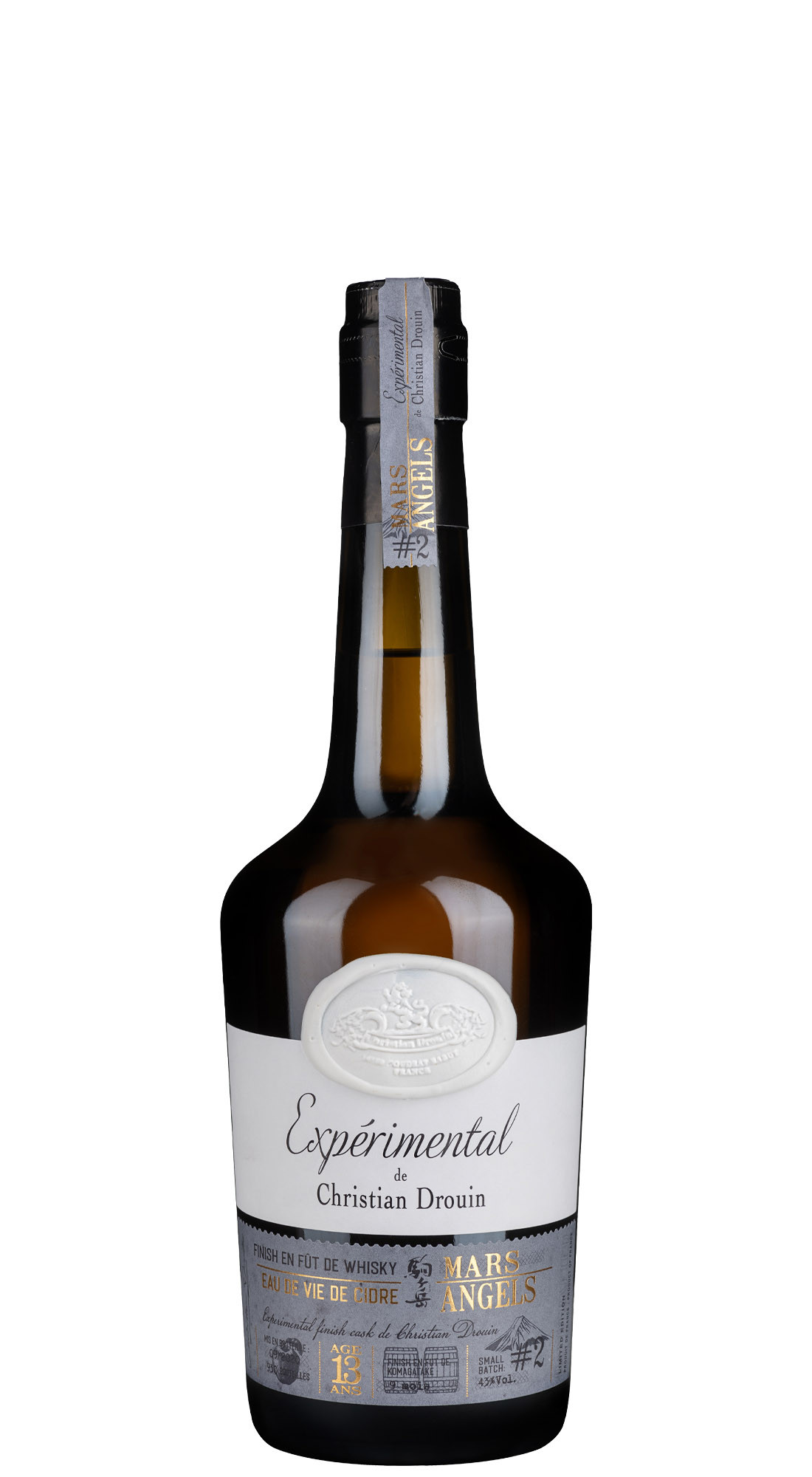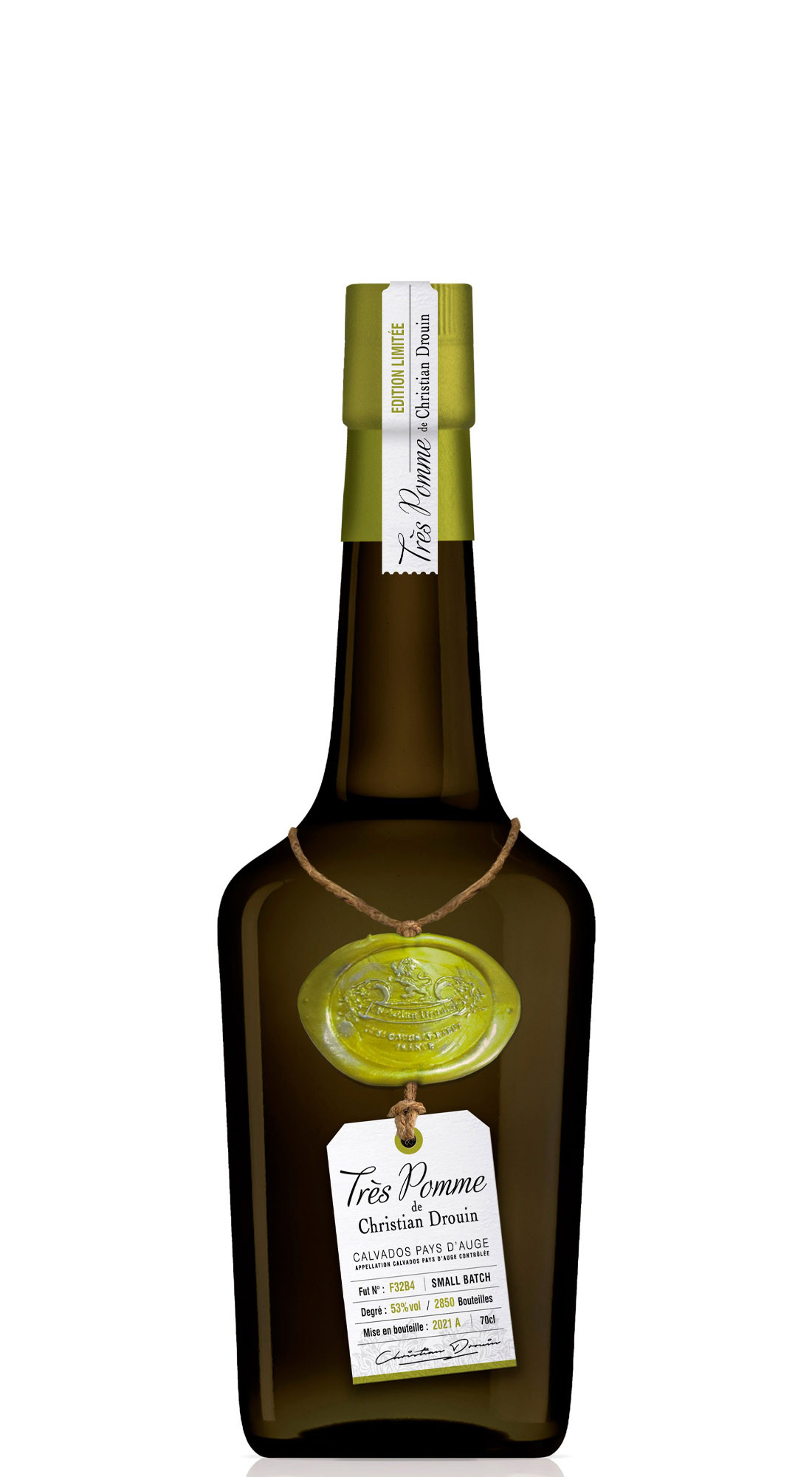




Drouin
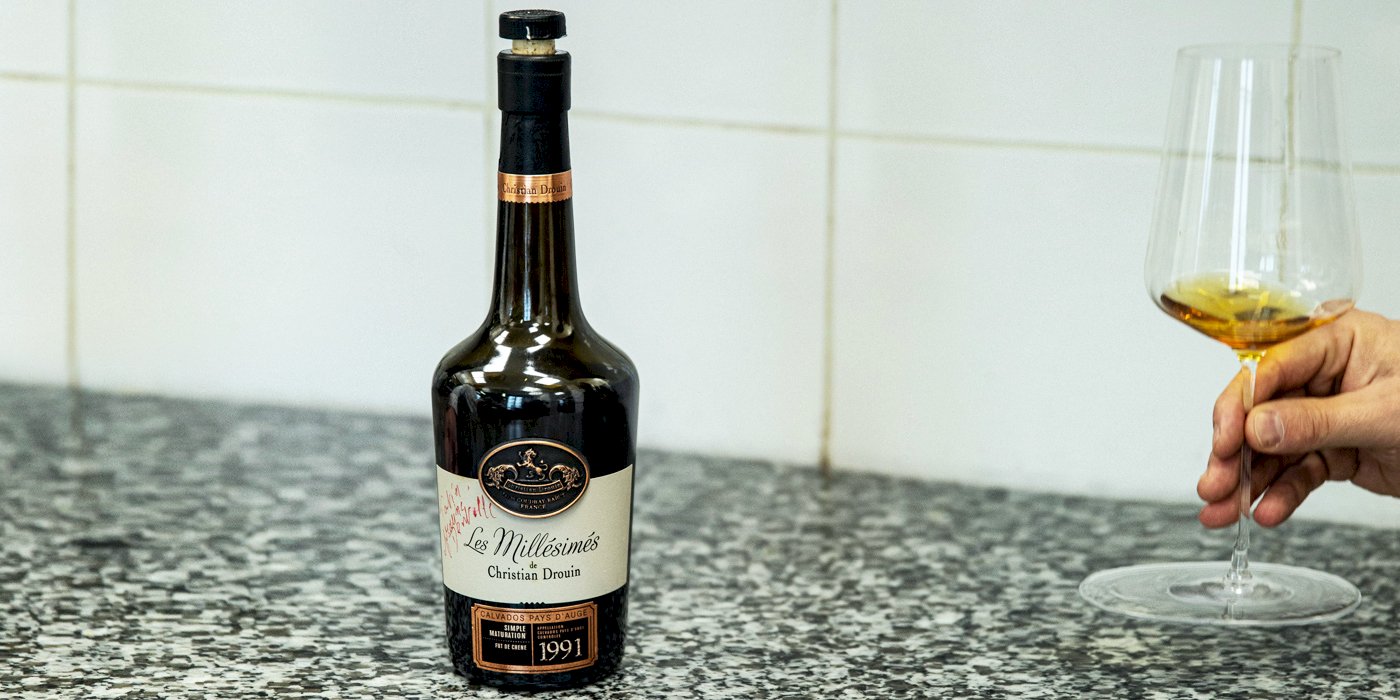
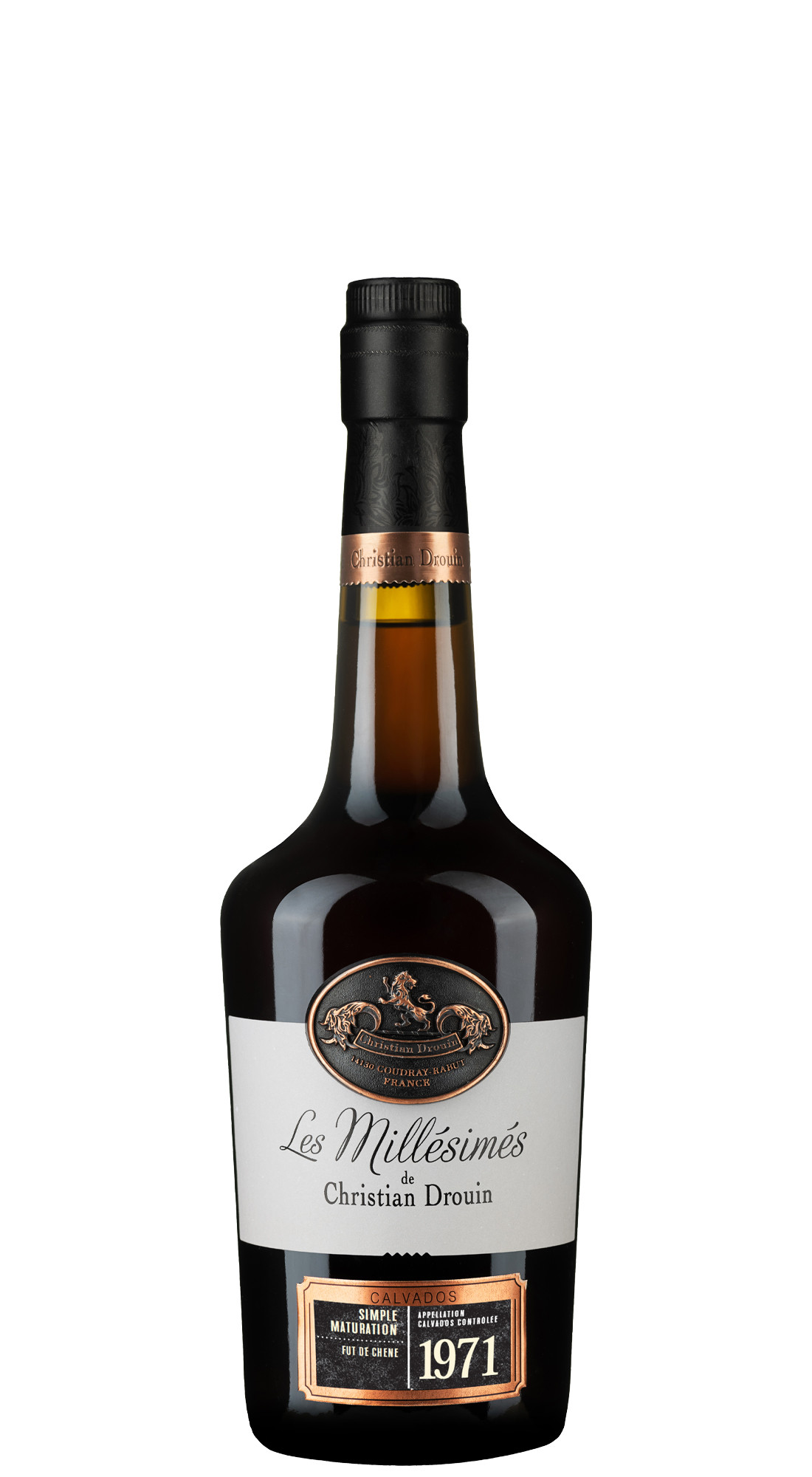
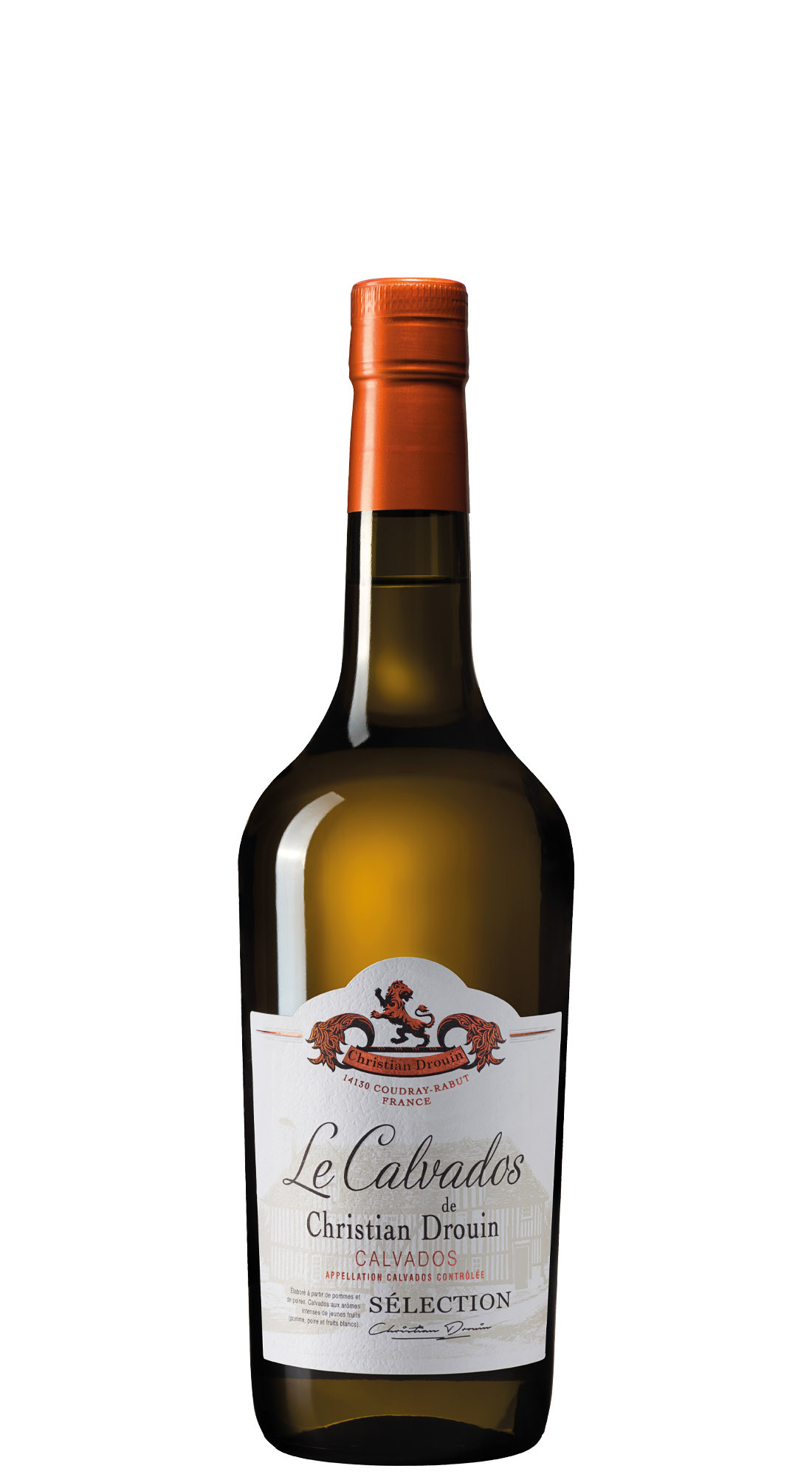
Drouin 1971 Millesime AOC Calvados Cask Aging
70 cl / 42.0°

SPIRITS
Rum
Whisk(e)y
Gin
Agave
Calvados
Armagnac
Others
VELIER LIFE
Extraperimetral
VNP
Aguilas Camp
TRAVEL
São Tomé e Principe
Mexico
Distillery Tour
Food Guide
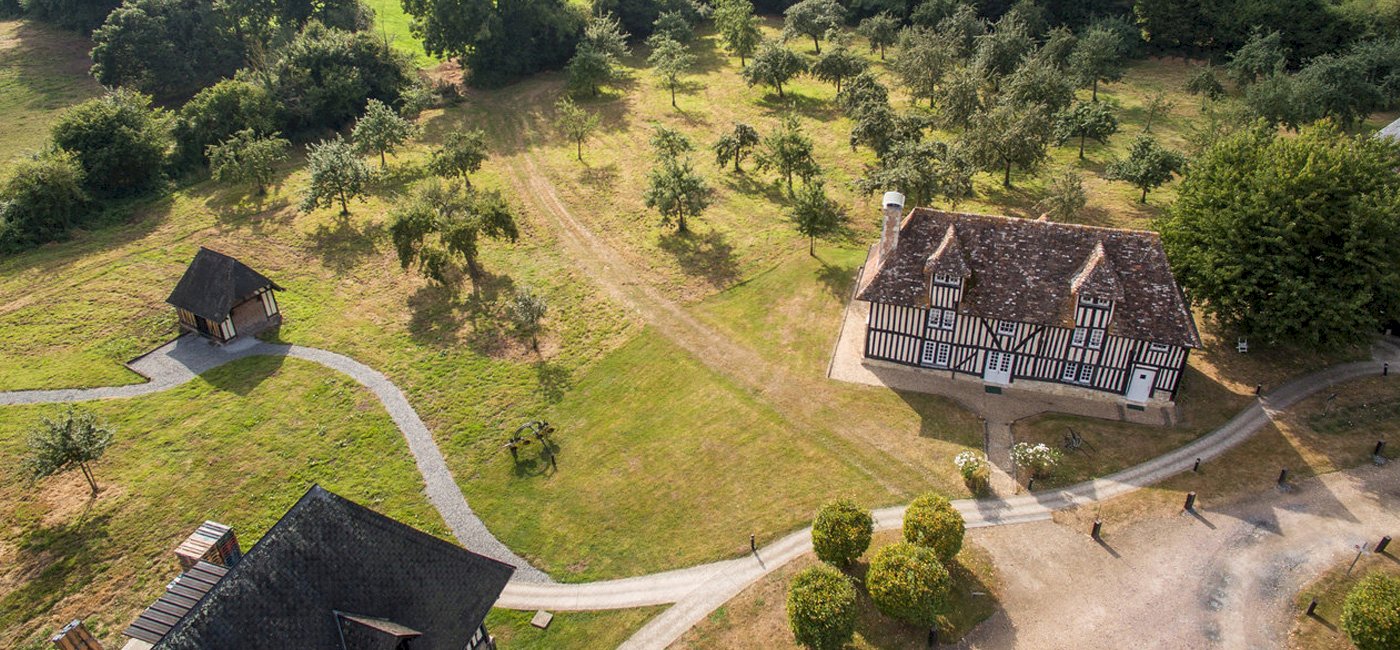
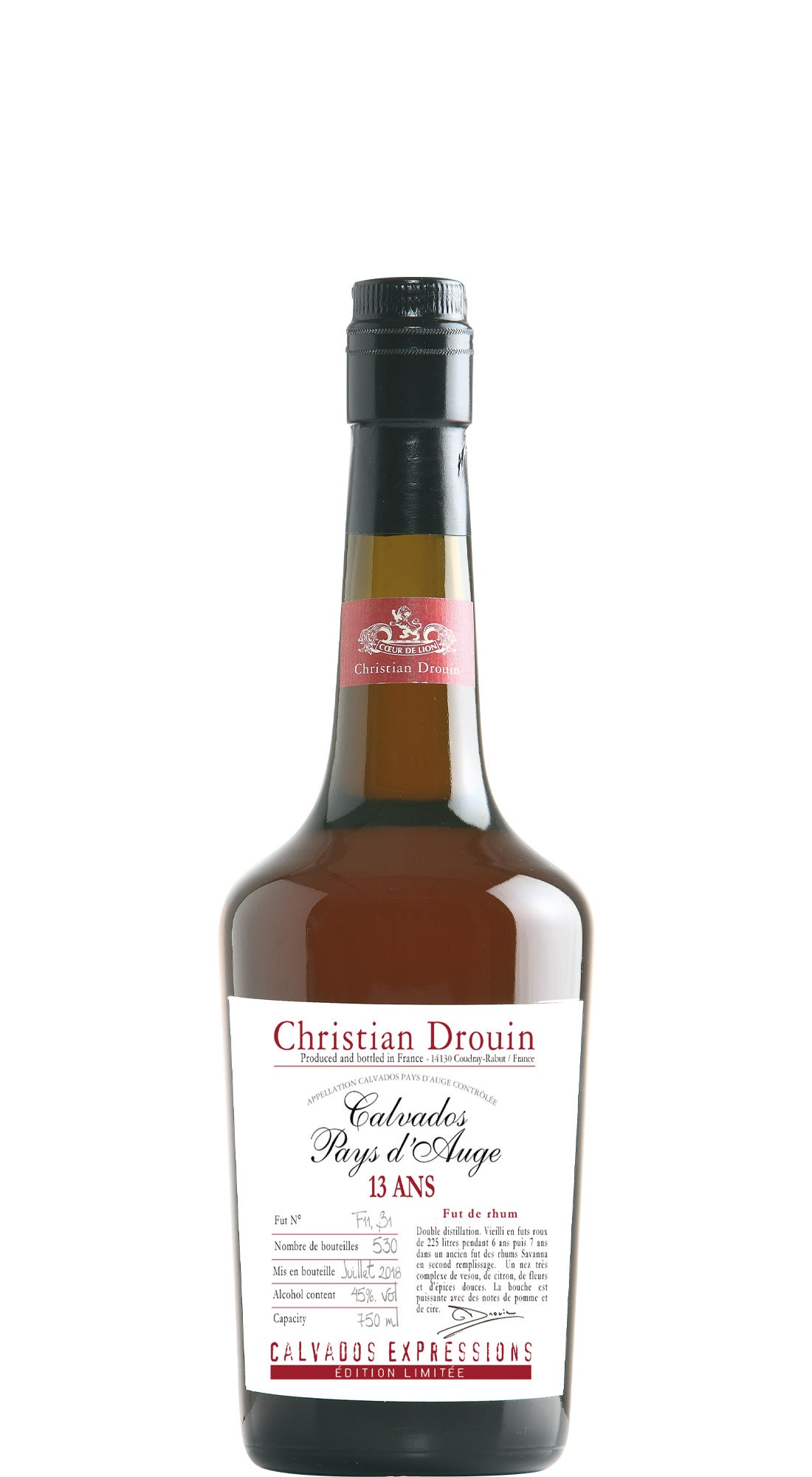
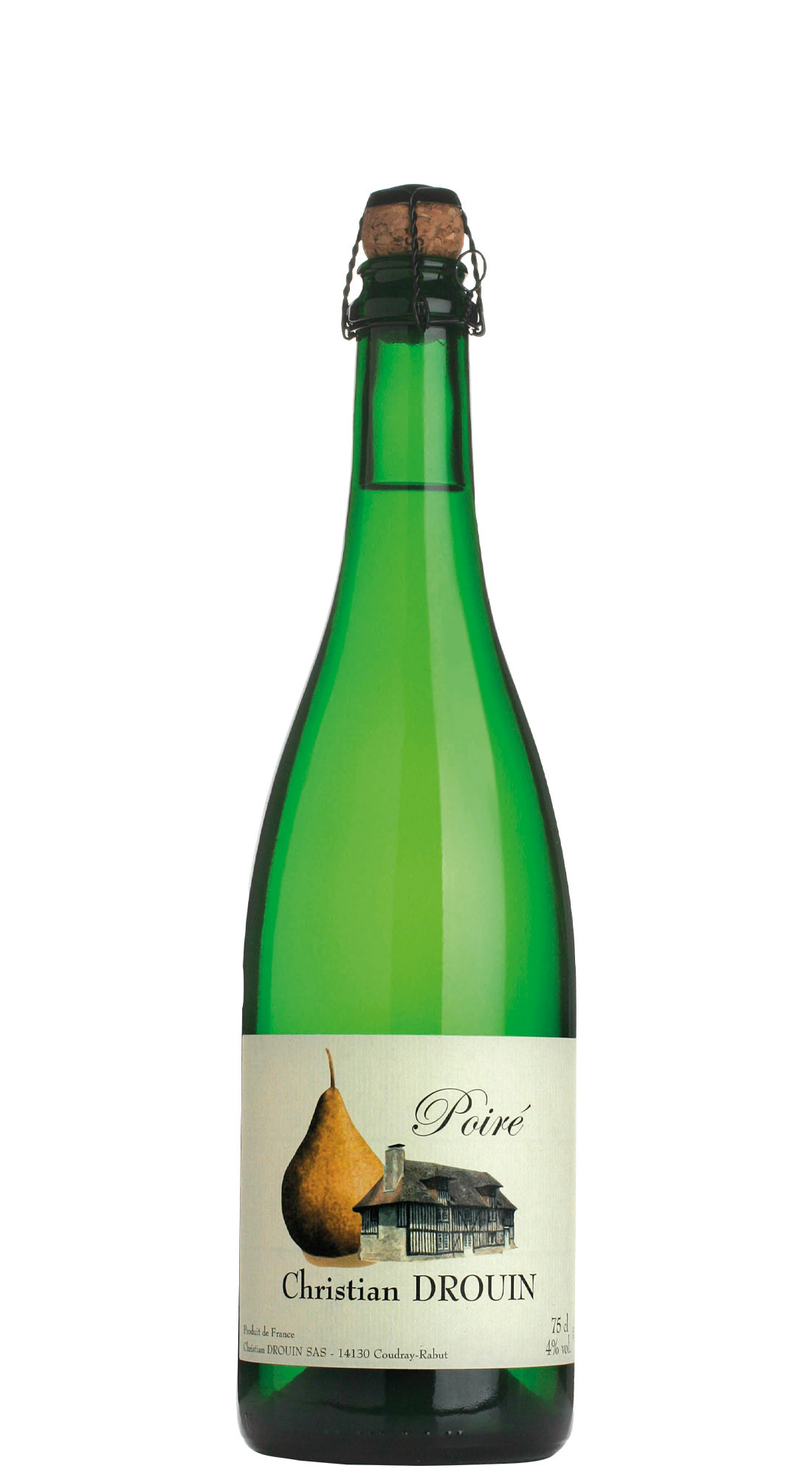
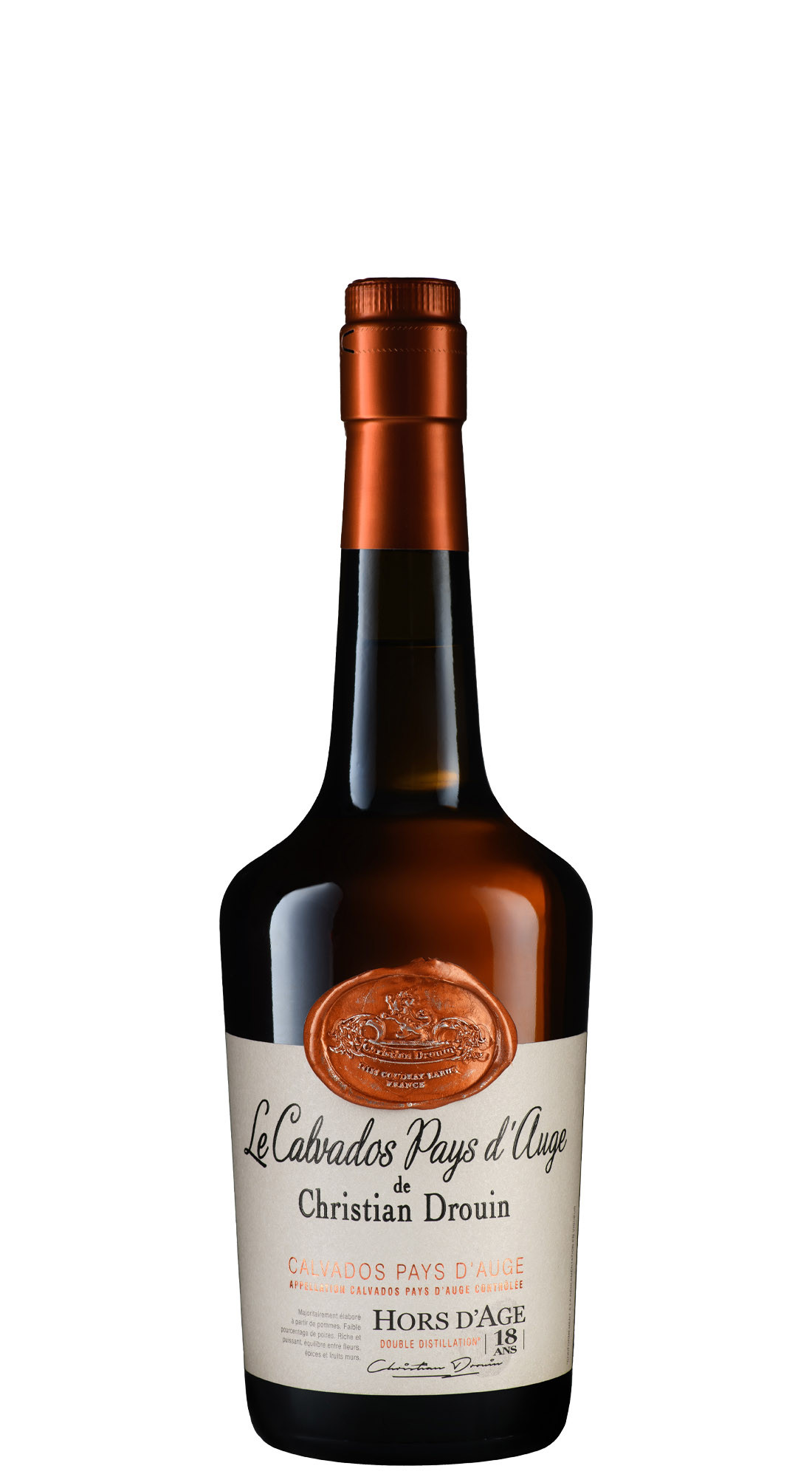
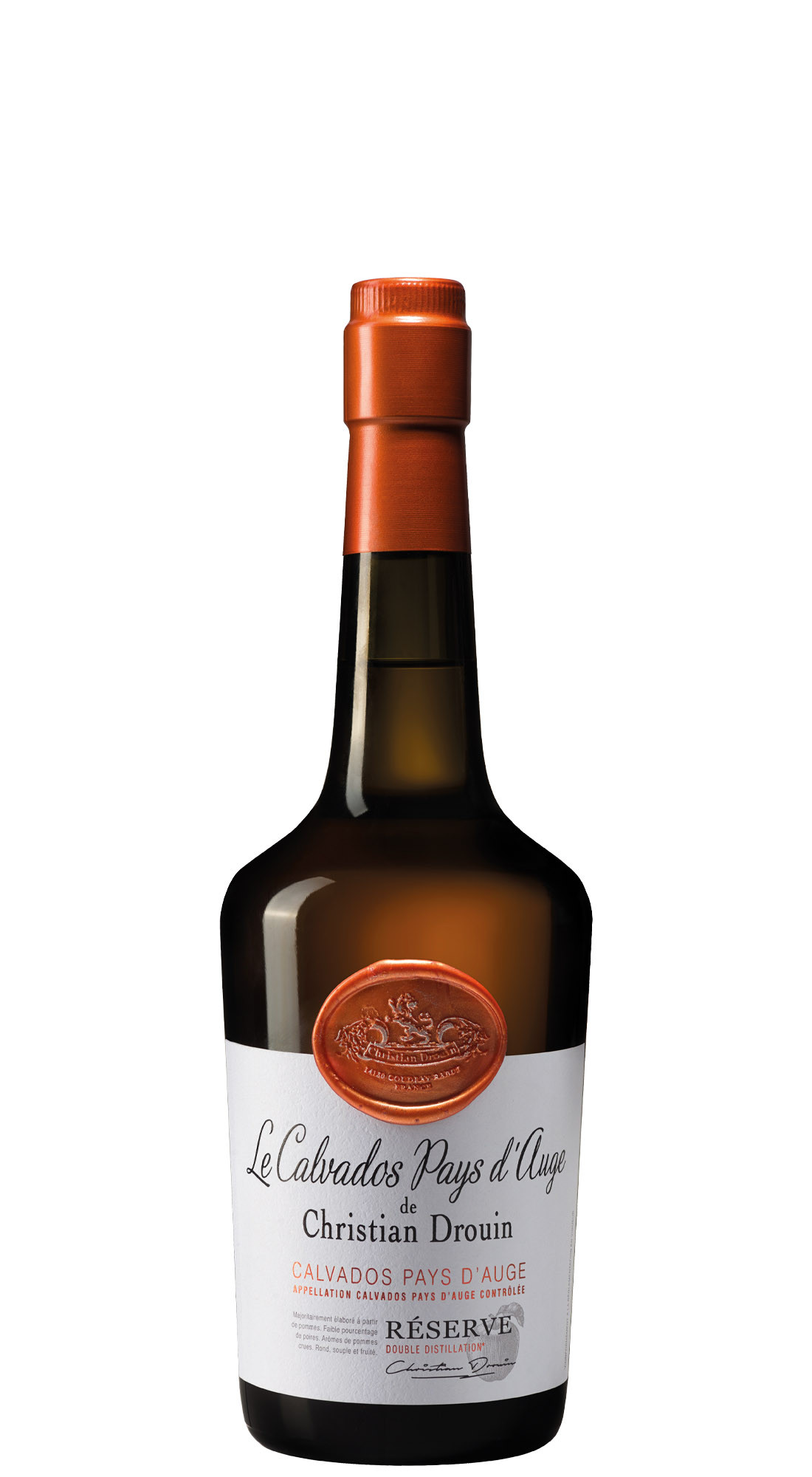
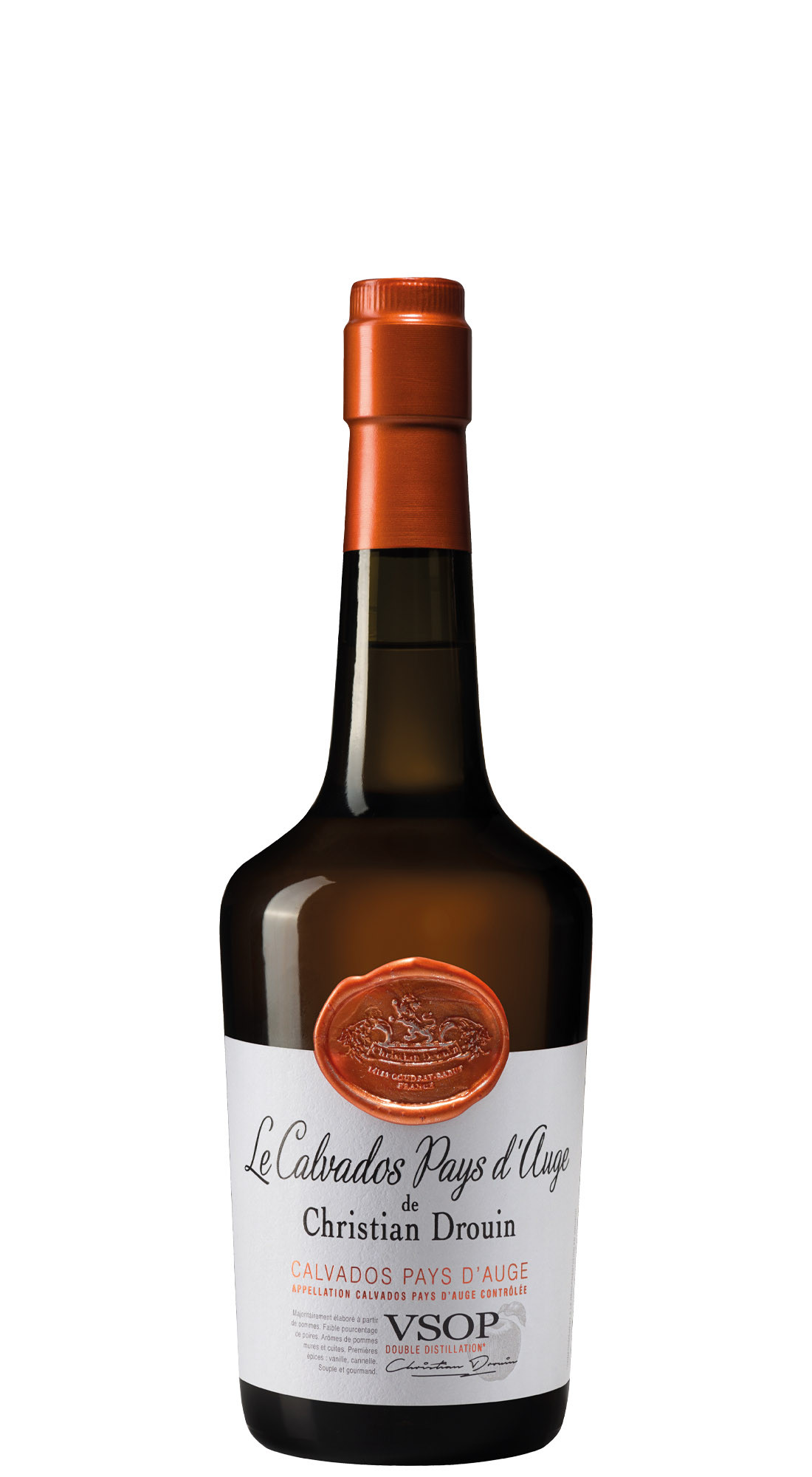
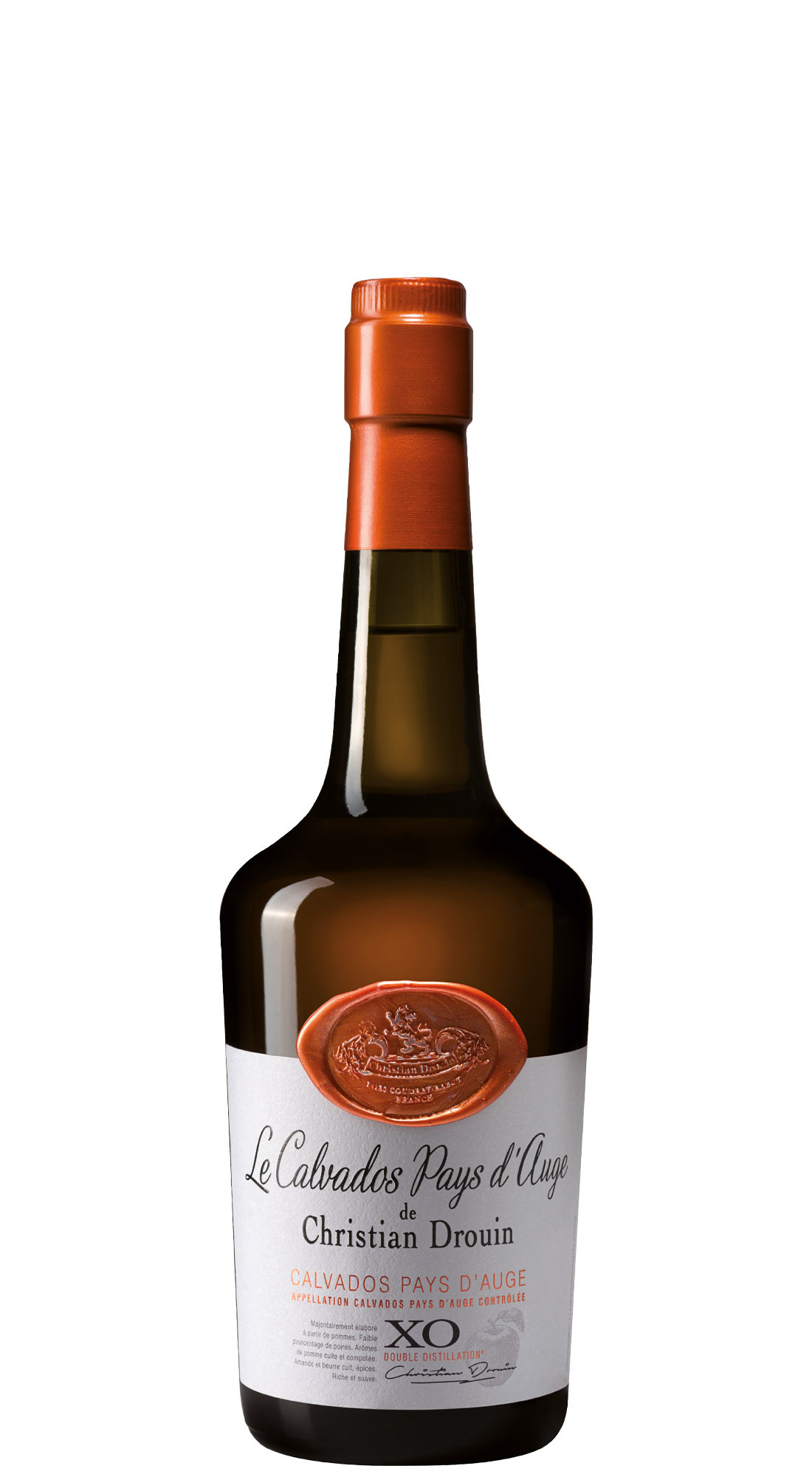
We have been working together with the Drouin family for 30 years, and it is one of the most beautiful relationships, both of work and friendship. In the 1960s, Christian Drouin's father, an industrialist originally from Rouen and a Calvados collector, bought the Fiefs Saint Anne estate in the hills of Gonneville, near Honfleur, with the desire to make one of the best Calvados in the Auge Region. Ten years later, he was joined by his son, to start the business in 1979. Drouin is truly a "Triple A" product. A good portion of their production comes from their still high-stem orchards. Drouin's depth of vintage is unique in the world, as is the collection of medals received in international competitions.
It was the 1960s when Christian Drouin father bought Fiefs Sain Anne in the hills of Gonneville. The farm is planted with cider apple trees and Christian quickly develops a desire to produce Calvados. With the help of Pierre Pivet, a kettle of crus well known in the northern Pays d'Auge, he spent his early years in business distilling his own cider production. Christian Drouin son joined his father in 1979 after spending about a decade abroad. Christian specializes in the art of aging and, taking advantage of the stock produced by his father, specializes in making the rarest and oldest calvados, which he soon distributes to the most elegant grand hotels and restaurants around the world. In January 2004, the third generation joined the company with Guillaume Drouin, an agronomic engineer and oenologist, who would arrive at the helm in 2014. To this day, blends are still made by mutual agreement by Guillaume and his father.
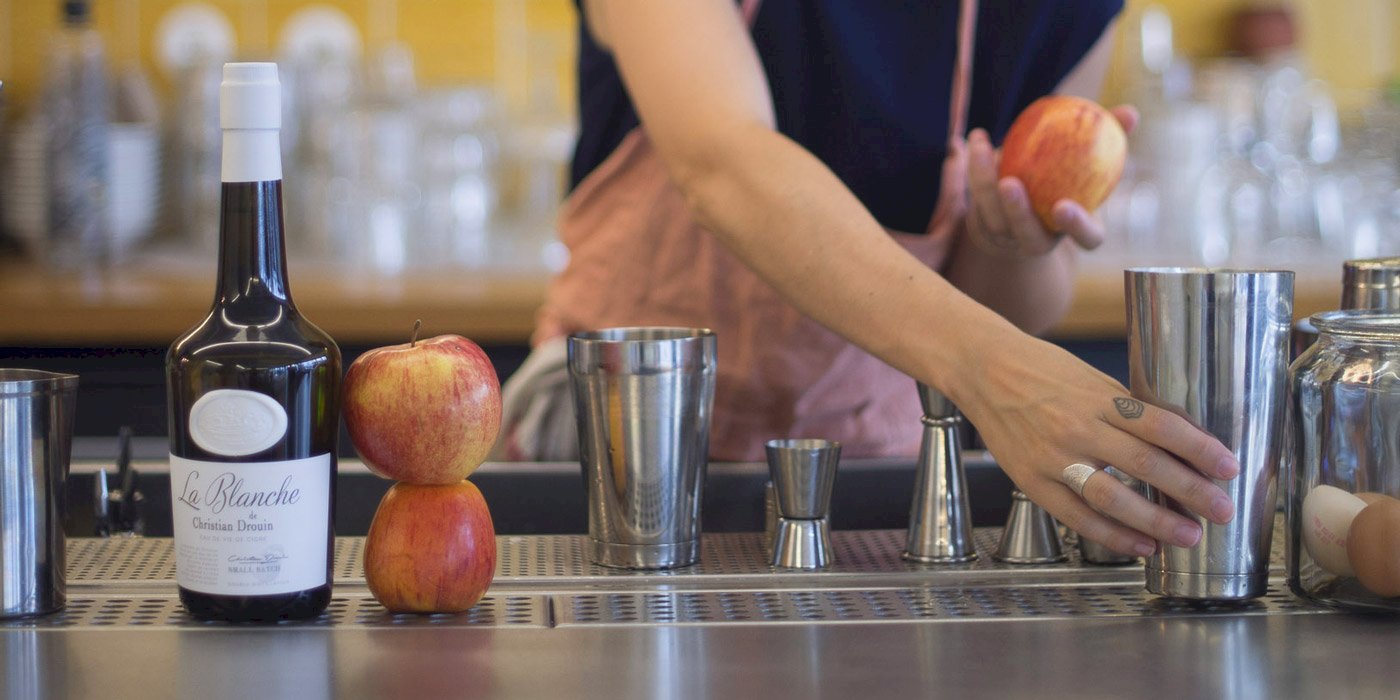
Apples for cider and calvados production come from two family orchards planted between Gonneville-sur-Honfleur and Coudray-Rabut. Some 30 varieties of apples, divided between bitter apples (20 percent), bittersweet apples (50 percent), sweet varieties (20 percent) and sour apples (10 percent), are planted in the orchards managed exclusively by tree farming. Gonneville's orchards, on the other hand, are managed according to the disciplines of agriculture The cows present in the orchards contribute to the balance of production by fertilizing the soil and feeding on the berried apples in September. The apples are harvested at optimal maturity, between the months of September and December, on the ground before being taken to the press. Apple production from the family orchards is complemented by that of a few other farms in the region that benefit from a similar terroir.
La produzione - La torchiatura “Torchiamo i frutti con moderazione, per estrarre solo i migliori aromi» Prima di essere frantumate, le mele sono accuratamente lavate e selezionate. In seguito alla frantumazione nella raspa meccanica, la vinaccia di mela fermenta per alcune ore in una vasca di raccolta in acciaio inossidabile. Quest'operazione permette di estrarre maggiormente il colore e di produrre sidri dai tannini più morbidi e meno amari. Le mele vengono poi torchiate in una pressa pneumatica adatta alla trasformazione delle mele da sidro. Un programma di torchiatura moderato di tipo champenois estrae il succo con bassi rendimenti del 65%. I mosti così ottenuti offrono aromi decisi di frutta, senza acerbità, né asprezza. Fermentazioni lente “La distillazione di sidri invecchiati consente di produrre calvados più adatti ad un lungo invecchiamento» I sidri prodotti in autunno sono conservati per diversi mesi in tini e in grosse botti da sidro.

La distillazione dei sidri più giovani dà luogo ad acqueviti semplici, fruttate, particolarmente adatte alla vendita dei più giovani calvados. Le distillazioni durano fino a giugno e talvolta si protraggono fino all'autunno allo scopo di ottenere calvados di struttura più possente, marcati da un'acidità più decisa. I calvados così prodotti offrono un migliore potenziale nei confronti dell'invecchiamento e permettono di elaborare i millesimi più antichi, specialità della Maison. La distillazione «Ogni partita di sidro è diversa e richiede pertanto che il processo di distillazione sia adattato.» Per i Calvados Pays d 'Auge, è effettuata una doppia distillazione in un alambicco a ripasso da 2.500 litri. Con il primo riscaldamento, quello del sidro, si ottiene un prodotto intermedio, denominato "les petites eaux", la cui titolazione è pari a 30°. Si è preso cura di scartare le teste e le code che contengono componenti indesiderabili. La seconda distillazione, chiamata “bonne chauffe” o "buon riscaldamento", è la distillazione di queste "petites eaux". Anche in questo caso, le teste e le code sono tagliate. Il taglio delle teste e delle code dipende dalla qualità di ogni sidro. Il calvados presenta a questo stadio una titolazione alcolica di 70°. All'uscita dall'alambicco, il Calvados è incolore e sprigiona aromi di frutti. L'invecchiamento dei calvados «Con il tempo, gli aromi di frutti del calvados sono dalla mela fresca alla mela matura, passando per la mela cotta, la composta di mele, ed infine la frutta secca. Il bouquet s'arricchisce con aromi floreali e di spezie ceduti dal legno. Il calvados assume via via rotondità e si concentra con il passare degli anni...» Le cantine d'invecchiamento dei calvados Christian Drouin custodiscono essenzialmente piccole botti, che favoriscono maggiormente gli scambi tra il legno e l'acquavite e, attraverso il legno, tra l'acquavite e l’aria. Ne deriva un'evaporazione (" la part des anges") di gran lunga maggiore rispetto all'evaporazione media constatata in Normandia. Molti fusti sono antichi. È ormai noto che queste botti di reimpiego (antiche botti da Xeres. Porto, Rivesaltes e Banyuls) limitano gli apporti di tannini amari e contribuiscono a conferire un bel colore, corpo e una notevole complessità aromatica. Le grosse botti da 15 a 25 hl servono al travaso, agli assemblaggi e allo stoccaggio di, calvados invecchiati sufficientemente carichi di tannini. Ogni assemblaggio della gamma, nonché ogni millesimo, presenta uno schema d'invecchiamento unico, adatto alla sua età e allo stile ricercato. Christian Drouin e Guillaume assaggiano ogni anno tutte le botti della cantina prima di decidere il destino di ciascuna. I calvados s'affinano col passare degli anni e dei contenitori.


Drouin
Drouin
Drouin
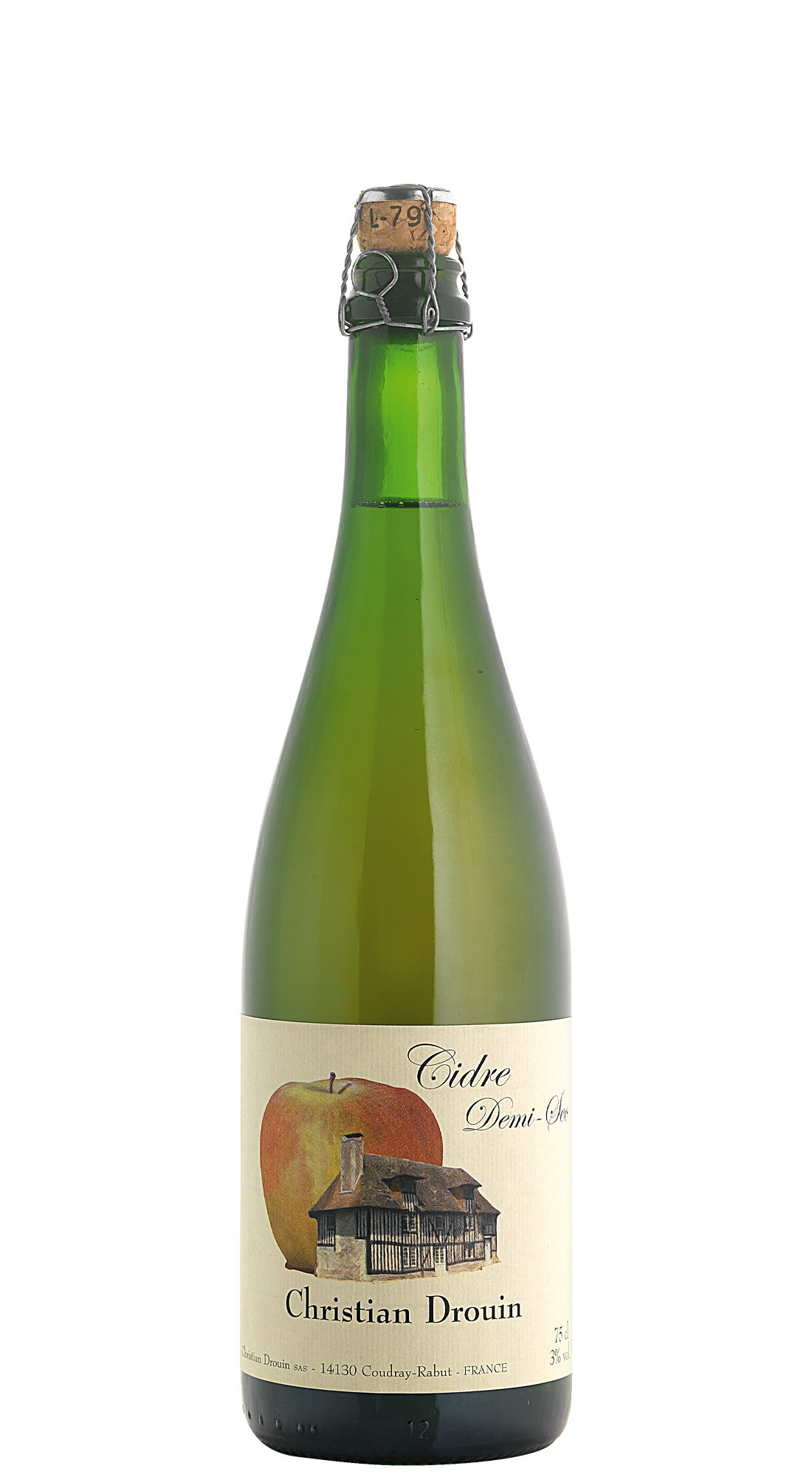
Drouin
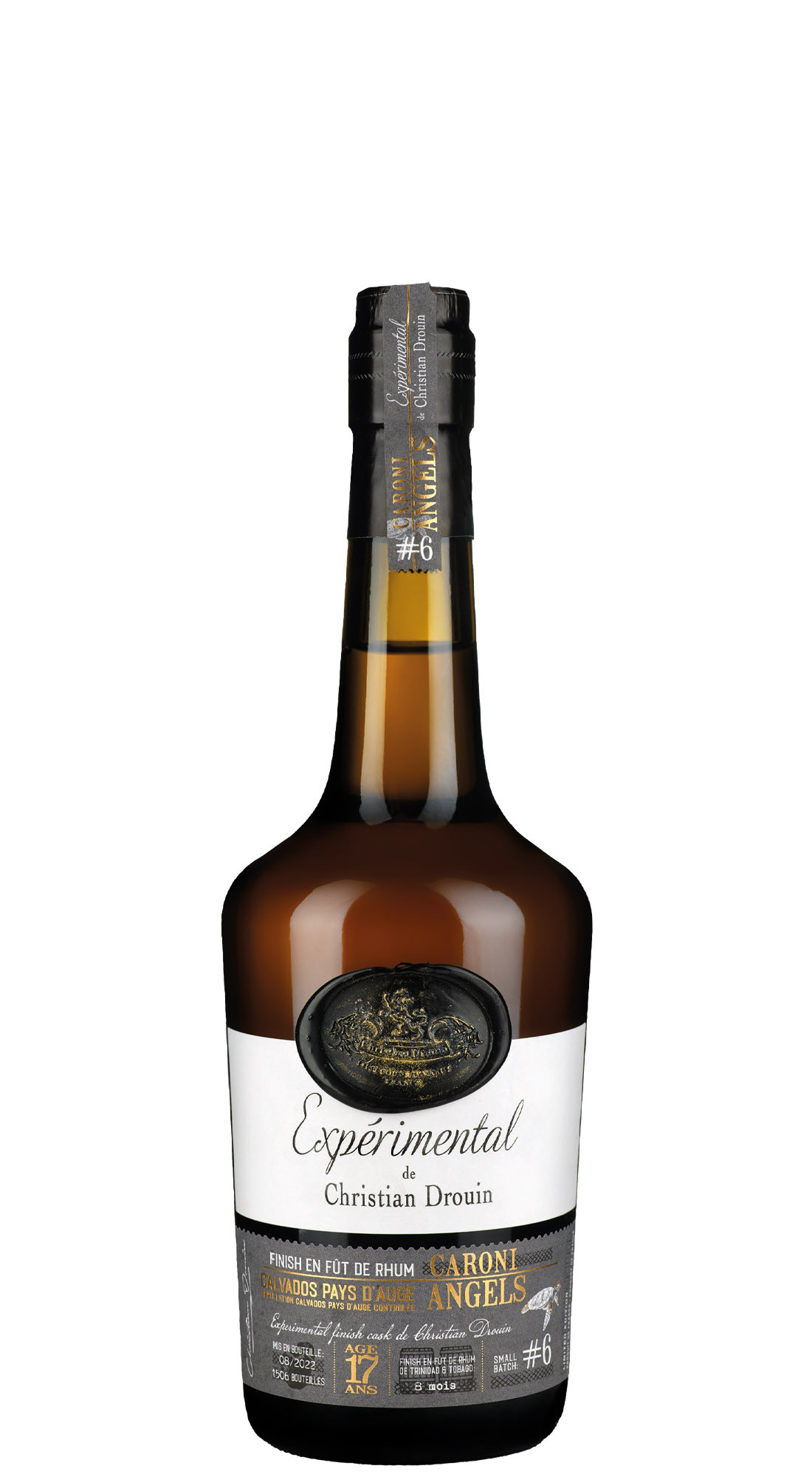
Drouin
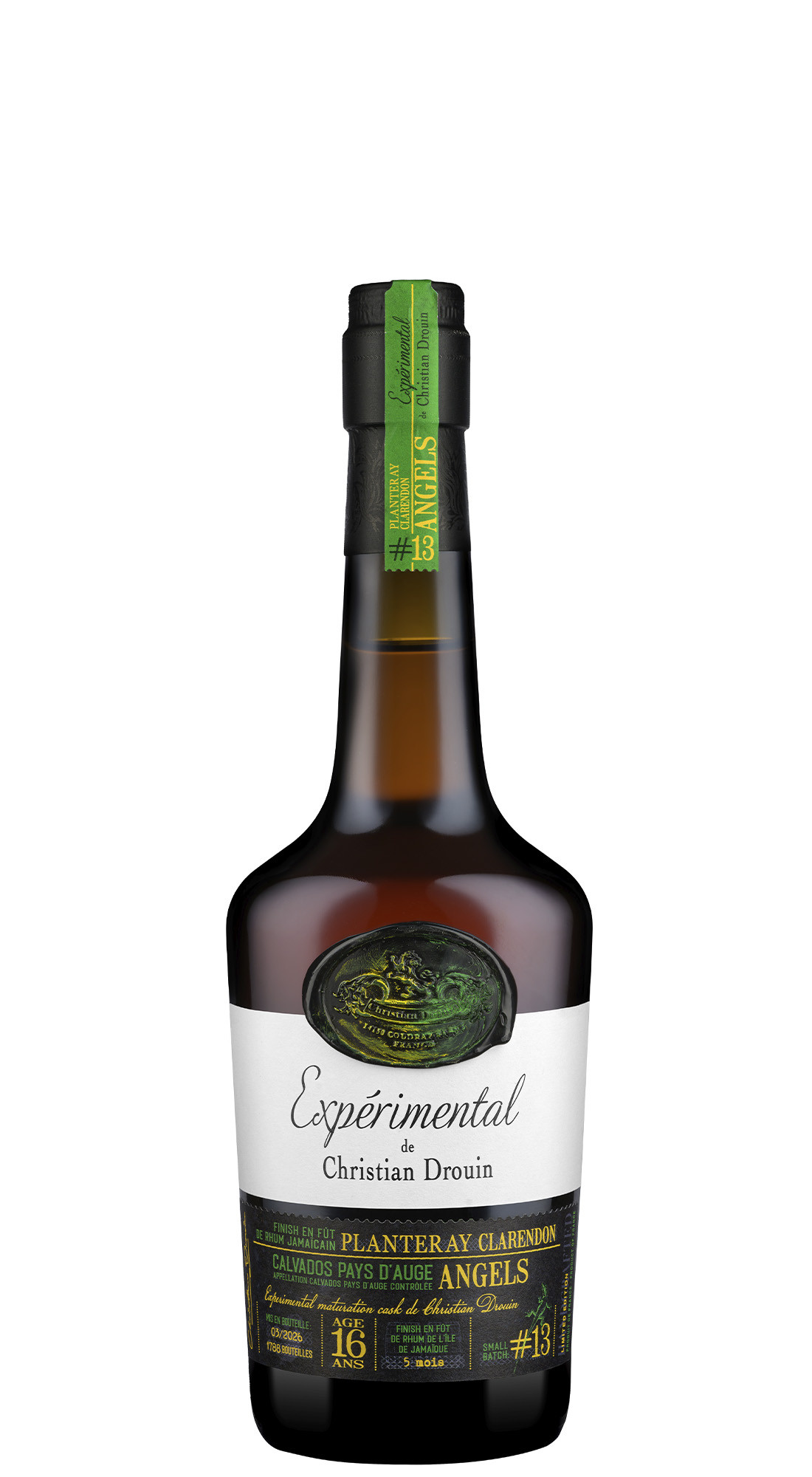
Drouin
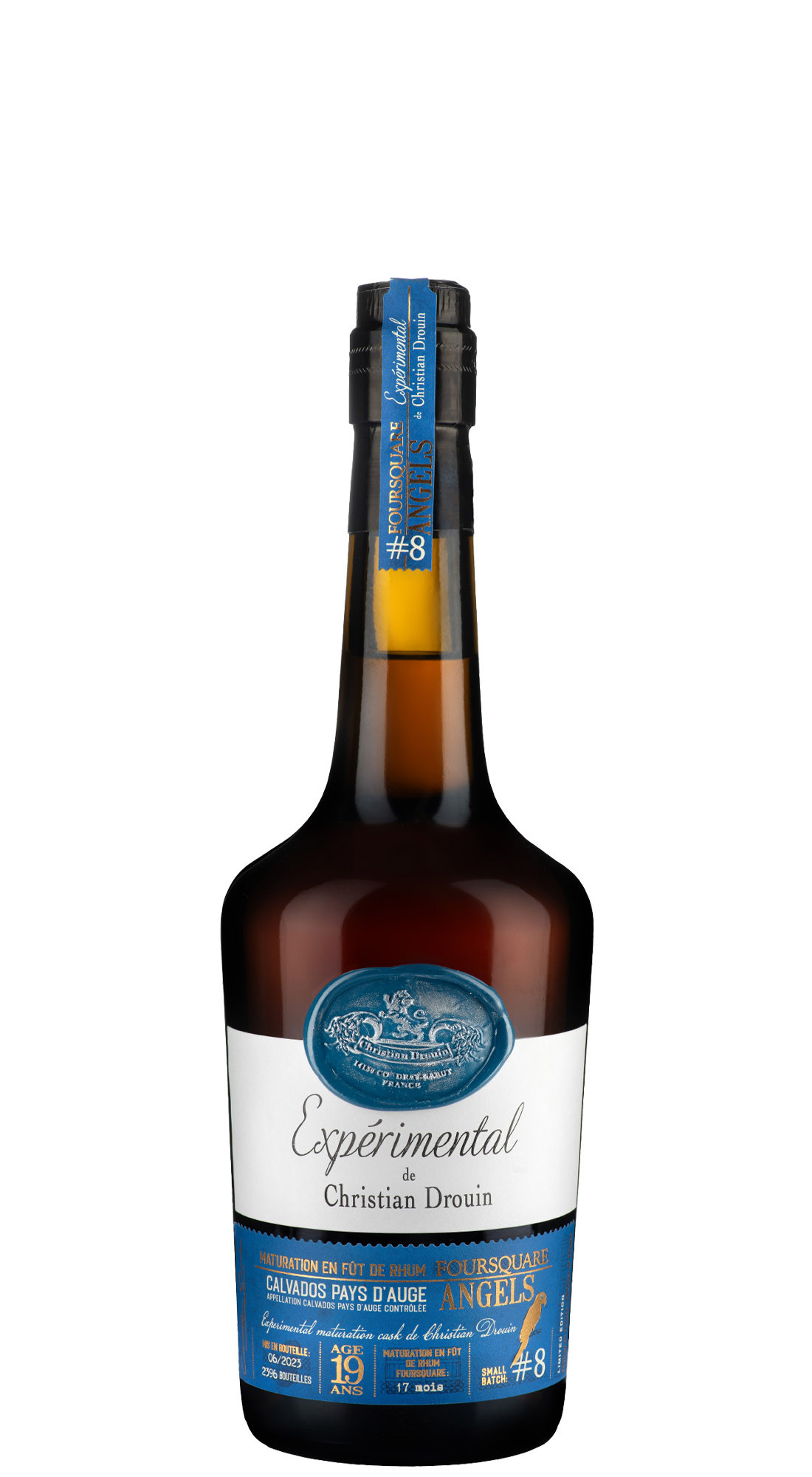
Drouin
Drouin
Drouin
Drouin
Drouin
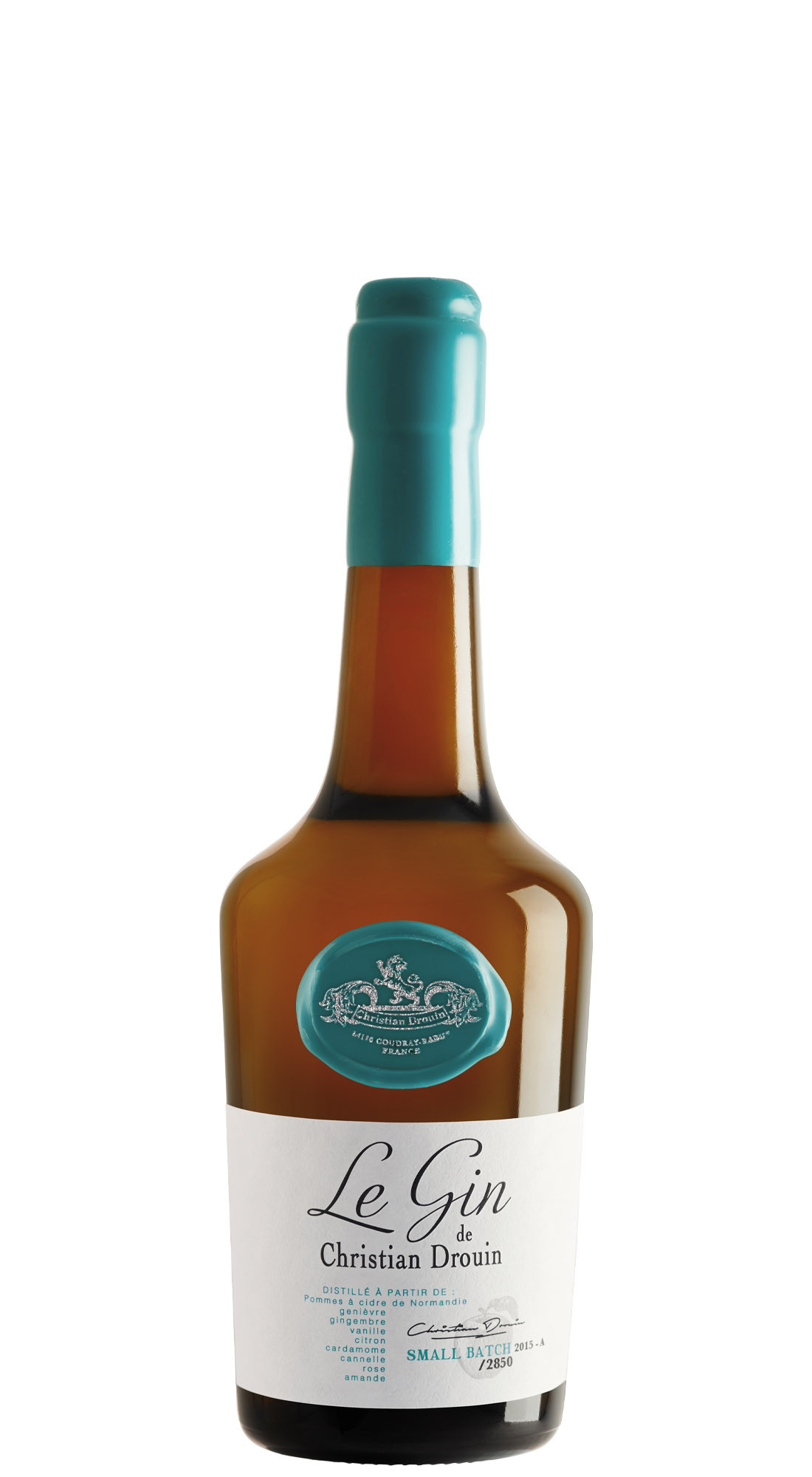
Drouin
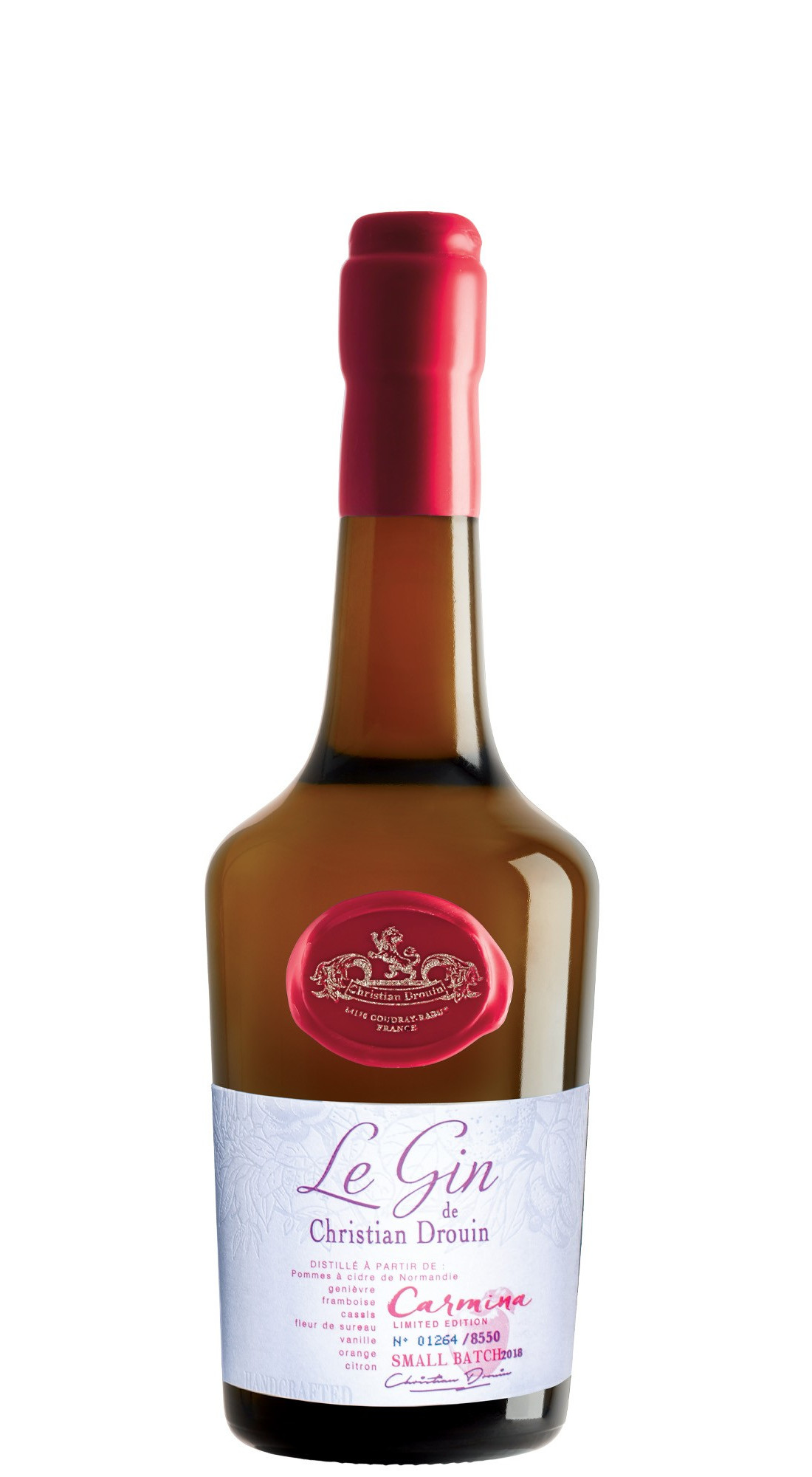
Drouin
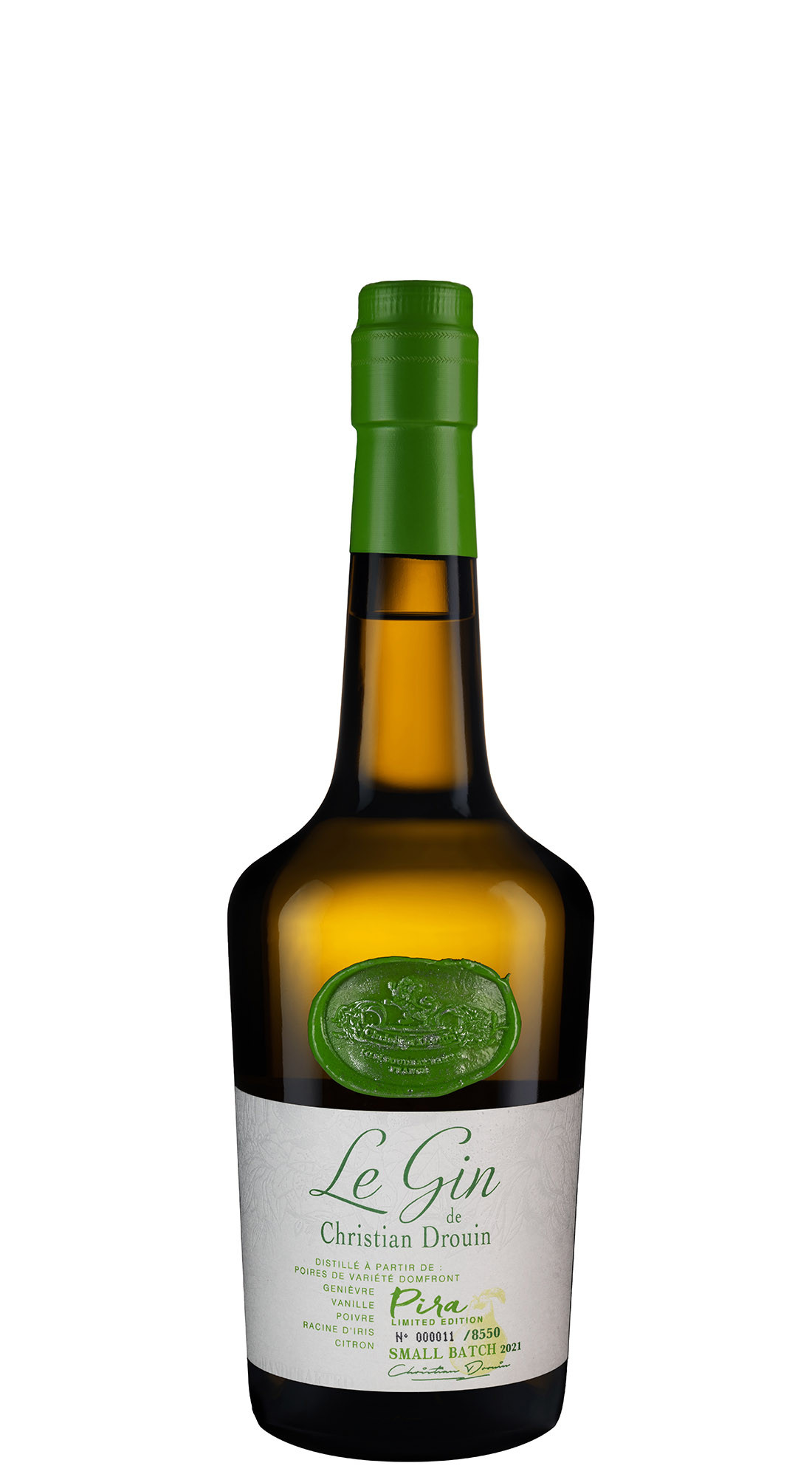
Drouin
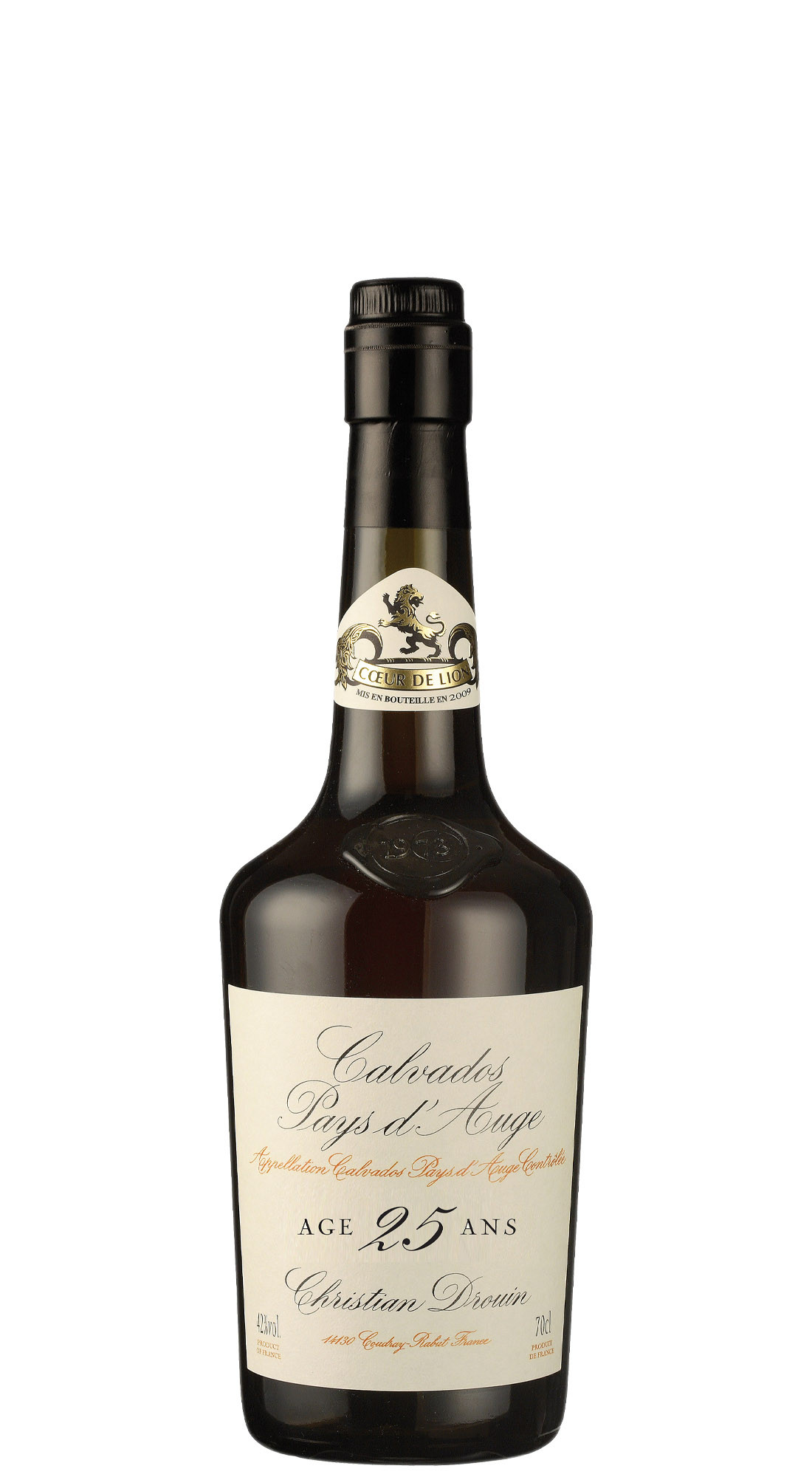
Drouin
Drouin
Drouin
Drouin
Drouin
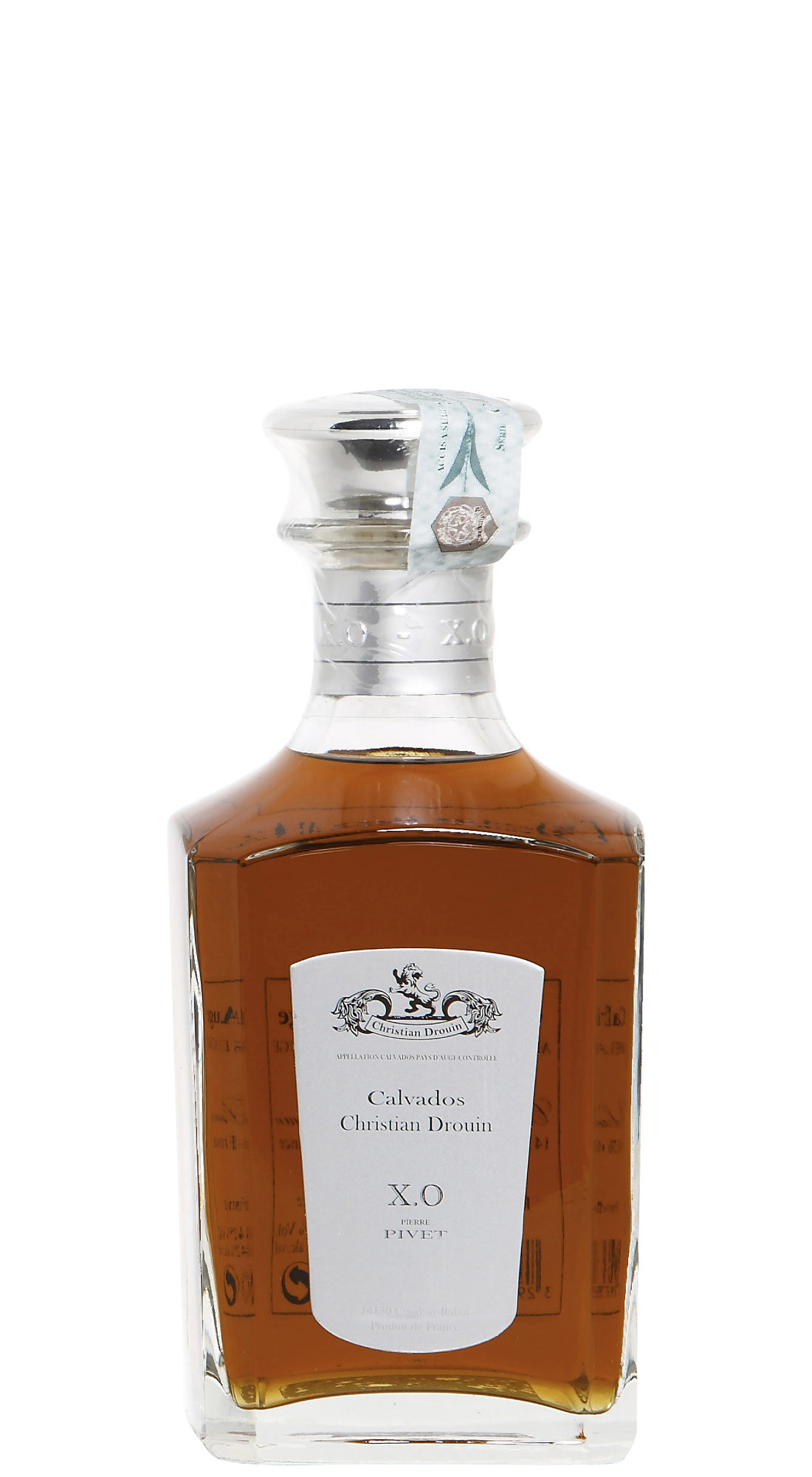
Drouin
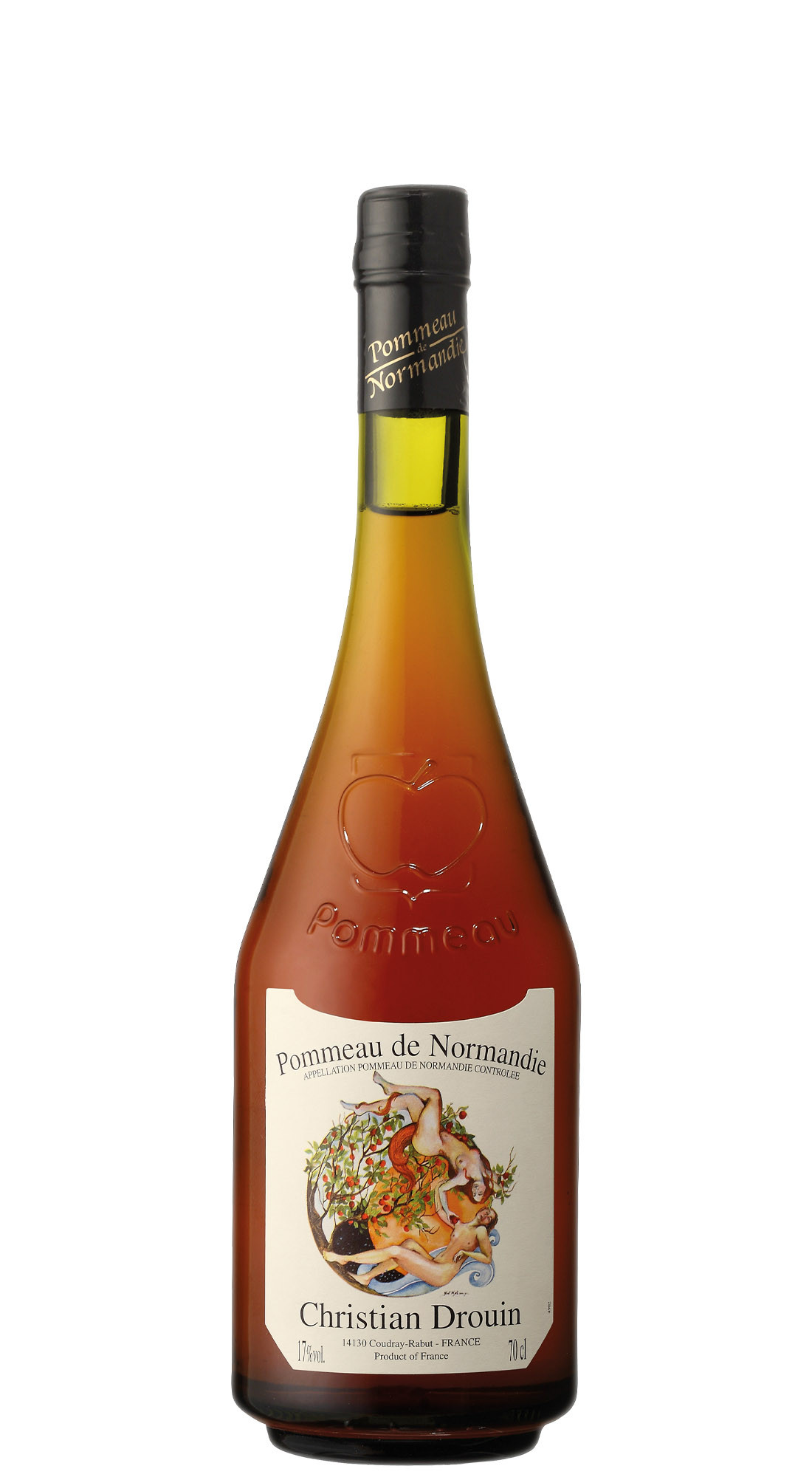
Drouin
SPIRITS
Rum
Whisk(e)y
Gin
Agave
Calvados
Armagnac
Others
VELIER LIFE
Extraperimetral
VNP
Aguilas Camp
TRAVEL
São Tomé e Principe
Mexico
Distillery Tour
Food Guide