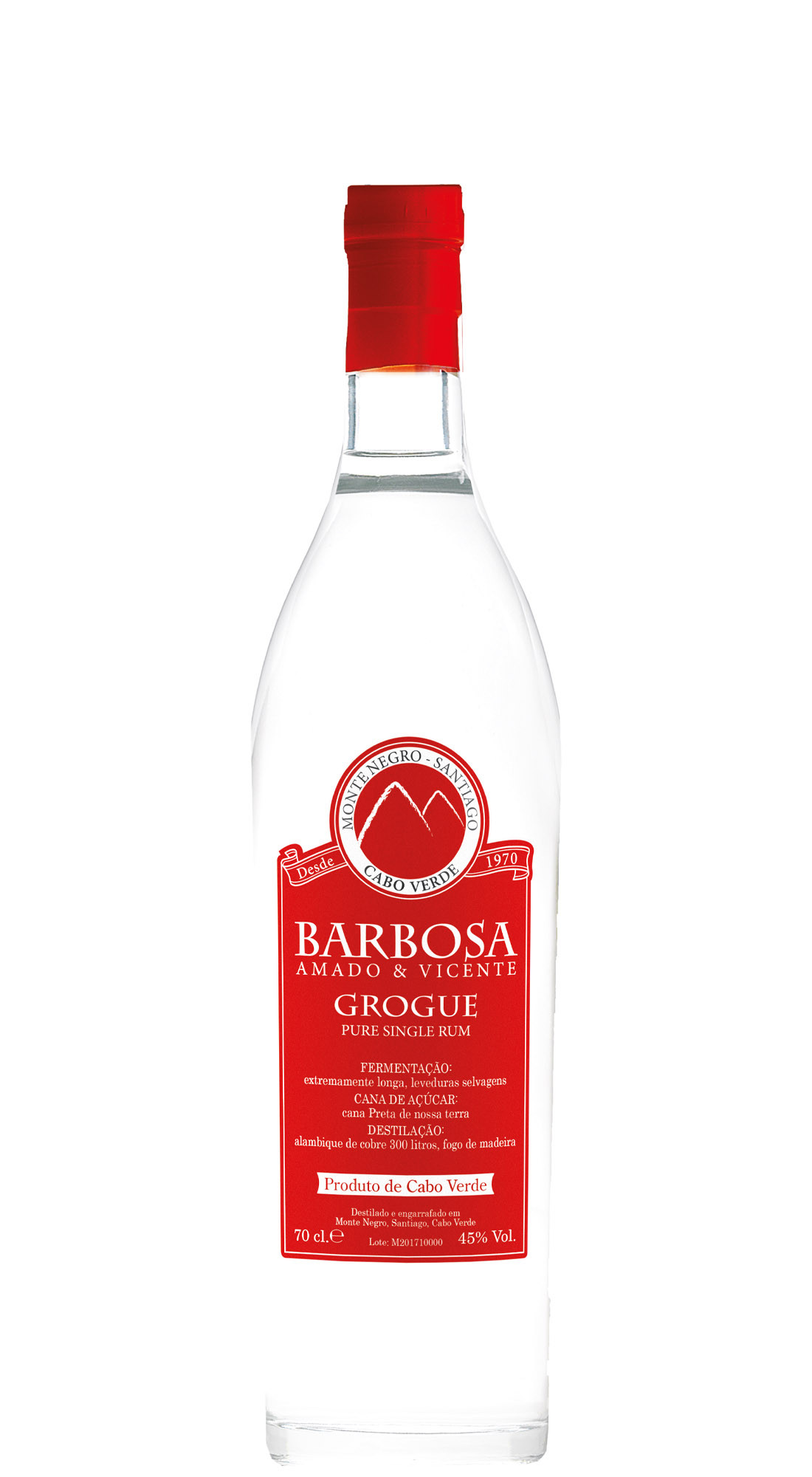




Barbosa Amado & Vicente
By Velier
We discovered Grogue in 1999, but when the world was not yet ready for it. We therefore only returned to Cape Verde in the following years, with the emergence of quality mixology. Among a hundred or so distilleries in the archipelago, we chose Montenegro of the Barbosa Family, which produces grogue from its sugarcane plantations Grogue was the first rum in History. Cape Verde is in fact one of the first places where sugarcane cultivation began.
Overview
History
Grogue Barbosa Amado & Vicente is made from a precise variety of Cape Verde cane, with fresh, natural juice, 16/18 brix. Fermentation is in 500-liter and 1000-liter steel containers and begins with a 'piè de Cuve' of 200/250 liters of juice, in the 1000-liter containers, to which an additional 200 liters are added. The first fermentation lasts about ten days and the following, on average, six days. No water is added. Distillation is in 350-liter copper stills, fed by direct wood fire. The "firing" takes four to five hours, and after cutting off the heads and tails, 45 to 50 liters of 45° grogue remain. The distillate is left to rest between three months and a year, in stainless steel containers.
Production method
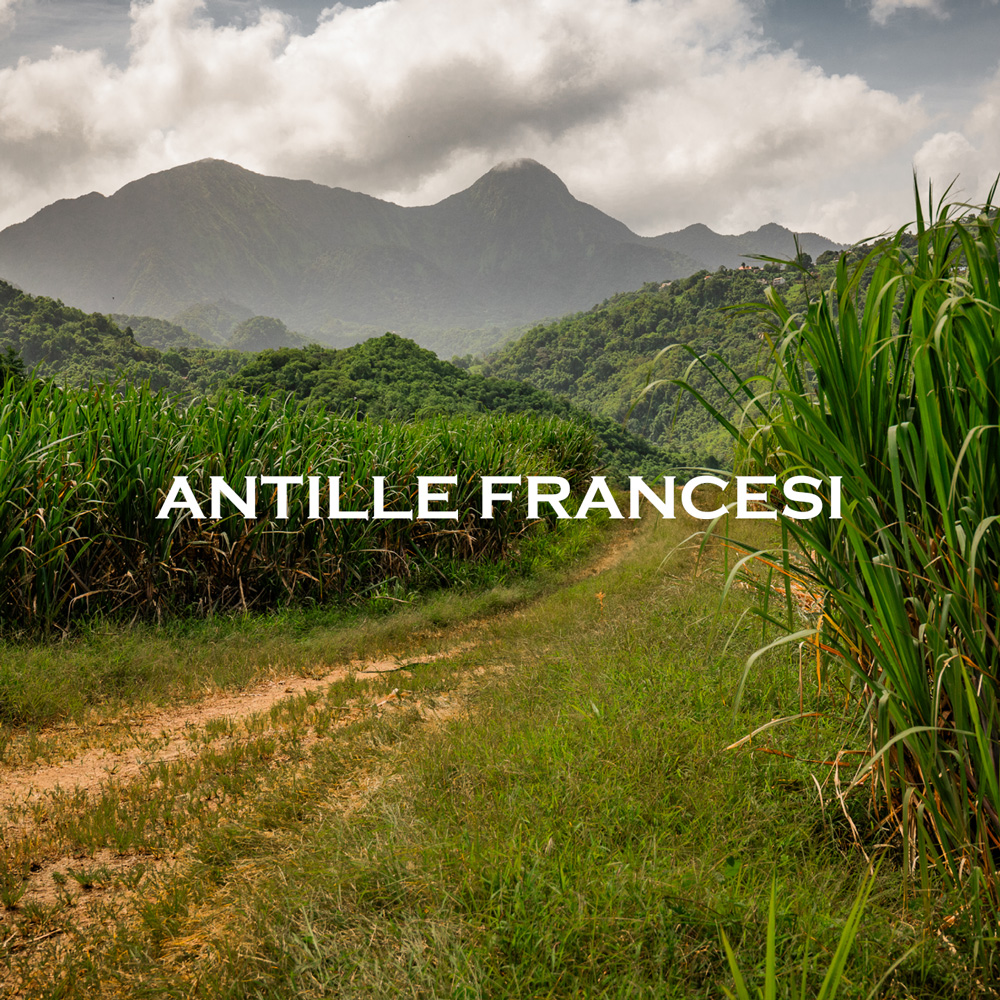
The sugarcane for the production of Grogue Barbosa Amado & Vicente is harvested on the 9 hectares of land located in Ribeira de Mangue on the island of Santiago, just a few dozen meters from the esplanade where sea turtles arrive in August and September for the magical moment of egg-laying. The varieties grown are De Nossa Terra Preta and Branca cane, which ripens about 15 months after it is grounded, with a life cycle of about 7 to 8 years. Cape Verde's isolated location in the middle of the Atlantic Ocean and an extreme microclimate, to say the least, allow for a non-interventionist approach to agriculture. In fact, no fertilizers are used in Montenegro, just as no chemical treatments are used on crops. Given the very dry climate, in an area where rains are welcomed in celebration, the cane is irrigated with minimum cycles of four times a week, unless it rains. Annual production is very much dependent on rainfall patterns, of course. From mid-January to June, the cane is harvested manually by making the cut with a machete. The cane is pressed in an electric mill, which processes 3000/3500 kg per day.

Fondazione: 1970
Distribuito da Velier dal: 2019

Focus
La canna da zucchero per la produzione del Grogue Barbosa Amado & Vicente viene raccolta sui 9 ettari di terra situati a Ribeira de Mangue sull'isola di Santiago, a poche decine di metri dalla spieggia di sabbia nigra dove in agosto e settembre arrivano le tartarughe marine per il magico momento della deposizione delle uova. Le varietà coltivate sono la canna De Nossa Terra Preta e Branca, matura dopo circa 15 mesi salla sua messa a terra, con un ciclo vitale di circa 7/8 anni. La posizoone isolata di Capo Verde, in mezzo all'oceano Atlantico, ed un microclima a dir poco estremo, permettono di avere un approccio non interventista in agricoltura. Infatti a Montenegro non si usano ferilizzanti come non si interviene con trattamenti chimici sulle coltivazioni.

Visto il clima molto asciutto, in un territorio dove le piogge sono accolte a festa, si irriga la canna con minimi cicli di quattro volte a settimana, a meno che non piova. La produzione annuale è molto legata alla pluviometria, ovviamente. La stagione delle piogge è fra agosto e ottobre, premesso che è più unico che raro assistere alla caduta di qualche goccia d'acqua dal cielo. Da metà gennaio a giugno si raccoglie la canna manualmente effettuando il taglio con il machete. La canna viene pressata in un mulino elettrico, che lavora 3000/3500 kg al giorno.