





In the island of grogue
An unconventional journey into Cape Verde’s hidden soul
“La na céu bô é um estrela, ki ka ta brilha, li na mar bô é um areia, ki ka ta moiá, espaiód nesse munde fora, so rotcha i már”,
Cesária Évora sings of hope, nostalgia, pain, dream and happiness in her song "Petit Pays," one of her melancholic masterpieces dedicated to Cape Verde, the land where she was born and died.
"Up in the sky you are a star that doesn't shine, in the sea you are sand that doesn't get wet, scattered across the world, just rocks and sea." An archipelago of ten volcanic islands located off the northwest coast of Africa, a crossroads of different cultures and flavors.
Until about ten years ago it was a very popular destination with Italian tourists, mainly because of its scenic beauty and lovely beaches. It was one of the destinations where you could unwind and spend time relaxing and enjoying the sea in very popular (and often abused) places like the island of Sal or Boa Vista.
However, as always in reality the unknown side of a country can be much more interesting than its paradise islands alone.
Its cuisine and customs, for example, its music marking the rhythms and patterns of daily life; in Cape Verde, all of this reflects a blend of African and Portuguese traditions, with influences from regions of the world like India and the Mediterranean.
The result is a cultural and culinary dimension that retains its own uniqueness, simple yet rich in authentic flavors and customs closely linked to local products and the special way of life of the island.
I knew next to nothing about Cape Verde. I have always listened to the call of Cesária Évora’s poignant music trying to give shape to the notes, I knew a couple of Cape Verdean exiles, thanks to Velier I have tried (and enjoyed) Barbosa Amado & Vicente grogue. That's all. Until our journey.
As Velier explorers, we met the locals, chatted and shared food with them, smelled, sampled and enjoyed their preparations. We did what we do best, getting to know the country and its people the most romantic way there is, through its cuisine and flavors.
As an archipelago Cape Verde's calling card is seafood - we expected this much. Fresh fish is the star of Cape Verdean tables - mackerel, tuna, grouper and octopus are commonly cooked in different ways, from grilling and frying to more elaborate preparations such as stews and soups that are part of Cape Verde's daily life. In addition to seafood, local ingredients include corn, beans, sweet potatoes, bananas, cassava, cabbage and pumpkin used in many traditional dishes. The islands are not particularly fertile but corn, known locally as milho, is the main grain and the backbone of the Cape Verdean diet.
First stop: Praia, a taste of grogue and cachupa
Our journey began from the capital Praia and lead us to explore the islands of Brava and Fogo. Music was a constant presence with every discovery.
One of the most interesting aspects of a trip to Praia - admittedly not the most charming of towns - is the chance to deep-dive into the laid-back pace of daily life. Music plays a key role - but not just any music: the local flagship style is called morna, a genre that was popularized by the aforementioned Cesária Évora. It blends African tradition with different ethnic sounds and resonates in every street, restaurant and bar. It's the way Cape Verdeans tell their stories, their hopes and their deep connection with the diaspora. The best way to acclimatize is spending an evening in a local restaurant or bar where you can listen to it live.
Cape Verdeans are known for their hospitality and often, after dining on traditional dishes like cachupa - a stew of corn, beans, meat or fish - you can enjoy impromptu shows involving both musicians and visitors, as it was the case for us. And of course, being in a restaurant, we were amazed by the local flavors.
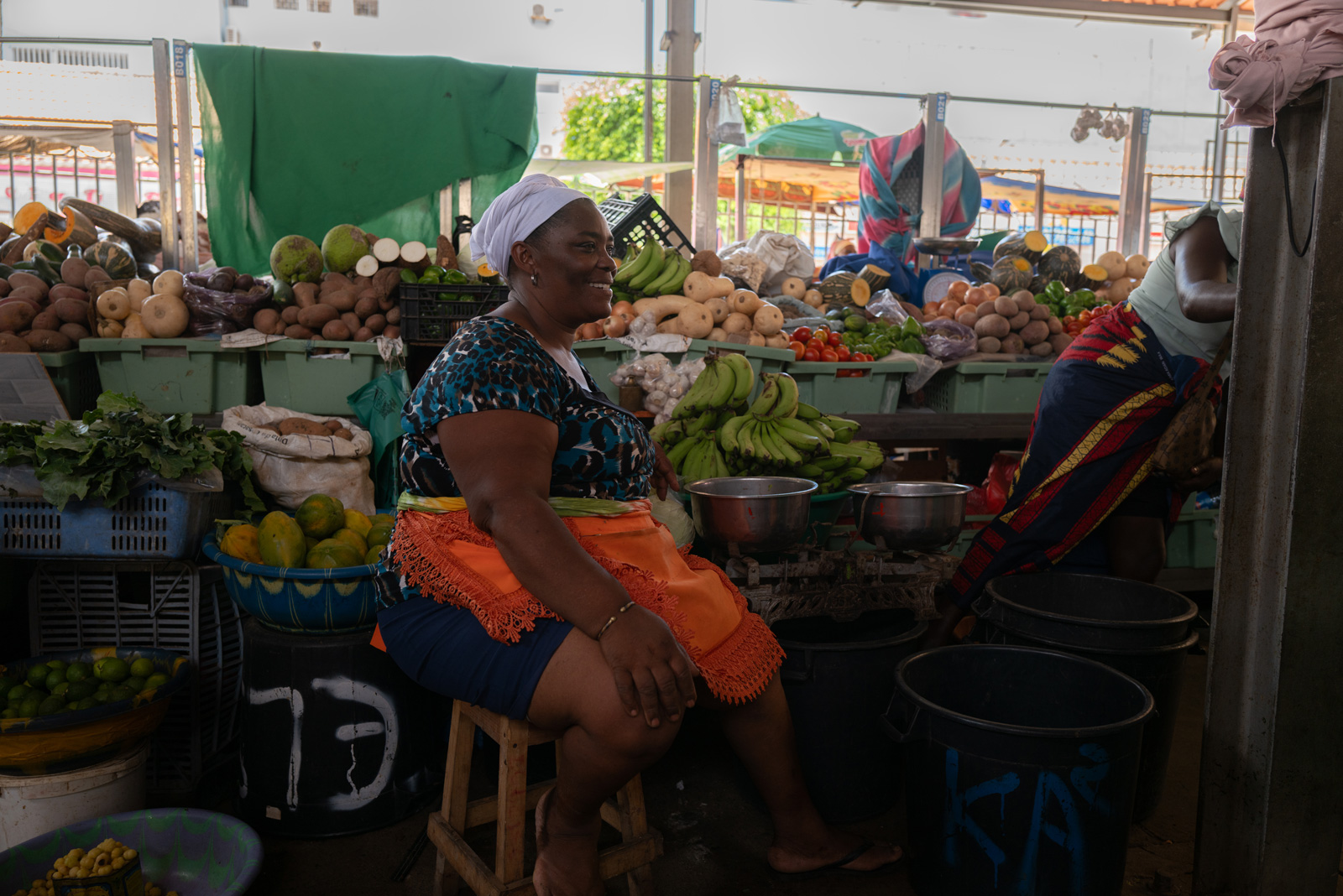
Praia's cuisine is a reflection of the mix of cultures that makes Cape Verde unique. Cachupa is undisputably the national dish and changes slightly from island to island. Local markets like Mercado Municipal are excellent places to explore the local food culture. Here you'll find stalls laden with fresh products - fish, tropical fruit and spices that make up the flavors of Cape Verdean cuisine (provided you don't expect the same hygiene standards we are used to in Europe).
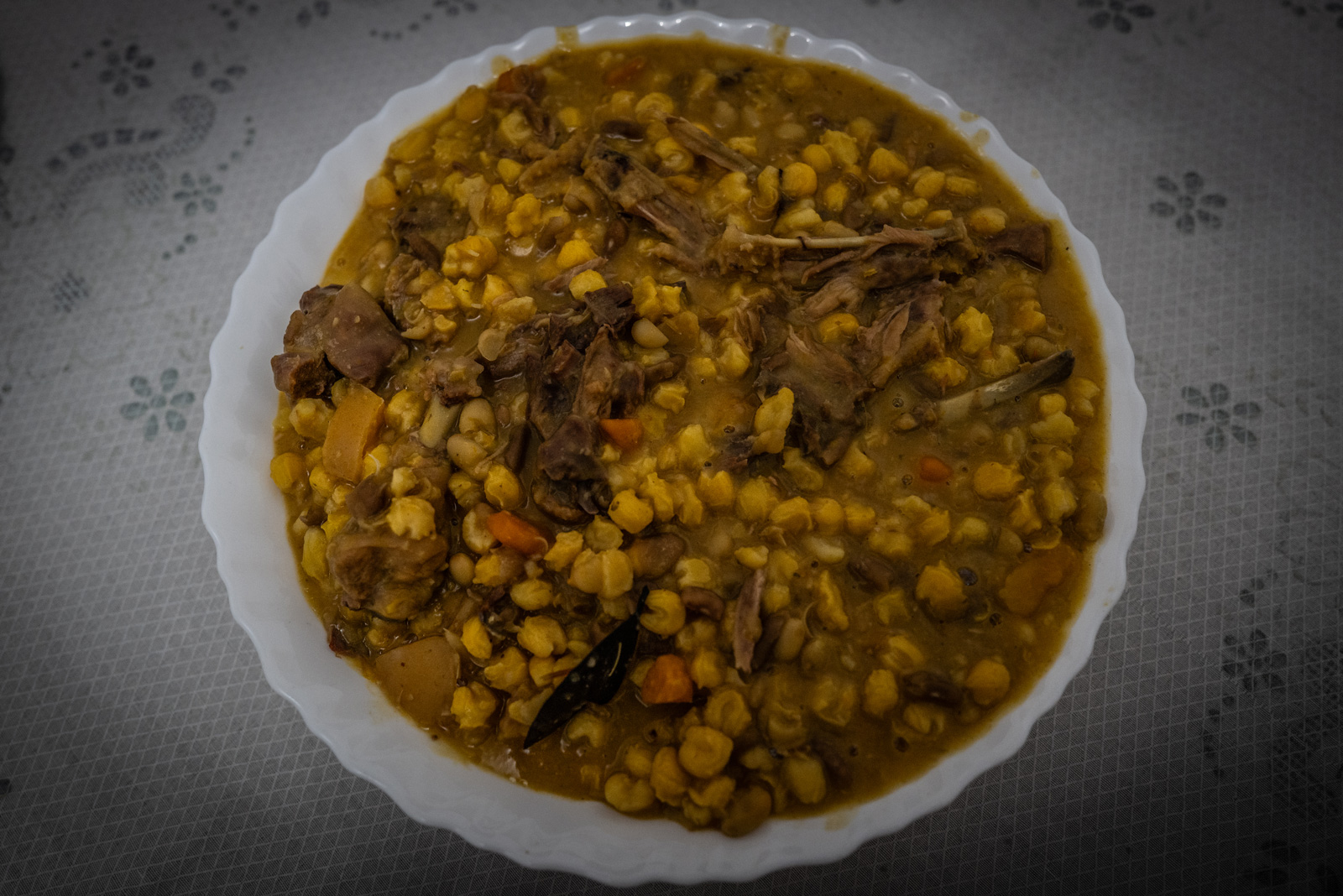
Cachupa is worth a few more words. It's a hearty stew made from corn, beans, meat (usually pork or chicken) or fish, seasoned with aromatic herbs and often served with a side of sweet potatoes or fried bananas.
A symbol of the country's cultural unity, it's prepared by the poorest families and the upper classes alike, although with variations based on the availability of ingredients. There are two main versions: cachupa rica, richer and with the addition of meat and fish, and cachupa pobre, simpler and made only from corn and beans. Very popular fish dishes also include bacalhau à brás (salt cod stew with potatoes and eggs) and caldo de peixe (fish soup).
The fish is generally cooked very simply, bringing out the fresh taste of the sea with very few seasonings like olive oil, garlic and coriander.
Cape Verde also boasts a variety of traditional desserts, often made from coconut, corn and bananas. Those who wish to end the meal on a sweet note simply must try pudim de queijo, a pie made from fresh cheese, sugar and eggs and one of the most popular desserts, or bolo de milho, a sweet corn cake served with doce de papaya (papaya jam).
As for the liquid culture, widely consumed beverages include the local wine - especially the one produced on the island of Fogo - and coffee, with a fairly good variety grown mainly on the island of Santo Antão.
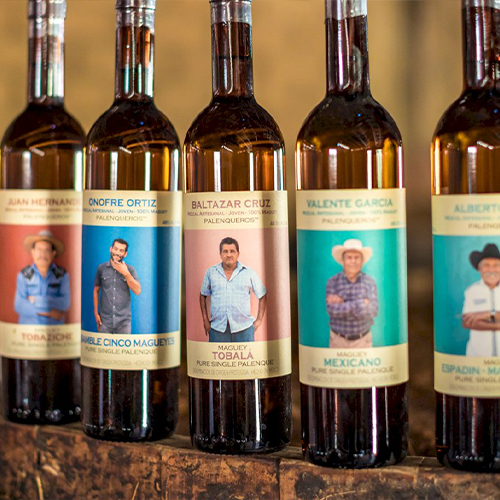
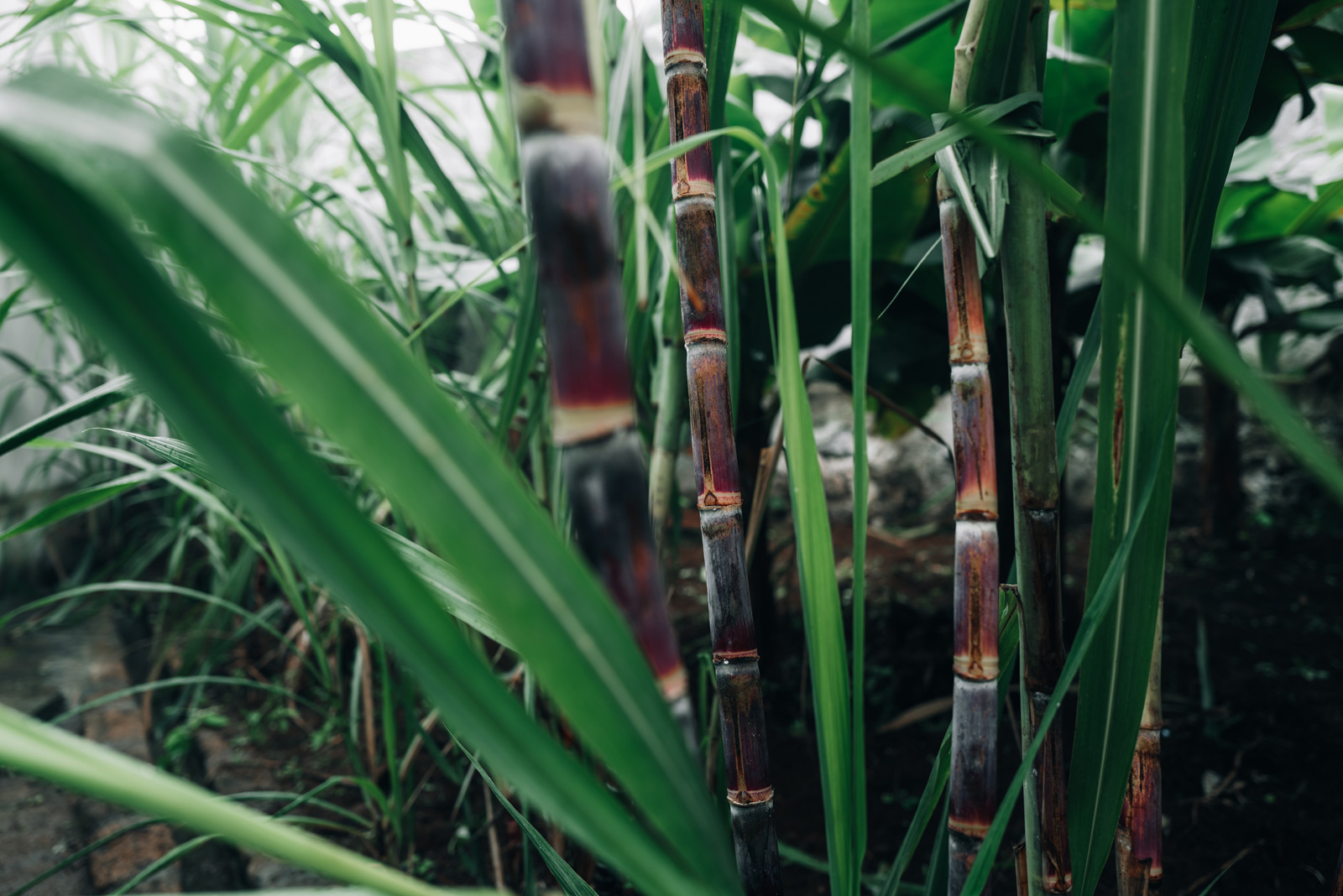
But you can't talk about Cape Verde's flavors without mentioning magical grogue, an alcoholic beverage similar to rum - indeed, it is unaged rum distilled from locally grown sugar cane.
Grogue is considered an important part of Cape Verde celebrations and is often served with desserts or savory dishes or even used in cooking by those inclined to experiment. We can say that grogue is to Cape Verde what grappa is to Italy - part of the country's social and cultural fabric. It's delicious as well as rich in variations and differences from island to island.
For our first approach to this spirit, which in your author's opinion is one of the best cultural and organoleptic discoveries in recent years, we relied on the great man Manuel Barbosa Amado, his stories and the Ribeira de Mangue estate just a few steps from the beach on the island of Santiago, the place where the magic happens.
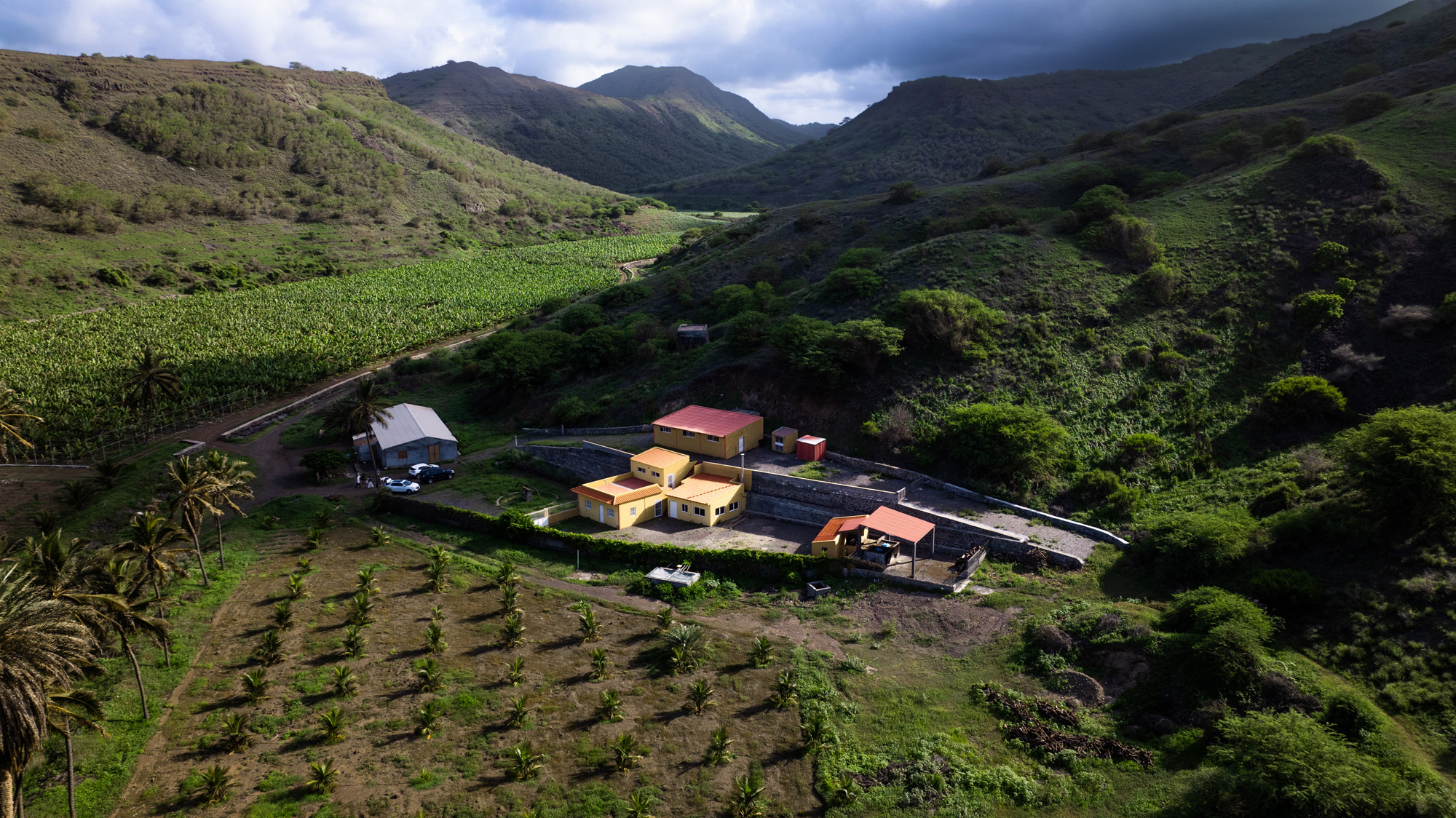
In Cape Verde, however, food is not just nutrition but also sociability and culture. Families come together regularly to eat and enjoy a moment of sharing.
Lunch is the main meal of the day, while dinner tends to be lighter. Unsurprisingly, the concept of morna reflects this calm and relaxed approach to life and food, marked by slow rhythms and melancholic melodies.
It doesn't take long to realize that Cape Verdean cuisine was deeply influenced by Portuguese colonization, which introduced ingredients like salt cod and wine. However, the country's culinary identity is still closely linked to its geographical location and the resilience of its people. Dishes are simple yet nutritious, reflecting the often-difficult climatic conditions and the need to use locally available ingredients.
Today Cape Verde's cuisine is becoming increasingly popular outside of the archipelago thanks to a growing interest in exotic and traditional food. Many restaurants in major African and European cities offer modern versions of Cape Verdean dishes, giving people around the world the chance to learn more about this fascinating corner of the Atlantic with a one-of-a-kind culinary culture.

An interesting meeting took place outside kitchens and distilleries, in the streets of the Terra Braca district where Tutu Sousa decided to establish his art workshop.
Born on the island of São Vicente, he moved to Praia when he was two years old. A self-taught painter and sculptor, he converted his childhood home on Rua d'Arte into an art gallery and turned the streets around it into an open-air gallery.
You'll see his works from the moment you step into Nelson Mandela airport in Praia as well as Amilcar Cabral airport on the Island of Sal and in the city of Fort France in Martinique.
Hospitable and smiling, he tells us that his wall and canvas art has marine themes and is inspired from everyday life in Cape Verde. After training in Senegal, he decided to bring a fresh splash of color to his homeland and show its beauty in a different way involving other artists, young people from the city and the many tourists who regularly flock to Cape Verde.
The island of Brava
As mentioned, the Cape Verde archipelago is known for its pristine beaches as well as for its volcanic landscapes and fascinating culture.
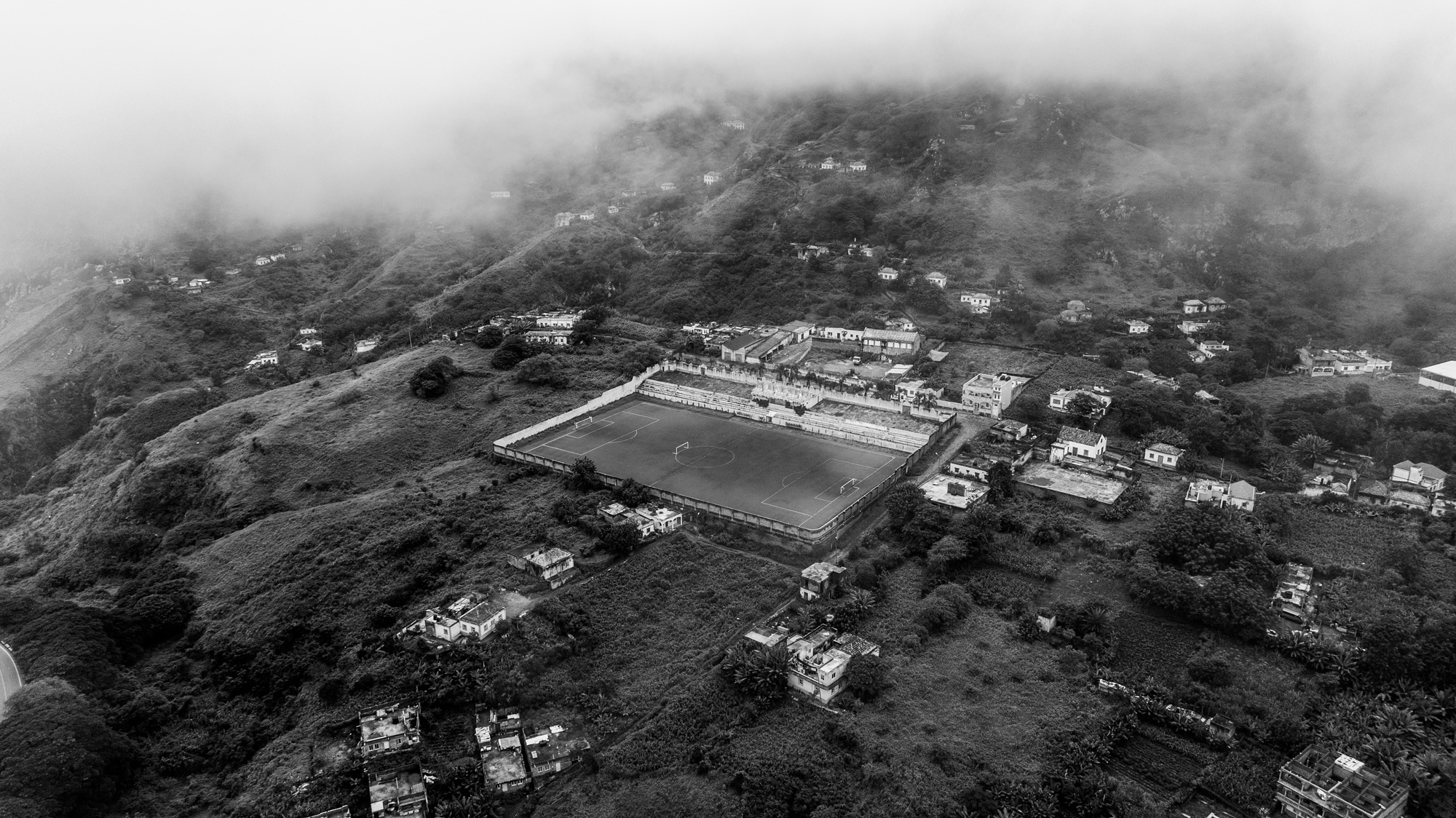
You'll have to choose where to go. Among its islands, one of the least known and visited - but no less amazing - is Brava. The smallest of the inhabited islands, when you get there time seems to stop. Known as "the hidden pearl", Brava will mesmerize you with its lush vegetation, breathtaking views and the peace enveloping every corner of the island. Surrounded by blooming gardens, the village of Nova Sintra is like a painting come to life. And when traditional music fills the air, it feels like the island itself is singing.
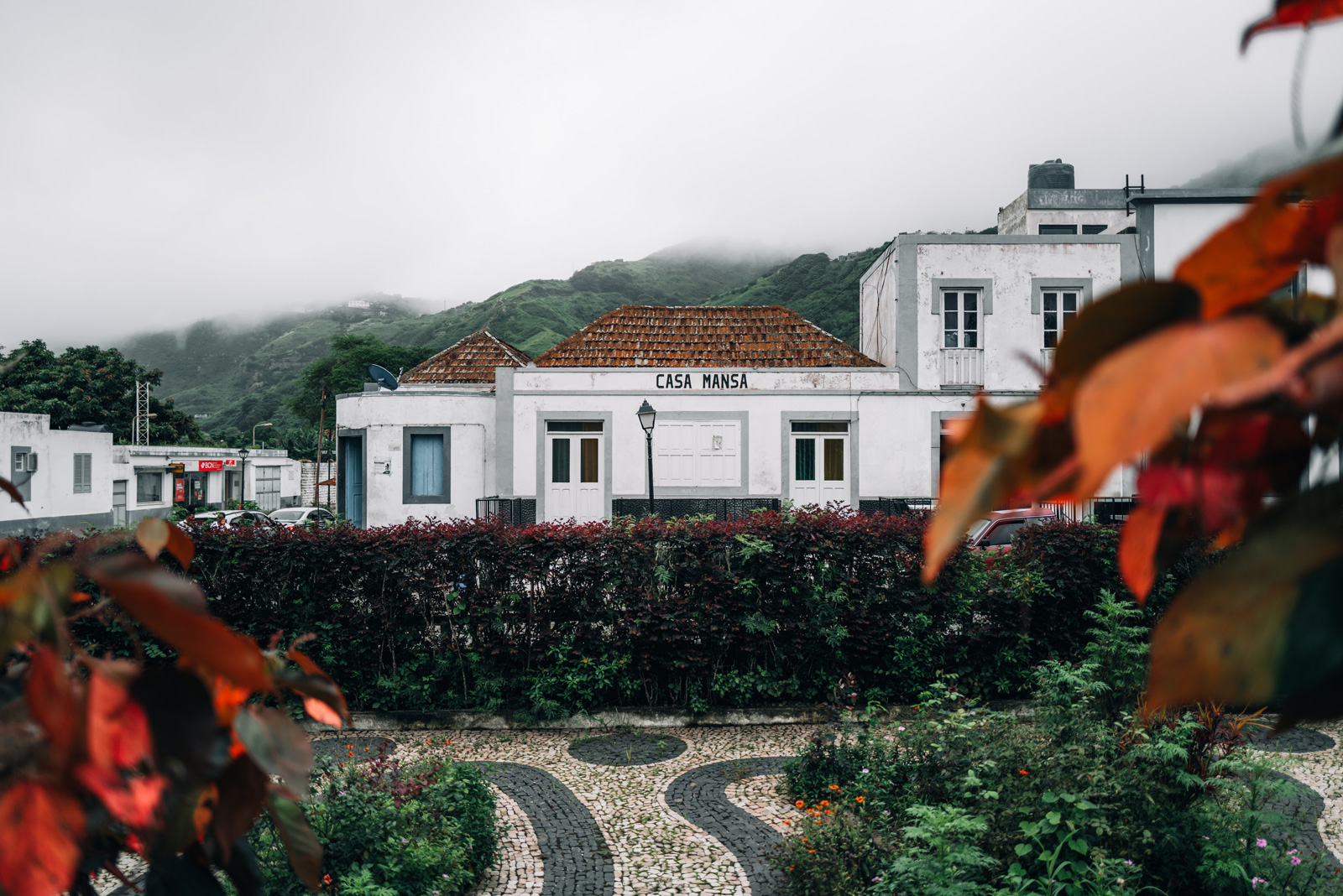
Due to its small size and lack of an airport reaching Brava can be challenging, but for many visitors that's part of the island's charm. You can get there by ferry from the island of Fogo (20 km to the west), which in turn is connected by plane to Praia, Cape Verde's capital. The ferry trip takes about 1.5 hours and, although sea conditions can vary, the sight of families of dolphins and the view of the island approaching on the horizon are definitely worth the trouble (literally, as the ocean is often choppy).
With a surface area of just 67 km², Brava stands out for its mountainous landscape and green valleys. Unlike Cape Verde's drier islands, trade winds create a wetter climate allowing a lush vegetation to grow. The tallest mountains are almost one thousand meters high, offering spectacular panoramic views that sometimes reminded us of glimpses of magical Scotland (we spent one hour on a mirador hypnotized by the view of the mountain's south side).
Independent from Portugal since 1975, its isolated location and predominantly agricultural economy have slowed down development compared to other islands, but its remoteness preserved Brava's authentic way of life. Despite its small size and poor accessibility, Brava offers a number of attractions to visitors wishing to explore it.
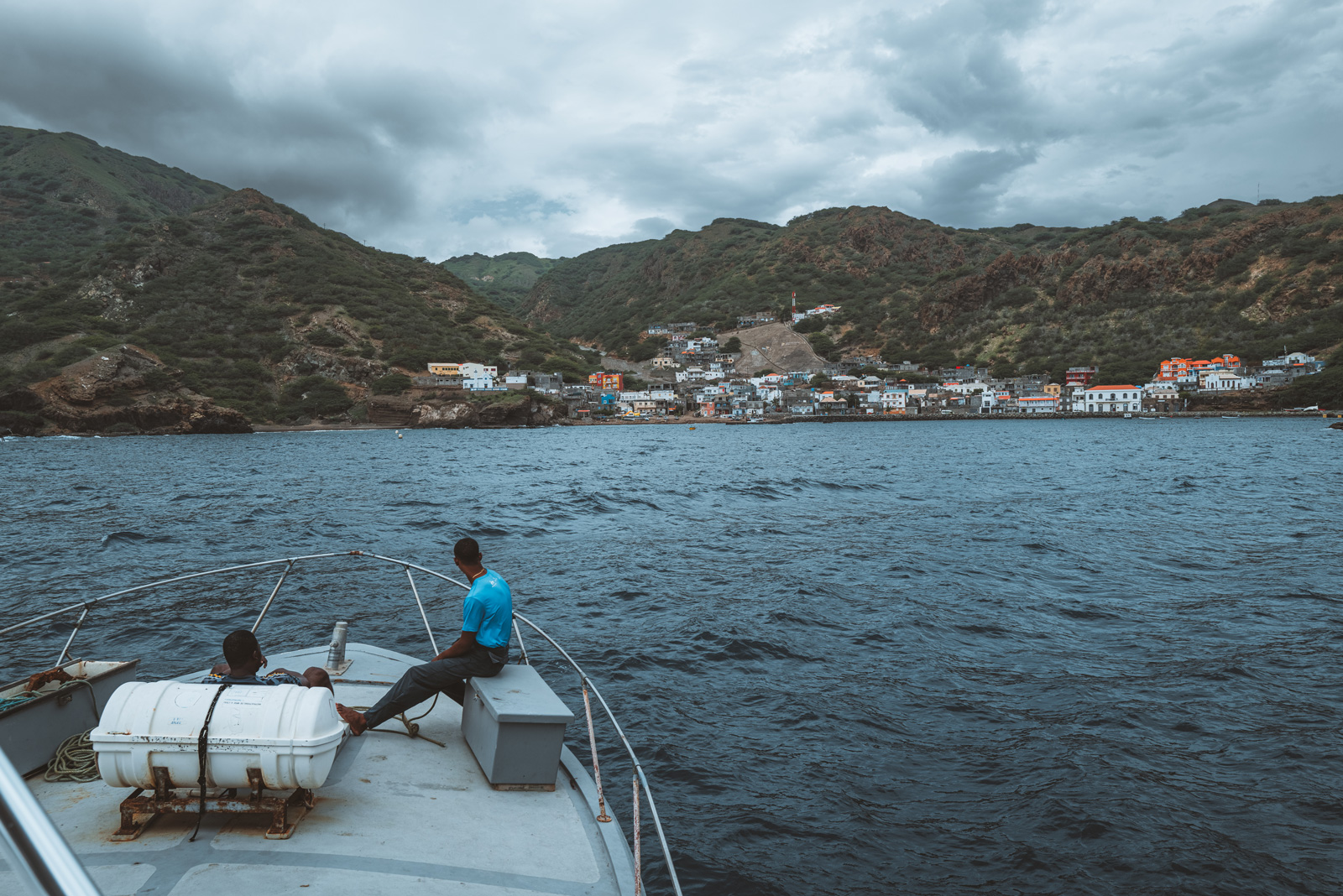
Located on a plateau and surrounded by blooming gardens and picturesque colonial houses, the main city is called Nova Sintra and is considered one of the most beautiful villages in Cape Verde. It's named after Sintra, a Portuguese city famed for its palaces and natural beauty. In Nova Sintra you can visit the monument dedicated to Eugénio Tavares, a Cape Verdean poet and musician native of the city who celebrated the beauty of the island in many of his works. His poetry and music evoke stories of love, nostalgia and a deep connection with the land and the sea. The people we met told us that Tavares was inspired by a mysterious muse who only appeared at sunset.
Brava is a hiking paradise with mountains offering all kinds of scenic trails across verdant valleys, small forests and observation points from which you can admire the ocean. One of the most popular trails leads to the summit of Mount Fontainhas, the highest point on the island affording a breathtaking view.
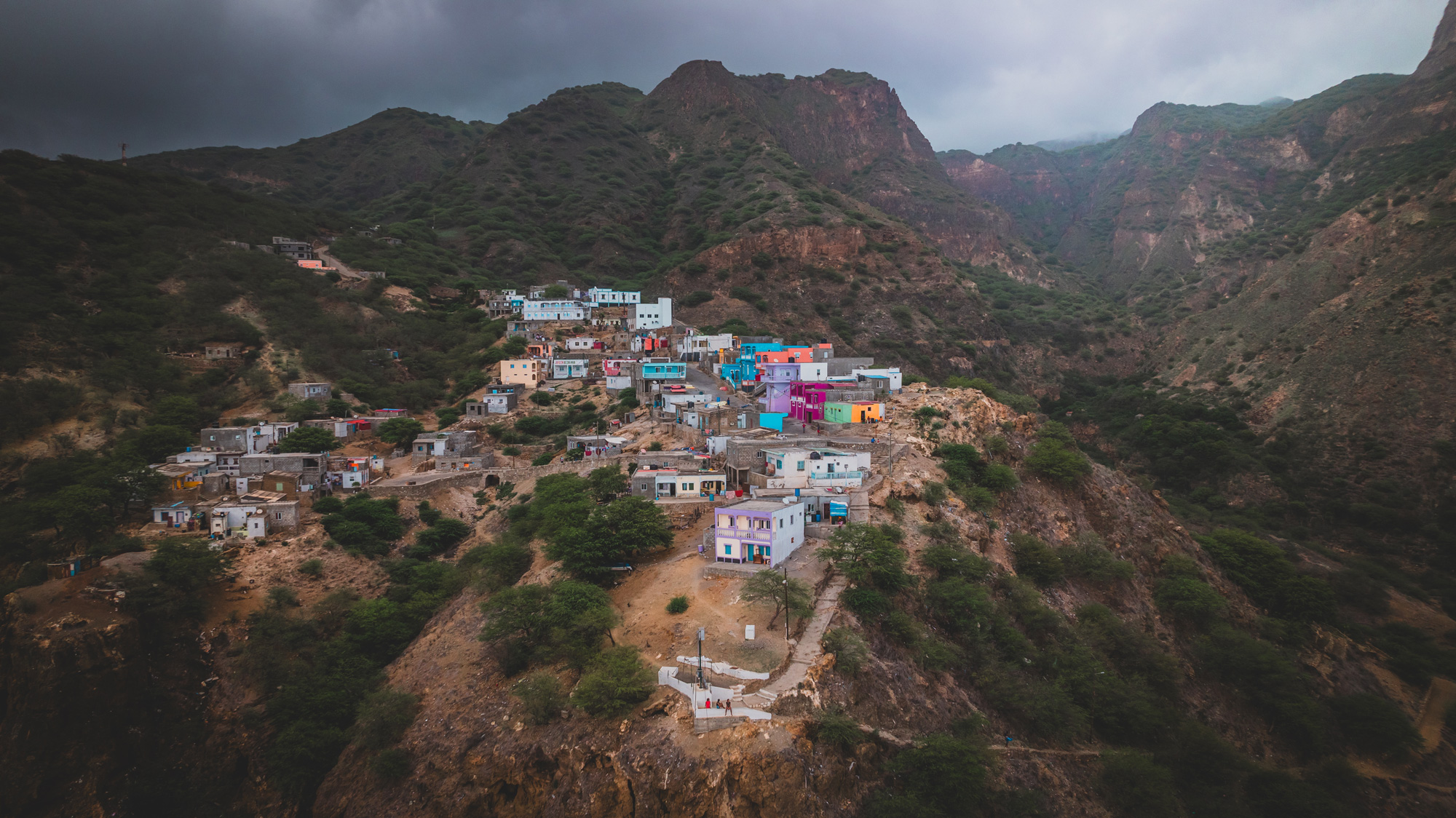
Here too music is a big part of daily life and it's not uncommon to hear local bands playing in the streets, as during the important festival of São João Batista, which takes place every year in June with the approximately 6000 residents participating with processions, songs and dances.
The most popular and widely consumed dish is totoco, prepared with sargo Preto de Cabo Verde, a local fish, or with the fleshier cavala (mackerel). The recipe is very similar to cachupa but the sides - like millet gnocchi - are served separately, it can have a tomato base and it’s generally drier and thicker.
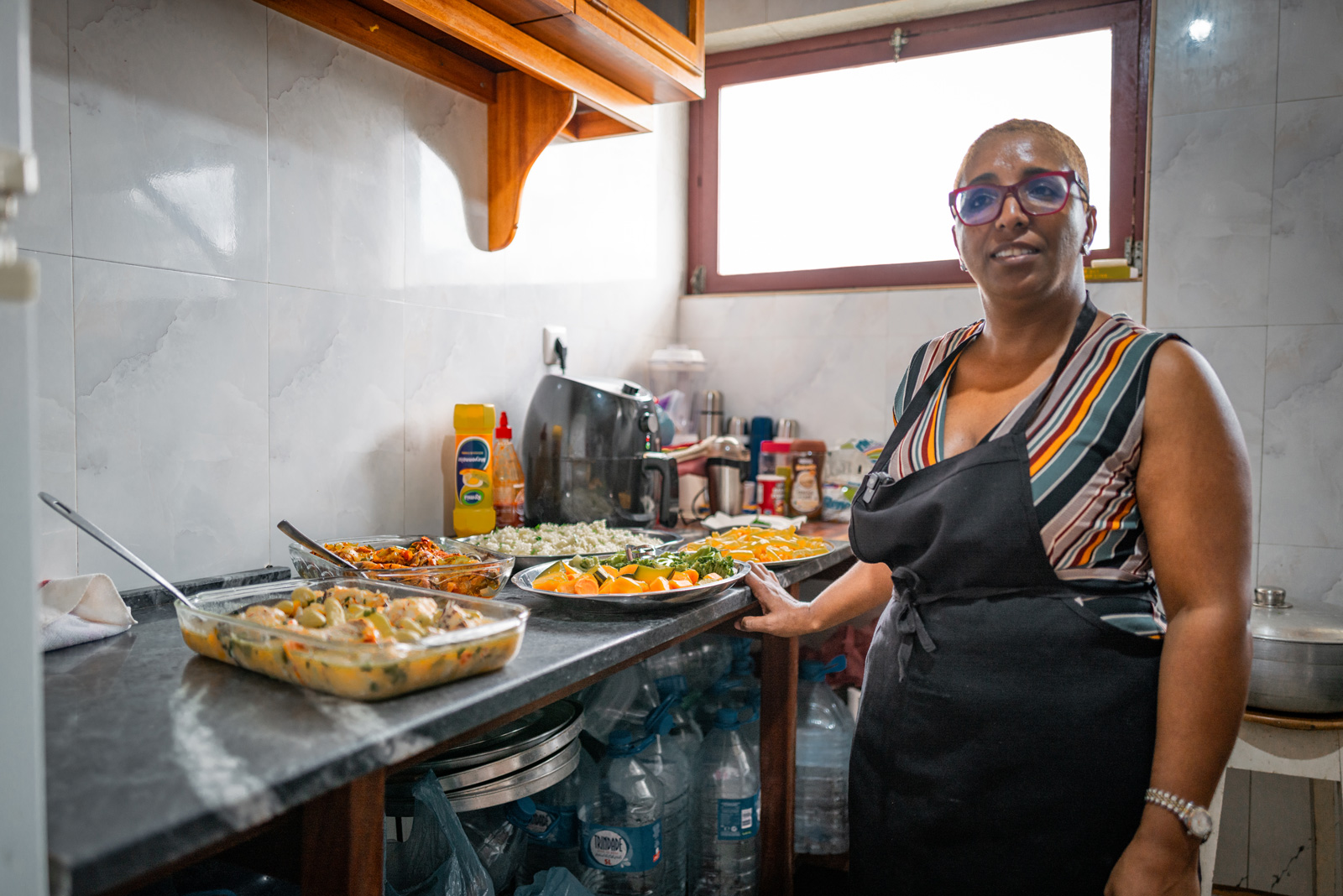
Our first taste of totoco was prepared for us by Matilda, a cook who started working in a restaurant on the town's colorful central square eight years ago. Make sure you pay her a visit! It's a cozy place to visit and you'll have lunch with the island's few residents. So if you're looking for an authentic experience away from the most popular tourist routes and with an extremely relaxed atmosphere, Brava is the place for you. And if you fancy a glass of grogue, it's also produced on the island as djabì - ask about Daniel Miranda at the Cova do Touro and you'll have the best there is.
The island of Fogo
If you prefer something more "volcanic" (but still extremely peaceful as everything else in Cape Verde), you simply must visit Fogo.
It's a wine-producing jewel in the middle of the Atlantic where the main feature is Pico do Fogo, the tallest mountain in the country with its majestic active volcano standing at an impressive 2,829 meters high. In addition to being one of Cape Verde's main tourist attractions, due to its unique climatic conditions Pico do Fogo is also surprisingly home to good-quality viticulture.
Here, vineyards flourish amid lunar landscapes created by lava flows, producing wine with a characteristic flavor.
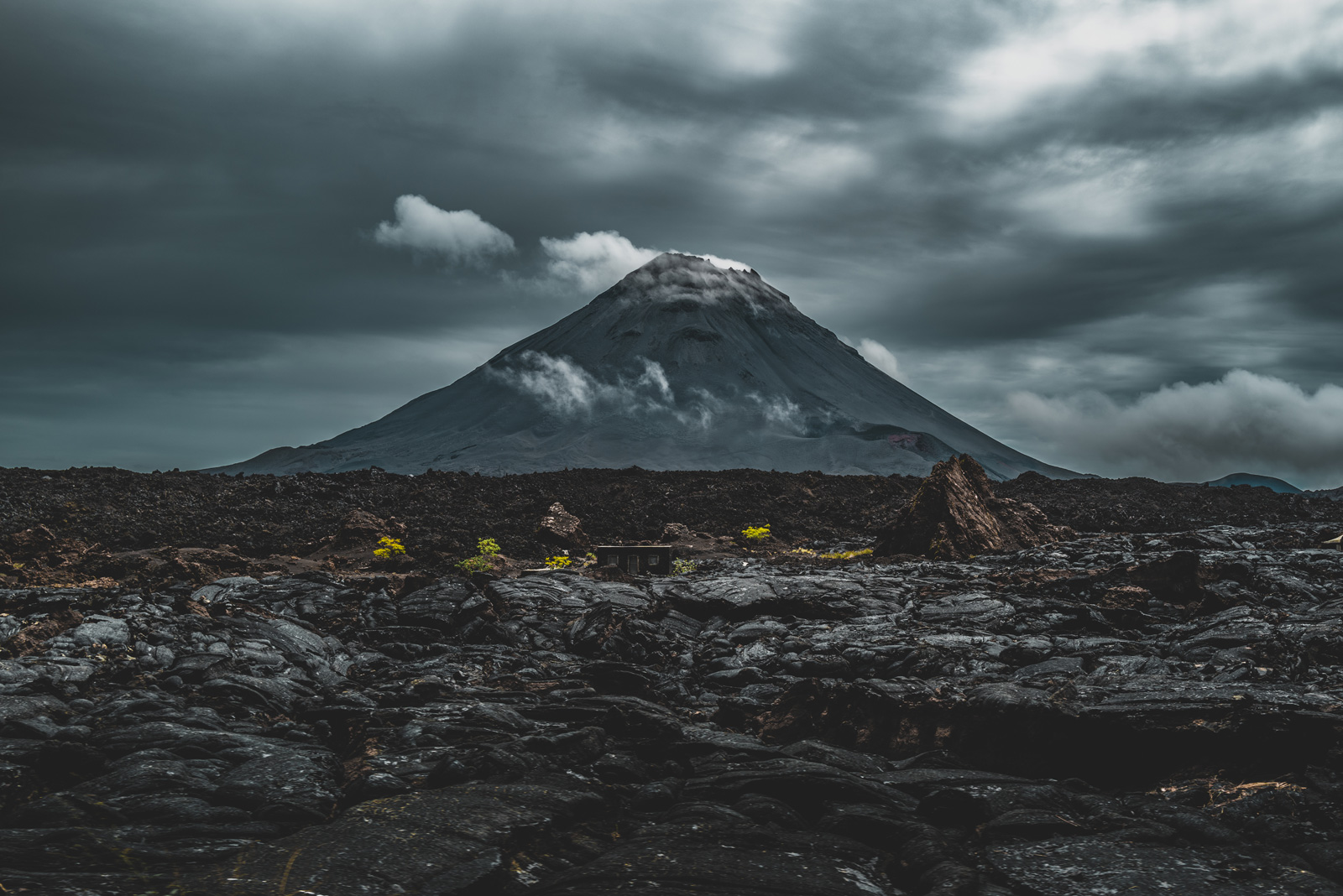
Our arrival on the island had a surreal feel as we went from the sun-drenched coast to foggy altitudes with gentle slopes of black soil. Here, everything is lava and the beauty before our eyes was truly special.
We make our way to Chã das Caldeiras, a small village located inside the volcano's caldera which has been destroyed several times by eruptions, the most recent in 2014. Despite the devastation, many residents decided to rebuild their homes in the same place, defying nature. Their resilience is often narrated as a demonstration of the unbreakable bond between the inhabitants and the volcanic land. Observing the people who have chosen to continue living here makes you think. The same happens every time you visit remote places where people decided to settle by choice or necessity. It's always a strange feeling that makes you ponder how life can really change radically in a relatively small world.
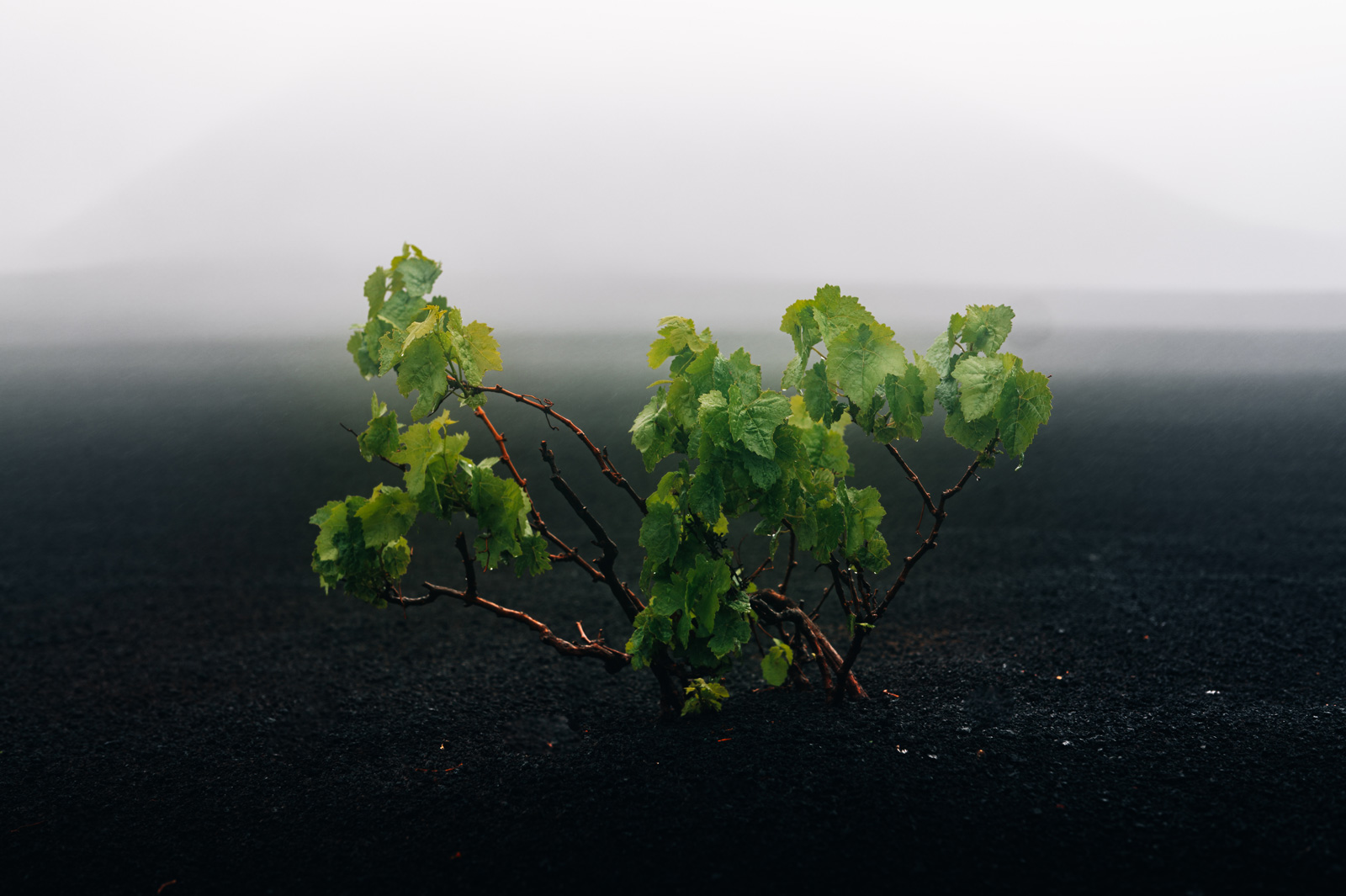
But back to viticulture, which at Pico do Fogo benefits from an extremely fertile volcanic soil and a microclimate that makes this region particularly favorable to vine growing. Past volcanic eruptions have left a mineral-rich soil that provides nourishment for the vines, while the altitude and the island's unique climatic conditions with influences from ocean currents create an ideal environment.
The low-bush vine training system reminded me of the island of Pantelleria as well as of Cappadocia in Turkey. The volcanic soil gives the wine a mineral character with deep and complex aromas and flavors; a combination of sunny days and cool nights helps preserve the acidity of the grapes, resulting in extremely fresh wines.
Viticulture in Fogo dates back many centuries. Introduced by Portuguese settlers during the colonial era, it soon proved profitable and over the centuries wine production has become a tradition deeply rooted in the local culture.
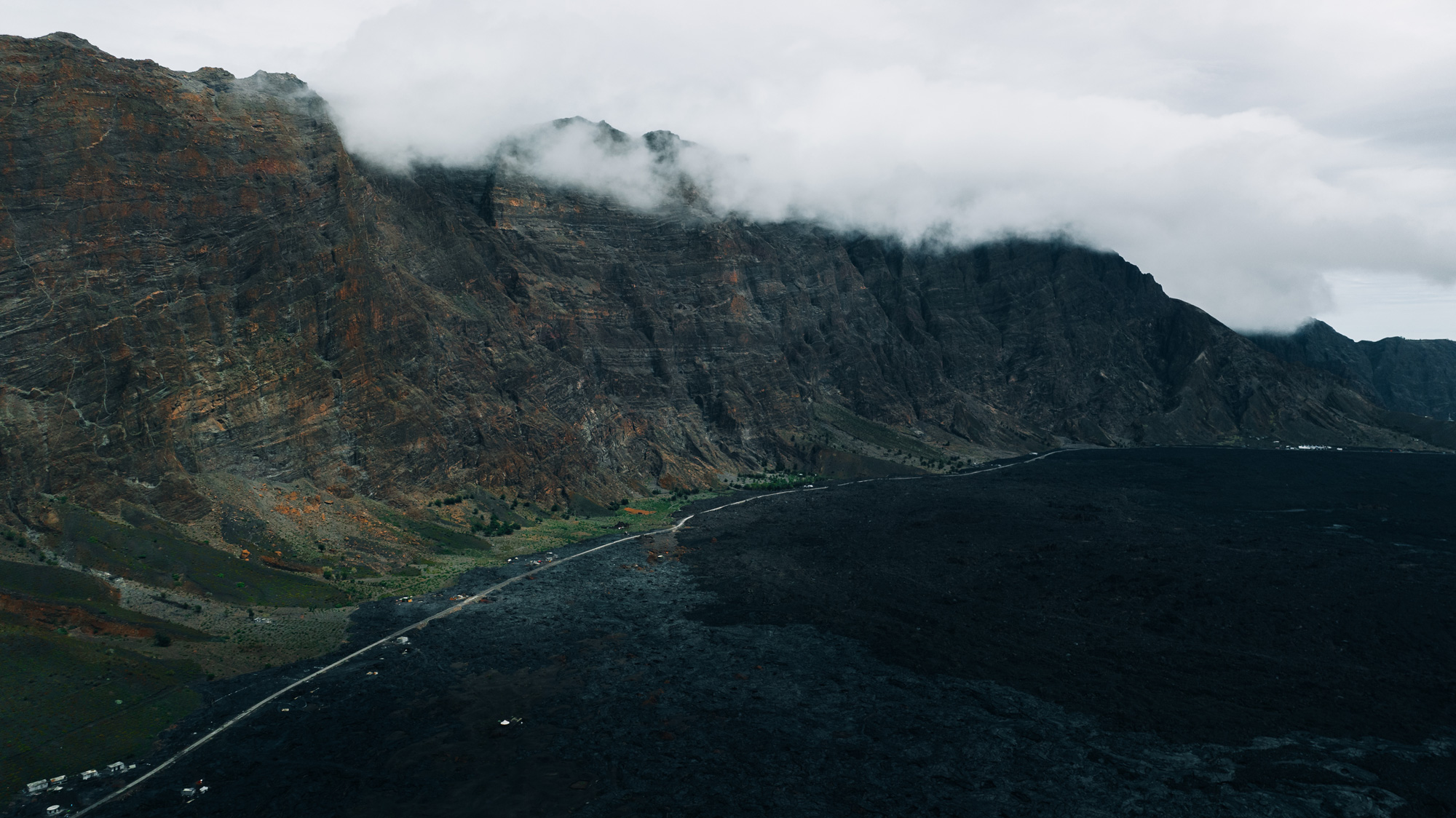
Despite the difficult climate and periodic volcanic eruptions, the local winegrowing community continued to grow vines with passion and determination, fine-tuning their production techniques.
Moscatel and Castelão are the main varieties grown at the foot of the volcano and both are well adapted to the specific climatic conditions and volcanic soil. Moscatel is known for producing sweet, aromatic wines, while Castelão is used to make full-bodied, fruity red wines with powerful tannins.
Viticulture is not only an important source of income for the local population - it's also an essential element of the island's cultural identity. Winemakers, often organized into family cooperatives, still use nonindustrial, traditional techniques handed down from generation to generation.
People who choose to make wine around here face several challenges, including the threat of more volcanic eruptions, water scarcity and difficult logistics due to the island's remoteness. However, local winegrowers have developed a strong ability to adapt using sustainable practices to better manage the natural resources available.
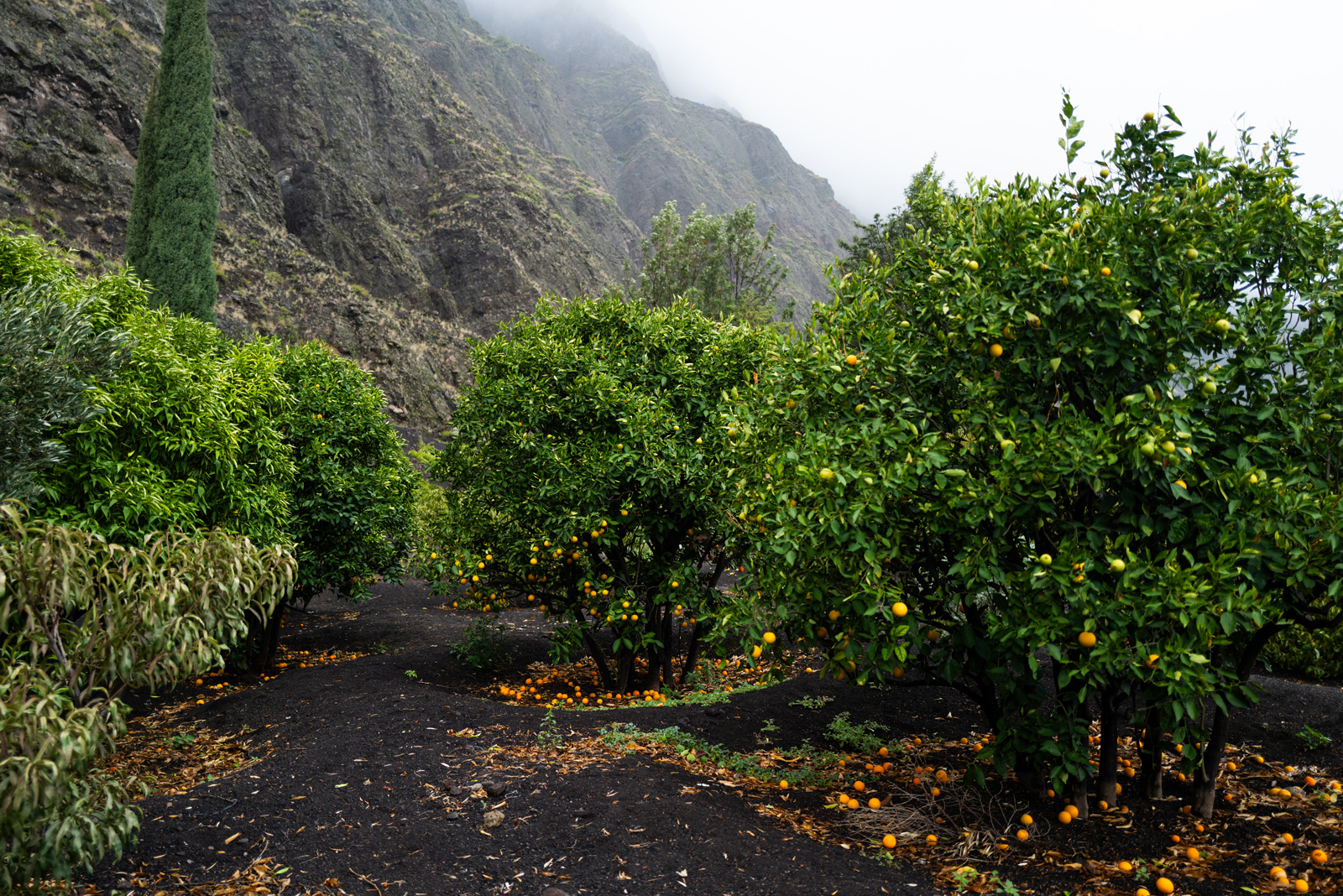
One example is the village of Bordeira where Rosandro Monteiro grows vines and fruit trees. Nicknamed Cacuca, he chose the foot of this majestic force of nature to produce his distinctive wine, lovingly welcoming anyone who passes by with a nice glass of wine and a tour of his winery to show his brave way of life.
The locals believe in many stories and Cacuca tells us a couple:
"Legend has it that the wine produced on the island has magical properties. In the past people used to believe that it could to cure diseases and strengthen the bond between couples. Today it's a source of pride for us. On quiet nights you can hear a deep, rhythmic sound coming from the volcano, we call it the ‘volcano song’. Although it has a scientific explanation as seismic activity, to many of us it's a spiritual signal and a message from nature."
As Velier explorers hungry for adventure and knowledge, we embarked on this trip to Cape Verde to visit some of its lesser-known corners.
An unconventional journey into the country's hospitality and strong identity closely linked to music, cuisine and, most of all, grogue - Cape Verde's liquid heritage.
That's how, amid the waves of the Atlantic and tables laden with delicious food, we found the heart of Cape Verde.


