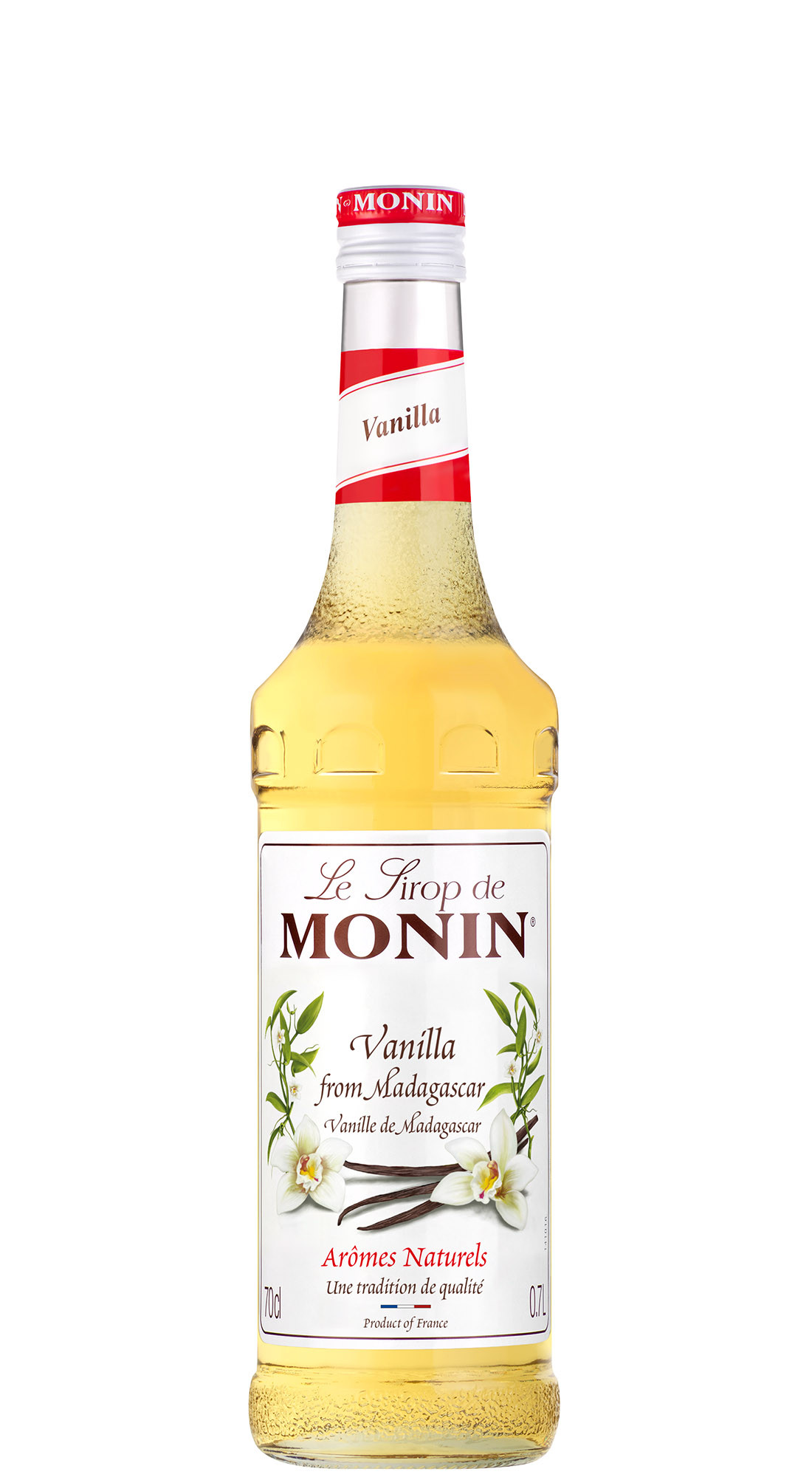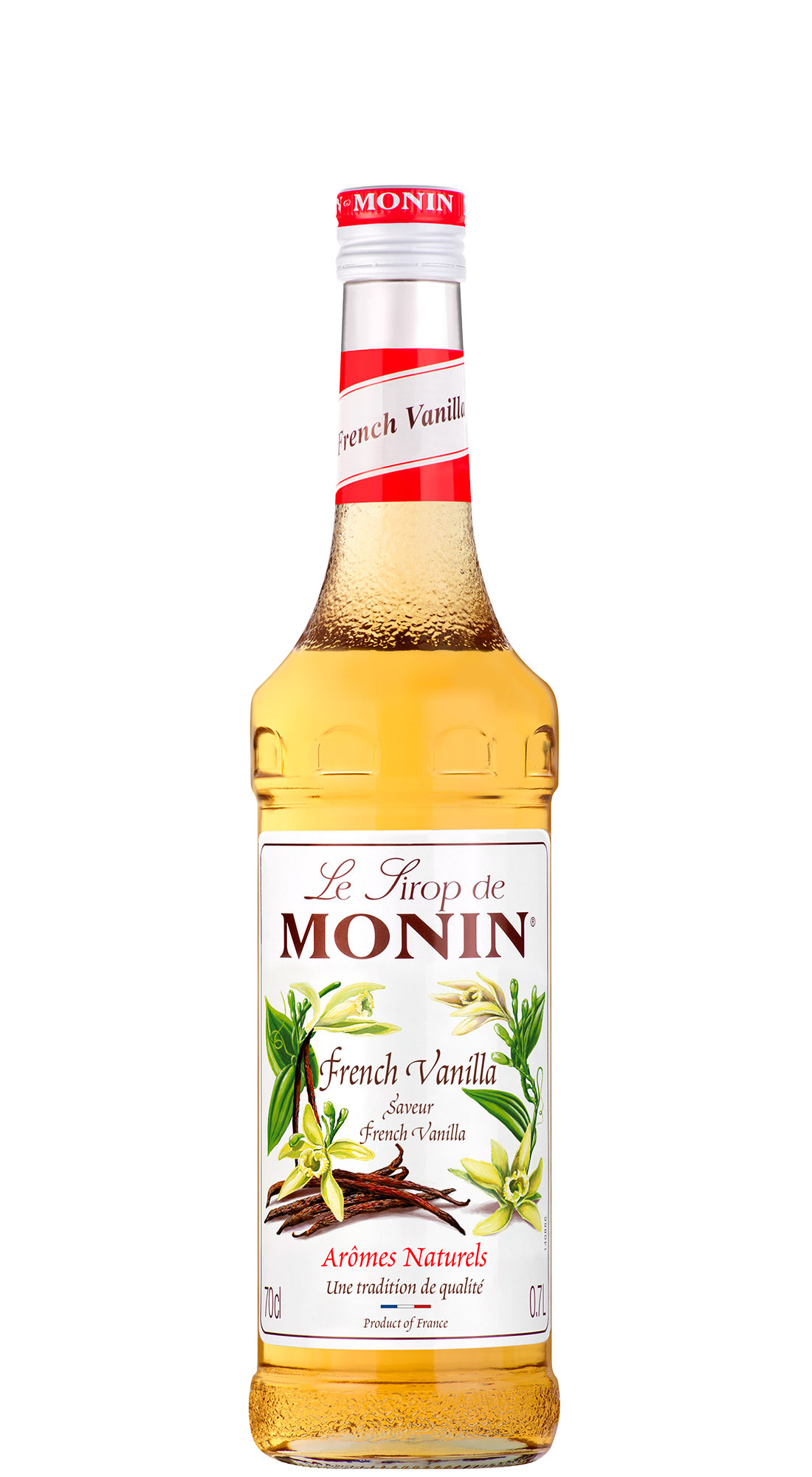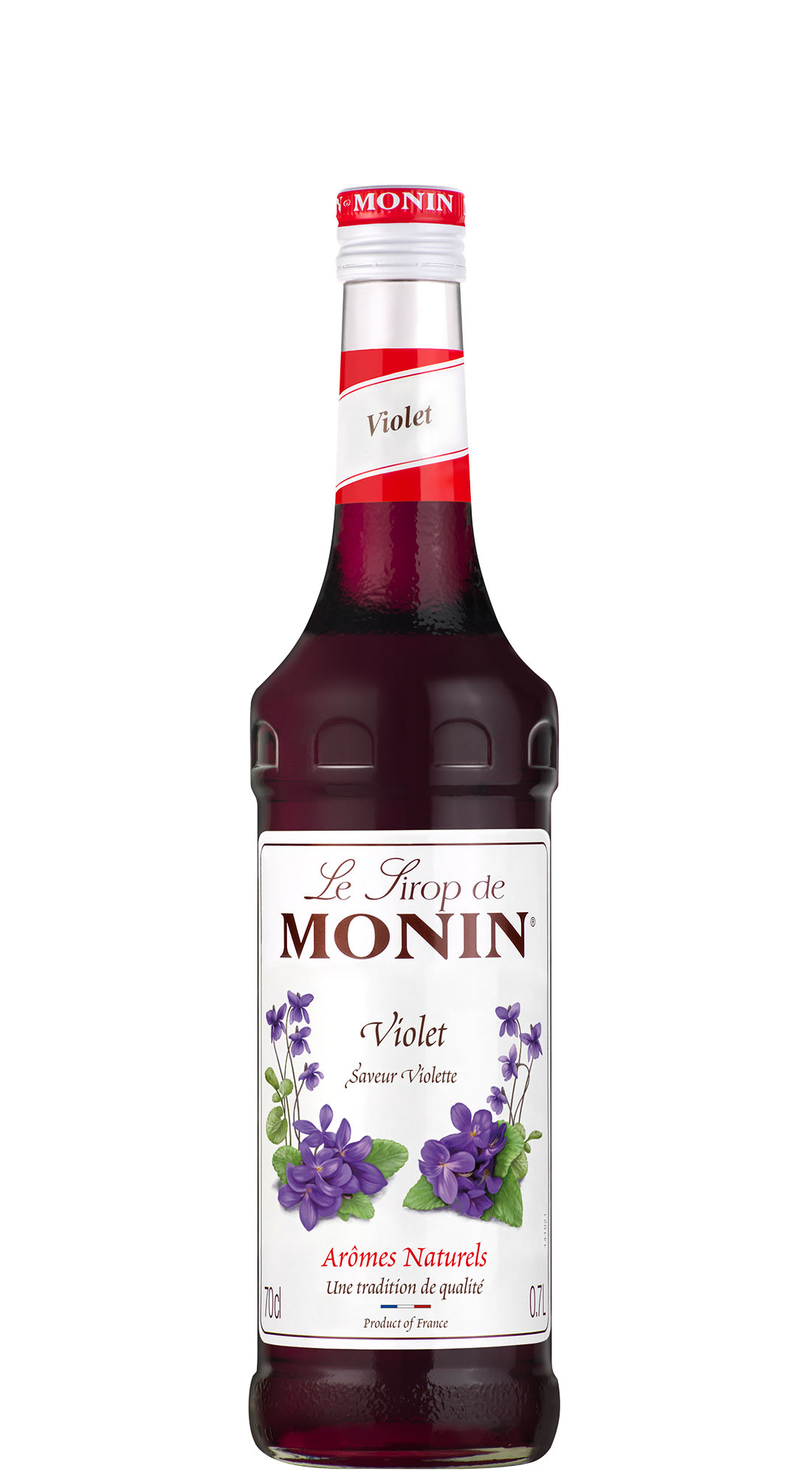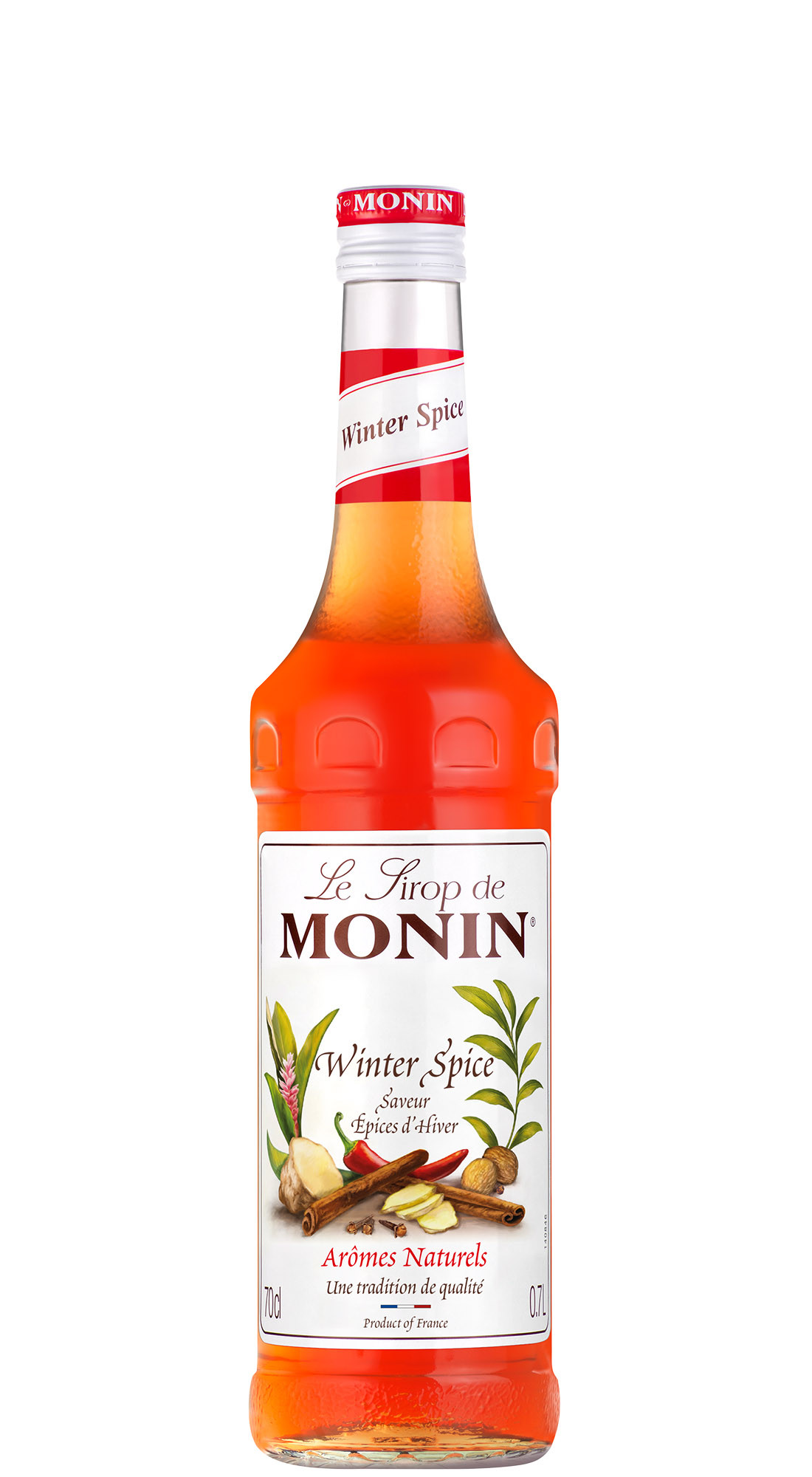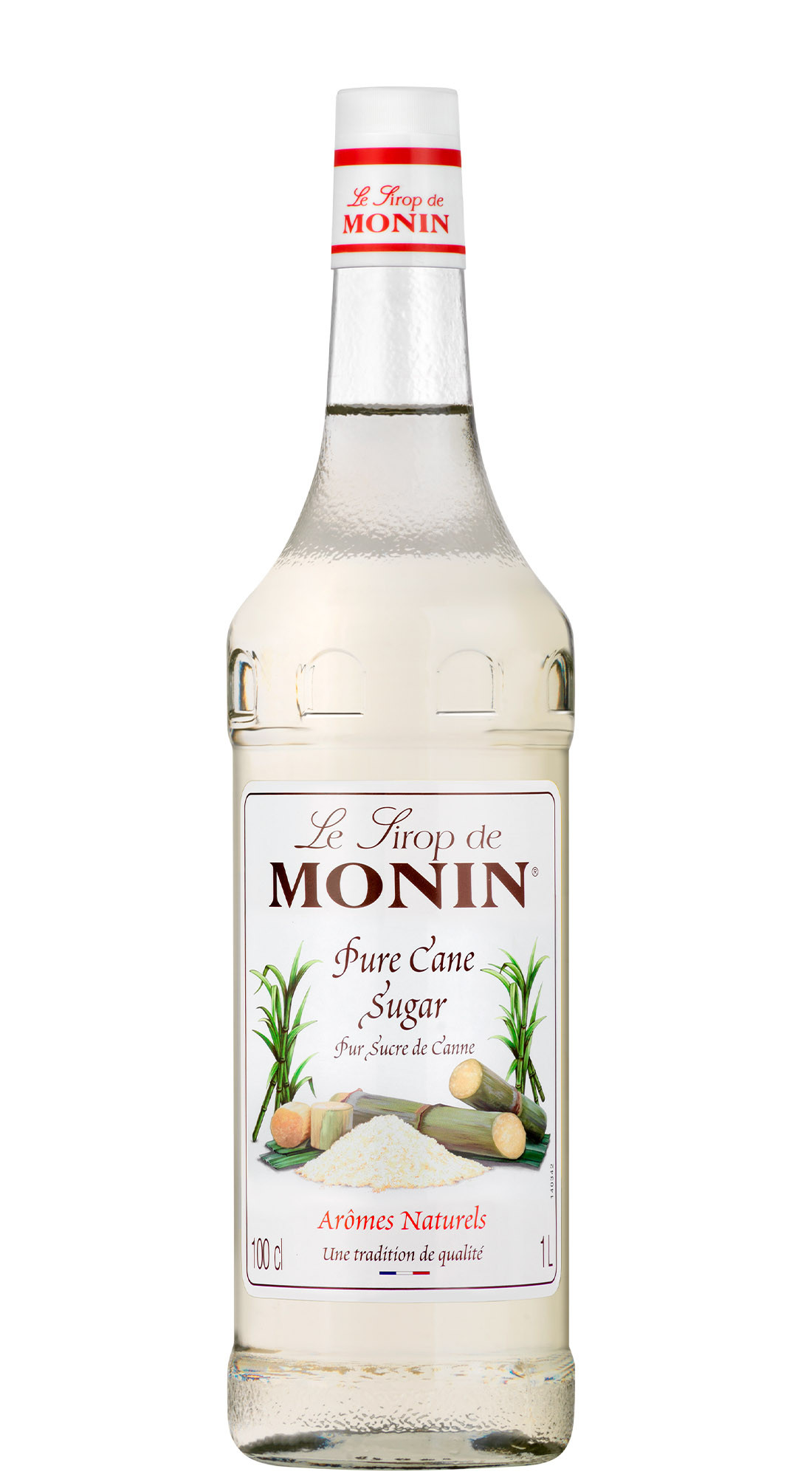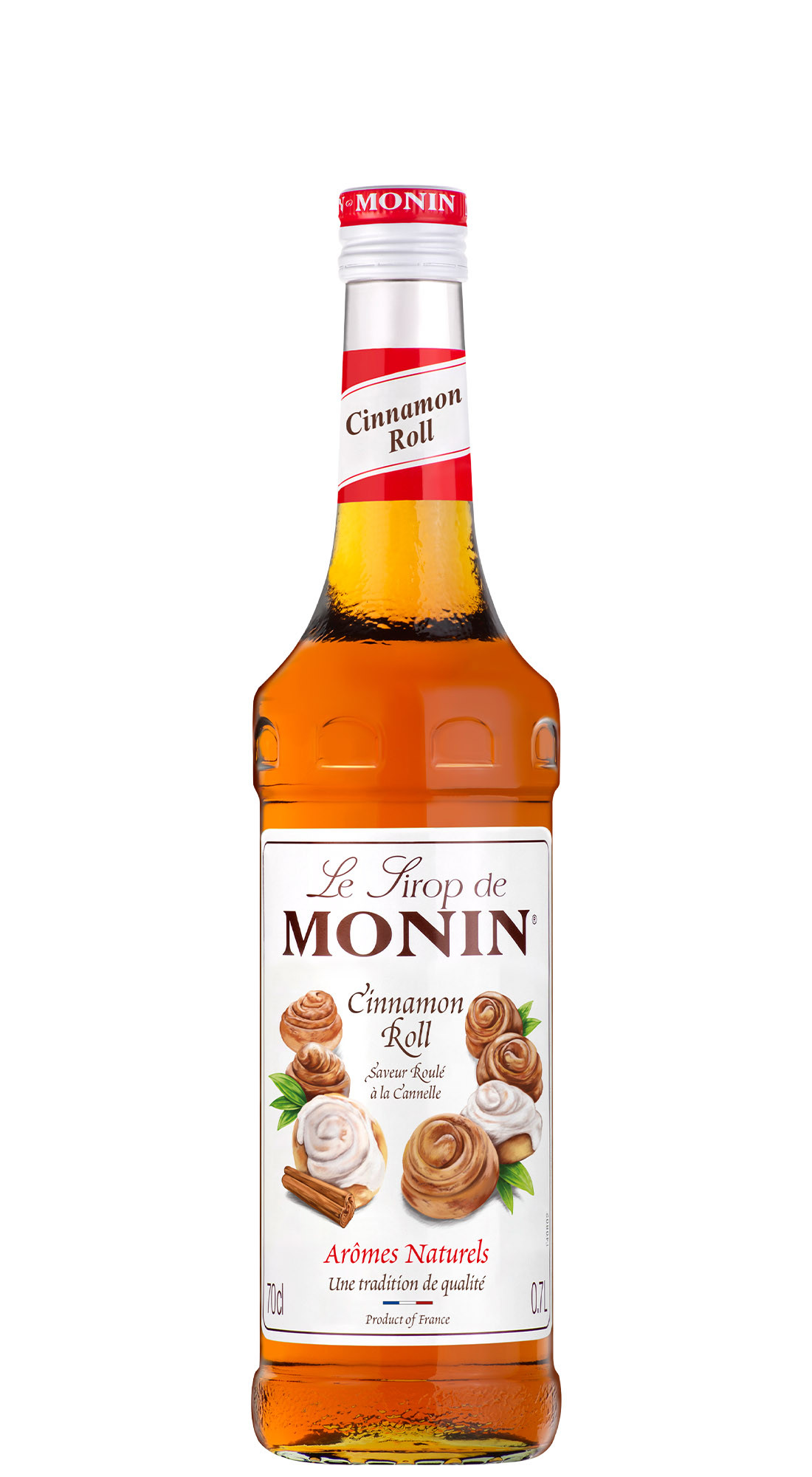




Monin
By Velier
Our history with Monin began with my father with Paul Monin, who worked with the father of current president Olivier. Their products were distributed by Wax & Vitale. At the time, Monin was a family business with low turnover. In Italy, with the presence of large syrup producers like Fabbri, it seemed impossible to grow it, but Olivier Monin managed to make it an international company, and today wherever you go in the world you can find a bottle of Monin. It is now the number one syrup producer in the world, while remaining a family business, projected in the development of products with less sugar content and selected raw materials.
Overview
History
Monin was founded in 1912 as a small artisanal cordial-making company. Its founder, George Monin, was a wine and liquor merchant with a passion for cooking: during a dinner party, having arrived at the end of the meal, George wanted to offer a cordial to his diners, but when he opened the bottle, he noticed that the scent of the liquid did not at all resemble that of the label. Dissatisfied, he began making his own cordials, refining techniques and researching excellent raw materials. His son Paul started the production of syrups and opened the export channel. It will be Olivier, the current owner and Paul's son, who will make MONIN the number one company in the world in terms of range and distribution.
Production method
The first part of the production process for Monin's wide range of syrups is the transformation of granulated sugar into liquid sugar using a computerized system called "Dissolving Installation." The syrup in the vats is kept at 50°C and continuously mixed to prevent crystallization. To this dissolved sugar base, Monin adds the various flavorings to create their wide range of syrups. The mixing of these flavorings with the hot sugar syrup is a sophisticated computer-controlled operation-the apparatus and operator suited to this operation are the nerve center of MONIN. The recipe for each particular flavor is managed by computer, using only ingredients with lot numbers so that full traceability is recorded. The resulting syrup goes through a fast pasteurization: mold and yeast are killed by temperatures above 60°C.

Focus
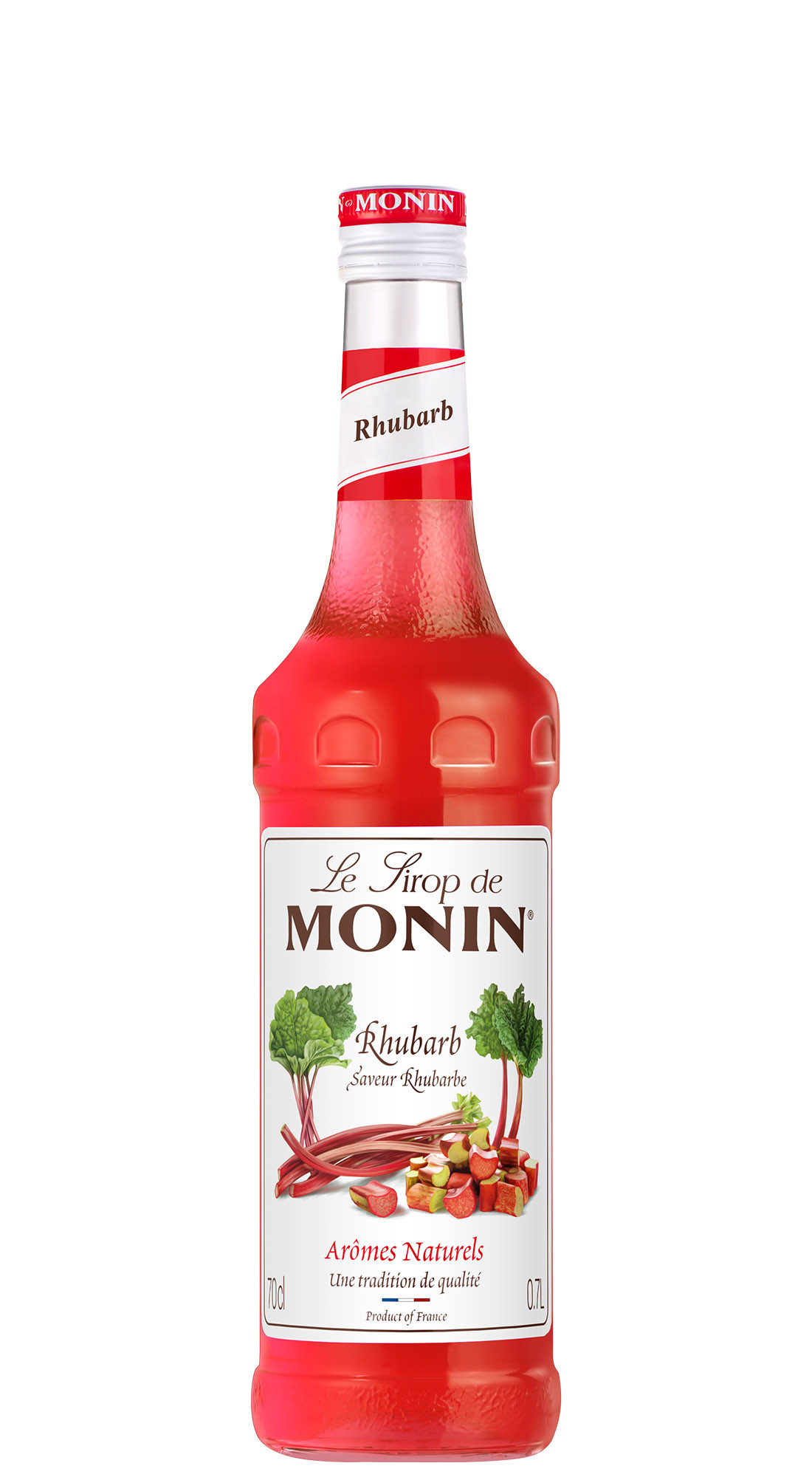
Quando Monin studia una ricetta, la prima sfida è definire il gusto che sta cercando di ricreare. Per esempio, se volessimo creare uno sciroppo aromatizzato al rabarbaro, cercheremmo di riprodurre il gusto del rabarbaro in scatola, del rabarbaro fresco, del rabarbaro cotto o della torta al rabarbaro? Lo sciroppo di rabarbaro finale dovrebbe essere verde o rosa? Quando crea un gusto, Monin inizia sempre con un aroma naturale, spesso rappresentato dal frutto fresco, dal vegetale o dalla spezia stessa. Tuttavia, può capitare che il prodotto naturale non sia abbastanza aromatizzante di suo, e l’aroma abbia bisogno di essere migliorato utilizzando ciò che viene chiamato aromi “identico-naturali”.
 A differenza di molti suoi concorrenti, Monin non utilizza mai aromi artificiali. La differenza tra aromi “identico-naturali” ed aromi artificiali o di sintesi è complessa ma si può semplificare così: gli aromi “identico-naturali” sono ottenuti utilizzando molecole di aromi che esistono in natura, ma non sono originate dal prodotto originale di cui l’aroma replica il gusto. Sono ottenute da sintetizzazione o isolate attraverso processi chimici. Gli aromi artificiali derivano da sostanze non identificate in un prodotto naturale atto alla consunzione umana: sono di solito ottenute tramite distillazioni frazionate e manipolazione chimica di sostanze derivanti dal petrolio greggio o dal catrame di carbone. Ad esempio, l’aroma di vaniglia naturale è mimato dalla vanillina, che si trova nella cicoria ed altre piante, mentre l’etile è un aroma di vaniglia totalmente artificiale. La molecola della vanillina appare organicamente in natura, mentre l’etile è una molecola prodotta dall’uomo, quindi verrà scartata da MONIN. È interessante sapere che Monin ha continuato a produrre il suo sciroppo di vaniglia utilizzando la vaniglia naturale del Madagascar anche quando il prezzo schizzò alle stelle, preferendo sempre l’aroma naturale anche al “identico-naturali” (a patto che il prodotto naturale abbia il profilo aromatico desiderato). Inoltre, in alcuni casi molti ingredienti naturali, sebbene diano il gusto necessario, non hanno la stabilità richiesta per dare la conservazione nel prodotto finito.
Products

Monin
Monin Frappè Neutro
Monin
Monin Frappè Vaniglia
Monin
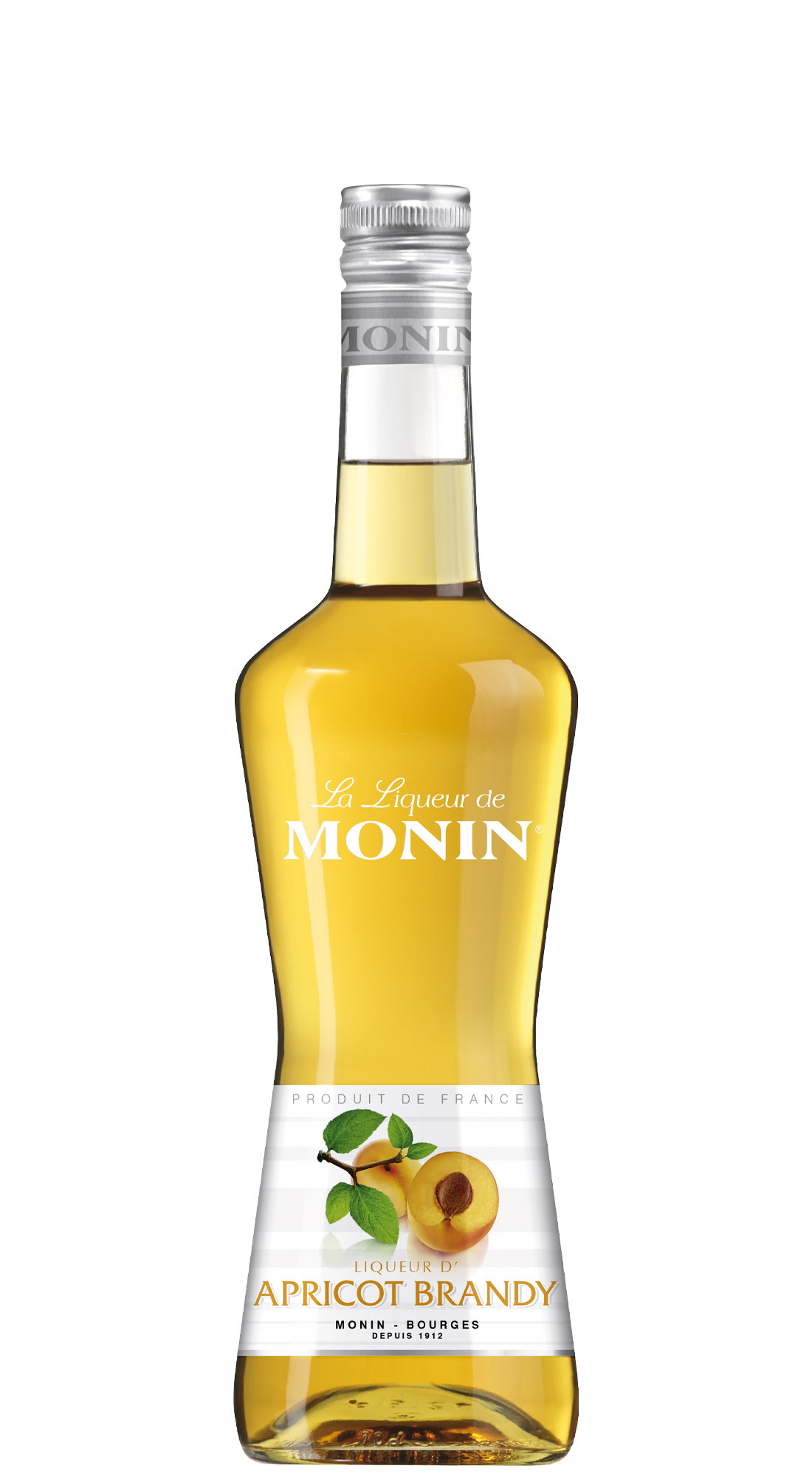
Monin Liquore Albicocca
Monin
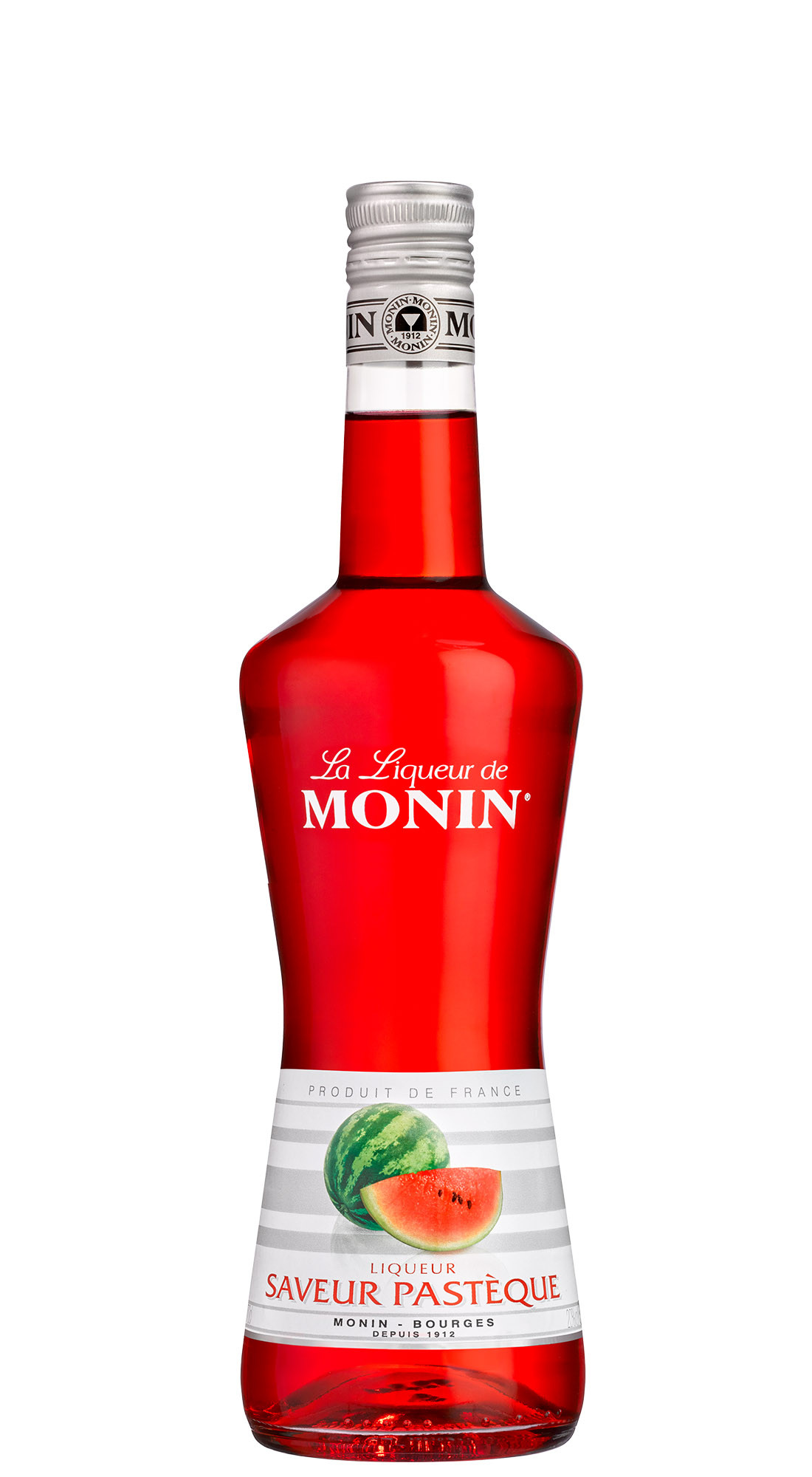
Monin Liquore Anguria
Monin
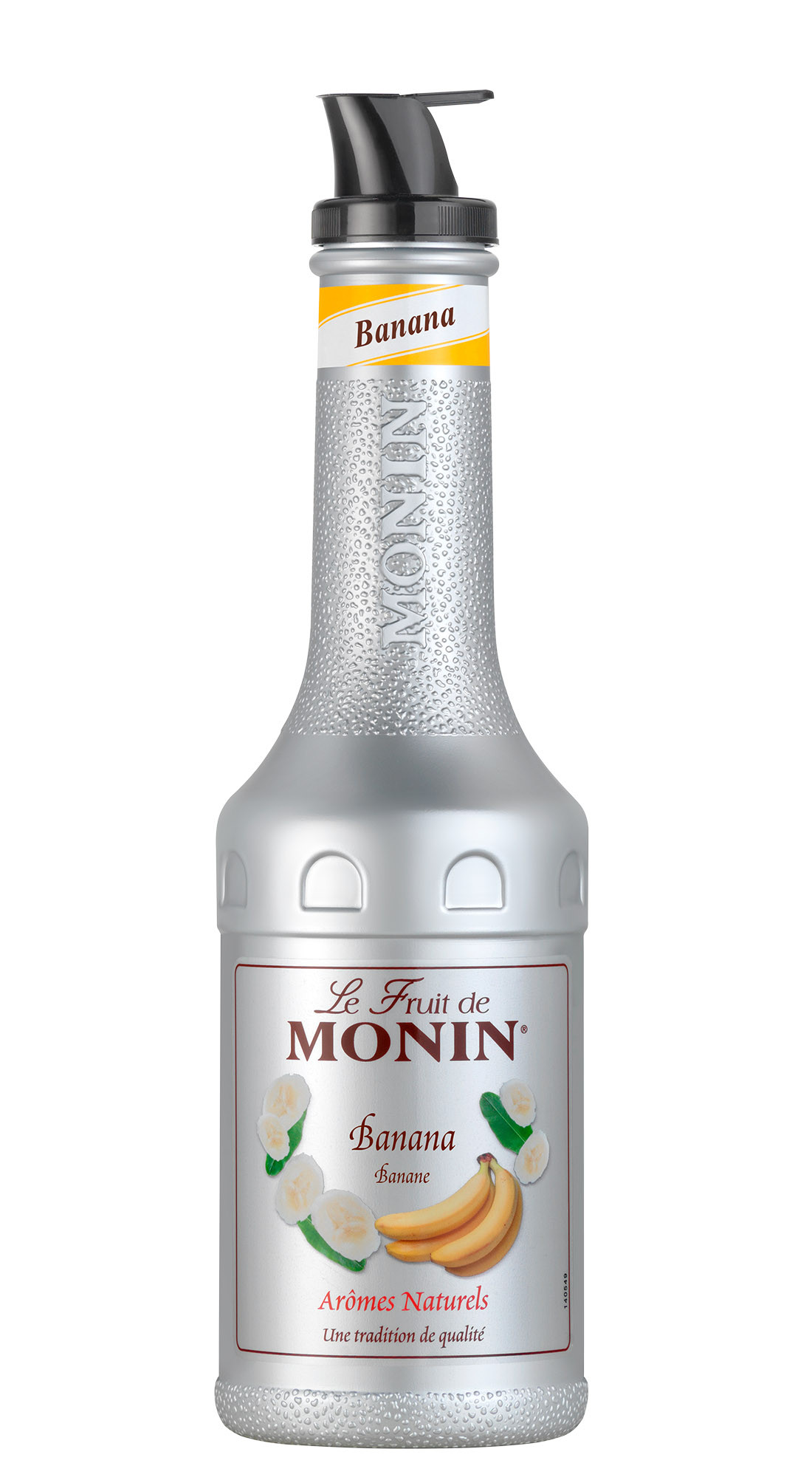
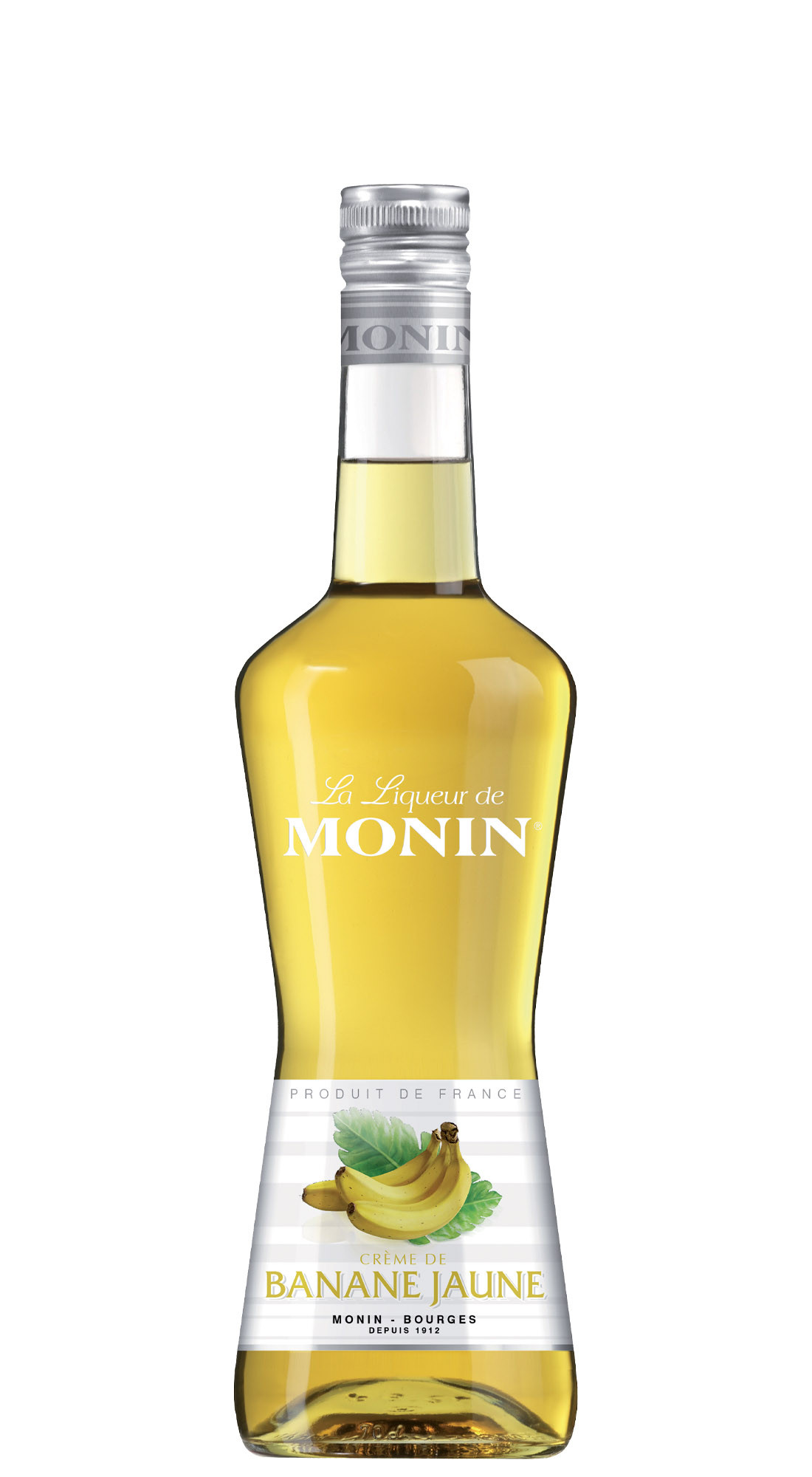
Monin Liquore Banana
Monin
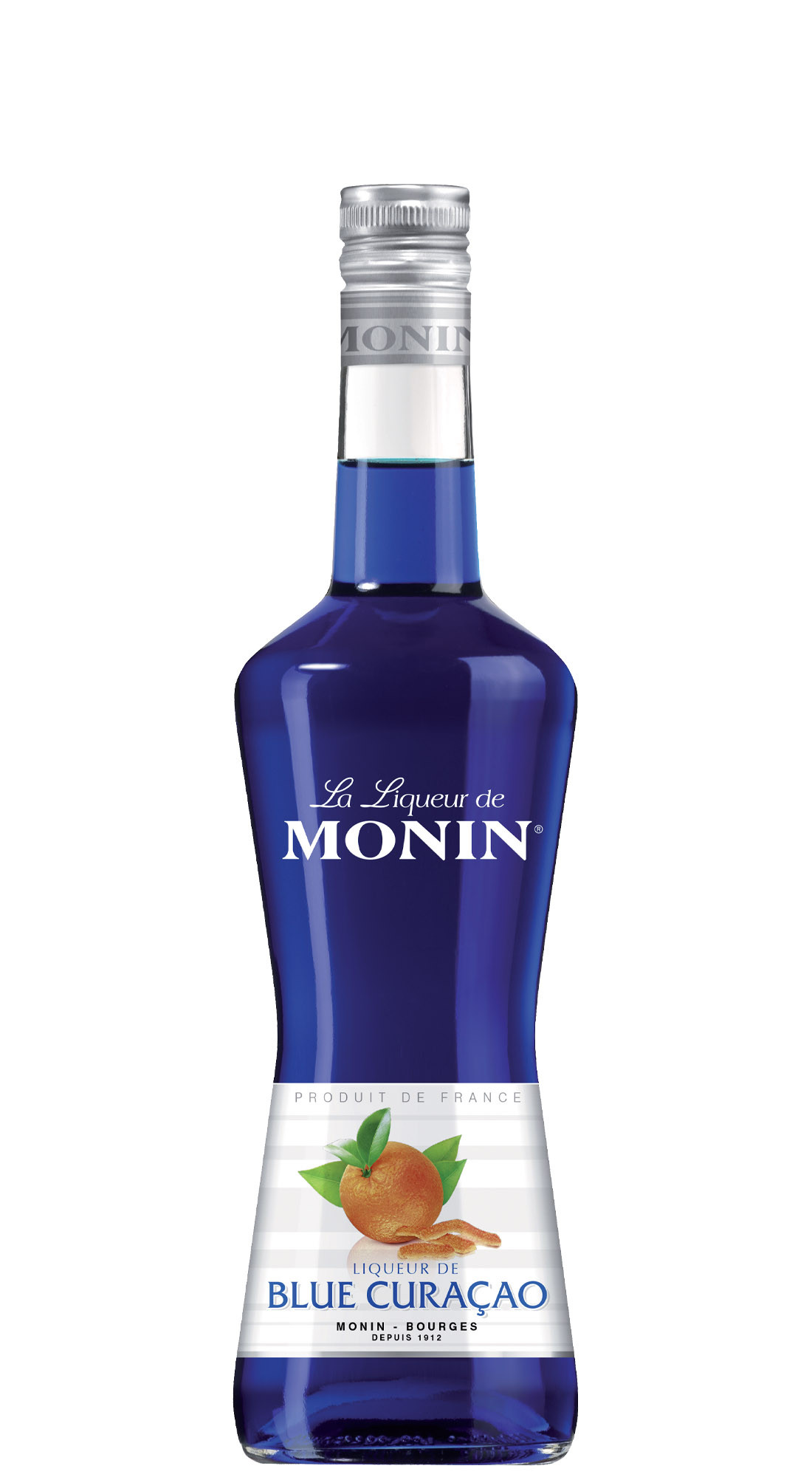
Monin Liquore Blue Curaçao
Monin
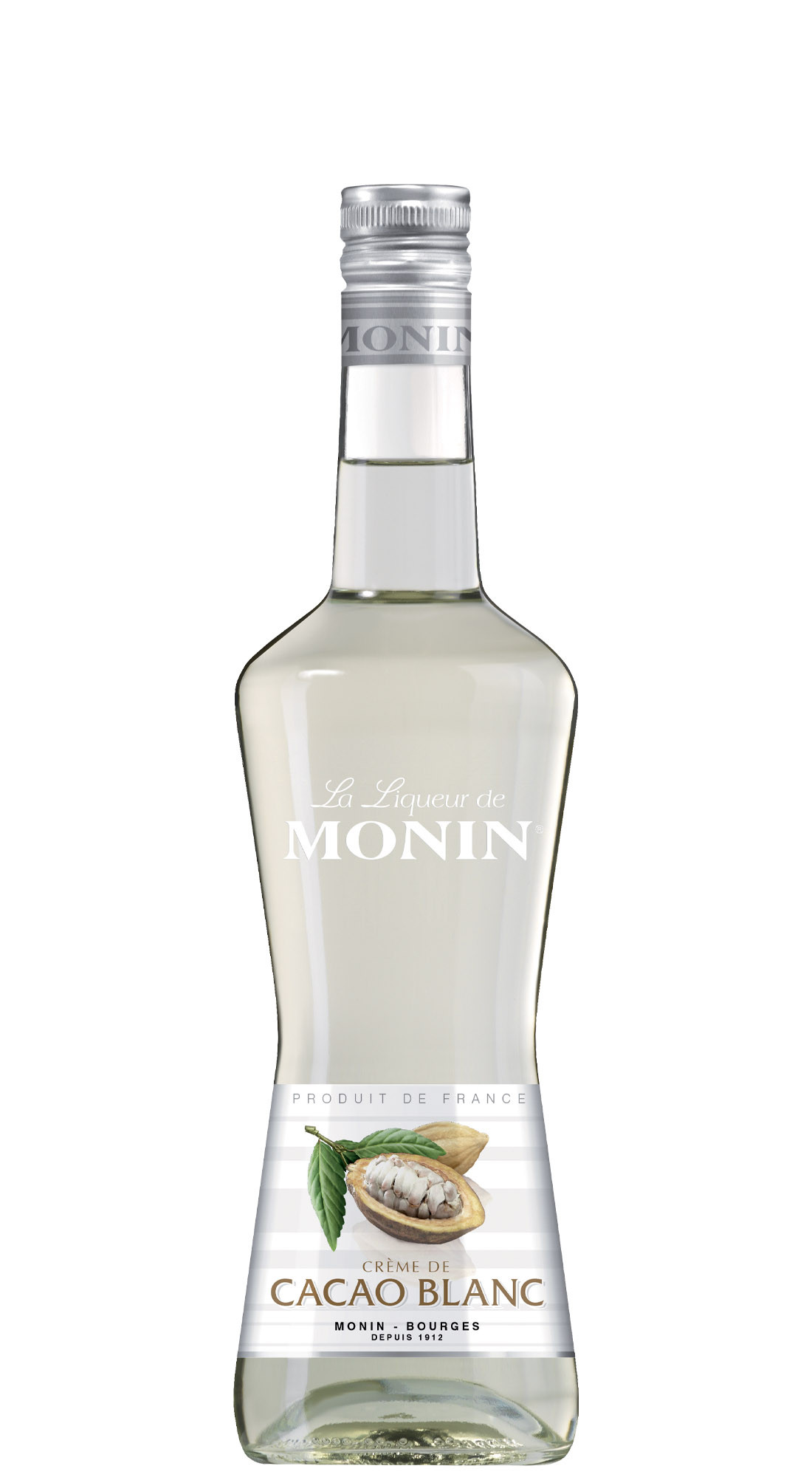
Monin Liquore Cacao Bianco
Monin
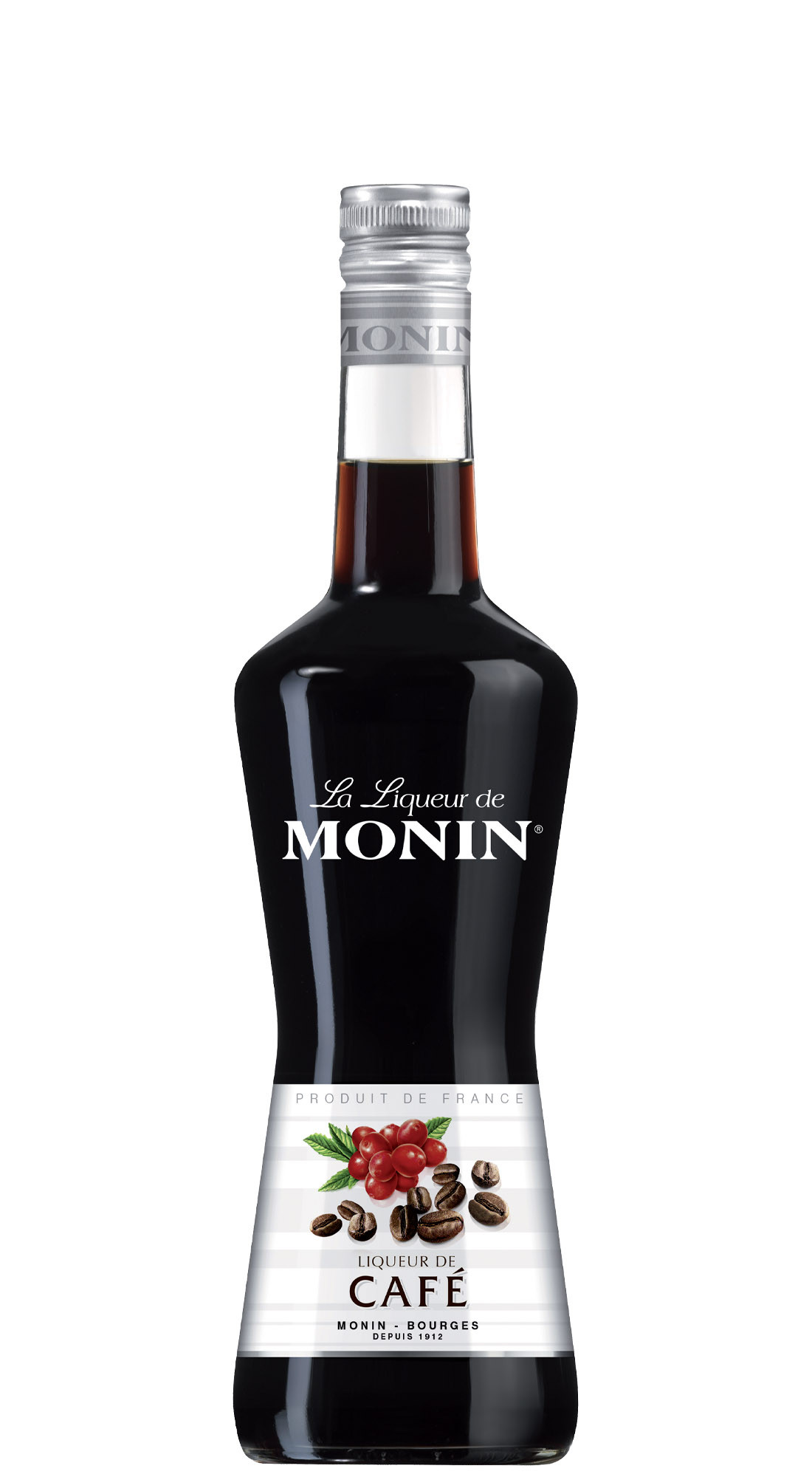
Monin Liquore Caffe'
Monin
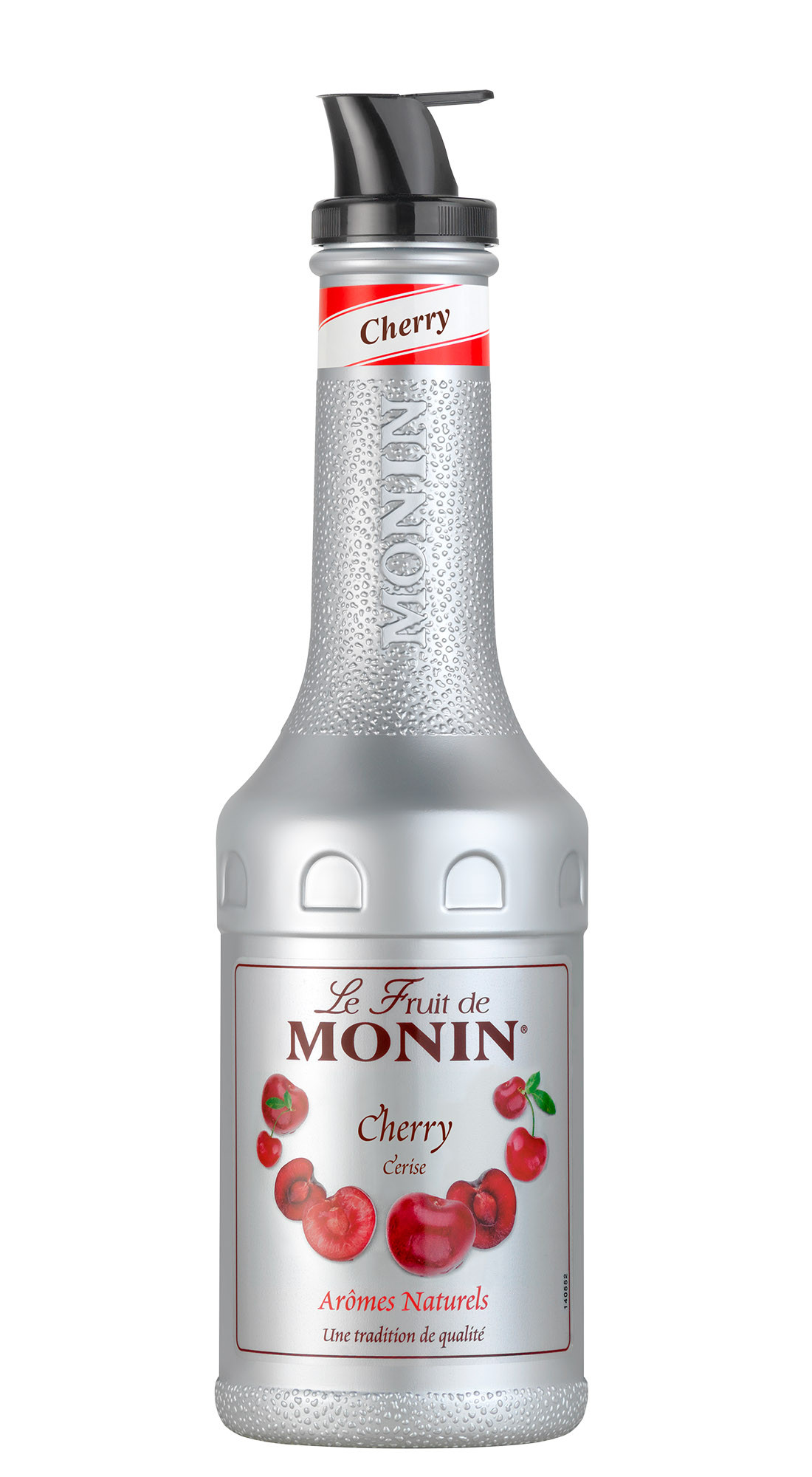
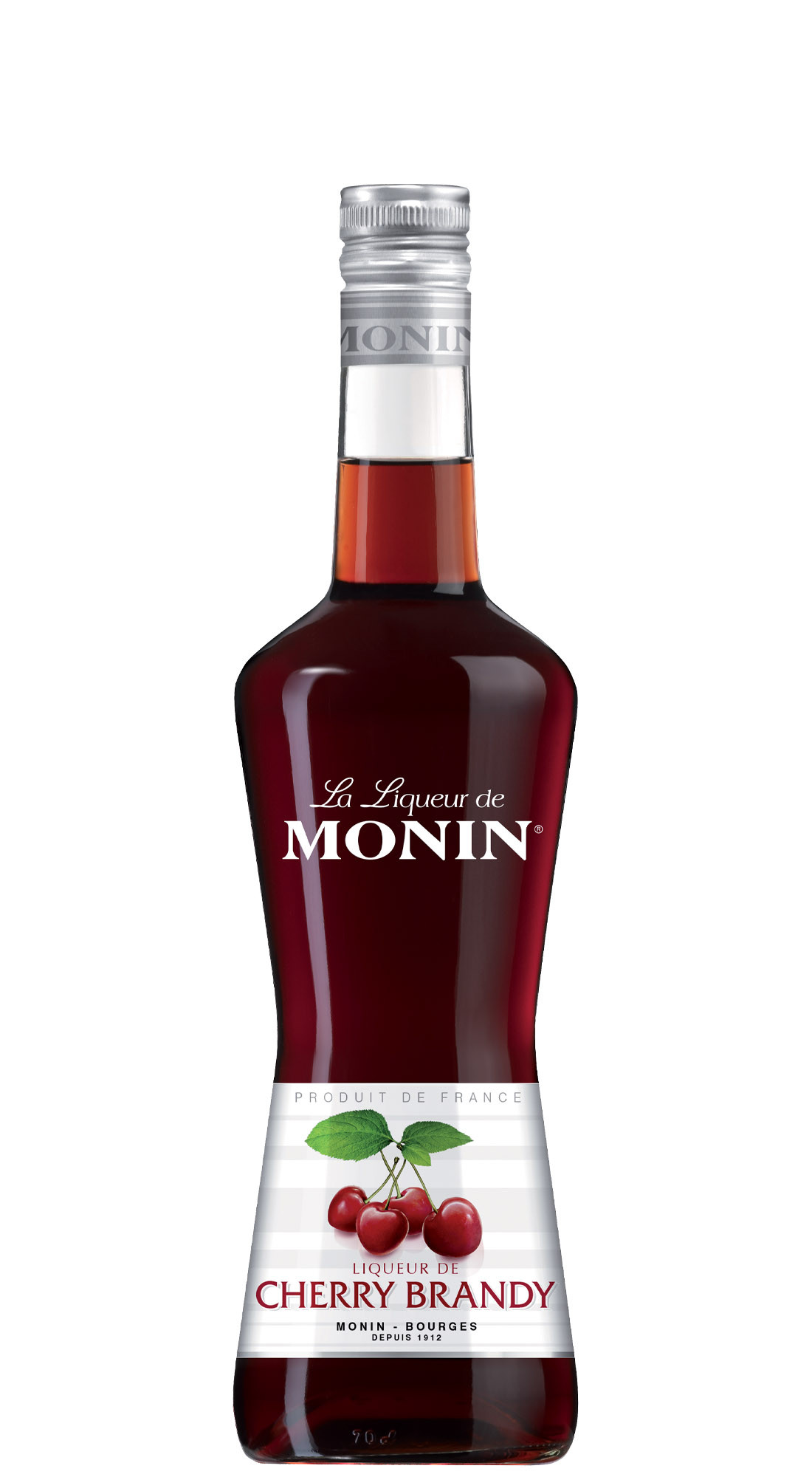
Monin Liquore Ciliegia
Monin
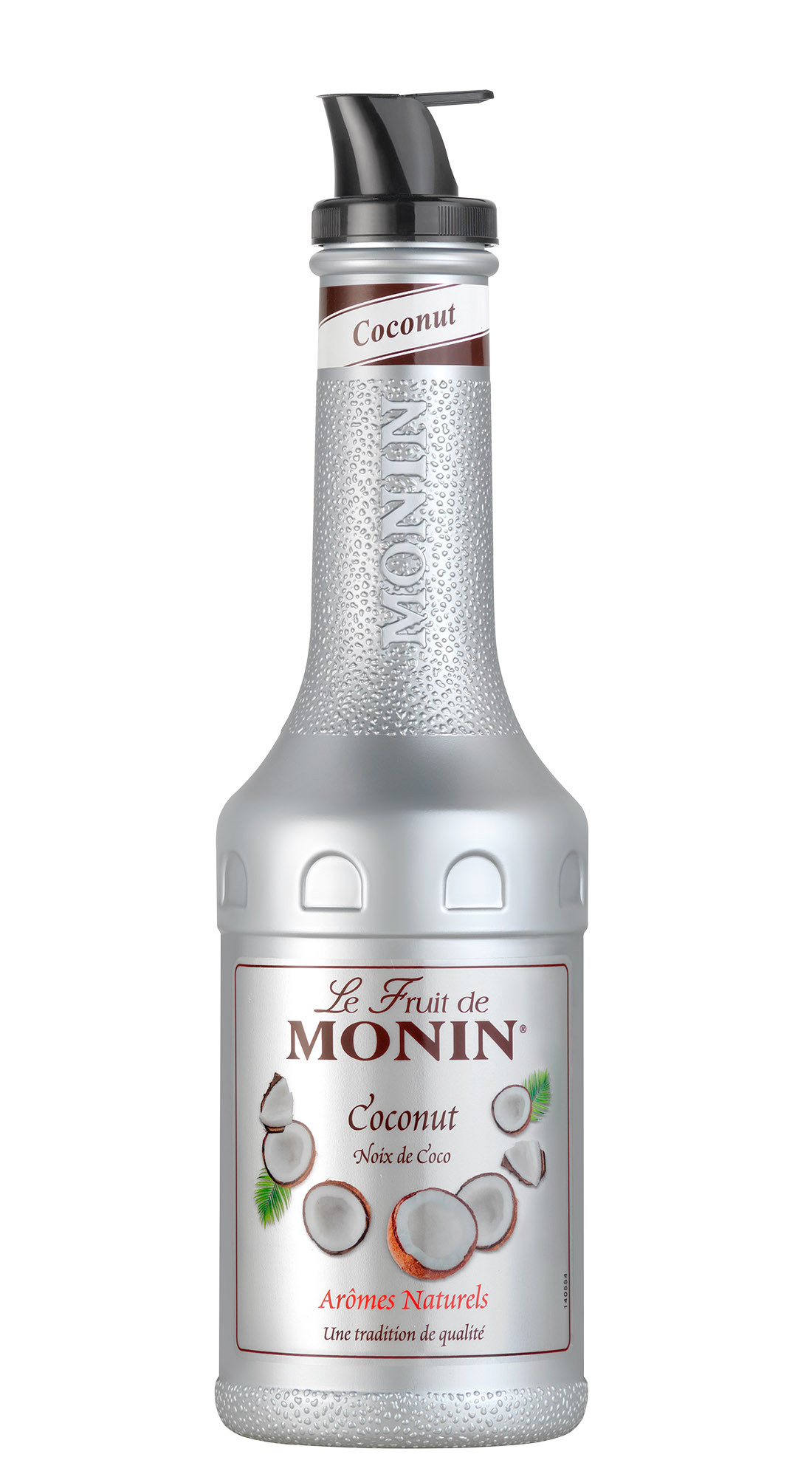
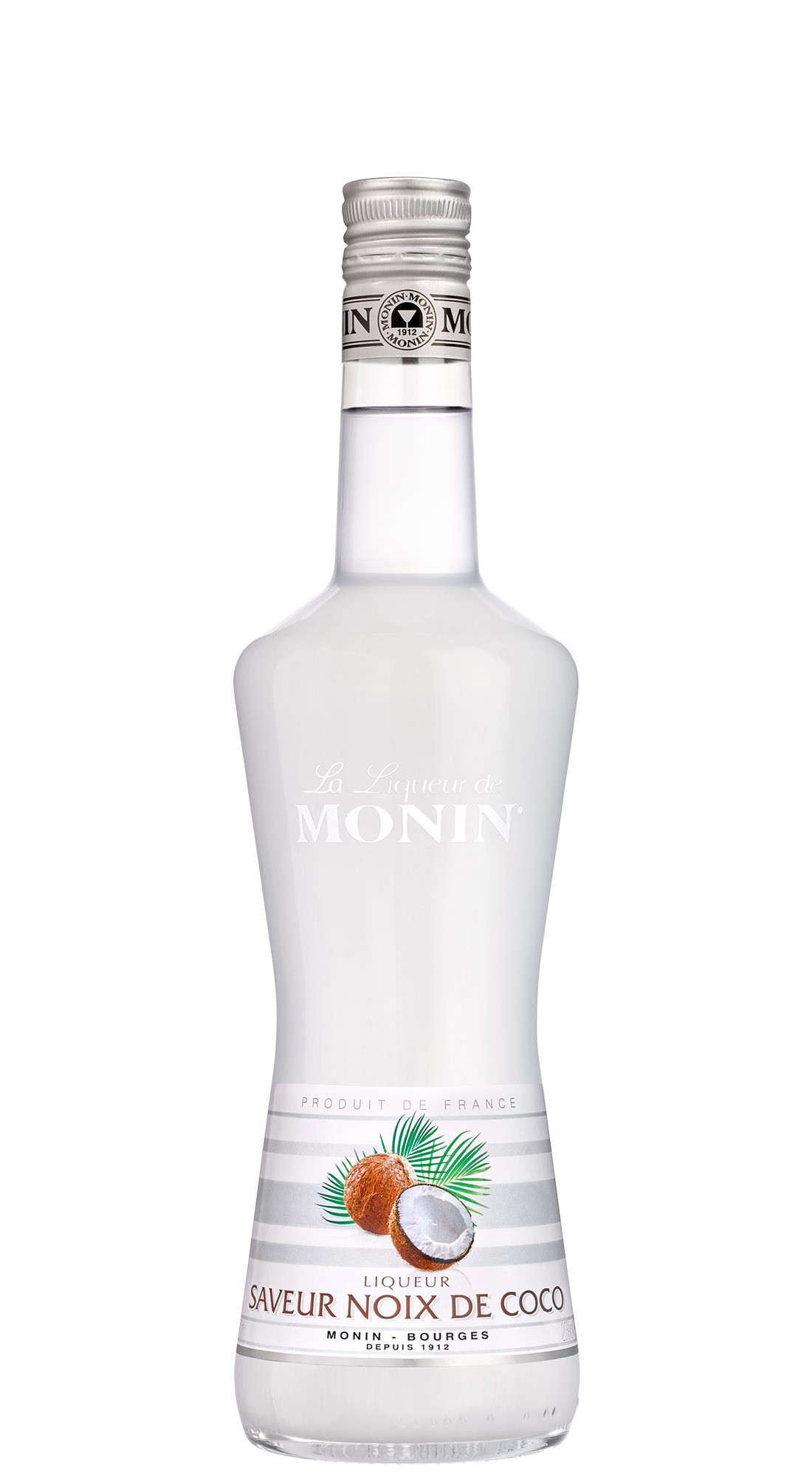
Monin Liquore Cocco
Monin
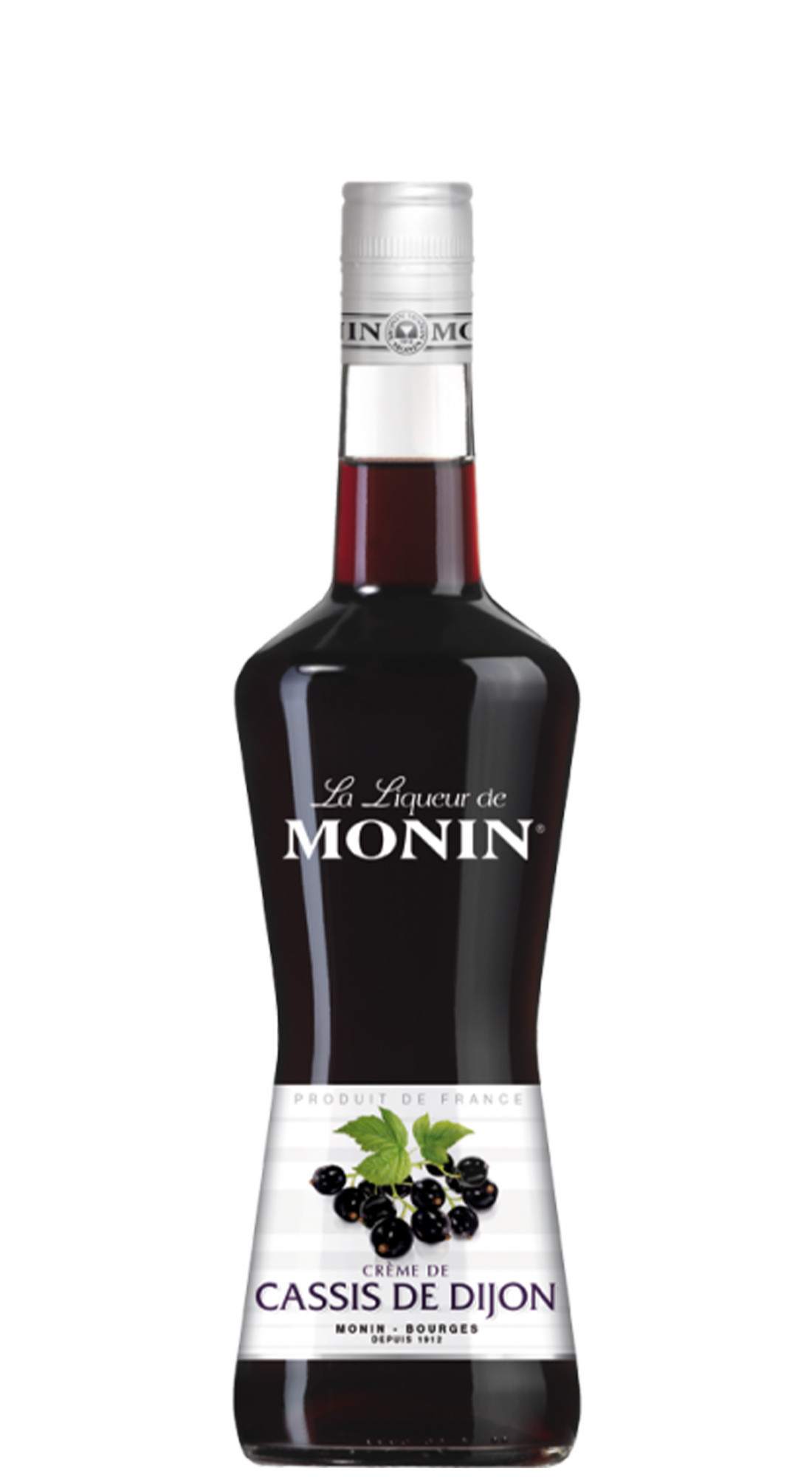
Monin Liquore Creme De Cassis De Dijon
Monin
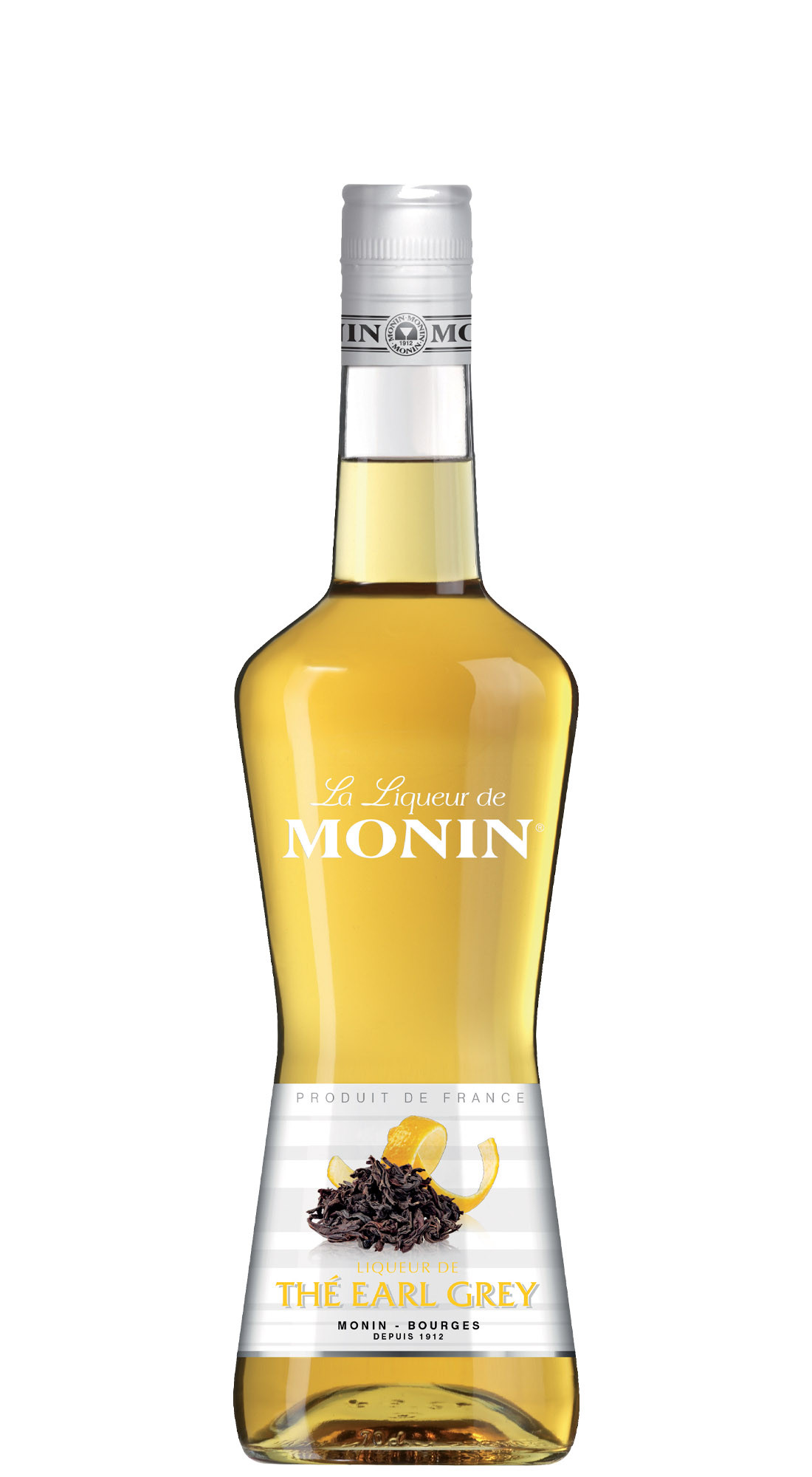
Monin Liquore Earl Grey
Monin
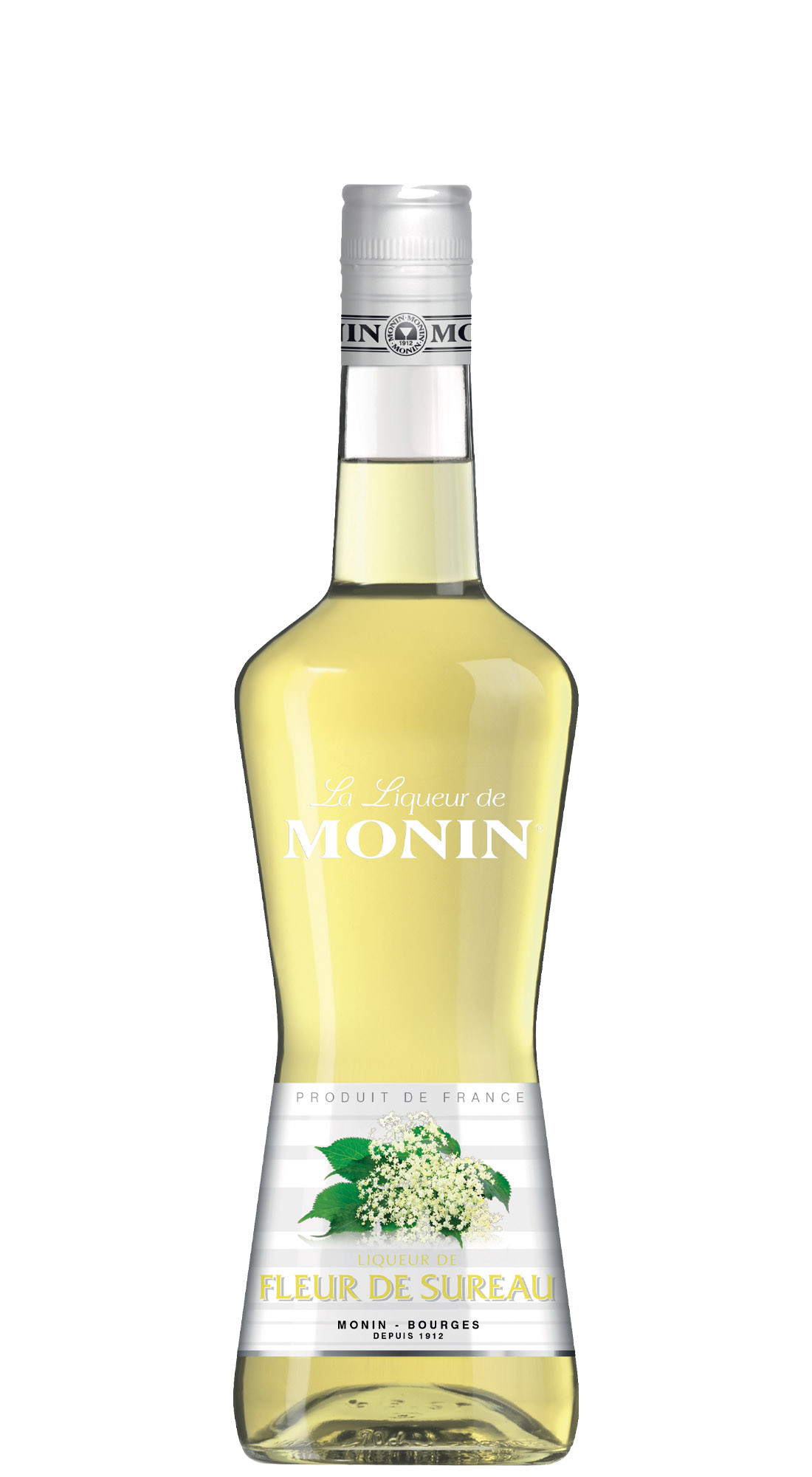
Monin Liquore Fiori Di Sambuco
Monin
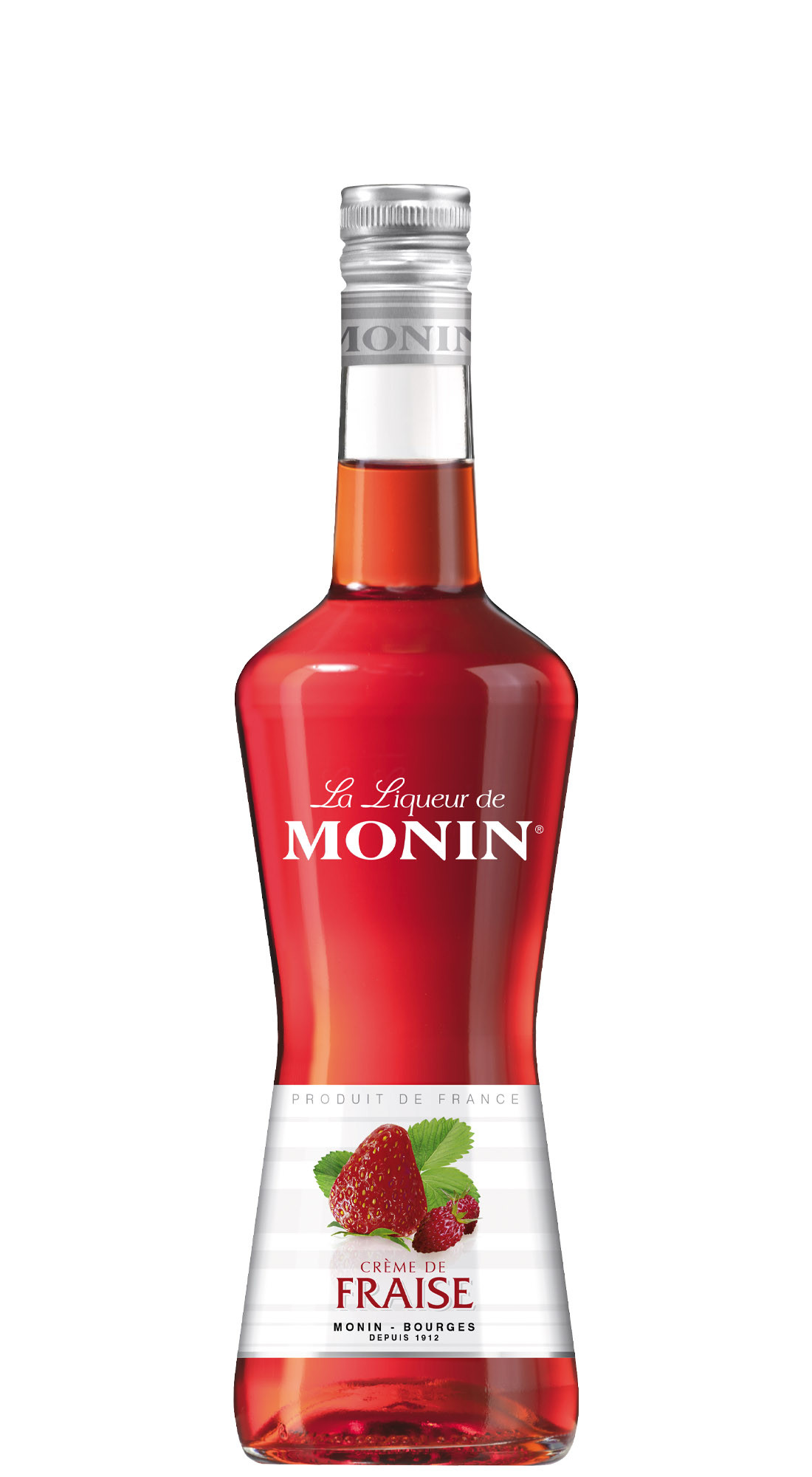
Monin Liquore Fragola
Monin
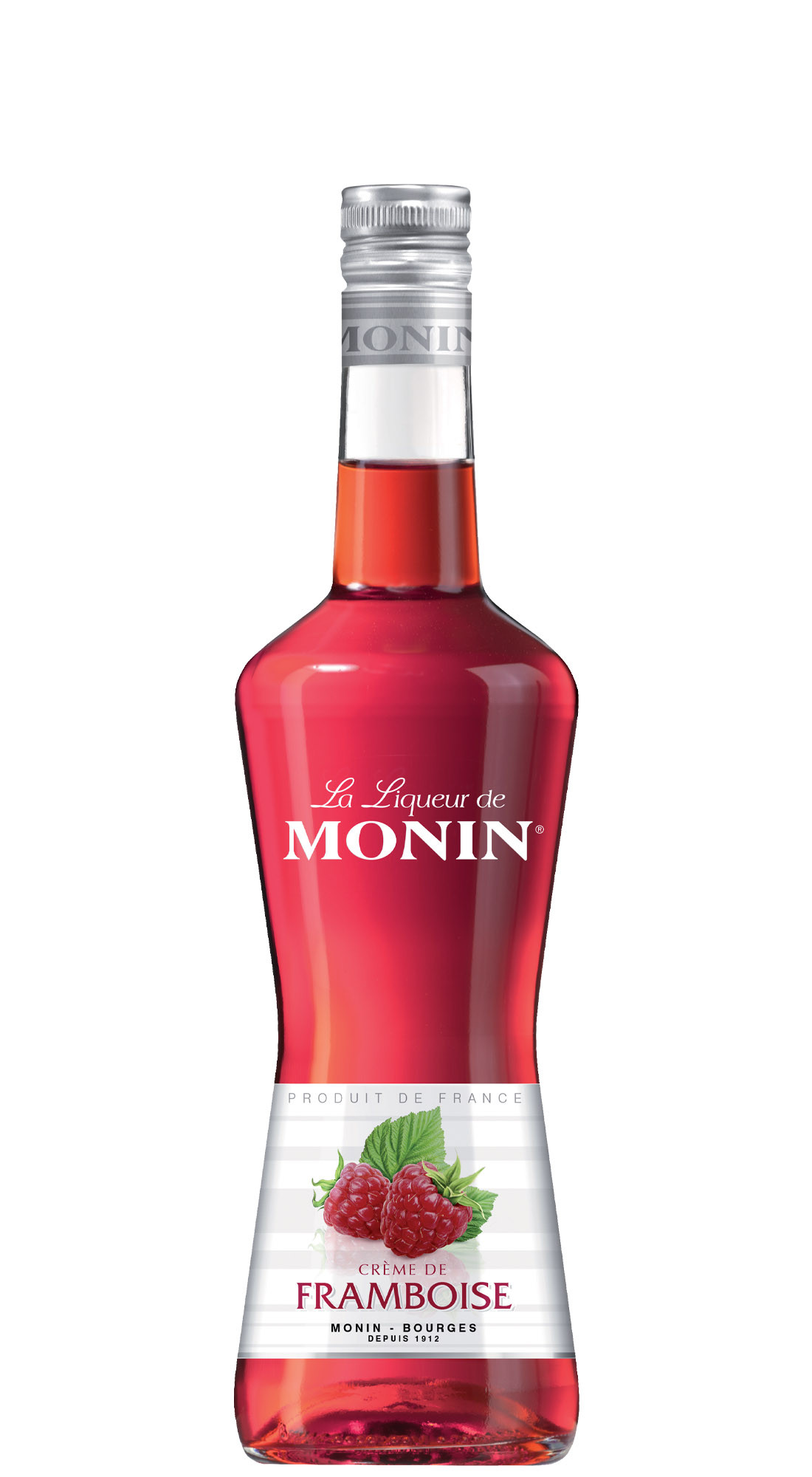
Monin Liquore Lampone
Monin
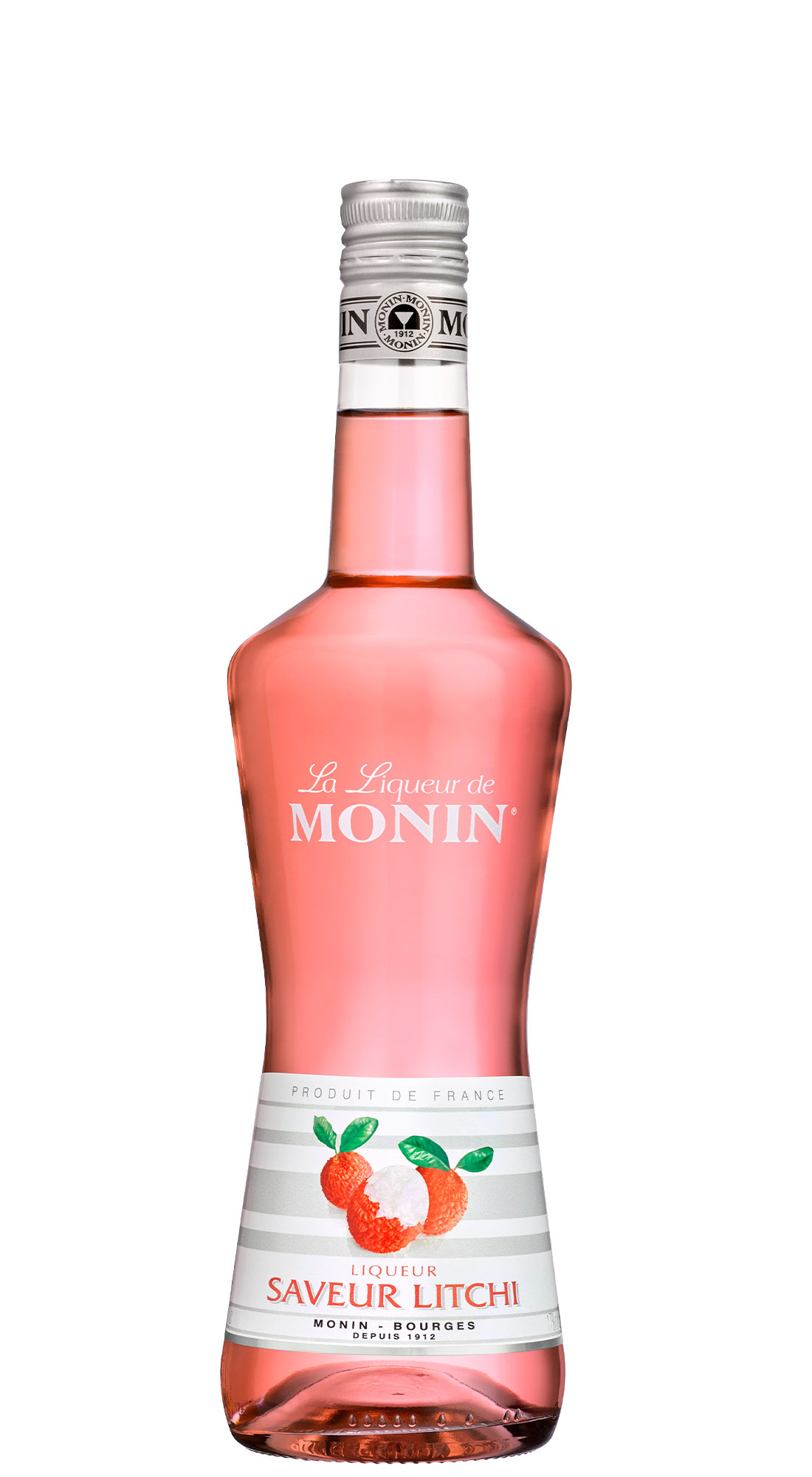
Monin Liquore Litchi
Monin
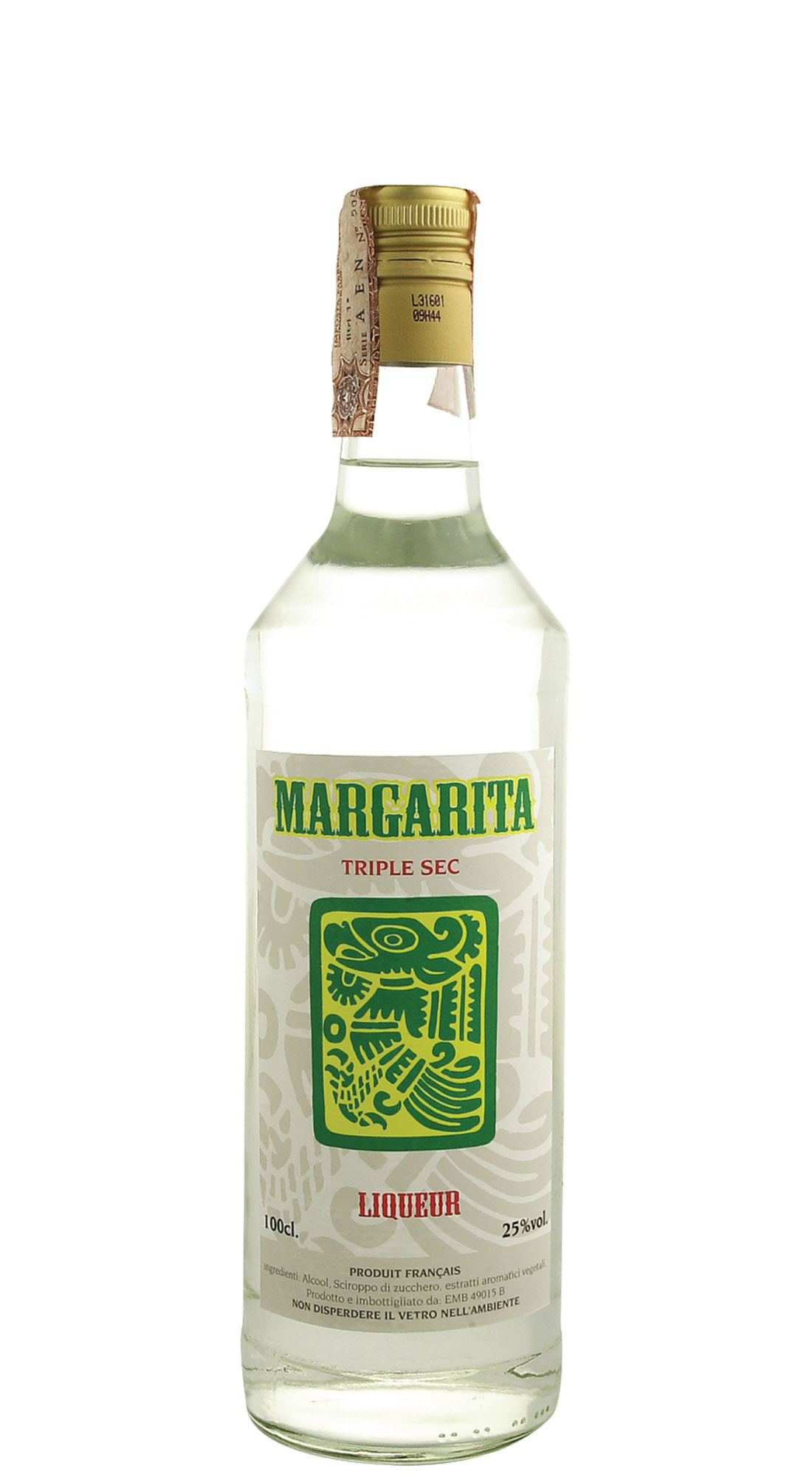
Monin Liquore Margarita Triple Sec
Monin
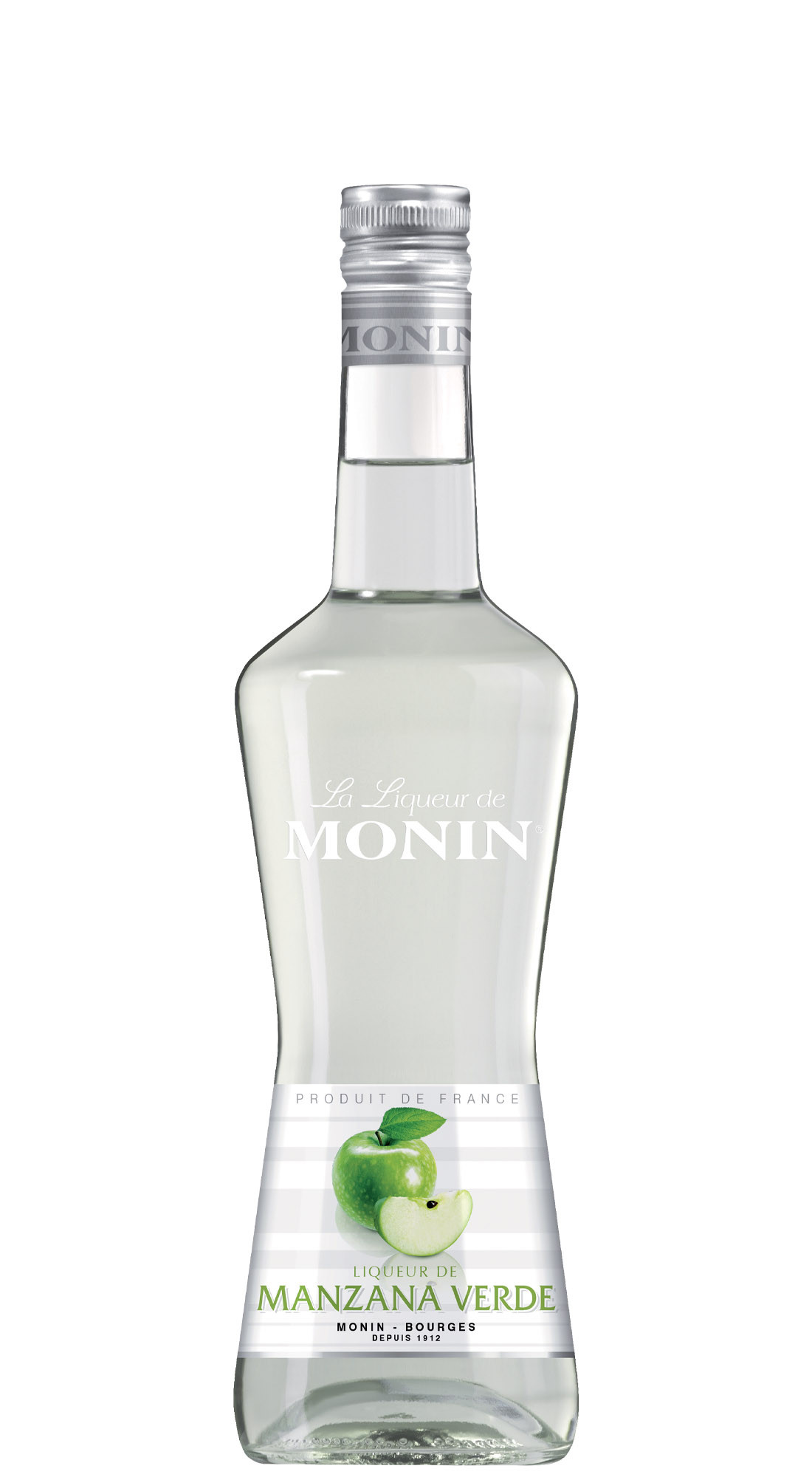
Monin Liquore Mela Verde
Monin
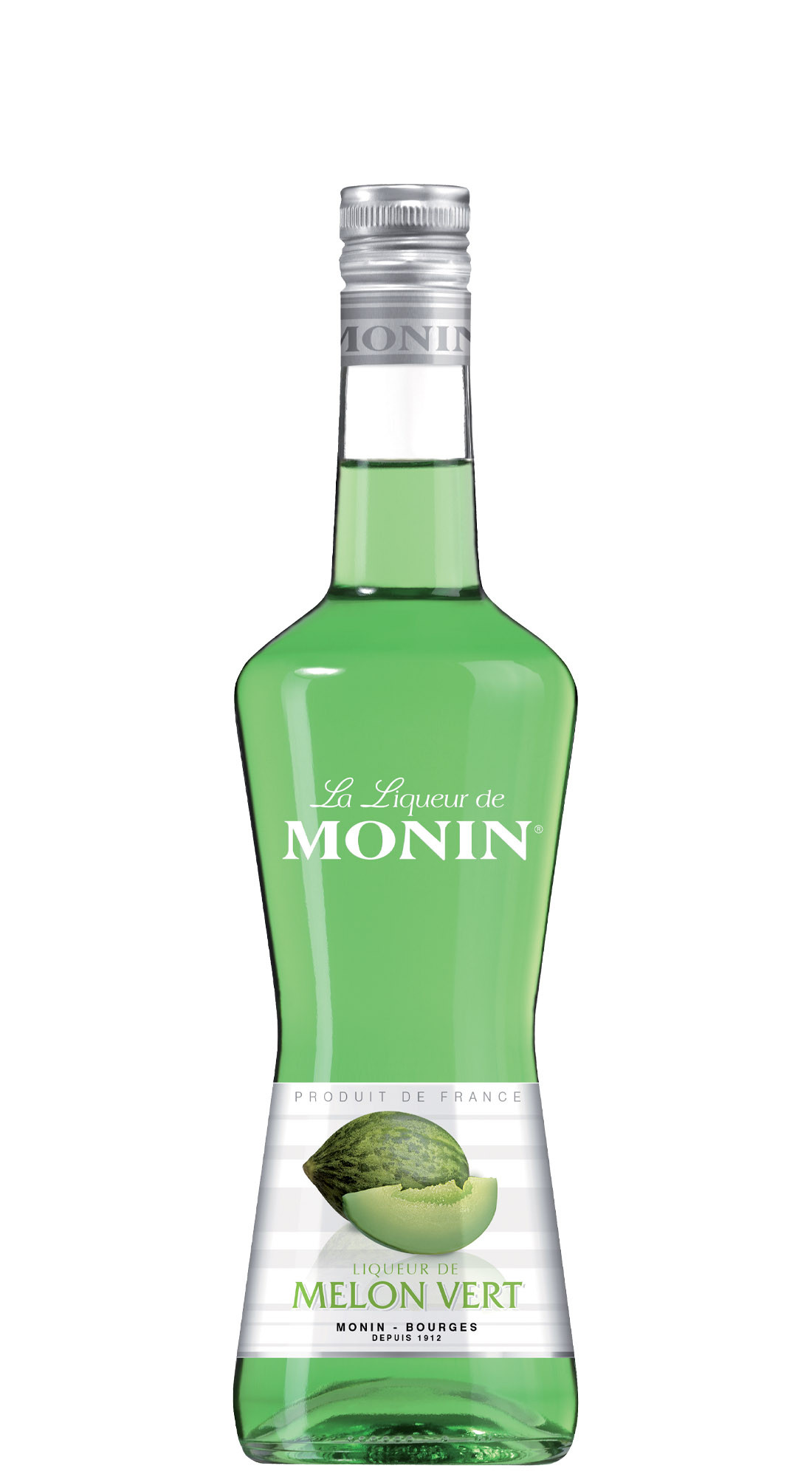
Monin Liquore Melone Verde
Monin
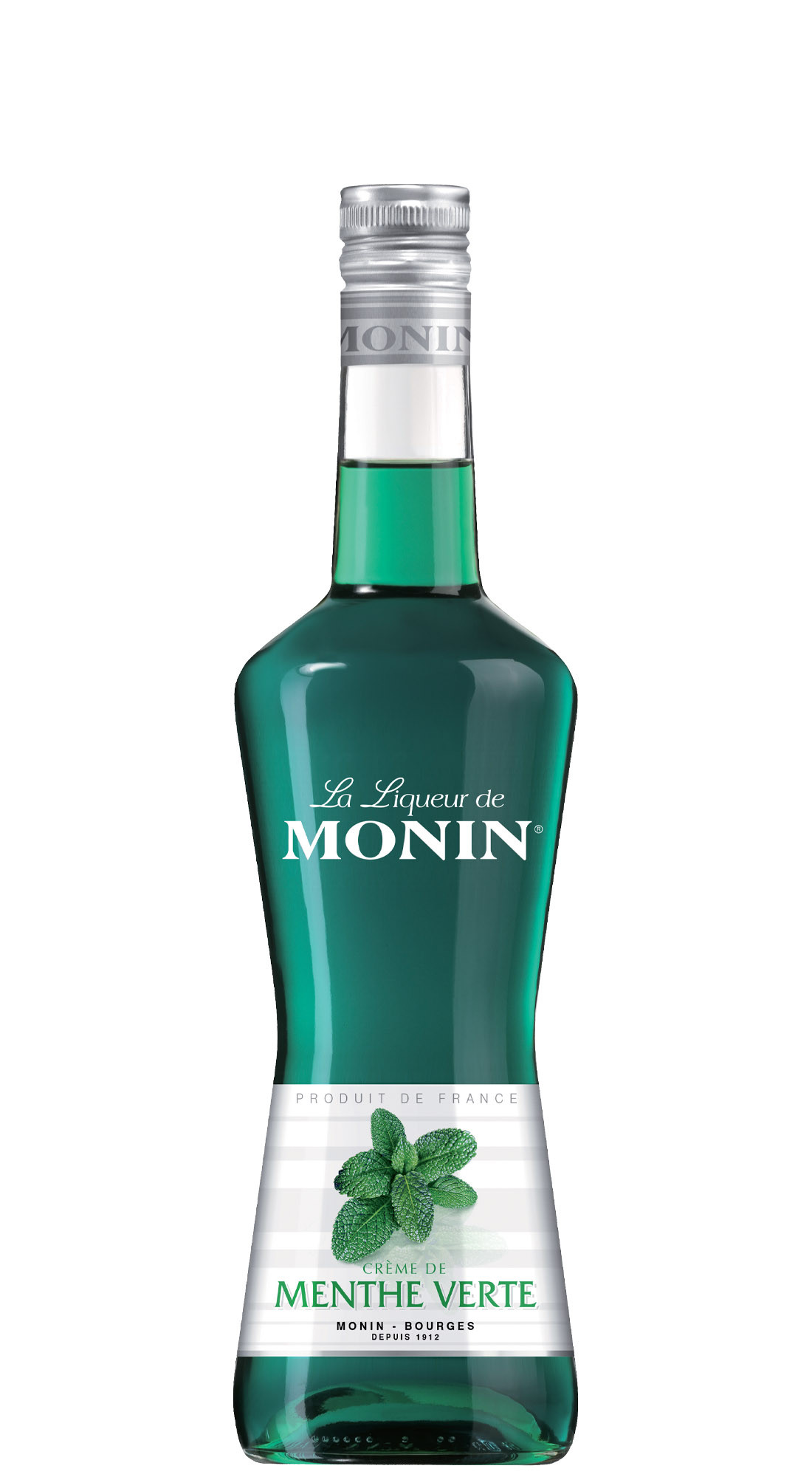
Monin Liquore Menta Verde
Monin
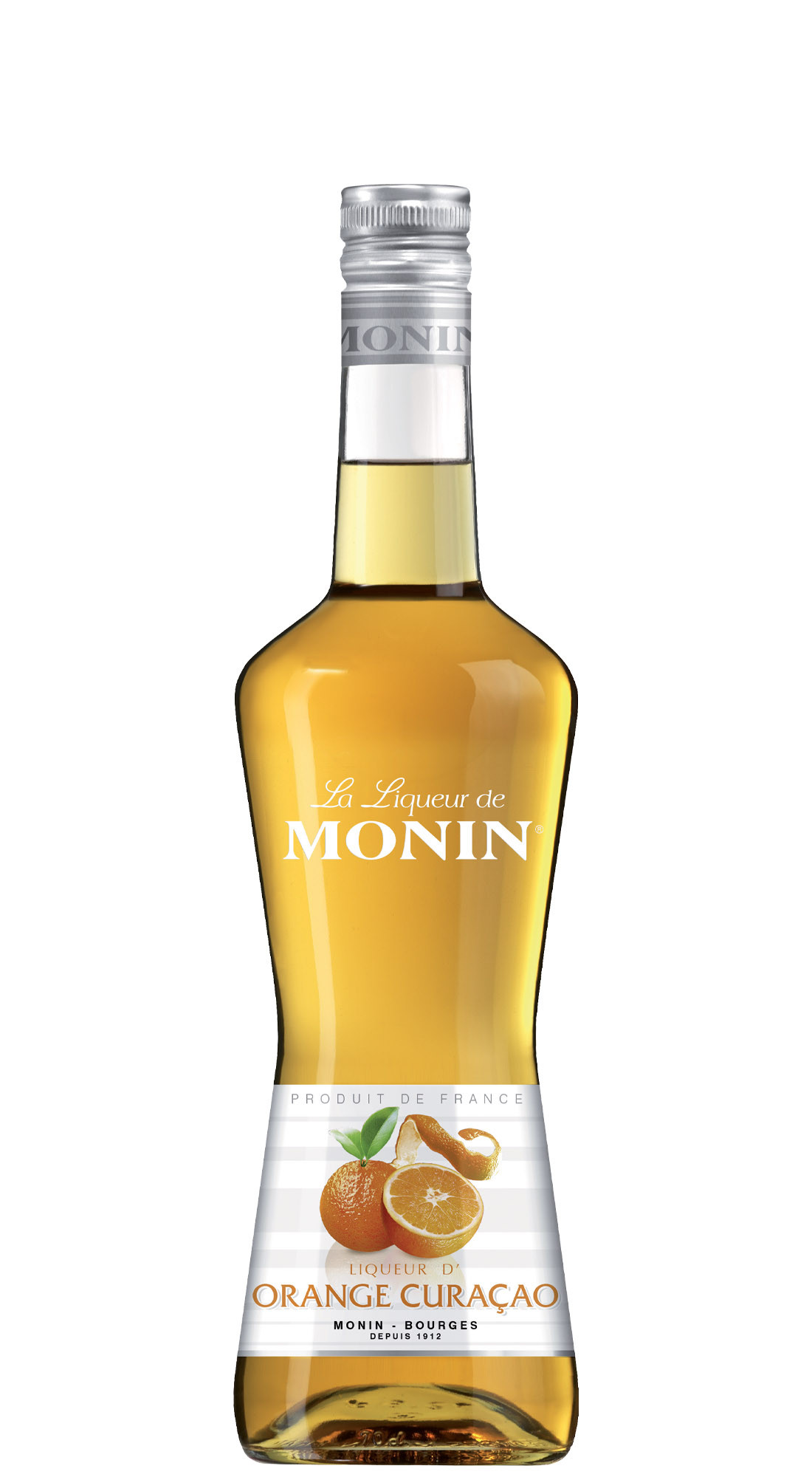
Monin Liquore Orange Curacao
Monin
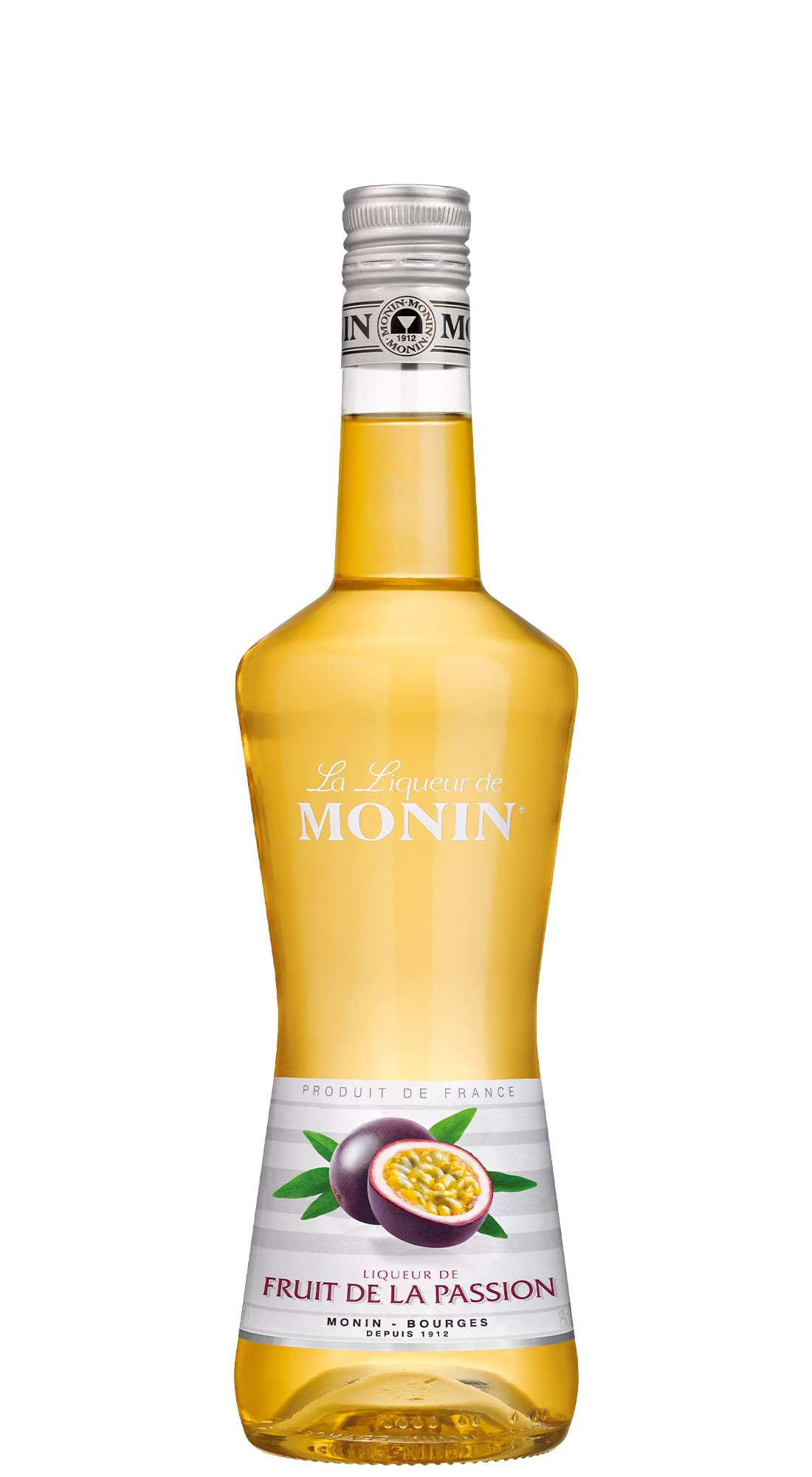
Monin Liquore Passion Fruit
Monin
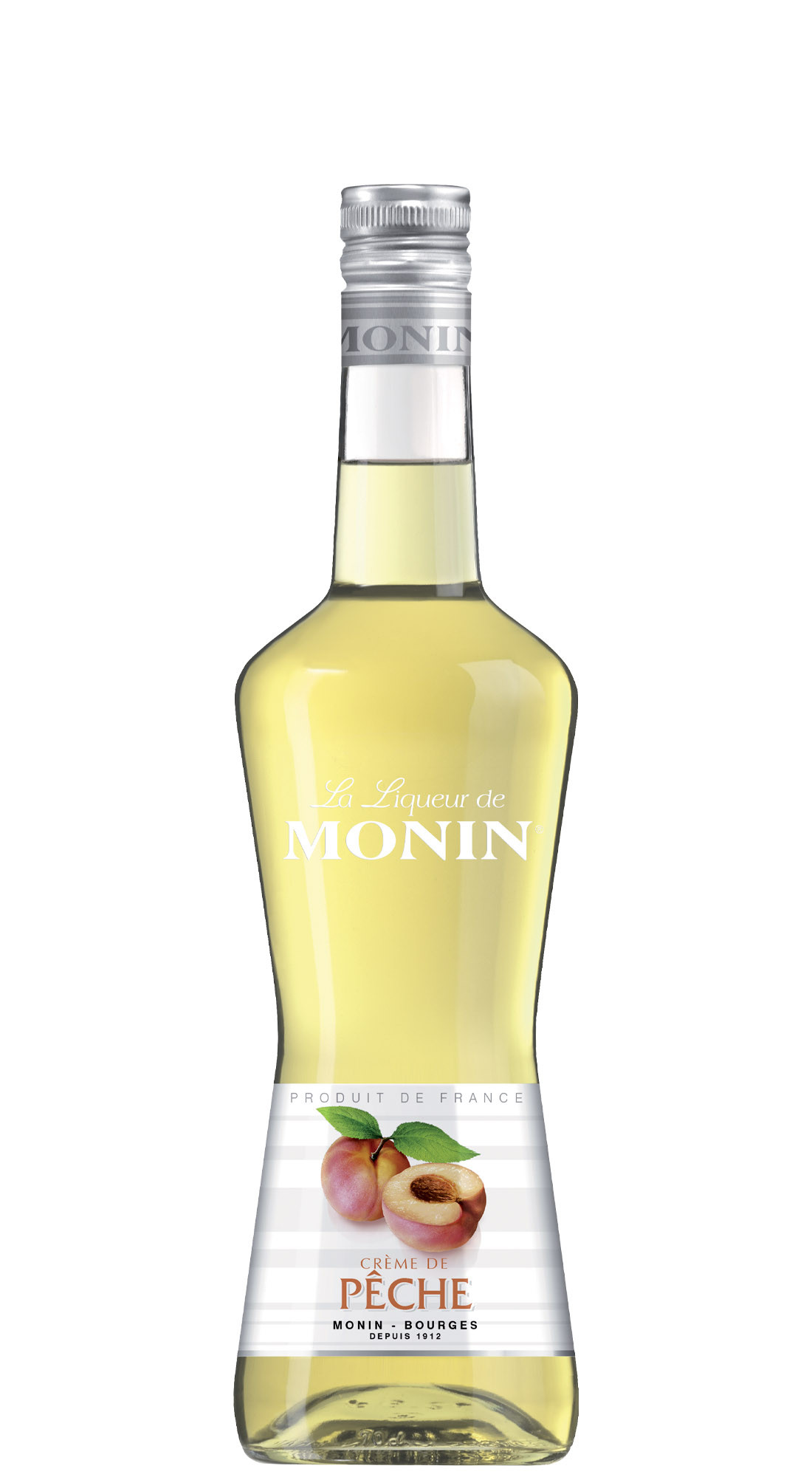
Monin Liquore Pesca
Monin
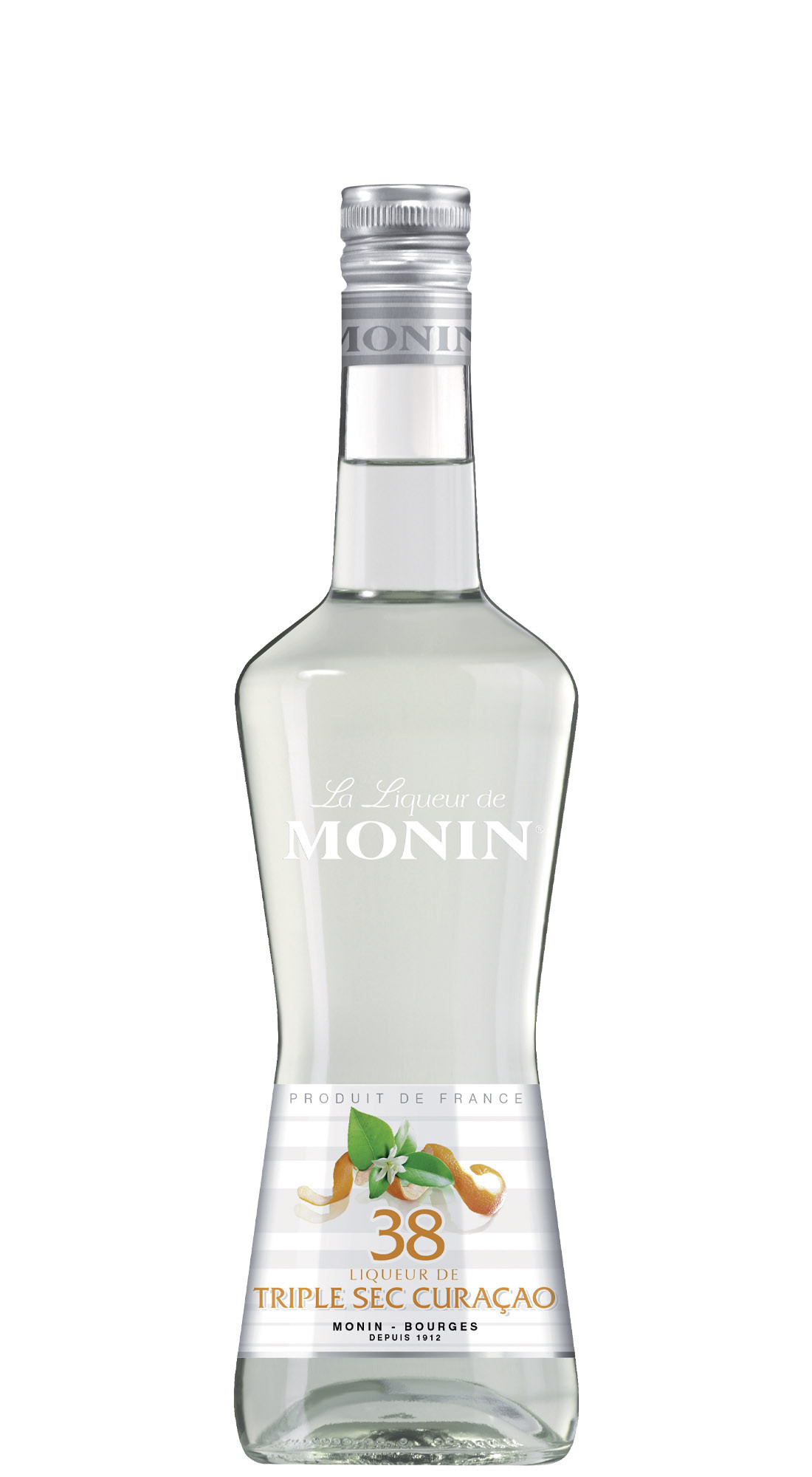
Monin Liquore Triple Sec Curacao
Monin
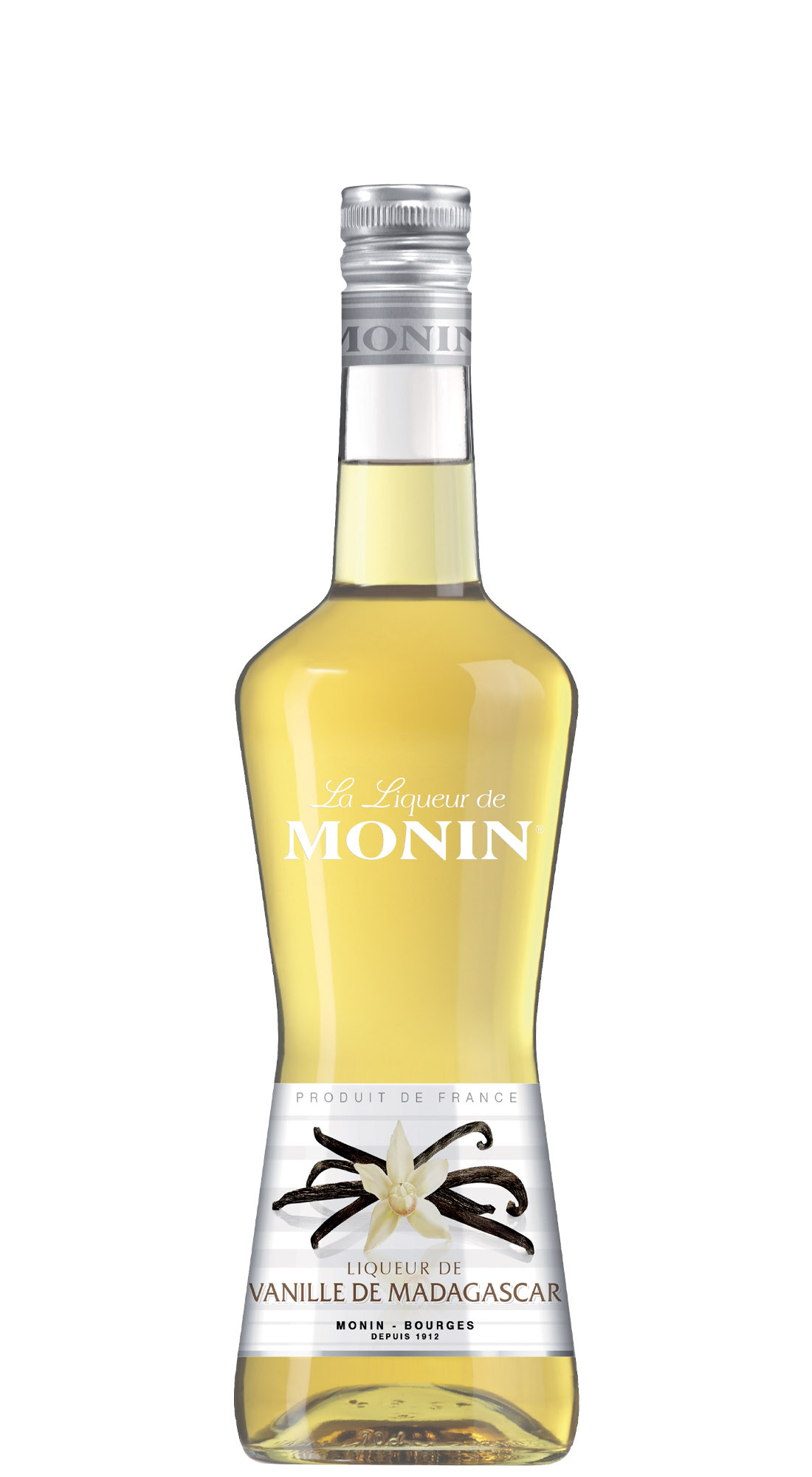
Monin Liquore Vaniglia
Monin
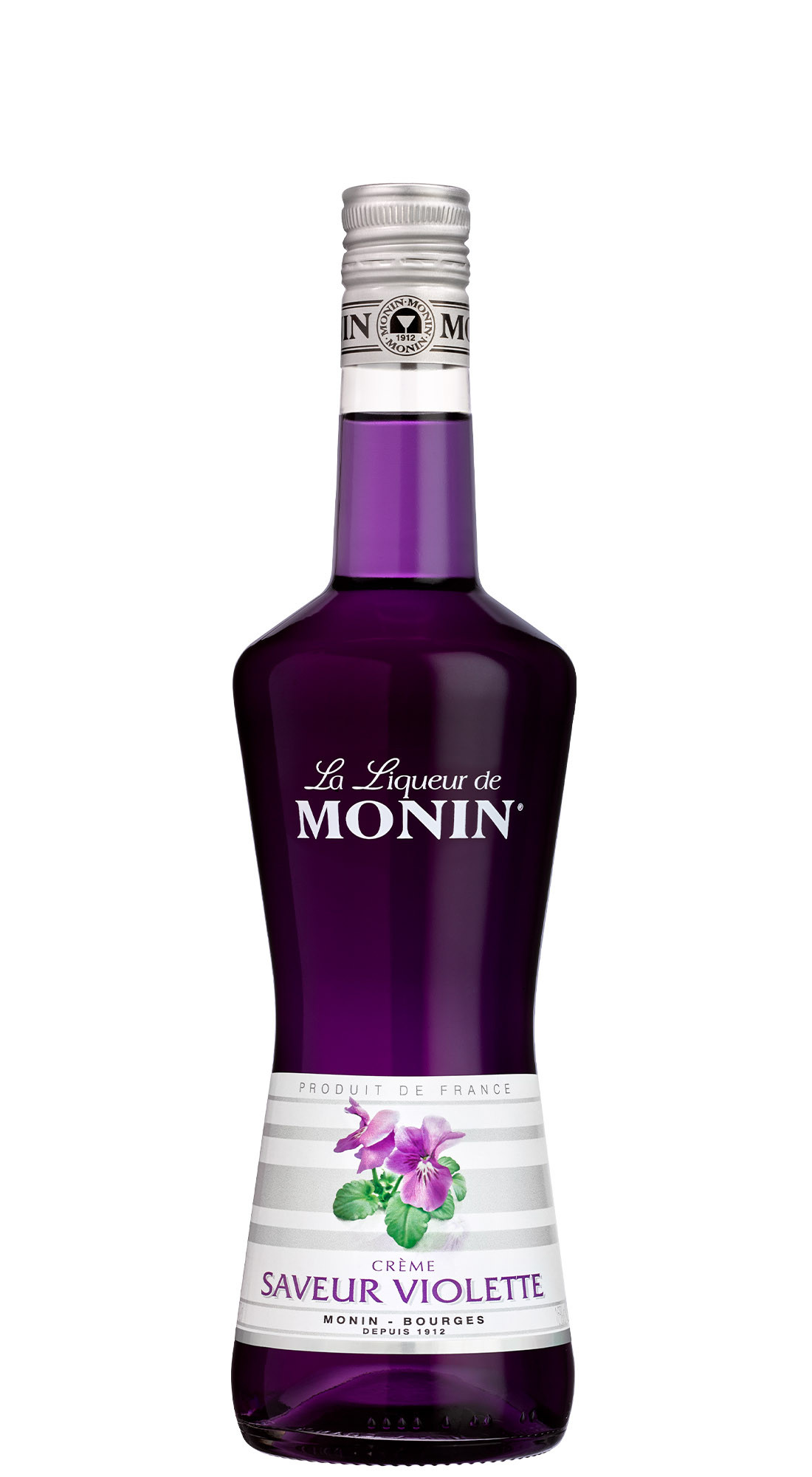
Monin Liquore Violetta
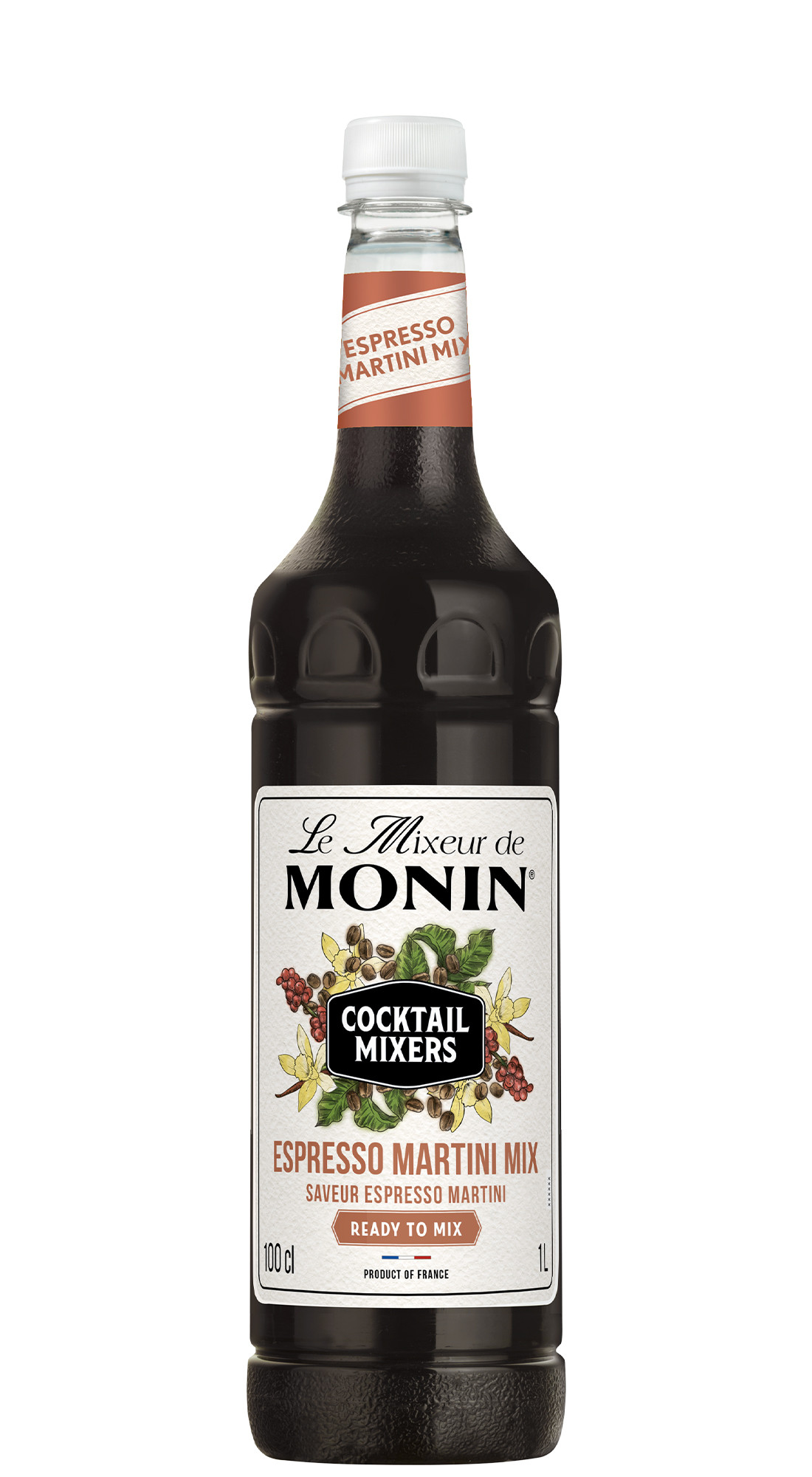
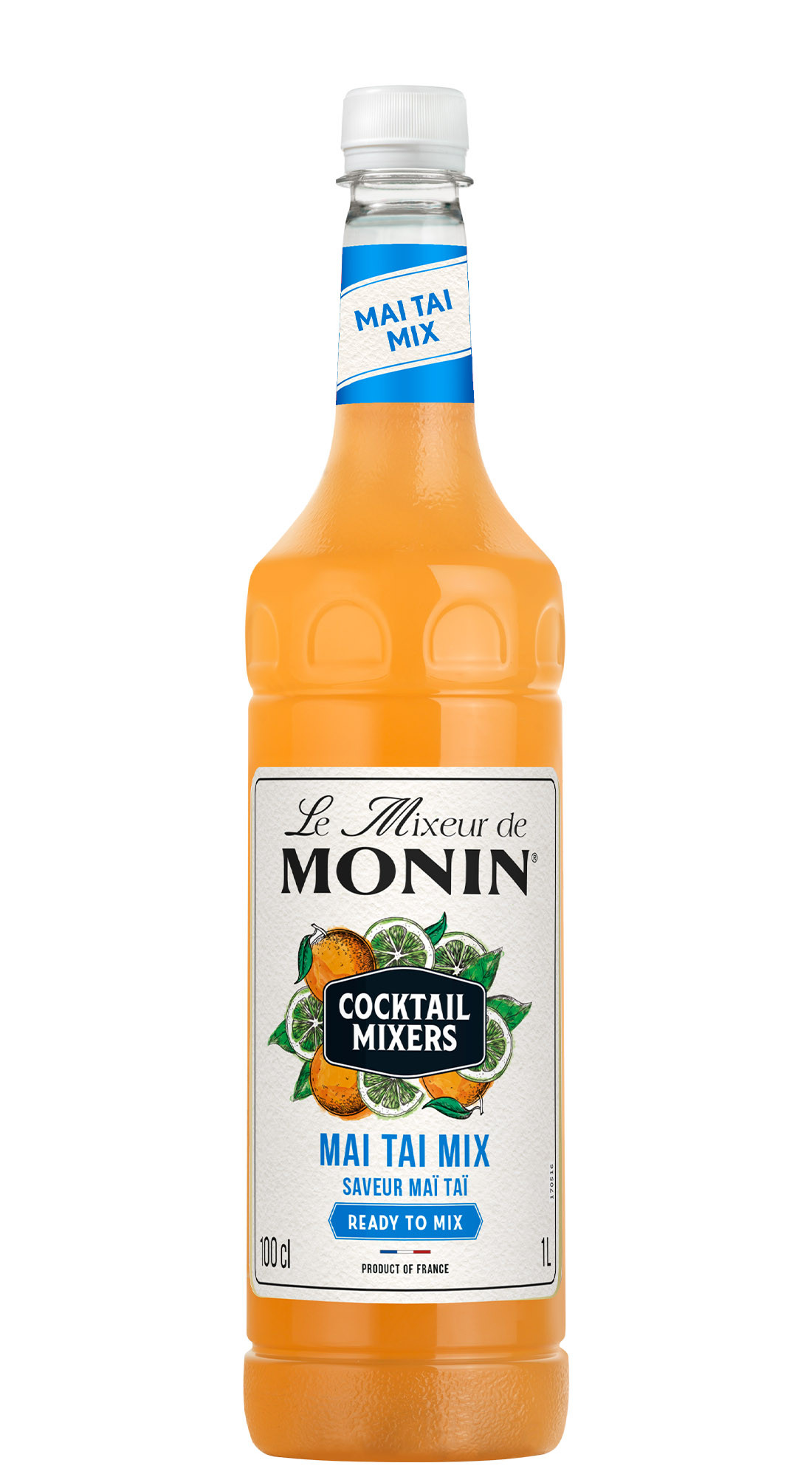
Monin
Monin Mixer Mai Tai
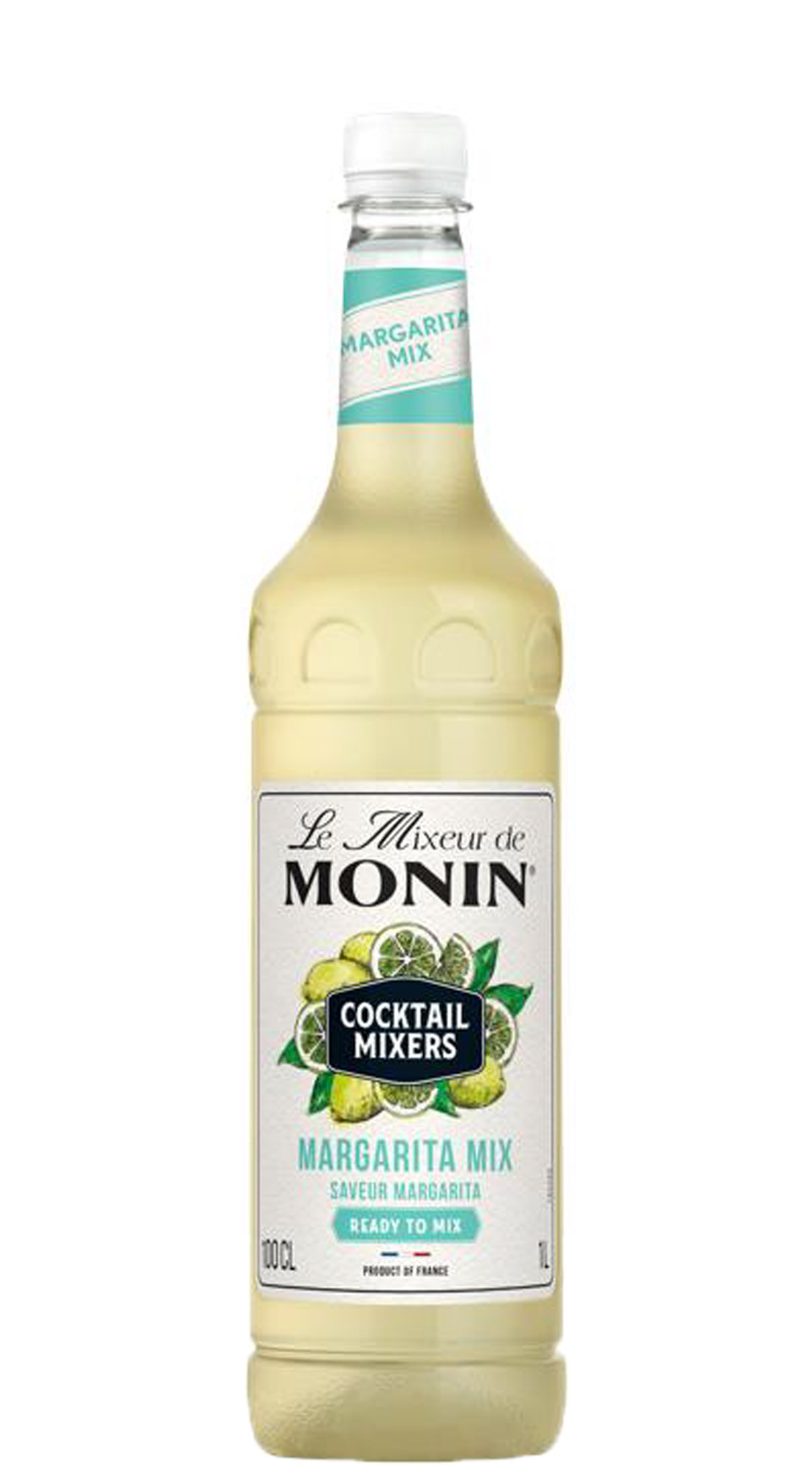
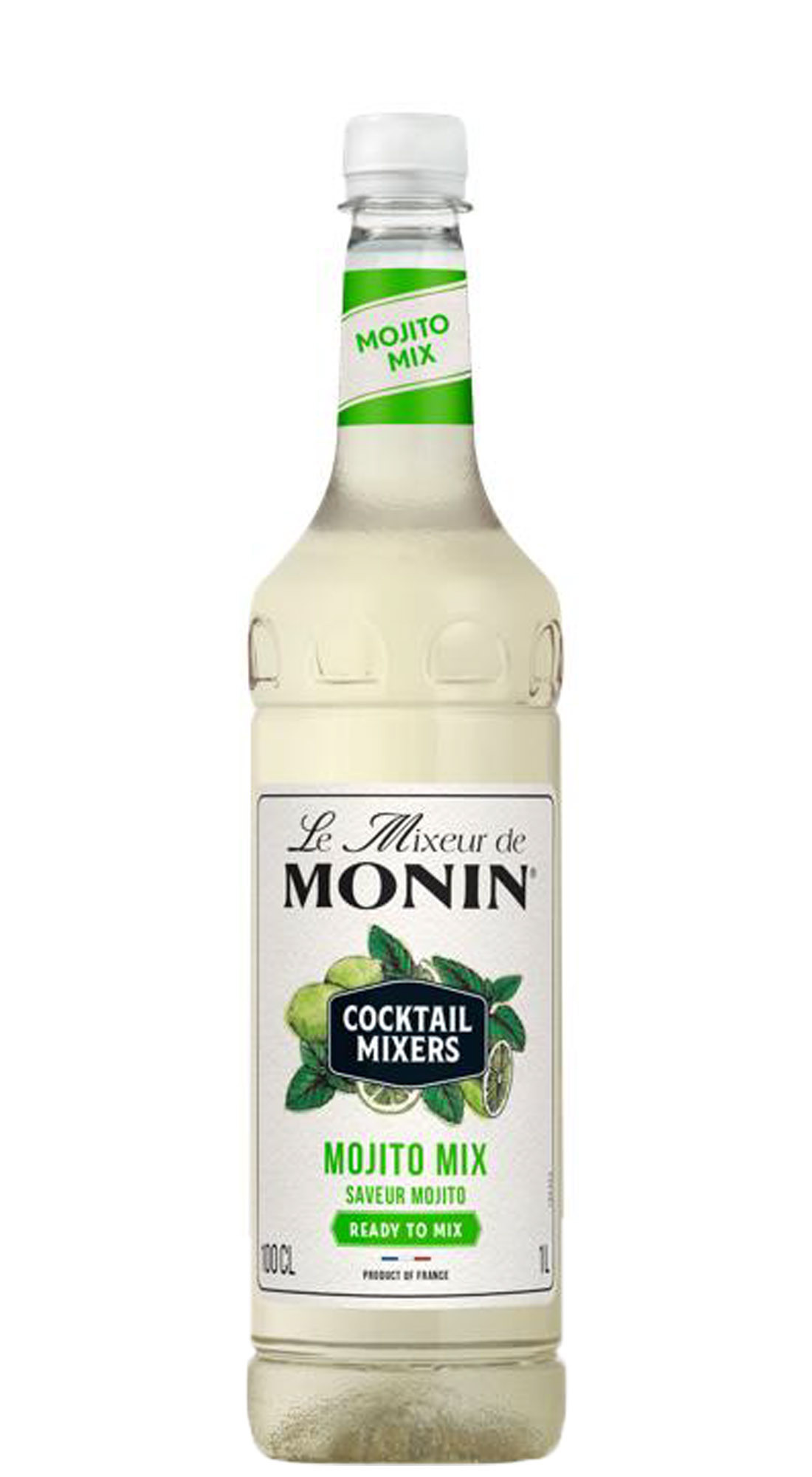
Monin
Monin Mixer Mojito
Monin
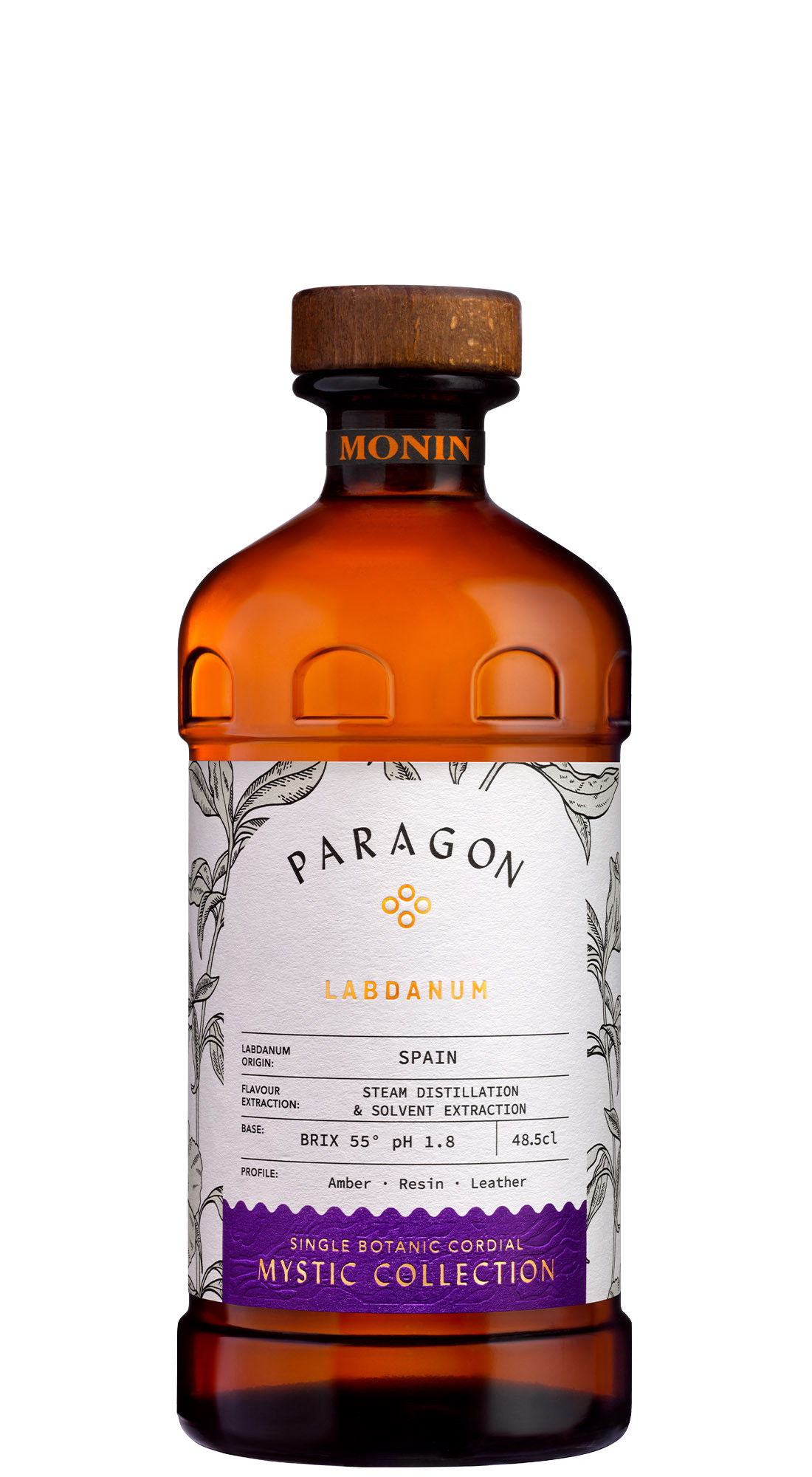
Monin Paragon Labdanum
Monin
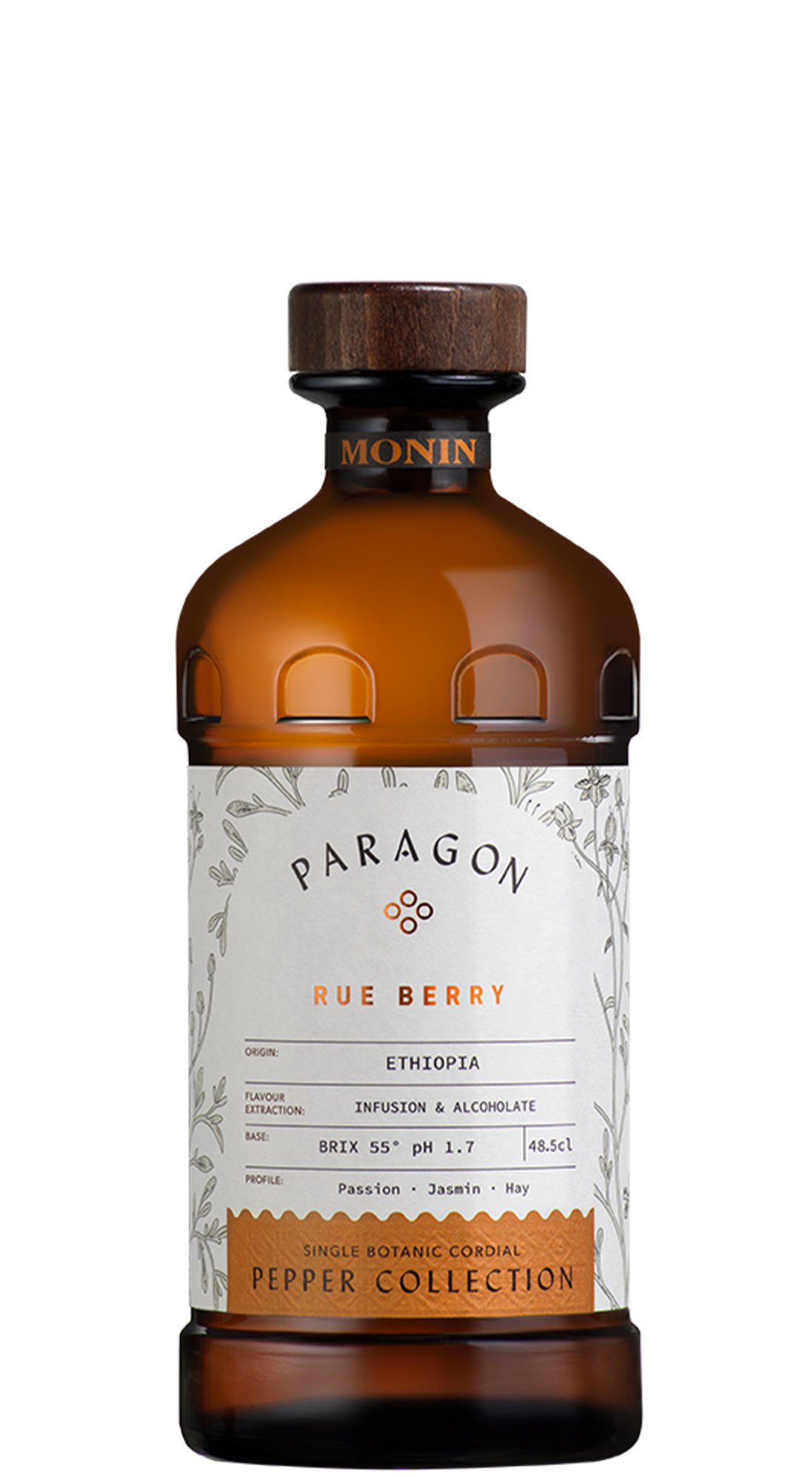
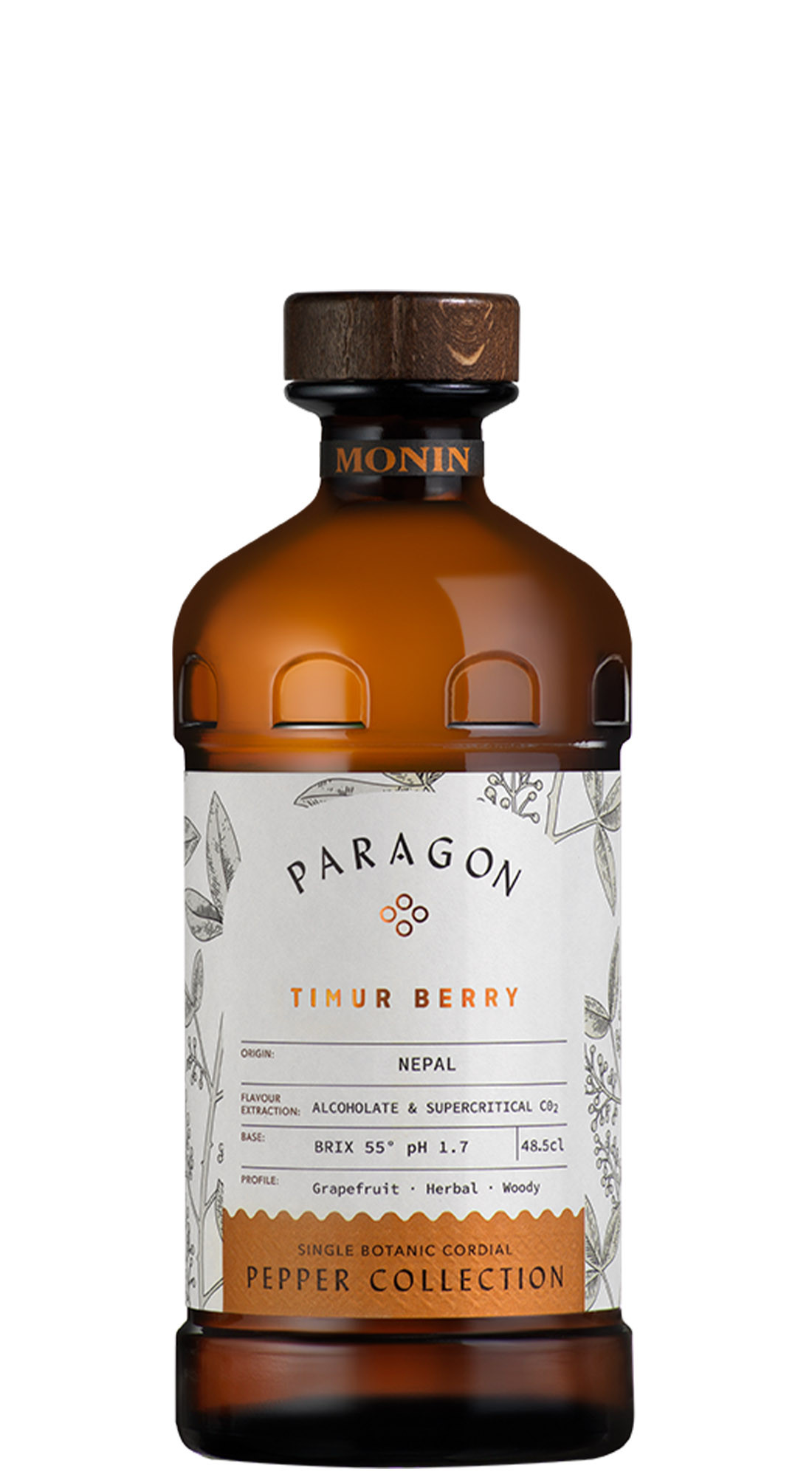
Monin Paragon Rue Berry
Monin
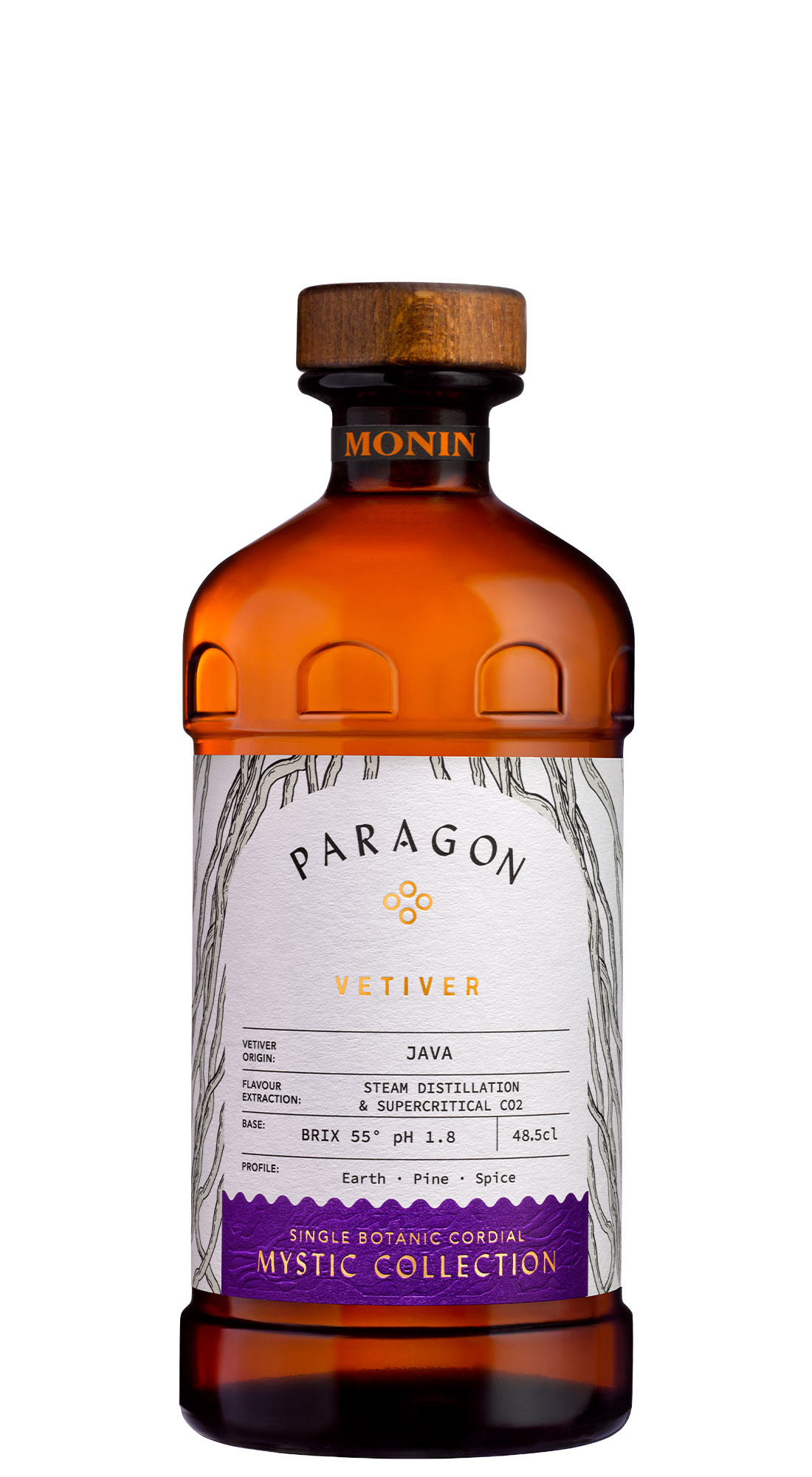
Monin Paragon Vetiver
Monin