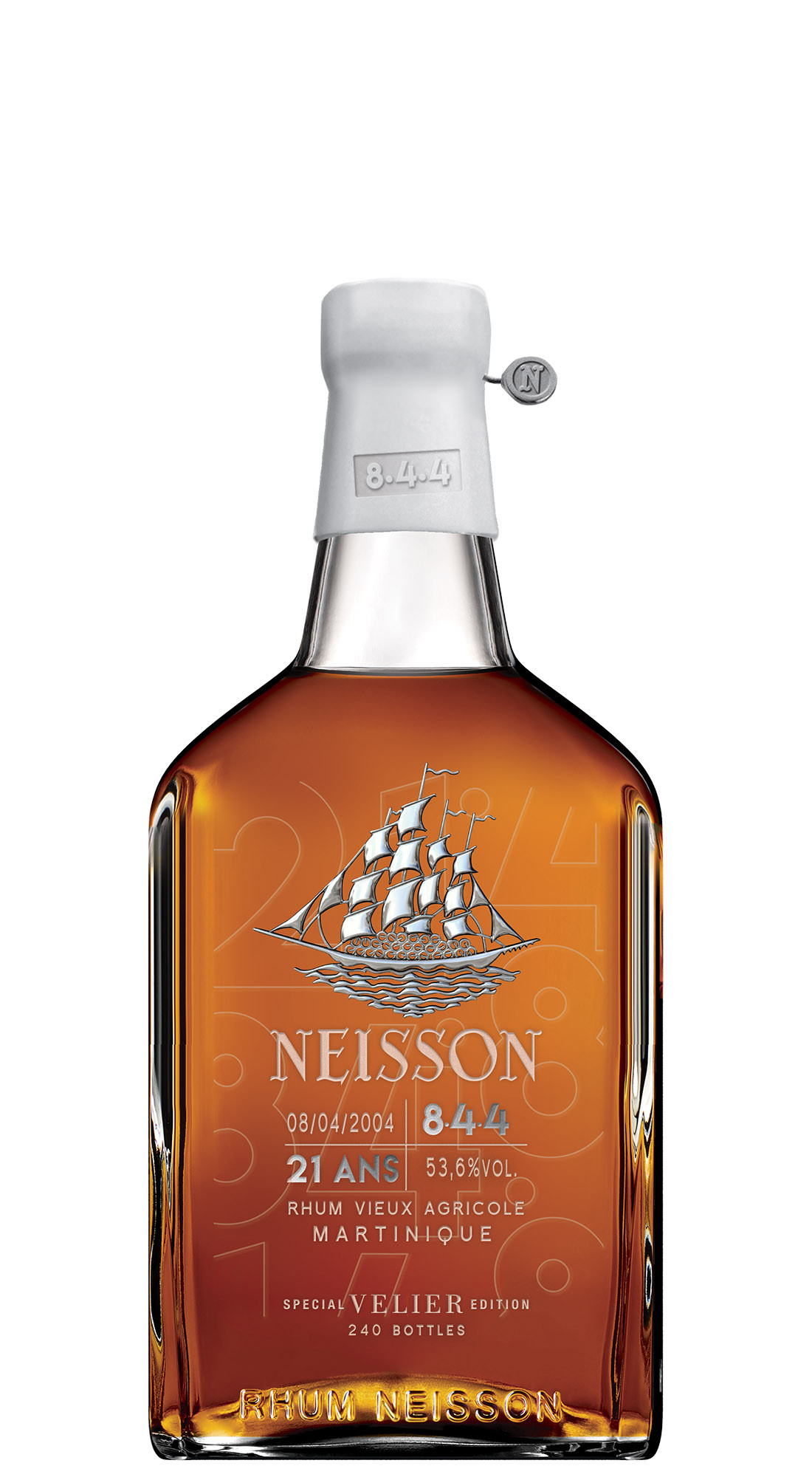




Neisson 21 Years Old AOC Martinique: tropical aging taken to the next level

From 2004 to 2025, twenty-one years spent entirely at Le Carbet: one of the longest maturations ever bottled by the Neisson distillery, and a rare example of rhum agricole pushed to the limits of tropical aging.
There are Vieux rums, and there are rums that tell the story of time. Neisson Vieux AOC 21 Ans belongs to the latter category.
In the world of Martinique agricultural rum, the category ‘vieux’ refers not only to the years spent in the barrel, but more precisely to the ability of a distillate obtained from pure cane juice to retain its identity and vegetal freshness during a long maturation in a tropical climate.
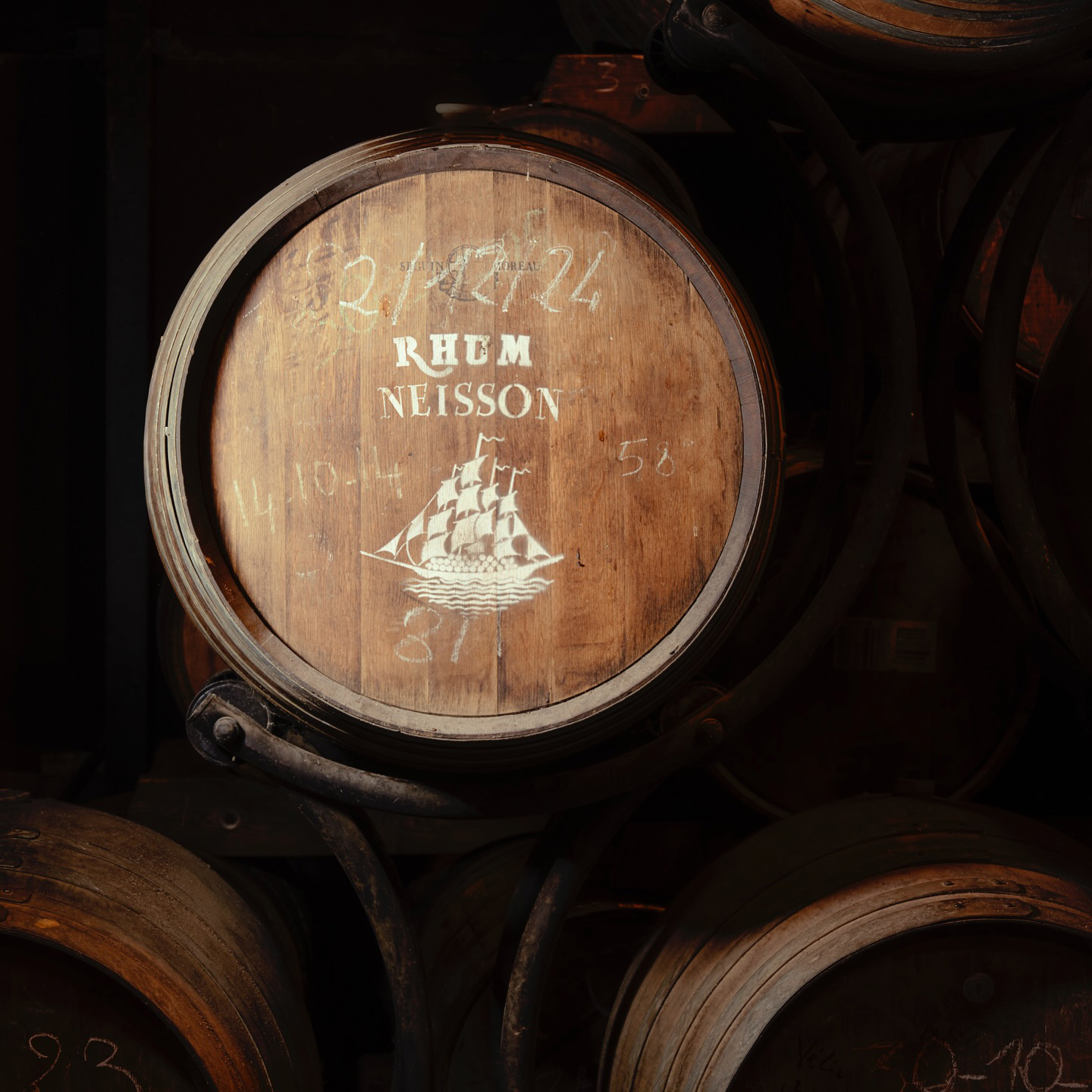
This rum comes from an ex-bourbon barrel filled on April 8, 2004, and left to mature in the cellars of the Le Carbet distillery in Martinique for over two decades.
On April 16, 2025, the barrel was emptied: just 170 liters at 53.6% ABV were obtained from a single cask.
On April 30, 2025, the rum was approved by the AOC Martinique tasting committee. This is a fundamental certification because it guarantees not only the geographical origin but also compliance with the traditional production methods of rhum agricole.
Only 240 bottles of this release are available for Velier.

Neisson and the raw materials
Founded in 1932, Neisson is one of the very few agricultural rum distilleries in Martinique that directly controls its raw materials. The distillery works exclusively with fresh sugarcane juice (vesou) grown on its own land.
Immediate processing after cutting is essential: cane juice is a living material, subject to oxidation and microbial contamination. Fermentation, which can last up to about 96 hours, is relatively long for this category and contributes to the formation of an aromatic base particularly rich in esters.
The resulting distillate therefore already has a strong identity at birth: herbaceous, salty, and fruity notes that provide the structure necessary to support extreme maturation without losing definition.

Neisson and the raw materials
The central element of this release is its entirely tropical maturation.
Twenty-one years in the Caribbean means high temperatures and high humidity, which accelerate the exchange between wood and distillate, causing significant evaporation. The so-called part des anges drastically reduces the volume of the barrel, but at the same time concentrates the aromas, structure, and fatty components of the distillate. In the case of this barrel, the quantity remaining after more than two decades was less than a third of the original content.
Approval by the AOC Martinique panel certifies not only the geographical origin, but also compliance with the organoleptic parameters typical of rhum agricole: a significant step, especially for such prolonged aging, where the main risk is the dominance of wood.
the role of the barrel
The barrel used is an ex-bourbon barrel, a traditional type for agricultural rum. American oak adds vanilla and toasted notes, but over time its main function becomes another, namely, to regulate slow oxidation.
Over a period of 21 years, the wood no longer acts solely as an aromatic source, but as an active membrane that allows the distillate to evolve progressively. The aim is not to increase the oak's footprint, but to transform the original profile of the sugar cane into a deeper register, while keeping its origin recognizable.
The sensory profile
The nose reveals toasted aromas, candied citrus fruits, spices, and cocoa, reflecting the long oxidation process. On the palate, notes of ripe fruit, cocoa, vanilla, and pepper blend together without the wood overpowering the distilled component. The finish is long, spicy, and persistent, with citrus notes and an elegant texture.
The most significant characteristic of this rum is its balance: despite its 21 years of age, the distillate retains a taste tension reminiscent of rhum agricole.

a limit maturation
In Martinique, such long aging periods are rare. Due to its vegetal nature and lower oil content compared to molasses rums, rhum agricole tends to be more sensitive to the effects of wood and oxygen. Aging for over twenty years while maintaining the distillate's recognizable characteristics is therefore a feat of technical mastery rather than commercial success.
This bottling demonstrates how controlled raw materials, appropriate fermentation, and a carefully designed distillate can withstand extreme aging without losing their identity.
The 240 bottles produced are not only a limited release, but also the liquid documentation of a complete cycle: from the harvesting of the cane in 2004 to the emptying of the barrel in 2025. A time span that coincides almost with a generation, making this Neisson one of the most mature tropical rhum agricoles ever officially presented.