


Tatanka, art rhymes with freedom
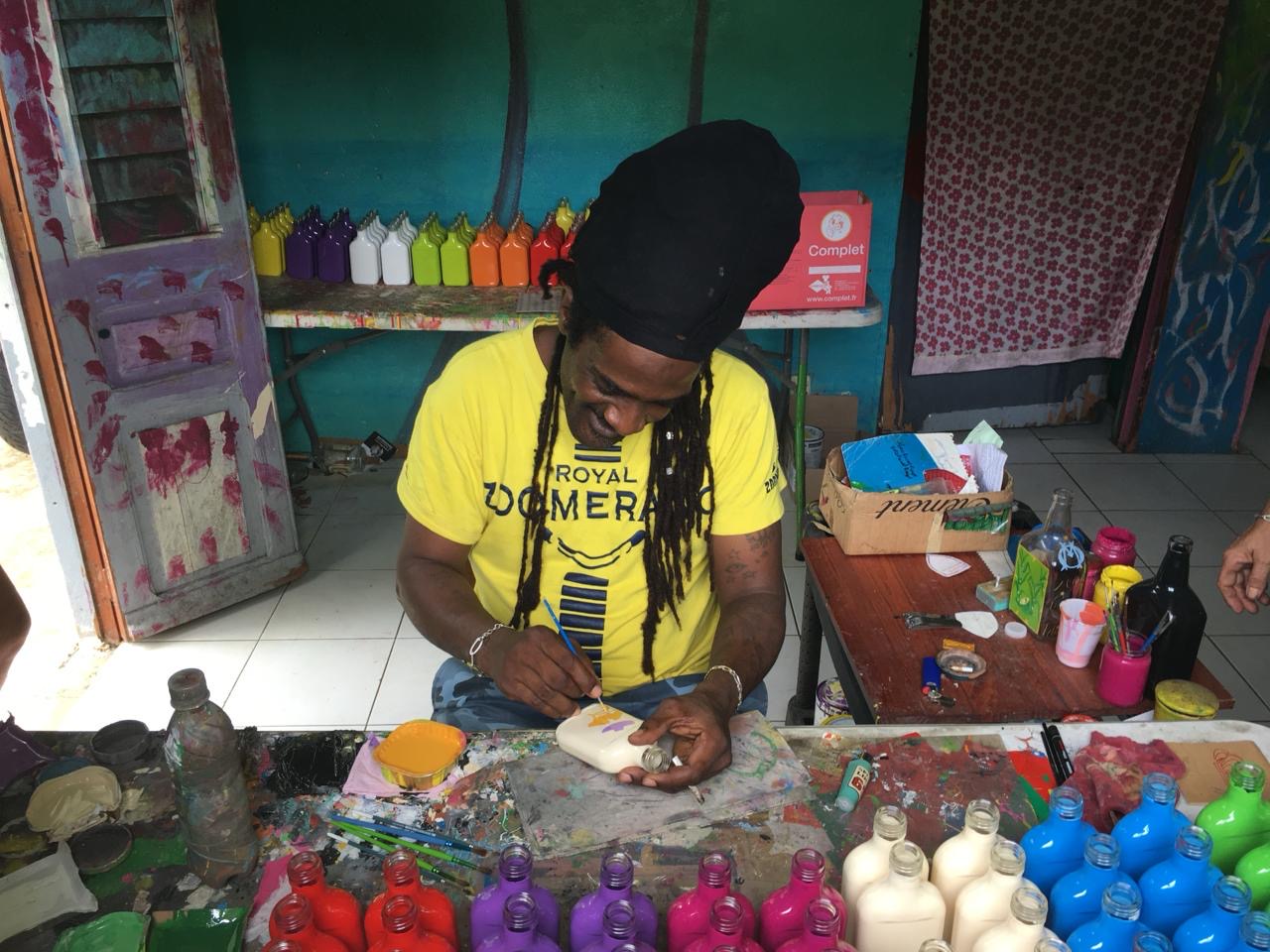
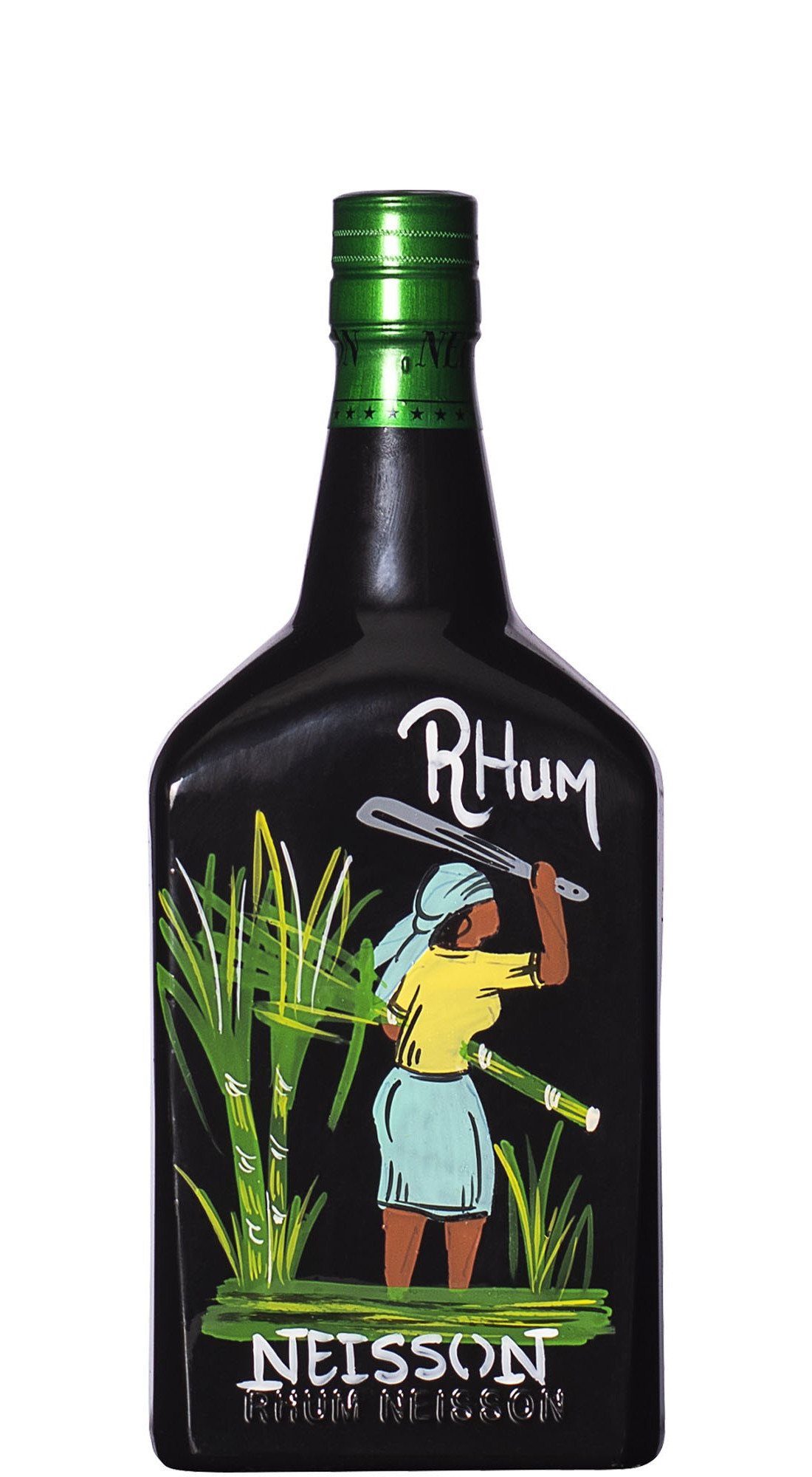
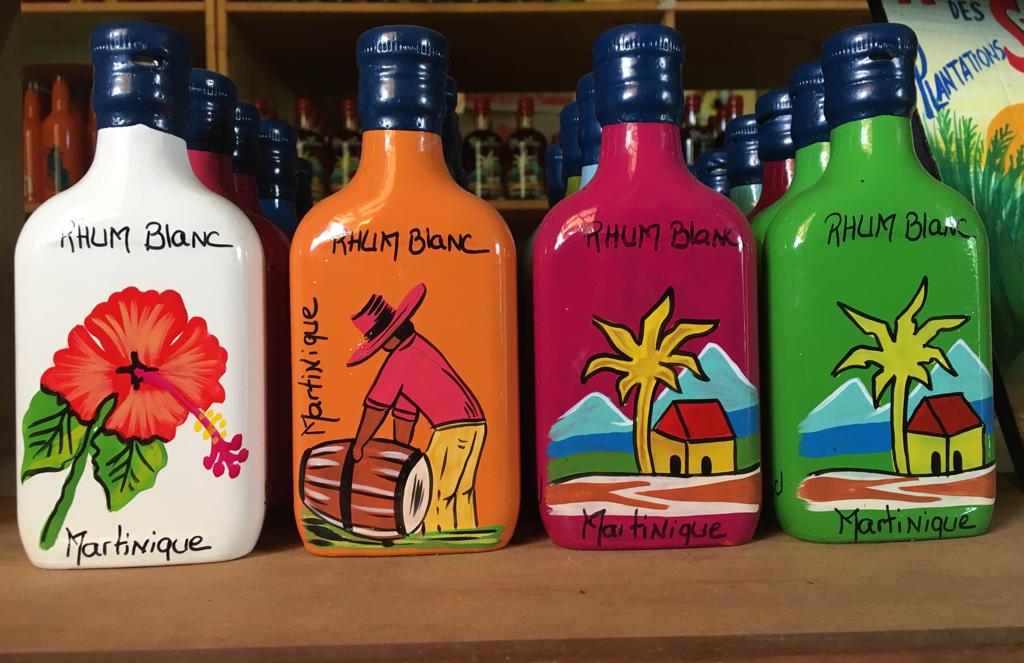
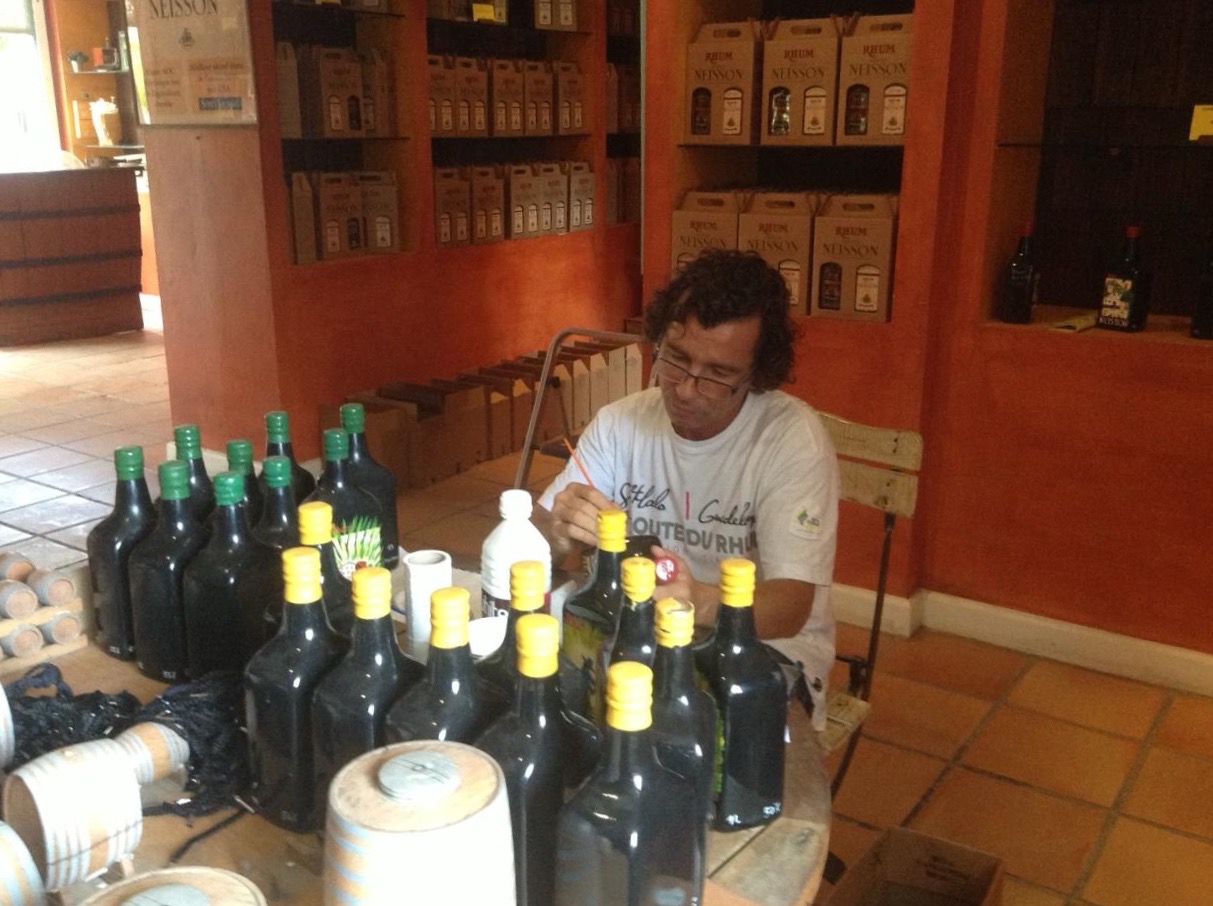
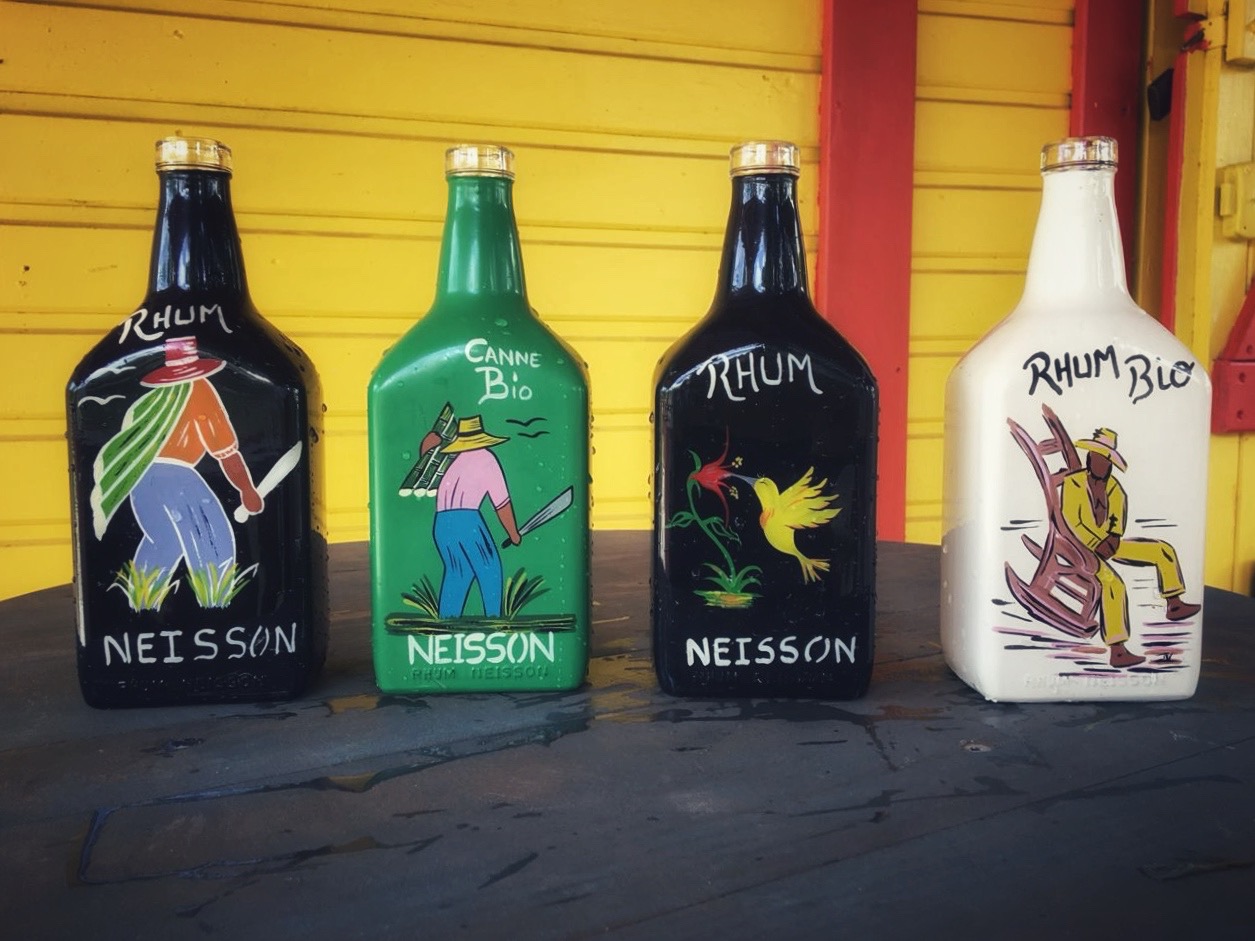
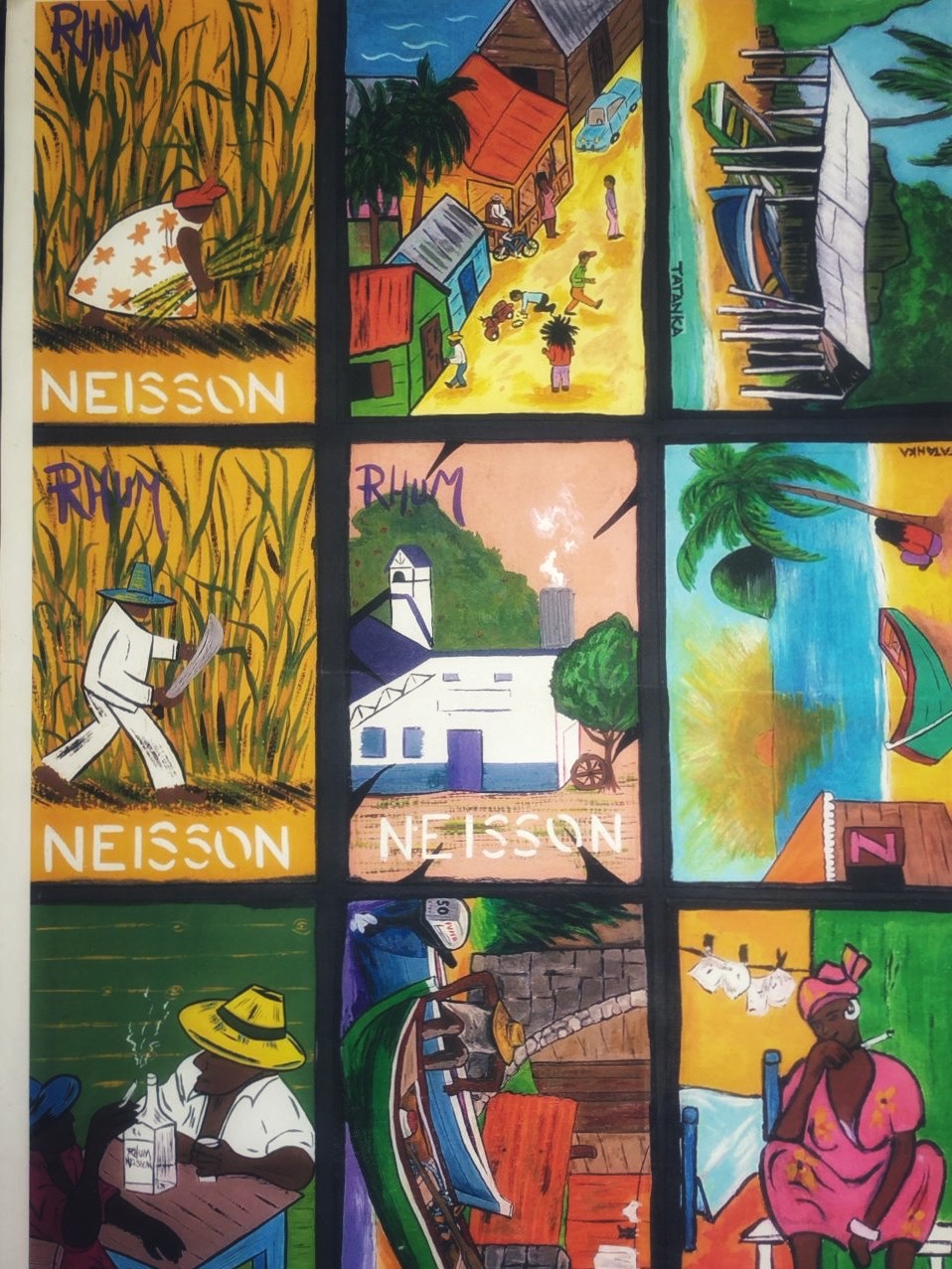
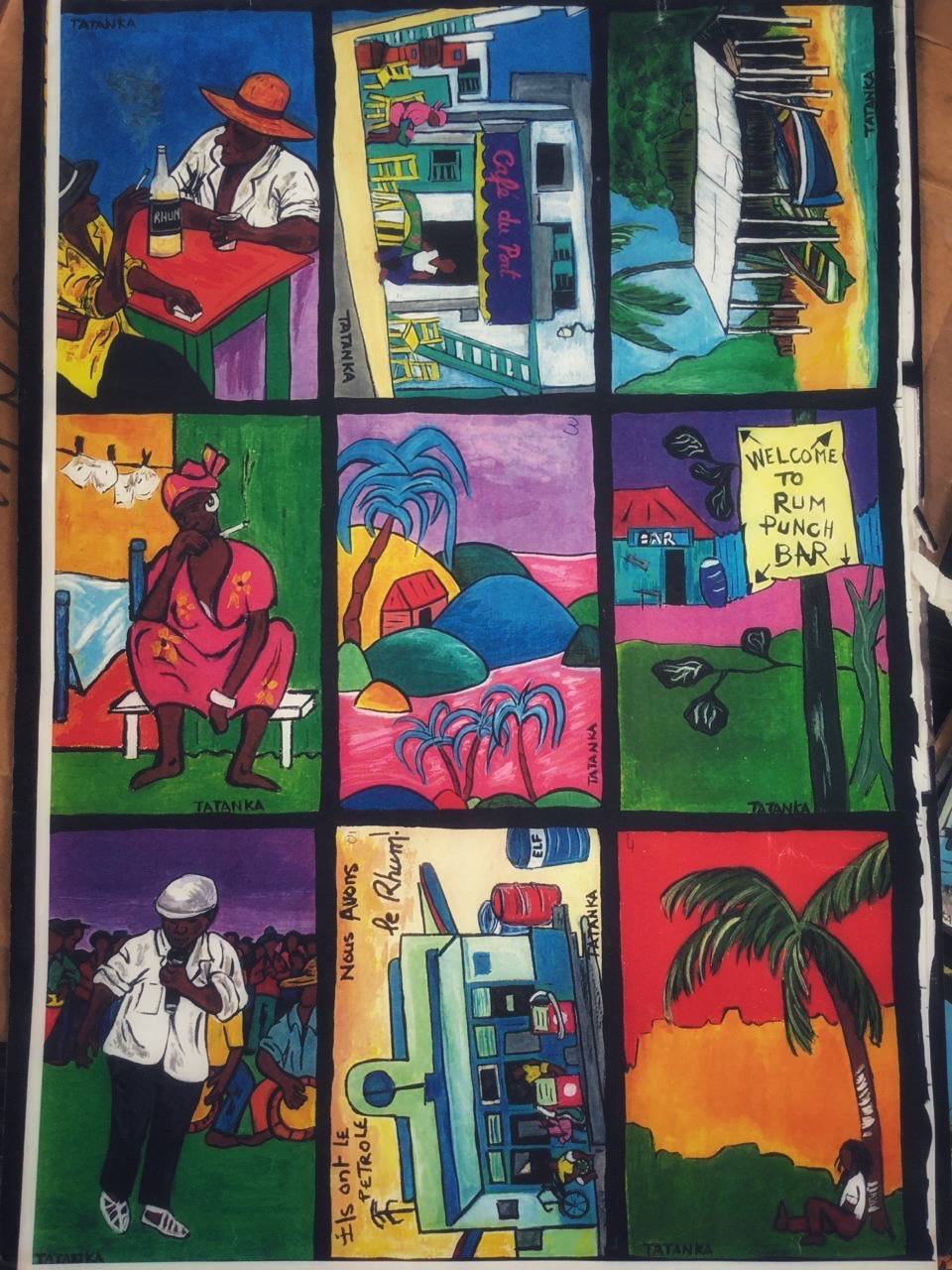
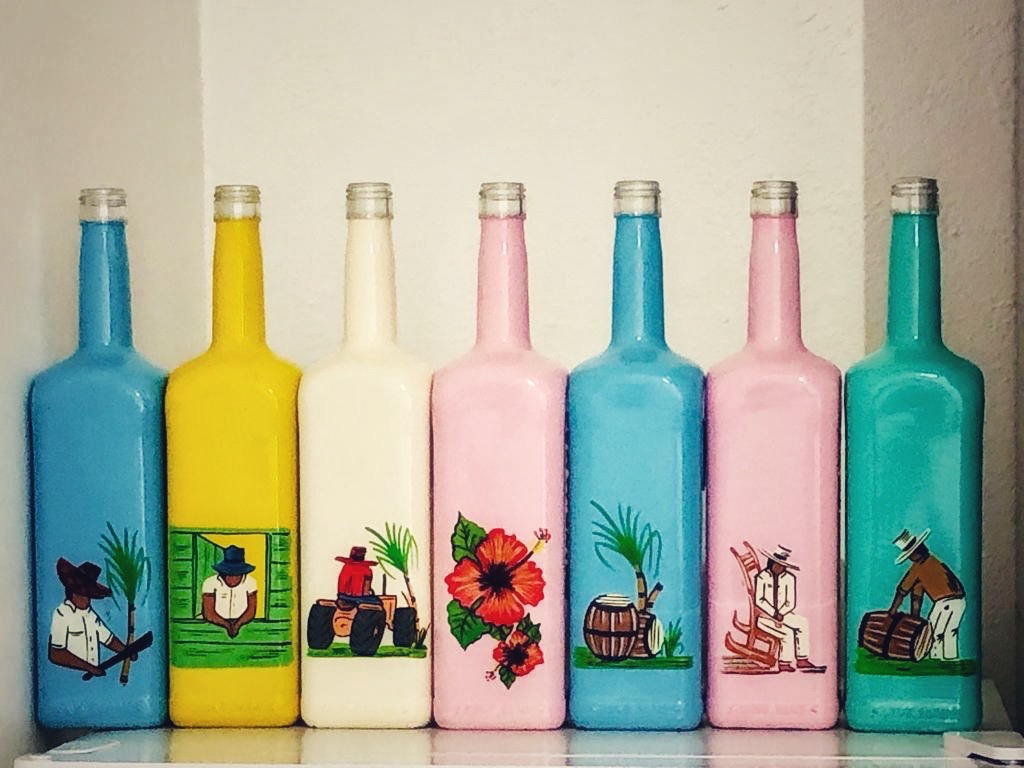
If you are a lover of spirits and more particularly rum, you have inevitably already come across painted bottles bearing the capital letters TATANKA.
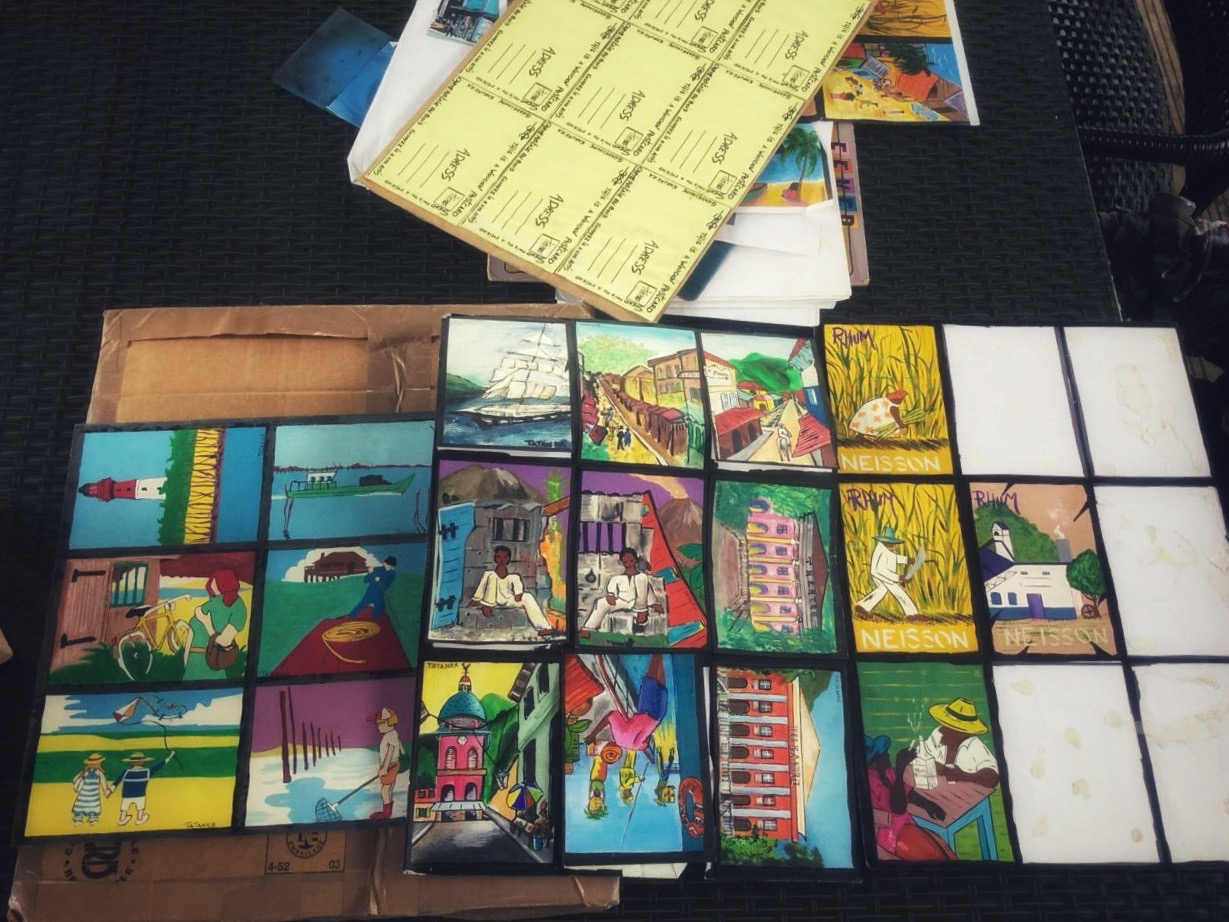
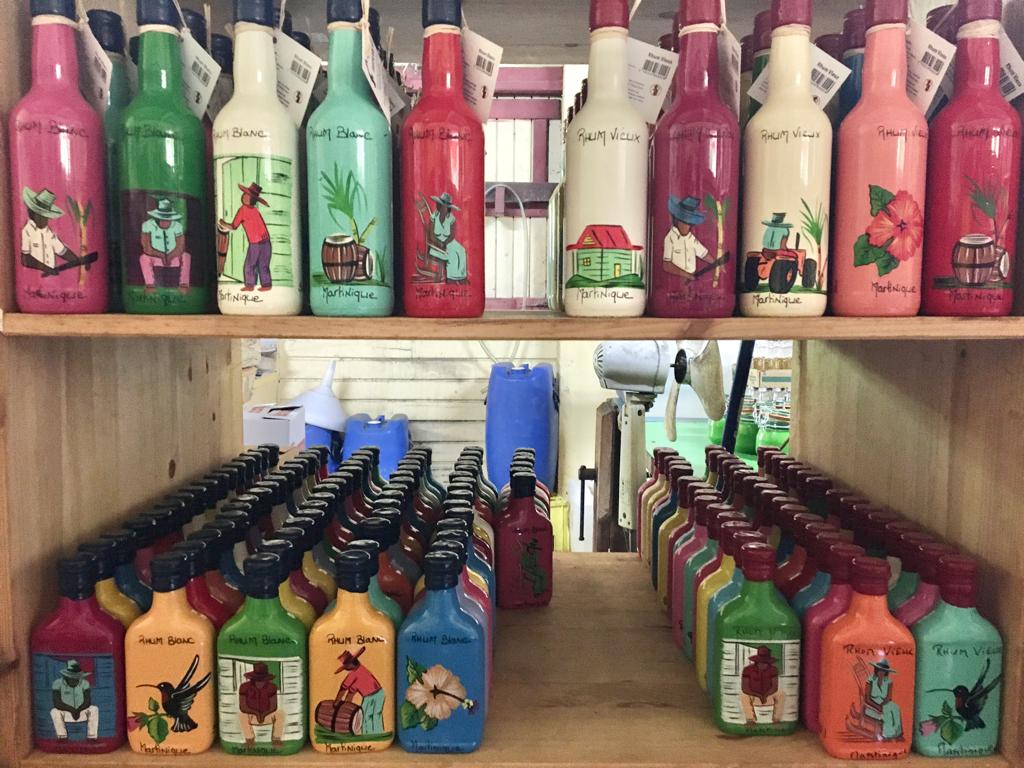
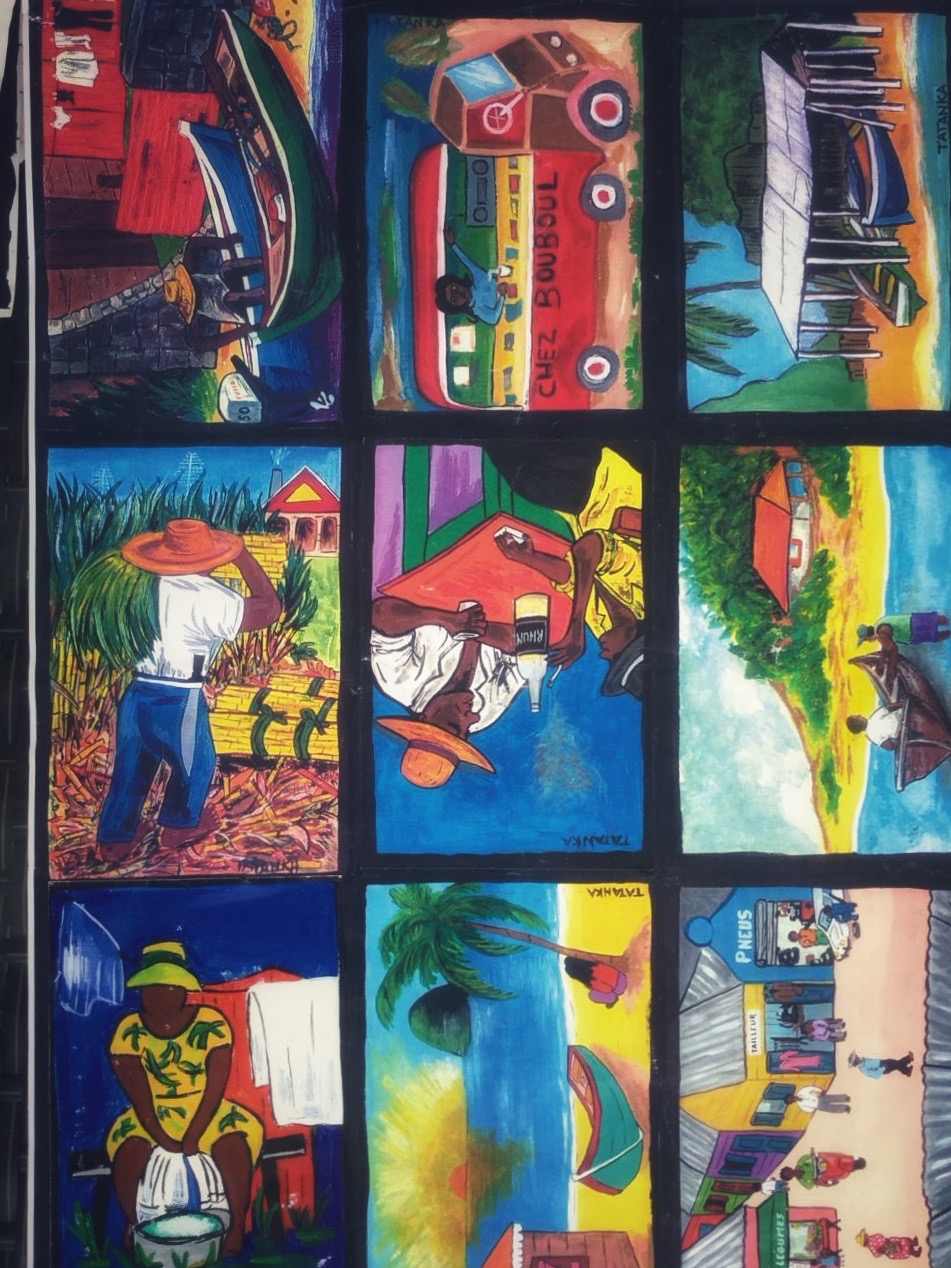
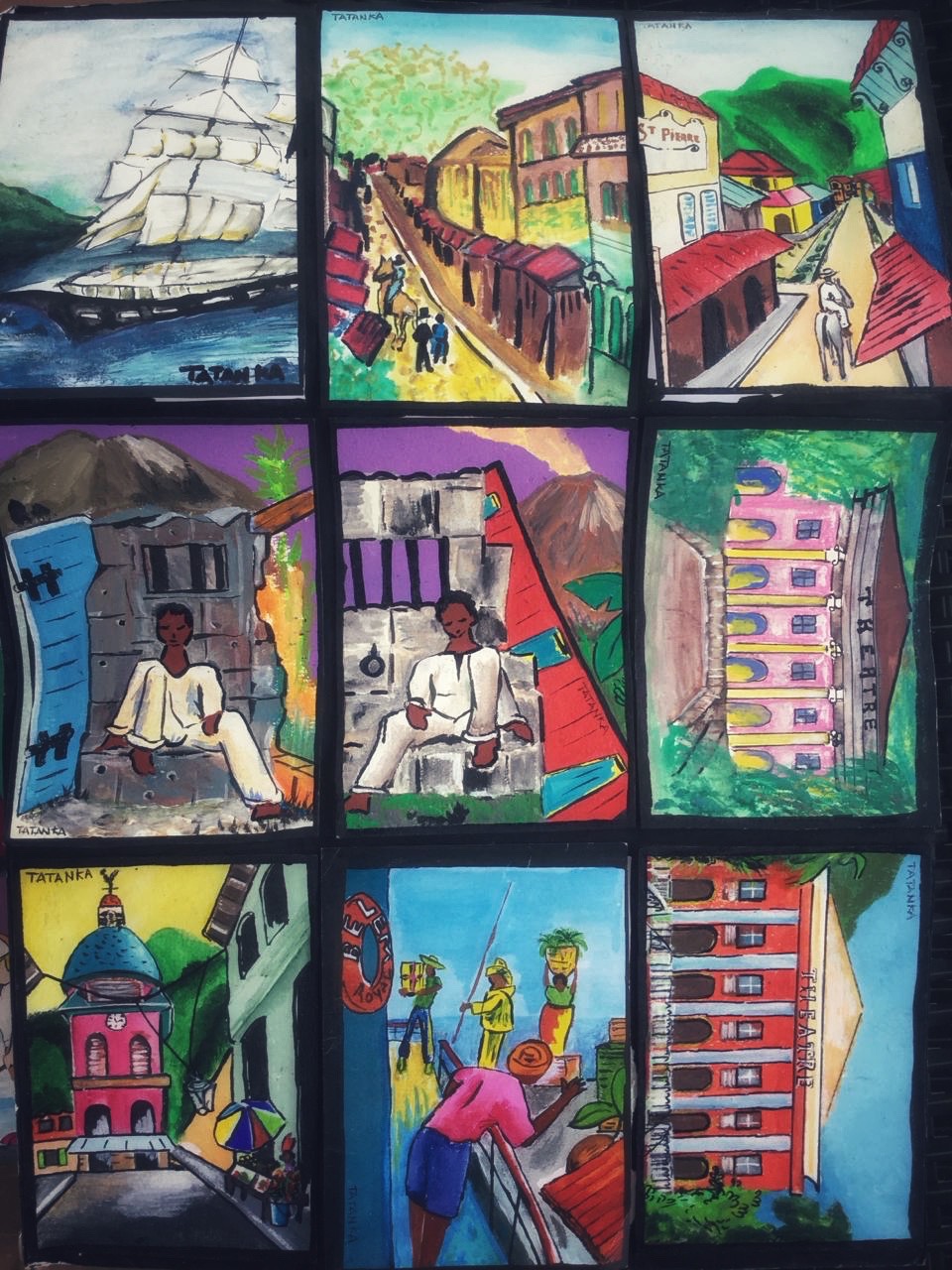
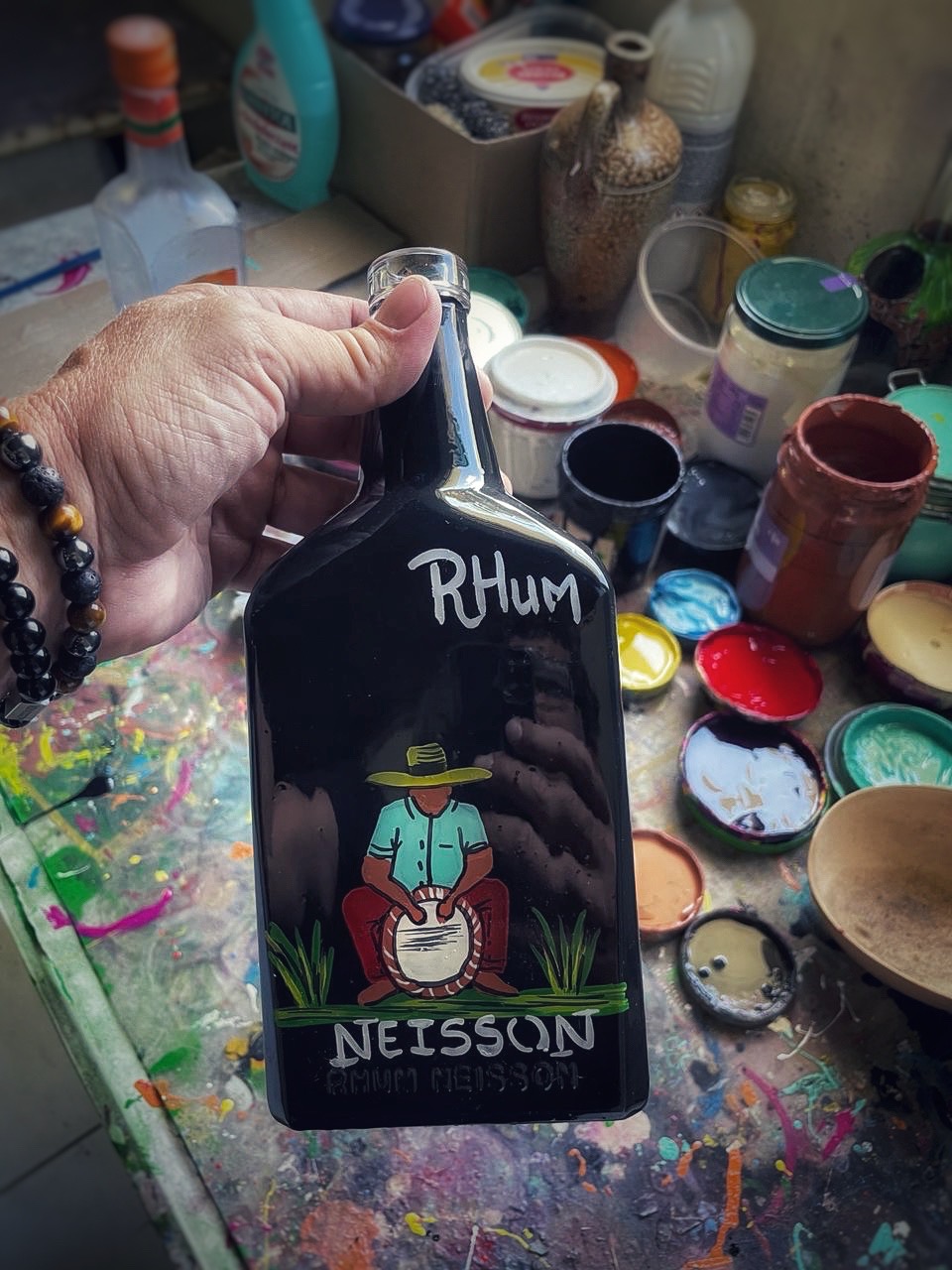
Representing scenes of Creole life in a Naive Art style, they are (all) the work of Martinican artists who have been drawing them for over thirty years... It was time to lift the veil on the origin of Tatanka and on its influence which, as we will see, goes well beyond rum by reconciling commitment and craftsmanship.
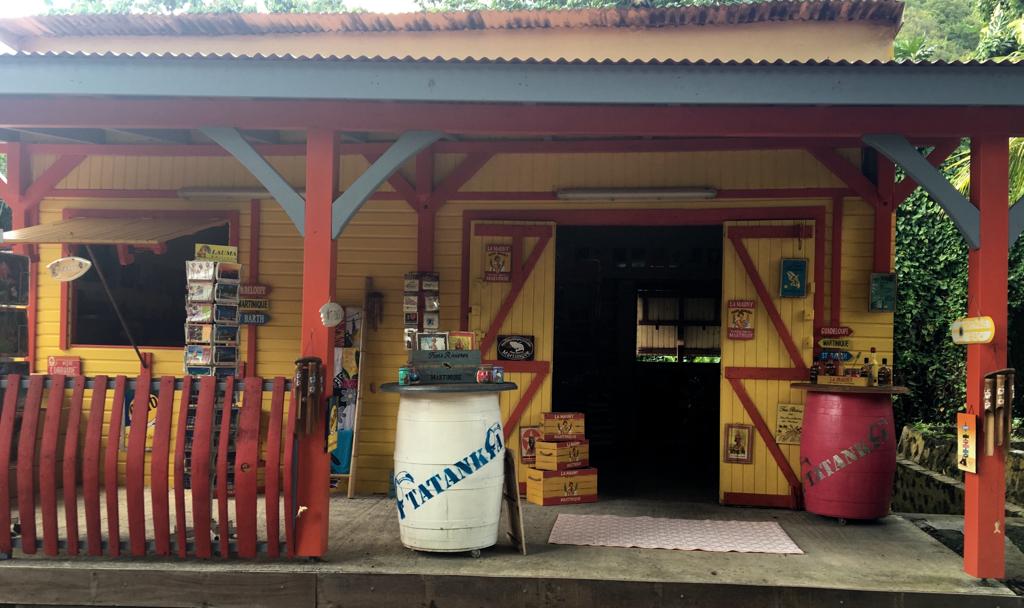
Today shared between Sainte-Luce and the site of the La Mauny distillery where its workshops have been open for more than twenty years, the Tatanka company is the fruit of a primarily family history which dates back to the early 1990s: Pierre Gué, accompanied by his mother Anne-Marie, his father-in-law Olivier and his brother Alexis then created the micro-enterprise Rhum & O. Anne-Marie, who has a professional background linked to advertising creation, will create the product while Olivier, graduated from the Bordeaux School of Fine Arts, draws the first models which will soon adorn the distillery's rum bottles. Damoiseau, their first (and then only) client. The adventure, which was initially just a hobby, would last four years.
Success came quickly and soon imposed a more substantial organization on the family of Bordeaux origin: in 1994, Rhum & O officially became (Les Ateliers) Tatanka, and opened a workshop in Dominica. Installed near the capital Roseau, around ten painters reproduce the works now made (and designed) by the artist Richard Point. The latter will allow Tatanka to take a step forward at the artistic level and will contribute a lot to the evolution of the designs, in addition to new partnerships with other distilleries which we will talk about later.
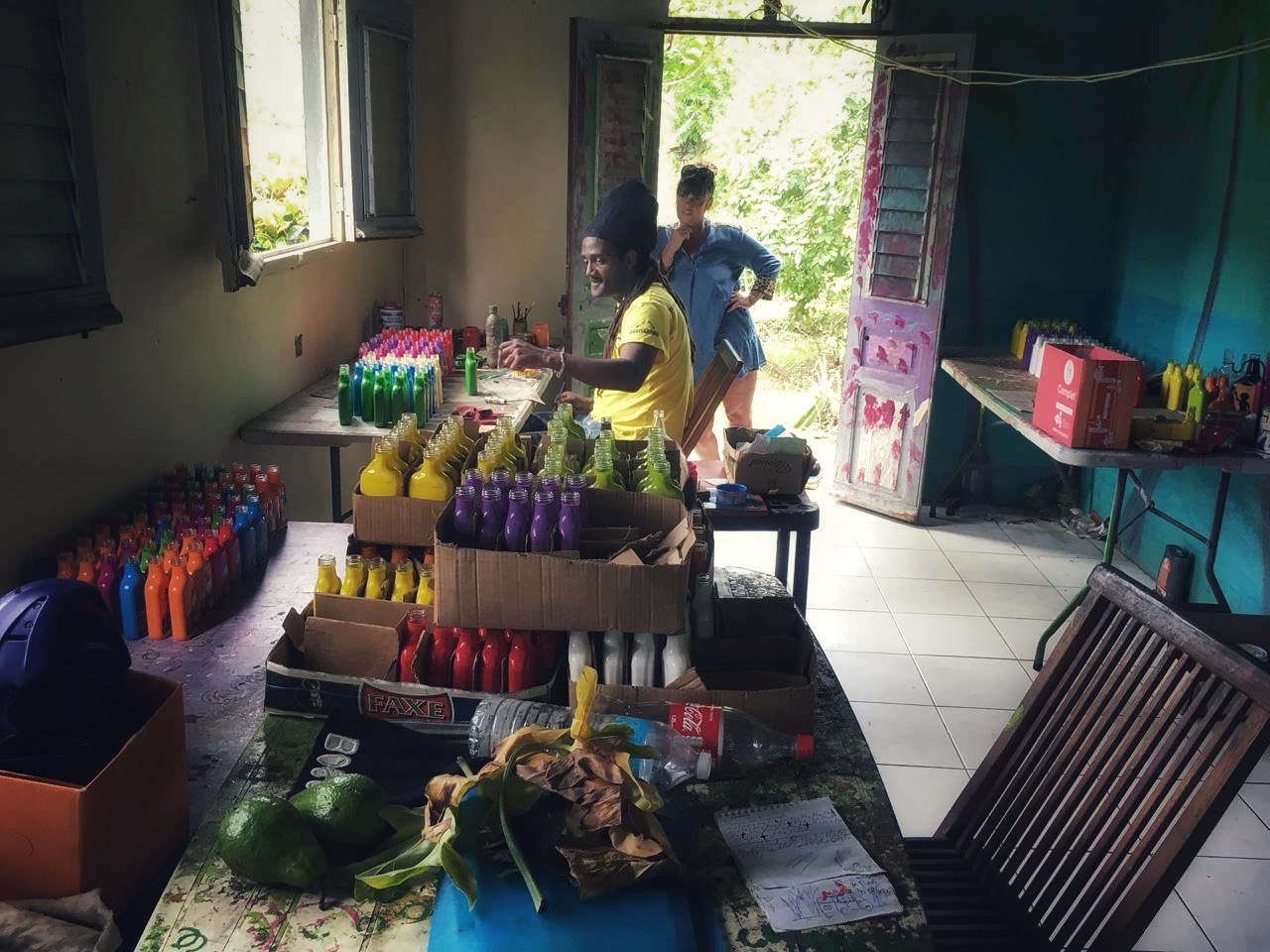
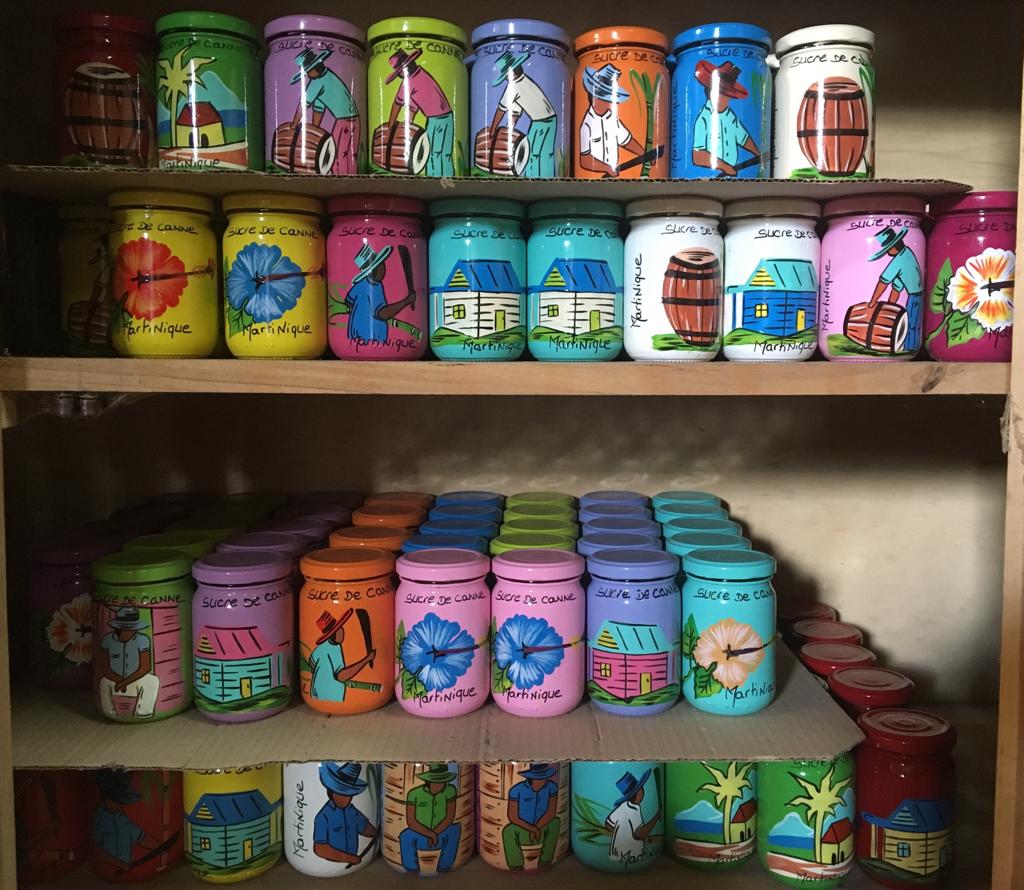
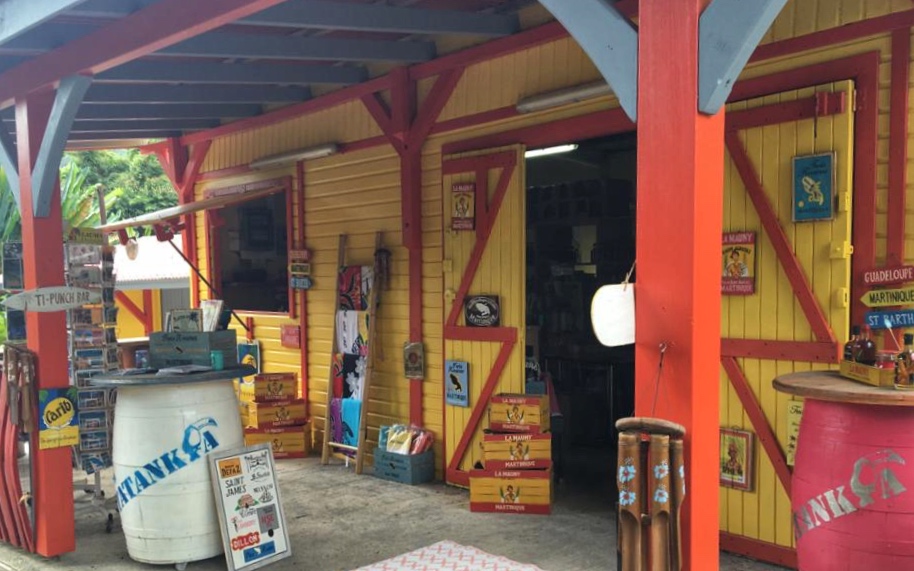
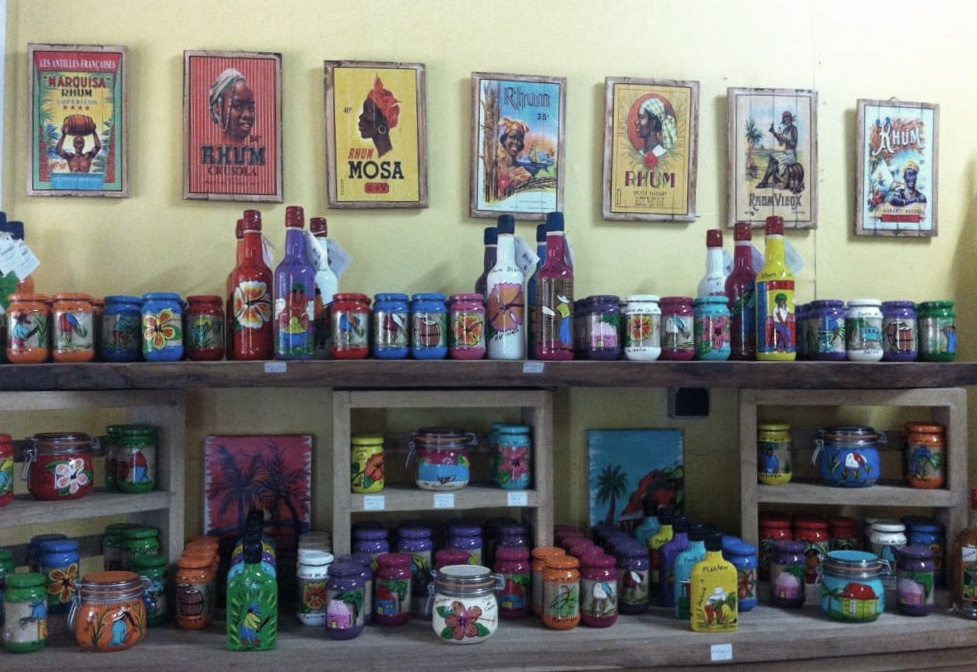
Beyond painting on bottles, Les Ateliers Tatanka reproduce scenes of Creole life on other media (pot of honey, jam, ...) which are sold in shops in Guadeloupe and Martinique.
But in 1996, everything changed and Tatanka was dispossessed of his workshop in Dominica. Disappointed, Pierre's entire family is on the verge of asphyxiation and their shared adventure is about to end. But one meeting will change everything...
Tatanka, the human & humanist adventure
Back in Martinique, Pierre Gué meets Marc Salerneau by chance. The first is about to close down, while the second is preparing to take charge of a penitentiary center still under construction. And while nothing predestined the two men to one day work together, Marc suggested that Pierre come and run a painting workshop to keep the prison population busy. A boon for Tatanka who will then reinvent itself.
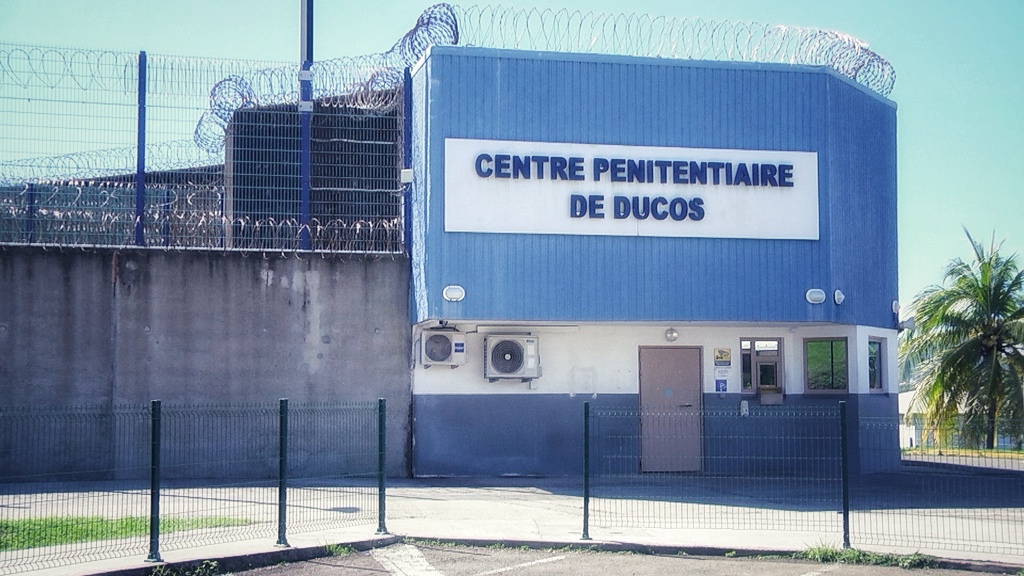
Pierre thus begins to forge special links with incarcerated people and relocates part of his production to the Ducos penitentiary center. Helped by a concession contract - and without any state aid - he benefits from a dedicated space where he trains workers in learning local crafts (painting on glass, but also on wood). There, dozens of inmates escape for a moment, finding escape in painting, in addition to a beneficial income.
Tantanka's activity, which until then had been seasonal, intensified and new partnerships began with Martinican distilleries: Tatanka began painting special bottles for Dillon & Depaz, then very quickly for Neisson which brought it international notoriety. Then will come Trois Rivières and La Mauny, Clément and Saint-James. The Saint-James distillery, which starts through its director Jean-Claude Benoit and Marc Sassier, will help Tatanka a lot, to the point of becoming their exclusive supplier of rum for all the bottles distributed in supermarkets and in souvenir shops.

Building on this new experience which is going very well at Ducos prison, Les Ateliers Tatanka will even open new workshops in other penitentiary centers from 1997: Anne-Marie Gué will run the one at Baie-Mahault prison in Guadeloupe and, a few years later (from 2000 to 2004), Alexis and Pierre will take care of a new workshop at the Le Port detention center in Reunion. On site, Tatanka relies on the Mascarin company which orders tailor-made jars to market its sugar.
Tatanka's commercial activity was booming until 2011, when health problems took Richard Point and Anne-Marie away. Alone in the boat, Pierre then decides to work harder by creating the company Tam Tam Production, which will take care of the exclusive distribution of all Tatanka-branded products.
It will also be an opportunity for him to diversify the brand's artistic activity, and to work (on) new media: paintings on wood, but also on very small containers (20cl flask in particular). Pierre does not count his time and is now focusing exclusively on Martinique, with the firm intention of giving a second wind to Tatanka, helped by his wife Céline Rivera (manager of the Workshops on the La Mauny distillery site).
In total, Pierre and Tatanka will have spent more than twenty years in the prison environment before being stopped dead by COVID. More than two decades during which they will have trained several hundred painters and offered as many moments of evasions to their audience. Deprived of entering his workshops for two years out of respect for barrier gestures, Pierre, at 52, is at a turning point in his life.
The second renaissance of Tatanka: Liberation through Art
Despite the vagaries of life and moments of doubt, a big turning point takes place for Tatanka and a whole new form of production, unique in more than one respect, is offered to Pierre: although he has never received no government aid and his society is most fragile, he begins to imagine releasing inmates from prison... And he succeeds.
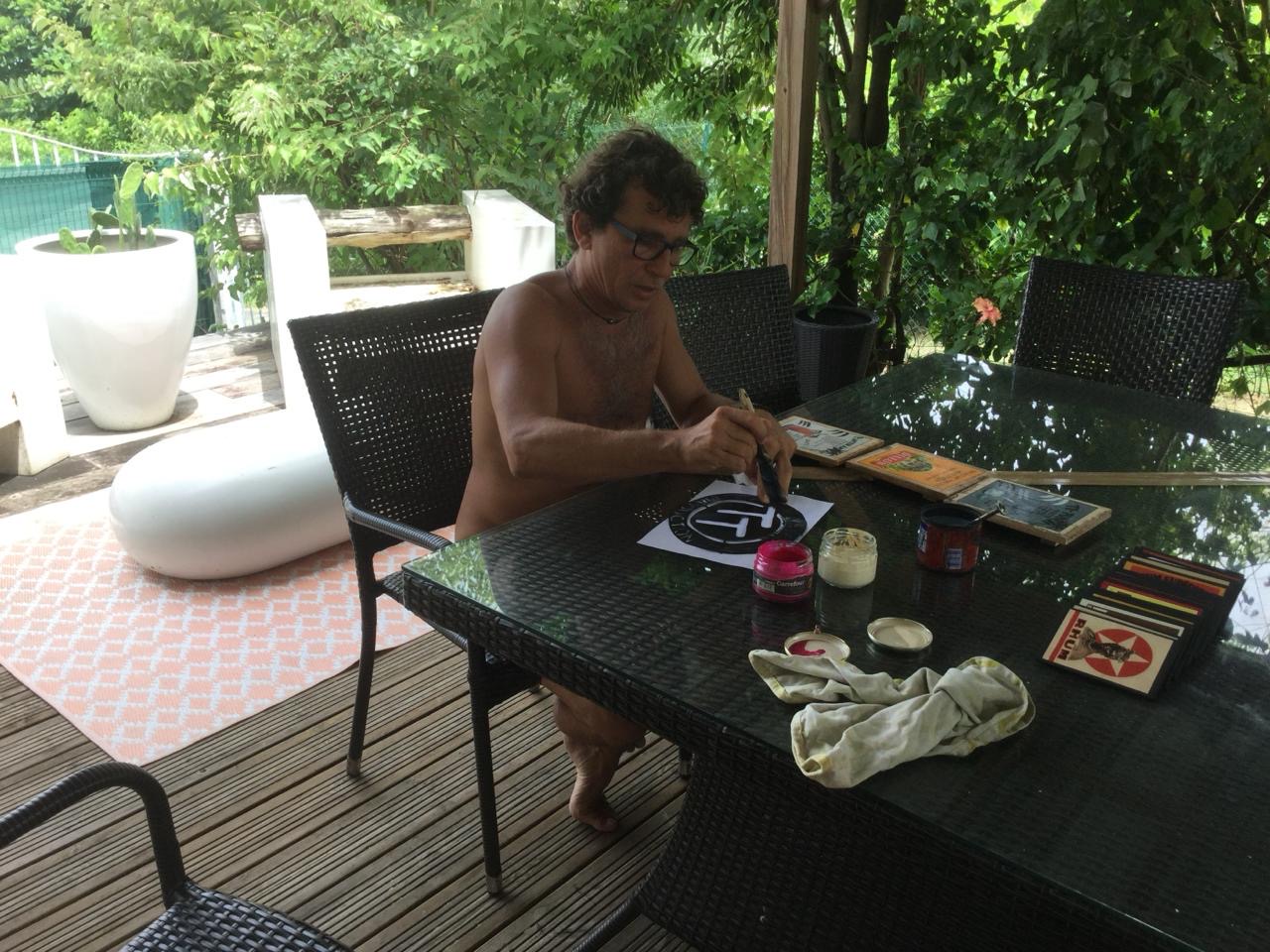
He first begins to bring out his two best painters by offering them work contracts, then a series of requests. Since 2019, it has allowed around ten people to be released on parole, among whom we can cite the painters Philippe Pivert (below in photo), Tony Lanoix, Yves Cita and even Jean Baptiste.
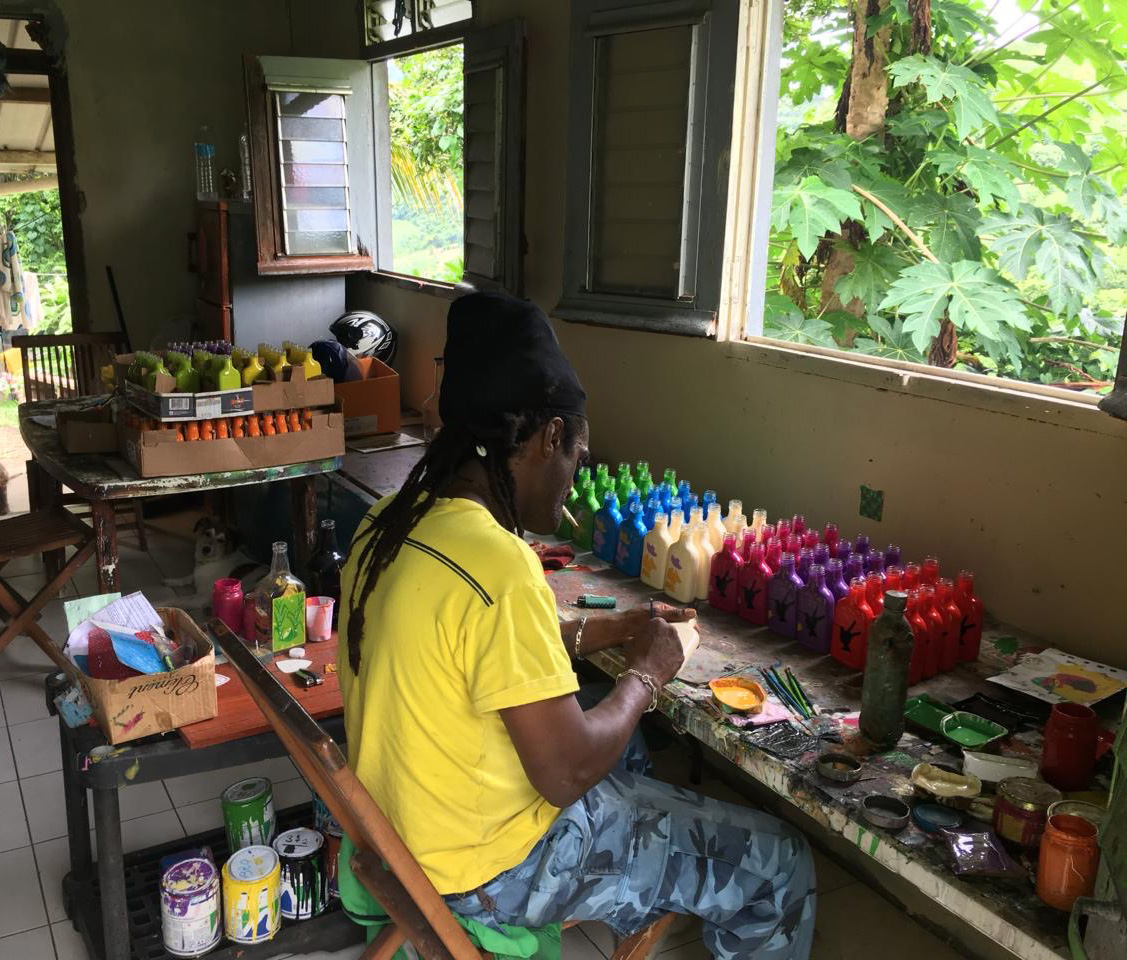
Not forgetting his role as trainer, which he intends to resume as quickly as possible, Pierre takes his painters out of prison to integrate them into his company, supporting them in their reintegration. A formula that he never considered even for a single second but which ultimately turns out to be a logical continuation of his commitment.
The Tatanka Workshops thus continue their adventures by finding a way to reinvent themselves, to continue the path already traced. New distilleries now trust Tatanka: in addition to Damoiseau, a historic and still present partner, for Guadeloupe we can cite the Bologne, Karukera and Montebello distilleries. As well as a more recent partnership with Père Labat de Marie-Galante.
In the near future, a new series born from the collaboration between Tatanka and Velier will also be released, about which we will speak in greater detail soon.
During these three decades of good and loyal service, Pierre did much more than keep a family business afloat, he knew how to give Tatanka an unprecedented social and committed boost. What was at the beginning a simple hobby has become a human adventure that has managed to break free from the family circle to open up to others and take on new meaning.
And if his small business advances year after year and wipes away the plasters of modern times, let us wish him to continue his adventure for a long time, so that in our turn, we can also experience it through the thousand and one colors of Tatanka.
Courtesy by Row Spirits