






A liquid library
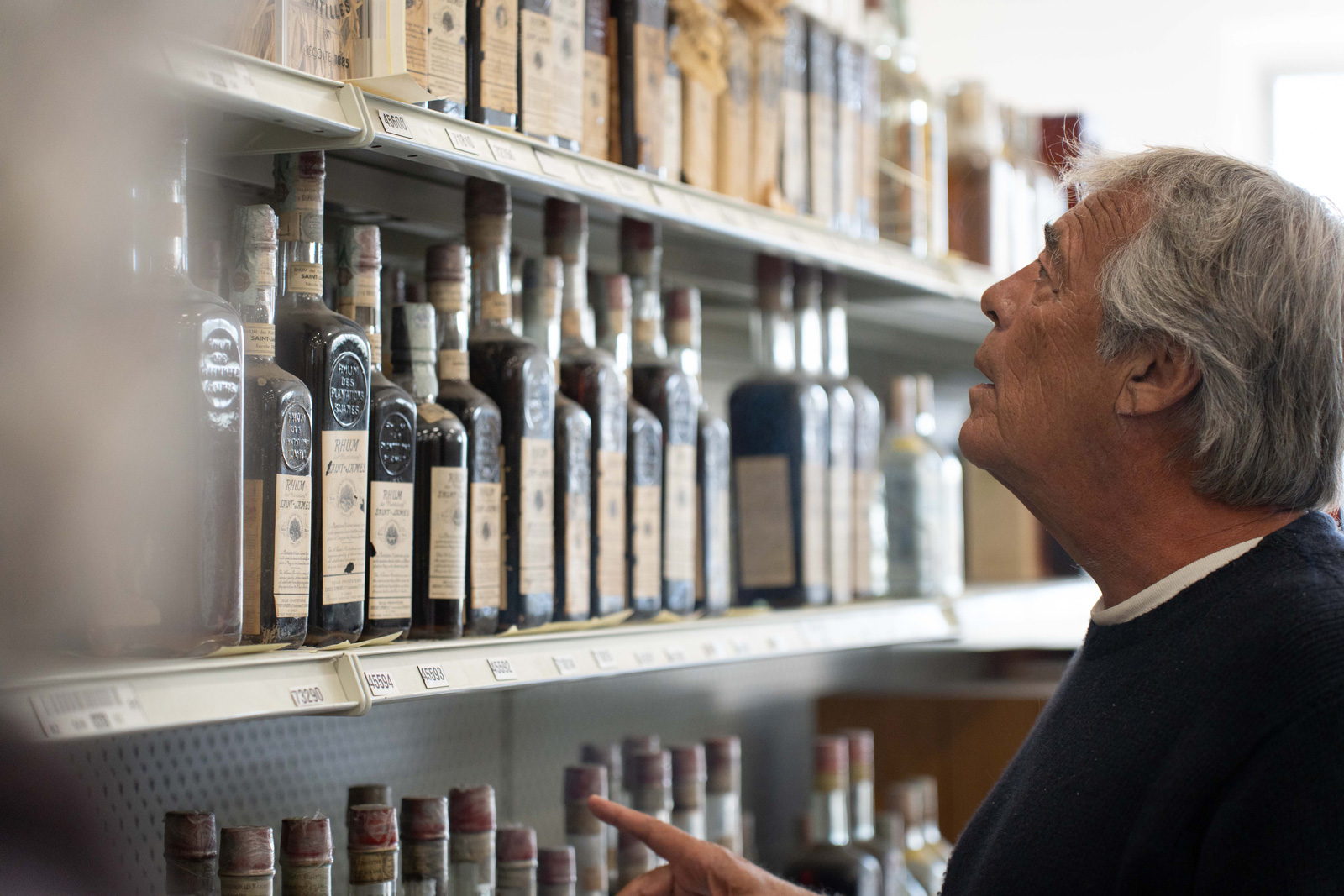
A journey into the world's largest rum collection - how Luca Gargano's rum library started, what it represents and what it aspires to.
If asked directly, Luca Gargano will reply equally frankly: "Is it true that your collection is the largest in the world?" "It is."
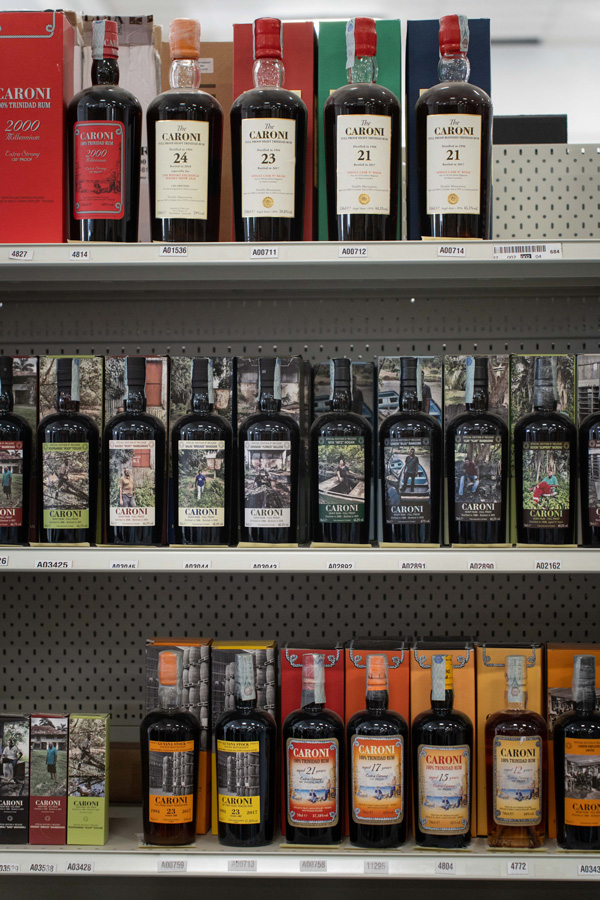
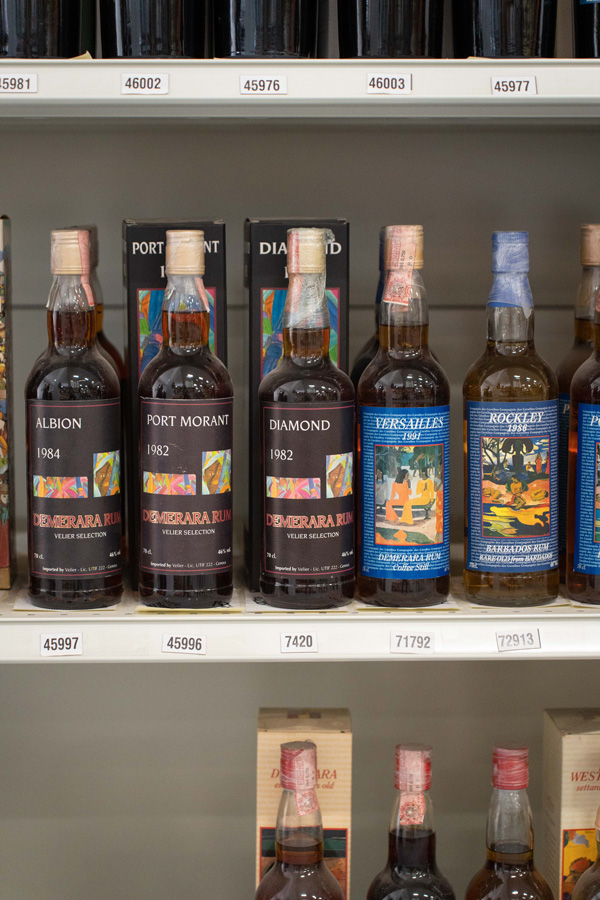
4357 products for a total of over 30,000 bottles. It's a real treasure trove telling the story of a spirit that - not considering bottlings for blending – has been completely neglected in favor of Single Malt Whiskies until about twenty years ago. The current revival of rum is the first element to consider as it goes beyond brands and trends dictated by large groups.

"Because of its history and the specificities of its ingredients - sugar cane and its derivatives - rum definitely has what it takes to be one of the world's top spirits," explains Luca.
"Broadly considered, rum is of course a very vague category. There are many variables, both in terminology and places of ageing, but most of the top distillery rums are in the Caribbean. Some rums are made with exceptional ingredients like Canne Cristalline in Haiti, very interesting fermentations with natural yeasts or unique distillation equipment. Then there is distillery aging in a tropical climate and the resulting angel's share - at between about 8% and 12% per year, evaporation is significant due to high temperatures and humidity. All this leads to very distinctive rum profiles. It's still a very traditional world and it's doing amazing things."
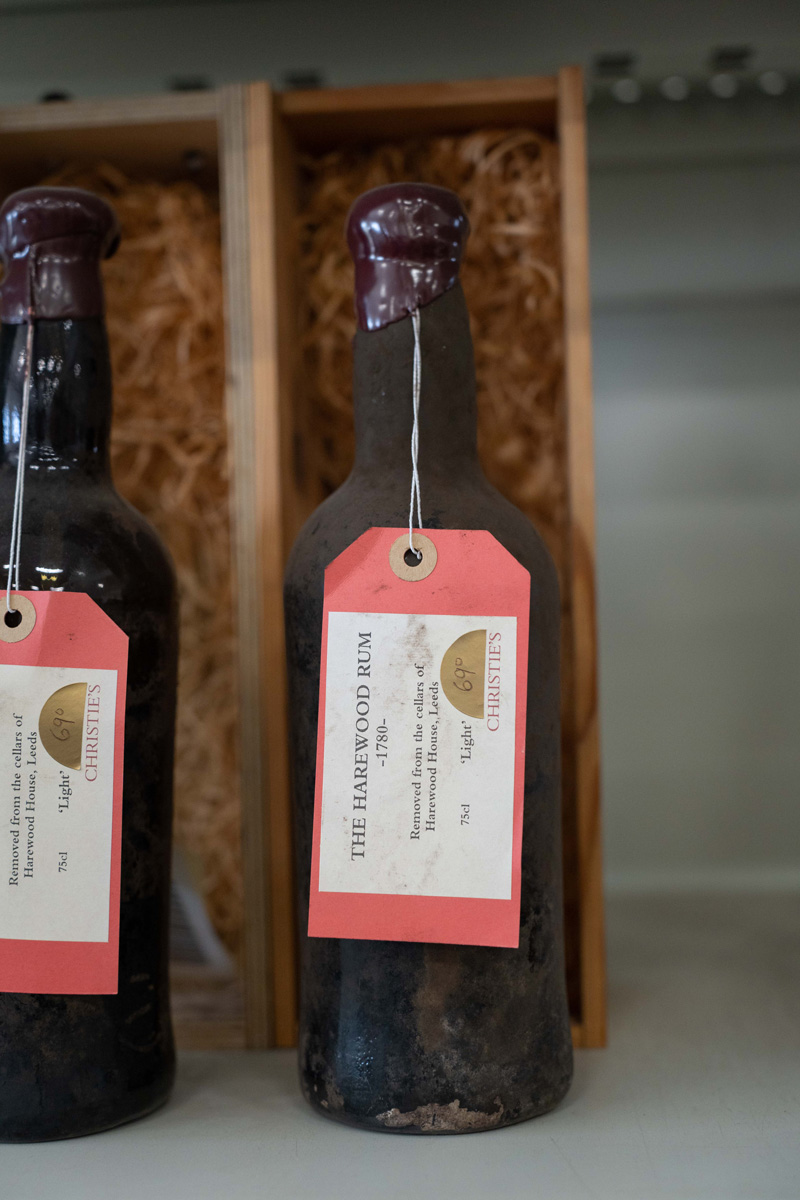
As mentioned, the collection includes a number of unique pieces. The oldest bottle is a 1780 Harewood, a very rare Barbadian rum found in a castle in London when renovations uncovered an old underground cellar.
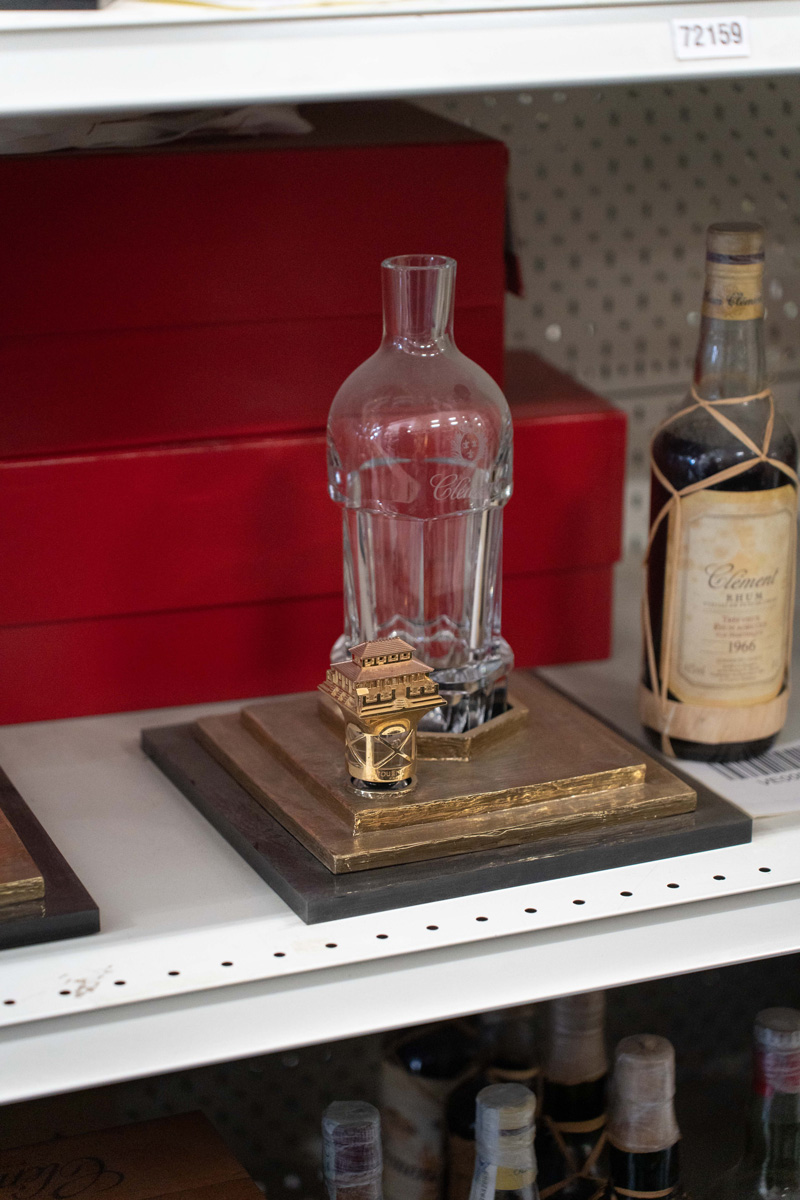
The most expensive bottle is a 1966 Clément rum featuring a luxurious crystal bottle with a gold cap, valued at €80,000. The collection also includes a valuable Wray & Nephew 75 Y.O.
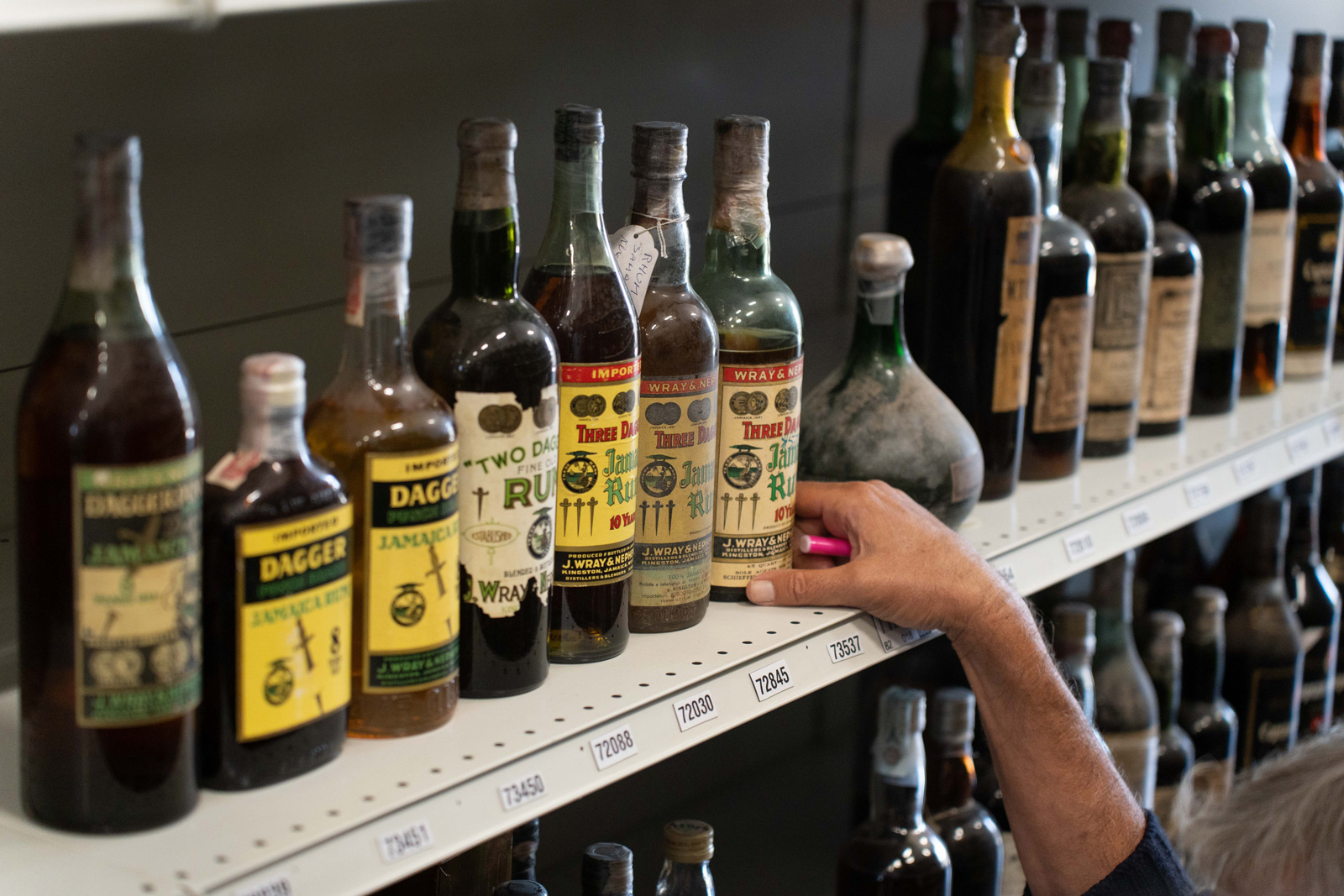
The collection is managed by Lidwine Maro, a man with an unusual past. Born in Polynesia and transplanted in Genoa, for ten years he has been working full-time in the management of day-to-day operations and started from scratch in the long process of sorting and organizing the priceless products purchased and preserved by Luca over the years. Led also supervised the complex move of the warehouse from Ronco Scrivia to Novi Ligure.
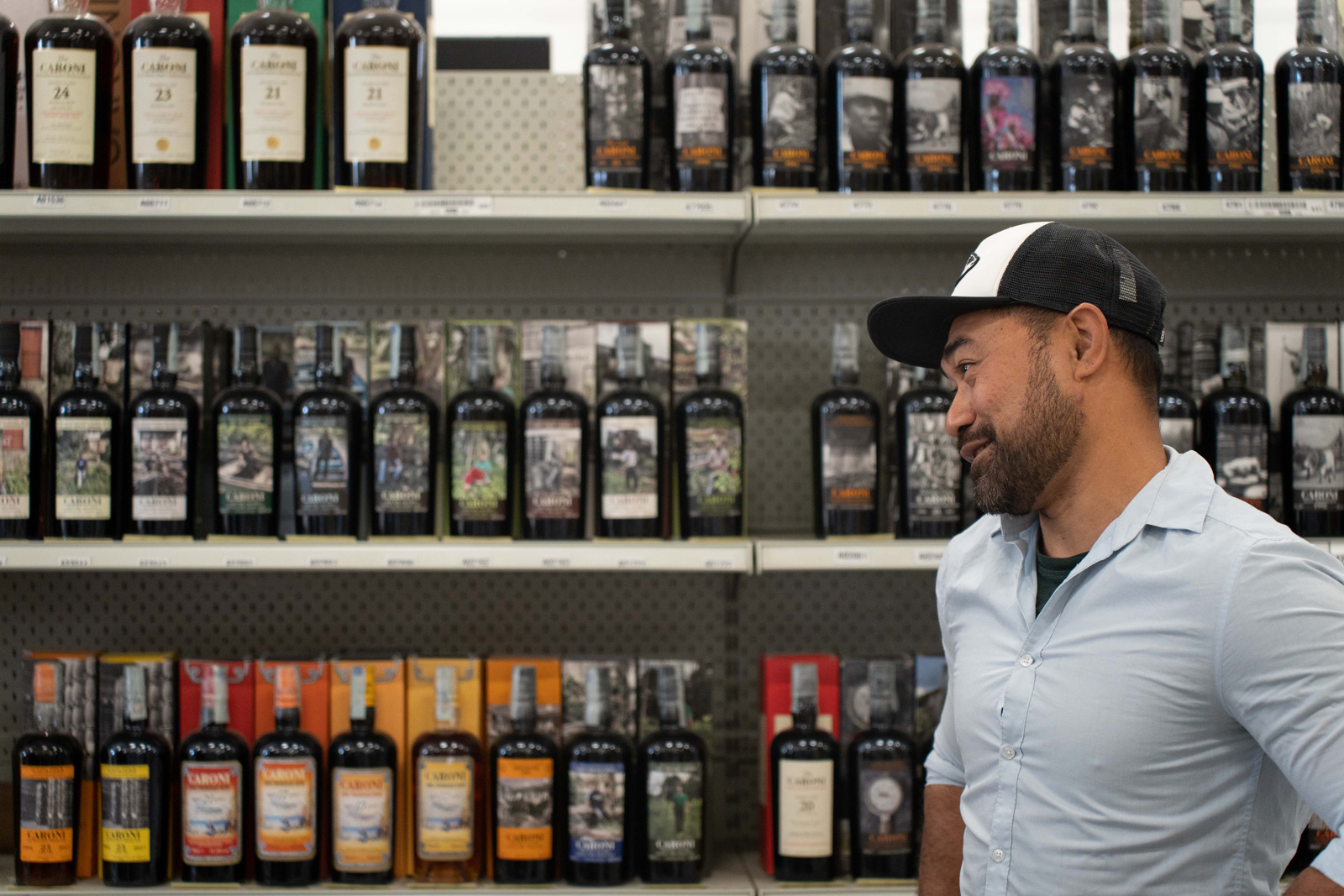
“When I started I knew nothing about rum, so in the beginning I was a bit anxious,” Led recalls.
"I found myself faced with the entire huge collection, about thirty pallets almost two meters high, wrapped and sealed, with the task of taking the bottles and ordering them by origin – Martinique, Guadeloupe, Jamaica... - and from oldest to newest. Between classifying and physically moving the bottles, it took me about two years. The most time-consuming job was putting a special film on each bottle to prevent further evaporation. I must say that with the new warehouse we have more space and management is simpler and more orderly."
Clearly, for each of Velier's limited edition releases a few bottles are earmarked to become part of the collection.
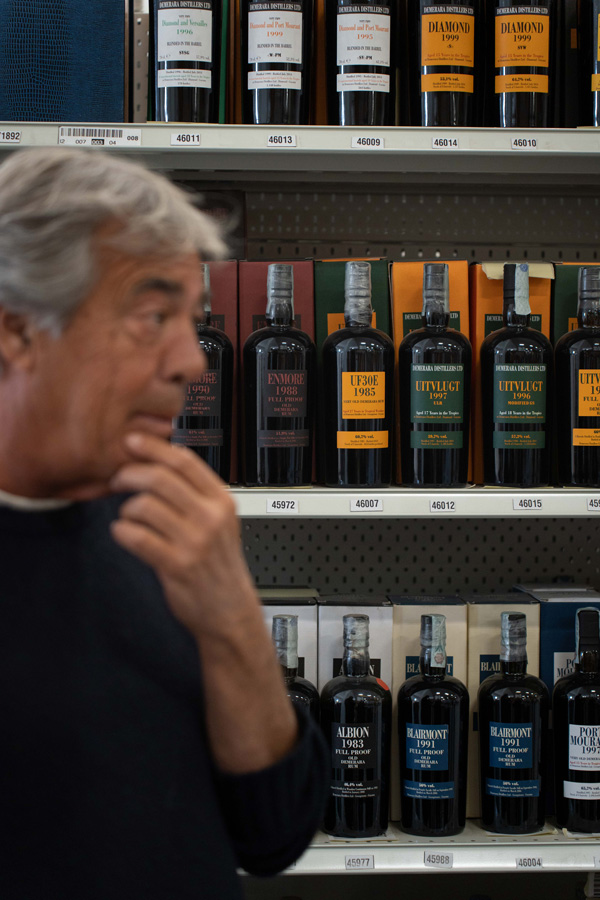
"Today people want real quality achieved through ingredients and traditional agricultural work," Luca points out.
"In other words, on the one hand the world is becoming more globalized while on the other people are really looking for top-level products. In recent years rum has certainly acquired a reputation that was unthinkable up until ten or fifteen years ago - I don't know if that's thanks to ‘my’ Caroni, but I think it may be. Unfortunately, there's also an element of speculation in collecting, when a new wave starts everyone follows and we see products reaching exorbitant prices compared to their actual quality."
A collector, Luca continues, is someone who also consumes a product:
"When I find an outstanding product, I buy two extra bottles if I can. After the collapse of the entire global collecting market - not just alcohol - in the last two years, we've seen that brands really basing their reputation on quality like Macallan or Caroni were able to weather the storm, because they turned out to be real investment products."
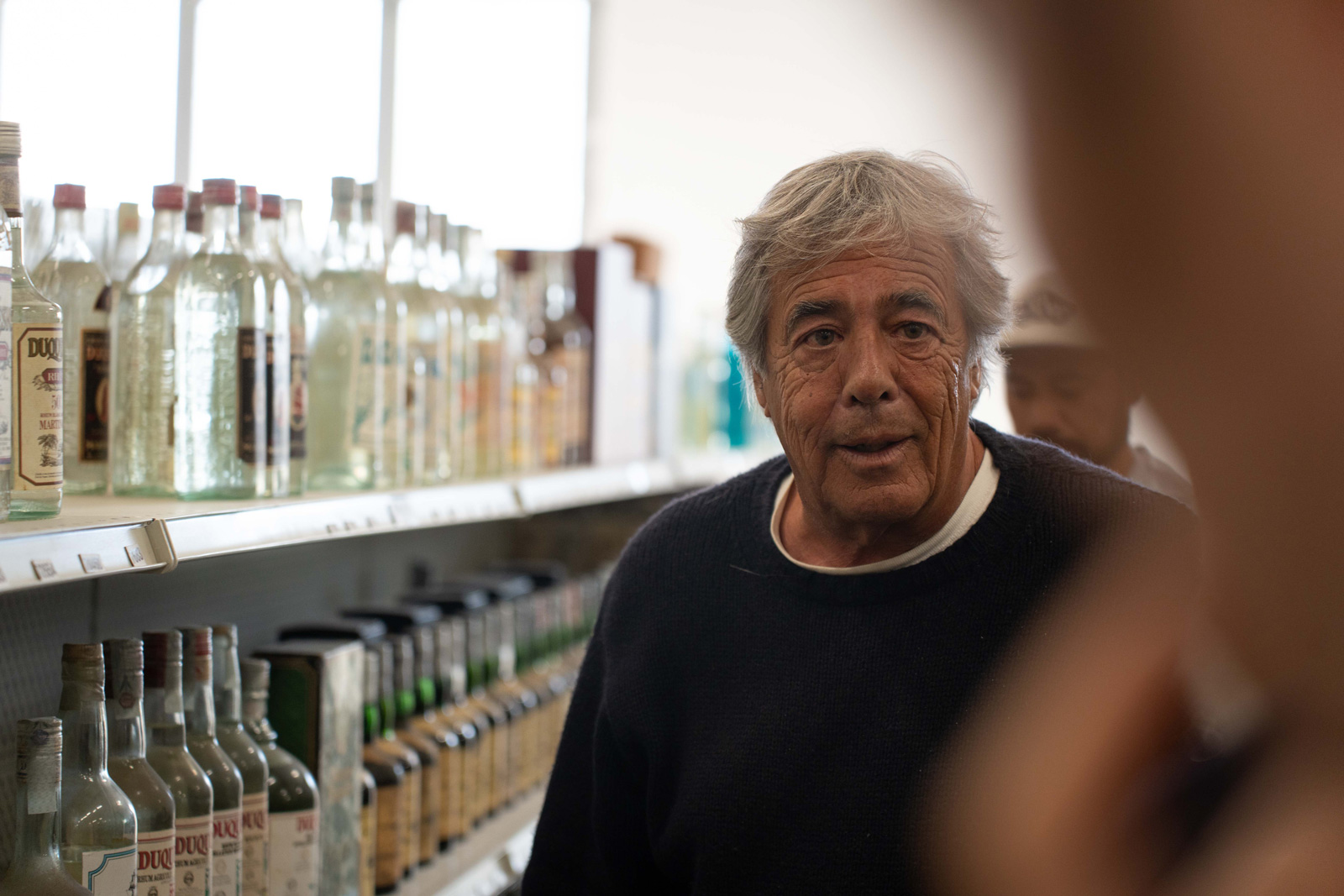
Another fascinating aspect in the world of collecting as a whole is its role as product scout:
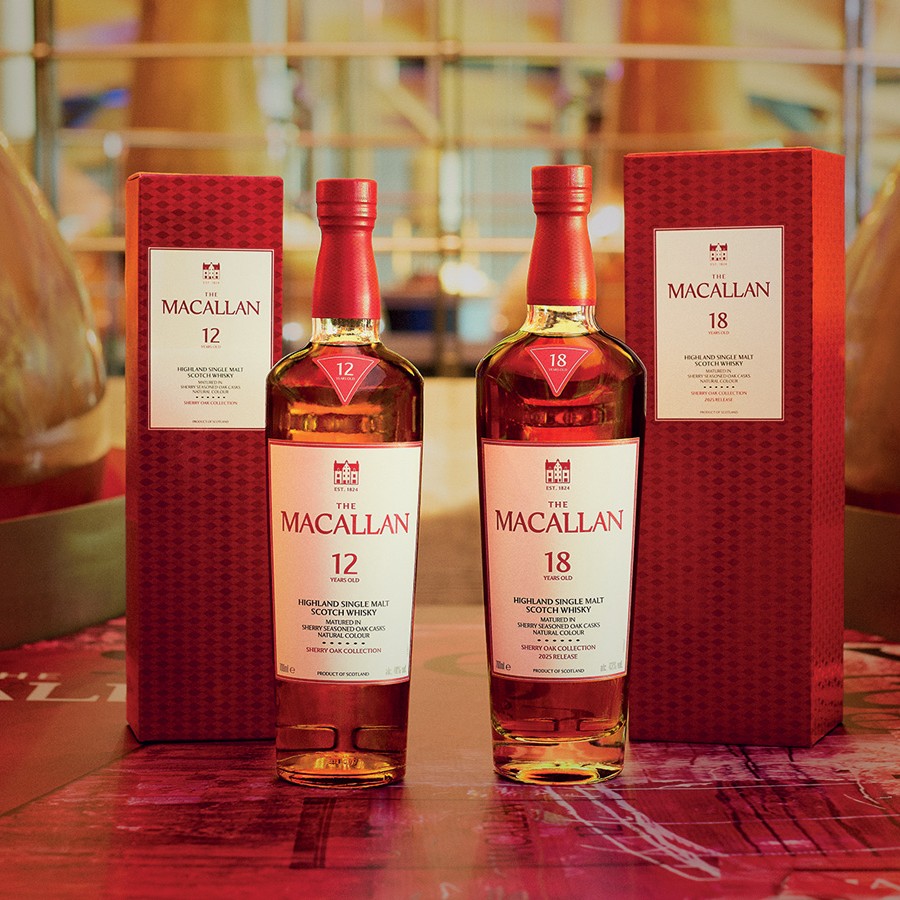
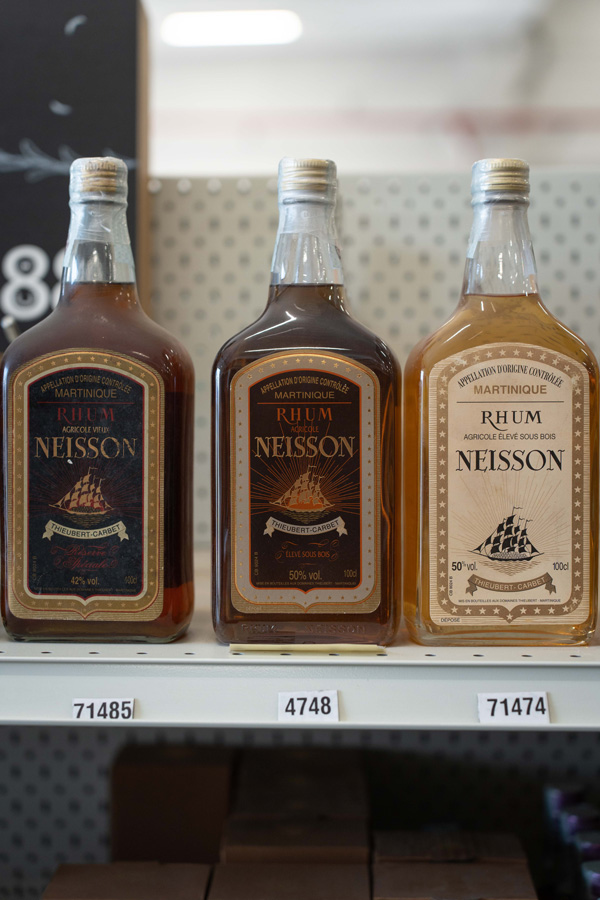
"When I started listing Karuizawa whisky in Italy we hardly sold any. They retailed for 300 euros, now they are worth over 5000. So if on one hand you have iconic products like Macallan's, it's also nice to bet on something new. For example, I'm betting on Neisson."

But what is the point of a collection like Luca's? For rum lovers, can there be a benefit in having a liquid library to dip into for bottles from bygone days that no one has ever tried?
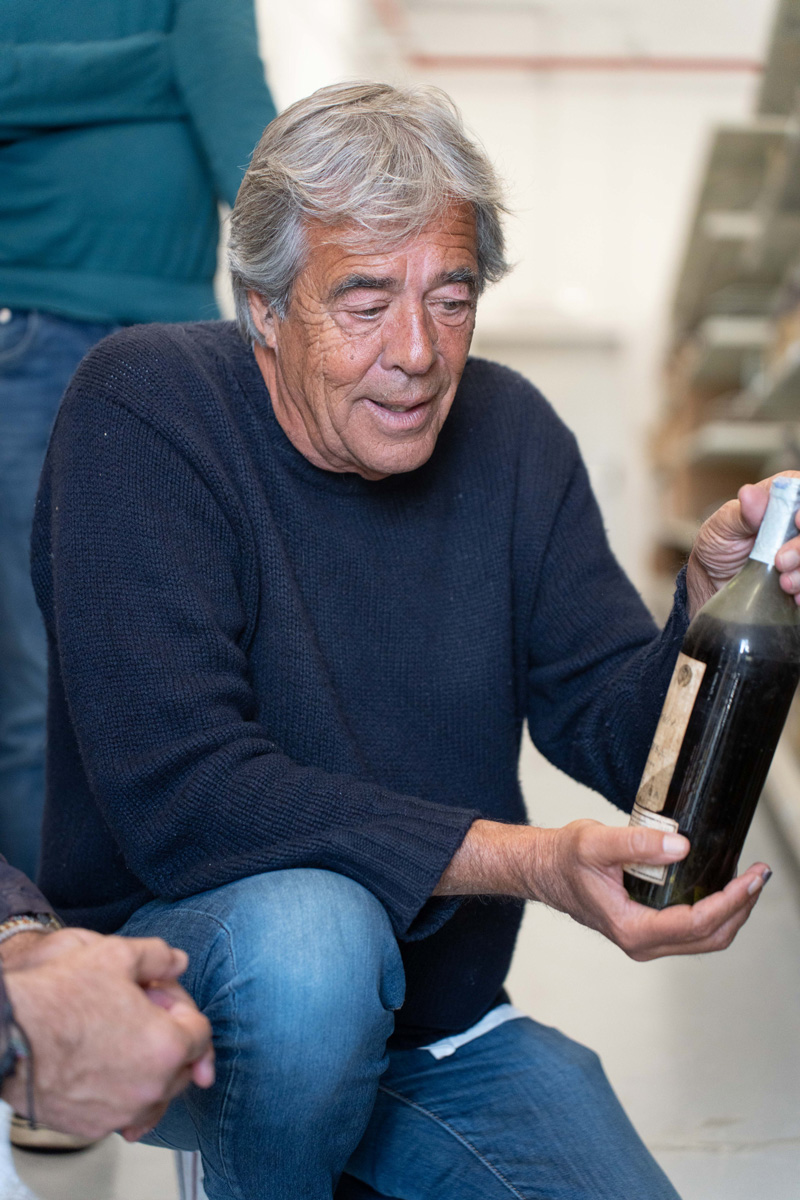 "In itself, collecting always has an element of madness and addiction to it, there is no doubt about that. I personally started creating my collection late in life and it ended up becoming the largest and richest in terms of variety and quality. What drove me to start my collection was certainly not speculation - when you own this kind of bottles, you realize you'll never sell them - but creating a heritage of the history of rum. Also, until 20 years ago virtually no one was interested in rum in terms of collecting. Creating a collection has historical value, and offers the chance to take a leap into the past. As I said, when possible I always get two bottles and am always happy to share one with enthusiasts. In addition to a living historical archive, this would enable me to create a historical tasting archive. I'm seriously considering it.”
Luca’s words partly echo Max Righi's, owner of Whisky Antique as well as independent bottler of Silver Seal brands and a collector himself.
"I believe this is a good time to start thinking about collecting again," he says. "Of course what to collect is a personal choice. Whether it's rum or whiskey, I think you can get interesting things, both for drinking and collecting. I personally have always bought at least two or three bottles – of course, when I can afford it. I keep one for my collection and drink the other two."
One of the problems of collecting rum is the difficulty in assigning a value to very old bottles, because no one knows what they taste like.
"That's right, in whisky it's actually easier to build a cultural heritage," Max replies.
"There have been important whisky auctions as early as the 1970s and 1980s, but it's thanks to Luca Gargano that rum has become a collector's item. Let's say that many rums emerged because of him. One of Luca's merits was putting rum in glasses instead of cocktails, and this allowed it to be considered much more seriously. One thing we must always keep in mind is that with old rums, we are not just collecting a bottle, we are collecting and tasting a piece of history."
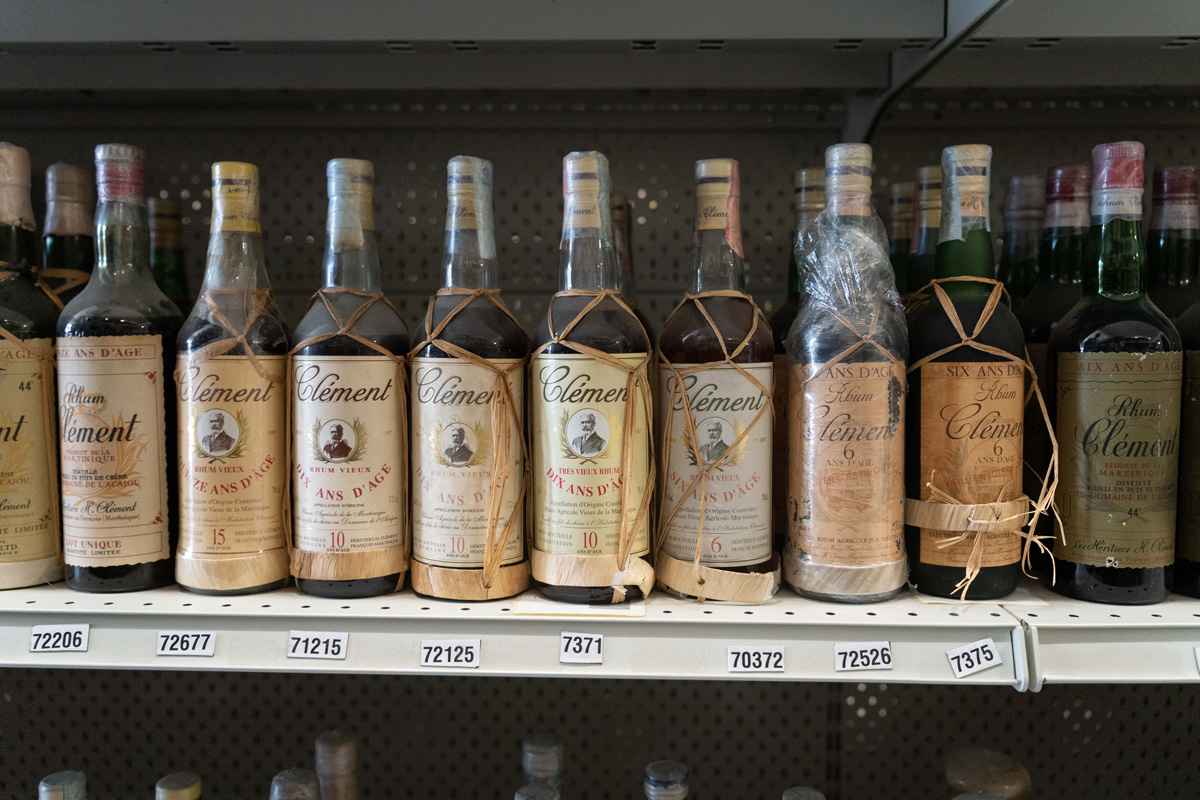
As regards the opportunity to start a collection now, spirit enthusiast and Scotch and Japanese whisky expert Alessandro Coggi disagrees with Max Righi's opinion.
"If you ask me if now is the time to start a collection, whether it's rum or whiskey, my answer is I personally wouldn't," he says.
"This is not a good time. Finding unique collector bottles is increasingly difficult and expensive, so I wouldn't start a collection from scratch. It's different if you already own a few pieces. At the moment, it's quite unlikely to be able to create a high-profile collection from scratch, but we need to make a distinction: it's one thing if you want to collect bottles for drinking at a later time, but if your goal is to speculate, then it's really not the right time. Right now release prices make it very hard to make money over time, and this is true for at least 90% of bottles. As for the 10% that could increase in value, those are bottles for which you need considerable financial resources. Whether it’s Caroni or Macallan, just the release prices are already a very long-term investment."
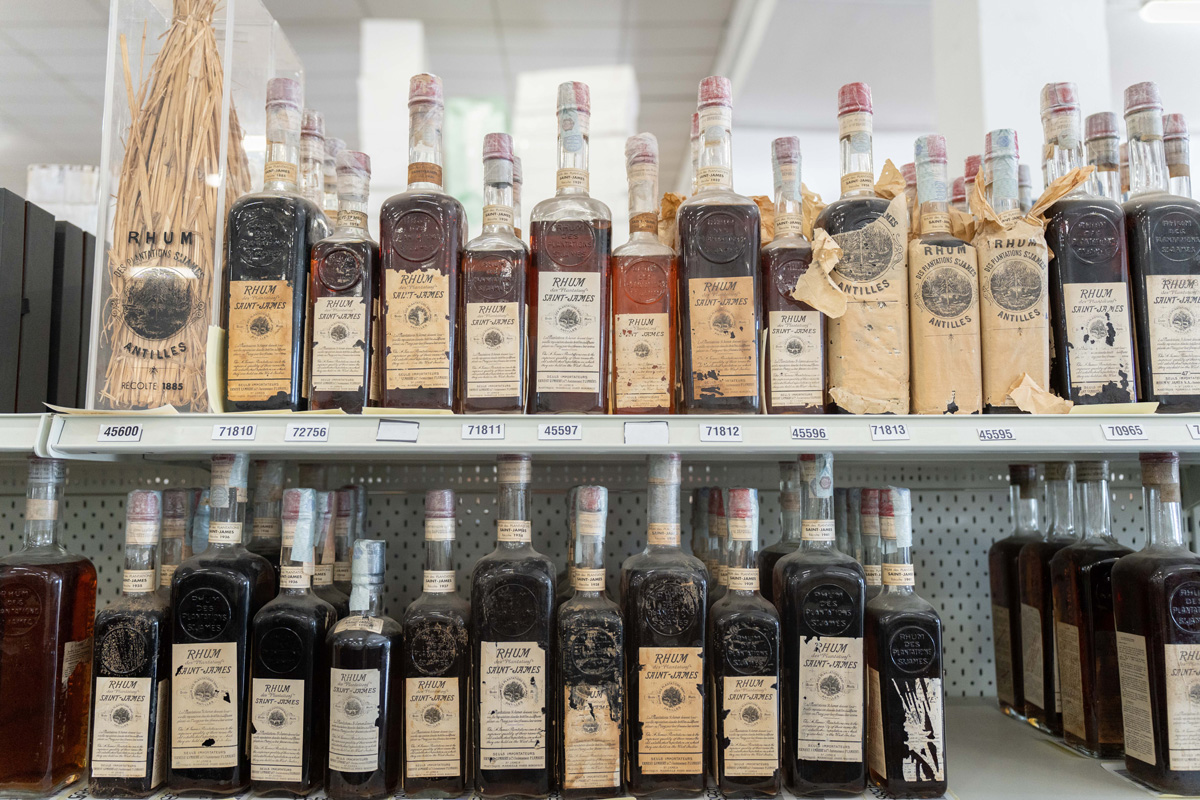
"Then there is rum. For example, take a bottle that has been drunk and appreciated by very few people. Those few will want to buy it, but everyone else will be wondering if it's good rum. Whisky has a longer track record, we've known what collectors want for a long time now and many of us are familiar with it. If we take the Saint James collections from the sixties, we also need to consider that there are perhaps twenty people still living who have tasted them. In other words, at some point someone will need to actually open those bottles. I remember Velier’s vertical tasting of Saint James and it was enlightening. People who had never tried this brand before now understood and began to buy bottles."
There's also a ‘structural’ problem, explains Luca.
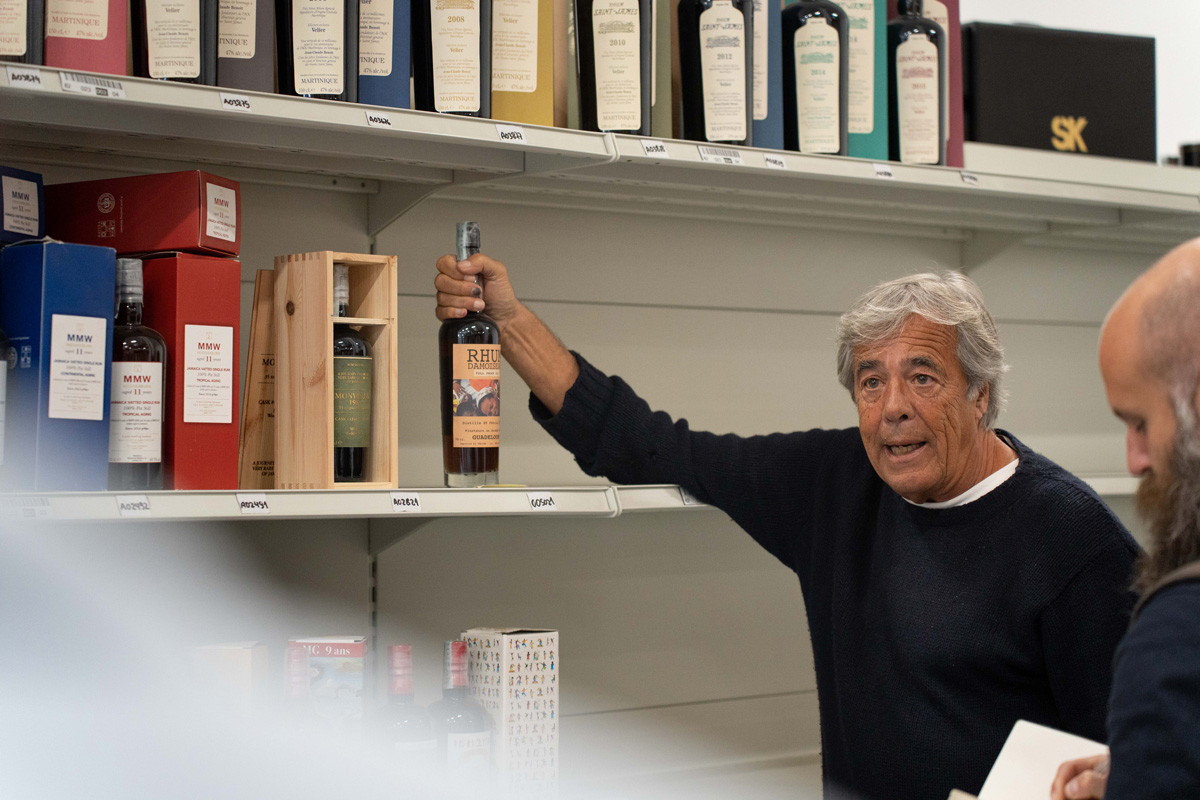
"In the Caribbean, the angels’ share is so high that, if you lose 10% every year, after 5 years you end up with half the product. Very few distilleries have stocks dating from before the 2000s. Appleton is probably the only one that has barrels with over 25 years of tropical ageing. The oldest Hampden will turn 15 next year, and the oldest Worthy Park turns 20 this year. In the future there will be more bottles because the culture is changing, but very few distilleries have strategically kept part of their production for aging, especially the largest ones like Appleton and Demerara. I think Appleton still has two or three barrels set aside from 1962, the year of independence, but the fact remains that in the tropics if you want to have a 30-year-old rum you need to set aside 100 barrels to get one or two."
In conclusion, the very nature of ‘real’ rum - artisanal, untouched, aged at the place of origin and possibly at cask strength - is a mixed blessing for collectors. The bottles that meet these criteria are just a small percentage of the total production and are hard to find, especially from past decades. And yet this is what makes a rum collection like a work of art with great historical, cultural and aesthetic value.
