


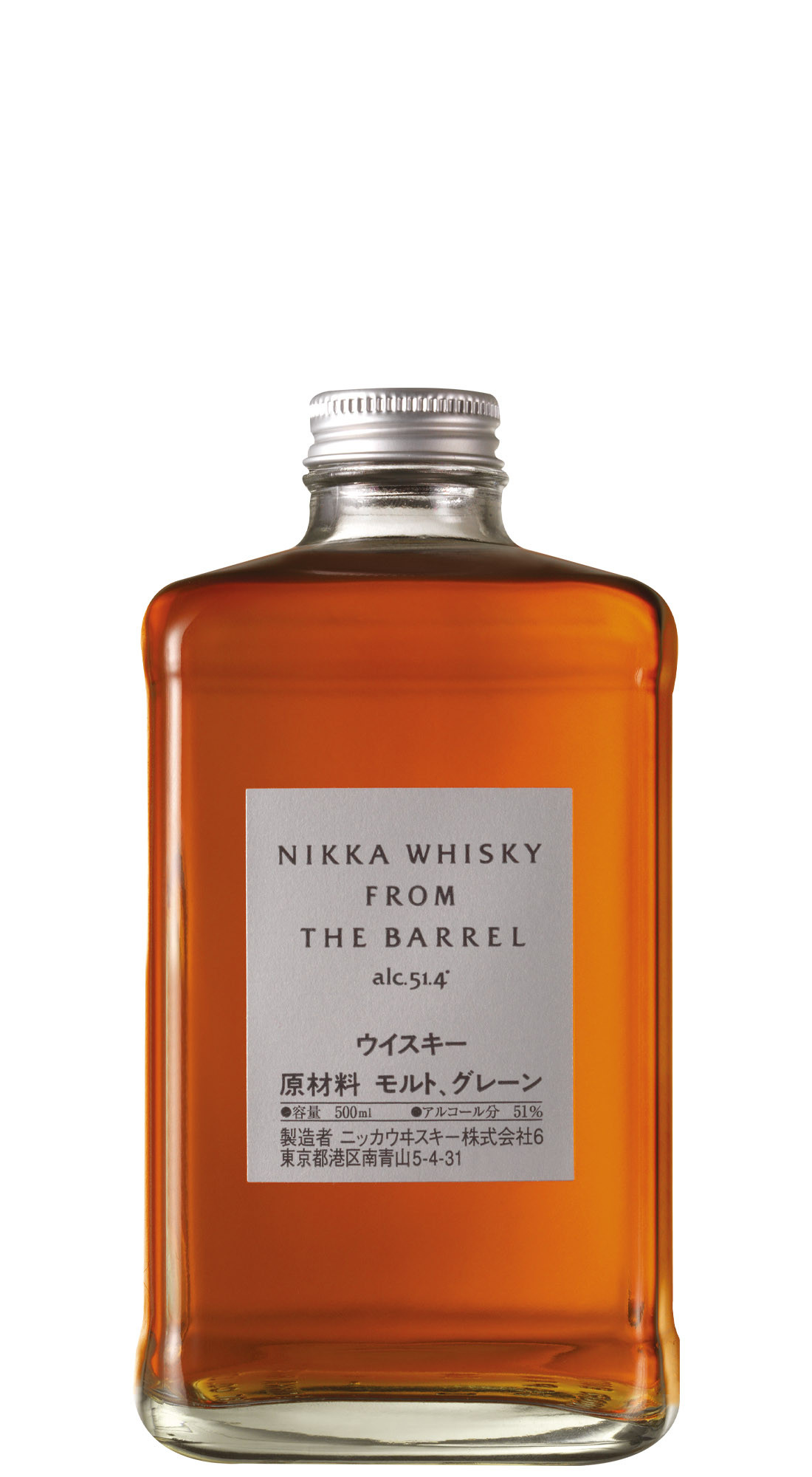
Nikka From The Barrel
50 cl / 51.4°

SPIRITS
Rum
Whisk(e)y
Gin
Agave
Calvados
Armagnac
Others
VELIER LIFE
Extraperimetral
VNP
Aguilas Camp
TRAVEL
São Tomé e Principe
Mexico
Distillery Tour
Food Guide

Before I begin, a necessary introduction. The risk of writing gross banalities about Japan, for those who have set foot there for the first time, is quite considerable. The fact is that I had never really set foot in Japan before this time. I felt it was only right to write this, and so the introduction ends here.
Consequently, landing in Tokyo is an experience in itself. It feels like the scene, for those who remember it, from the 1994 Stargate movie, when archaeologist Daniel Jackson puts his face inside the “teleportation” ring with that expression of wonder and bewilderment you feel when you are about to enter a new world.
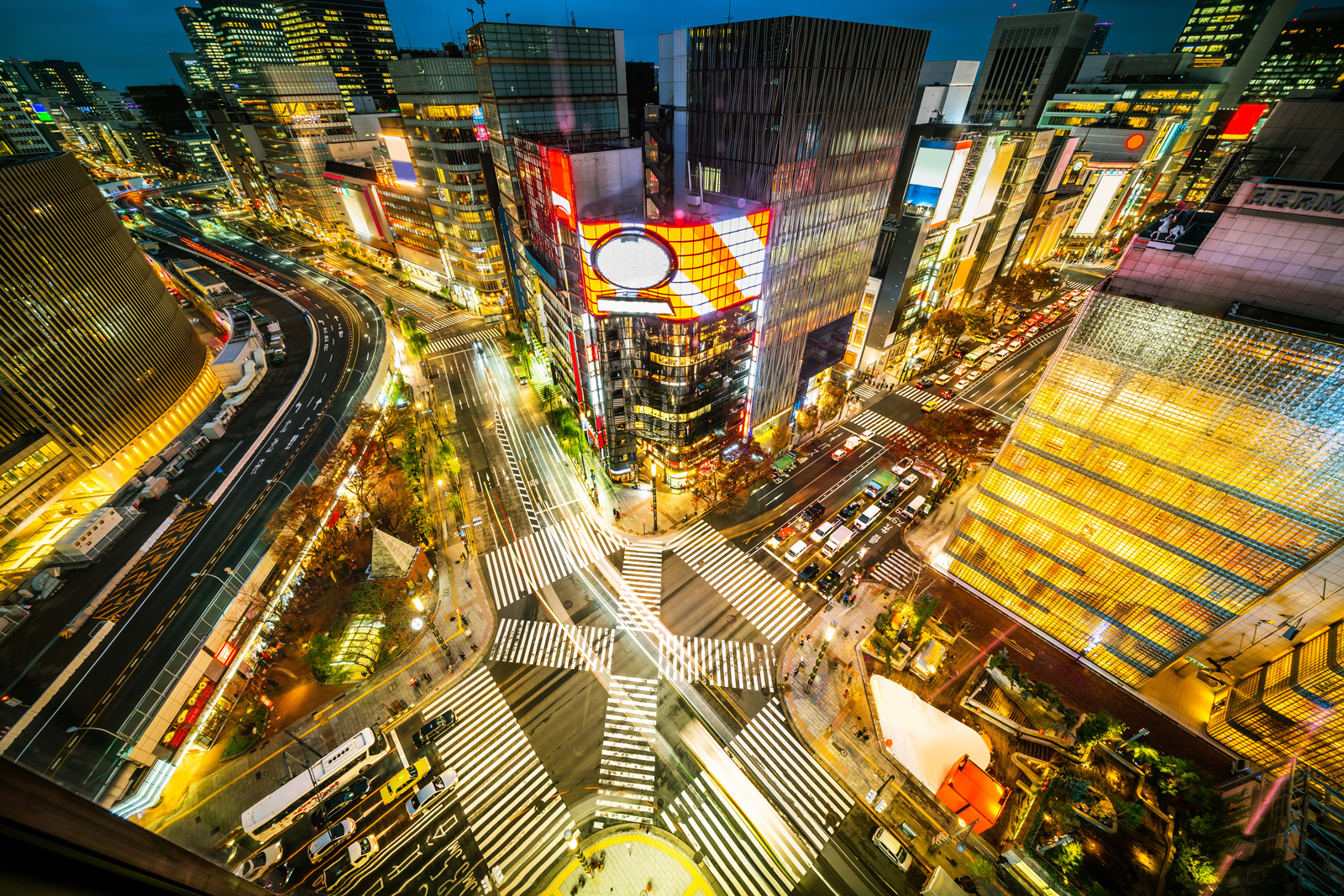
Tokyo and its inhabitants are a bit like that: the enormous buildings you see from the road leading into the city look like beehives. The courtesy of the driver whose hand I shook, perhaps committing my first “Western” mistake, as impeccable as it is respectful. The advertisements that enrich the modern appearance of the Ginza district come to life like those in Blade Runner, and while high up on the skyscrapers there is a riot of LEDs and neon lights, below, athletic jinrikisha drivers, the traditional Japanese rickshaws still used exclusively for the enjoyment of tourists, run quickly.
Modernity and tradition, then, but if rickshaws are now a gimmick for Westerners, it is not only tourists who flock to Asakusa Sensoji, a temple surrounded by market stalls, but also locals who respect it by lighting incense sticks and performing ritual hand washing with water from a nearby fountain. This ablution, moreover, must be performed using a wooden ladle. A minor detail, perhaps, but Japan is a country of details, of written and unwritten rules that are based on the sovereign principle of respect. Towards everything. Towards people, towards living beings, towards things. A respect that, even for those who have just arrived from the chaotic West, sticks to you in a matter of minutes like an invisible film.
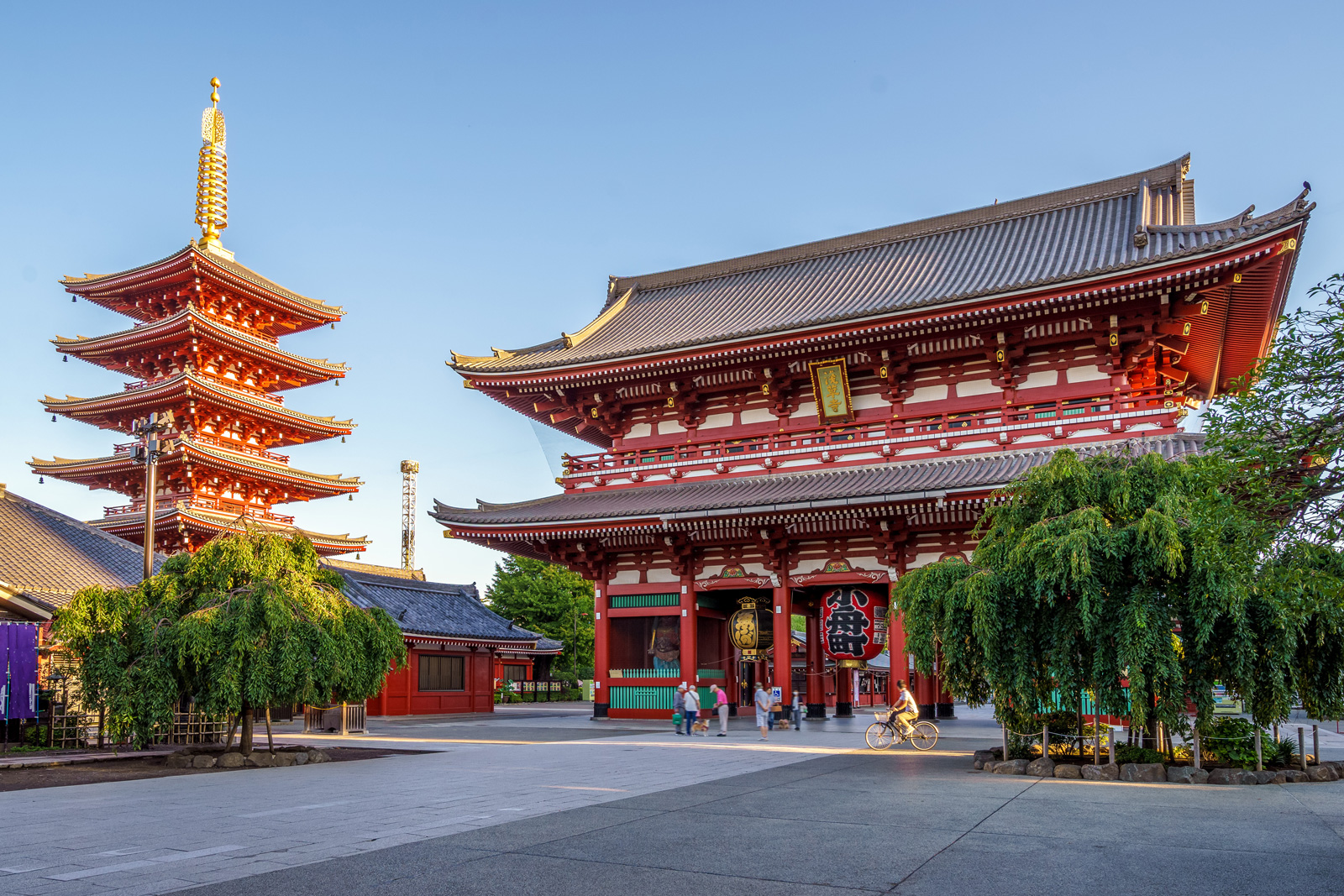
An ethic that becomes aesthetic, in the clean streets, in the meticulously tended gardens where every plant and every flower seems to be in its place with vegetal awareness, and in the manners of the people. An ethic-aesthetic that harks back to the ancient Greek concept of kalos kai agathos, or beauty and goodness as the ideal of human perfection.
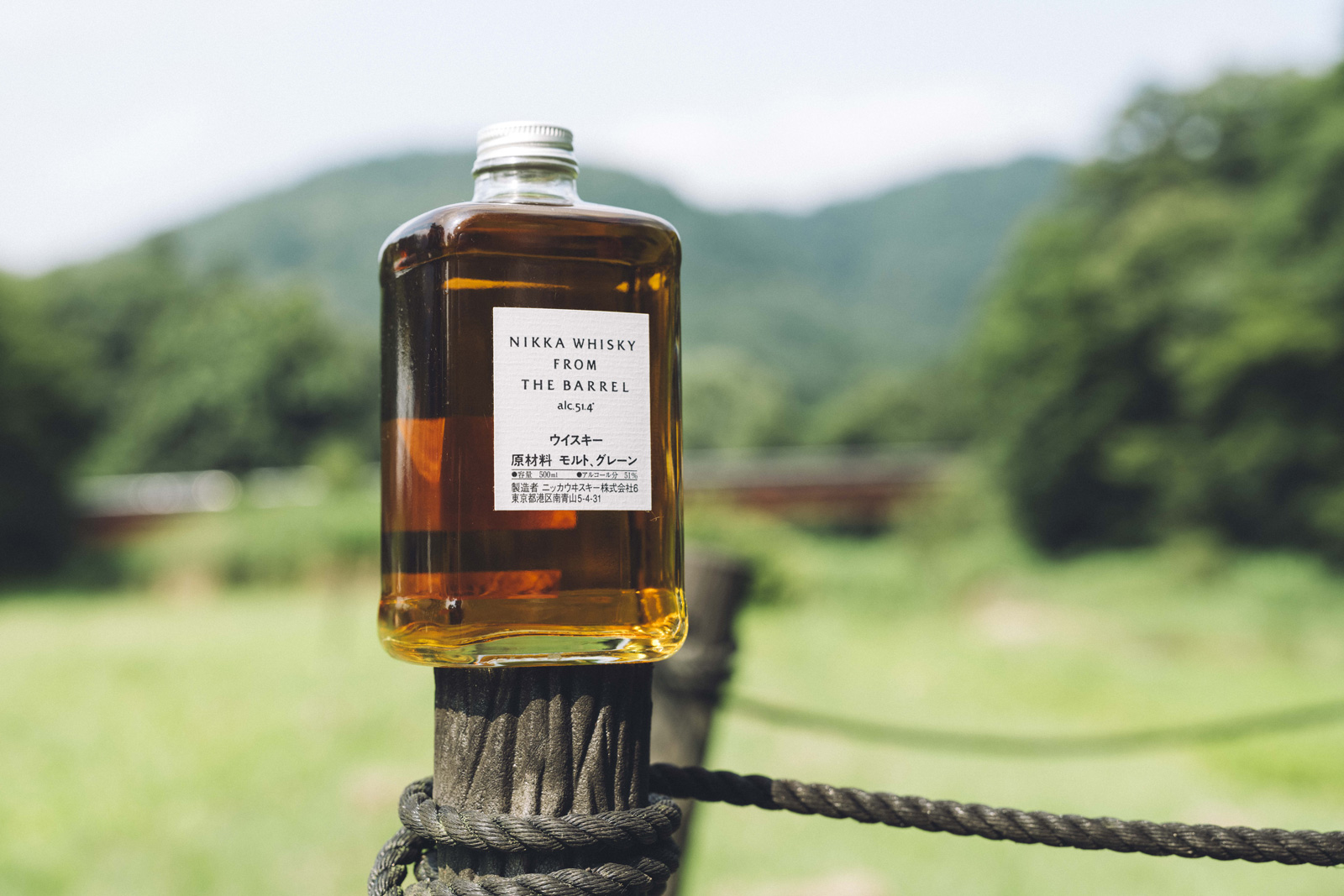
But we didn't come all this way, after a long flight with only a quick glimpse of the sacred Mount Fuji as we landed, to engage in petty philosophy. We were invited by the Nikka distillery for a special occasion: the 40th anniversary of Nikka From the Barrel, the whisky that debuted in 1985 with its iconic rectangular bottle and has been a success worldwide, including in Italy, since 2000.
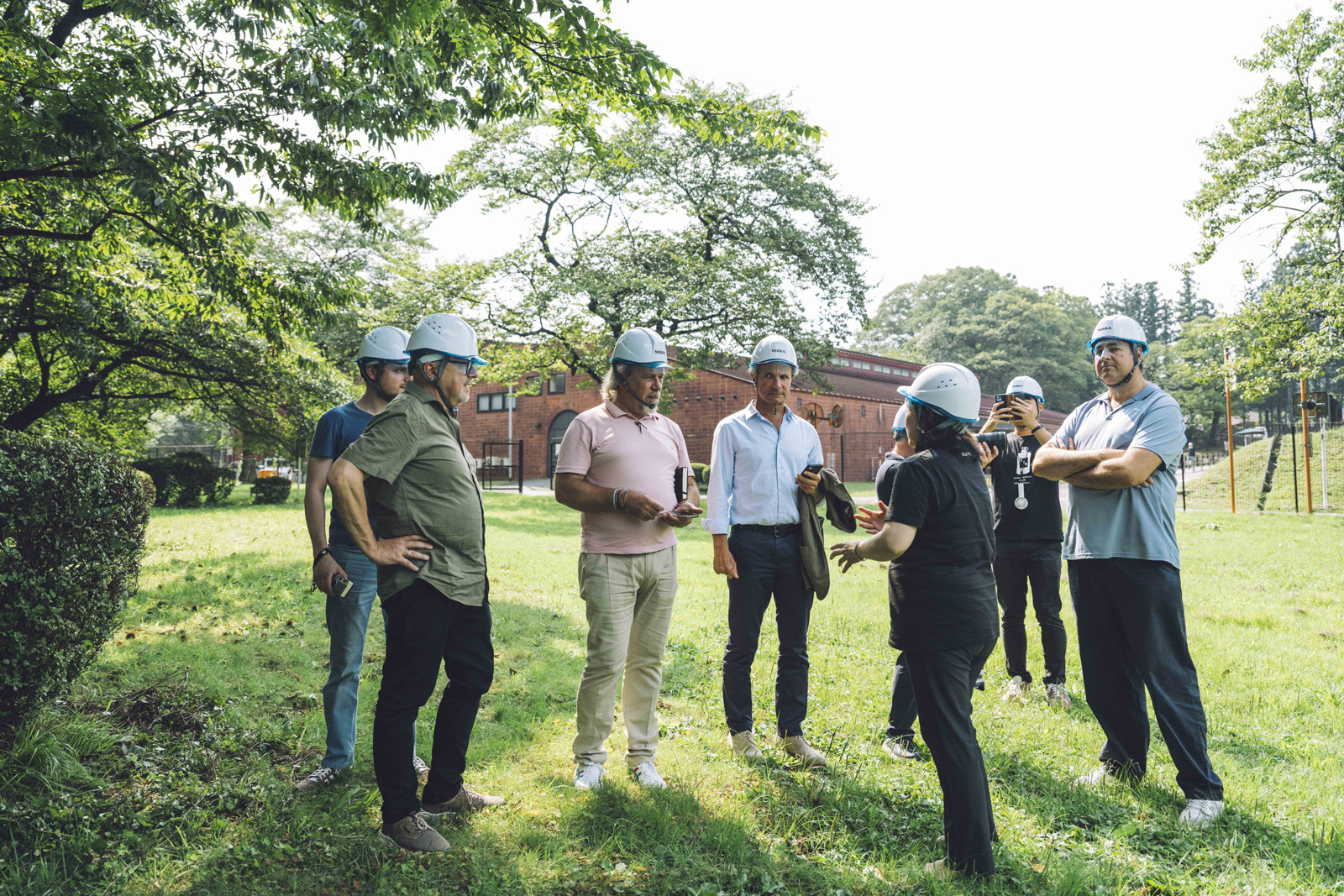
The trip was offered to a small group of journalists, and Velier's good offices guaranteed me this experience, which was destined to become unforgettable. For many reasons, the first of which is undoubtedly the opportunity, not even granted to Japanese journalists at the moment, to peek inside the warehouses, the storage and maturation “cellars” of Tochigi on the island of Honshu, the largest in the Japanese archipelago.
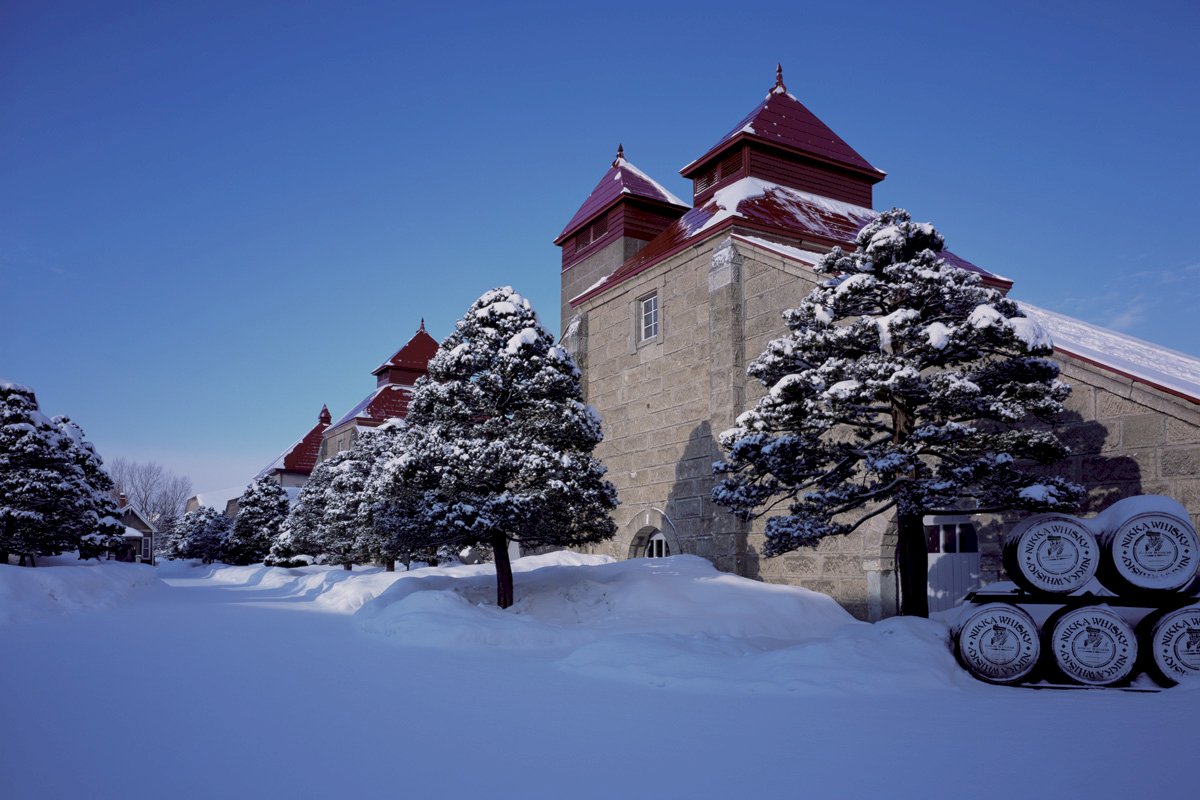
However, Nikka's history is much longer than that of its From the Barrel. It began in 1919 when Masataka Taketsuru, the scion of a family of sake producers, decided to embark on a journey to Scotland to study and learn all the secrets of whisky production. When Taketsuru returned home, he brought with him not only the secrets of whisky but also a Scottish wife, and began working for the Kotobukiya group, which was destined to become famous under the name Suntory. But that wasn't enough for him, and after a few years, in 1934, he founded his first distillery in Yoichi, on the island of Hokkaido.
He chose the location carefully, in an area that reproduced the climatic conditions of Scotland, and lit his first coal-fired pot still, transforming his barley into malt in peat-fired kilns to give his distillate the typical smoky aroma that reminded him of the Highlands.
In 1940, the first Nikka whisky was released. 1963 saw the arrival of the Coffey Still, imported directly from Blairs Limited in Glasgow, with a second one added three years later. The new columns were initially installed in Nishinomiya, a distillery that remained in operation until 1998, but were then moved permanently to Miyagikyo, a distillery in the mountains of Sendai founded by Taketsuru himself in 1969 to produce a different distillate from the one made in Yoichi.
Taketsuru conceived the two distilleries as Yin and Yang, two complementary forces that together create the spirit of Nikka. In our opinion, this, together with the skills refined over many years by the master blenders, makes the magic of Nikka possible.
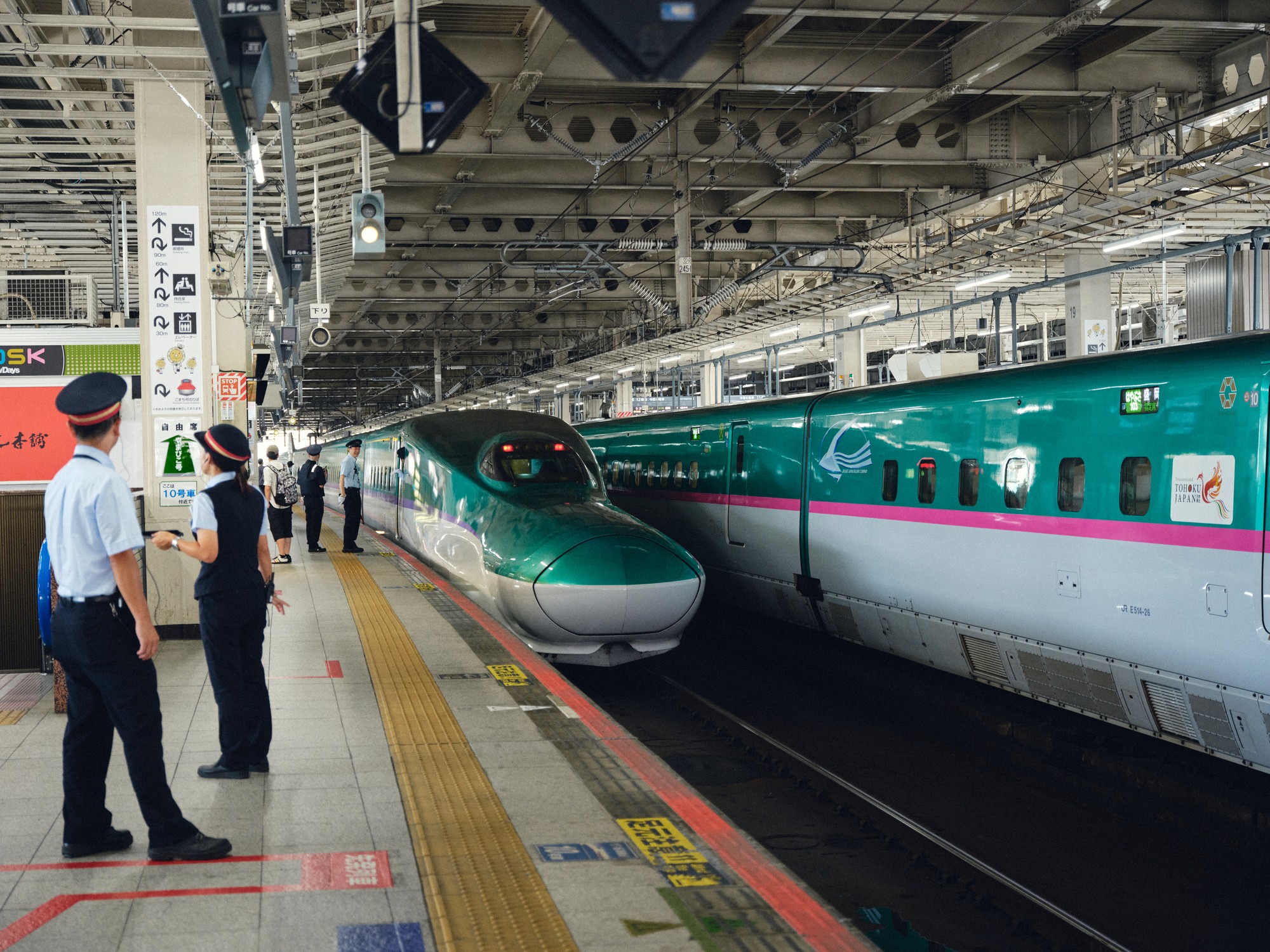
We arrived in Miyagikyo on one of those trains as sharp as katanas that speed across Japan, a flash of futuristic science fiction that contrasts with the rice fields that seem to cover the entire countryside we crossed to reach our destination.
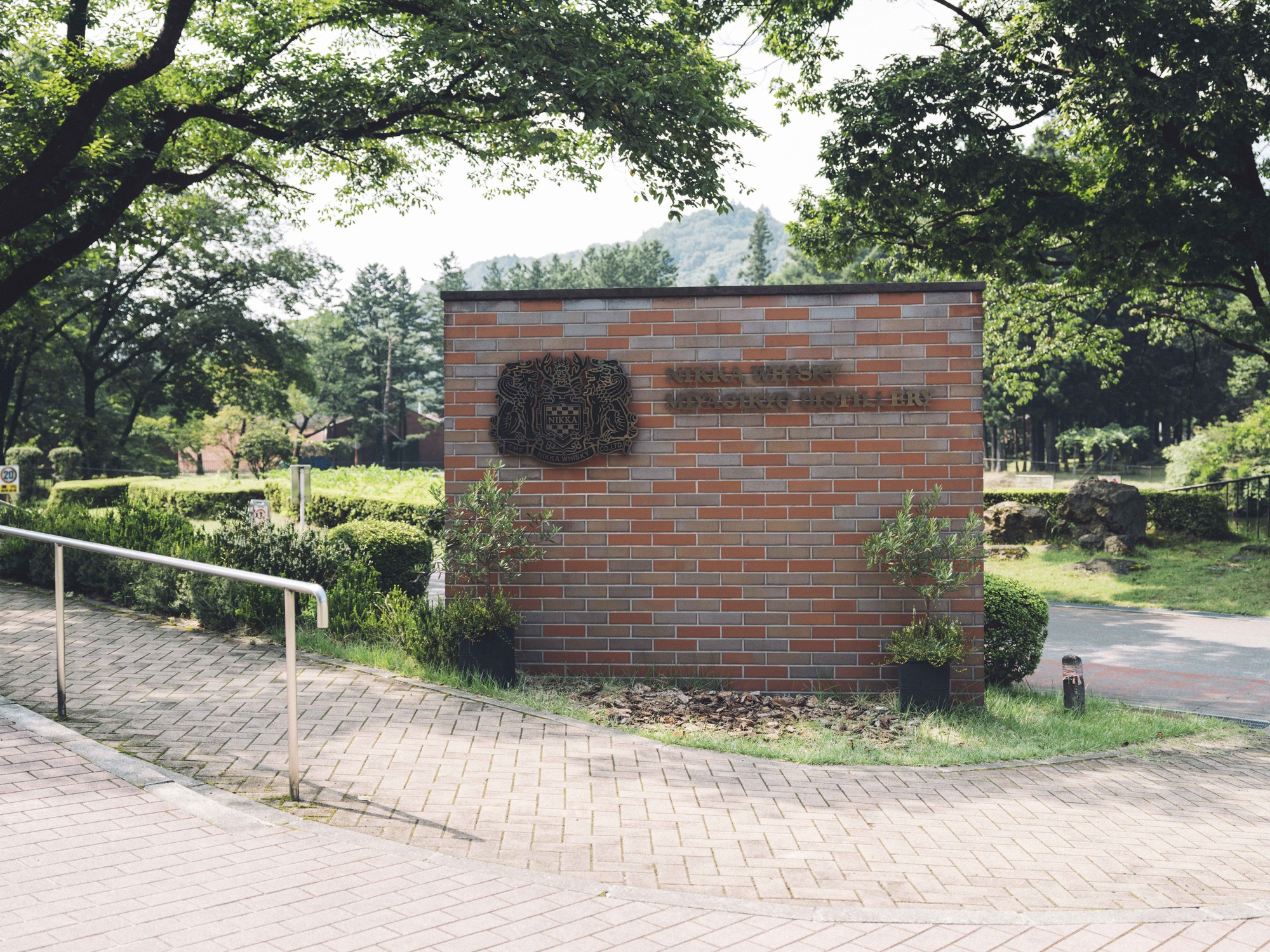
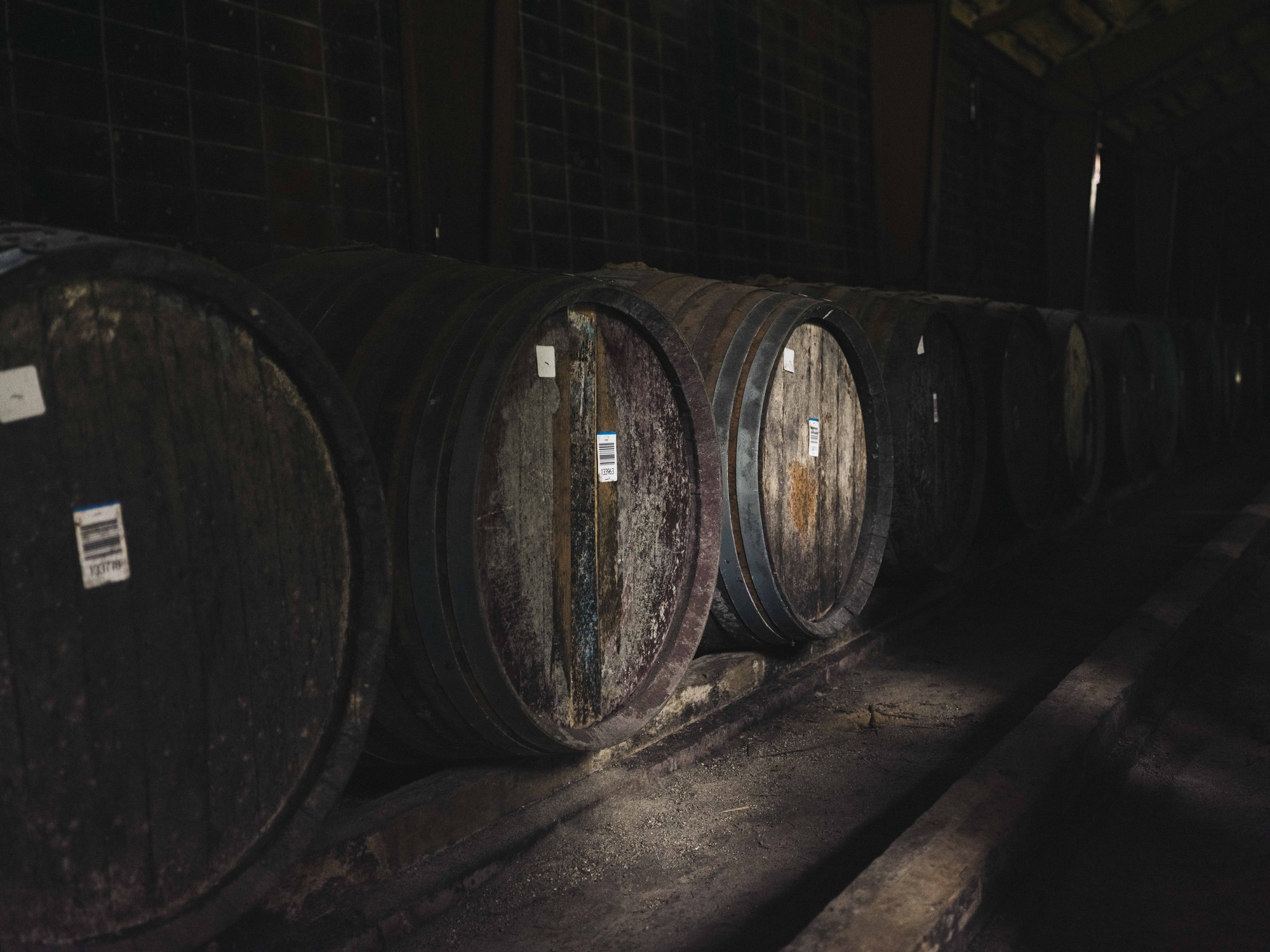
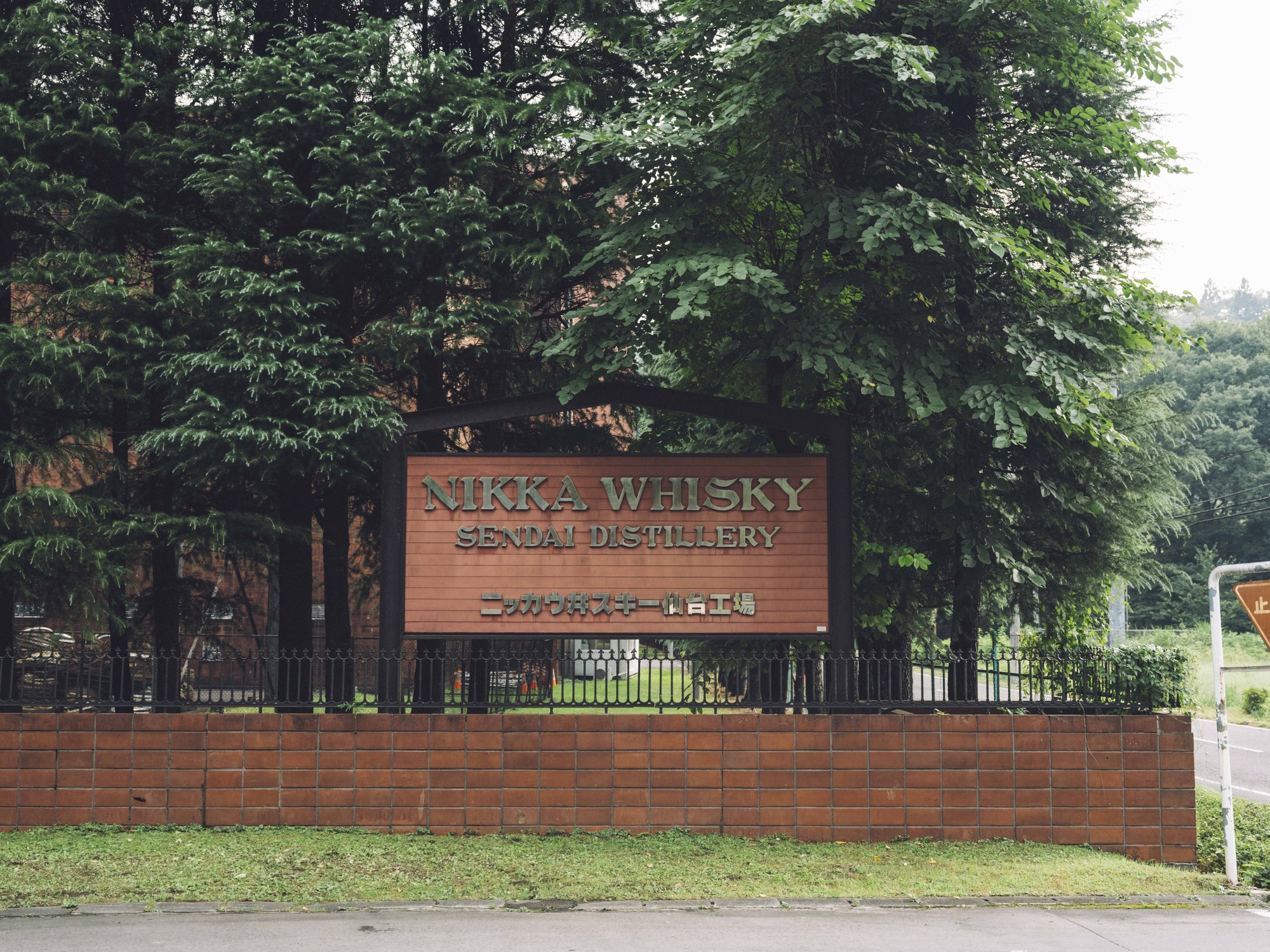
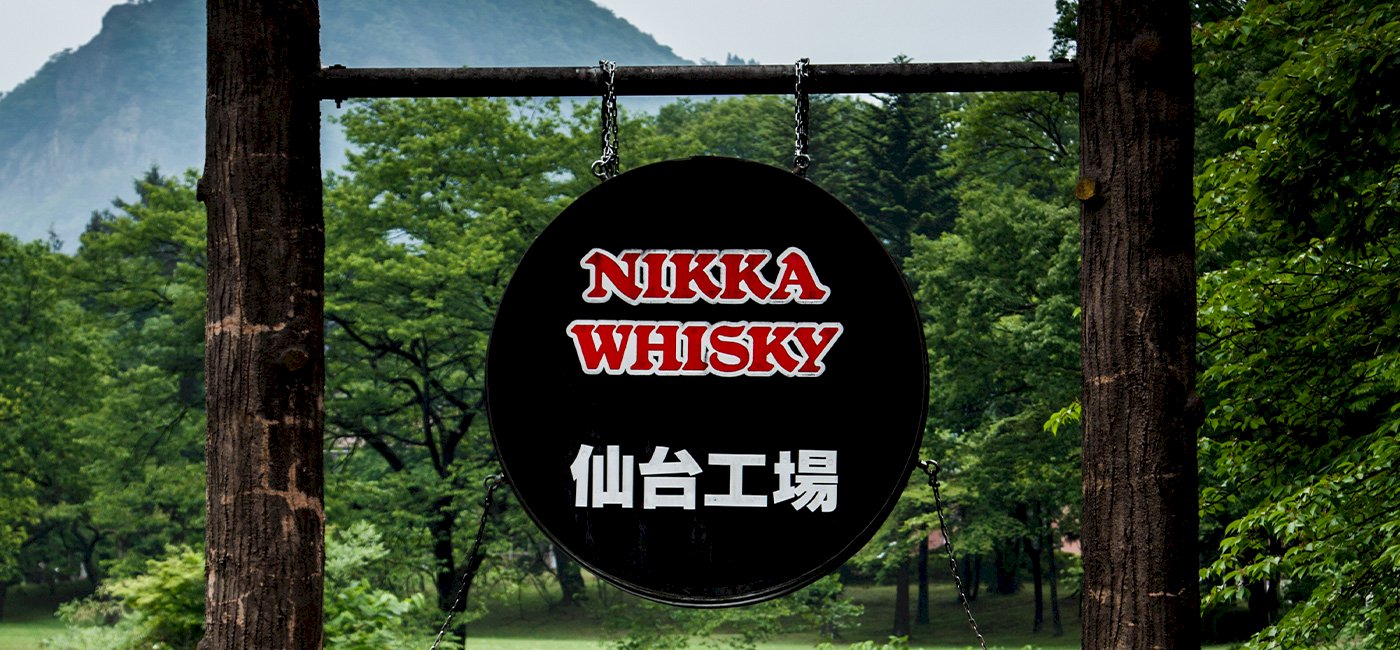
The distillery is surrounded by green trees and, a stone's throw away, flows a stream of clear water from which it draws its supply. Shallow, just a few centimeters deep, it flows slowly, very Zen, but the whole environment conveys serenity: the ornamental pond, the swans swimming on it and the koi fish inside, the trees with their bonsai-like foliage, the staff pointing out the direction to take during the visit.
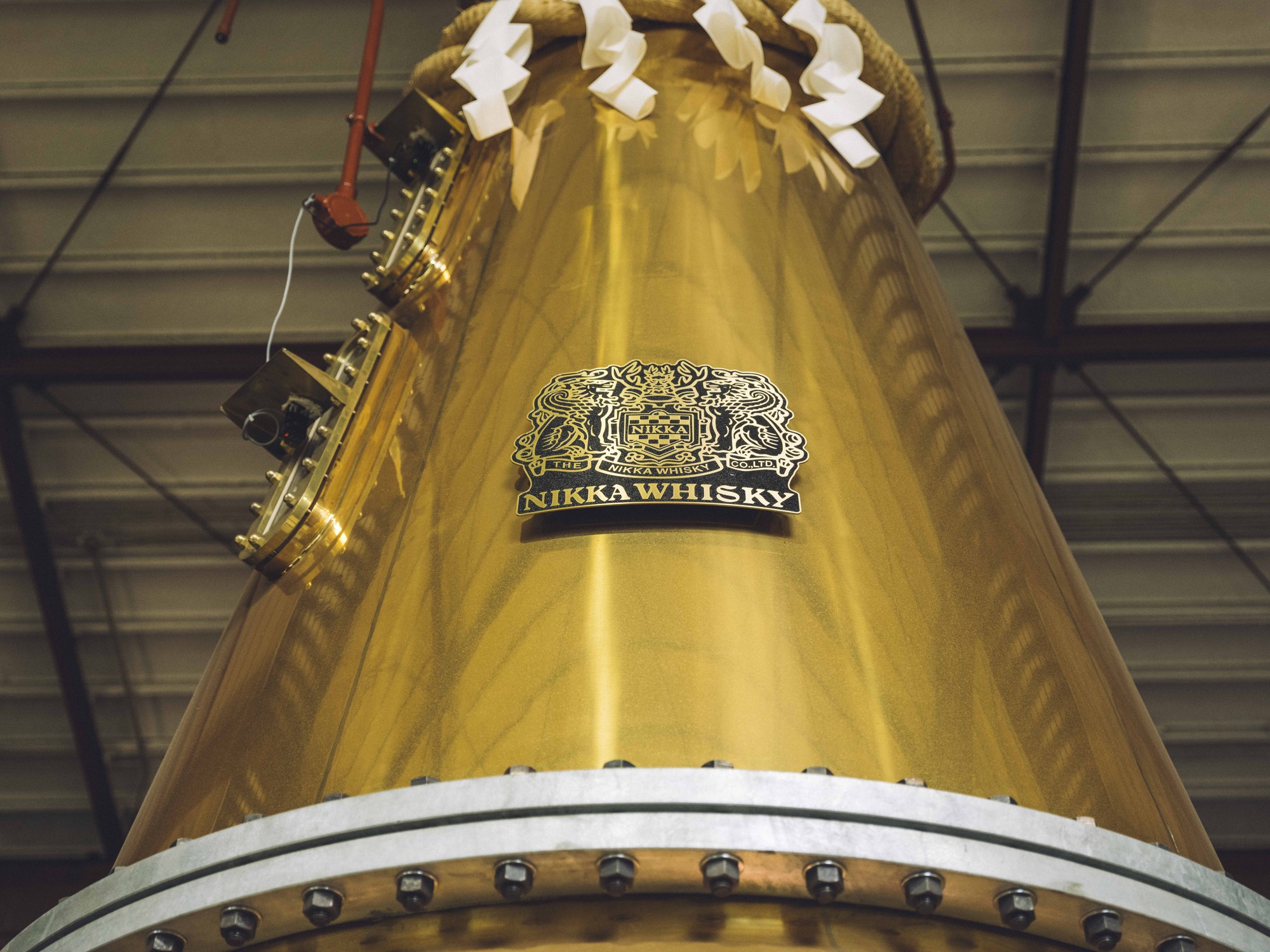
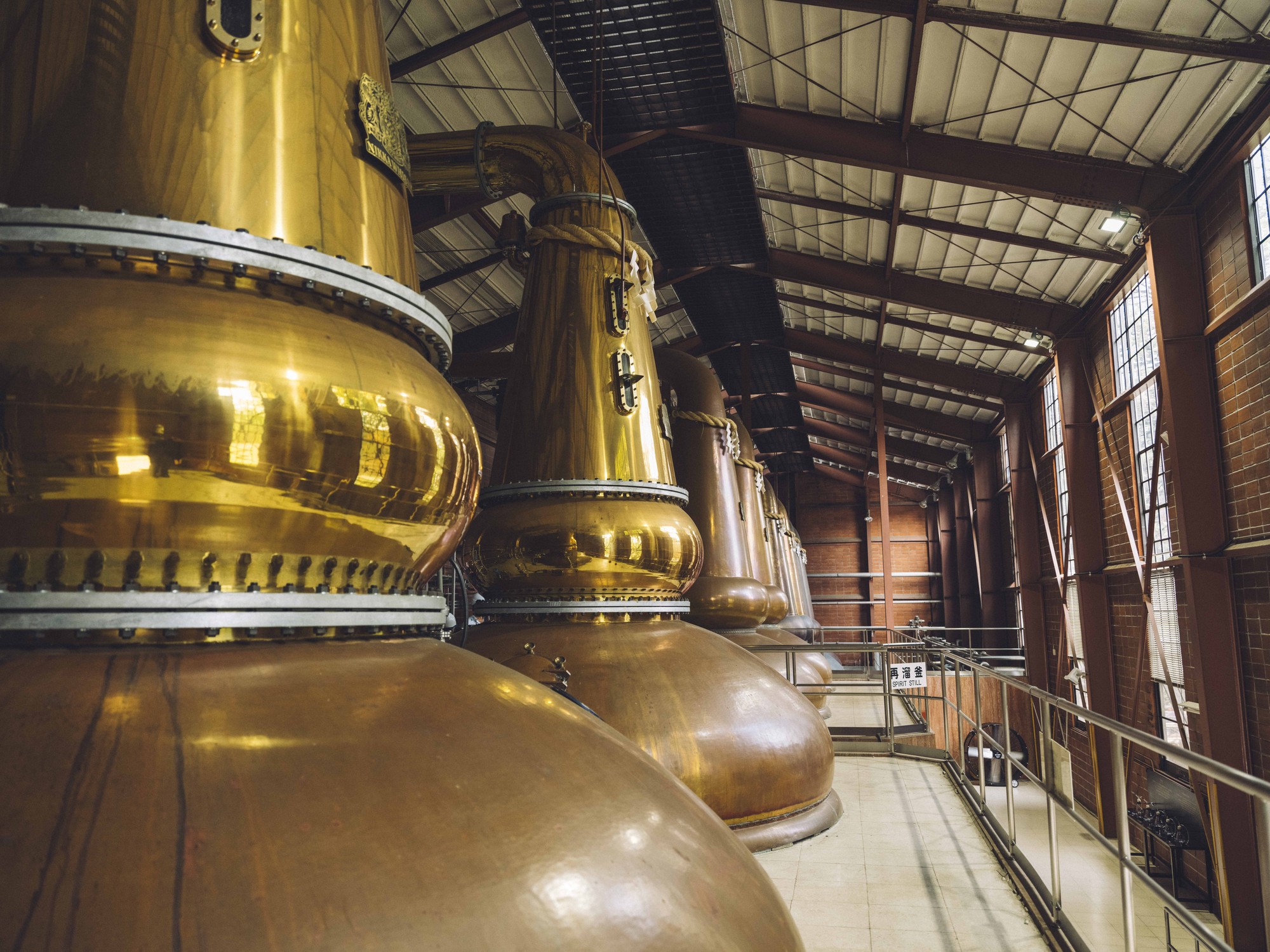
However, it is still a workplace with workers who are setting up the new Coffey Still, which will soon be operational. Unlike the one from 1963, this time it is entirely made in Japan and is one and a half times larger than its predecessor.
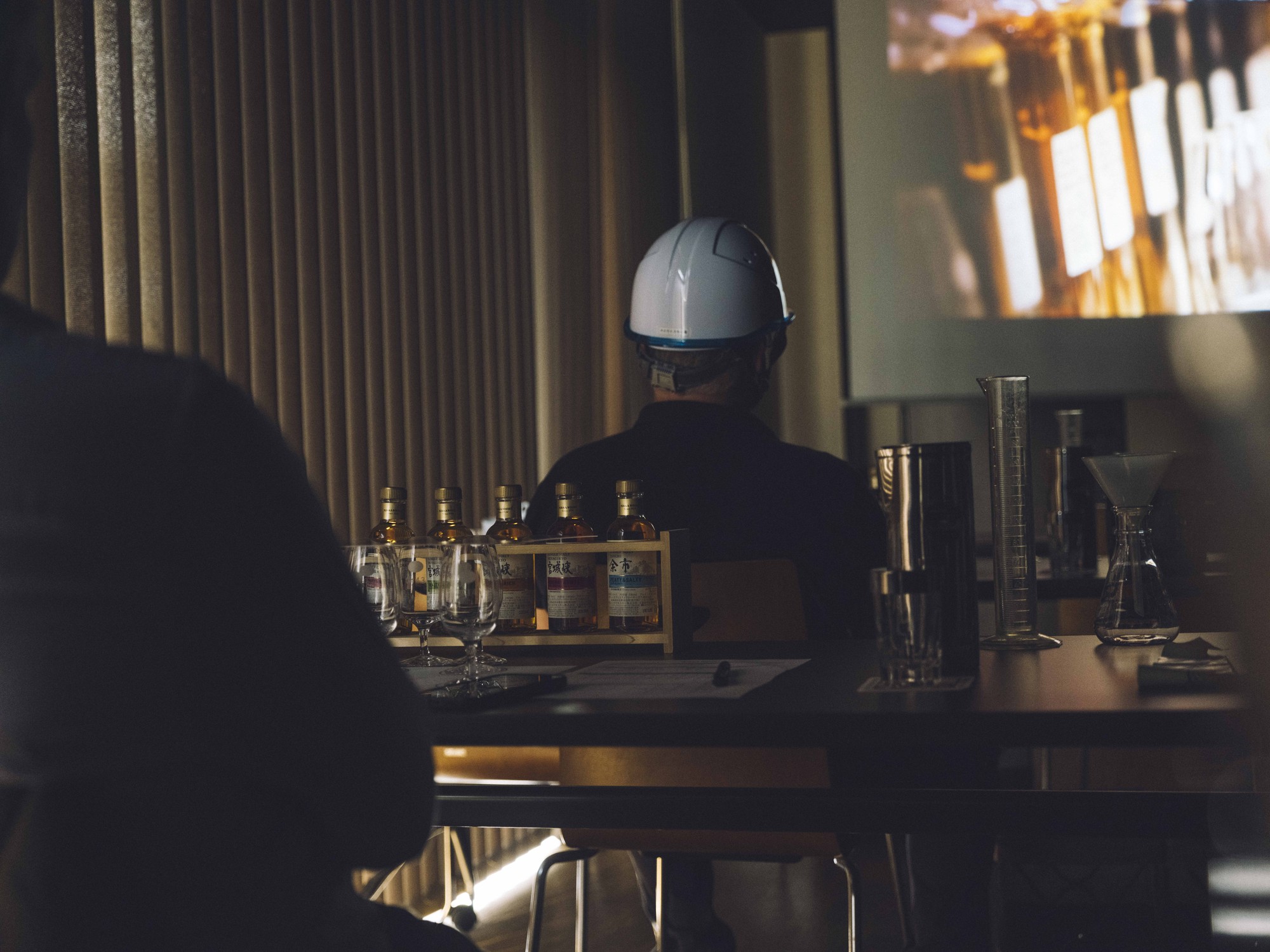
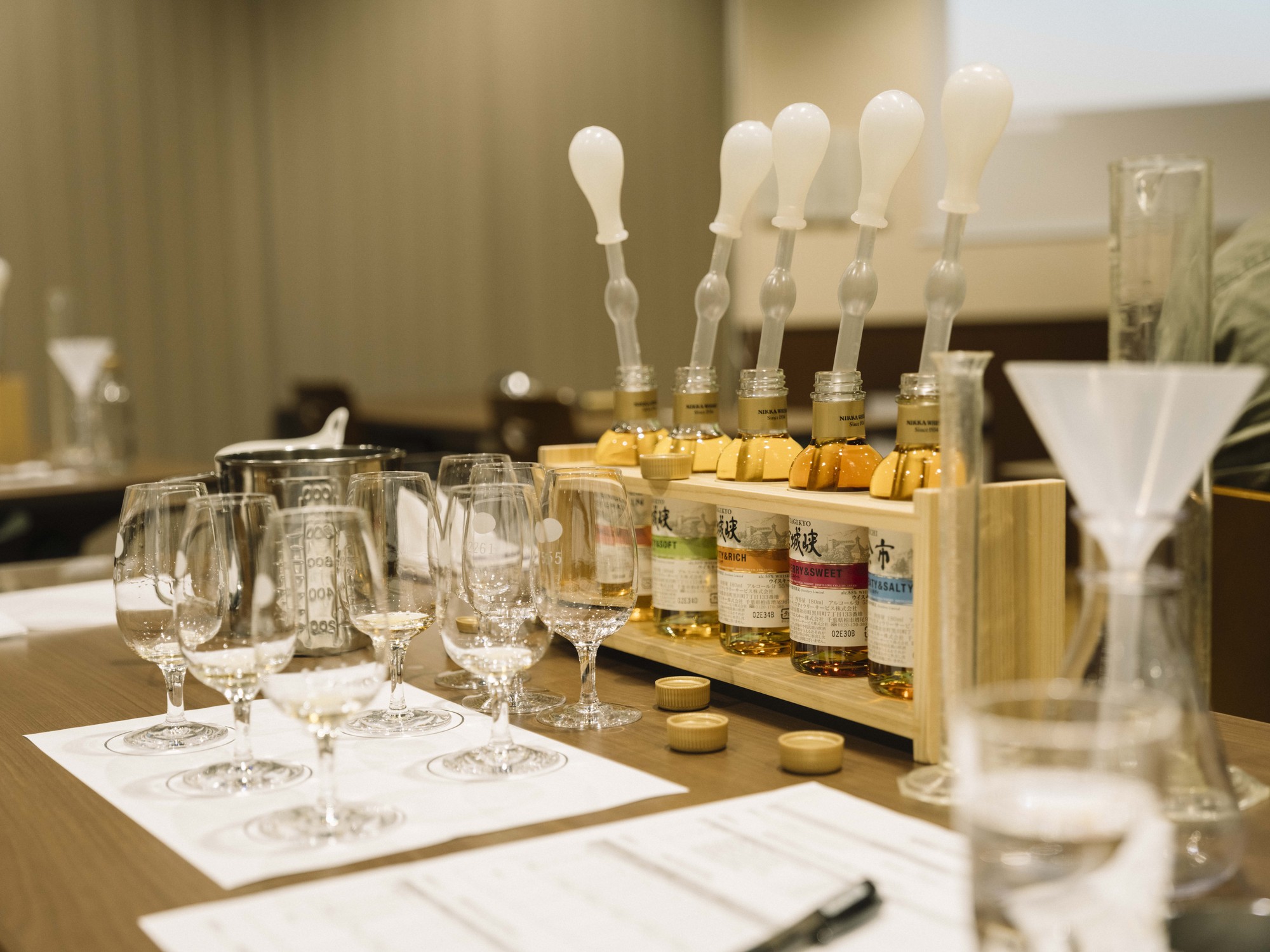
The visit ends with a very informative blending session of different distillates, which helps us understanding how this art of mixing different liquids is the result of enormous knowledge and surgical sensitivity.
A preparatory step before entering the Tochigi facility, where all Nikka distillates take the time necessary to refine, mature, and prepare for their encounter with the “magician” who will decide how, when, and to what extent they will be blended.
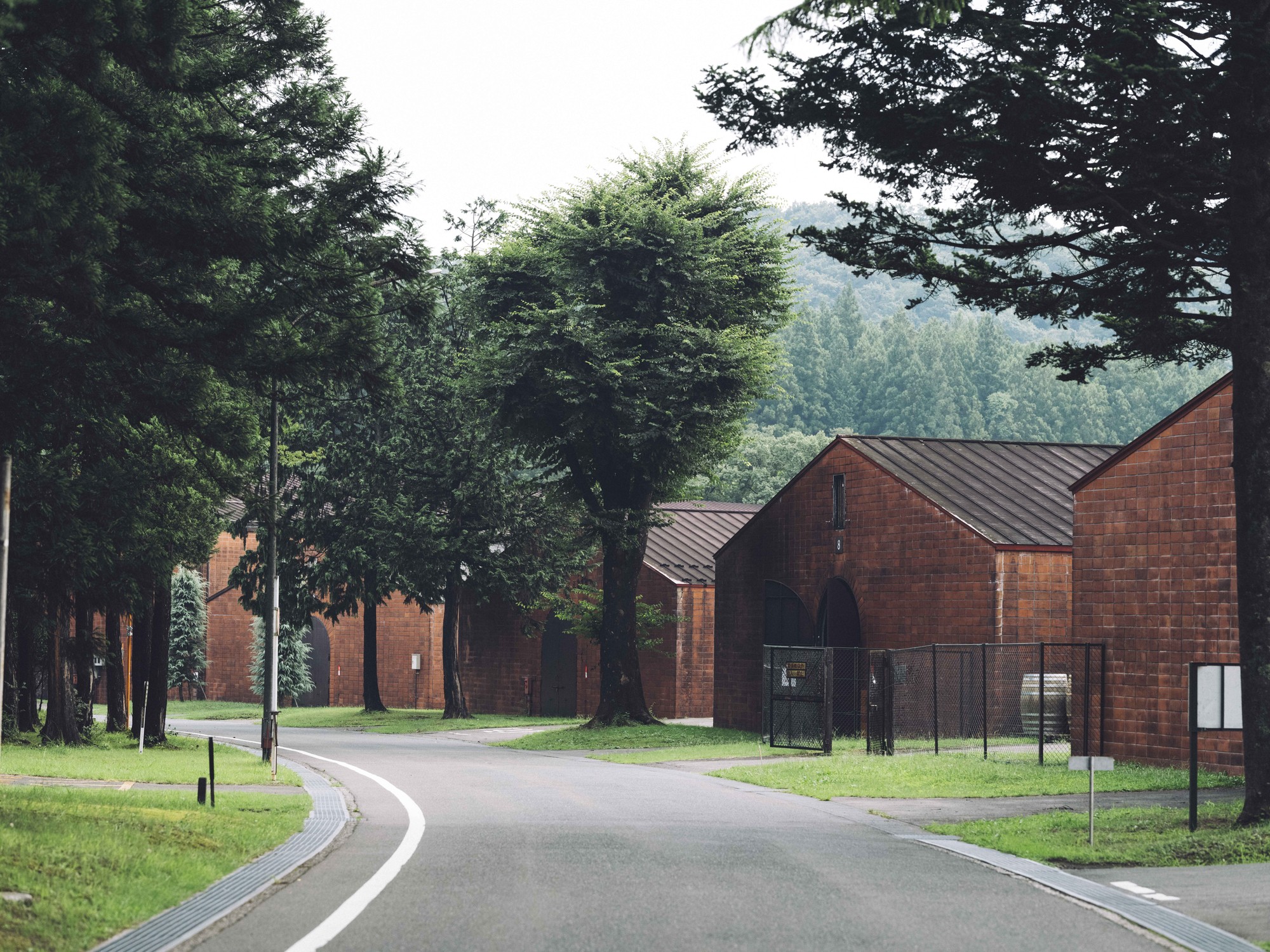
Tochigi, also surrounded by green trees because here the aesthetic aspect of the working environment is never random or underestimated, houses thousands and thousands of barrels in more than ten huge warehouses.
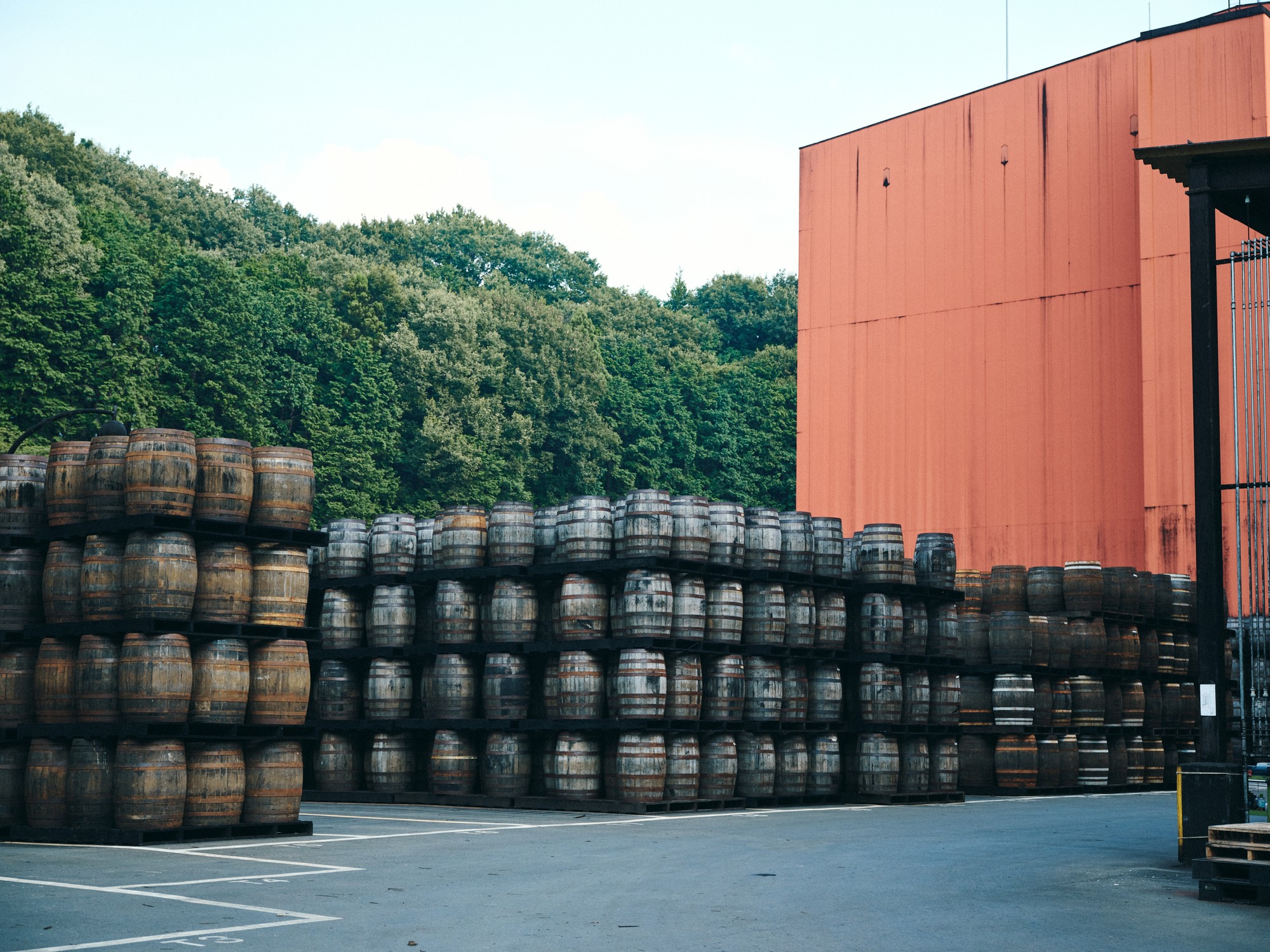
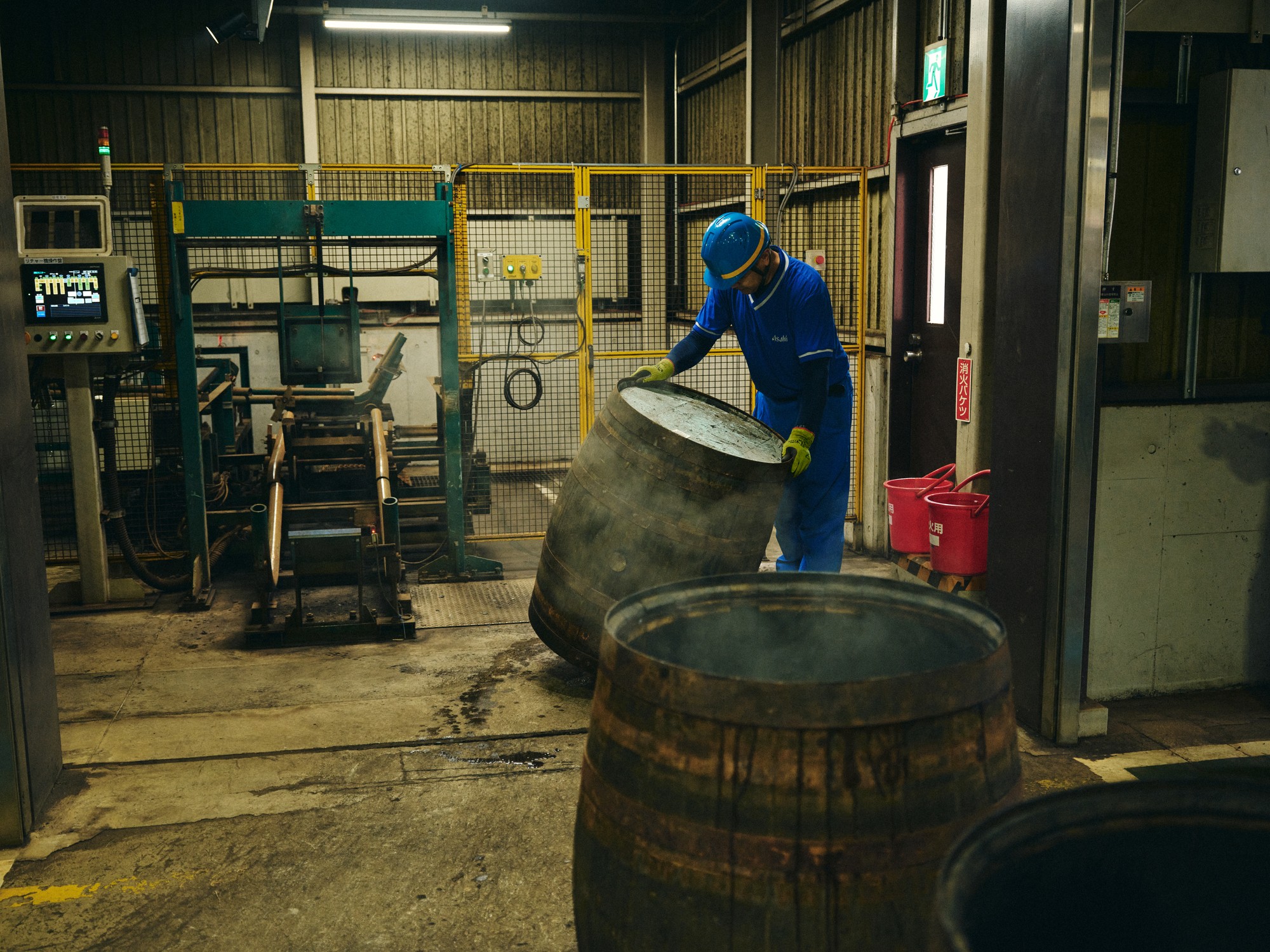
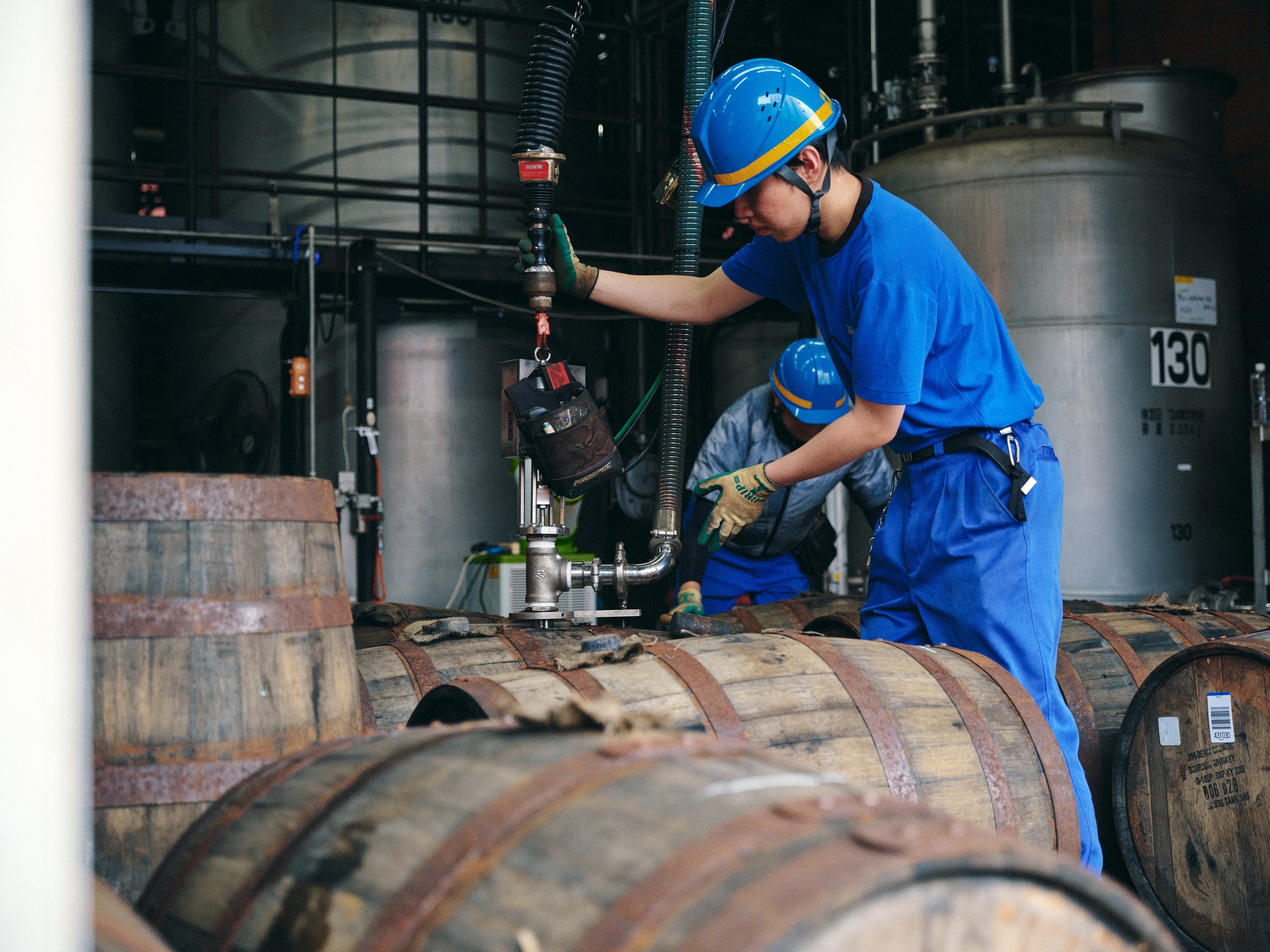
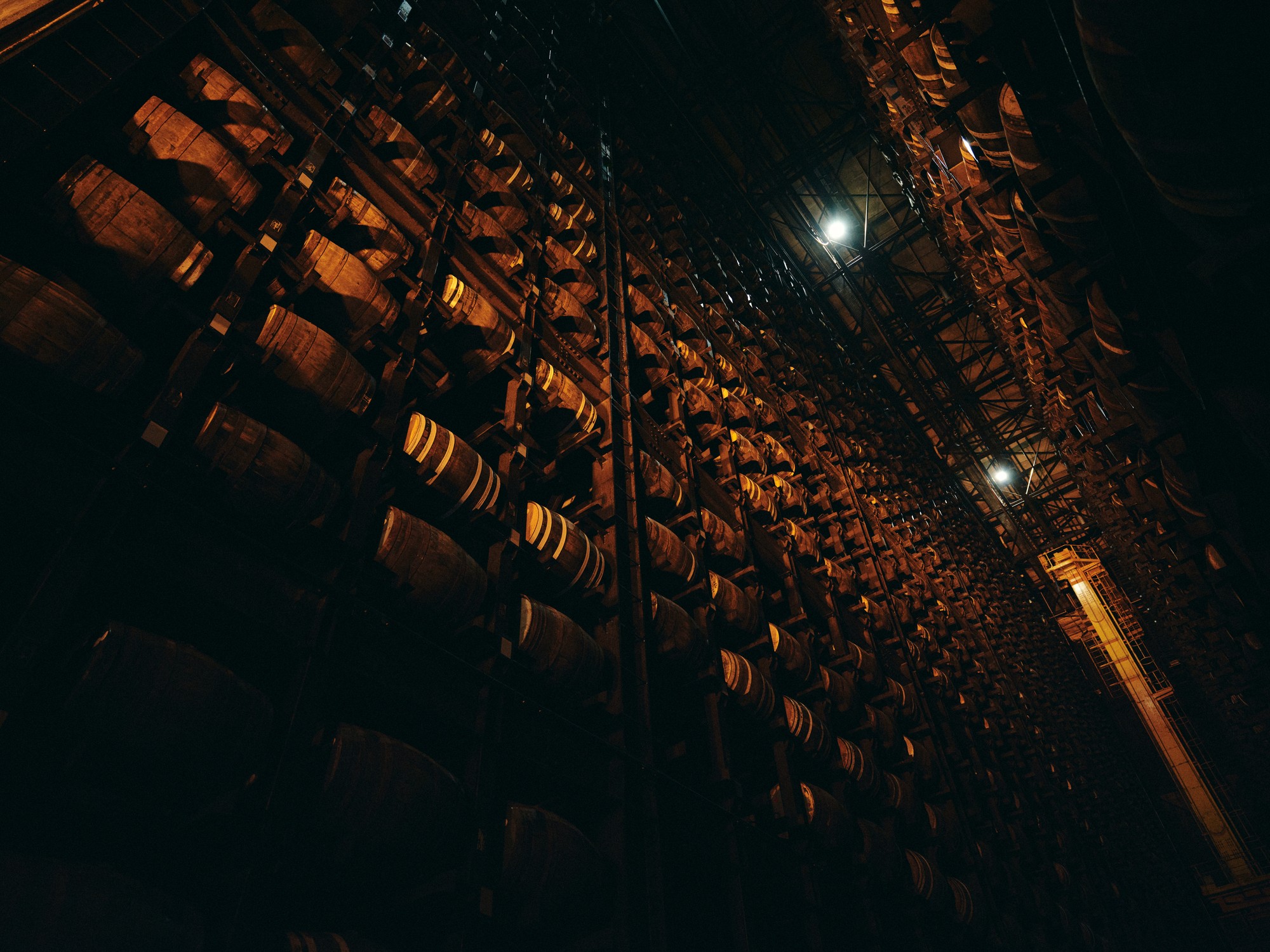
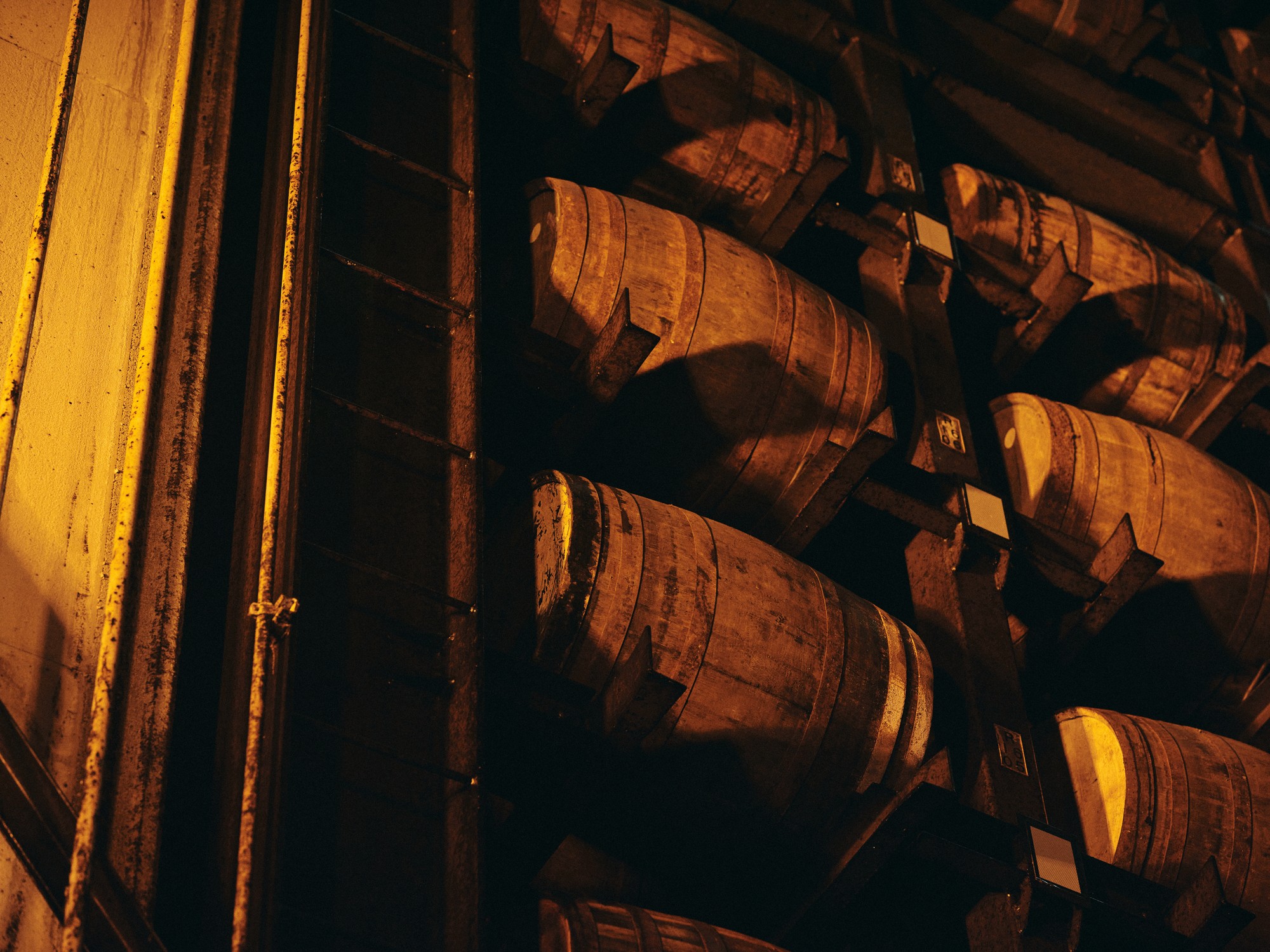

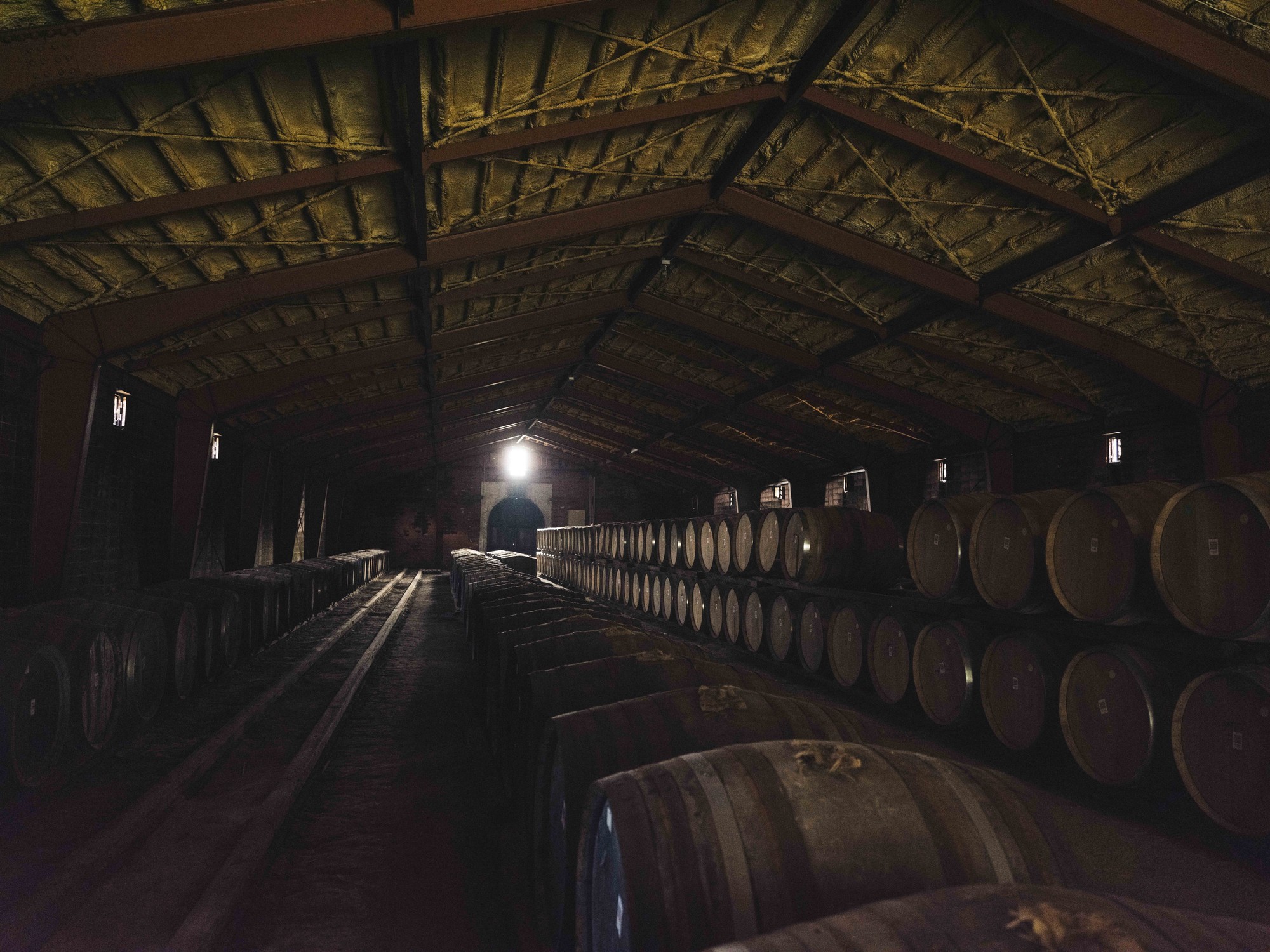
Over ten meters high, like Gothic cathedrals whose pillars seem to want to hold up the sky, they are the guardians of Nikka's treasure. The doors are taller than those of St. Peter's Basilica in Rome, and when they open, it is a “jubilee” for the senses. In other words, you are literally stunned by the sight of rows of barrels stacked on top of each other and the scent of whiskey that overwhelms you like a tsunami.
The foresight to put a filter mask on your face just before entering, dismissed as an almost excessive Japanese courtesy, prevents an untimely fainting spell. From Stendhal syndrome, anyway.
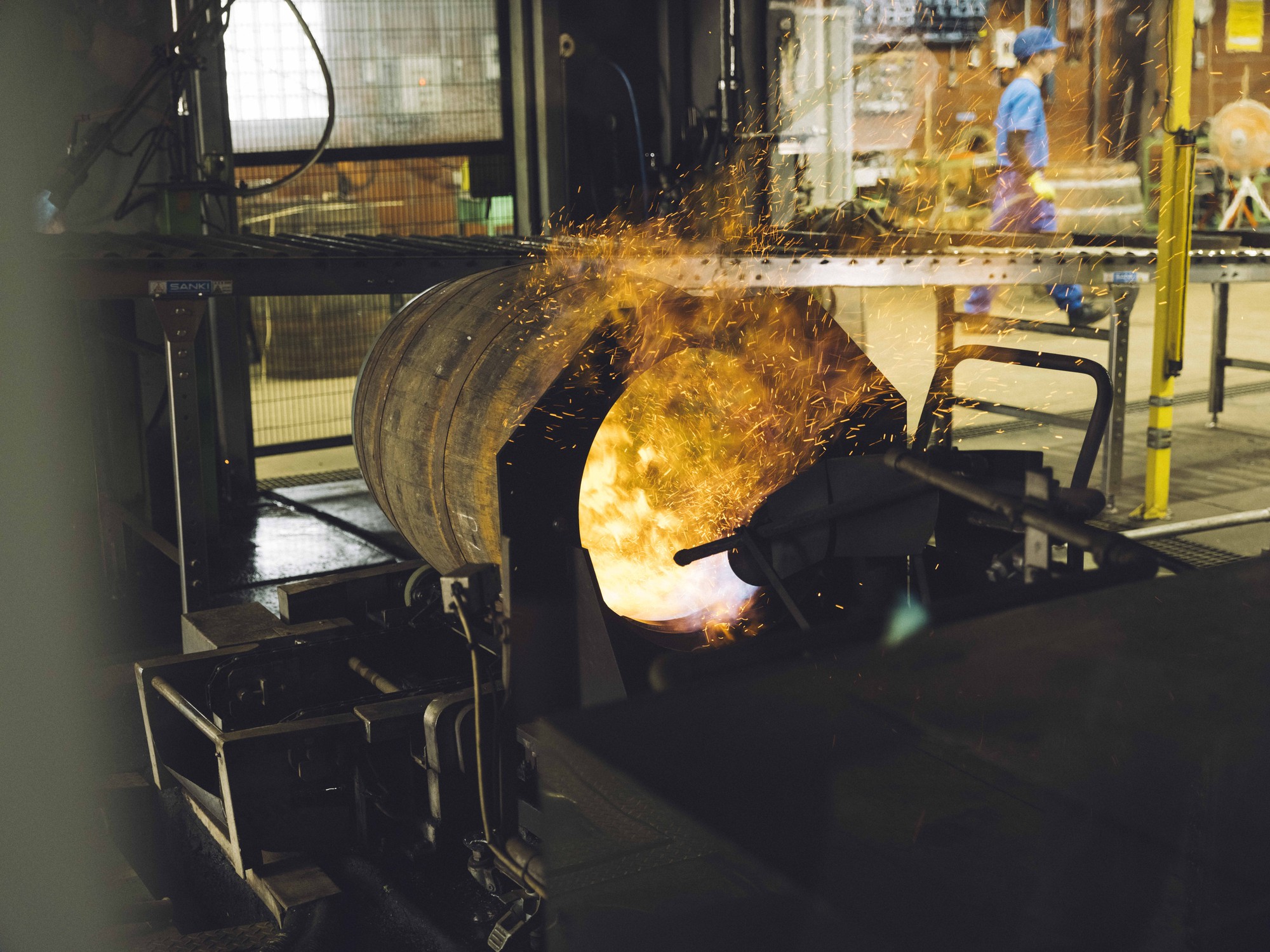
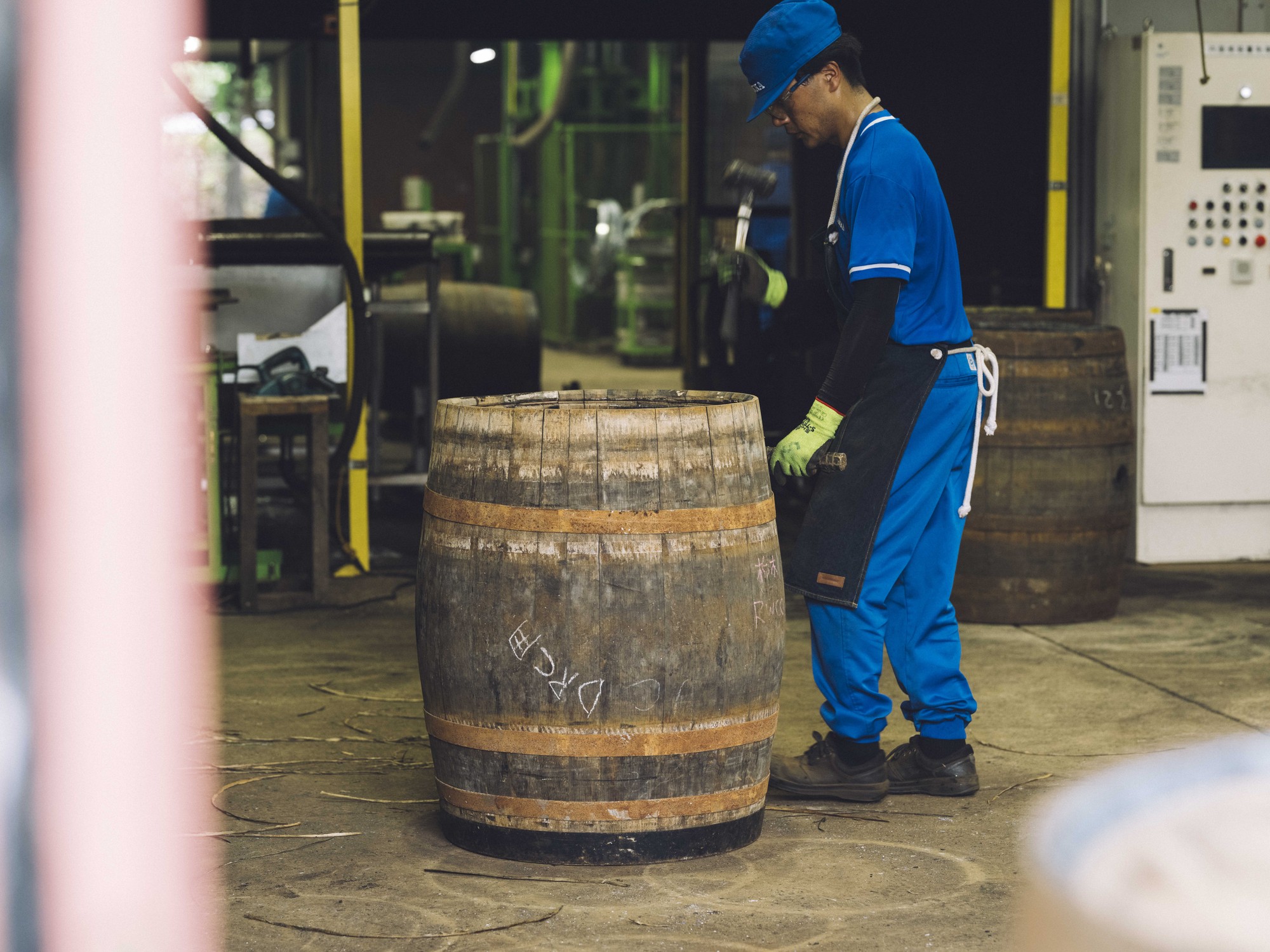
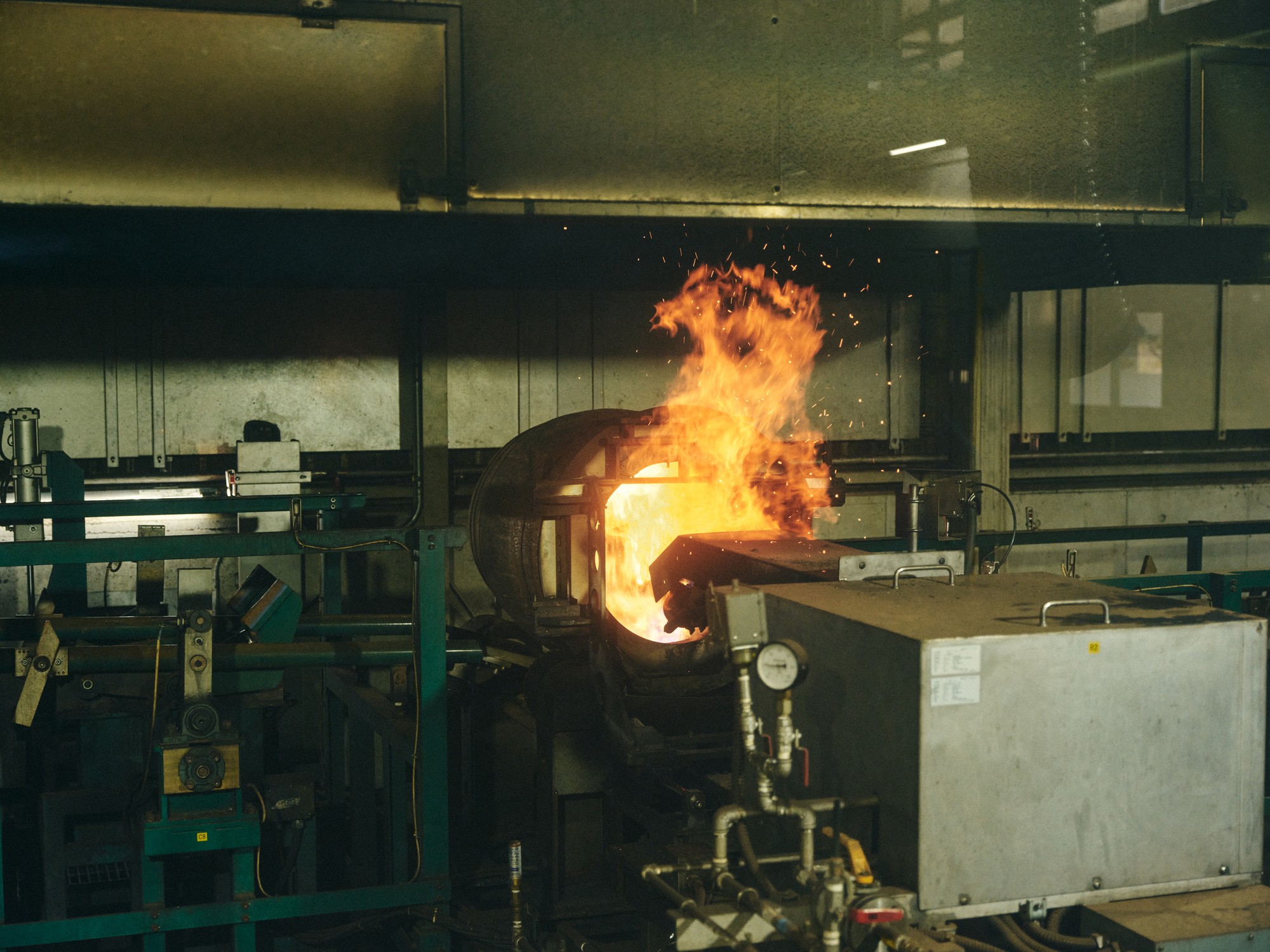
Tochigi is the beating heart of Nikka. The entire plant is dedicated to wooden barrels, with workers assembling staves and hammering on the metal rings that hold them in place, and fire burning their insides, giving the wood that black, rough surface that will give the whiskey its aroma and taste. It is Hephaestus' forge in perpetual motion.
Nikka From the Barrel was born here. Just six years after the founder's death, but thanks to his insights.
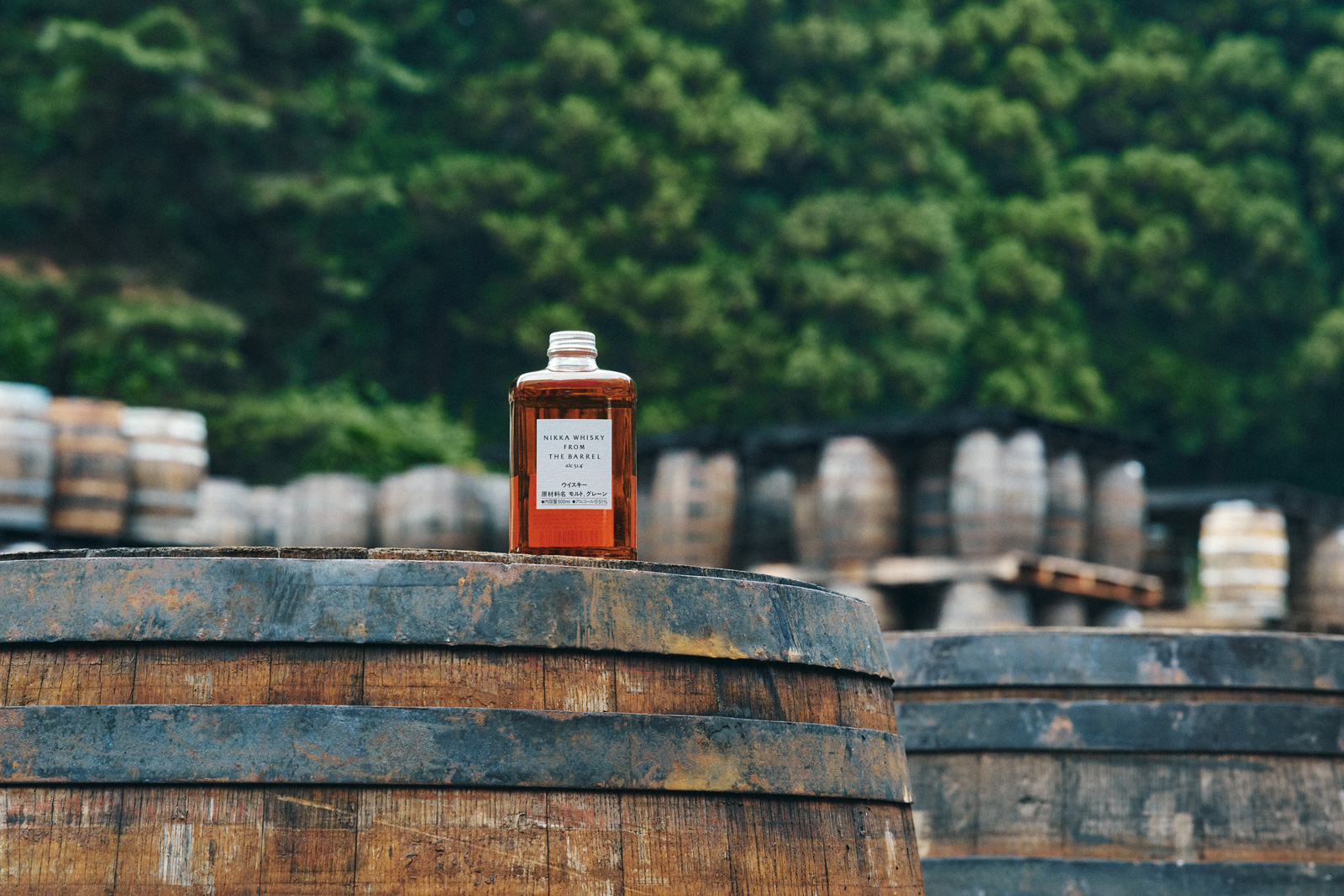
In 2018, it was named “Whisky of the Year” by the prestigious and influential American magazine Whisky Advocate, and is the most exported Japanese whisky in the world.
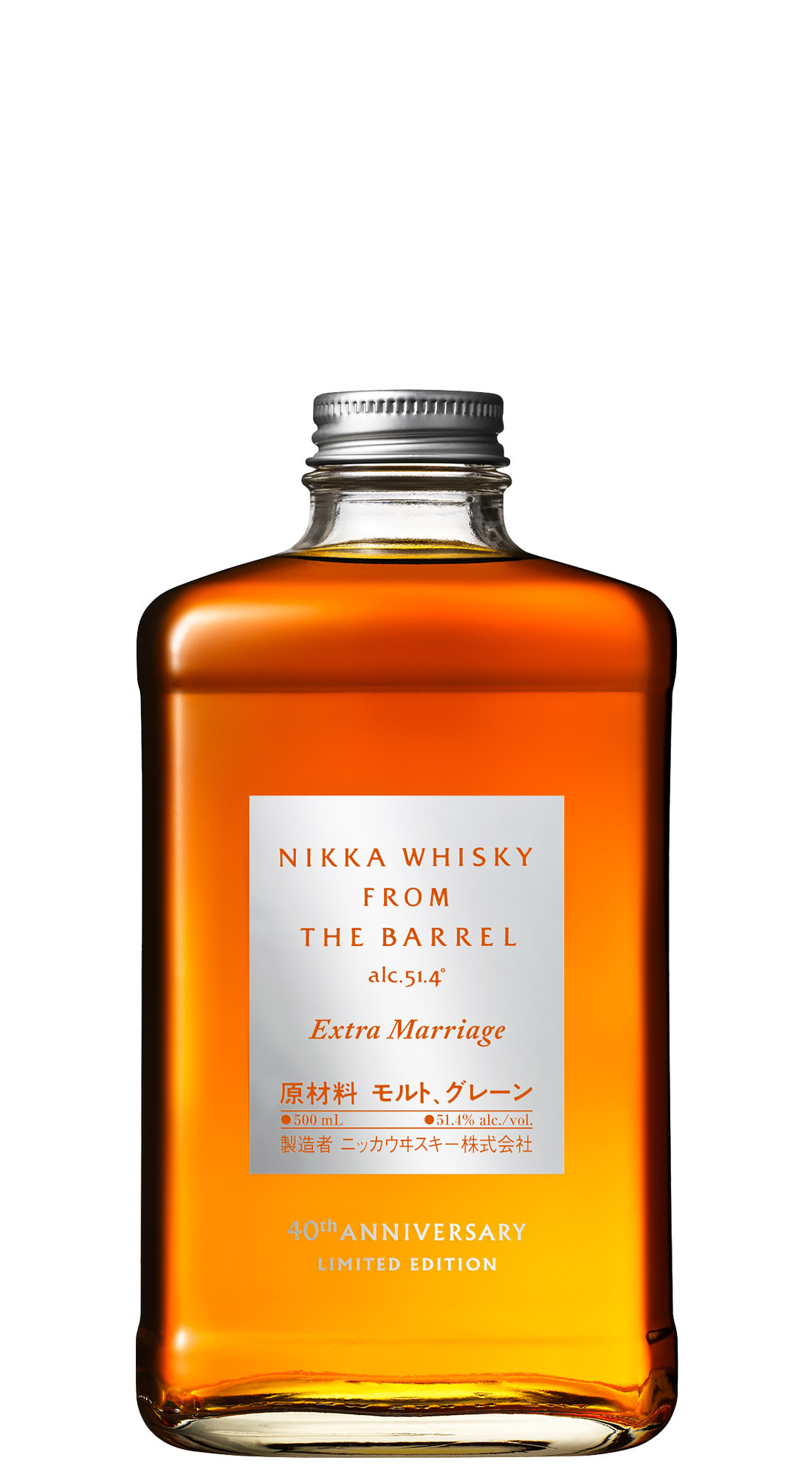
The bottle is certainly instantly recognizable: box-shaped, with a screw cap and a rather simple, silver label with the alcohol content clearly visible: 51.4% ABV.
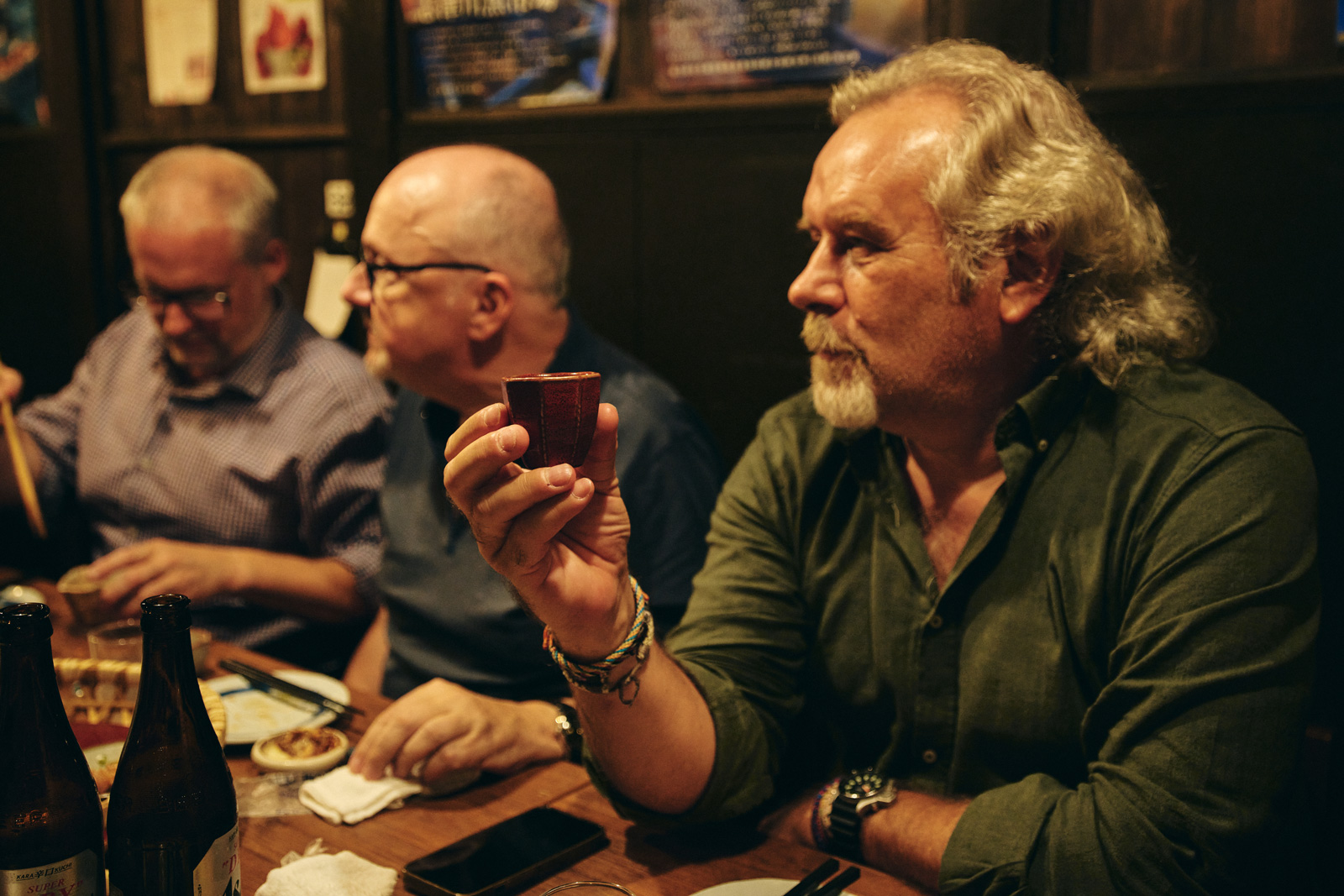
We tasted it several times during our trip to Japan, marveling at its complexity and balance, but also at its approachability. It is a distillate, a blend of over a hundred different distillates, which welcomes you like a friend you haven't seen in a long time.
“Robust yet mellow,” they tell us, adding that when it was first created, it was not in line with the trendiest whiskeys of the time. However, it made its way and reached its first 40 years of life, overturning all initial doubts.
To celebrate its first forty years, Nikka went all out, producing and launching on the international market, with its debut at the recent Whisky Live Paris, 52,000 bottles of From the Barrel Extra Marriage, a From the Barrel whisky that, after blending, was left to rest in barrels for a longer period, allowing for a deeper fusion between the spirits selected from the two distilleries in Yoichi and Miyagikyo.
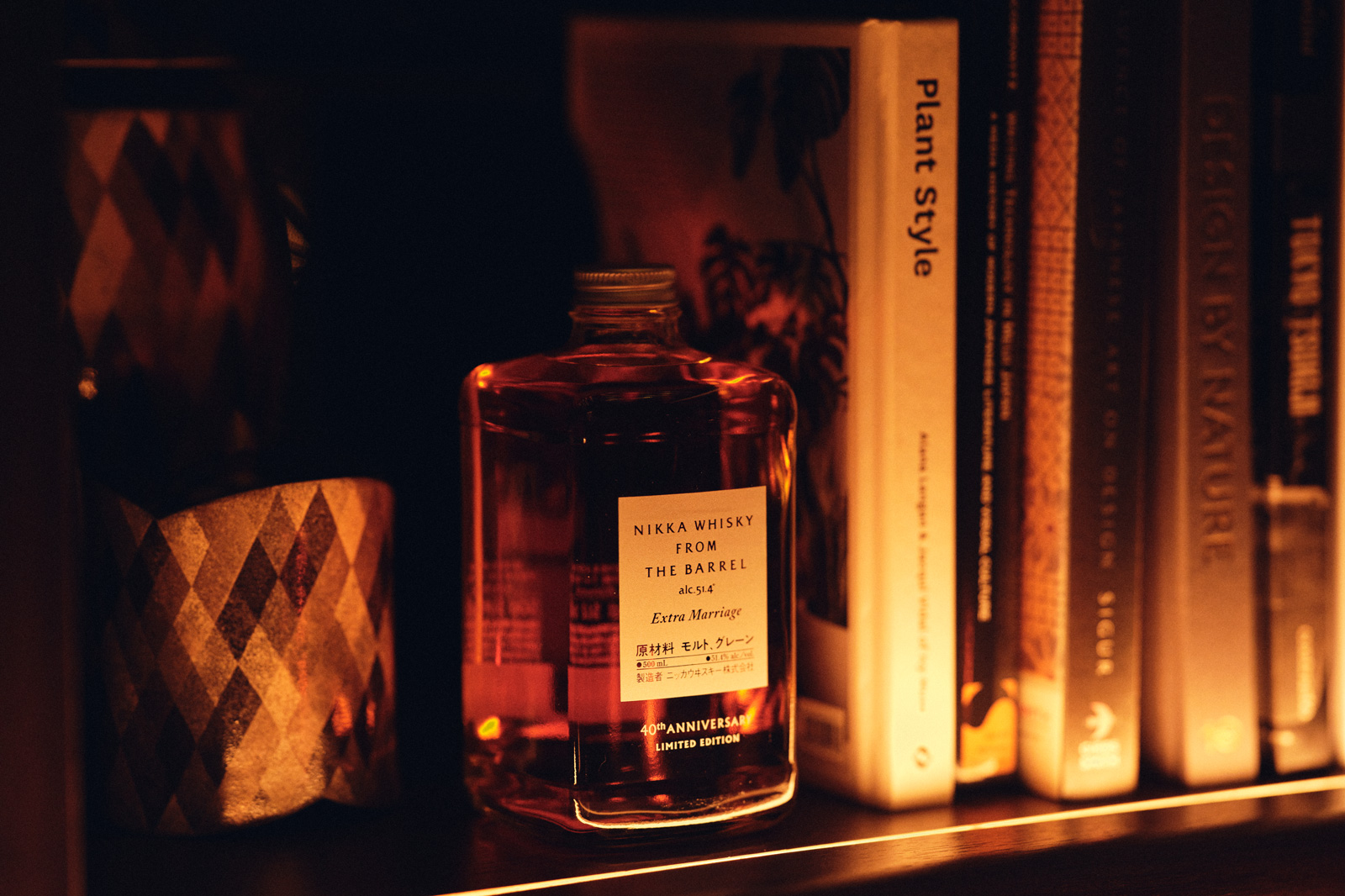
The result is an extraordinarily elegant yet substantial malt distillate, like Sean Connery in a tuxedo, sweet and spicy with initial fruity notes followed by hints of honey, leather and toasted oak, with nuances that obviously recall vanilla, but also dried fruit and candied ginger. A sip of rare balance for a whiskey that never tires, precisely because all the aromas and flavors seem to fit together like pieces of a mosaic.
Not satisfied with the result of Extra Marriage, Nikka has also released two other celebratory versions: Before Marriage and After Marriage. Both have the same alcohol content as the original version, but the former is more decisive and citrusy, while the latter is more complex and articulated, with floral notes that are complemented on the palate by warmer sensations reminiscent of chocolate and freshly baked biscuits.
These last two examples are available in very limited quantities, requiring a search worthy of Vittorio Alfieri (“I wanted, and I always wanted, and I wanted very strongly”), but we can reveal that they will be released in a three-bottle box set at an incredibly reasonable price.
Nikka's adventure continues, with its whisky initially coming to life in two distilleries with different souls, both of which can be visited by the general public, and then blending into a single entity in the large “houses” - because calling the warehouses “warehouses” would be doing them an injustice - in Tochigi, where the spirits rest before being married together.
And few marriages can be considered as fairytale-like as those celebrated every day in the shade of the large trees that surround them.
SPIRITS
Rum
Whisk(e)y
Gin
Agave
Calvados
Armagnac
Others
VELIER LIFE
Extraperimetral
VNP
Aguilas Camp
TRAVEL
São Tomé e Principe
Mexico
Distillery Tour
Food Guide