


Unstoppable agave - Tequila and Mezcal take center stage
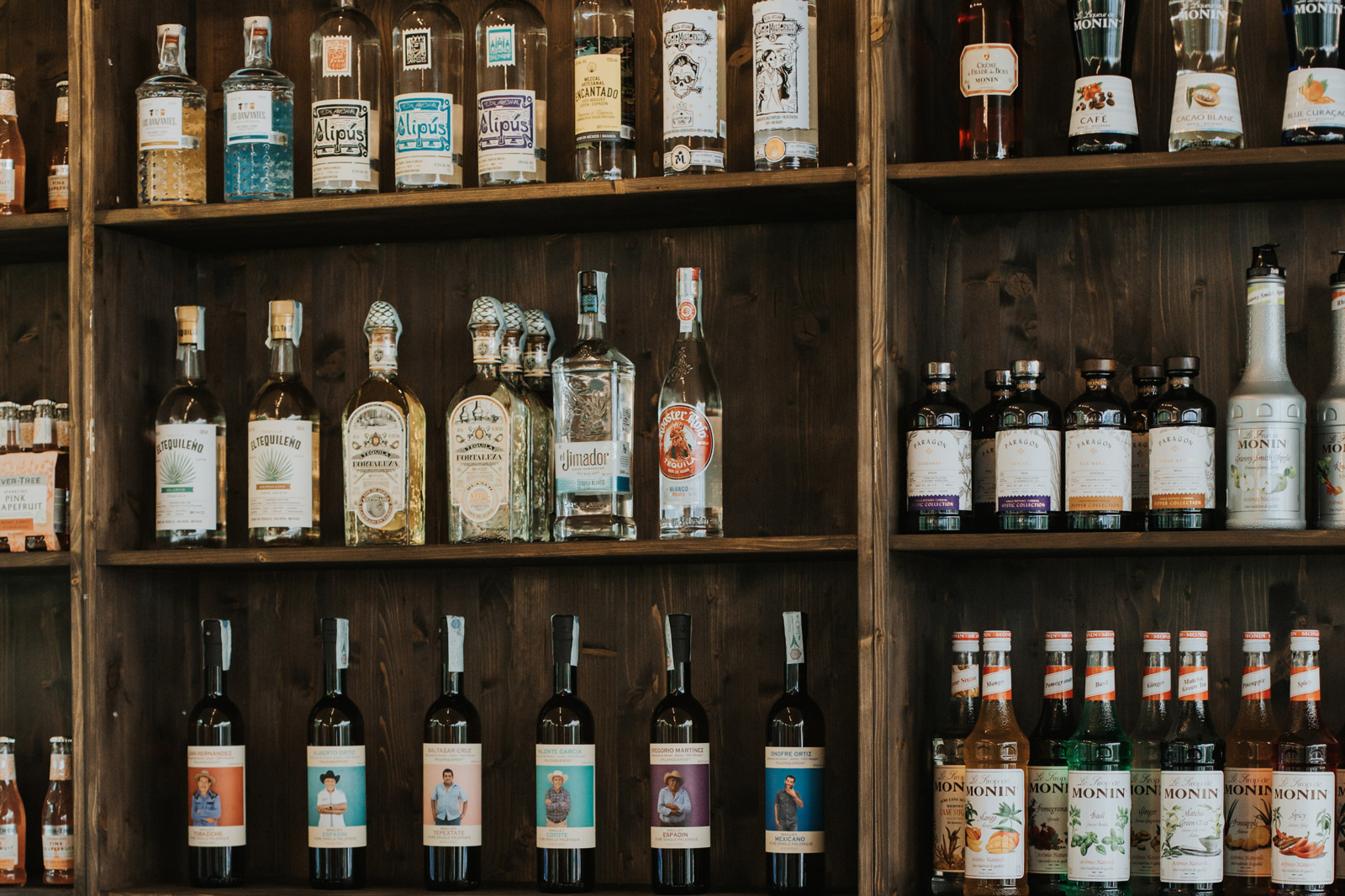
Mexican agave spirits are enjoying significant popularity, reflected by growing sales and consumer curiosity. The topic was discussed in depth together with a number of leading figures in the market during two dedicated events.
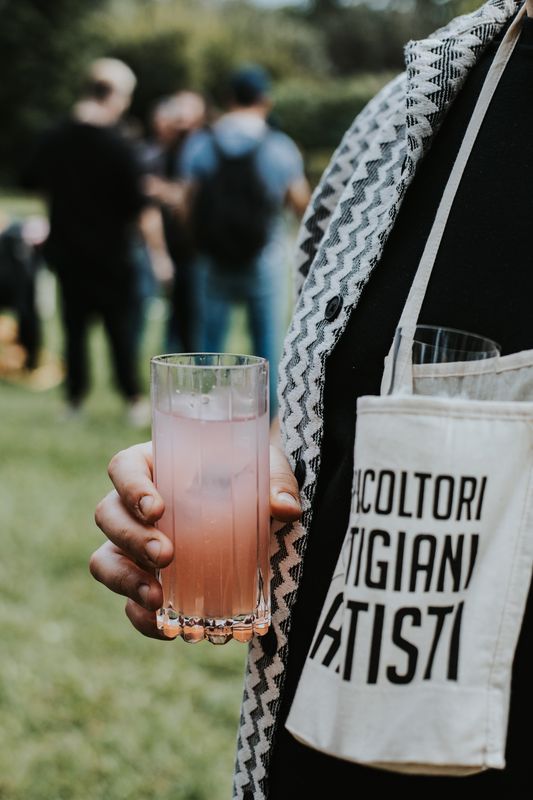
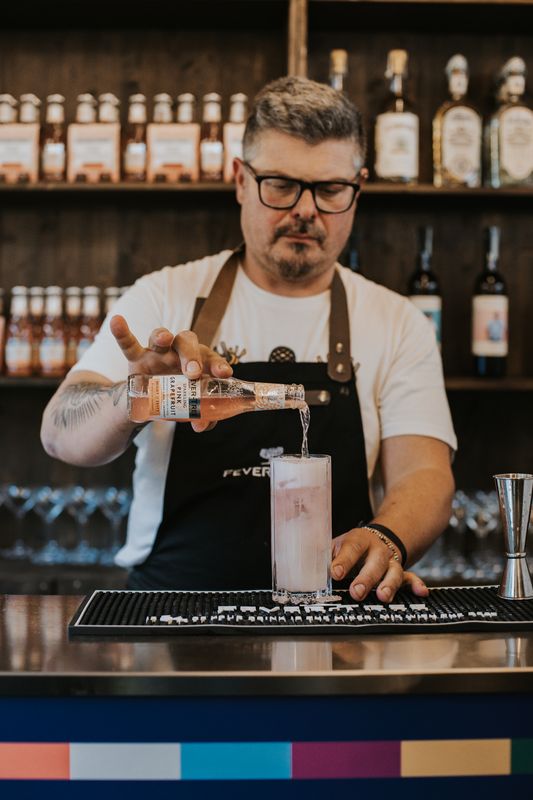
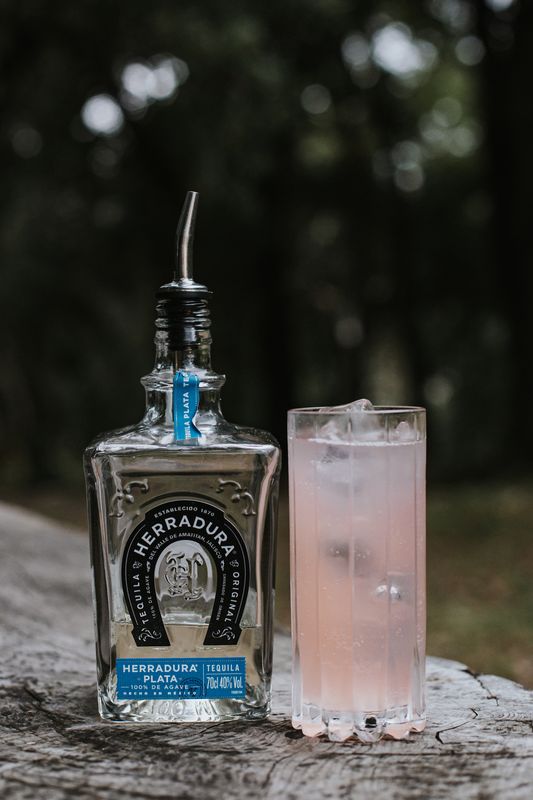
Official signals come from the IWSR's annual report - the main source of information on the alcohol market. The report shows an increasing interest in the world of agave, following a trend that began back in 2020. With the first signs of decline in the popularity of gin - which however still shows significant growth - many bartenders are in fact turning to tequila, with an increasing growth in cocktails like the Paloma as a key driver.
In 2022 the boom was curbed by issues in the availability of agave which however seemed solved for most brands by 2023 - so much so that in the 2024 IWSR report high-end mezcal sees its small connoisseur base strengthened while tequila is the second fastest growing spirit in recent years after gin.
According to Fortune Business Insights, in 2023 the tequila market exceeded 10 billion Euros in value with a year-over-year growth rate of 5.9% and projections pointing to 16.5 billion Euros by 2032. The main market is still the United States with 60% of the total, but the growth clearly also extends to the rest of the world.
It is true that many consumers in Italy still tend to consider tequila as a drink to be consumed in shots, but it is equally true that awareness of its uniqueness has been growing for years now, one of the reasons being the invaluable awareness building and popularization efforts of a number of bartenders who have made agave their mission. Some of the most prominent names include Roberto Artusio and Cristian Bugiada with their bar La Punta Expendio de Agave in Rome, officially opened in 2016 but conceived during long years of learning about Mexican and Zapotec culture.
The first event in chronological order was held on 30 September with Tavola Spigolosa, a periodic meeting of food and wine communication professionals created by Linkiesta Gastronomika; the second one was Agave Live, organized by Velier in two sessions on 1 October in Genoa and on 3 October in Rome.
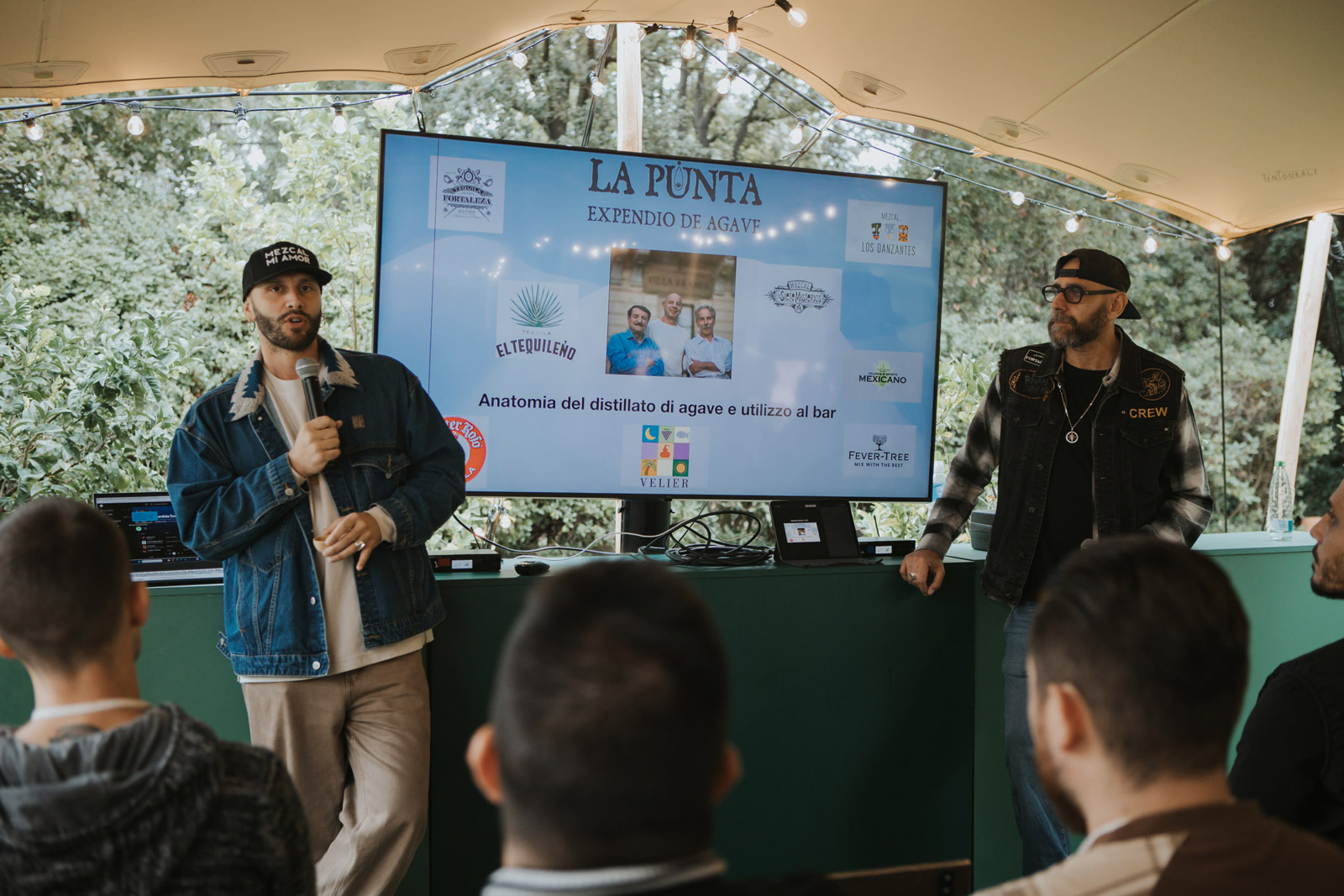
"The first important thing we need to say is that we didn’t find agave," says Roberto as an introduction. "It's actually agave that found us. This plant finds you when the times are ripe."
Though conscious of being among the first to bring tequila and mezcal to a skeptical market like Italy, Cristian and Roberto don't feel like pioneers in the strict sense of the word and never forget to pay tribute to the late Dom Costa, who encouraged them at the beginning of their journey and offered them his valuable perspective and advice. To this end, it's impossible not to mention Velier's trailblazing work long before anyone had even heard of agave, when over twenty years ago they started importing tequila and mezcal anticipating today's trend.
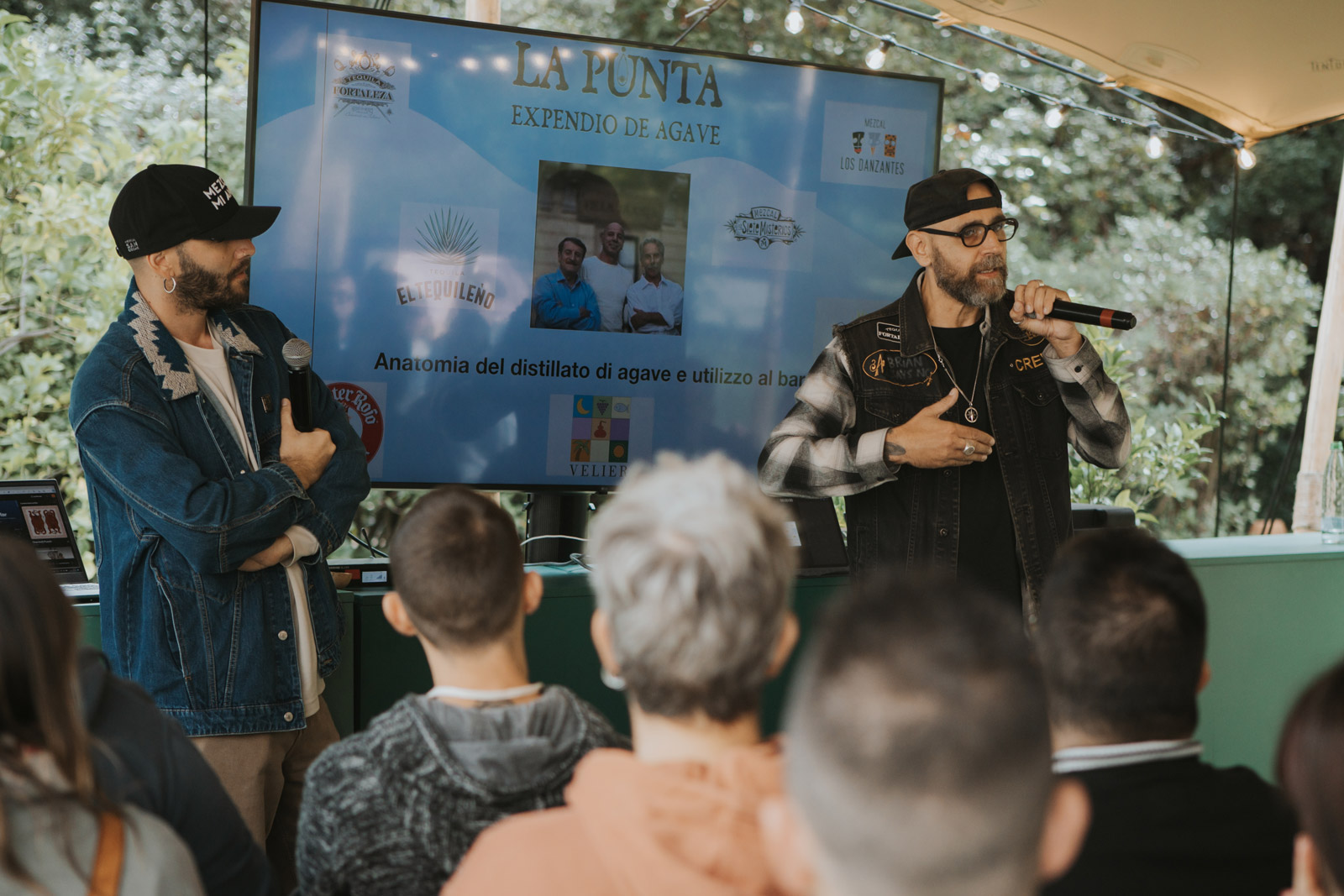
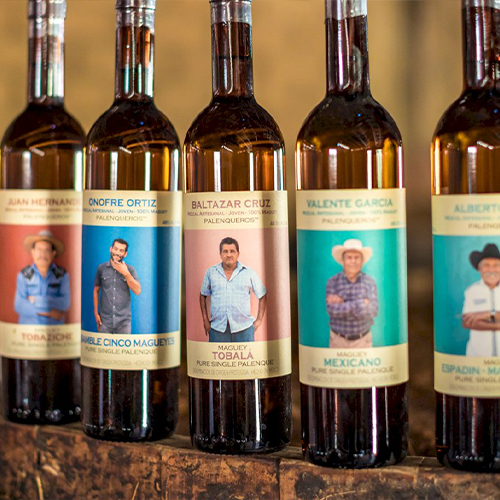
According to Roberto, both consumption and consumers have definitely increased. While in countries like Germany people drink more but lower-quality agave – for example tequila mixto with 51% agave – in Italy the focus is very much shifting to 100% agave products. Another person who really helped Cristian and Roberto by teaching them how to promote quality spirits was Héctor Vazquez, a great agave connoisseur, Master Distiller as well as coordinator of the Palenque Spirits project involving six agave spirit producers from Oaxaca.
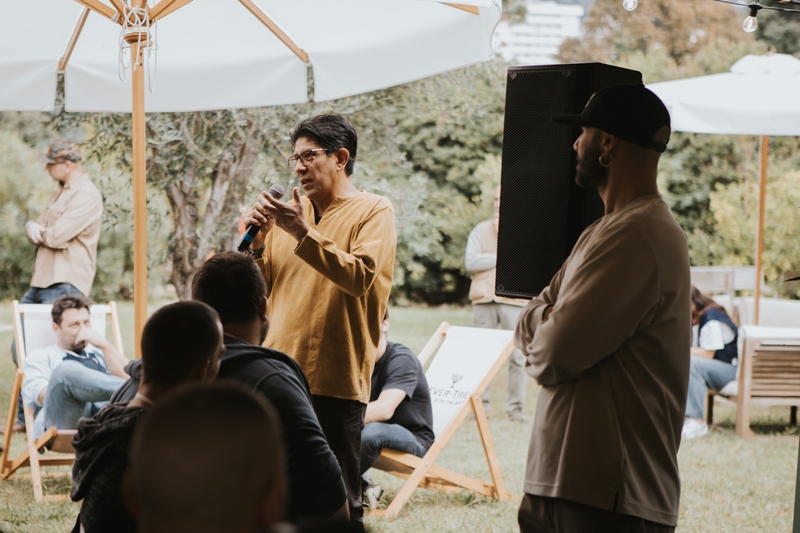
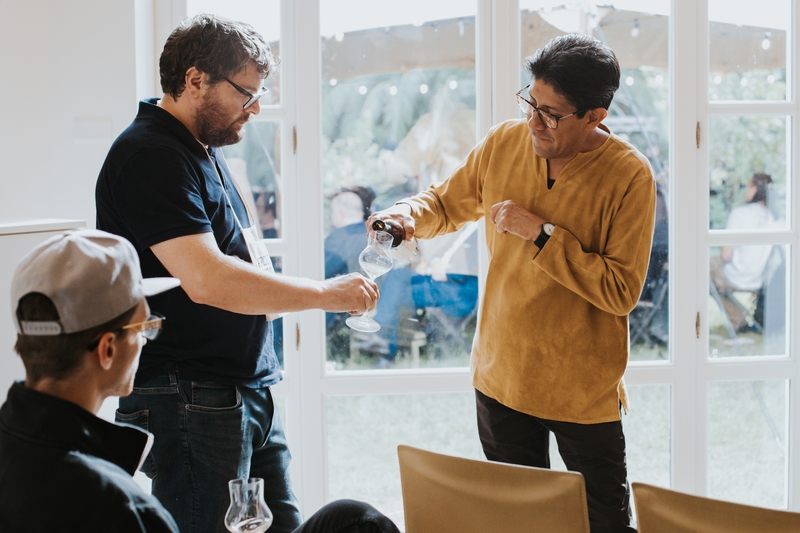
"My real job," Héctor points out, "is to help local producers by offering them advice, setting goals together and helping them control the quality of their spirits. I also really like helping make agave more popular in Italy.".
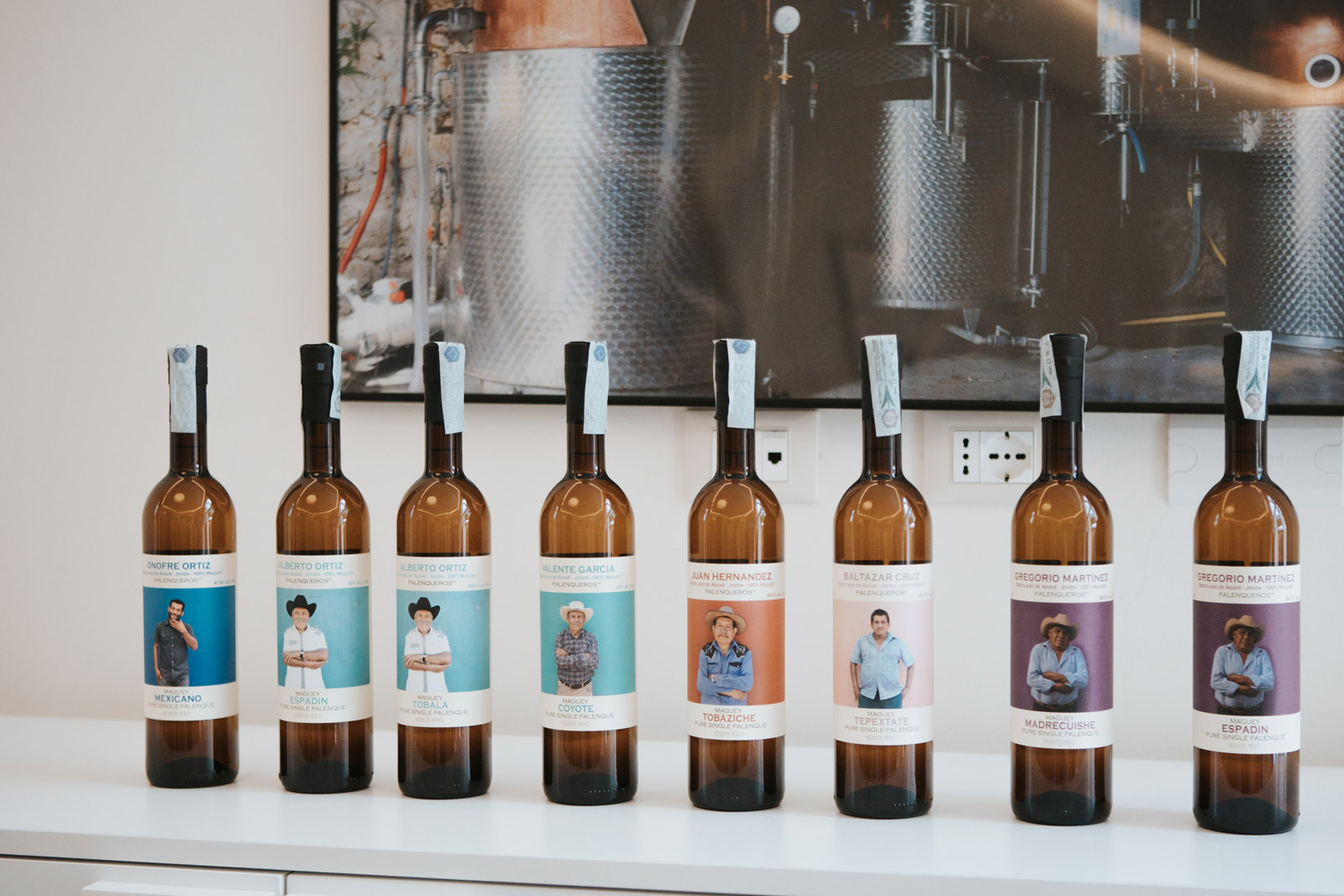
"The palenqueros involved in our project produce a spirit that's technically mezcal," he explains, "but officially it's not because we chose not to have a certification, which in my opinion does a poor job of protecting the product and ensuring quality. We decided to bypass bureaucracy by producing what's actually an agave spirit, and we are proud to say that on labels the name of the producer is bigger than the name of the brand, because it's more important."
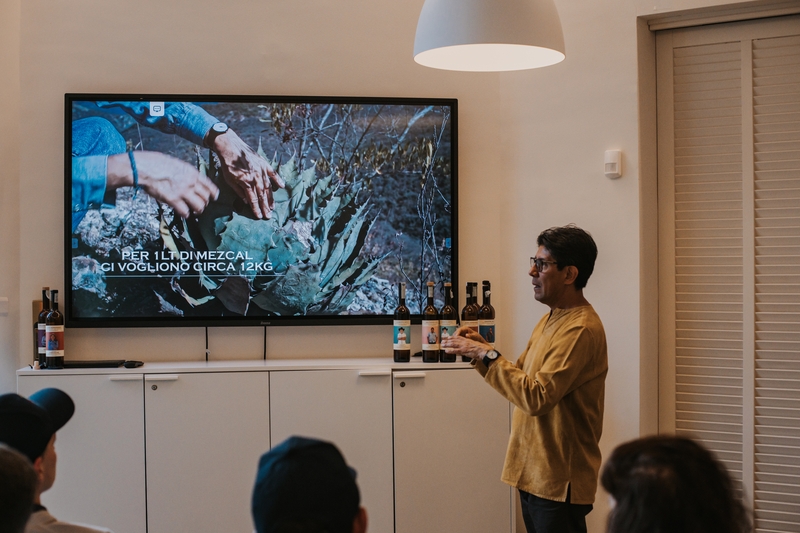
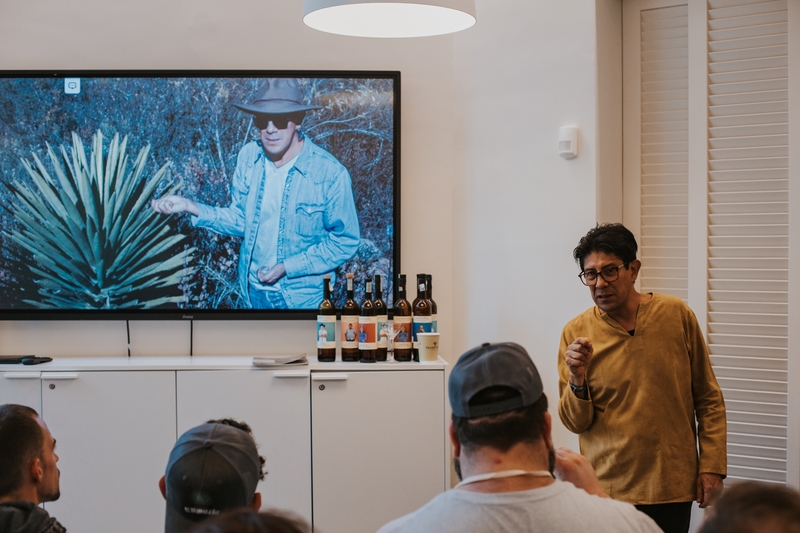
"One key concept we can use to help consumers understand this universe is terroir. That's where 70% of the flavor of every spirit comes from. We can draw a parallel with the world of wine, something that's very familiar to Italians," continues Héctor, answering a question about the unique character of each product. "Different grape varieties produce very different wines, the same way different agave varieties will yield very different mezcals."
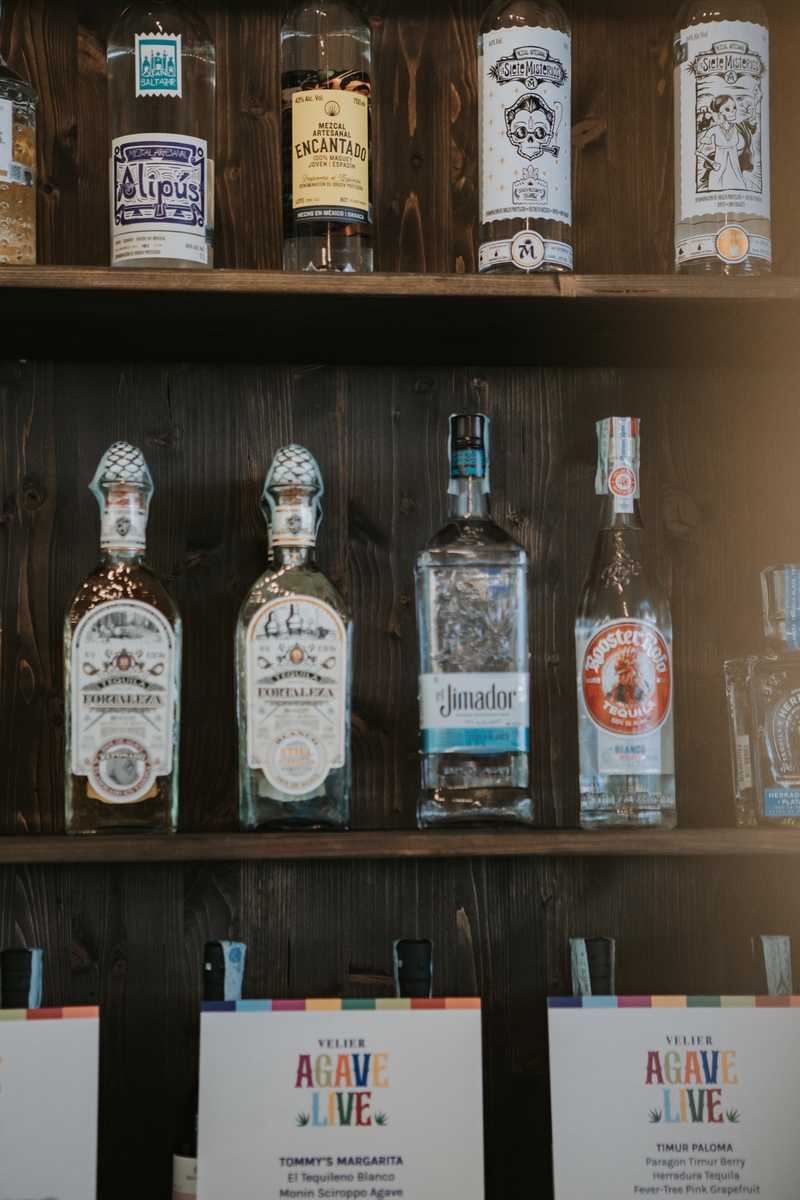
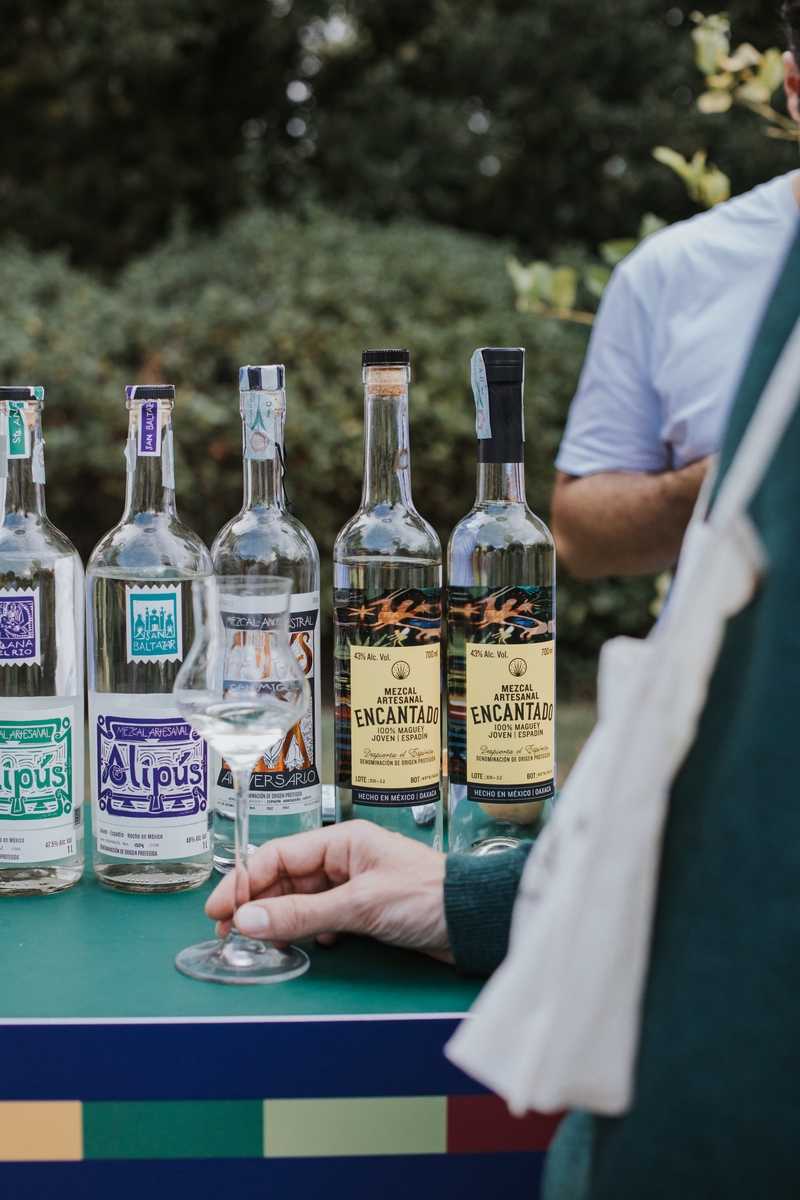
"People are familiar with grape varieties," Roberto adds, "and the same can be done for agave starting with the best-known, the Azul variety, then moving on to others. We call it agawine, to remember the parallel with wine."
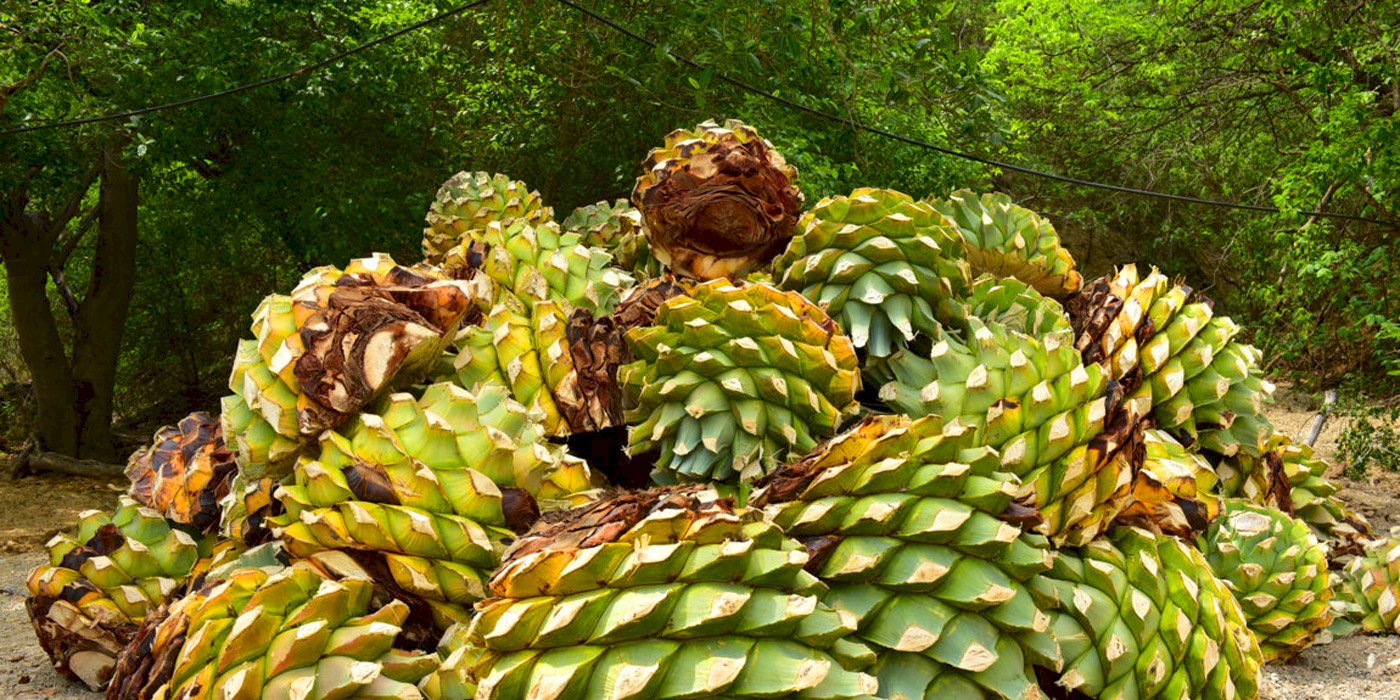
Of course, one of the main differences is that grapes are harvested every year while the earliest maturing agaves take 5 or 6 years – as in the case of Espadin. This is a very important factor which significantly affects the costs and prices of tequila and mezcal.
The Azul and Espadin varieties offer a good yield and faster growth - every liter of still-strength mezcal requires 5 kilograms of agave. As always, quality depends on the production method. Other agave varieties like Tobalà need many years before reaching maturity - between 15 and 20.
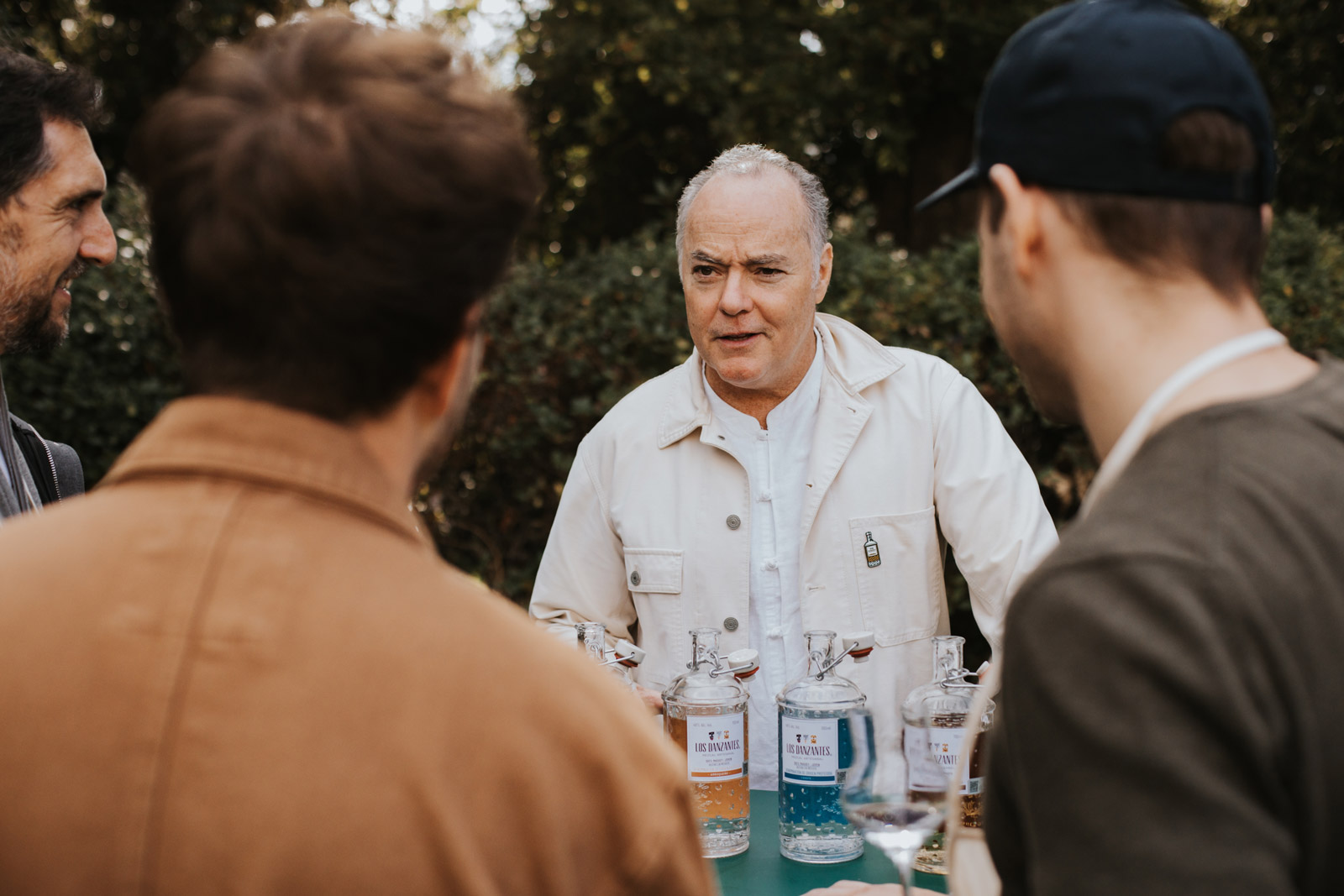
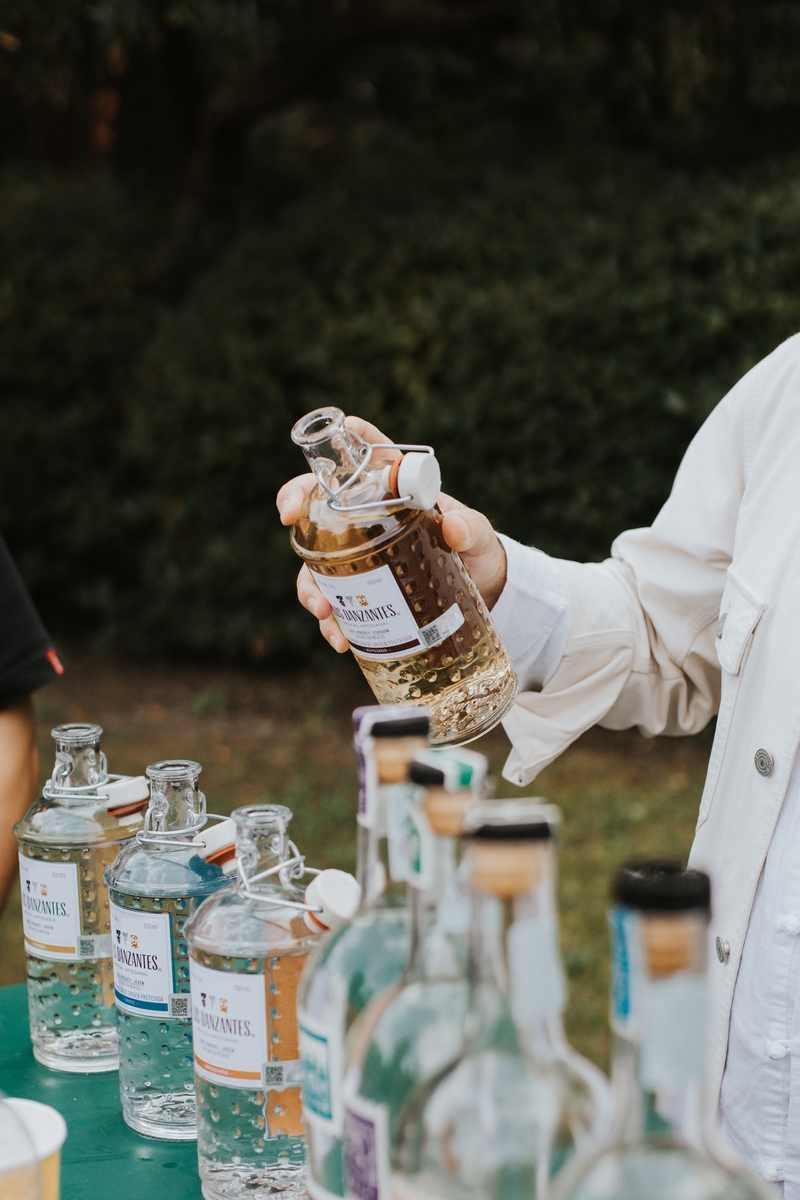
Ever since it was founded the Los Danzantes distillery has made efforts to protect agave, which in the years around 2012 was endangered. Vìctor Pérez tells us about it:
"We promoted a reforestation project to grow wild agave. Today we work with 20 different species and only produce 900 bottles per batch. We are very proud of our diversification work. For example, Arroqueno agave was about to disappear, but we were able to bring it back and started producing with it again. Our production methods are 100% traditional."
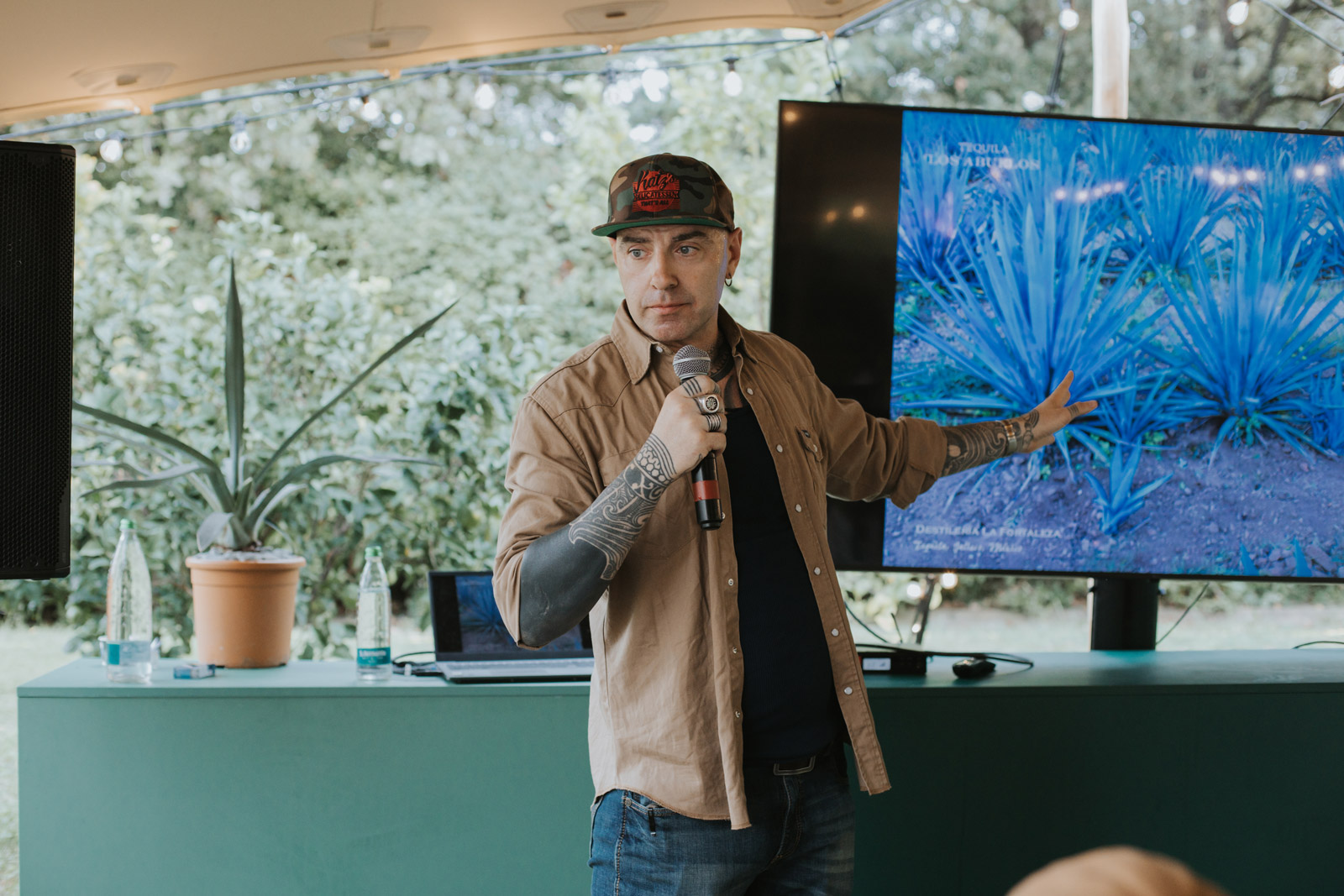
As Tequila Fortaleza brand ambassador Stefano Francavilla points out, agave prices have always been known to fluctuate:
"We need to consider that if around twenty people plant agave, then we know that in 7 years' time the price will be lower, because there will be more product availability. But if some of them think that it may be better to plant corn or other faster-growing crops, then in 7 years there will be fewer producers and the price will go up. And if the price goes up, many people will start thinking about planting agave again. It's a historical fluctuation that repeats periodically. In 2007 the price for one kilo of tequila agave was 3 pesos; two years ago it was 32 pesos. Now it's under 10 pesos again."
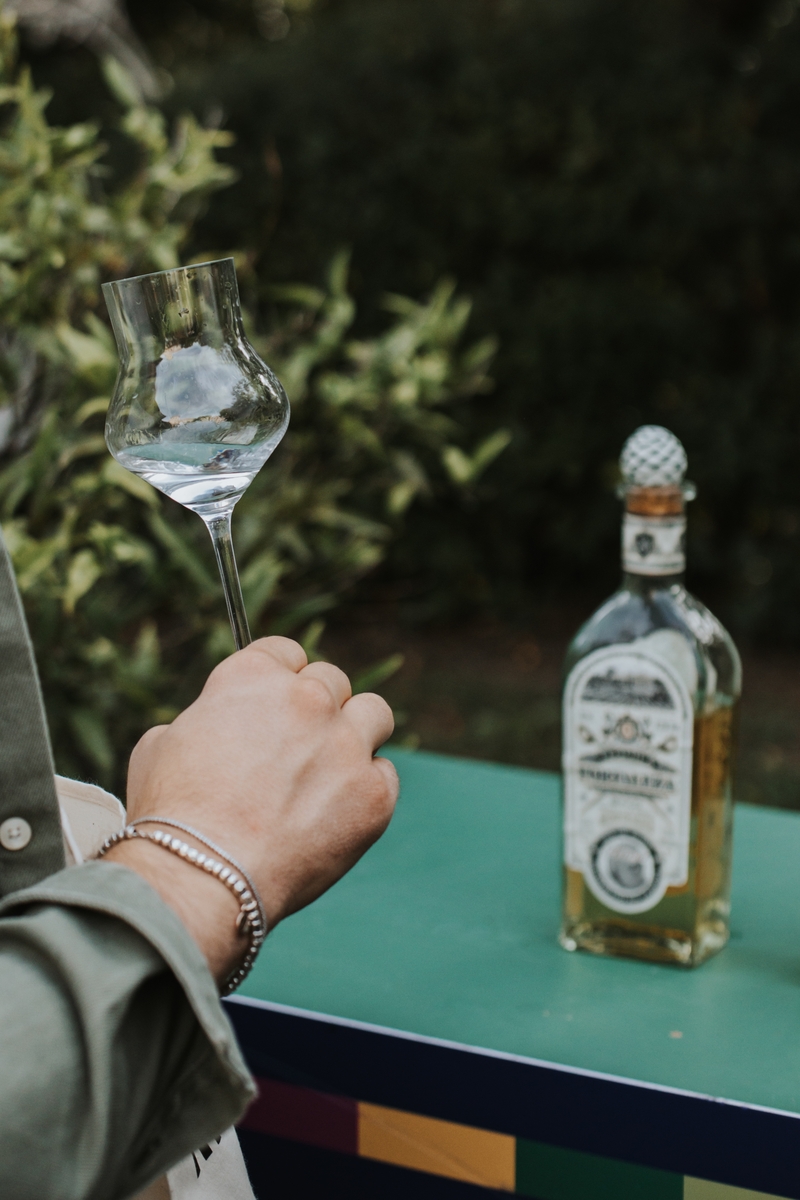
Fortaleza still produces tequila as they did fifty years ago, using ancestral methods and avoiding shortcuts - baking in brick ovens, using tahona stones for pressing, fermenting in American oak barrels and distilling in copper stills. Each lot is different. "The point is that we cannot produce everything the market demands unless we give up our identity," says Stefano.
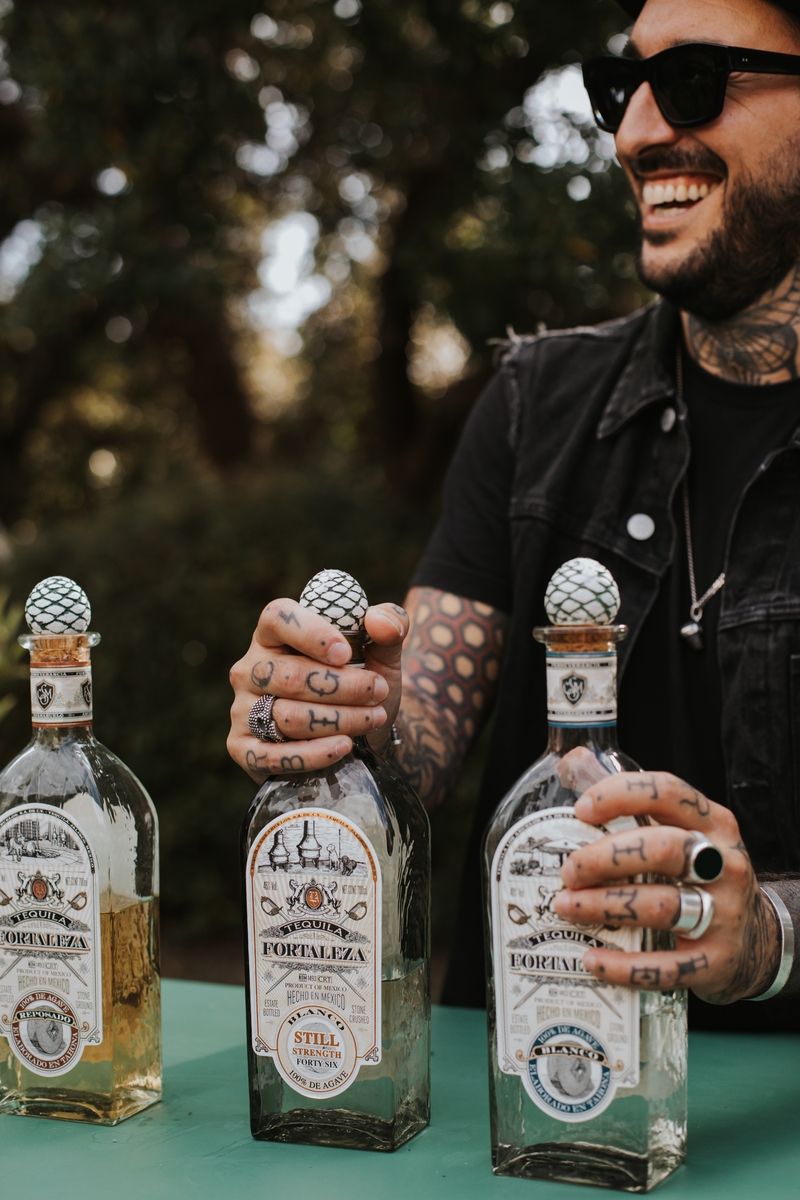
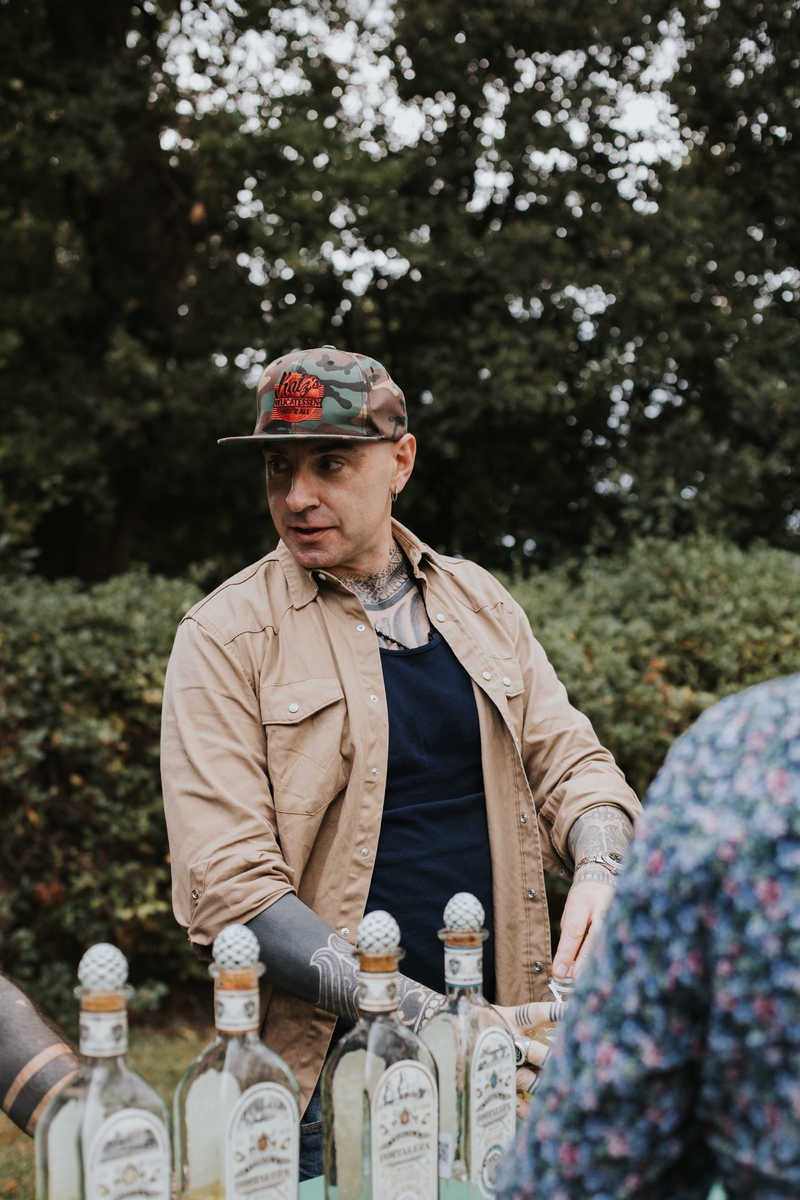
Roberto also stresses this key point:
“"Producers shouldn't try to chase after demand, demand should chase after production to keep quality high. Mass production makes spirits all the same, but instead we need to help people understand their real value, their complex and fascinating history."
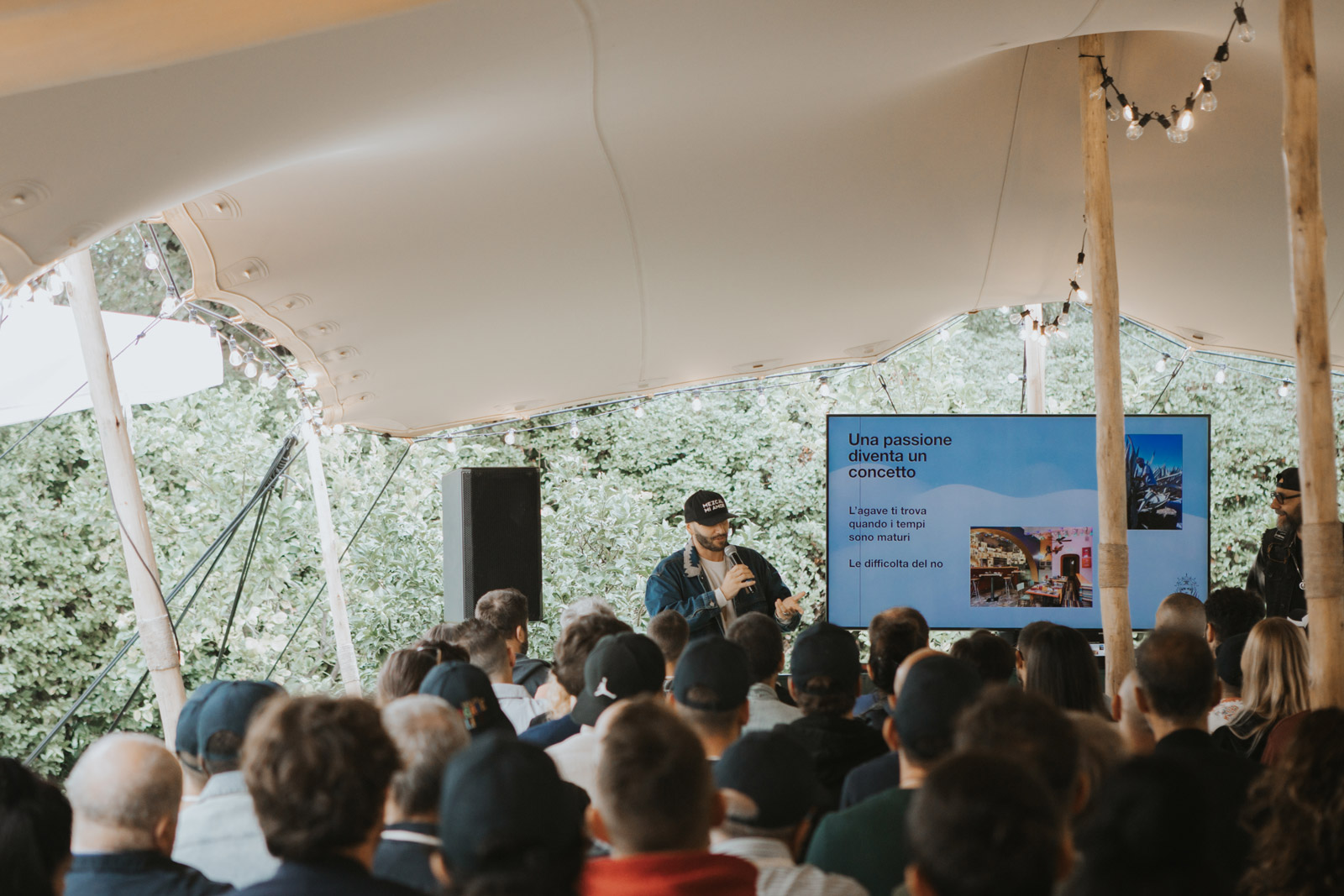
"We used to call our bar the 'no' bar," Roberto remembers. "People would come in and ask, ‘Can we have a Gin & Tonic?’, ’No,’ ‘How about a Mojito?’, ‘No, we only serve agave here.’ Customers took that quite badly because of the poor tequila they had drunk before which made them sick, or because they thought mezcal was the drink with the worm in it. Some confused it with mescaline, which is something else altogether, and others asked for peaty mezcal. It was slow, gradual work but now our customers are educated to quality."
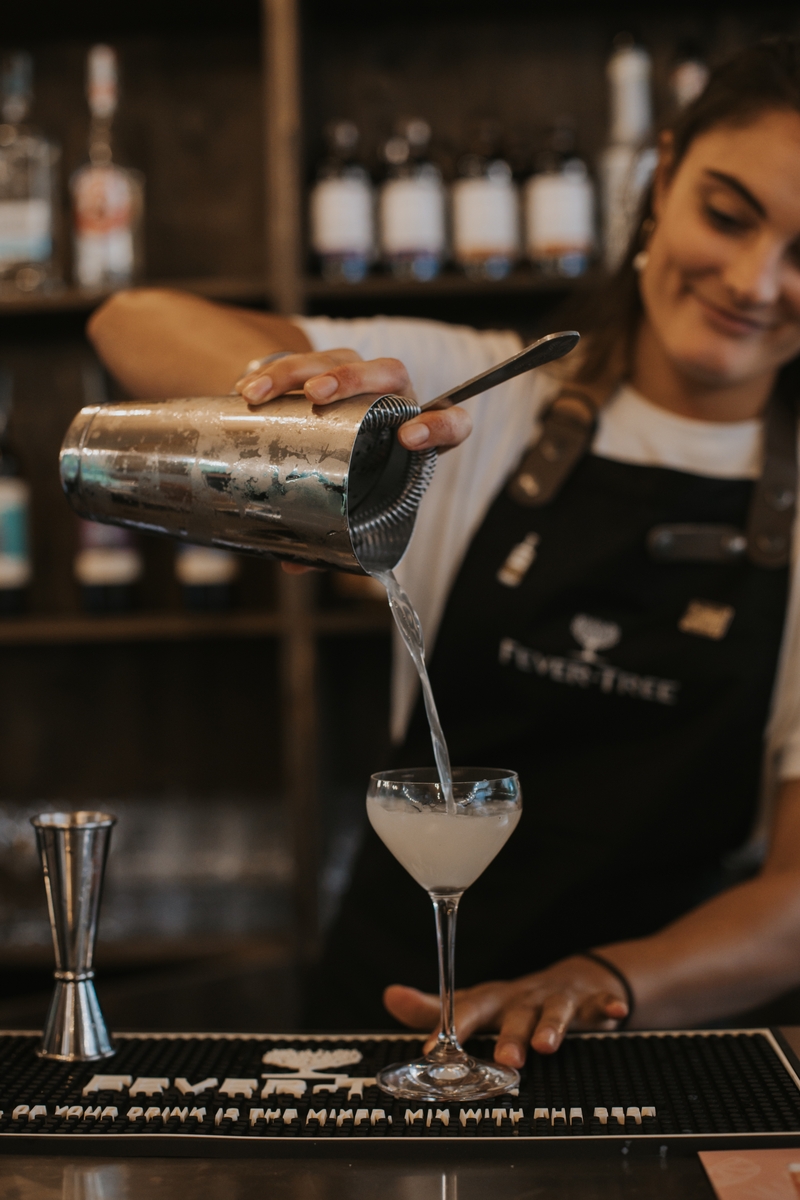
To this end, an essential intermediate step in trying to bring people closer to agave has been using it in cocktails.
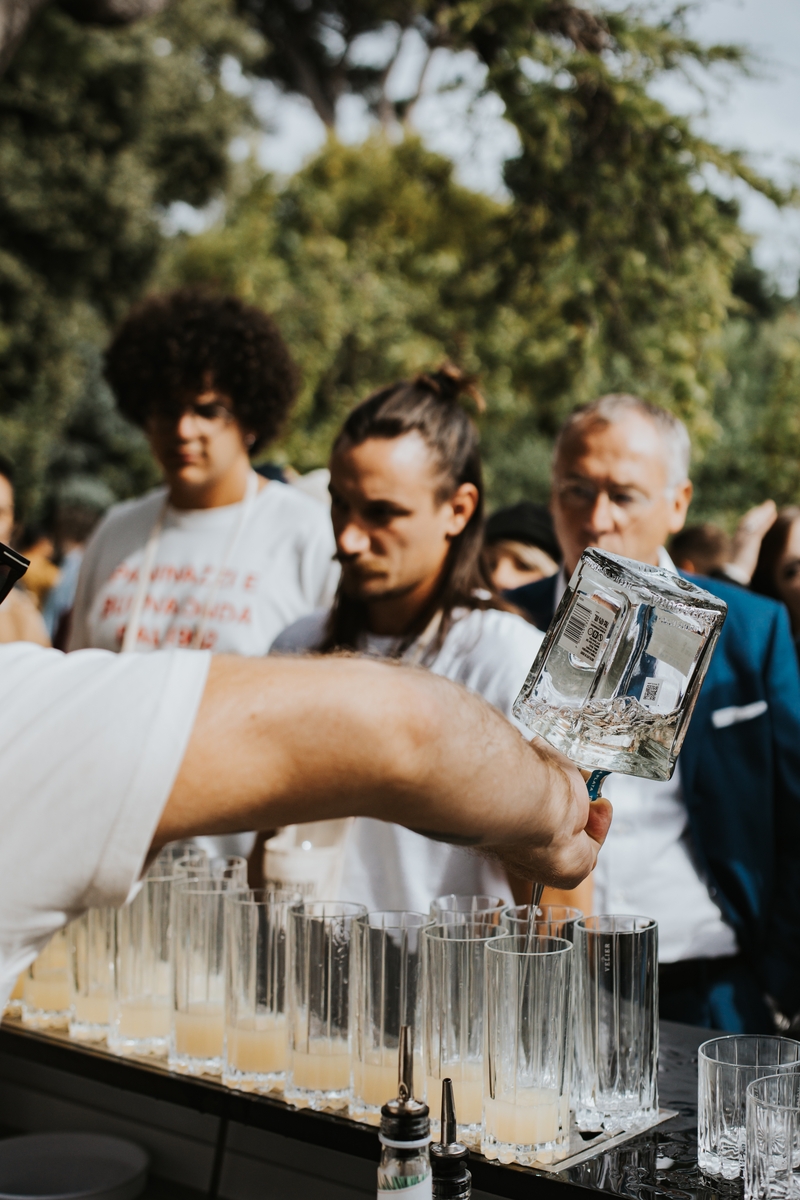
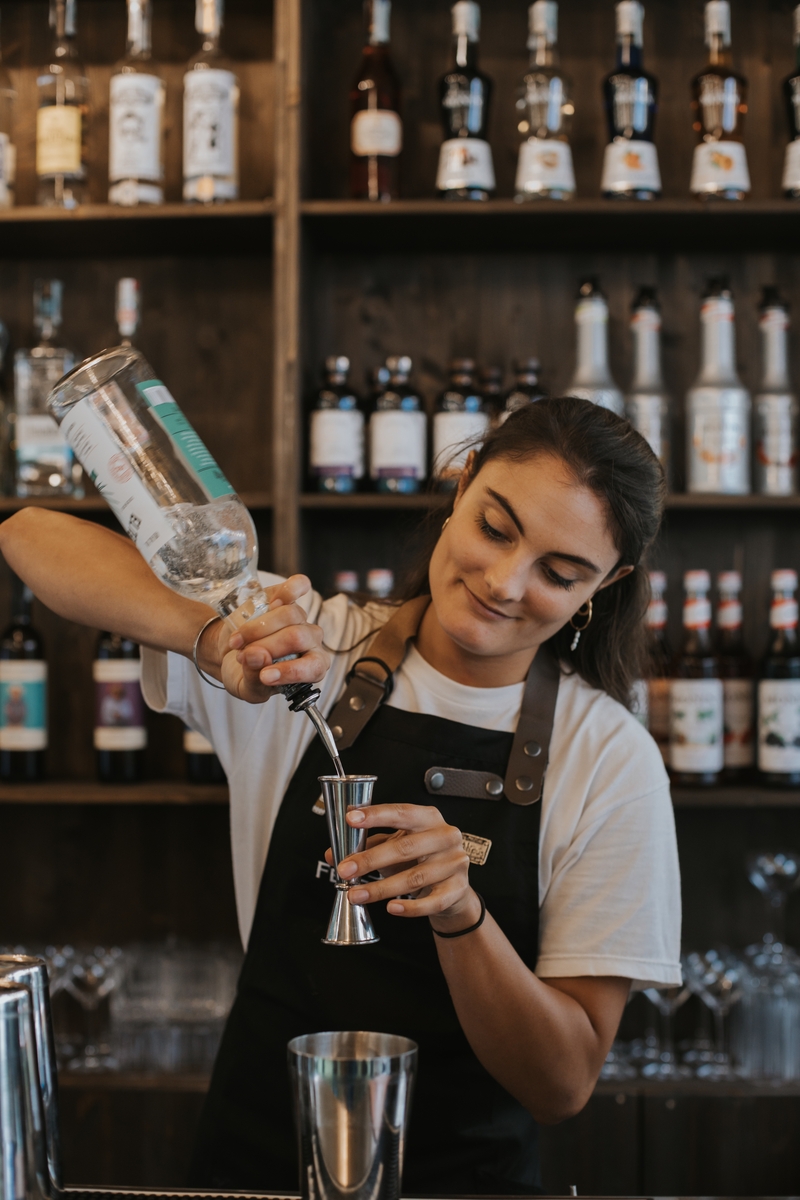
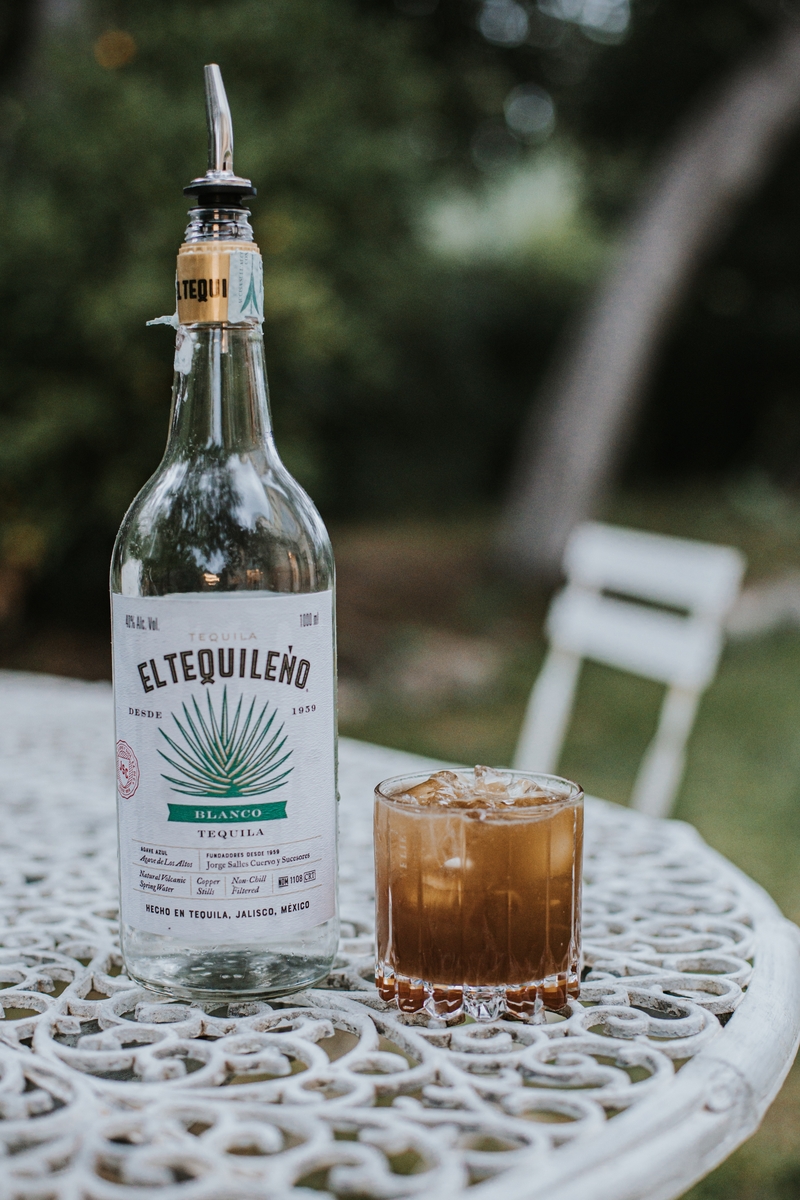
"The fact is that people in Italy don't drink much straight agave," says Héctor Vázquez. “Producers normally try to offer alcoholic purity, but drinking tequila and mezcal isn't easy if you're not used to it. One thing I learned in Spain, for example, is they serve cocktails with a dash of straight mezcal on the side to offer customers a taste of it."
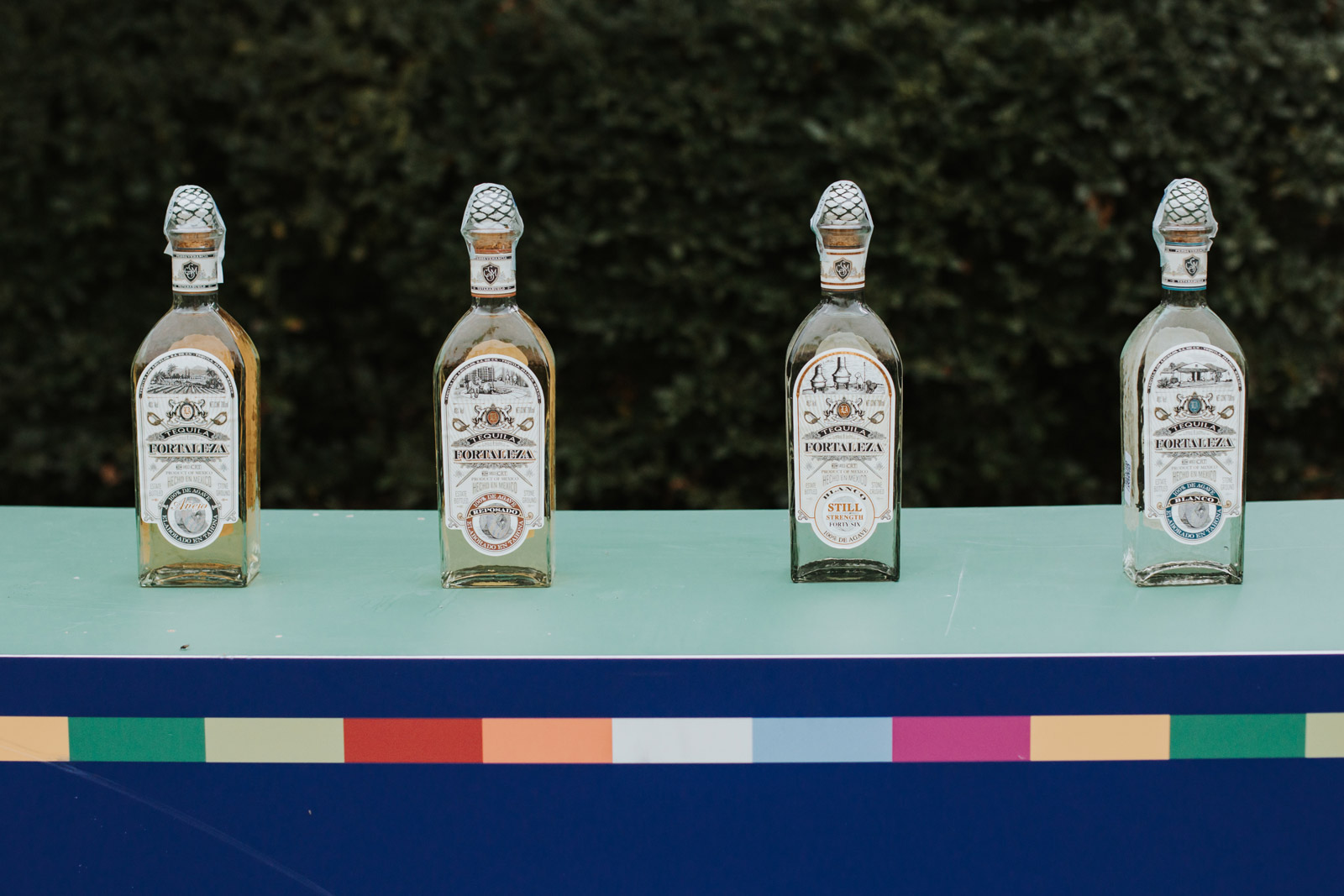
"Cocktails definitely help," adds Stefano Francavilla. "It's very important for us to stress the differences in production methods and explain different prices due to a more limited production."
Today the Margarita is the world's third most drunk cocktail, and a large percentage of consumers are women.
"For some reason women order Margaritas and men Palomas," Roberto jokes. "I'm not sure why, maybe because the Paloma is pink."
An interesting fact is that the Margarita is not Mexico's national drink, yet it's perceived as the most important in the country. Even the Paloma, which today is the ninth most consumed cocktail in the world, is different from what people drink in Mexico.
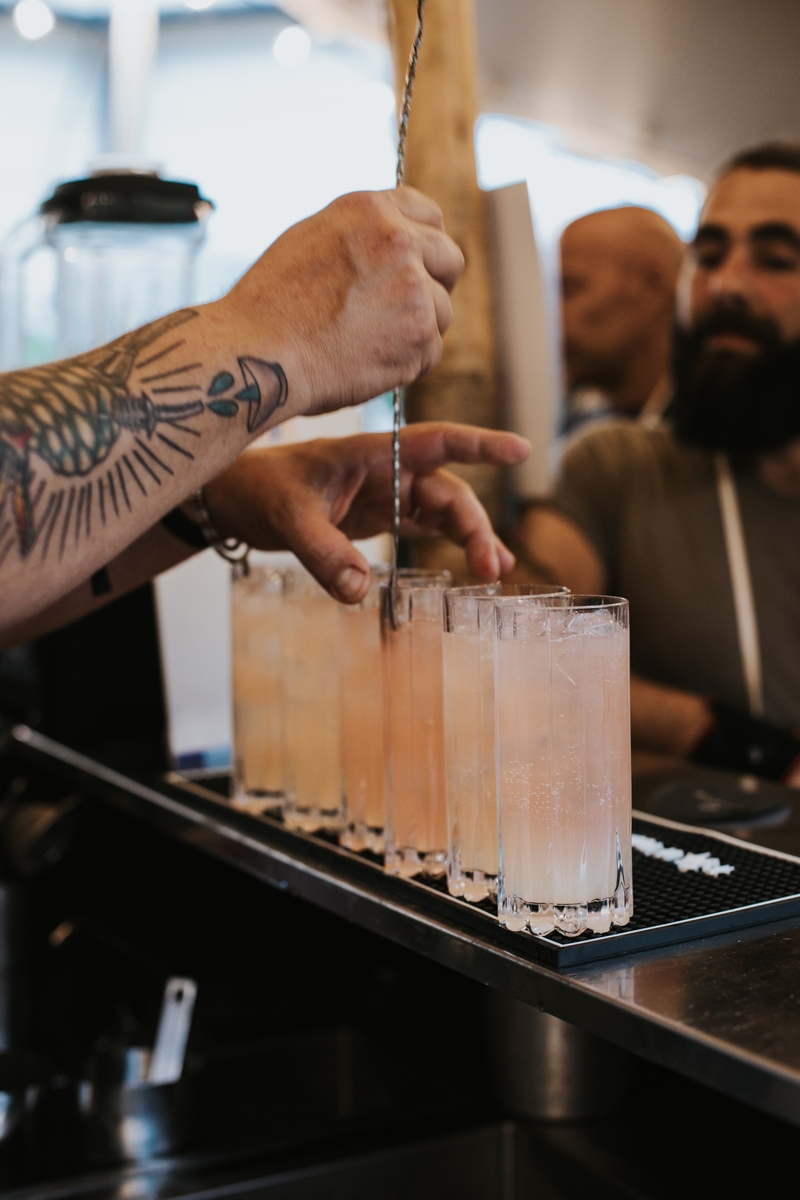
"You can never overemphasize quality," says Roberto, pointing out how customers tend to be very fussy about the ingredients in other cocktails like the Negroni but much less so about the Margarita:
"Sometimes when we had guest shifts there would be no attention to quality - dried-up, bitter limes, the cheapest tequila they could find. We've done a lot of work on that too.”
Overall, choosing the right tequila and mezcal for each type of drink is not easy, but it's something that can bring people closer to the wide-ranging, complex world of agave.