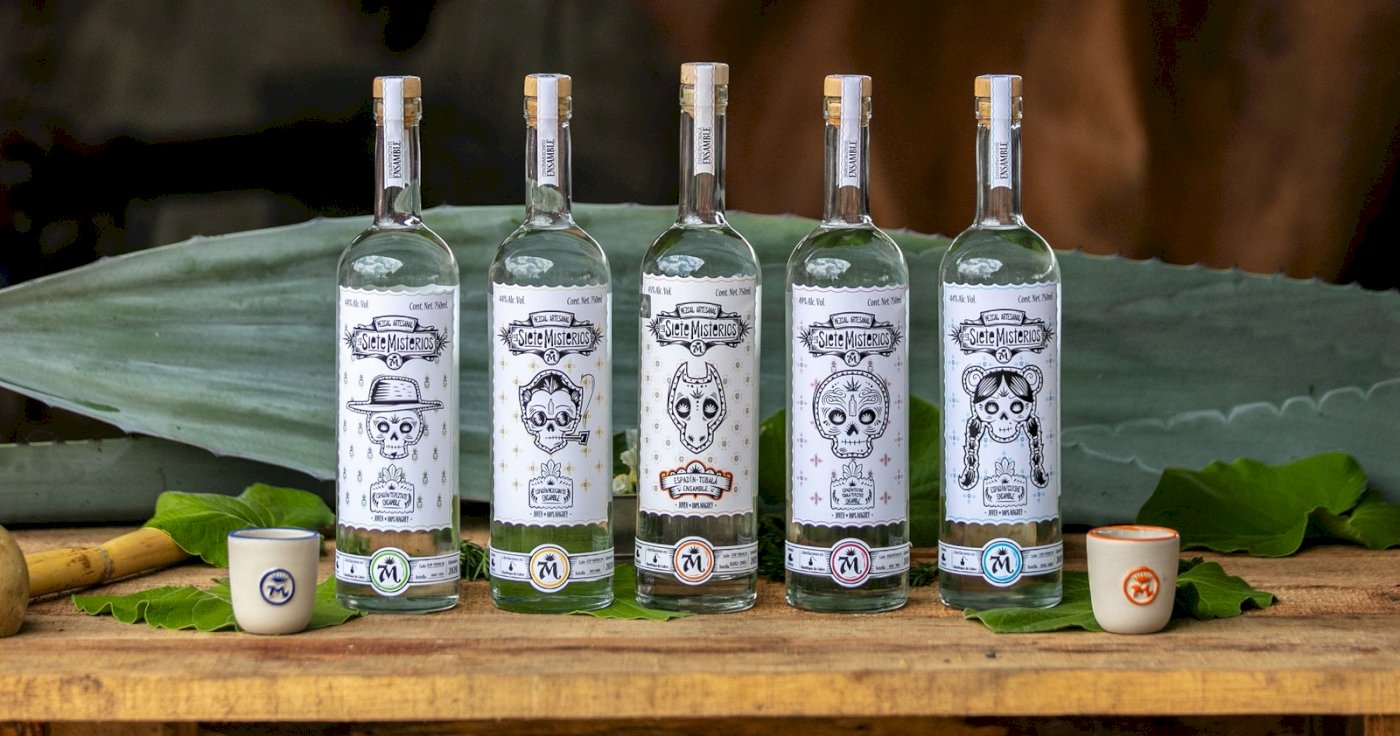



Los Siete Misterios - all of the secrets of agave
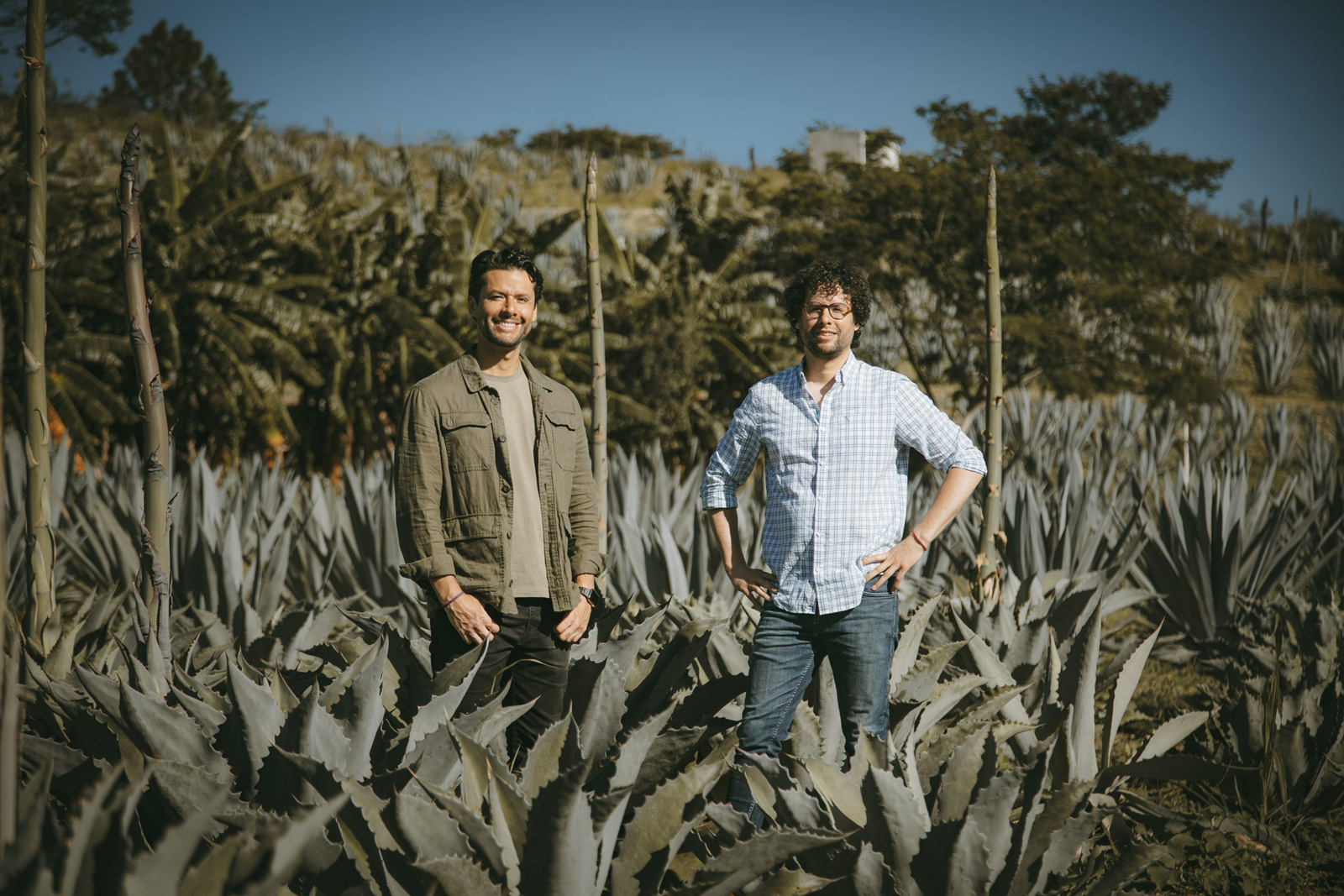
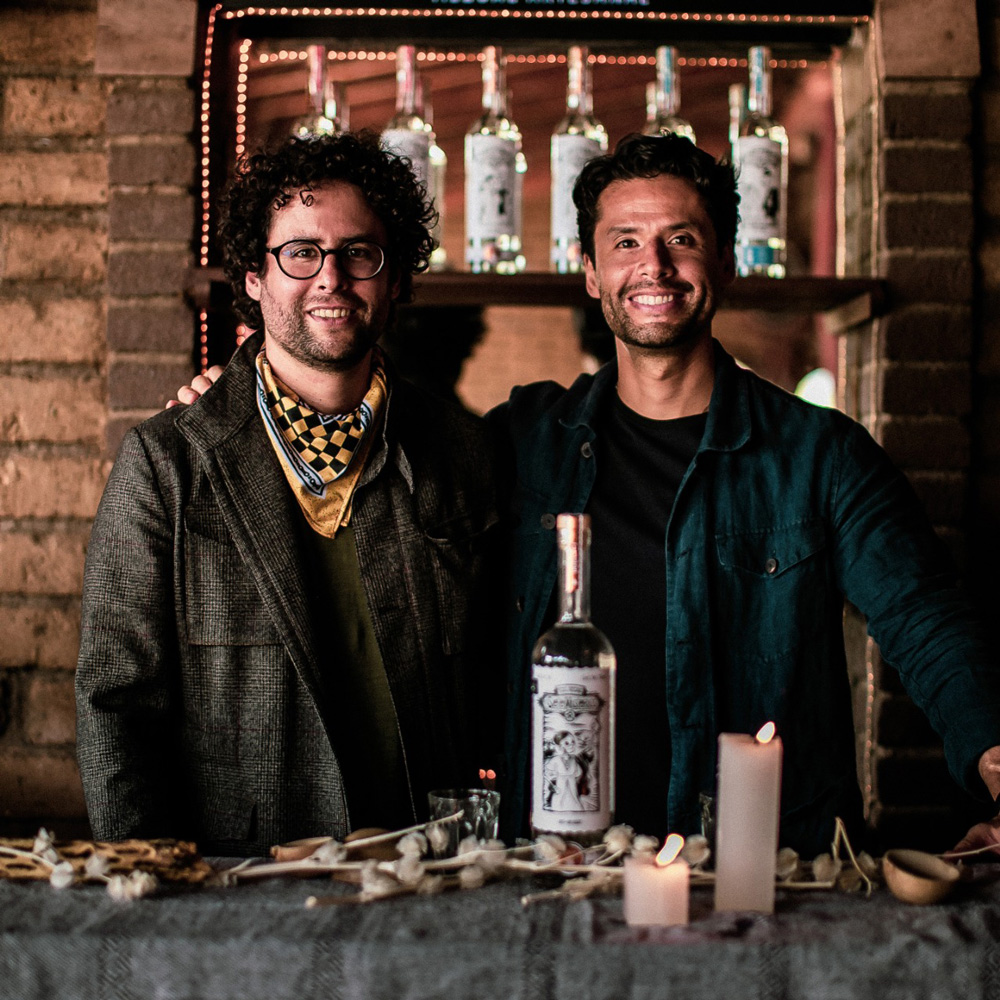
Created in 2010 from the passion of two brothers, from the very beginning this brand's goal has been searching for and sharing the spirit that fully represents Mexico's culture - Mezcal. Founders Eduardo and Julio Mestre take us through the history and specificities of Los Siete Misterios.
Los Siete Misterios is a brand with an adventurous and fascinating history, which in 2021 joined forces with global spirit and wine supplier Chatham Imports. As part of this 50/50 joint venture, Michter's Distillery's parent company handles global sales, while the Mestre brothers are responsible for all aspects of production and sales in Mexico.
But how did it all start? Julio Mestre tells us about it with a good deal of amusement:
"We started drinking mezcal as teenagers. We would go to Puerto Escondido with our mother and at night, while she slept, we would sneak out of our room and go drinking."
At the time mezcal was still very little-known - today's fame was still some twenty years away. A few years later, Eduardo meets a mezcalero who introduces him to a few different mezcals, making him fall in love with the diversity of agave varieties. This is how, as Julio says,
“One day my brother comes up to me and says, we should rent a car and drive from Puerto Escondido to Oaxaca City. The total distance is about 250 kilometers but it's a six- or seven-hour drive on extremely rough roads."
The Mestre brothers stop in every village and eventually arrive in Sola de Vega, where they sample and buy new and different mezcals sold by the liter in reused bottles that contained water or other drinks.
“After a while,” Julio continues, “we went back home and started an amazing mezcal collection. At first, however, we had no other purpose than sharing our collection with friends and family, who eventually got tired of hearing us talk about agave all the time. Then we started taking our mezcal with us to our favorite restaurants and bars, because at the time they only served the kind with the worm, which is low-quality. We would leave what was left to the bar manager or owner, who in turn began to share these bottles with their best customers. After a while they asked us where they could buy our mezcal and that got us thinking, although we had never thought of getting into this business.”
The Mestre brothers eventually decide to go back to the mezcaleros they met with a specific proposition - we have this opportunity to start a new mezcal brand and sell your mezcal as well, would you be interested in joining us? That was the beginning of a great adventure in the world of agave.
We're immediately curious about the choice of such an evocative name as Los Siete Misterios. Our question is again answered by Julio Mestre, who tells us about a concurrence of meanings all connected to the number seven.
"At first we thought of the seven Catholic sacraments and how they could refer to the different stages we went through when bringing mezcal to our friends: baptism is the first sip, and so on. Then we realized that there are also seven states where mezcal is produced, and as this number kept coming up we decided to keep a bit of mysticism by calling the brand ‘Seven Mysteries’. We even had some fun with it and thought we'd share a different story every time someone asked about it. It can refer to the seven sacraments, to the seven wonders, you name it."
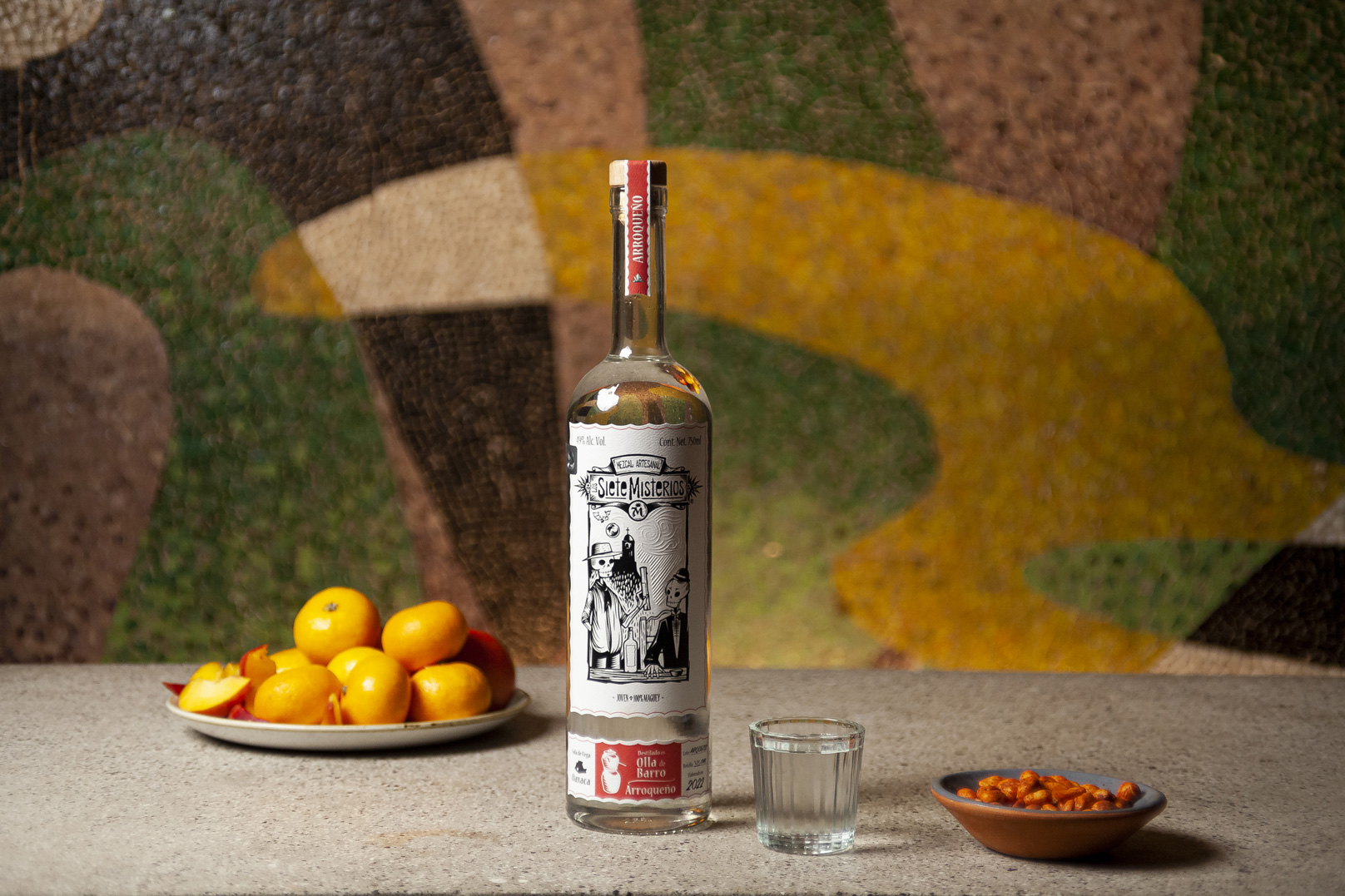
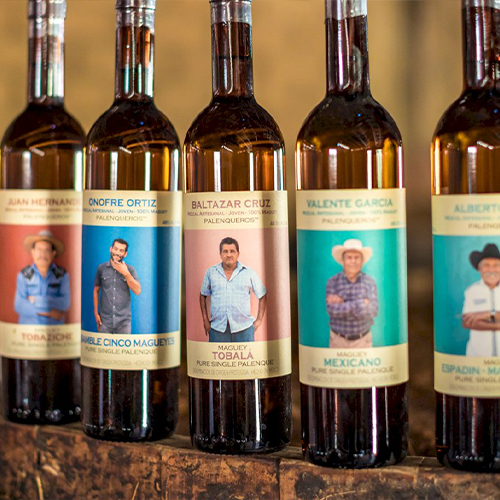
As for their work method, all of the people Los Siete Misterios works with directly are mezcaleros. The brand prioritizes promoting and developing the local microeconomy, so it's essential to monitor the entire process right from harvest.
“Many of our mezcaleros didn't have a license to produce mezcal,” Julio explains. "That requires several steps including passing chemical analyses and stating the origin of the agave. We have been working actively to help mezcaleros get their certification, and we're trying to support their development and the adoption of good practices. We also buy their mezcal at a fair price, which is higher than the average. We try to pay in advance so they can grow more agave. Sometimes we even provide the plants."
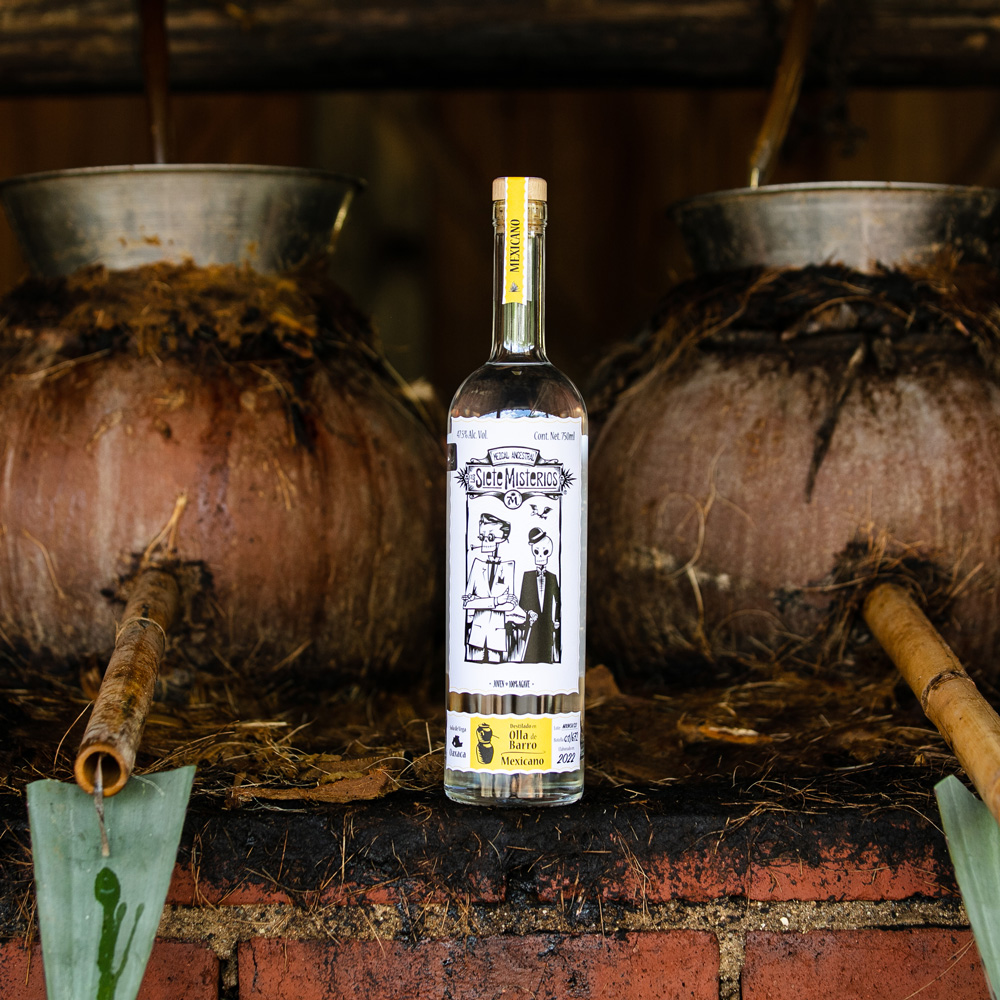
"When we created our brand, there were only three others in Mexico," says Eduardo Mestre.
"Between 2013 and 2014 bartenders and consumers were looking for mezcal produced from wild agave - that's all they wanted. But that wasn't sustainable.”
There is a documentary by Rodrigo Medellin, a biologist known as "the Mexican Batman", where he explains his fight to save the blue agave together with bats, which are closely interdependent. The bats depend on agave for food during their yearly migration from Michoacan Jalisco to the south, and the agave depends on them for natural pollination. Cutting wild agaves clearly has very dangerous effects not just on the plants but on the entire ecosystem.

"That's why we started our Sola de Vega project," continues Eduardo. "It's a conservation program where we plant agave species to domesticate them. There are three types of agave: wild, farmed and domesticated. In the latter case, we plant the agave, observe how it reproduces and how long it takes, and try to replicate the process to grow larger quantities. In the case of tobalà, for example, we know it reproduces by seed, so we let it flower to obtain seeds we can plant. The espadin, arroqueno and coyote varieties produce hijuelos - literally shoots, which emerge from the agave's root system and grow alongside it – which we can plant in the fields to create a domesticated variety."
Farmed agave is brought from another region and adapts to the soil where it's grown. This is the case of espadin, native to Sonora and brought to Oaxaca in 1999, when the city obtained a designation of origin. The governor at the time sent a scientific team in search of the fastest-growing agave with the highest sugar concentration, with the aim of turning Oaxaca into a mezcal-producing state. It took a couple of years to adapt espadin to Oaxacan soil, and it now accounts for over 85% of production.
"We normally use 90% domesticated or farmed varieties, and only rarely wild agave," says Eduardo. "That's only for the mezcal we distil in clay pot stills, for small 50 or 60-liter batches."
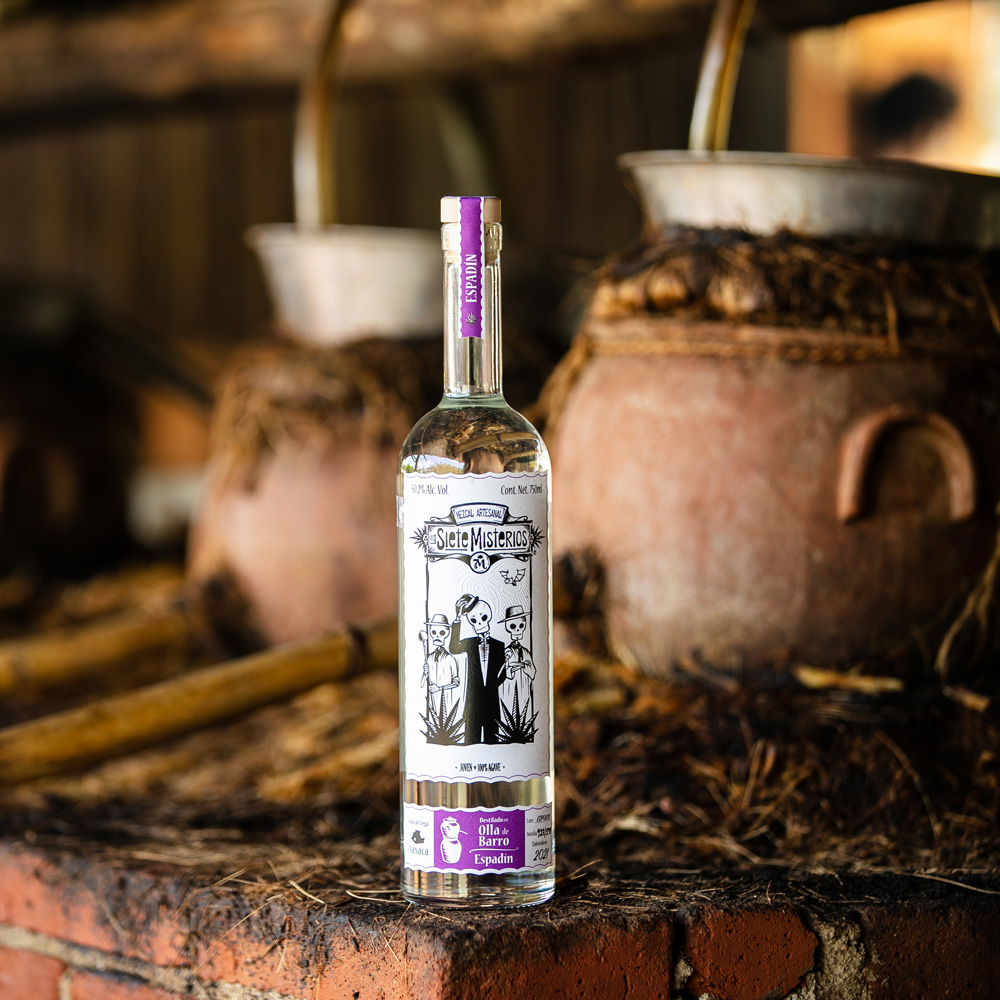
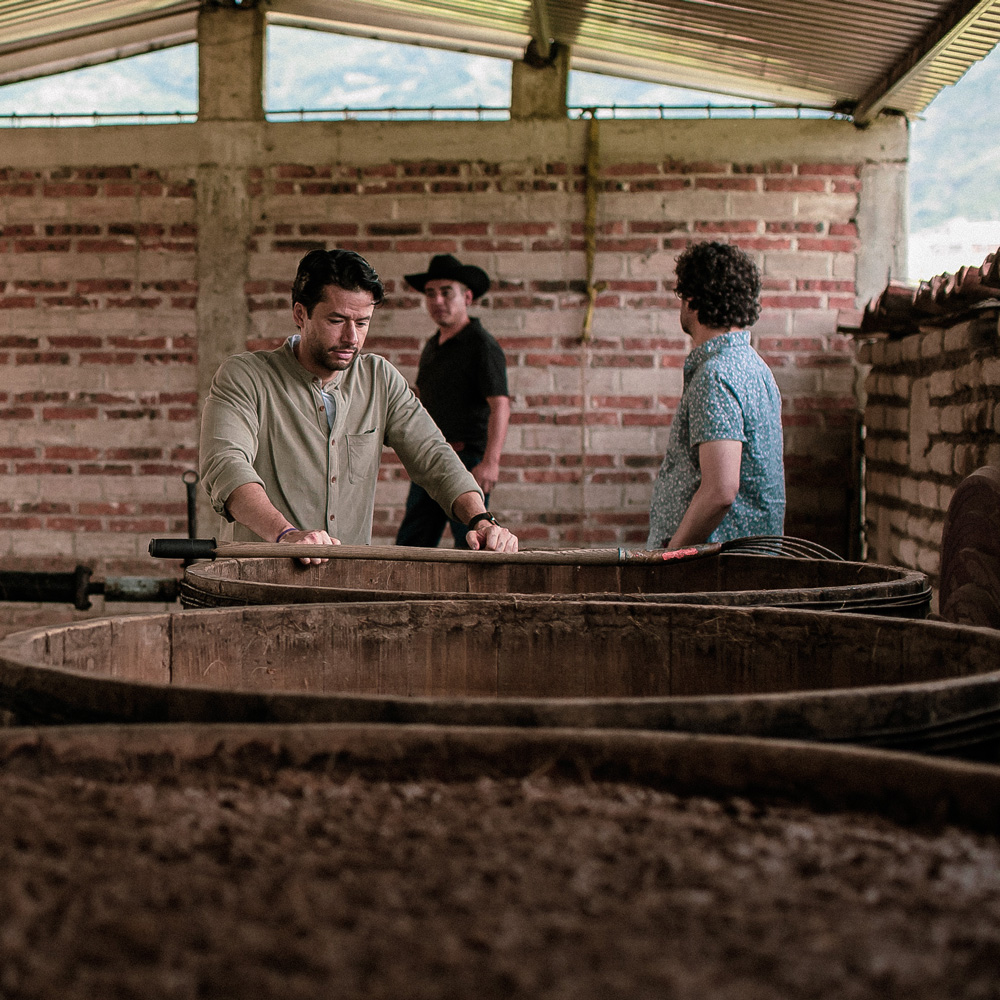
The fermentation process, especially in Oaxaca, is predominantly spontaneous. In the case of Doba-Yej mezcal from the Yautepec, Santiago Matadan and San Dionisi area fermentation takes between 3 and 15 days, depending on the climate. In the Los Siete Misterios distillery in Sola de Vega there is a protected space that can be enclosed if the temperature is too low, and if necessary also heated in order to allow fermentation to continue. The Mestre brothers' mother also works in the same distillery - she started managing sales in Mexico City and moved to Sola de Vega ten years ago.
"The basic idea behind the distillery is to implement small changes that can affect mezcal production without altering its essence," says Eduardo. "For this reason, we invited the mezcaleros to work in the distillery and produce a couple of batches they can then take back to their palenques, and it works. This is promoting change.”
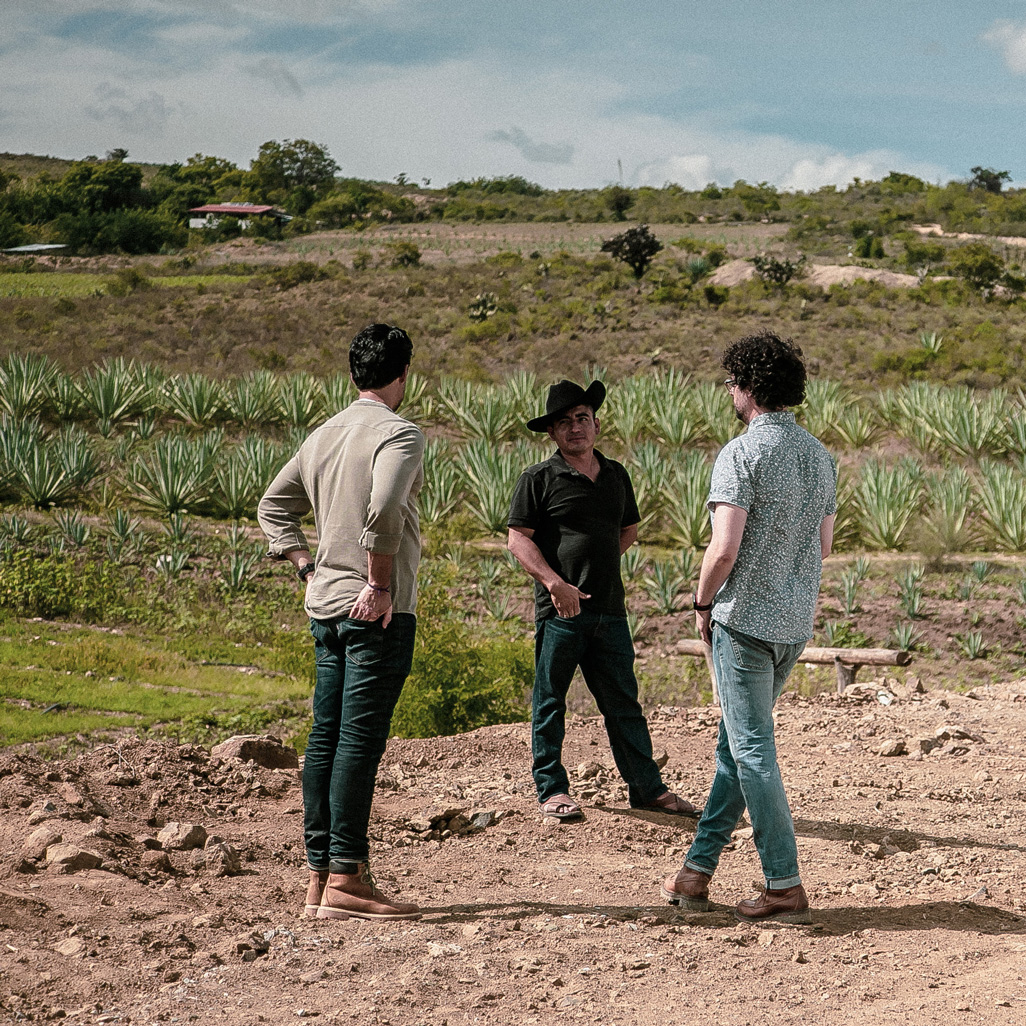
Julio continues,
“Right from the start we noticed that small mezcaleros didn't have the right tools or knowledge – for example they could use up to 40 kg of agave for a single liter of mezcal. This is one of the reasons we created a distillery, to come up with better work methods for the mezcaleros themselves. Those who don't have their own palenque can come here and produce for us. We provide the agave and everything they need, and pay a fair price. Overall, this proved very helpful because the people involved began to notice the difference, like producing more liters with the same amount of work."
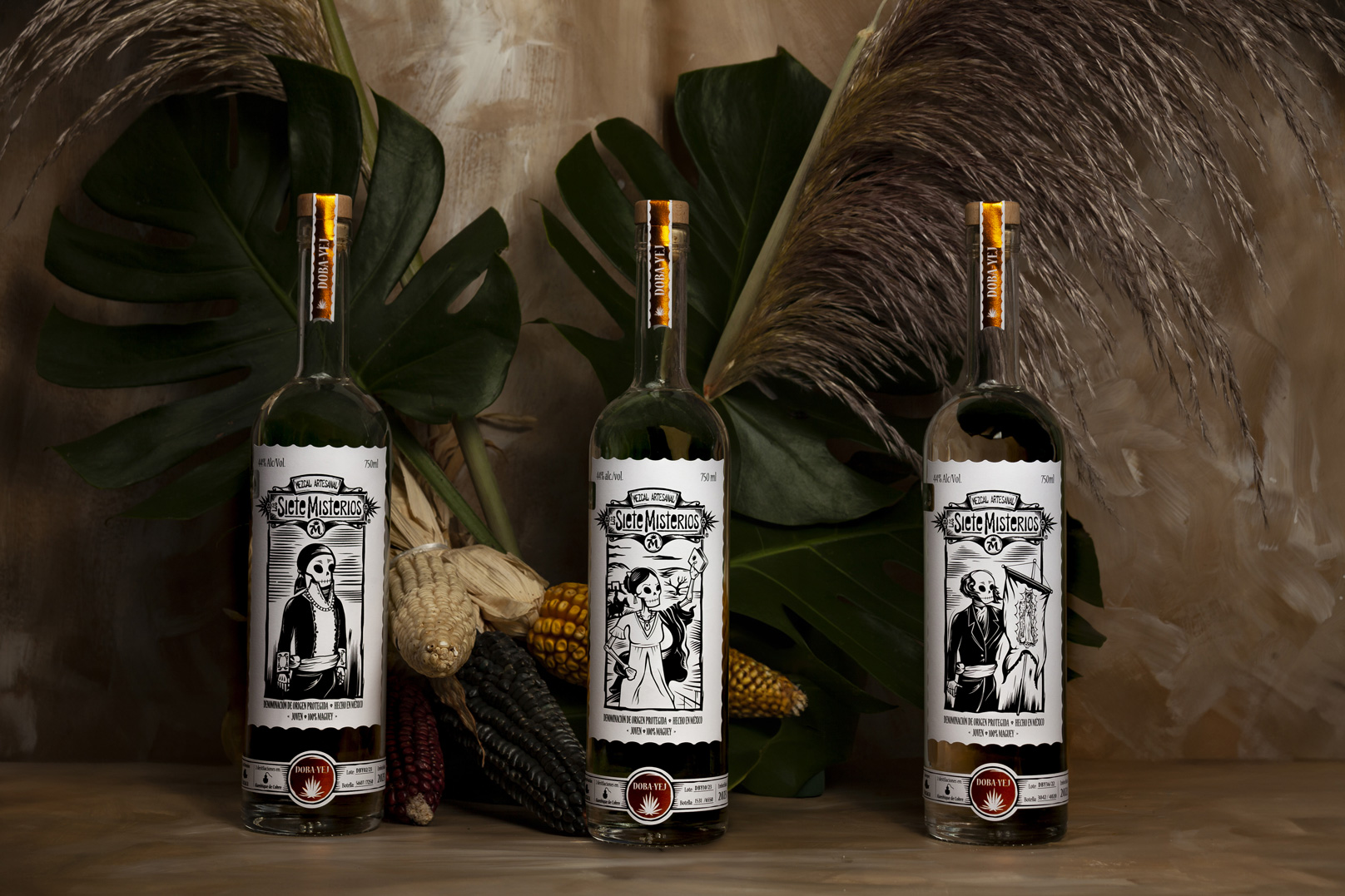
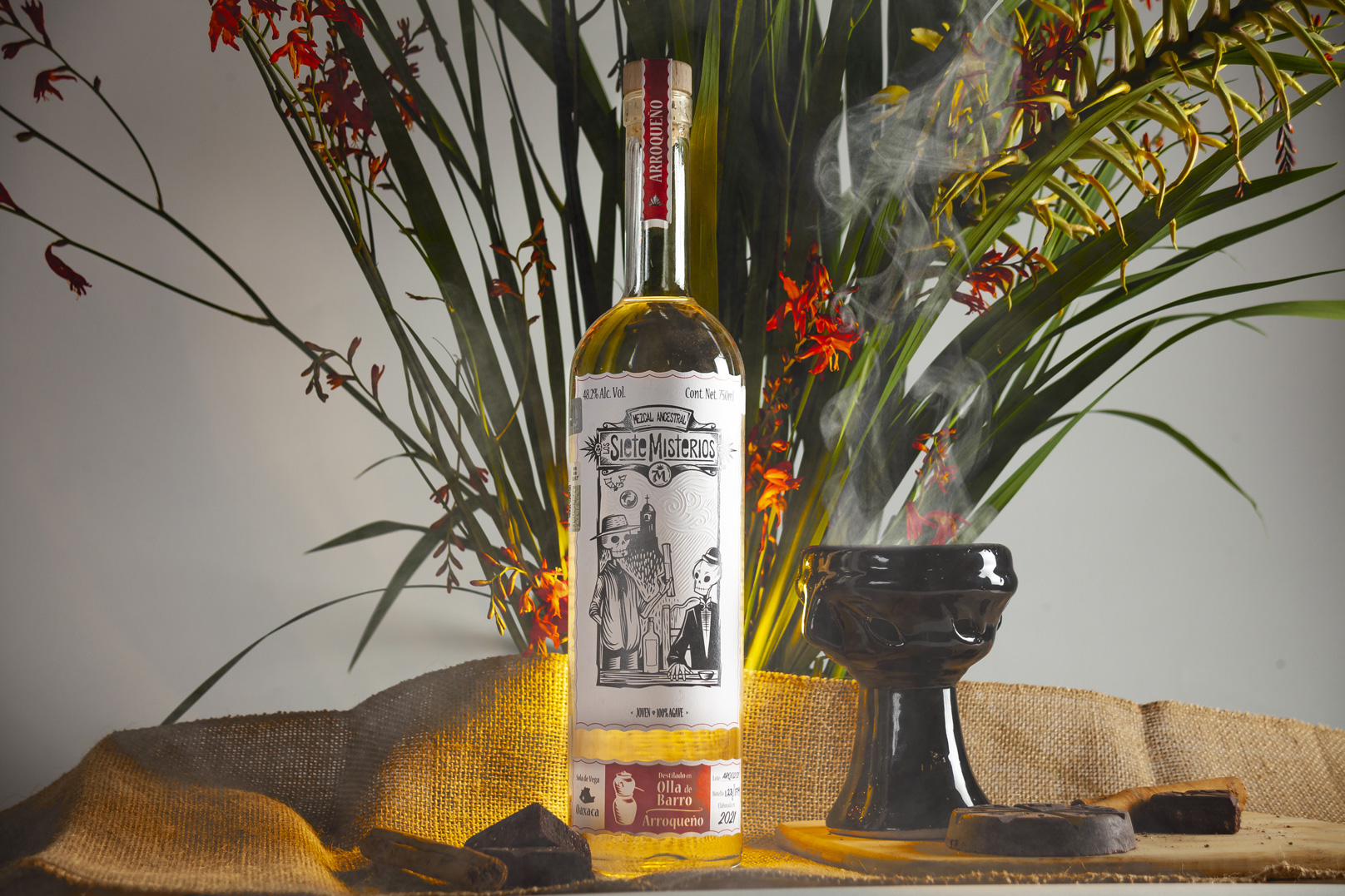
When Eduardo and Julio started working in the village of Sola de Vega, they could only find mezcal distilled in clay pot stills. "They were unique and special, really exciting," Eduardo recalls. "I don't think any mezcal distilled in copper pot stills can come close to the aromas and complexity of mezcal distilled in clay pot stills. That's why we thought we had to share this. We have a total of 6 clay pot stills, but then around 2013 our Canadian importer started asking us for mezcal to use in cocktails. At the time mezcal was only drunk straight in Mexico, so we had no experience. We couldn't use Espadin agave distilled in clay pot stills as it's much more expensive than the average distilled in copper stills. We worked on it and came up with Doba-Yej." The name of this mezcal, which is still Los Siete Misterios's bestseller, comes from the Zapotec language: doba means maguey and Yej means Espadin. The name also solves the problem of having two Espadin mezcals with very different prices in the product catalogue and doesn't create confusion in consumers.
Efforts to preserve mezcal production are also leading in new directions, as Eduardo explains:
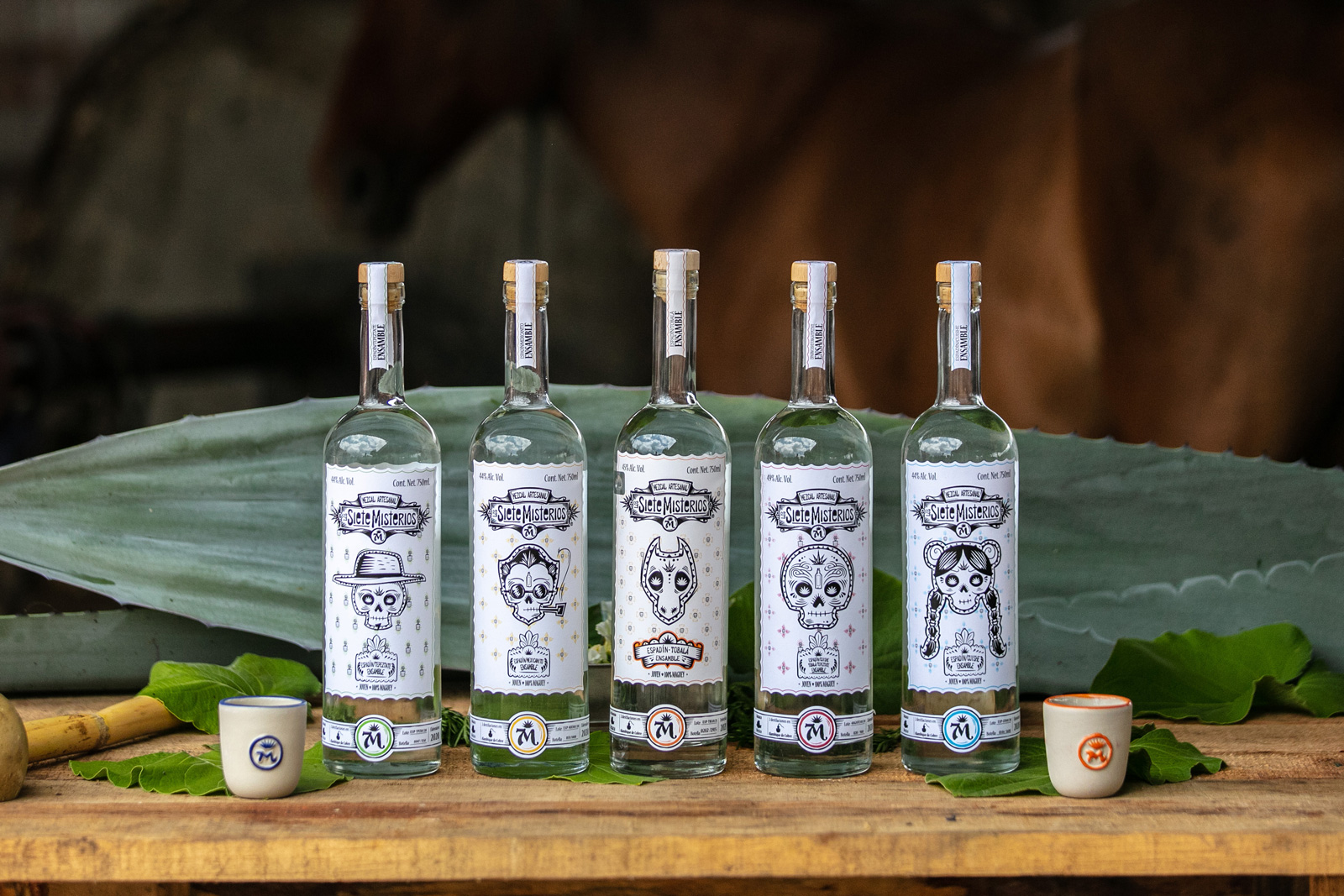
“In the past people used to go out in the field, improvise a distillery and simply cut down all of the ripe agave in that field regardless of variety, then cook it all together - that's how they made mezcal. We thought, why not take inspiration from this practice? That's how we came up with our Ensamble range of limited-edition blends. It's a fact that many people are unwilling to spend 2000 euros for a Tobalà, so why not make an Espadin Tobalà Ensamble, where you can taste all of the sweetness of Espadin with an aftertaste of Tobalà?"
The main goal is to have each individual variety produced in clay pot stills plus Doba-Yej, the Ensamble range and Pechuga, an extremely refined, super limited-edition celebratory mezcal.
To conclude our chat with Eduardo and Julio Mestre we have time for a few quick considerations on the possible future of mezcal. Julio is moderately optimistic about a possible boom:
“I think we'll have to wait a little longer before mezcal becomes mainstream like tequila is now, but tequila consumption is definitely opening major doors for mezcal. After all, once you know you like agave why not try another product made from the same plant? So yes, I'm sure it will become more popular over time."
And how do the Mestre brothers like to drink mezcal? According to Julio, "it all depends on the situation, and of course on the mezcal. I love Mezcal Negroni, and when I need something very refreshing I'll go for a Mezcal Tonic, but I usually drink mezcal neat." "I love it neat as well," Eduardo agrees, "but I also really like it in a Naked and Famous."