



Savoring the soul of São Tomé and Príncipe - a journey through taste
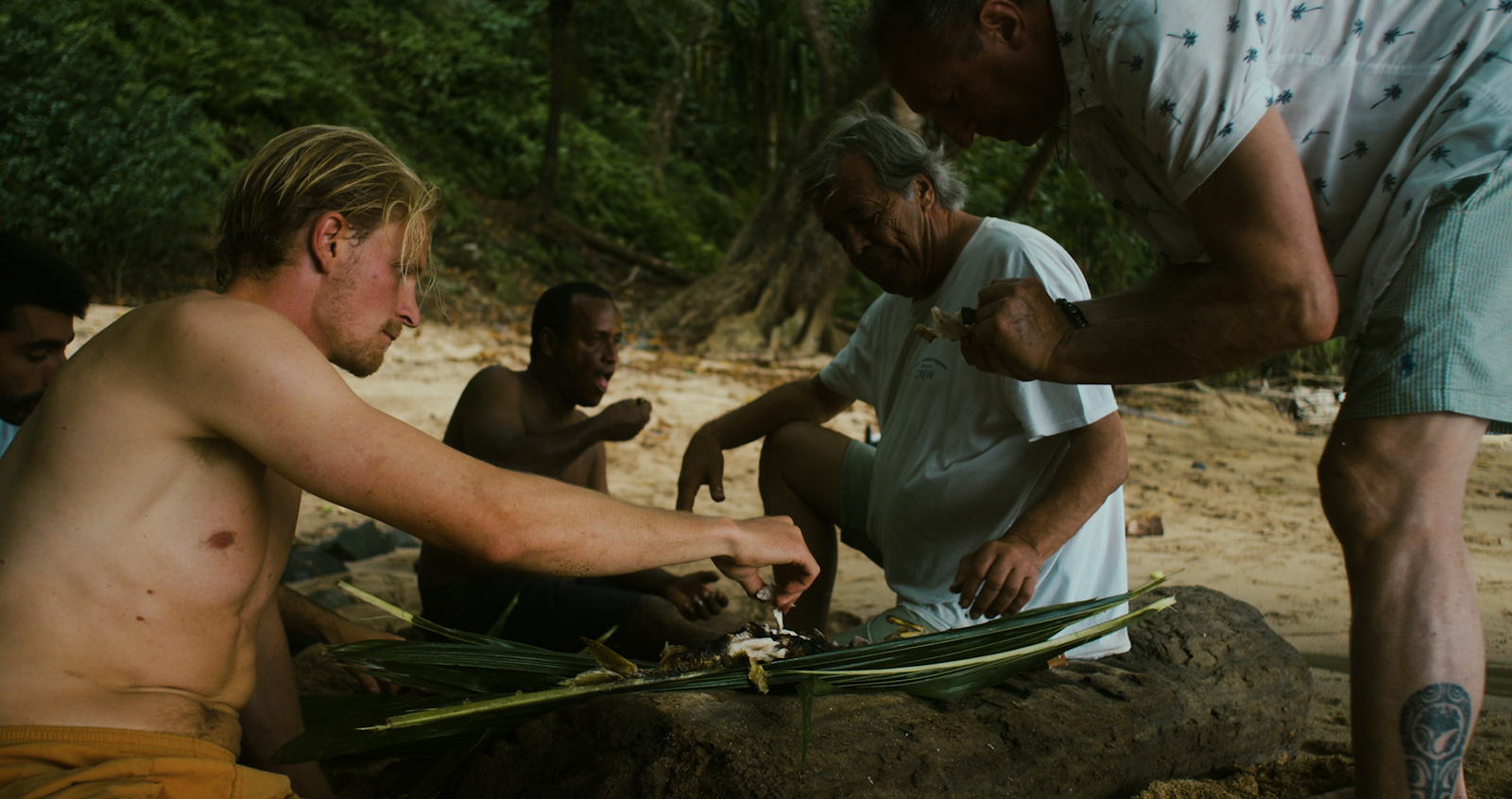
We explore the archipelago of São Tomé and Príncipe amid the freshest local ingredients, traditional dishes and unconventional spirits.
I have always heard stories about São Tomé and Príncipe from Velier's Leader Maximo Luca Gargano and over the years I've become very intrigued by them. Now the time has finally come to visit the two islands, a treasure trove of tropical flavors and unique landscapes of an authentic Africa.
The islands of São Tomé and Príncipe make up a small archipelago located in the Gulf of Guinea, a true hidden gem not just for its natural beauty but also for its simple yet flavorful cuisine reflecting its history, culture and unique biodiversity and offering dishes combining African, Portuguese and Creole influences. Exploring São Tomé and Príncipe's culinary landscape means diving into a whole world of tropical flavors and traditional dishes telling a story unknown to most.

São Toméan cuisine is based on fresh, simple local ingredients reflecting the archipelago's tropical environment. Main products include fish and seafood - as the islands are surrounded by the Atlantic Ocean, fish is an essential part of the local diet. Tuna, barracuda and crab are very popular, often grilled or stewed. Cassava, a very versatile root, is used in dishes like funge - a kind of polenta - and other similar preparations. Tropical fruits including papaya, pineapple, banana and mango are plentiful and used in both sweet and savory dishes. Cocoa is ubiquitous. São Tomé and Príncipe is one of the world's major cocoa producers - not so much in terms of quantity but quality. Besides being used to produce premium quality chocolate it's an ingredient in many traditional recipes, including cocoa sauces.
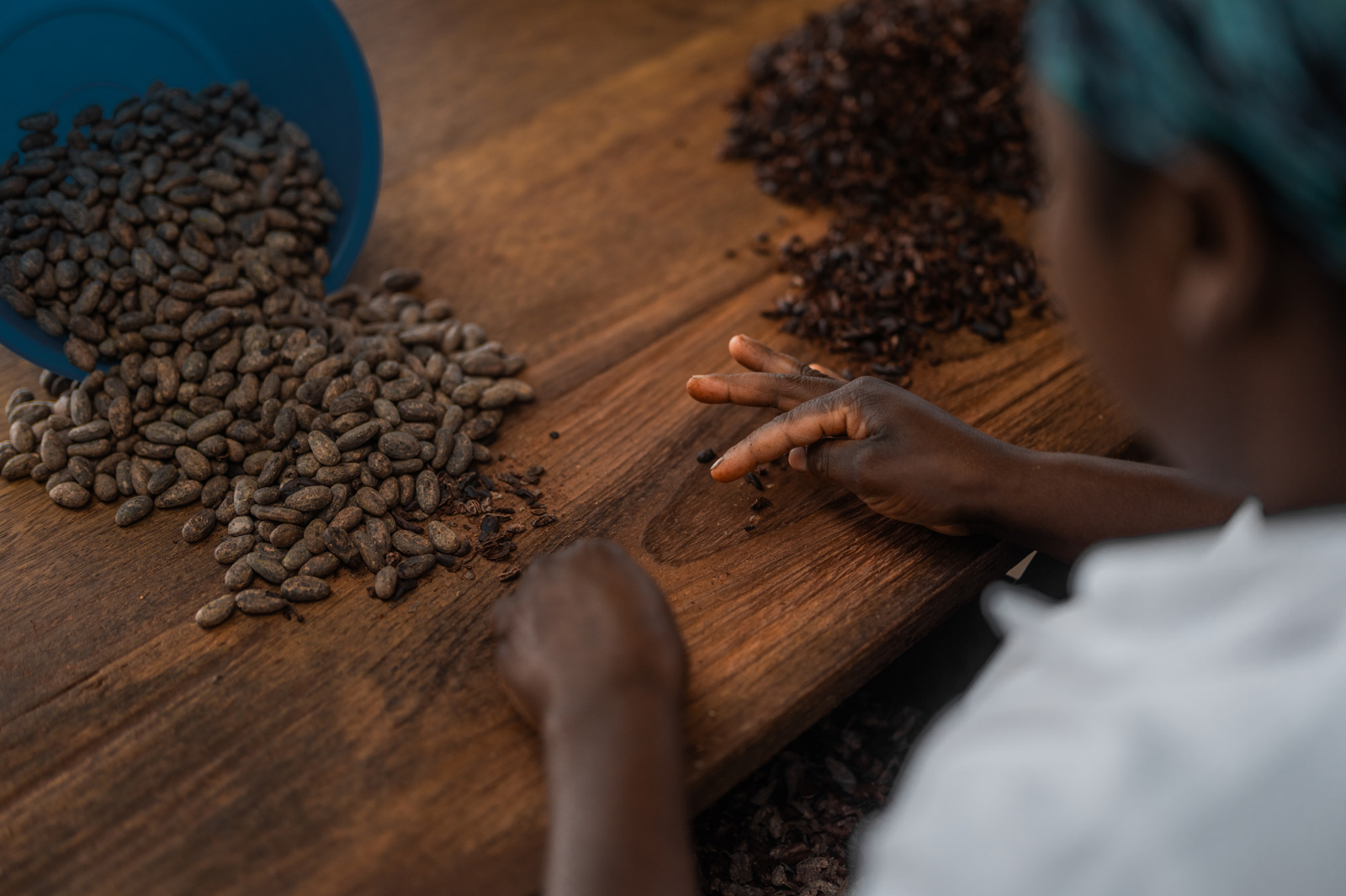
But let's talk about the traditional dishes we tried. Calulu is one of the most iconic dishes of São Tomé and Príncipe consisting of a fish or meat stew with vegetables and cassava leaves. It's seasoned with palm oil, local spices and sometimes even cocoa, which gives it a very characteristic flavor. This dish is symbolic of the intermingling of African and Portuguese influences, blending local ingredients with traditional cooking techniques. We've had a delicious taste of it in several places like Mucumblì (the name of a large tree used in traditional medicine) owned by Italian couple Mariangela Reina and Tiziano Pisoni, who arrived here in the 1990s and who in 2010 started this idyllic holiday farm - if you can call it that - in Ponta Figo, Praia das Furnas, not far from the city of Neves in the Lemba District. They brought help to the population and eventually decided to build something like an accommodation facility where they could enjoy the pristine nature and explore a still relatively unknown region while living with the entirely local staff. Here you can stay in one of the five bungalows and savor the edible culture they serve. In addition to the celebrated calulu there's a dish made from izaquente, a vanishing recipe prepared with the damaged seeds of the tree ground into flour and served with smoked fish and spices.
"In the past, izaquente seeds were a staple food for low-income families because they are very nutritious. They were cooked with just a little oil or in funge, a main dish made with izaquente seeds, salt, bones and pepper. Funge was typically given to pregnant women to stimulate milk production. Izaquente seeds are also anti-inflammatory. They're found in small quantities all over Sao Tomé and Principe and in local markets, dried by a few local producers. However, this dish is rapidly disappearing because izaquenteiro wood is in high demand for building wooden houses. Also, extracting the seeds is a labor-intensive process that families no longer have time for, so they prefer food that's faster to prepare,"
Tiziano says.
Then you have maxipombo, which looks like fried garfish and is served as an appetizer, or molho no fogo, a delicious tuna recipe. This bounty of delicacies was served for dinner on the large wooden terrace of a very special place that's a surefire choice for anyone wishing to visit the island of São Tomé.
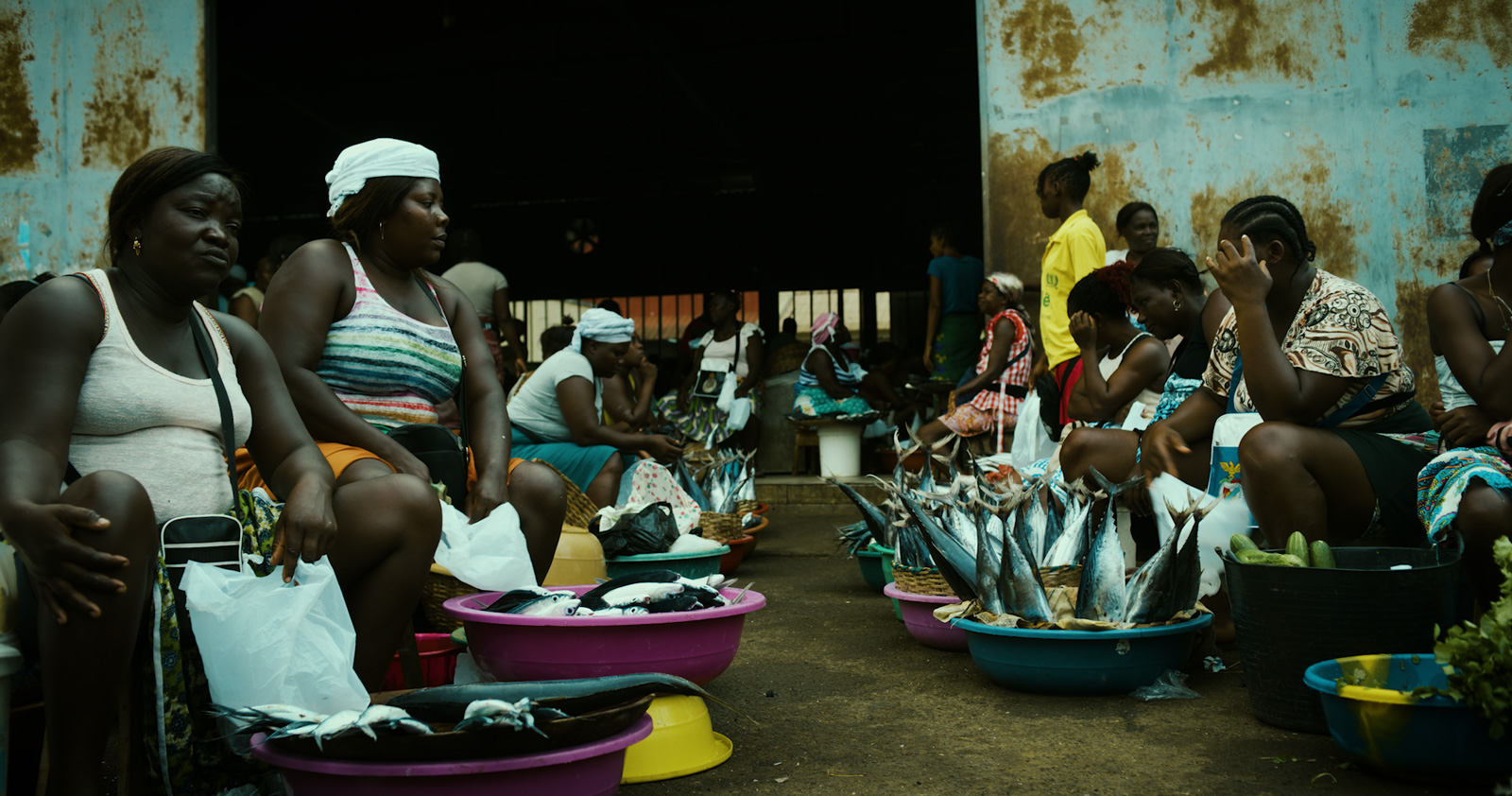
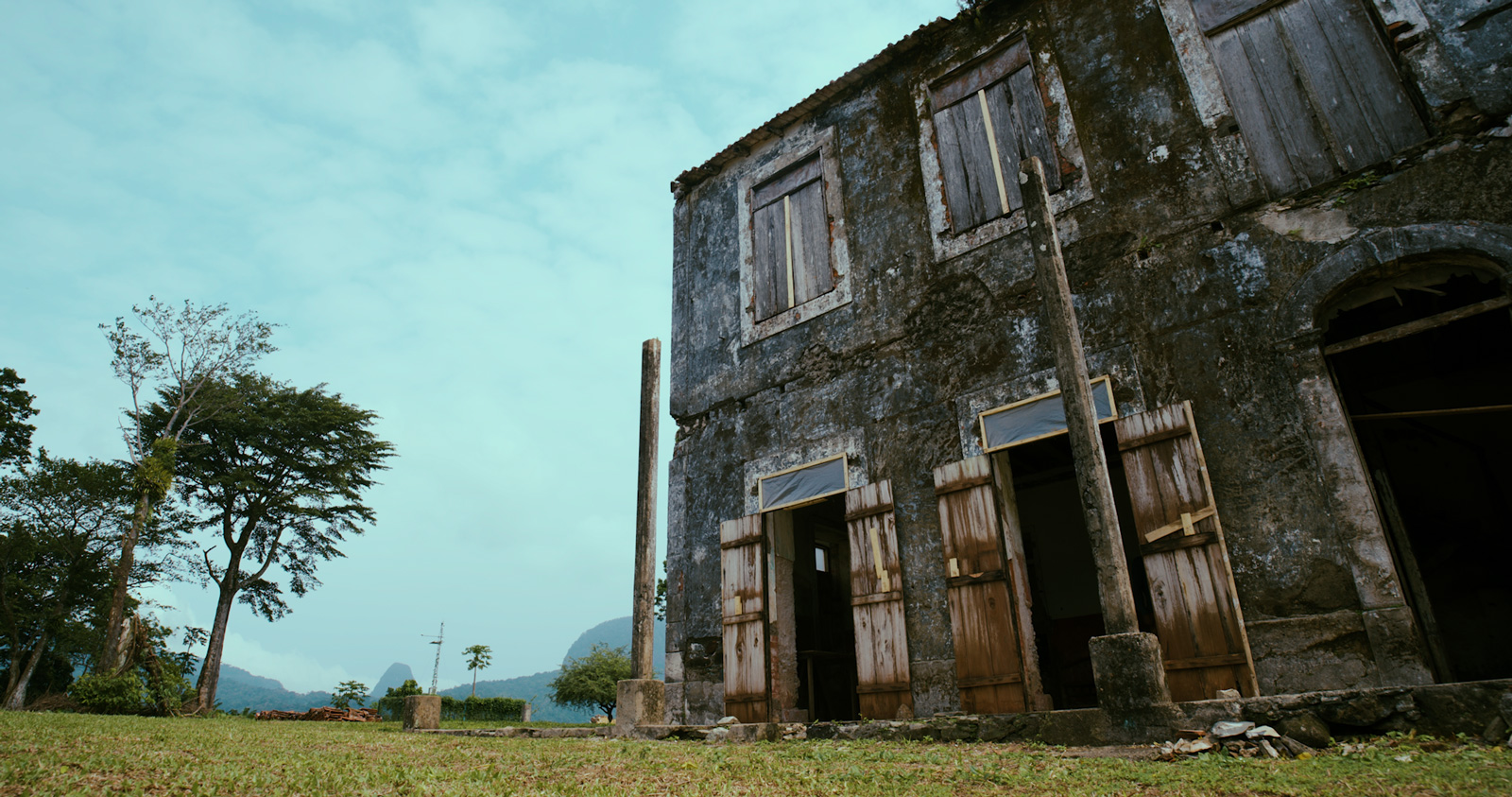
Heading south and driving most of the way around the island, we arrive at another special place where culture, history, identity and flavors are tangible. It's the Roça São João dos Angolares. But before revealing why this is a must-see, it's important to understand what roças are - ancient colonial plantations, mainly cocoa and coffee, which played a key role in the archipelago's economy and social structure during the Portuguese colonial period.
 Mostly built between the nineteenth and twentieth centuries, these agricultural complexes were designed as self-sufficient "farming towns" and, in addition to plantations, also included administrative buildings, housing for workers, schools, hospitals and other infrastructure. The Portuguese word "roça" means "plantation" or "farm" and refers specifically to these large agricultural properties operating under an almost feudal system. They were typically organized into two main areas, a residential area and an administrative area where the owners' or managers' homes were located, usually colonial-style buildings. They were often elegant and monumental buildings, reflecting the economic power of plantations. Then there was the workers' agricultural and residential area, which included fields for growing cocoa, coffee and other crops, as well as housing for workers, who were originally largely slaves or contract workers from other Portuguese colonies like Cape Verde, Angola and Mozambique. Life in the roças was highly hierarchical and very hard, especially for workers. After the abolition of slavery in 1875, many of them remained bound to these plantations with contracts granting few rights. The roças were isolated from the rest of the islands, making it difficult for workers to obtain better living conditions or leave the plantations.
With the independence of São Tomé and Príncipe in 1975, many roças were nationalized and redistributed while others went into decline due to a lack of resources for maintenance and production efficiency. They are an important cultural heritage for São Tomé and Príncipe and bear testimony to the complex colonial, economic and social relations that have shaped the archipelago's history. They symbolize the local population's resilience and history and serve as a reminder of the harsh conditions suffered by workers in the colonial period. Today many are in a state of neglect or partial dilapidation. Some, however, have been restored and converted into tourist facilities and today offer accommodation, restaurants and tours for visitors. Monte Café is worth a visit - a lovely roça located in a hilltop village, including a school with over a hundred children and a small coffee museum with guided tours - the Arabica variety grows very well at the roça's altitude of 600 meters.
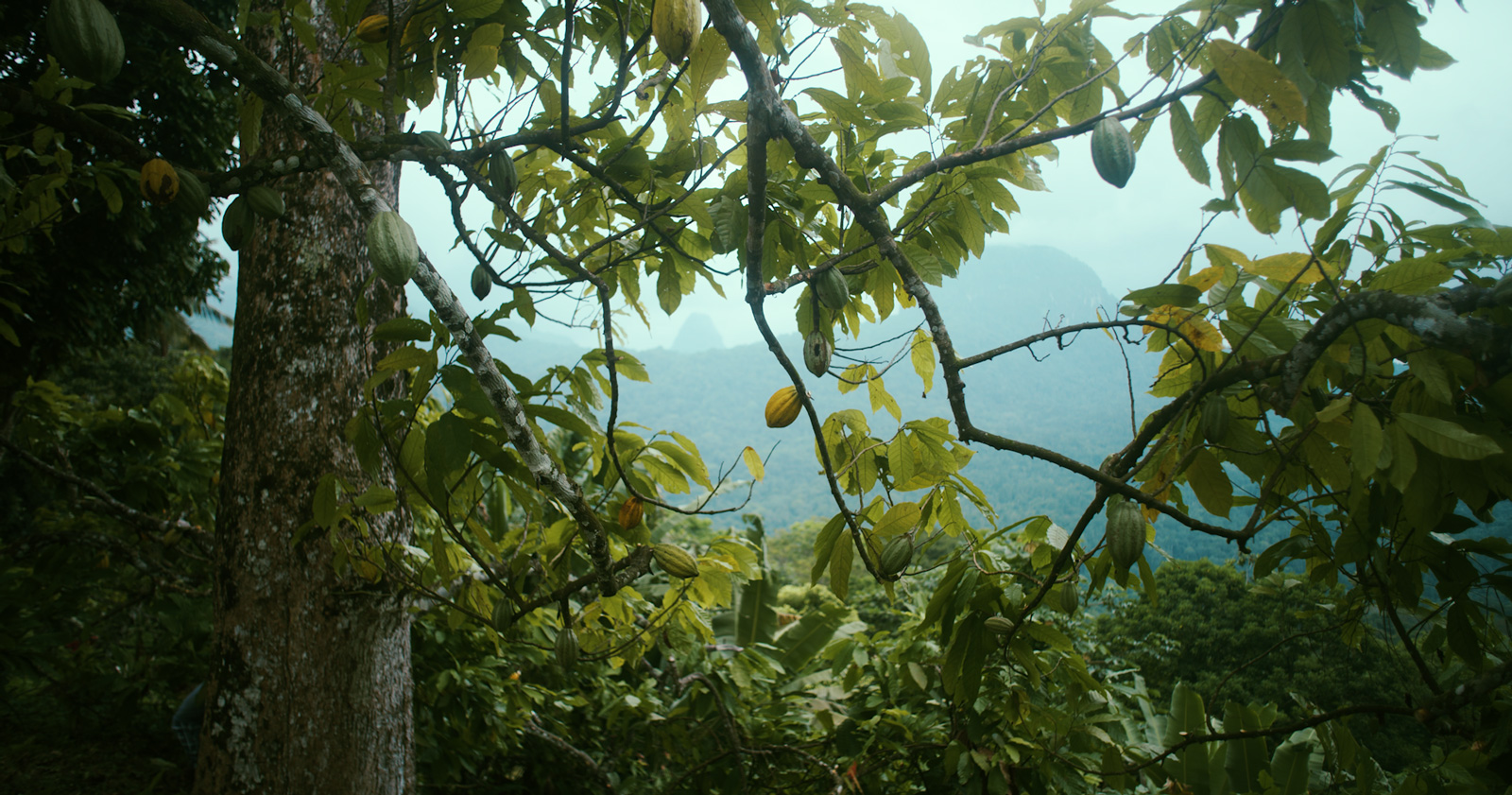
And now we come to the Roça São João dos Angolares, bought and restored by João Carlos Silva, the island's most famous chef. It's a kind of guesthouse nestled in the forest with a restaurant that has so much to offer and that, unlike most other establishments, serves local cuisine in a slightly more gourmet, fine-dining-like style. This approach might sound ludicrous around here and in most restaurants it would be at odds with the country's culinary, cultural and social fabric - but here it makes perfect sense thanks to João Carlos Silva's work. A São Tomé e Príncipe native, he is a chef and television host best known for his show on African cuisine and culture "Na Roça com os Tachos". He succeeded in making a name for himself in the global culinary scene thanks to his skill in blending traditional African ingredients and techniques with an innovative, artistic approach (he studied art and literature in Europe). His work not only places emphasis on the traditions of his native land but also promotes the cultural heritage of Africa as a whole, showing the world the importance and beauty of his African roots in cooking.
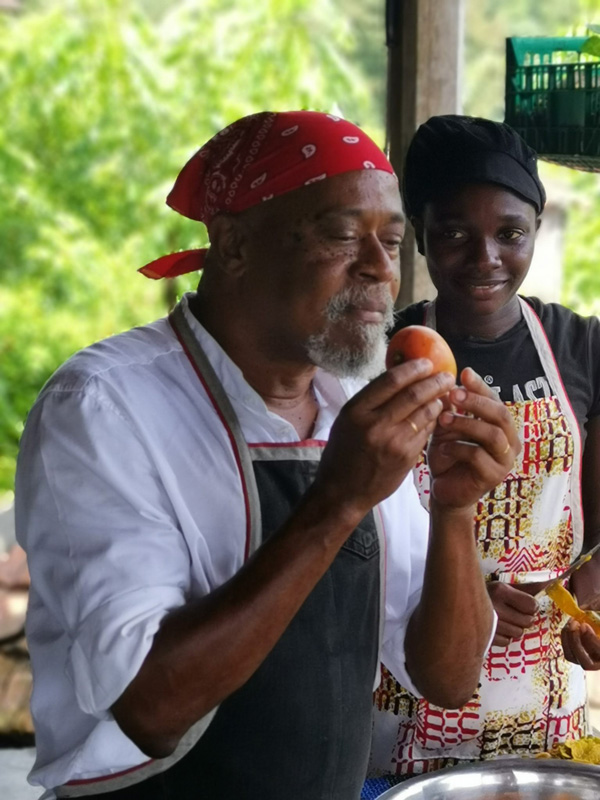 "Na Roça com os Tachos" is much more than a cooking show - filmed on the plantation he restored in São Tomé, it combines cuisine, art and landscape. In each episode Silva presents recipes using local ingredients like cocoa, coconut, fresh fish, palm oil and many other natural resources of his land. Besides cooking, he tells stories, explains the cultural significance of each dish and shares anecdotes about the history of the island and its people. This format has proven very popular with the public not just for the quality of the recipes but also because of Silva's ability to draw attention to issues like sustainability, effective use of local resources and African cultural identity. That's also what's going to happen when you sit at one of his restaurant tables admiring the dense vegetation growing all around it and the people working in the open kitchen on the large terrace.
You'll love trying unusual combinations of chocolate and savory recipes, starting out with a bite of wild pepper, chocolate and ginger paired with a sip of Portuguese red wine. The freshest day's catch is served along with ginger and red onion, baked banana, mango and maracuja, or try the octopus with spicy peanut paste with a side of cheese-and-bacon-stuffed banana. Silva also does an amazing work of producing flours with taro, cassava, sweet potato, pumpkin, nuts, skillfully using these products to make bread.
In an age where cuisine is becoming increasingly global and experimental, João Carlos Silva is an authentic voice capable of combining tradition and modernity, with a special focus on his cultural and natural heritage. His dedication to São Tomé's cuisine, culture and environment has made him much more than a chef and a true cultural ambassador for Africa.
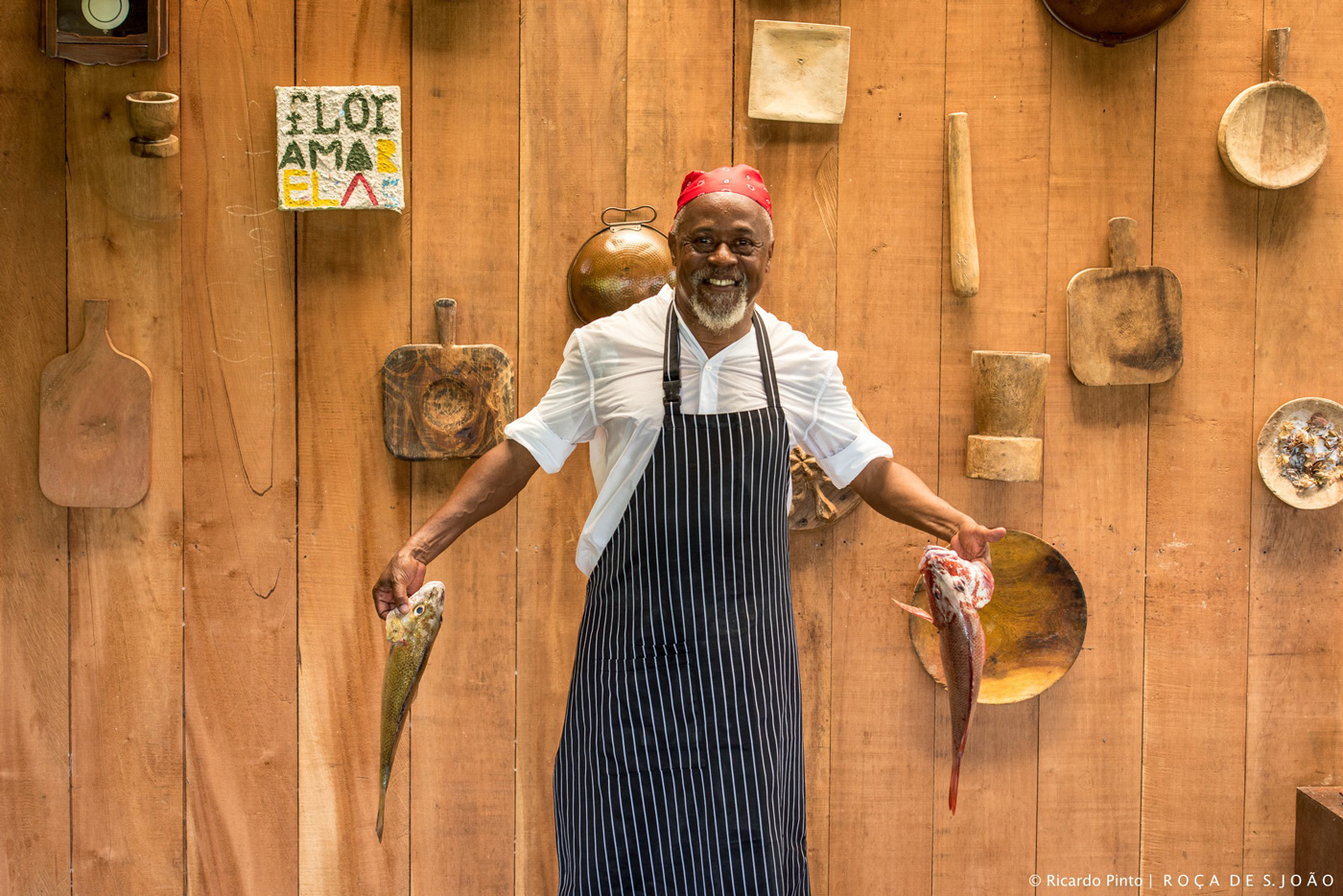
To get a full picture of the country's culinary landscape, other must-try dishes include arroz doce com peixe frito, a dish combining sweet rice with fried fish, demonstrating the versatility of the local cuisine in mixing contrasting flavors. The rice is cooked with coconut milk and sugar and its sweetness provides a lovely contrast to the crunchiness and savor of the fried fish. Cozido santomense, another traditional specialty, is a sort of pork and beef stew with vegetables like sweet potatoes, cassava and plantain. It's often cooked in a large pot, allowing the ingredients to blend slowly and creating particularly intense, rich flavors. Desserts made from sugar, eggs and coconut milk include bolo de banana - a cake made from ripe bananas, often prepared with exotically creamy coconut milk - and pudim de leite, a milk pudding similar to caramel pudding but with the addition of tropical flavors like vanilla.
São Tomé and Príncipe's cuisine is a melting pot of cultural influences. During the colonial period, the Portuguese introduced ingredients and cooking techniques that blended with African culinary traditions as well as those of the enslaved people brought in from neighboring regions. This gave rise to a unique cuisine expertly combining spices, local ingredients and European influences.
The cuisine of these islands is an essential part of their cultural identity with each dish telling a story, each ingredient reflecting the richness of the local biodiversity, and each meal an opportunity to share traditions and flavors bringing together the country's colonial past and African heritage.
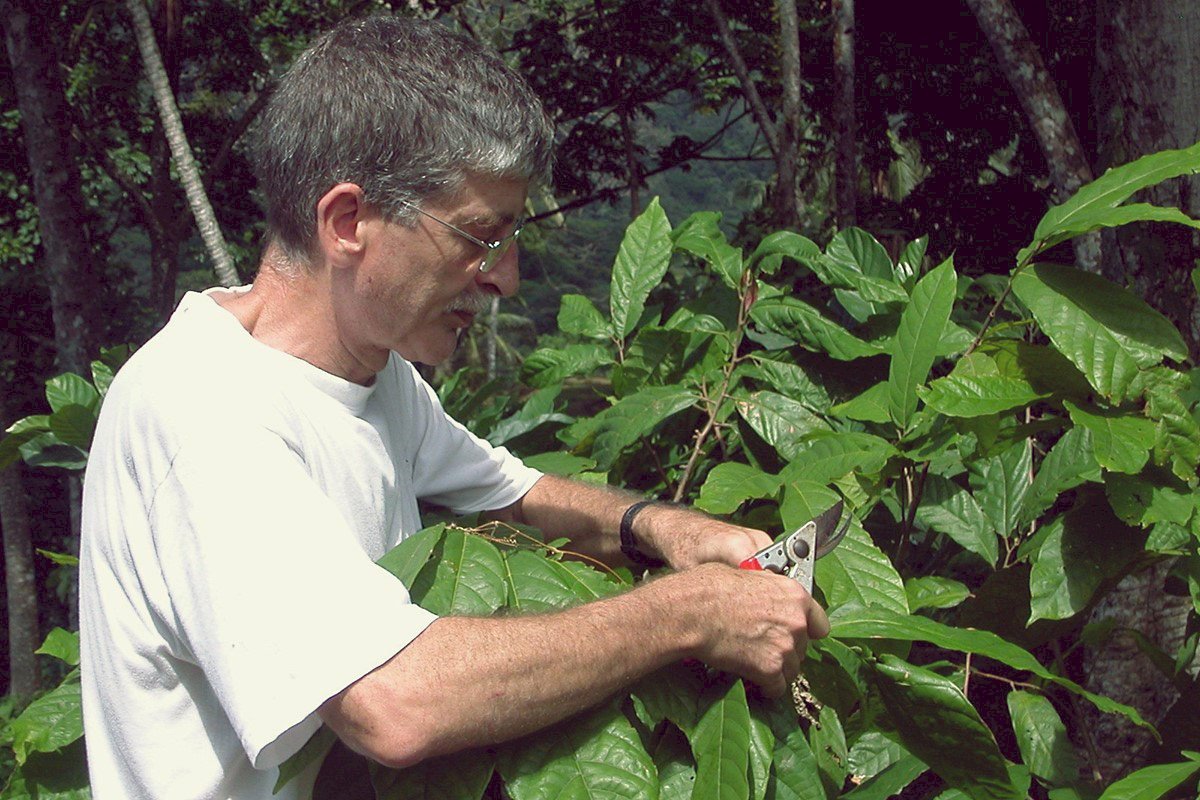
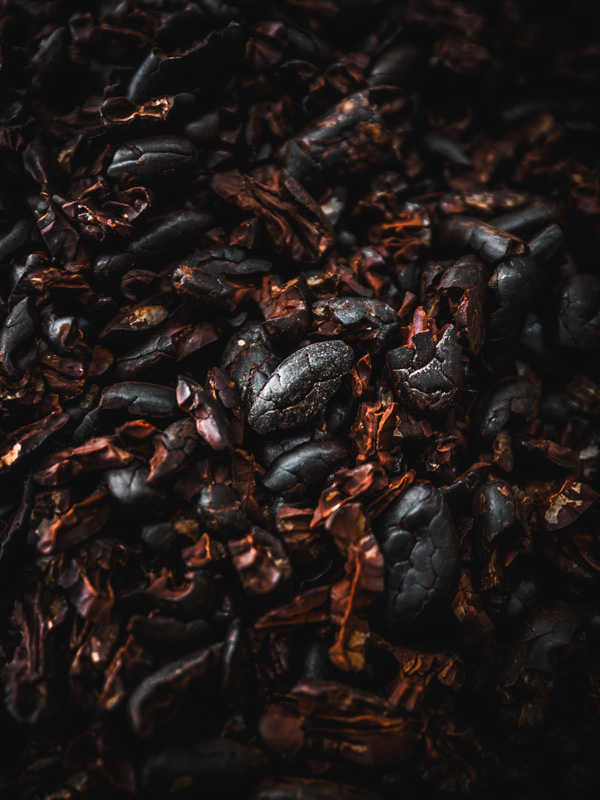
If you can't visit São Tomé and Príncipe without sampling its drinks made from tropical fruit like mango, papaya and guava, a (daily) taste of excellent coffee and cocoa is just as mandatory. In this regard, we cannot fail to mention Claudio Corallo, a chocolate producer who has become a legend in this part of the world. In his plantations in Nova Moca and Terreiro Velho he grows cocoa and produces one of the most interesting premium chocolates in the world.
In his Terreiro Velho estate in Principe he also keeps a still sitting amid the wilderness, which he uses to create a unique and elegant cocoa spirit. It's a delicious drink as well as a surprising ingredient in one of his chocolate recipes, the tasty Ubric - 70% cocoa and raisins steeped in cocoa pulp spirit.
"In a recipe, 5% is creativity, 95% is work," he says with a knowing smile. "I fell in love with the smell of cocoa and I wanted to capture it at all costs. Coffee is where it all started, I remember waking up in the middle of the night with that fragrance, I've loved it and I still do but at a some point I got saturated with it and jumped into cocoa with both feet."
Last but not least, let's not forget two more local drinks - vinho de palma, wine made from the sap of palm trees popular both as a pre-meal drink and paired with food, and a cane juice spirit locals call cacharamba.
And there's much more than food. In São Tomé and Príncipe, music - and therefore dancing - are just as important. It may make you smile to see locals (mainly in São Tomé, Principe is essentially just nature) gathering in sparsely furnished places to dance the Kizomba, one of the most vibrant and significant cultural expressions of this small African archipelago. Although the Kizomba originated in Angola in the 1980s, it has had a widespread influence in many Portuguese-speaking countries, including São Tomé and Príncipe, where it’s very popular. It's a sensual partner dance rooted in traditional Angolan music featuring a slow, romantic rhythm and elements from zouk music from the French Antilles. It requires moving smoothly and a strong connection between the partners, expressed through small steps and physical closeness.
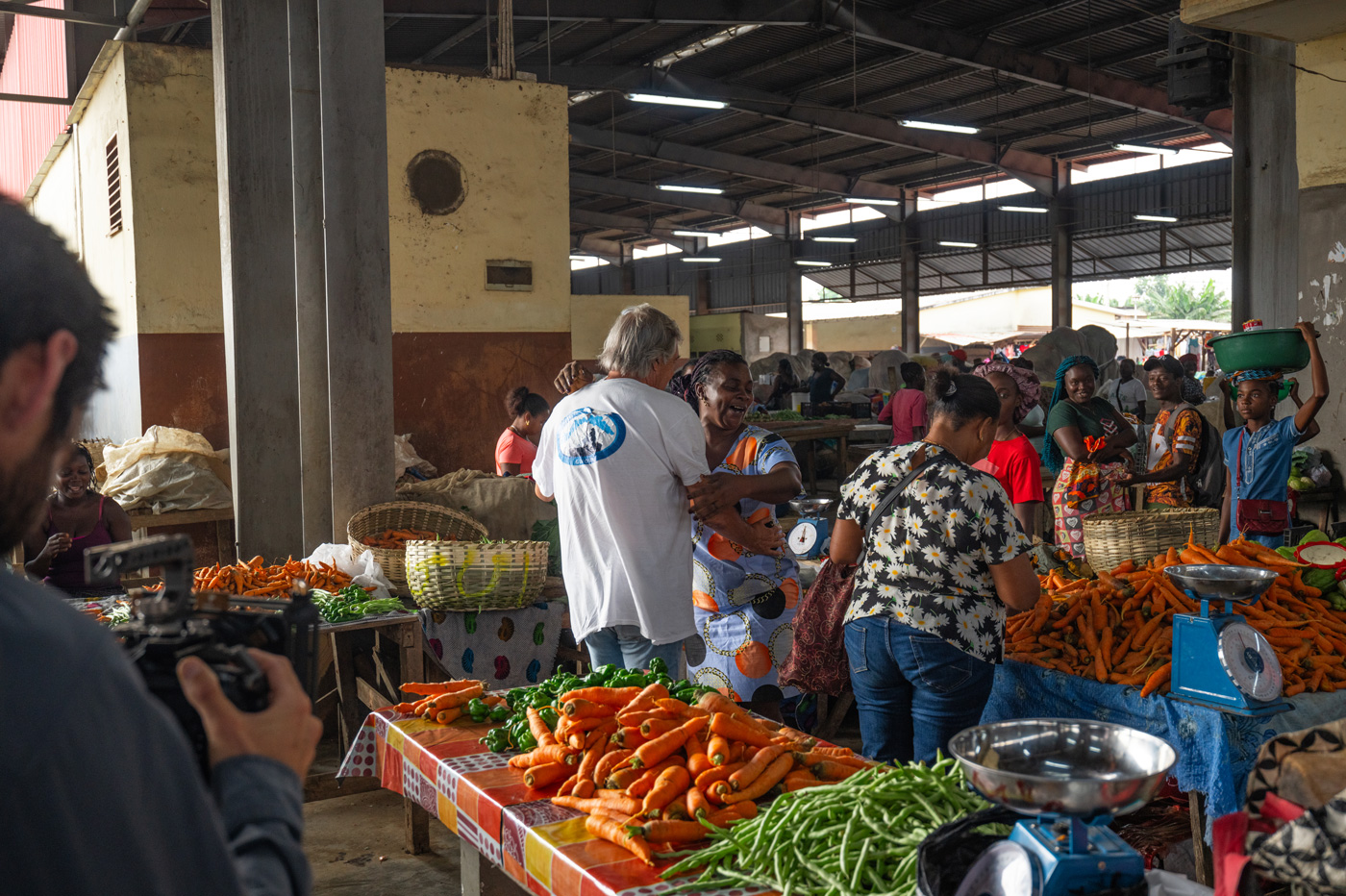
Meeting Claudio Corallo, chefs, producers and farmers and spending a few hours with them is already a great way to venture deeper into the culture of these islands. But what you will experience in the small rural African villages will be the penetrating glances, the stories of people who have never left the island and probably never will, rains more intense than an embrace, the tasty, wild cuisine, the African sunsets and the amazing vitality of the baobabs dotting the horizon outlined by the light from the setting sun. Only then will you know why sunsets in Africa are so special and unforgettable.
Travel the islands and savor their soul, but remember to enjoy your stay in the local style - "léve-léve", nice and slow, as they say around here.