


São Tomé, islands of the spirits
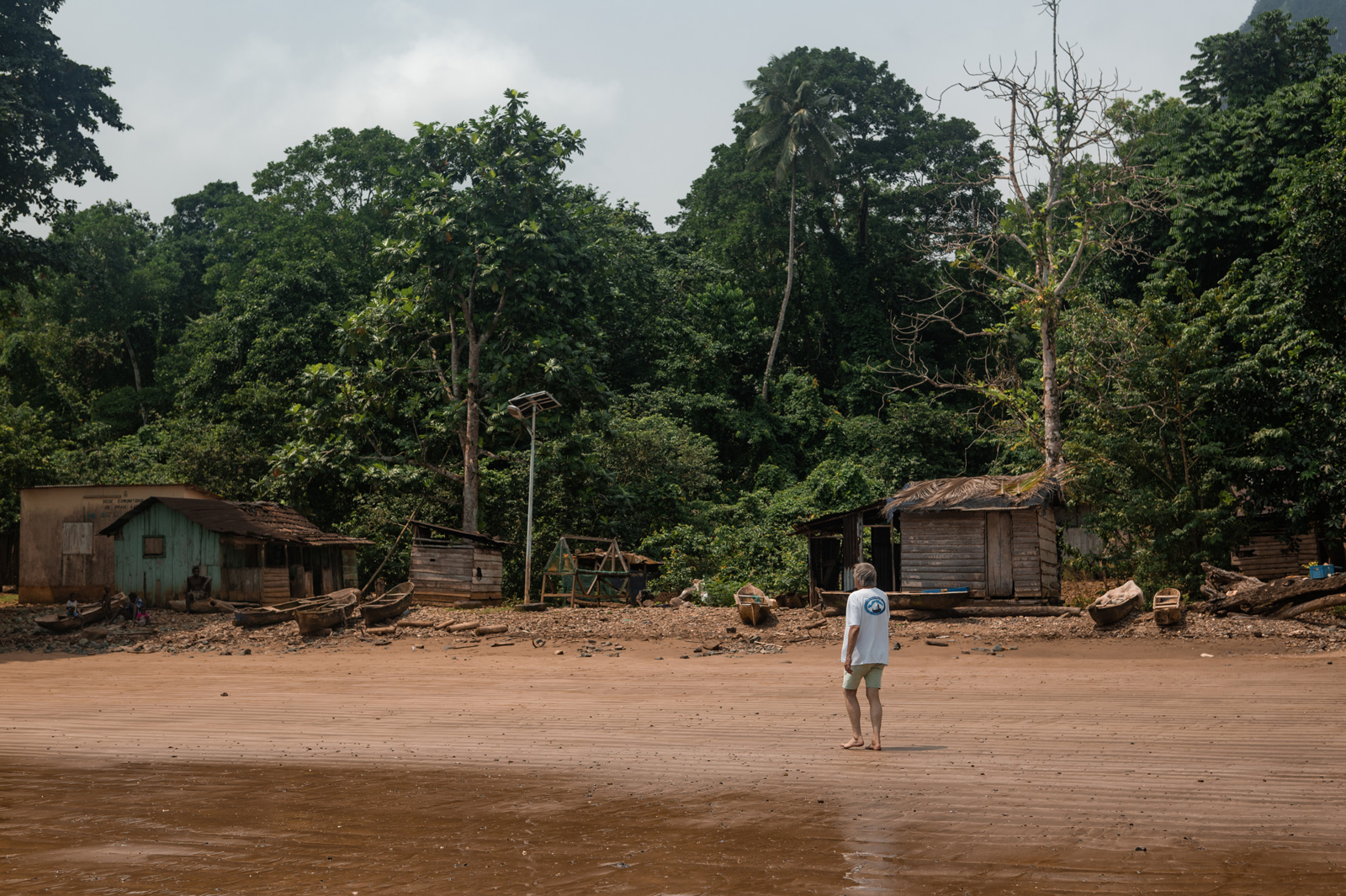
Not just cocoa and coffee - the small archipelago in the Gulf of Guinea is home to a secret army of small homemade stills spewing out curious spirits. Amid plantations and ruined colonial houses, we went on a hunt for undiscovered treasures.
The suspicion that São Tomé may not be exactly the realm of luxury packaging and marketing strikes us as we’re served the first beer at the Omali lodge bar. "Super Bock ou Nacional?" asks a kind uniformed waiter.
The alcoholic explorer in us has no doubt - between the Lager imported from Portugal and the one made on the north coast of the island by the Rosema brewery, choosing the proudly produced local brew is almost a moral duty.
We're served a half-liter brown glass bottle without so much as a label. The golden metal cap is unbranded.
"Esta é Nacional?" Sem etiqueta?”
"Sim, senhor, Nacional não tem etiqueta.”
A smile appears on the face of the alcoholic explorer. We ended up in the last corner of the world where brand identity, visual marketing and all the other refined economic strategies they teach in universities are worth as much as a bottle cap - an unbranded one, of course
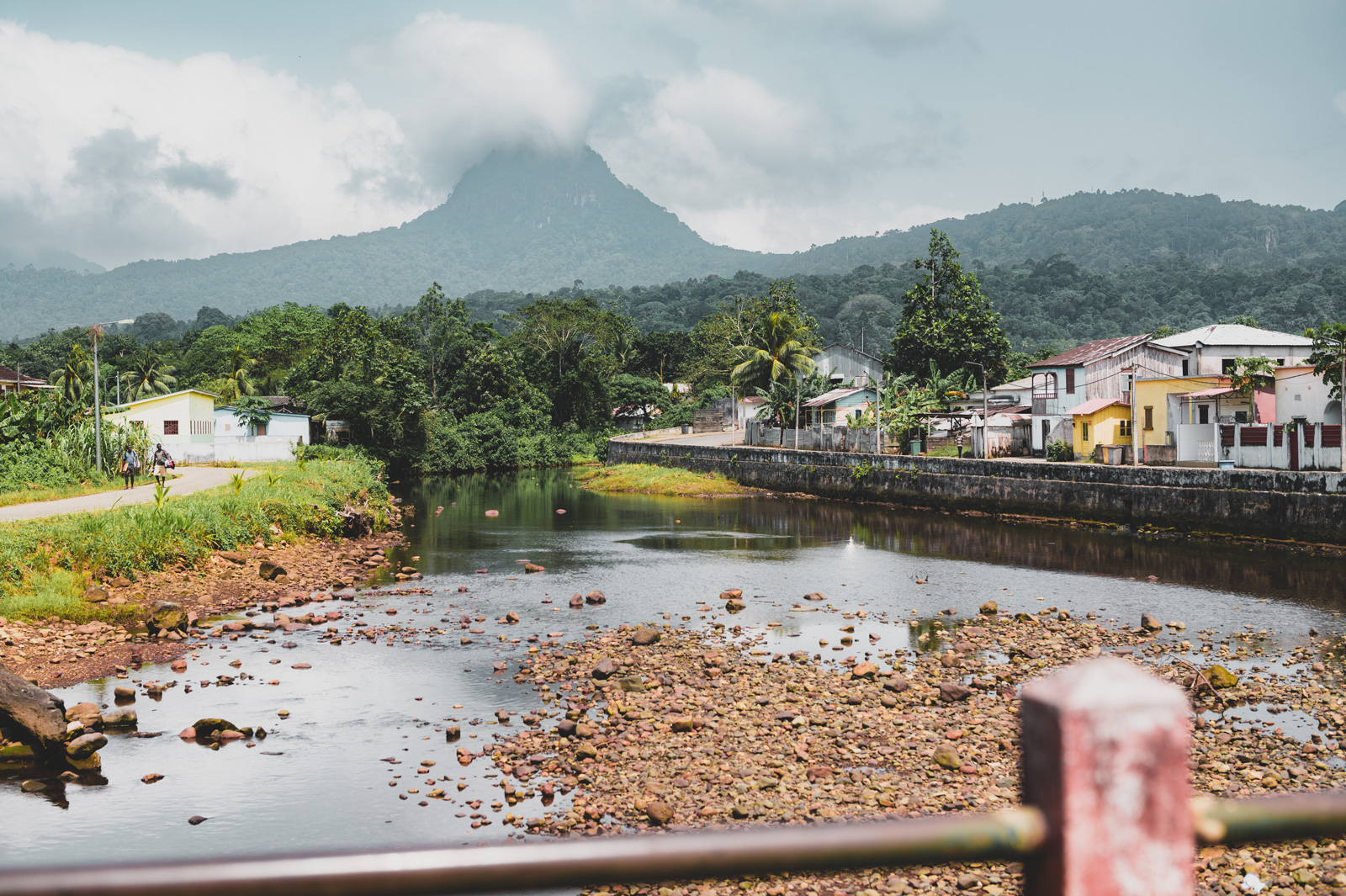
After all, in the last five centuries the economy of São Tomé and Príncipe has been firmly revolving around plantations, Portuguese colonial exploitation and the slave trade. Then, since the country's independence in 1975, the communist regime has mismanaged the roças – the citadels rising around the colonial houses and plantations - leaving them to fall into ruin. As a result, today the equatorial jungle is dotted with ruins surrounded by colorful slums where the cocoa and coffee cooperative workers live.
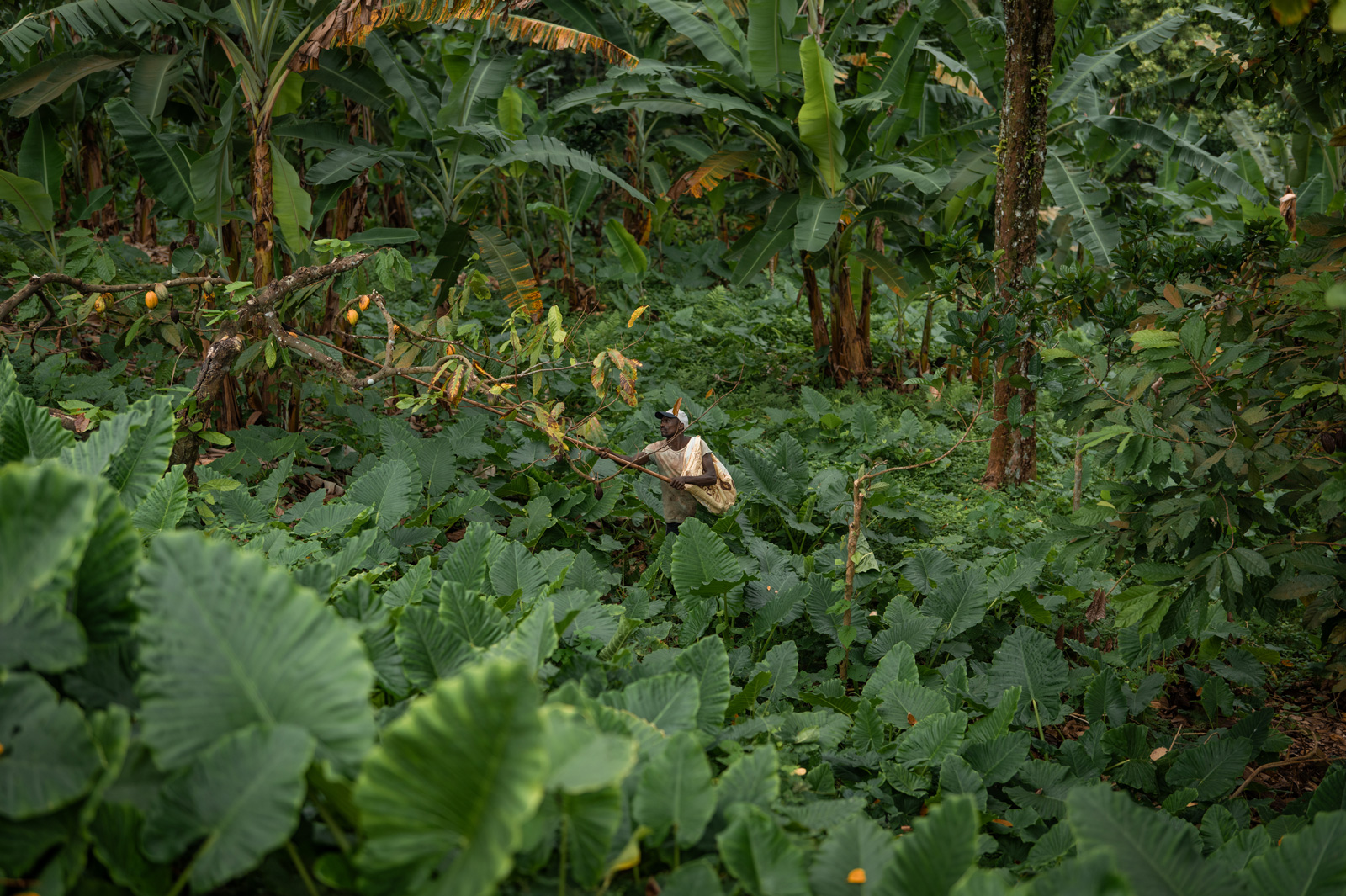
In this social and economic scenario where the annual GDP per capita is less than $1400 and 50% of the population is under 16, modern marketing techniques obviously sound like science fiction. And if cocoa has made strides (it's now the country's first source of income), trade in other agri-food products is still in embryo and only slightly exceeds self-consumption.
In this regard, spirits are no exception.
Portuguese roots, African style - cacharamba
As our jeep proceeds amid huge banana trees just outside the capital, the road is lined with tiny houses on stilts and shacks. Out front, sitting at their stalls, are people selling anything from dried fish to pancakes made with fruta-pão, the fruit of the breadfruit tree. At their feet we often notice plastic cans resembling water cooler bottles found in offices everywhere from Milan to Manhattan. They're filled with a transparent liquid that's definitely not water. It's actually a kind of aguardiente called cacharamba, São Tomé's most representative spirit.
When between 1471 and 1472 explorers João de Santarem and Pedro Escobar – sent by the trade monopolist appointed by Lisbon for the Gulf of Guinea Fernão Gomes – "discovered" the islands, they immediately became a strategic hub for the Portuguese Empire. Once colonized, sugar cane became the main crop. But the conquest of Brazil and the fact that on the other side of the Atlantic sugar cane grew more luxuriant gradually caused the plantations in São Tomé to be abandoned. In the following centuries the islands were first turned into a hub for handling slaves brought from West Africa to the new world, then in the nineteenth century into a cocoa-producing country.
Meanwhile, sugar cane still grew here and there, no longer the basis of the archipelago's economy but still ubiquitous in the islands' verdant landscape. And as everyone knows, where there's sugar cane there's rum.
Just like grogue in Cape Verde, here too distillation spread among the slaves and their descendants. Particularly among the angolares, descendants of Angolan workers who survived a shipwreck in the mid-16th century and today make up one of the country's three main ethnic groups. It's no coincidence that Angola has its own "cane sugar brandy" called caxaramba.
What it is exactly is not easy to find out - there are no written documents, forget production specifications. You need to meet the producers, brave dirt roads where rainwater flows mixed with red dirt and be lucky enough to walk into one of the countless shanties where rum is distilled.
Arlindo lives and works near the roça Terreiro Velho, on the island of Príncipe. The meticulously kept garden of his little house - a sort of haven of order and cleanliness in the island's primordial chaos - is home to the "Fabrica Leve Leve". "Leve Leve" is the national motto. It means, very simply, "slowly" or "nice and easy". It sounds very similar to the Neapolitan expression "chian' chian'", the universal mantra of those who shun haste and stress. This is where Arlindo set up his distillery. On the door is a sign explaining the technical and scientific basis of cacharamba distillation: "Fé em Deus."
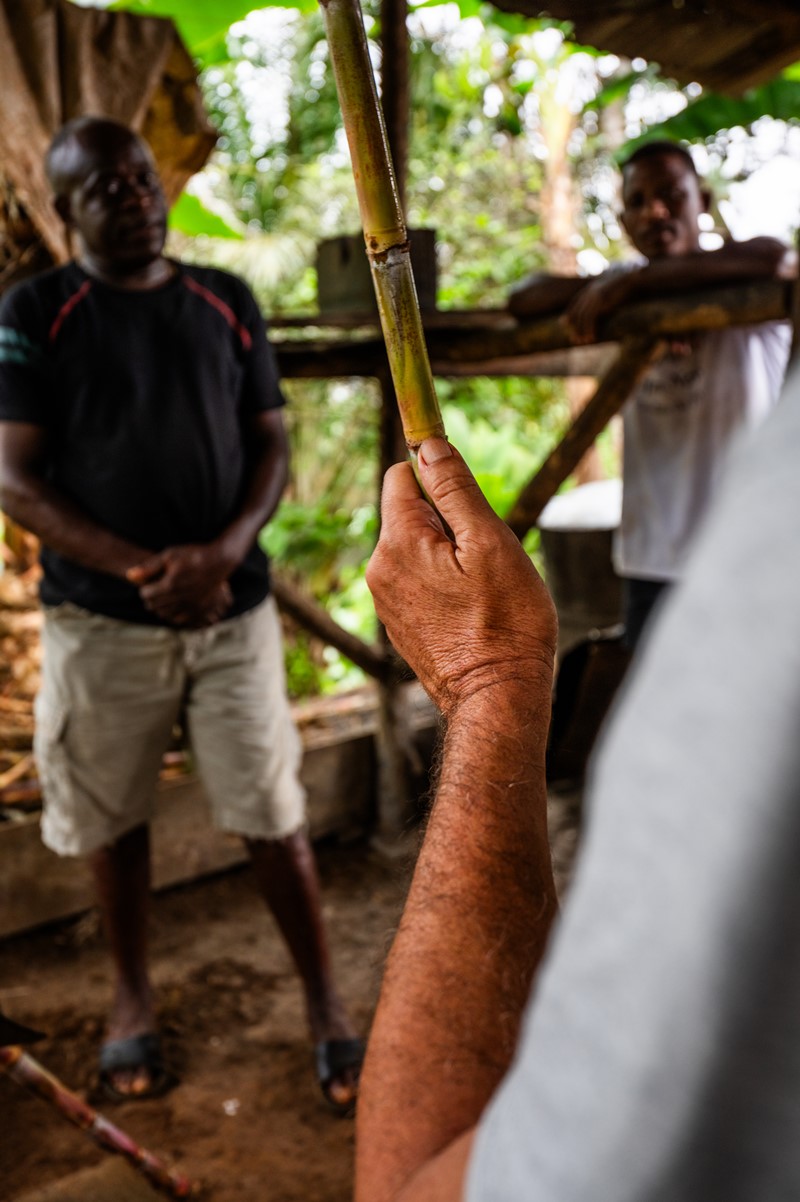
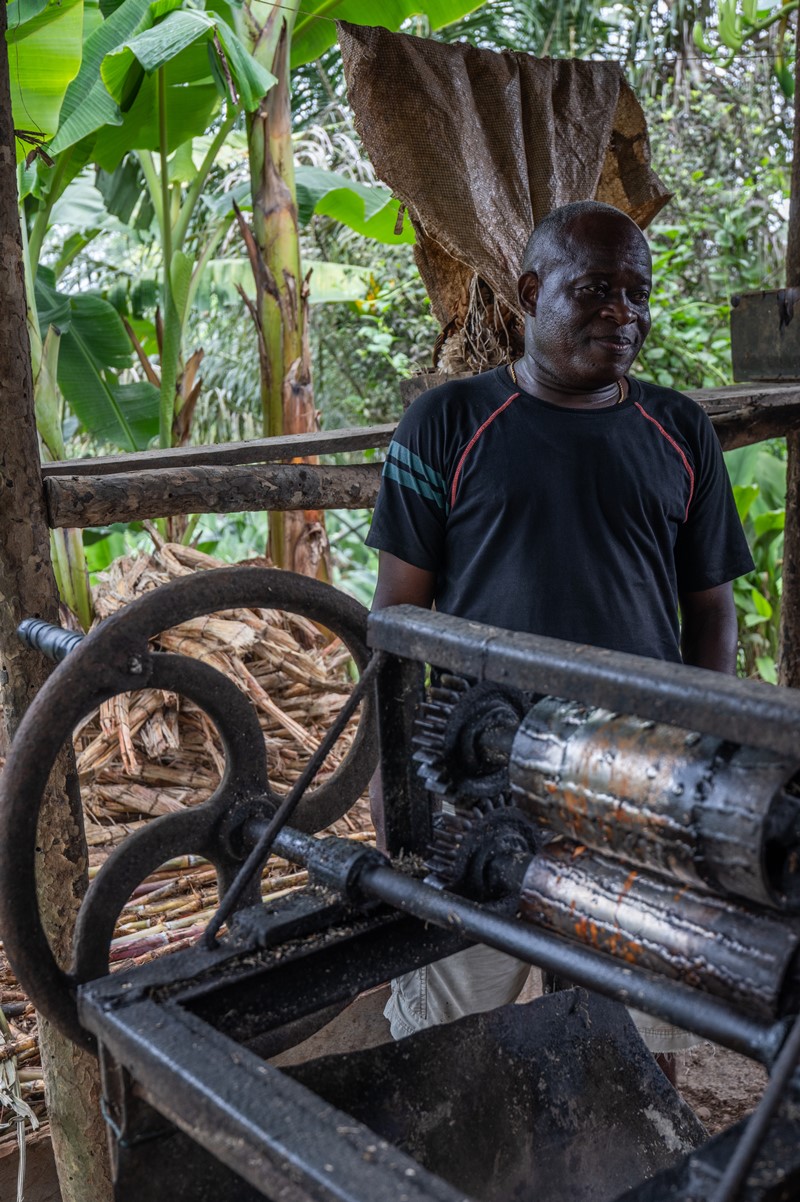
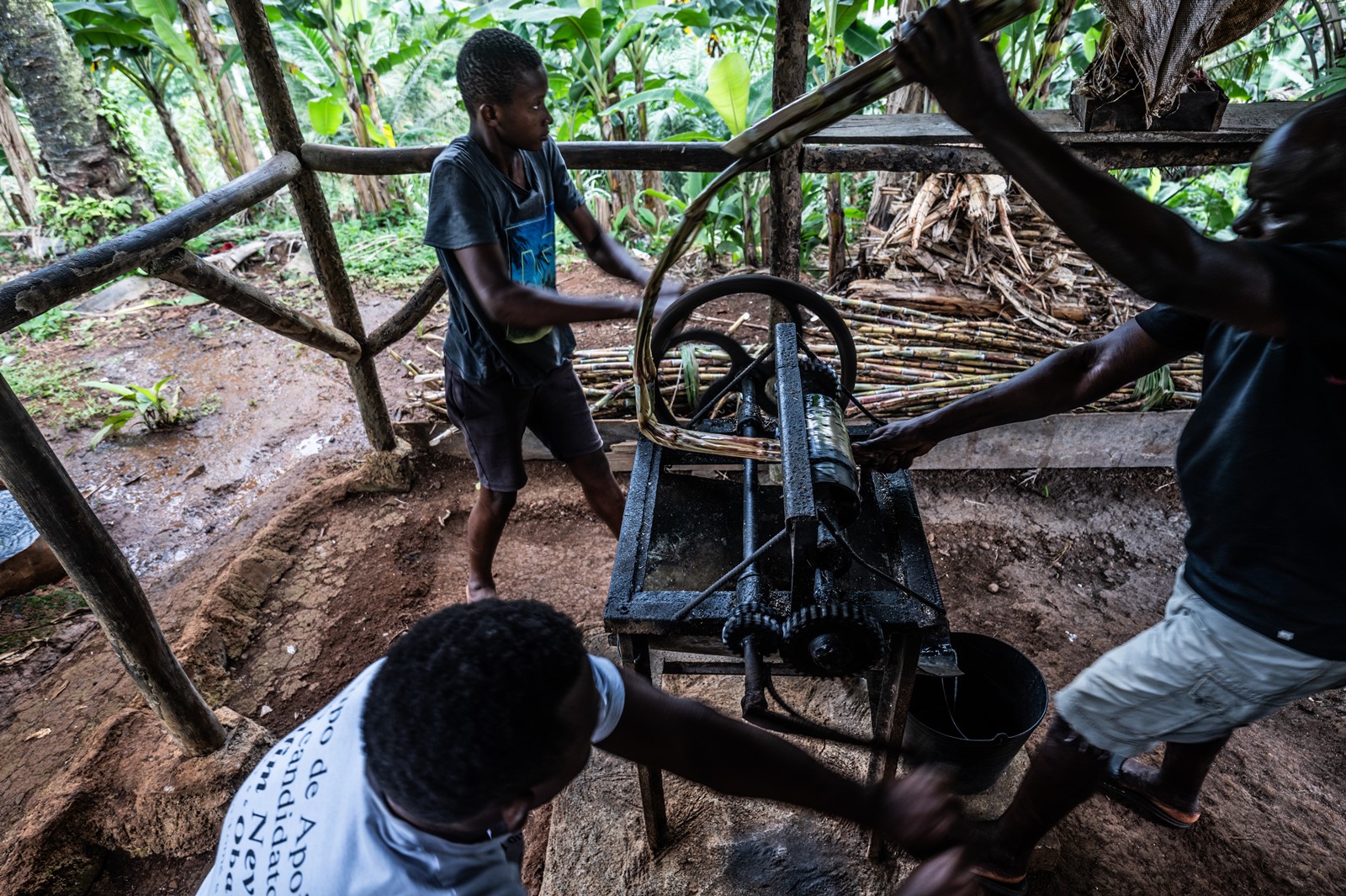
And judging from the equipment, only those who have faith in God can in fact hope to produce alcohol like this. Cacharamba is a spirit made from fresh sugarcane juice. The variety used is preta, the black cane, which is manually ground in the back of the shack.
Sugar is added to the juice in a ratio of 10 kilograms to 100 liters – one of the main features differentiating cacharamba from grogue, for example – and the mixture, called goma, is left to ferment in plastic drums for 10-12 days.
But distillation is when the supernatural really comes into play.
That's right, because Arlindo – as well as the vast majority of distillers in São Tomé and Príncipe – uses a repurposed naphtha drum as still. The "gooseneck" is a metal gutter of the kind used for roofs. The spirit is collected in 5-liter bottles sold locally. To a Western observer, it's a miracle drinkers haven't all gone blind. And yet we're in for a surprise.
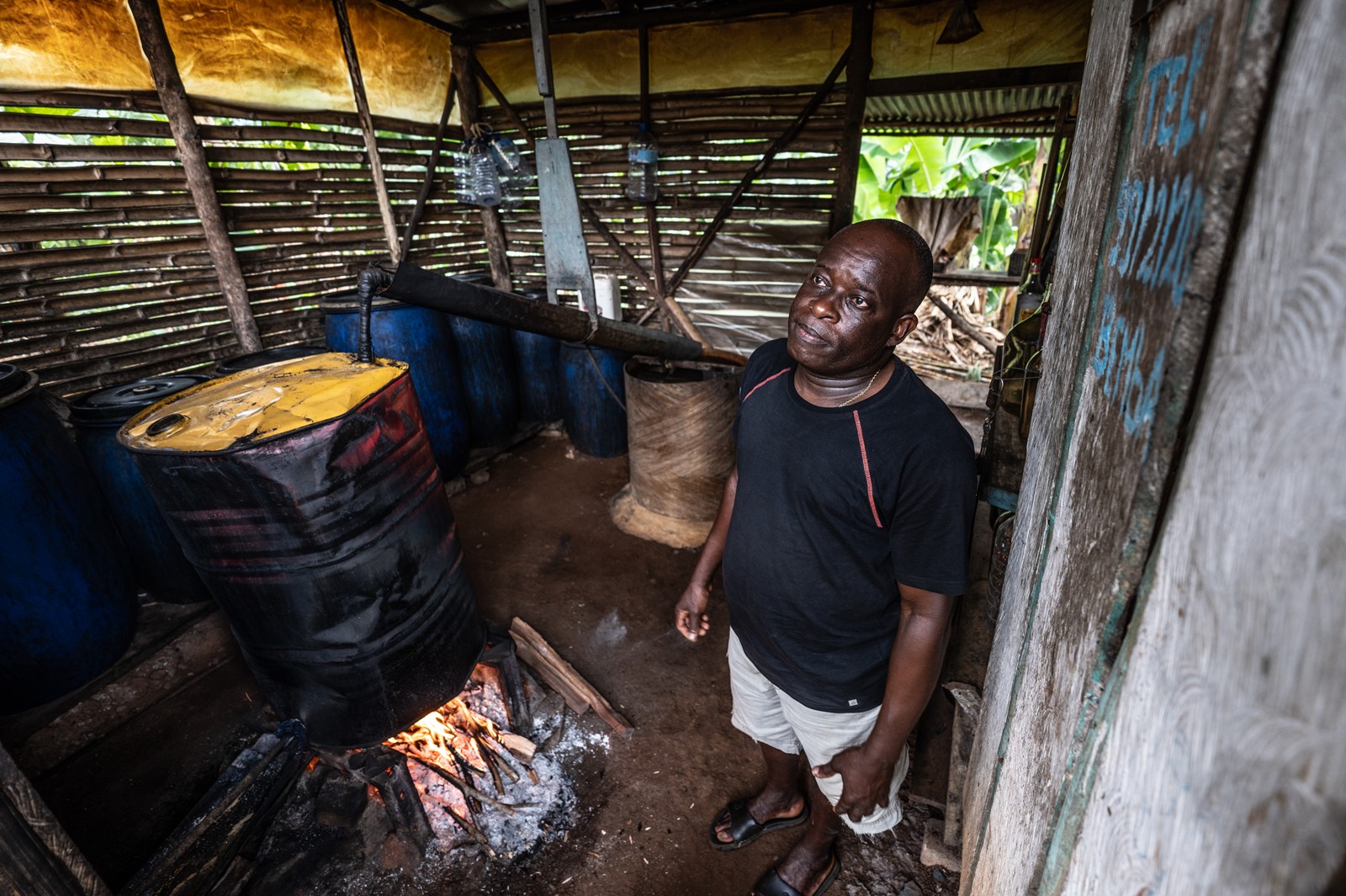
Arlindo, who started distilling in 2022, is experimenting with a new approach. After meeting Luca Gargano, he tried producing a batch of cacharamba without adding sugar. Pure preta cane juice, the same rudimentary still but vastly different results. If the traditional spirit made with sugar is aggressive and distant from conventional tastes, the one made from pure cane juice is incredibly fruity, fragrant, vibrant and – as impossible as it seems – exceptionally elegant.
Of course, Arlindo is one of the very few to make cacharamba without adding sugar and he's certainly the only one who met a European enthusiast who encouraged him to improve quality. He's the proverbial swallow – or perhaps I should say Pica-peixe, the local blue kingfisher chirping among the flame trees – that does not make a summer. But it is proof that the island has high-quality raw ingredients, and that a few technical improvements could propel cacharamba out of the ruined roças and into the world.
All and nothing - earth whisky
On the streets leading to Monte Café, one of the best-preserved roças protected by UNESCO which today houses a museum on the age of Portuguese plantations, there's a sign written - as always - by hand reading "Aquì whisky da terra."
Curious, we ask for information from the staff of Casa Museu Almada Negreiros, a restaurant run by kids overlooking the forest dedicated to the local modernist poet and friend of Fernando Pessoa, a man who defined himself a "son of São Tomé and grandson of Angola.”
"Earth whisky is also a child of São Tomé," joke the waiters and tour guides of "Mucumblì explorer" founded by Tiziano and Mariangela Pisoni, a husband-and-wife team from Bergamo who since 2013 also manage a rural resort in Ponta Figo. As with cacharamba, it's impossible to get any technical specifications. We make do with the popular explanation: earth whisky is aguardiente "with an extra boost." It's cane juice spirit with or without the addition of sugar or fruit, palm wine or other distilled ingredients, infused with local herbs and roots.
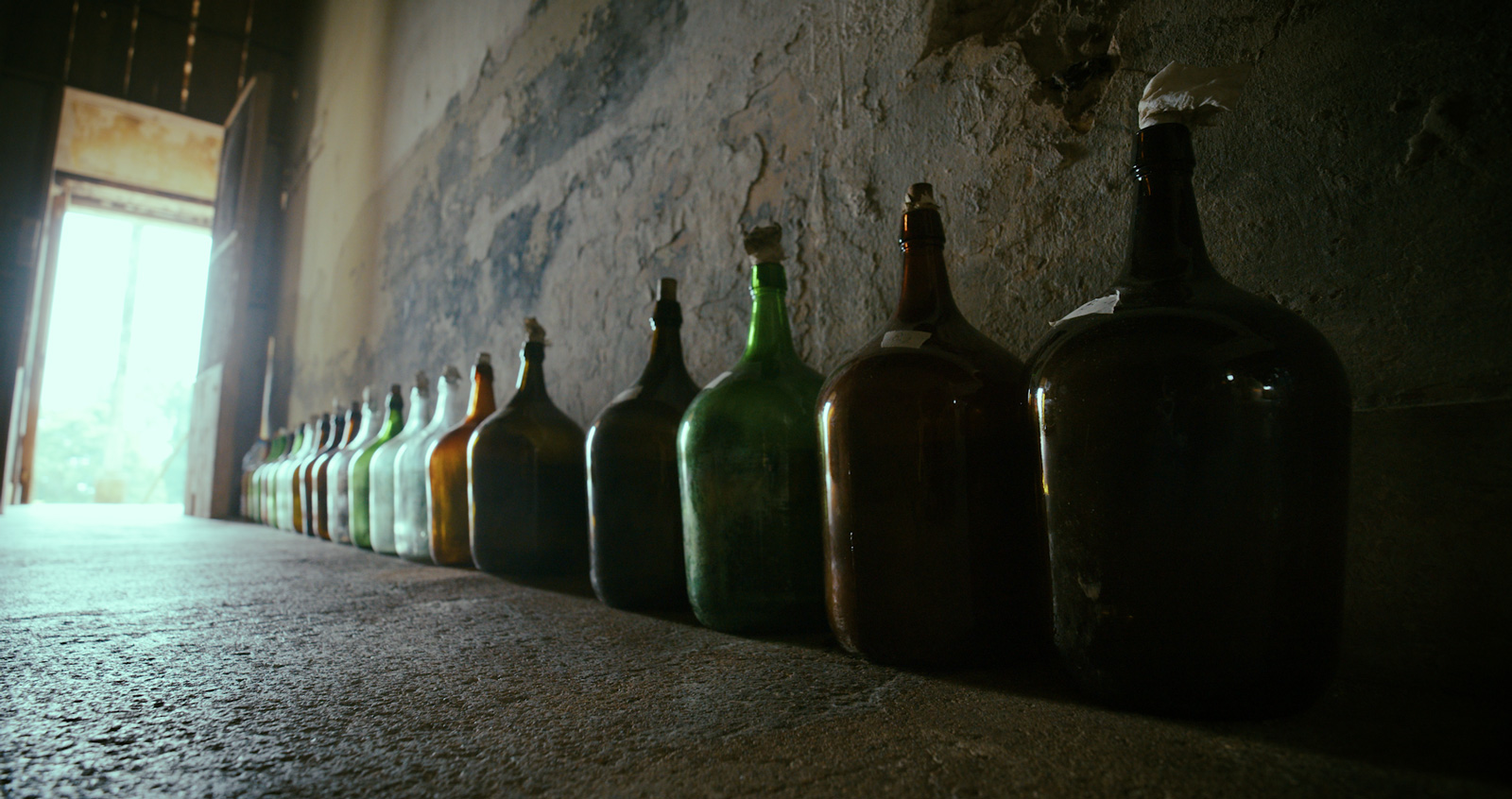
The bottle - brought to the table as soon as we express our interest - looks more like a hydroponic experiment or a ship in a bottle. Inside we notice pieces of bark, oblong leaves, peppercorns. Each family has their own recipe, often more than one considering earth whisky can be made with just about anything nature offers. Calling them "botanicals" as with gin sounds ridiculous, but there's one ingredient that cannot be missing - cinchona.
Sensory-wise, it's quite unique. The nose is dominated by cane juice, with the typical notes of agricultural rum at the forefront. The finish is reminiscent of certain amari, clearly because of the cinchona bark. An interesting experience for a hybrid product that's even more rustic than cacharamba.
The other half of cocoa - pulp spirit
It's unclear whether anyone else in the world makes it. It seems that years ago, the manager of a large chocolate factory in Côte d'Ivoire met one in Ecuador, but there's nothing on record. The fact is that Claudio Corallo, a Florentine who produces what is considered the best chocolate in the world here in São Tomé, is also the only one to distill cocoa pulp.
Mind you, there is a large number of cocoa or cocoa-flavored spirits, normally made by infusing cocoa beans in an alcohol base (brandy, gin, grappa). But here, we're in a different league altogether.
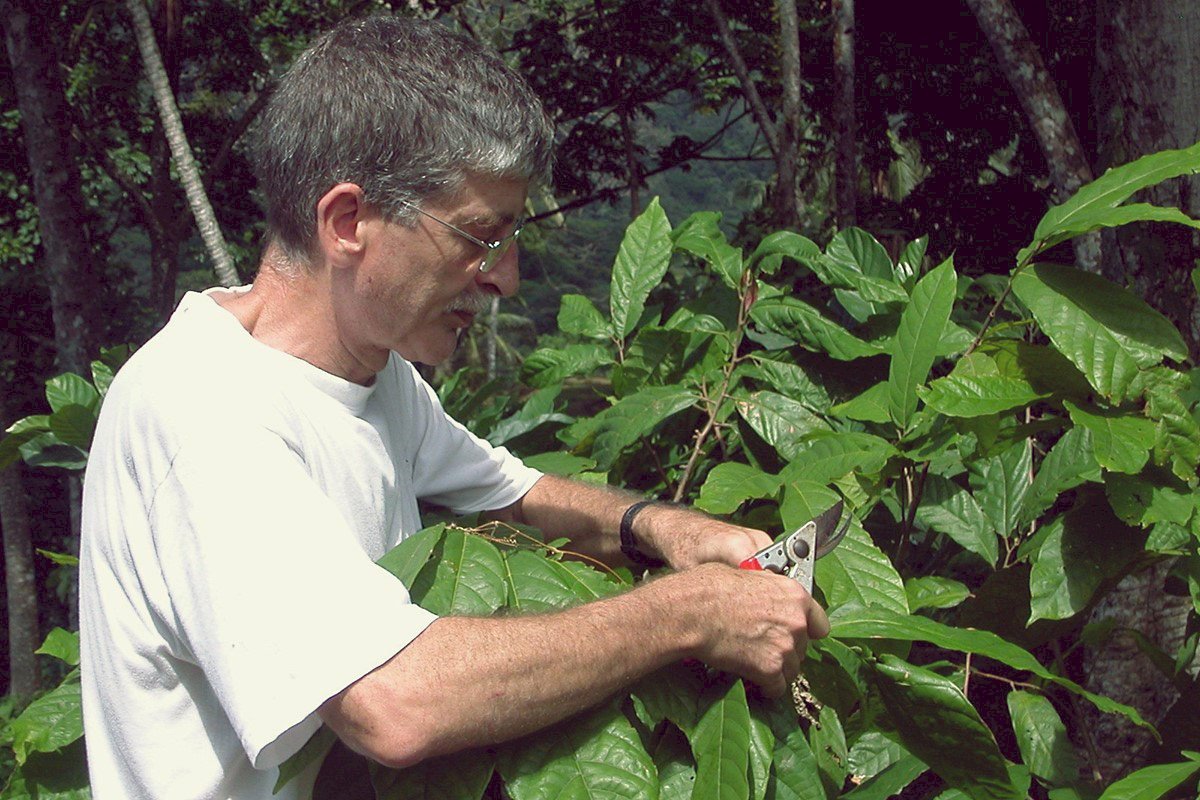
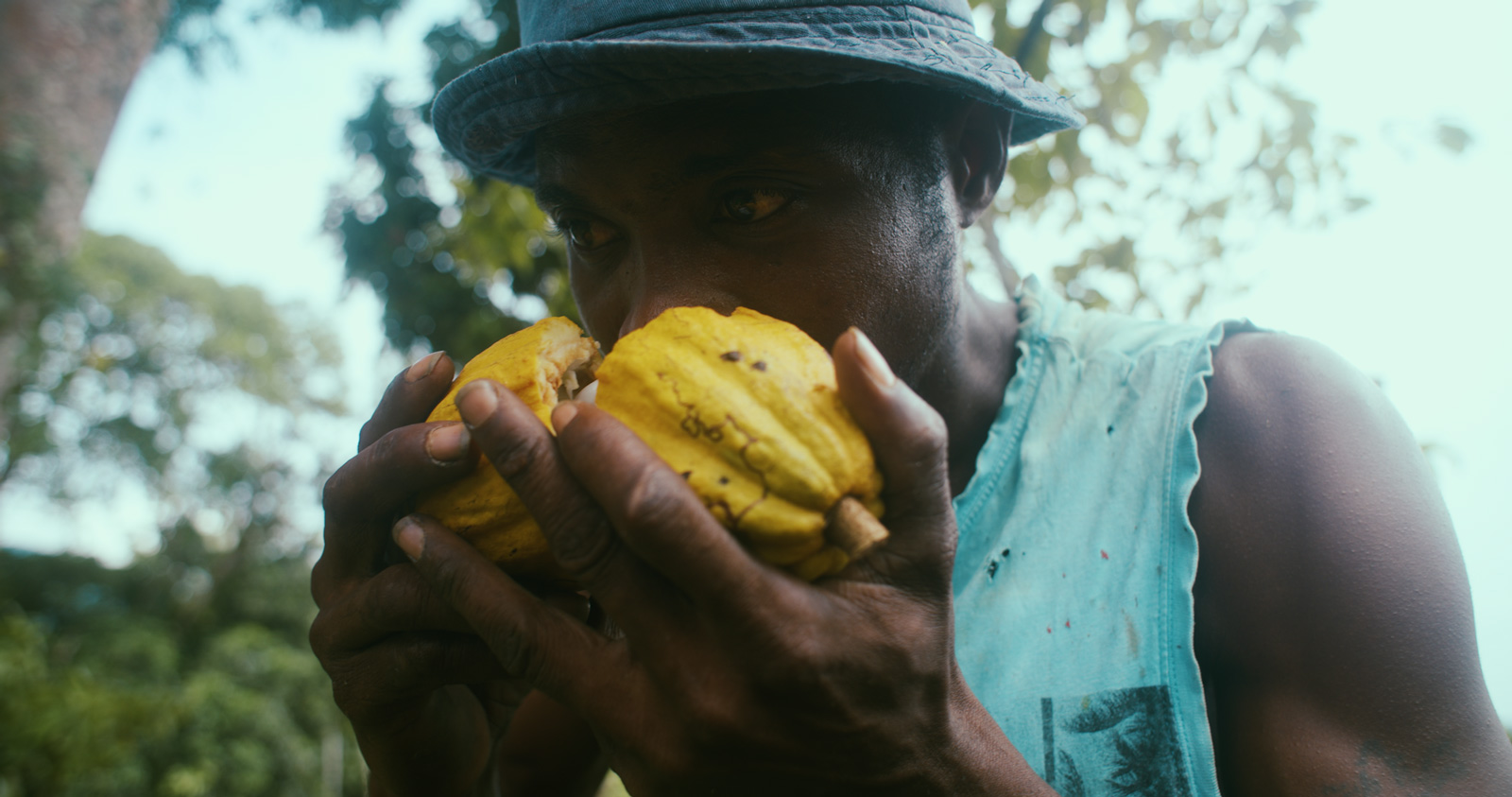
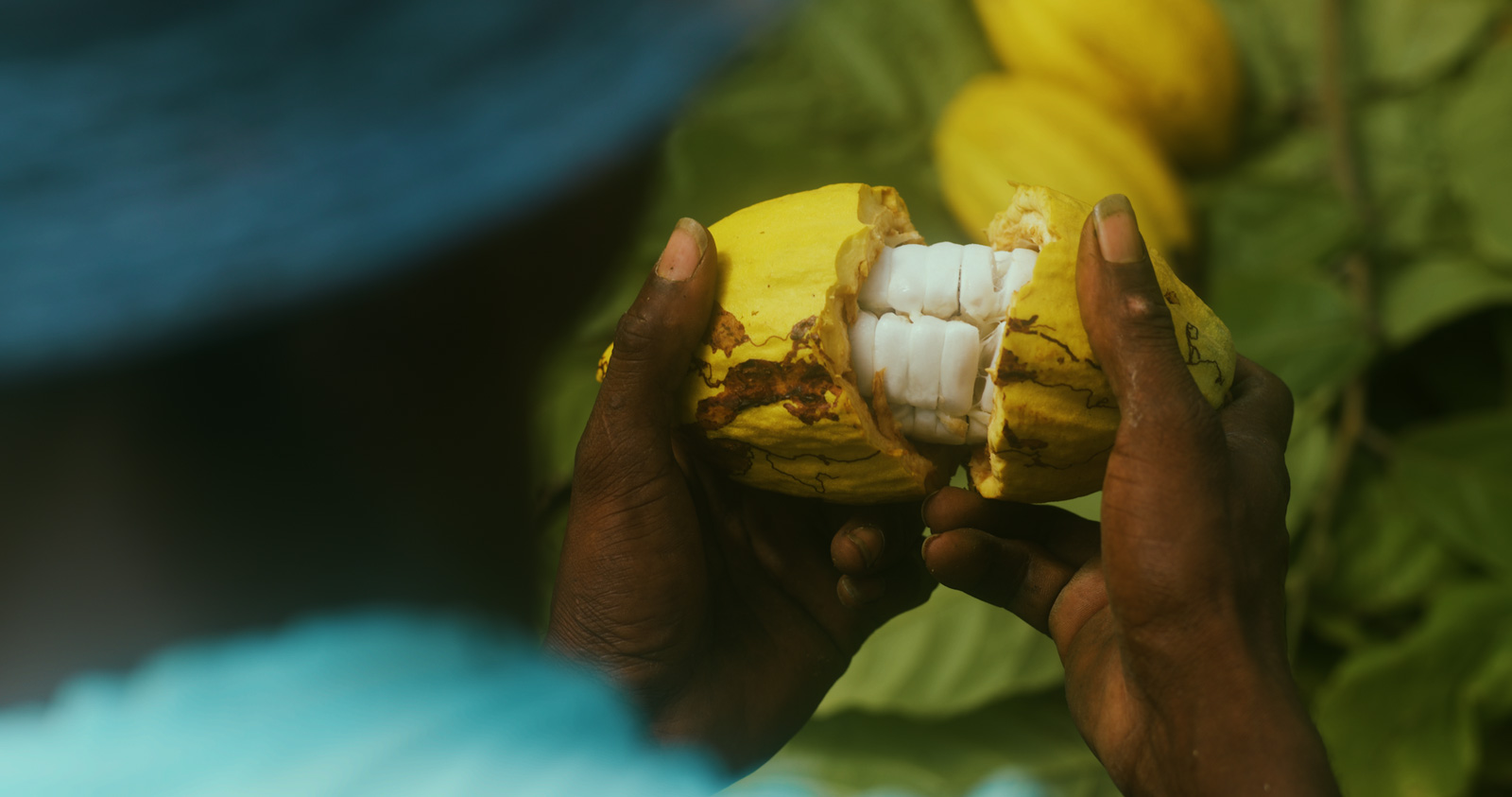
"To me the pulp of the cabosse, the cocoa fruit, is the best smell in Africa," explains Corallo. After fleeing Zaire and settling here in 1998, he planted cocoa trees and built a harvesting, fermenting and drying facility in the old roça of Terreiro Velho in Príncipe. “It's usually discarded, but I started distilling it because I didn't want to lose that fragrance."
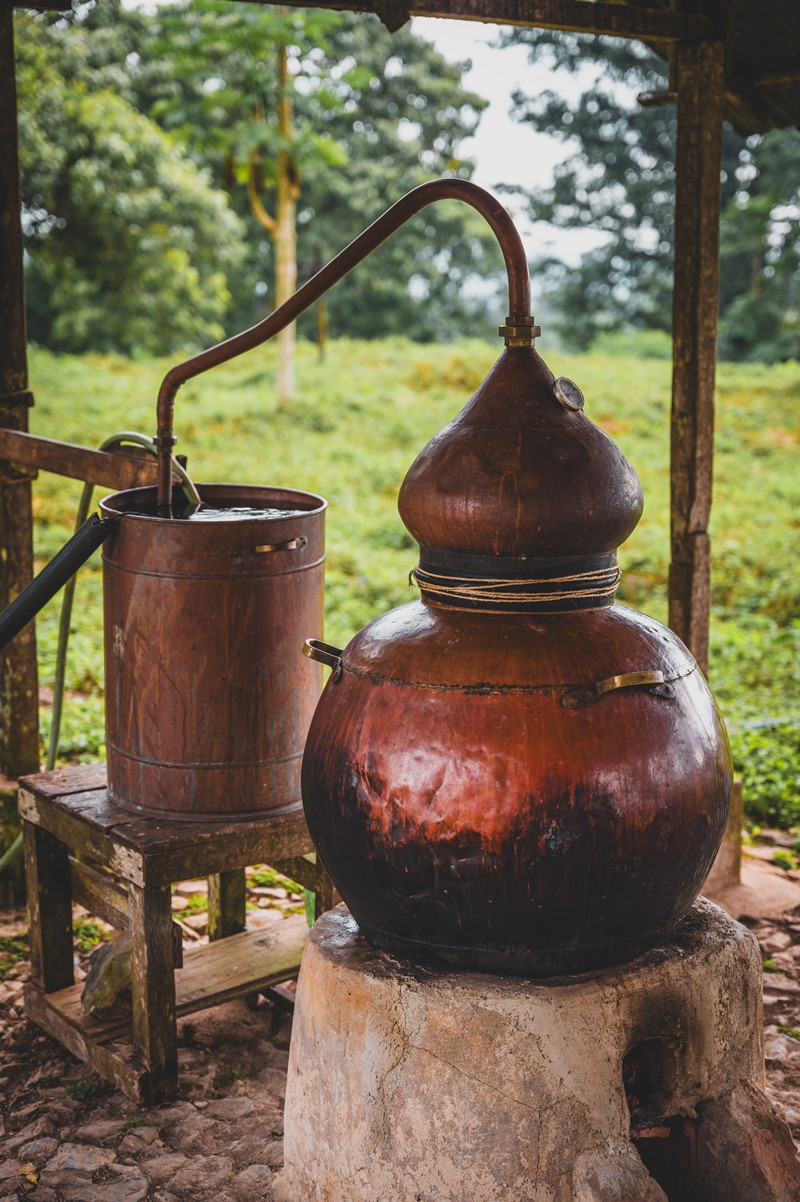
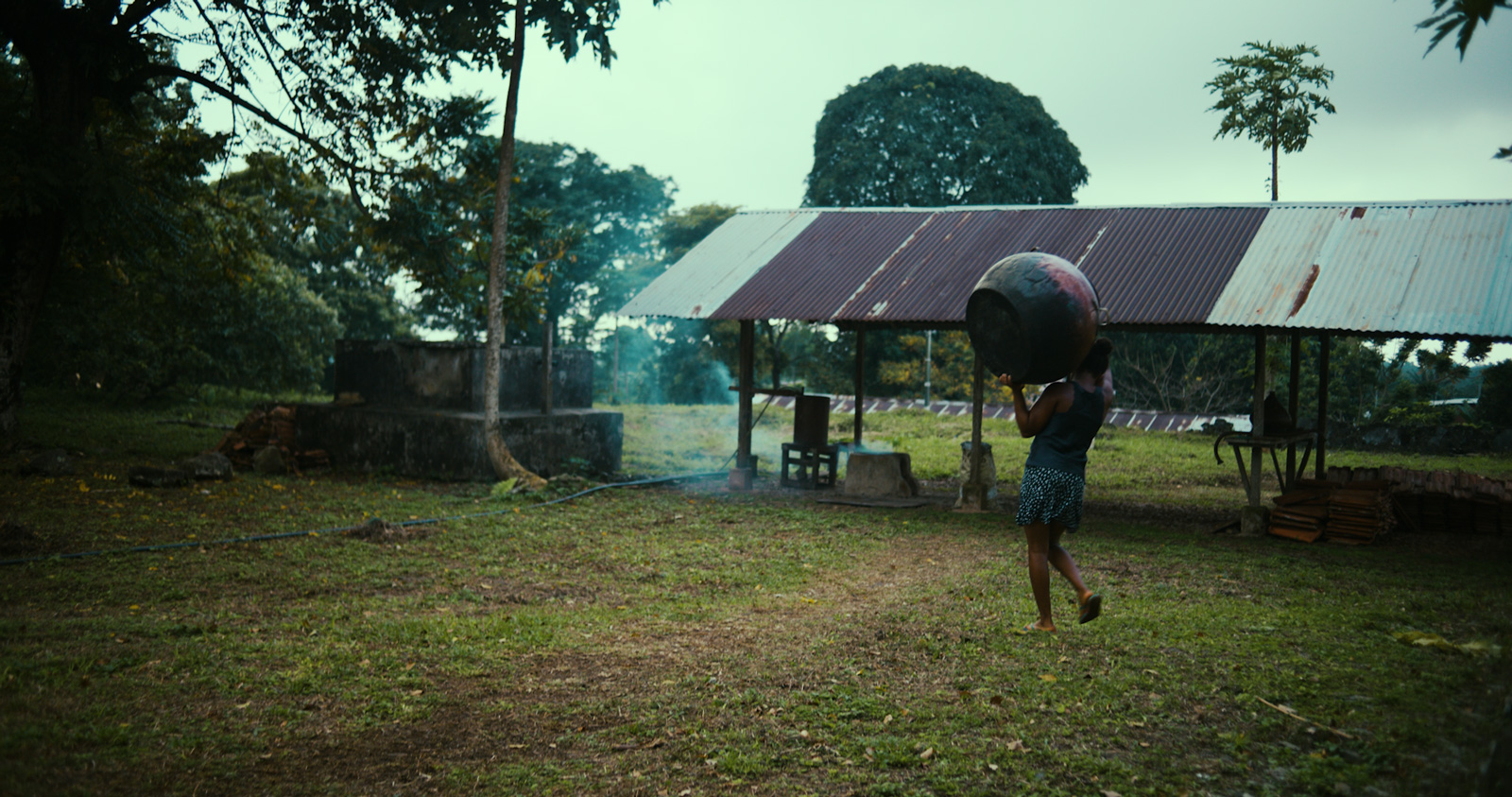
To do this, with the help of his trusted assistants Chica and Carlito, Claudio acquired a one-hundred-liter Portuguese copper still, which he fills with fermented cocoa juice. This is how it works: farmers bring their cocoa to Terreiro Velho, where it's combined with the Forastero amelonado variety grown here. The beans are then left to ferment. Once this step is completed and the cocoa beans are left to dry to be used later to make chocolate, the leftover juice - a sugary mixture of cocoa pulp and mucilage - is distilled.
It's all very homestyle, although light years away from Arlindo's drums. This is a real copper pot still where the "dome" is sealed by tightening a bicycle inner tube around it. Claudio's dry reply to those who ask him why he uses rubber, a material that could burn or melt is, "Take away inner tubes and Africa collapses. They are the most widely used material for all kinds of work."
One hundred liters of fermented liquid yield ten liters of spirit, which Claudio and Chica "cut" without too many technological contraptions - small bottles for the heads, large bottles for the heart, then small bottles again for the tails. The first distillation comes out at approximately 43.1% ABV, but Claudio likes his spirit extra-fine so he specialized in triple distillation, like Irish whiskey. "I like it much better," he explains in front of several distillation tests. "For example, try this 77%, isn't it amazing?"
Very clean, with a powerful but well-integrated alcohol content, the result is definitely unique - even though the ABV doesn't exactly make it a children's drink. Besides cooking his guava flambé, Claudio uses it for one of the most iconic products in his chocolate range - "Ubric", where raisins are steeped in cocoa pulp spirit. "The idea of terroir underlying natural wines has always fascinated me. I try to follow the same principles in distillation."
"That no one had ever used cocoa pulp this way,” Corallo finally says, “is yet more proof of how superficiality pervades the cocoa industry. The next step is to distill more kinds of fruit to provide workers with an income outside of cocoa harvesting periods."
Our alcoholic reconnaissance is over. Now we can only wait and see what new exciting fragrances will be captured by the stills tucked away in the lush greenery of these two rocks rising from the Atlantic.