





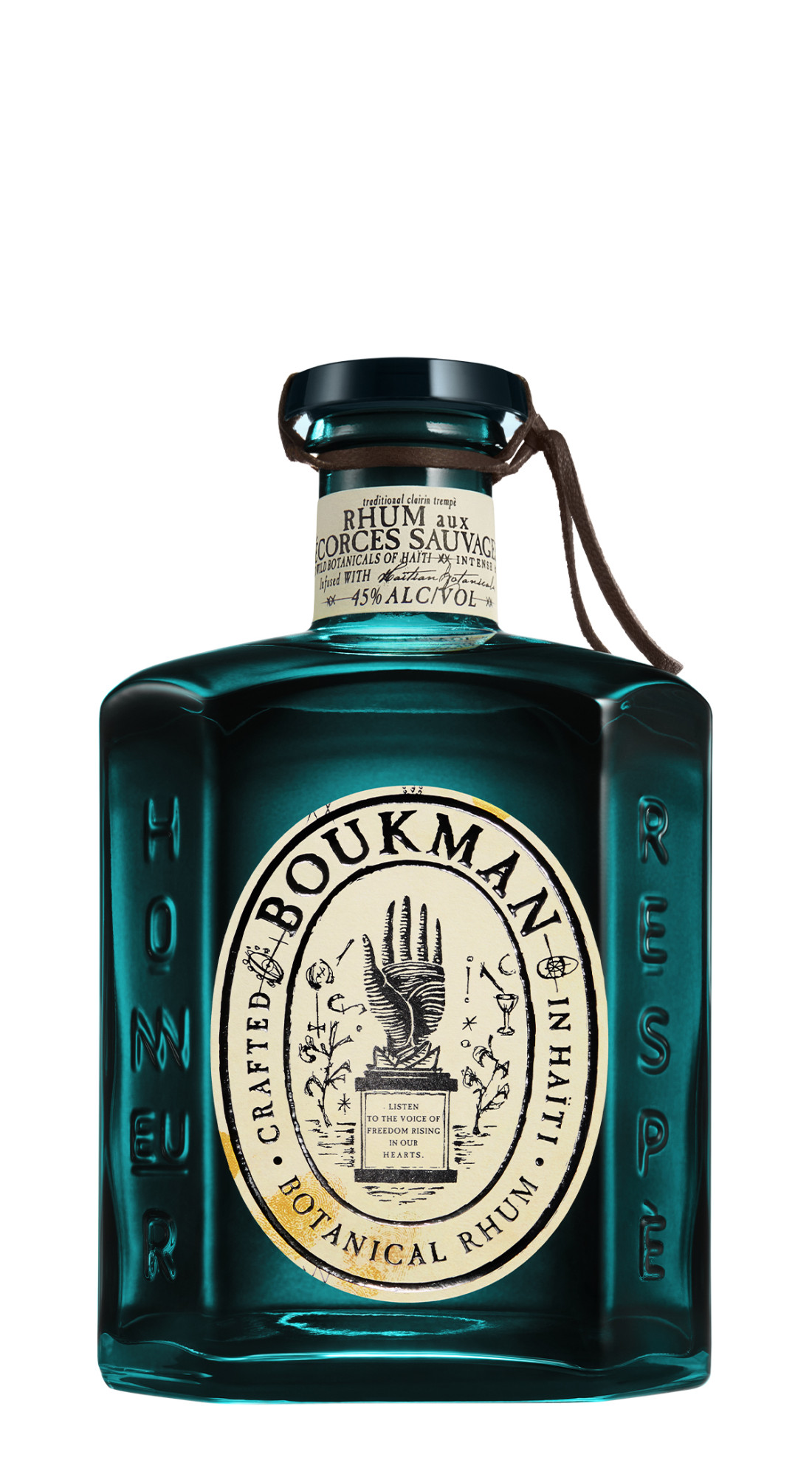
Boukman Botanical Rhum
70 cl / 45°

SPIRITS
Rum
Whisk(e)y
Gin
Agave
Calvados
Armagnac
Others
VELIER LIFE
Extraperimetral
VNP
Aguilas Camp
TRAVEL
São Tomé e Principe
Mexico
Distillery Tour
Food Guide
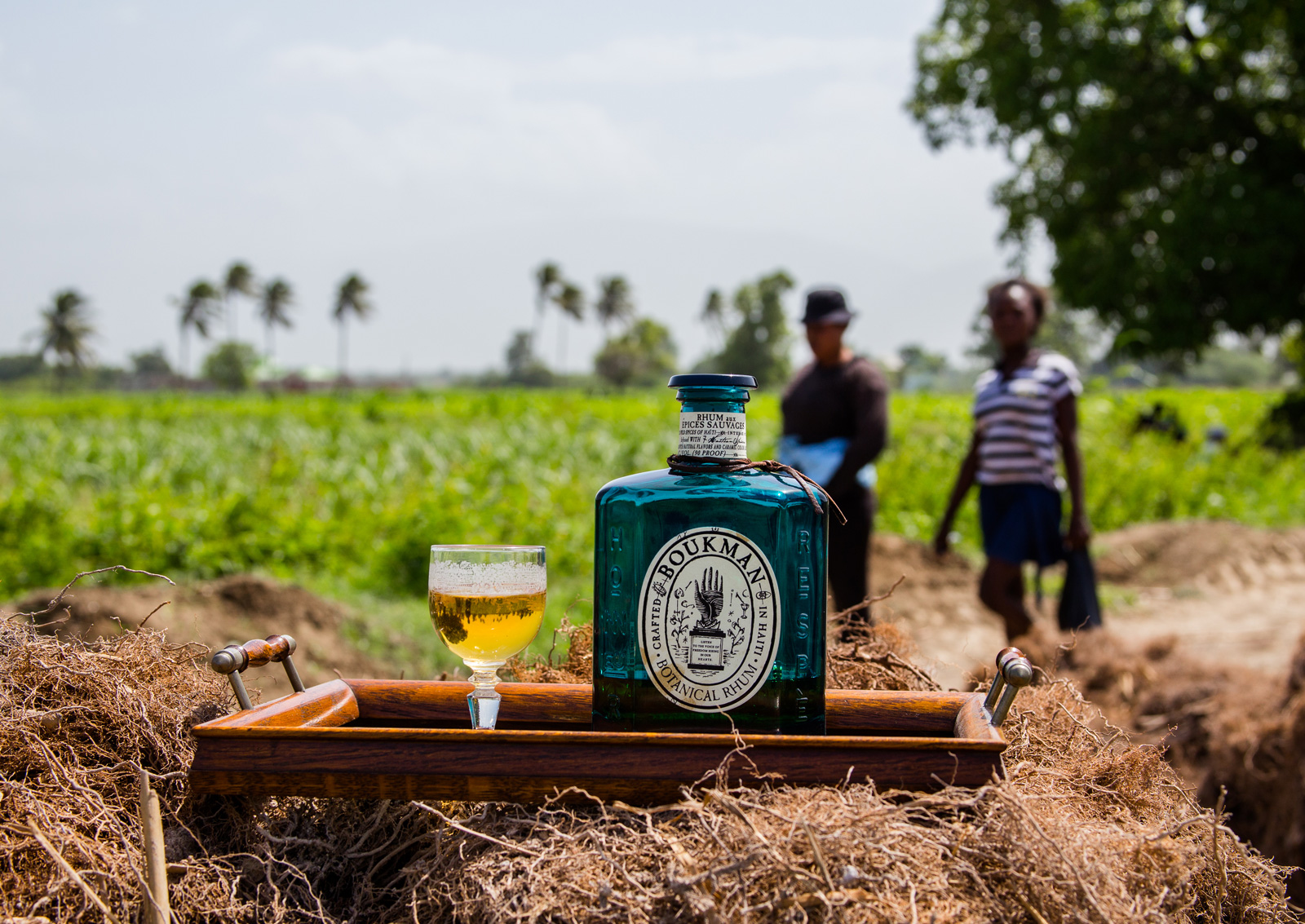
The story of Boukman is closely tied to that of Haiti, starting with its very name, which pays homage to the revolutionary Dutty Boukman. Can you tell us something about this deep connection?
The French slave colony of Saint-Domingue was once the world’s largest sugar producer because of its rich, fertile terroir. Dutty Boukman was the cane cutter who kicked off the slave uprising in 1791, which ultimately led to the defeat of Napoleon, the end of slavery and the birth of Haiti. Even today, the head of a team of cane cutters is called the ‘boukman’ in créole!
Of course one of today’s challenges for Haiti is how to use its own resources - terroir, know-how and culture - to build a better life for its people. But as Luca Gargano has shown, Haiti has actually preserve many cane varieties and traditional distilling techniques which have disappeared elsewhere, so this offers hope.
My own background is in Irish whiskey, so I had seen how bringing together a high quality distillation tradition and a strong culture can create great enthusiasm.
How did you select the terroirs from which you source your sugarcane?
Travelling with my Haiti Futur colleagues, we visited many small ‘guildive’ distillers and tasted a lot of clairins, mostly delicious but sometimes not. Indeed it was sometimes good one week at a distillery and terrible the next time we visited.
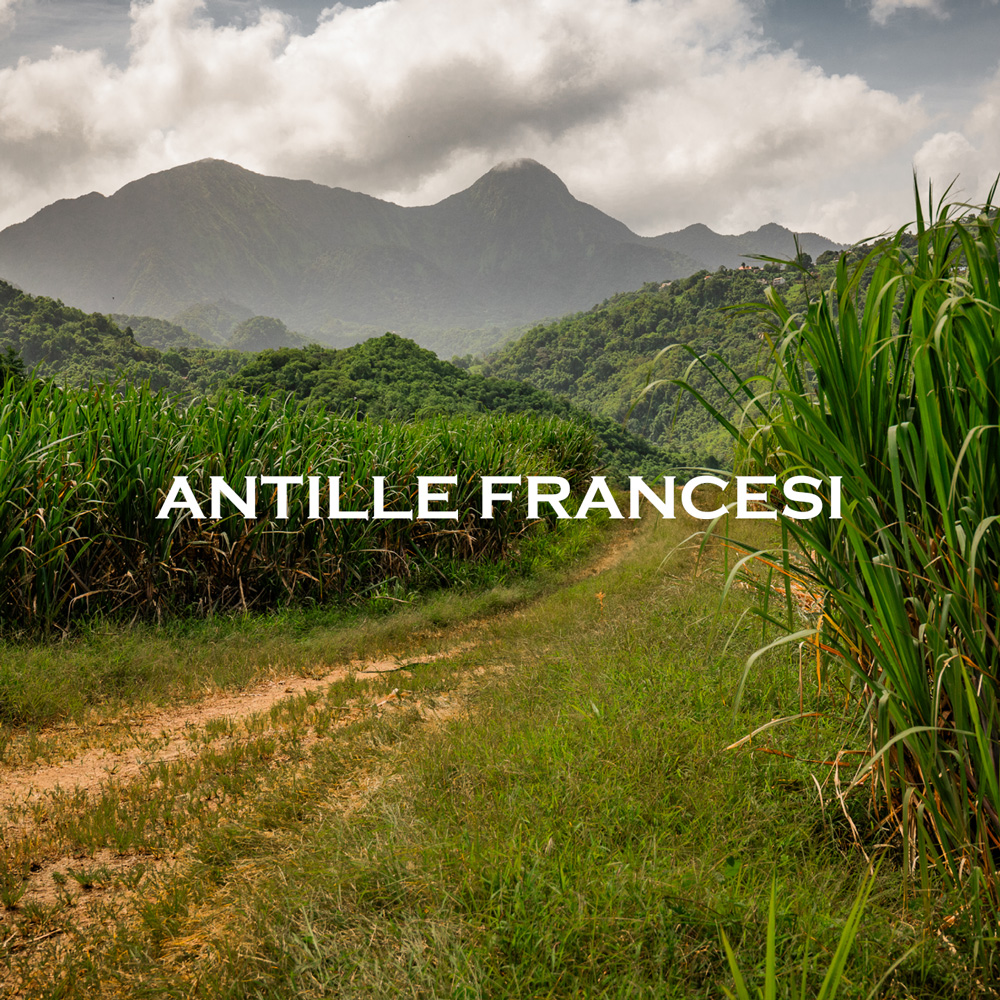
We decided to work with a family of distillers in the Croix-des-Bouquets who have been distilling clairin in a steam-powered distillery (‘clairin vapeur’) for five generations. 3. Croix-des-Bouquets and the neighbouring Cul de Sac regions were once the biggest cane producing regions of Haiti, but the expansion of Port-au-Prince slums has reduced the area under cane. This terroir is incredibly rich: a visiting Martinique agronomist could not believe that organic cane could achieve such high levels of sucrosity (22° Brix) without chemical interventions. To help farmers grow more cane with less land, we worked with the Solidaridad non-profit to bring new planting techniques, which have doubled yields while remaining organic.
Can you also tell us about the botanicals chosen for your rum, as well as the production method?
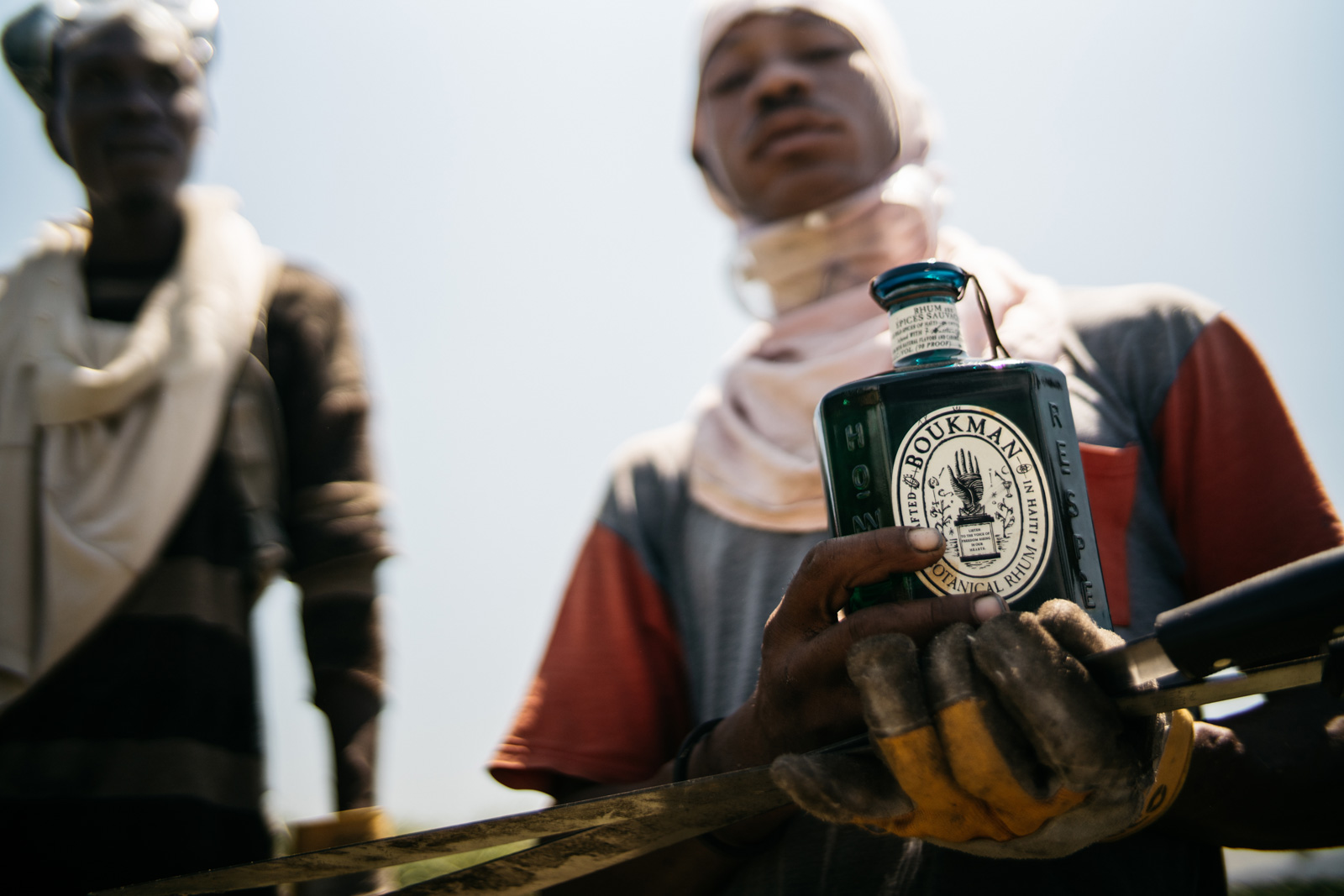
On the street in Haiti, clairin trempé is usually a single infusion of any one of up to twenty different woods, barks, spices or fruits. Infusion is in the bottle and can vary from days to weeks to months, so very variable results.
For Botanical Rhum, we created a ‘greatest hits’ using the following botanicals:
1. Bitter ‘medicinal' botanicals: lian bandé ('Haitian Viagra’); campèche (bloodwood, great for sore throats), bois cochon; zo-devan (used against Zika, flu); ceylonica cinammon (an aphrodisiac). These are ingredients used in Haitian folk medicine, traditions passed from indigenous Taïno to the African slaves.
2. Flavourful botanicals: Haitian bitter orange peel (similar to that used in Grand Marnier, Lillet blanc and many great European liqueurs); allspice; clove; bitter almond; vanilla.
The other innovation was doing the infusion of each botanical individually and then blending the results to get a really balanced and consistent flavour, just like a master perfumer or liqueur maker would do. Happily the Haitian Maître de Chais trained in both Cognac and Grasse, so he had the expertise needed to elevate this ’street drink’ to something elegant and exceptional.
What are the main differences between your Clairin and the Clairins we distribute with Velier?
Much clairin is white and unaged and sold direct from the guildives, which Velier has made famous working with great distillers like Sajous, Vaval, Casimir etc. As we know, these powerfully express the flavours of the terroir and sugar cane.
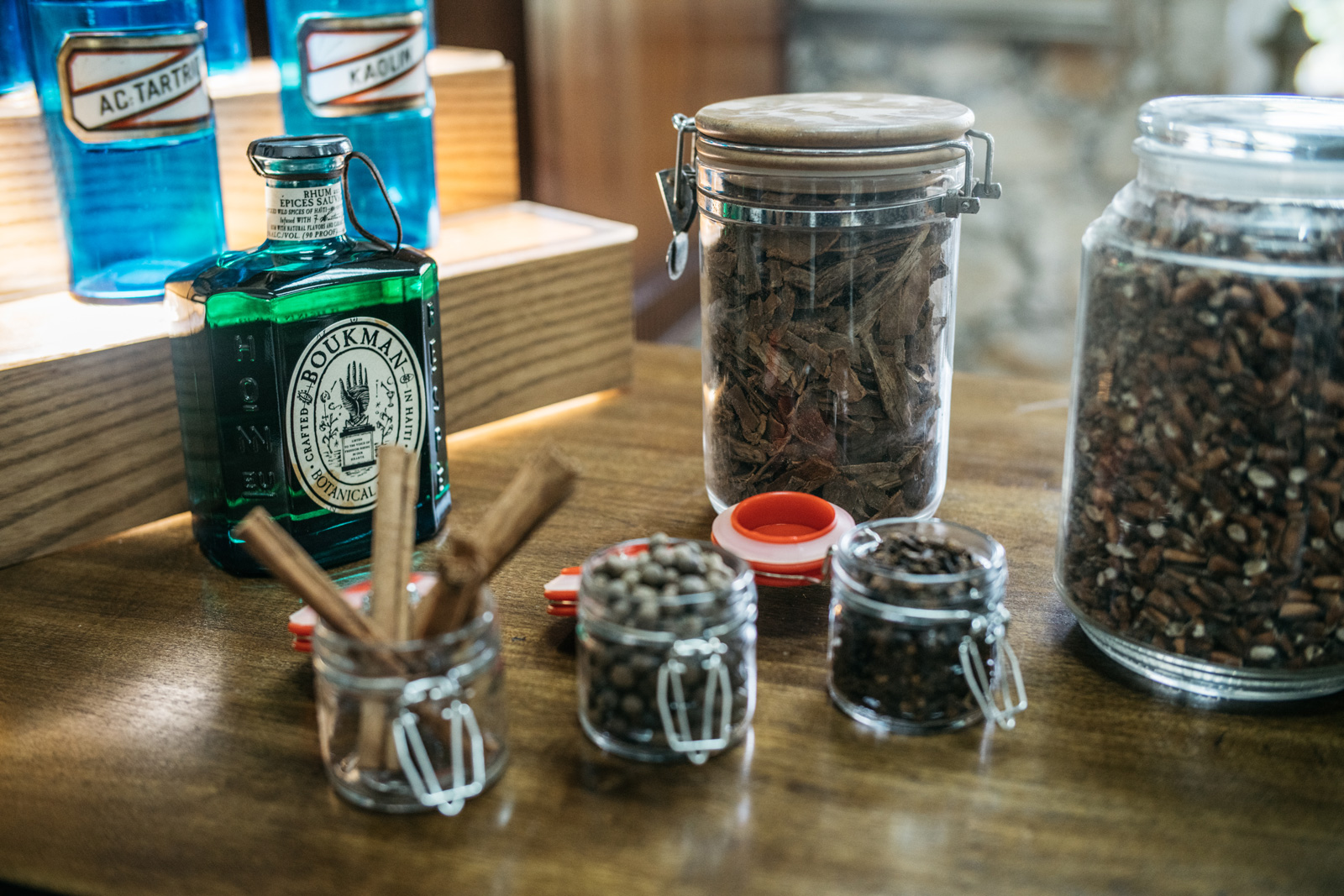
However, Haitians sometimes want a more complex, softer, rounder drink. They may opt for ‘rum’ aged in imported oak, or for ‘clairin trempé’, white clairin infused with barks and botanicals.
These ’trempés’ are often sold from handcarts on street corners and some vendors’ trempés are more highly rated than others. Clairin trempé botanicals may be medicinal in nature, or they may be chosen more for their flavour
Boukman Botanical Rhum is essentially a high expression of the ‘clairin trempé’ style, made from the same ingredients as used on the street, but with a delicate clairin base and a very controlled careful infusion.

You are actively involved with the non-profit organization Haiti Futur, and Boukman donates 10% of its profits to educational projects. Can you tell us about these important aspects?
I started being involved in Haiti in 2001 through the non-profit Haiti Futur which equips schools and champions the country’s culture and entrepreneurship.
Haiti Futur was founded by the amazing, dynamic Josette Bruffaerts-Thomas, herself the daughter of a sugar cane cutter. Her father survived working as a migrant cutter in Cuba for fifteen years, then came back to Haiti, had 11 children, all of whom went to university. One of Josette's brothers got to Harvard, another works at NASA and Josette has taught university in Haiti and Paris.
10% of our profits are reinvested in Haiti Futur’s digital classroom program, which involves installing digital whiteboards in schools across Haiti, then supplying teaching materials and training teachers. This program has been running for nearly fifteen years, with over 500 schools using it and has been widely recognised. A great thing is that it is all locally run in Haiti by 15 local employees, no expats, so it is very cost effective and builds long term capability.
What are Boukman’s future projects for the coming years?
The situation in Haiti is difficult right now, but the rum scene is very diverse there. In the future we hope to bring new expressions to the market, but Botanical Rhum will remain our flagship product
SPIRITS
Rum
Whisk(e)y
Gin
Agave
Calvados
Armagnac
Others
VELIER LIFE
Extraperimetral
VNP
Aguilas Camp
TRAVEL
São Tomé e Principe
Mexico
Distillery Tour
Food Guide
