






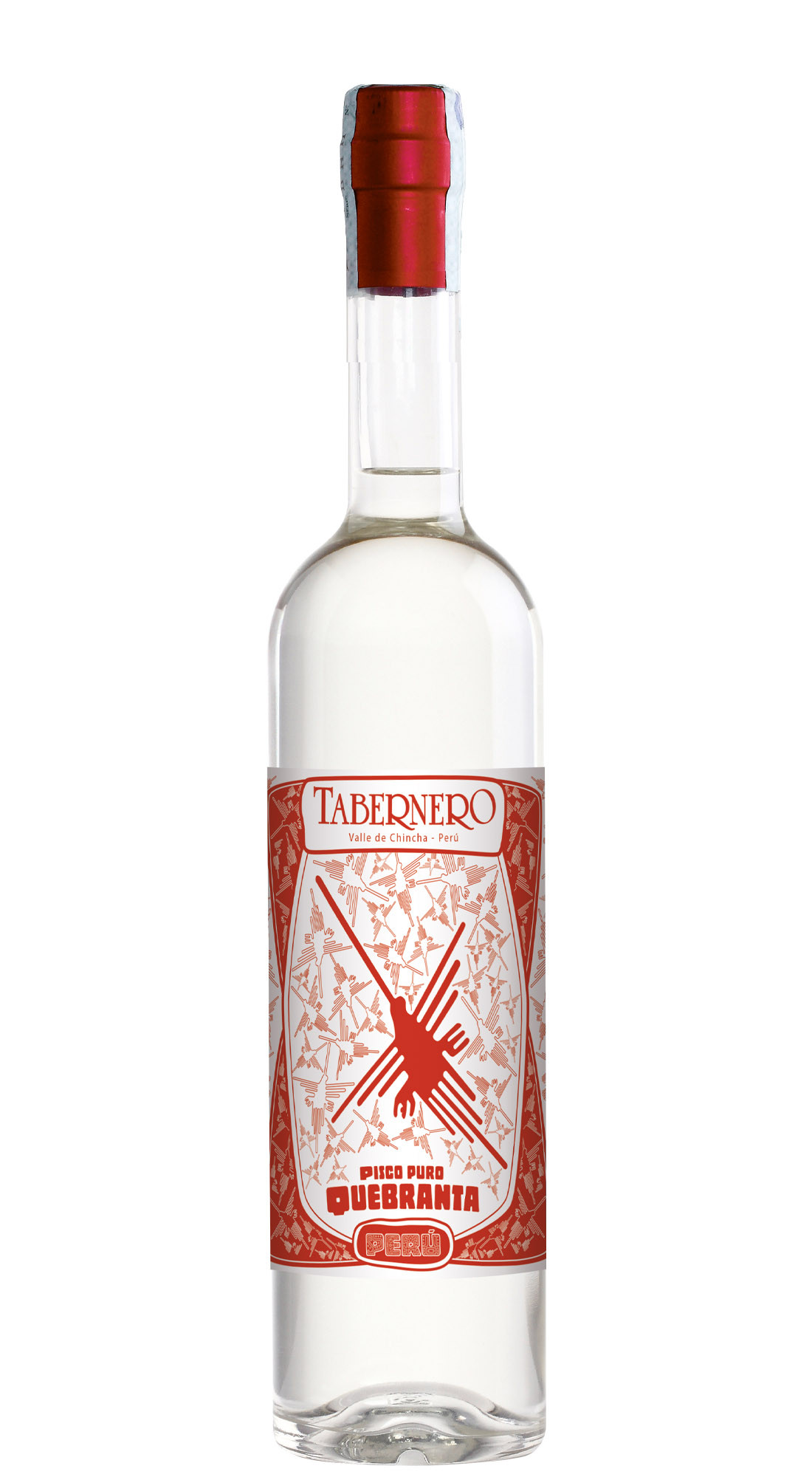
Tabernero Quebranta Pisco
70 cl / 40°

SPIRITS
Rum
Whisk(e)y
Gin
Agave
Calvados
Armagnac
Others
VELIER LIFE
Extraperimetral
VNP
Aguilas Camp
TRAVEL
São Tomé e Principe
Mexico
Distillery Tour
Food Guide
Your story begins in 1897: can we go over the key milestones in the history of your bodega?
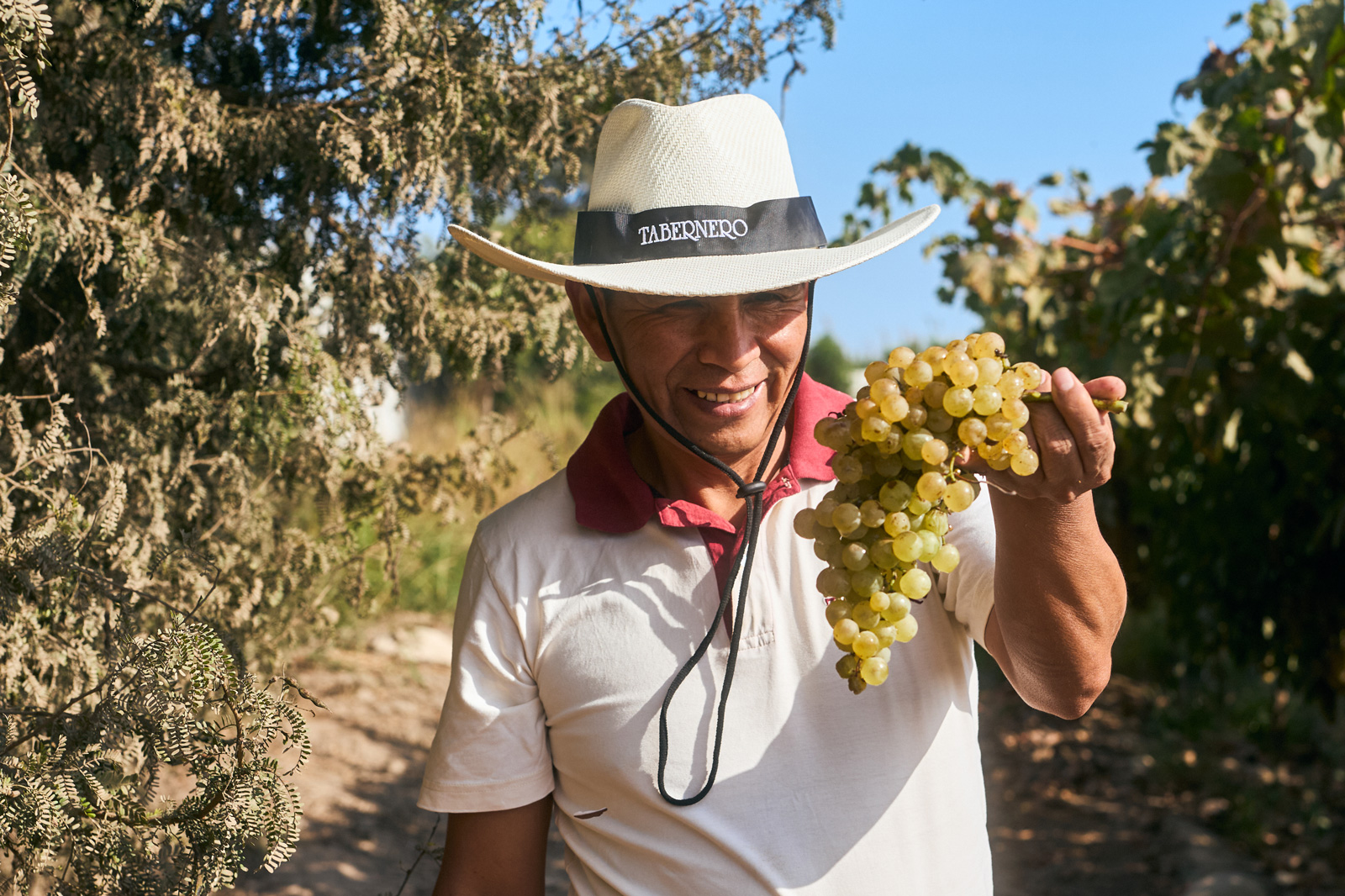
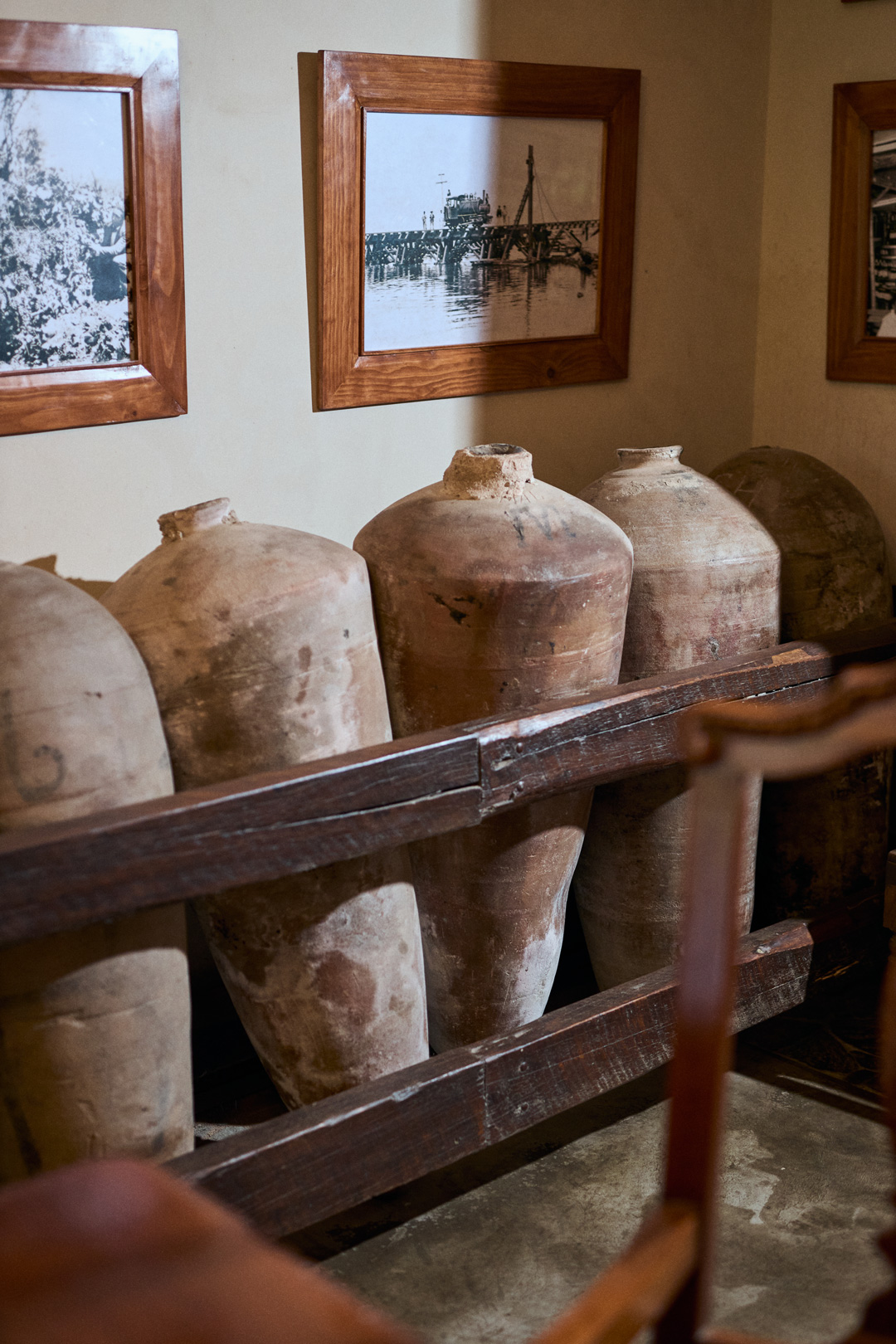
The story of Tabernero dates back to 1897, in the fertile valley of Chincha, south of Lima. From its beginnings as a modest winery, its journey has been shaped by an ambitious vision and a deep connection to the land. In 1930, the company was acquired by the Rotondo family, of Italian descent, who brought with them a strong winemaking tradition and a technical approach that transformed the brand’s trajectory.
Today, Tabernero is one of Peru’s most iconic wineries, with over 300 hectares of estate-owned vineyards and a 20,000 m² facility equipped with cutting-edge technology. This infrastructure not only allows for rigorous control of every production stage but also ensures a quality standard recognized both nationally and internationally.
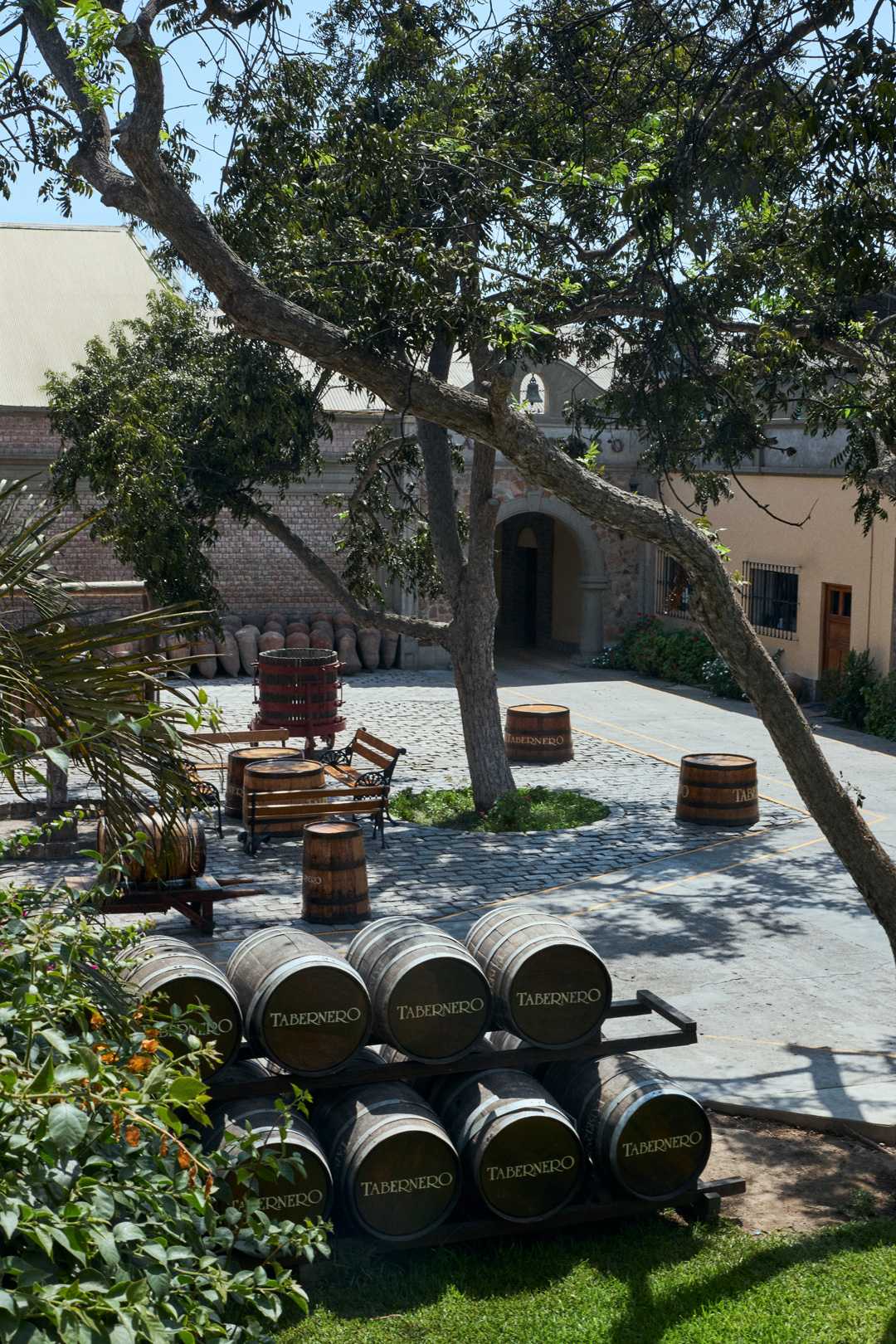
Among all its products, Pisco stands out as the true expression of Tabernero’s spirit. Recognized as a cultural heritage of Peru, this grape-based spirit is at the heart of the winery’s identity. More than just a high-quality product, Pisco embodies history, character, and national pride. In 2024, that international recognition was reaffirmed when its Pisco La Botija (Puro Quebranta 2023) was awarded the Grand Gold Medal at the prestigious Spirits Selection by Concours Mondial de Bruxelles, a competition that evaluated over 2,000 entries from 57 countries. This accolade adds to a remarkable track record of more than 30 medals in previous editions, establishing Tabernero as one of the most awarded Peruvian brands abroad.
Currently, the brand is present in over 21 countries and has set an ambitious goal: to double its international reach and position Pisco as a premium spirit in the world’s major capitals. With its eyes set on international expansion, Tabernero seeks not only to grow but also to share a piece of Peru with every bottle. Tradition, innovation, and global vision continue to drive a story that began over a century ago and is boldly looking toward the future.
Can you tell us about the tradition of Pisco in Peru?
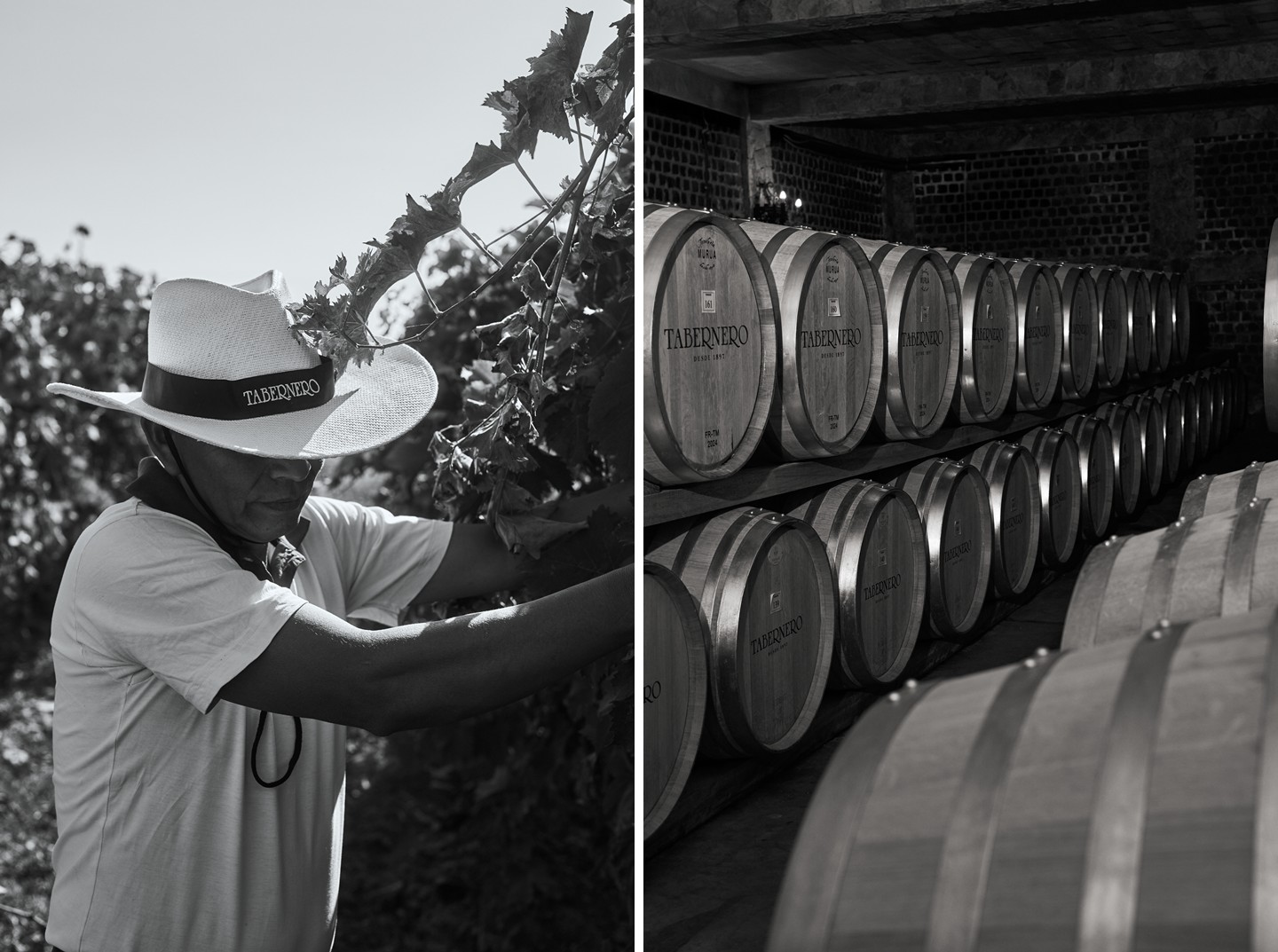
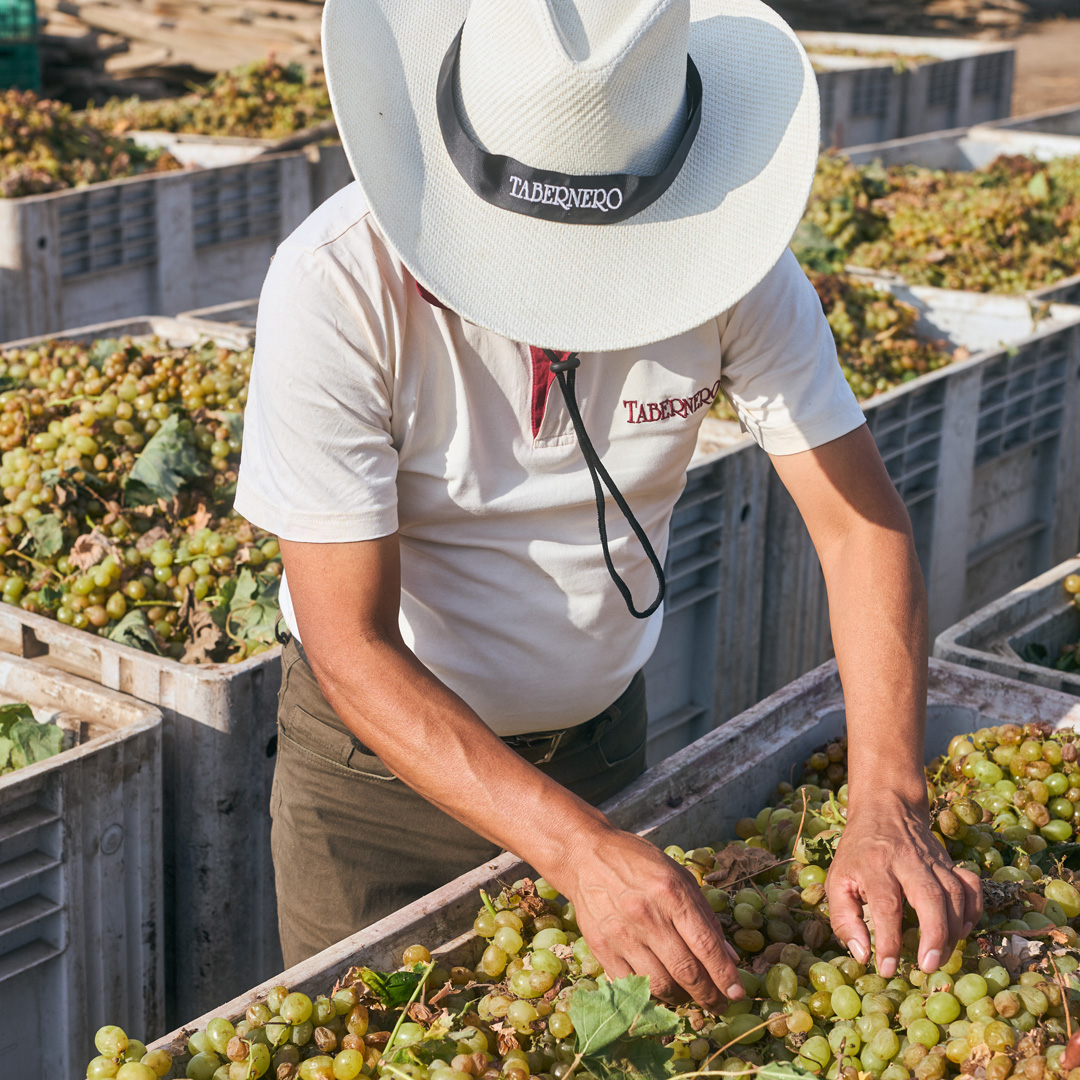
Pisco is much more than a spirit; it is heritage, culture, and a symbol of national identity in Peru. Crafted exclusively from traditional grape varieties such as Quebranta, Italia, or Torontel, its production follows time-honored methods that preserve its purity and distinctive character. Quebranta grapes, in particular, are the most widely used due to their subtle aroma and flavor, which allow the true essence of the distillate to shine through.
This spirit has become an emblem that transcends borders, thanks to its versatility in contemporary mixology. In recent years, it has taken center stage in craft cocktail bars, blending seamlessly with local ingredients, house-made cordials and modern techniques that elevate its complexity.
How important is the use of artisanal methods in its production, and how strict are the related protocols?
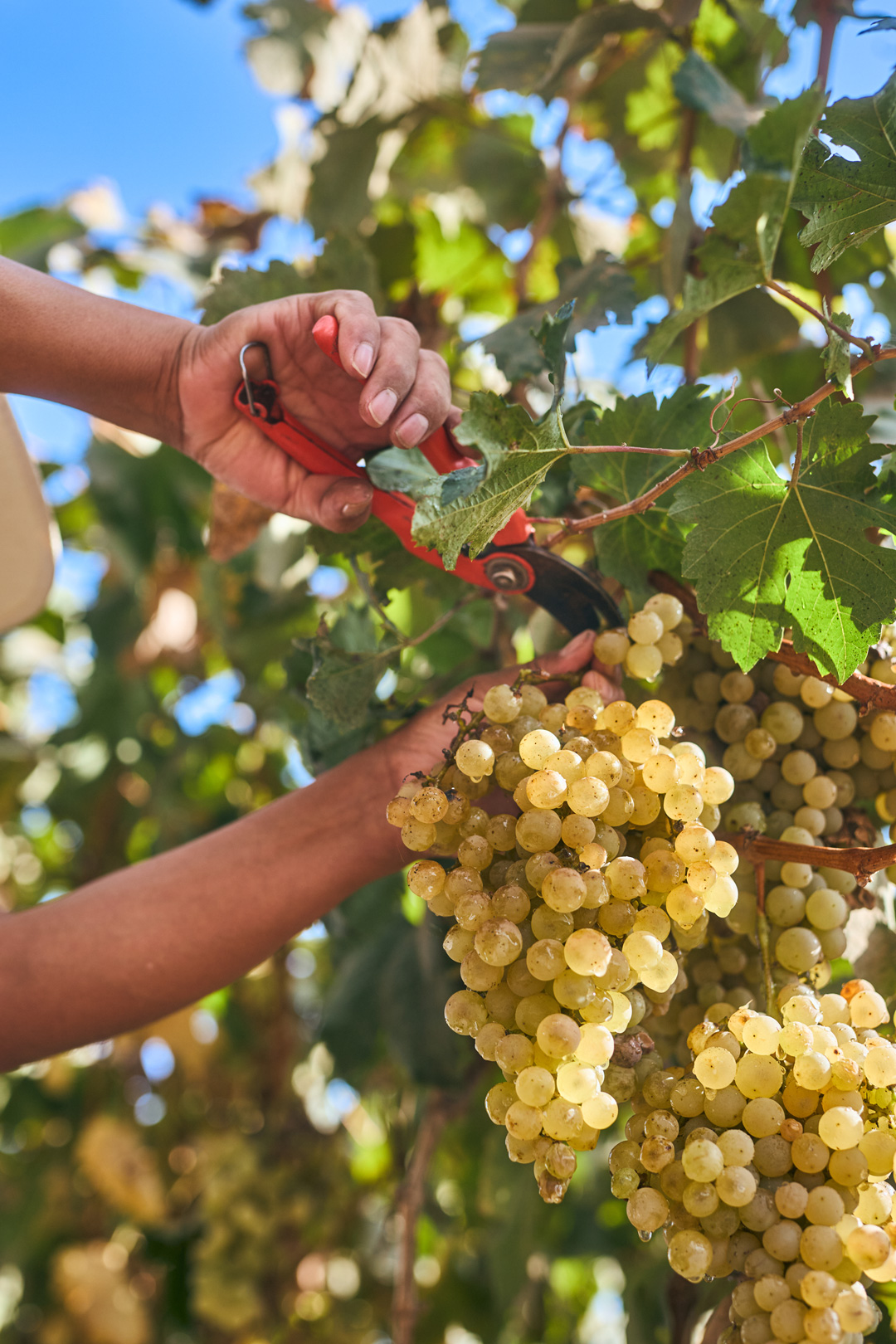
Pisco production in Peru is deeply rooted in artisanal methods that define both its authenticity and quality. Governed by a strict Denomination of Origin, the process requires that pisco be made exclusively from freshly fermented musts of specific grape varieties, with no additives and no aging. Production is permitted only within designated pisco-producing regions. These artisanal techniques involve a discontinuous distillation in copper stills and a single distillation run, demanding exceptional precision from the master distiller. Unlike other spirits, no water is allowed to adjust the alcohol content, making expert craftsmanship essential to achieving balance and excellence in every batch. At Tabernero, these standards are meticulously upheld. The winery’s approach merges time-honored practices with modern technology to ensure the purity and authenticity of each expression. This commitment to traditional methods is not only a technical requirement, but a profound tribute to Peru’s cultural heritage.
Speaking of how Pisco is consumed, can we talk about the tradition of the trago corto? Considering it's impossible to talk about Pisco without mentioning the Pisco Sour, what are the most traditional and widespread consumption habits in Peru?
When it comes to how pisco is enjoyed in Peru, the country’s rich cocktail tradition is impossible to overlook. These drinks, which highlight the spirit’s character with minimal intervention, are among the most iconic ways to experience pisco. Classic cocktails such as the Capitán (Peru’s take on the Manhattan), the Cholopolitan (a pisco-based reinterpretation of the Cosmopolitan), and the Pisco Punch (one of the oldest pisco cocktails on record, created in 19th-century San Francisco) reflect both heritage and innovation. Celebrations like Chilcano Week and Pisco Punch Week further promote the spirit’s versatility, showcasing its appeal as an aperitif (Pisco Sour, Capitán), a refreshing long drink (Chilcano), or even a digestif when served neat.
Among all its expressions, the Pisco Sour remains Peru’s flagship cocktail. Born in Lima in the early 20th century, this mix of pisco, lime juice, simple syrup, egg white, and a dash of bitters strikes the perfect balance of freshness, texture and character. It is so culturally significant that it has its own national day, celebrated every first Saturday of February, a testament to the pride and identity it inspires in Peruvians.
What are the future prospects for Pisco, and what are Tabernero's plans for the coming years?
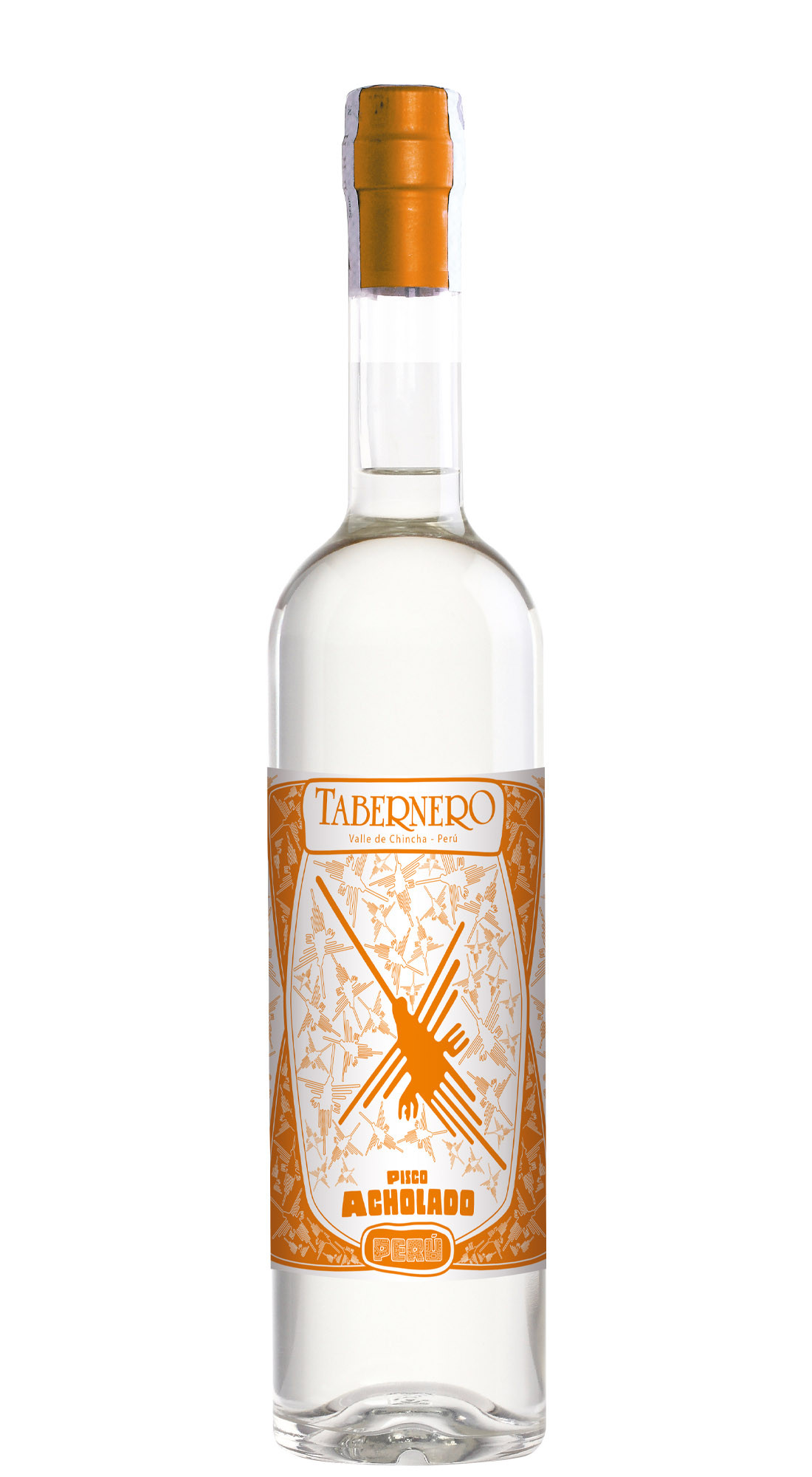
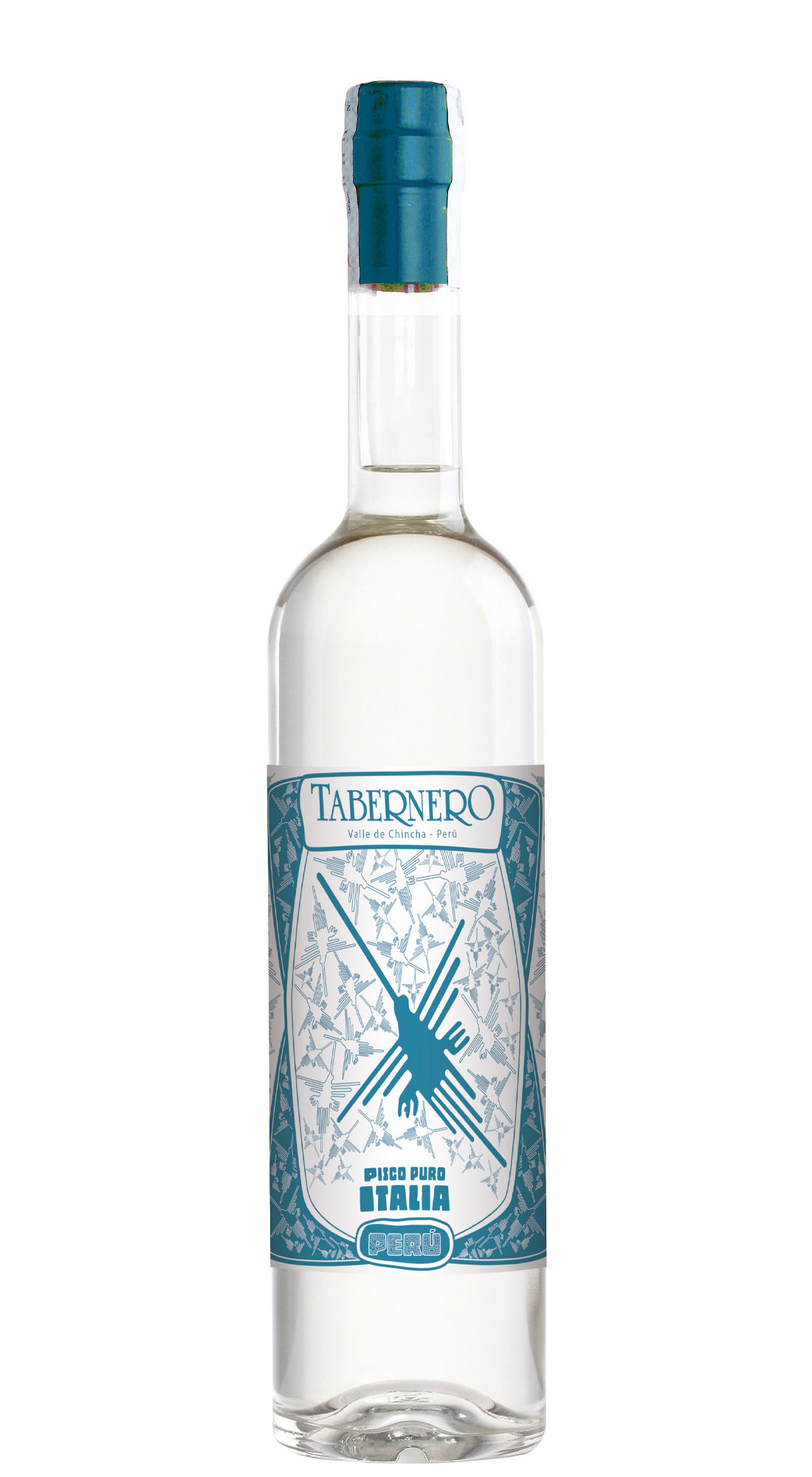
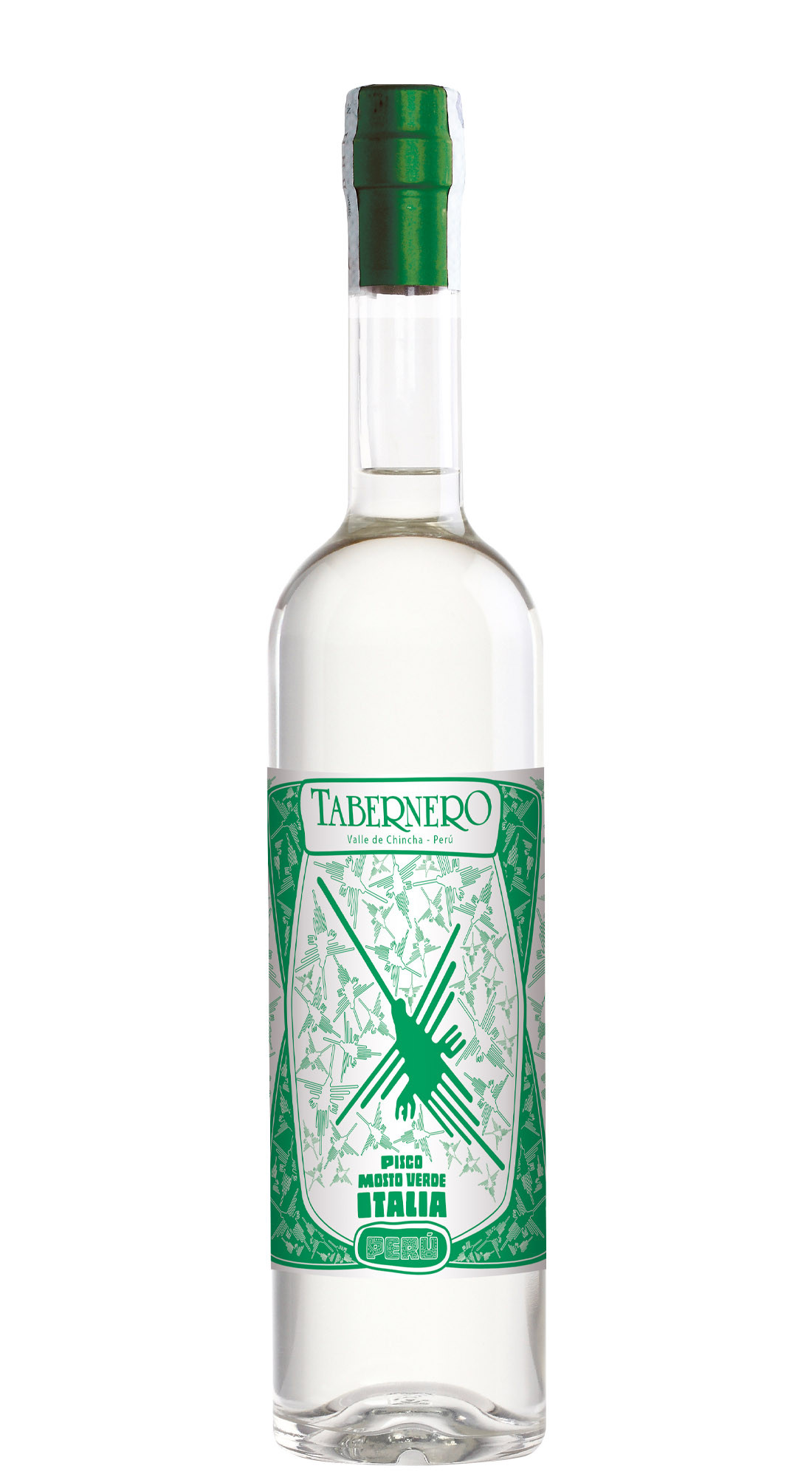
The global market for spirits has been steadily growing, and pisco, as part of this category, presents a significant development opportunity. This momentum is driven by the increasing demand for premium and artisanal spirits, as well as the rise of modern mixology in regions such as North America, Europe, and Asia. Despite challenges like competition from well-established beverages and regulatory barriers, pisco stands out for its authenticity and character. In this context, Tabernero positions itself as an ambassador of Peruvian pisco to the world. Its plans include expanding exports, actively participating in the global cocktail scene, innovating with premium products such as mosto verde piscos and special editions, and moving toward more sustainable production. All of this with the goal of positioning pisco as a benchmark spirit in high-end mixology and reaffirming its role as a symbol of Peru.
SPIRITS
Rum
Whisk(e)y
Gin
Agave
Calvados
Armagnac
Others
VELIER LIFE
Extraperimetral
VNP
Aguilas Camp
TRAVEL
São Tomé e Principe
Mexico
Distillery Tour
Food Guide


