








Kombucha, the millennia-old secret of a fermented drink

We met with kombucha expert and enthusiastic producer Jacopo Di Domenico to learn more about this ancient fermented Far Eastern drink with mysterious origins, widely known for its health benefits and unique preparation process combining sweetened tea and a bacteria and yeast culture.
Jacopo Di Domenico's encounter with kombucha
Jacopo Di Domenico began his kombucha adventure in 2018. At the time he was running "The Doctor", a cocktail bar in Rotterdam.
“It was a speakeasy where we dressed as doctors in lab coats and served medicine-inspired cocktails. To get it you had to make an appointment with the 'doctor'," he says.

Jacopo's encounter occurred when a Dutch kombucha brand offered them its products. Over the following years, Jacopo devoted his time to studying the art of fermentation, which he described as "a flash of inspiration". At an organic market he meets Dusty Bain from BAIN Brewery, which produced kombucha and ginger shots. “A guy with a strong South African accent came up to me and said, 'What's up, man? Would you like to try something?' That was the moment that changed my life.”
As he works on the opening of a new Chinese restaurant in Rotterdam, Jacopo knows he wants kombucha on the menu.
"I immediately created a cocktail recipe for the new kombucha menu. We served all four varieties of Dusty's products, which were really top-quality."
He starts making kombucha at the bar, constantly experimenting. Working with Dusty Bain, he learns his artisanal, sustainable production style.
"We worked with a zero-waste approach, trying to keep waste down to a minimum and reusing the ingredients several times."
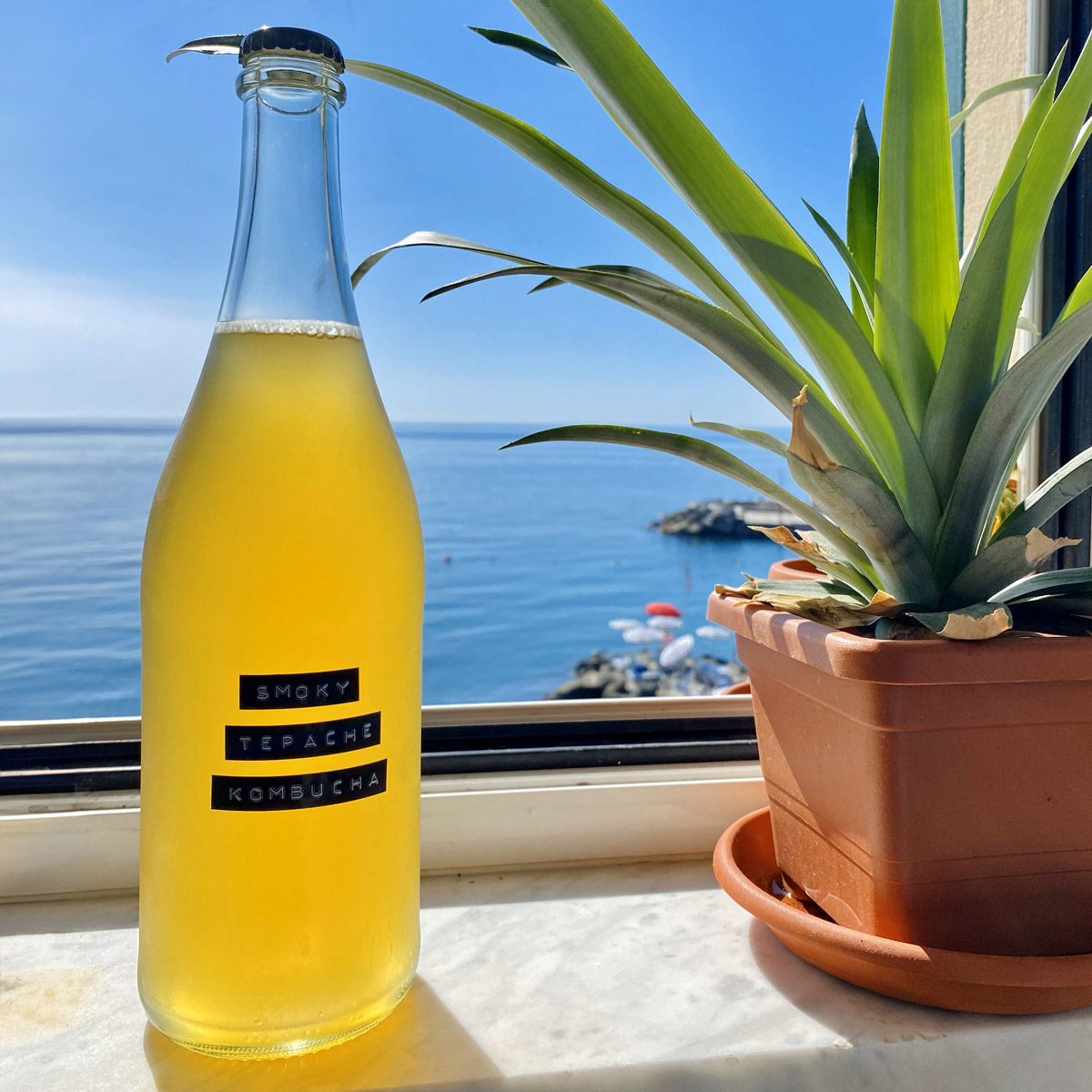
After collaborating for almost a year, Jacopo decided to return to Italy and settled in the town of Bogliasco. Today at his seafront home he produces three types of kombucha - Jasmine, Fig and Cascara, and Smoky Tepache. He has a project to create a lab for fermentations and various experiments, always with a sustainable, minimum-waste ethic.

A drink with mysterious origins
Kombucha is a fascinating drink with a millennia-old history and a unique fermentation process, as well as probiotic properties. As Jacopo Di Domenico told us,
"Kombucha is not just a drink, it's a way to connect with an ancient tradition and experience new taste and health nuances."
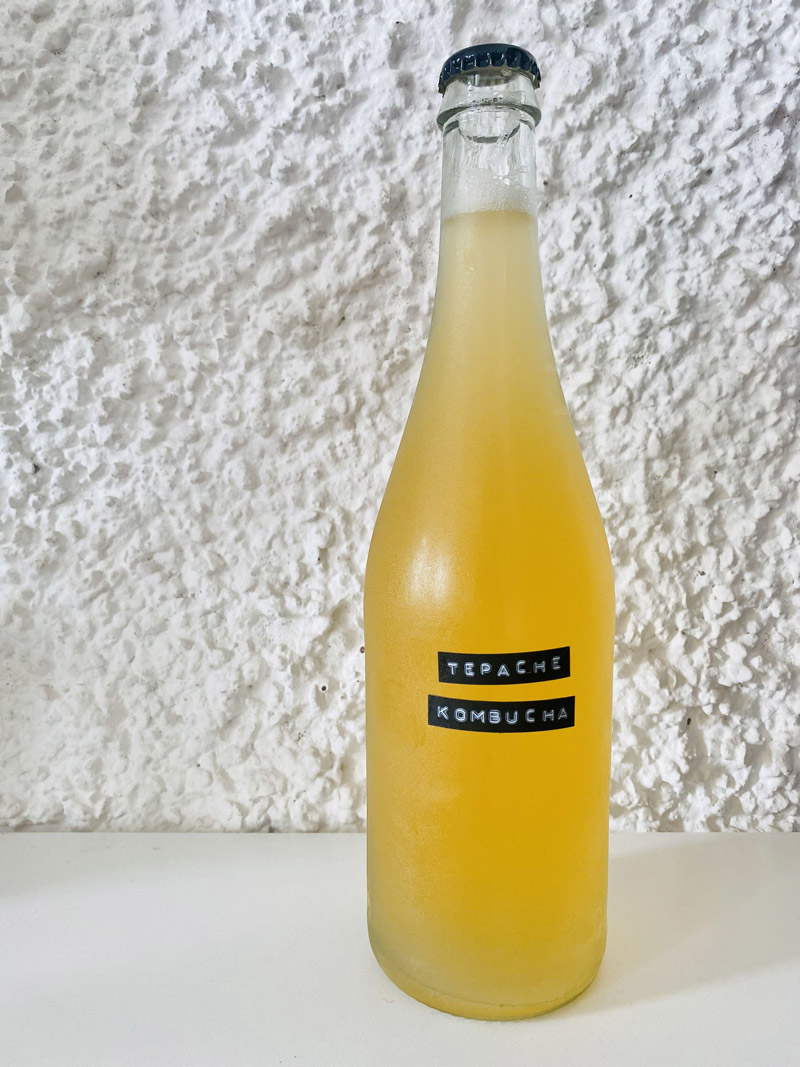
The history of kombucha dates back to ancient times and has its roots in Manchuria, a region of present-day northeastern China, around 200 B.C. From there, the drink traveled eastward, reaching Japan thanks to the efforts of a legendary Korean physician named Kombu. This journey gave rise to the name "kombucha", from the Chinese word "cha" meaning "tea".
While its origins are unclear, what is known is that it spread across the Russian Empire and Japan, where it is known as "kocha kinoko".
Over the centuries, kombucha has been consumed in several Asian countries, from Korea to Vietnam.
Interestingly, despite its Asian origins, kombucha was first mentioned in a 19th-century Russian document, suggesting that trade and migration played a crucial role in its spread.
As Jacopo Di Domenico explains,
"kombucha is much more than just a drink. It's a tradition handed down across the generations, and each family has its own secret variant. Preparing it is a ritual connecting the past to the present."
The science behind kombucha
Kombucha is a slightly sparkling fermented drink with an acidic flavor, traditionally made from sweetened tea. Its production depends on a group of microbes working in tandem to turn sugar into alcohol and then alcohol into acetic acid, the same as vinegar. During this process, the microbes form a visible mass known as "mother" or SCOBY (Symbiotic Culture of Bacteria and Yeast), available in some specialty stores.
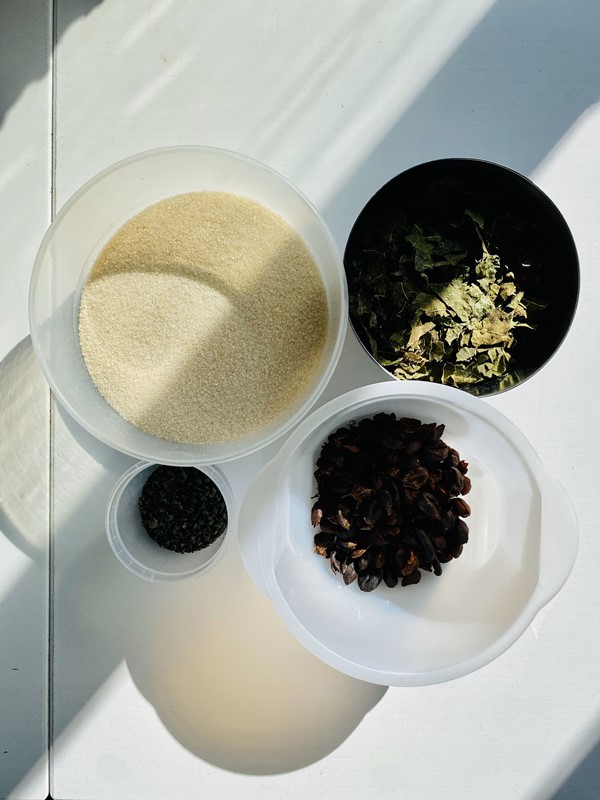
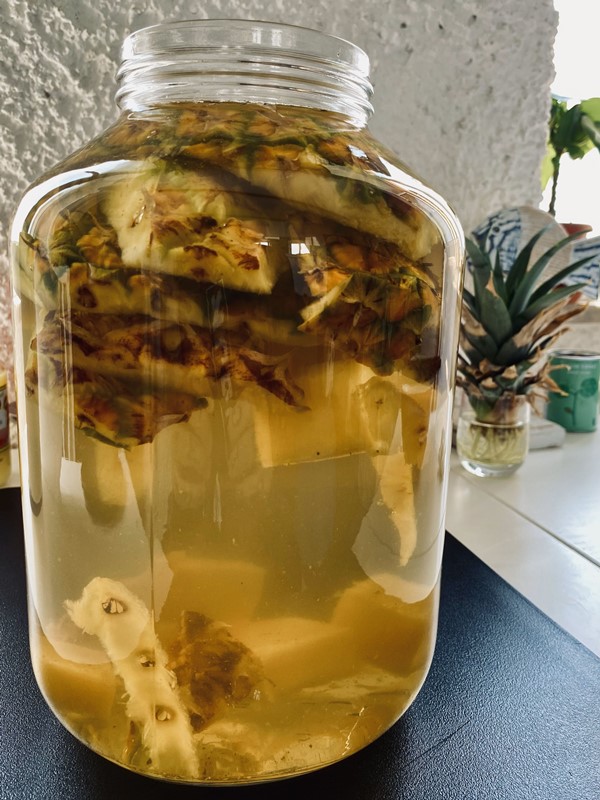
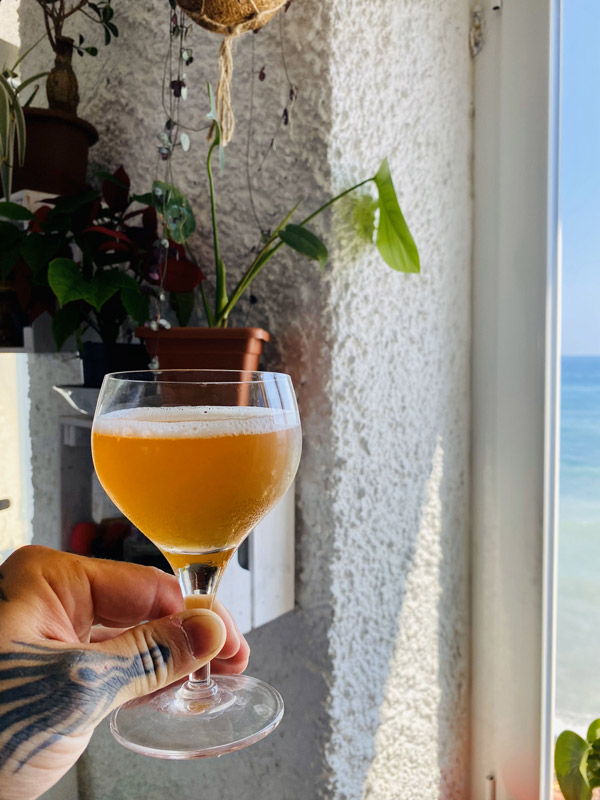
The main players in the fermentation process are yeasts like Saccharomyces cerevisiae, and acetic acid bacteria of the genera Gluconacetobacter or Acetobacter. Together, these microbes turn sugar into ethanol and carbon dioxide, which is then converted into acetic acid by bacteria. The result is a beverage with a very low alcohol content, normally between 0.5% and 1% ABV.
According to Jacopo Di Domenico,
"the magic of kombucha lies in the symbiotic relationship between the microbes. Each time I prepare a new batch, it's like witnessing a harmonious dance between bacteria and yeasts. Each SCOBY is unique and has its own story.”
Kombucha, benefits and considerations
Many people drink kombucha for its alleged health benefits ranging from treating constipation and preventing cancer to anti-aging and anti-arthritis effects. However, there are no robust clinical studies supporting these benefits.
Studies have mostly shown that the probiotics in kombucha contribute to maintaining a healthy bacterial balance in the gut, promoting digestion and improving nutrient absorption. In addition to digestive benefits, kombucha is also rich in antioxidants, which help fight free radicals and can contribute to reducing inflammation, preventing a number of chronic diseases, and strengthening immune defenses.
Over the years, kombucha's healing properties have been widely debated. Many also point out its potential dangers, as it's often prepared at home without the necessary precautions.
It's reasonable to think that both are exaggerations - like any fermented product, kombucha contains metabolic products and living bacterial cultures that can bring both benefits and problems. It all depends on the preparation method and how careful it is. Attention to detail is certainly essential when preparing kombucha, as Jacopo points out:
"The importance of hygiene during the preparation of kombucha cannot be overestimated. Using clean tools and carefully following instructions can make the difference between a healthy drink and a potentially harmful one.”
The preparation of kombucha
Preparing kombucha is simple and can be done at home, but it does require attention and accuracy. The process begins by preparing filtered and sweetened tea.

The next step is to add previously fermented, unpasteurized kombucha. This step is crucial to lower the pH and prevent the growth of unwanted microorganisms.
The SCOBY culture is added at this point. The container is usually covered with gauze or a breathable kitchen towel to protect it. The mixture is allowed to ferment at room temperature.
In ideal conditions, kombucha takes seven to nine days to achieve the right balance of flavors.
The SCOBY is then removed and the kombucha is filtered and stored in the refrigerator, ready to be enjoyed.
"If you want to add a personal touch to your kombucha," Jacopo adds, "you can add a second fermentation with fresh fruit or spices. This not only adds richness to the flavor, it also makes the drink more sparkling.”
The kombucha culture today
Today, kombucha has spread beyond its native Asia to become a global drink enjoyed by millions of people. Its popularity has increased due to consumers' growing awareness of the benefits of probiotics and their search for healthy alternatives to sugary and carbonated beverages. The kombucha market is growing rapidly with new varieties and brands.

Jacopo Di Domenico also sees a bright future for kombucha:
"With the increasing demand for natural, healthy products, kombucha is set to become a mainstay in our diet. It's a versatile drink that can adapt to different cultures and palates.”
