


The wonderful world of Elixir Distillers: from tequila to the future of whisky
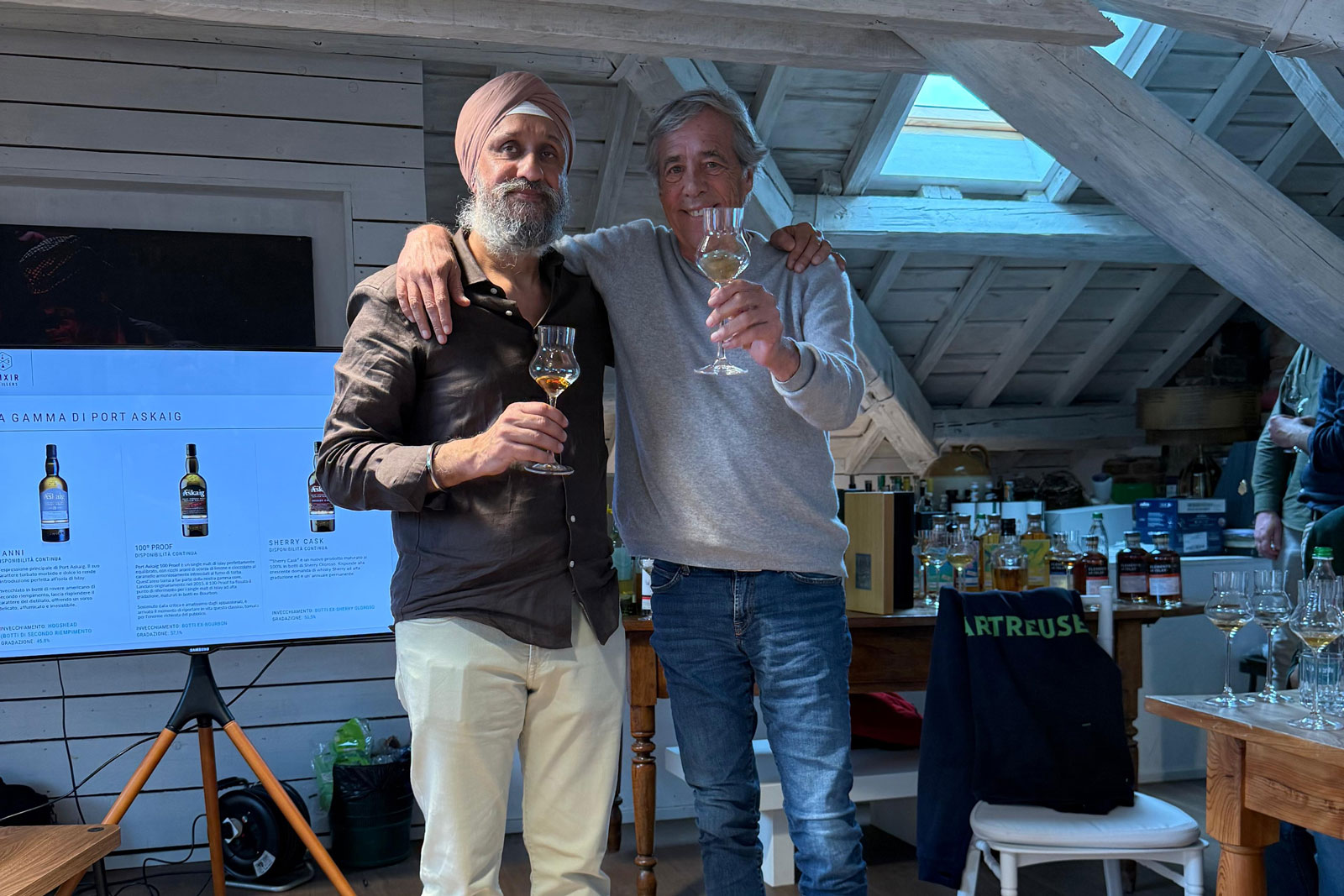
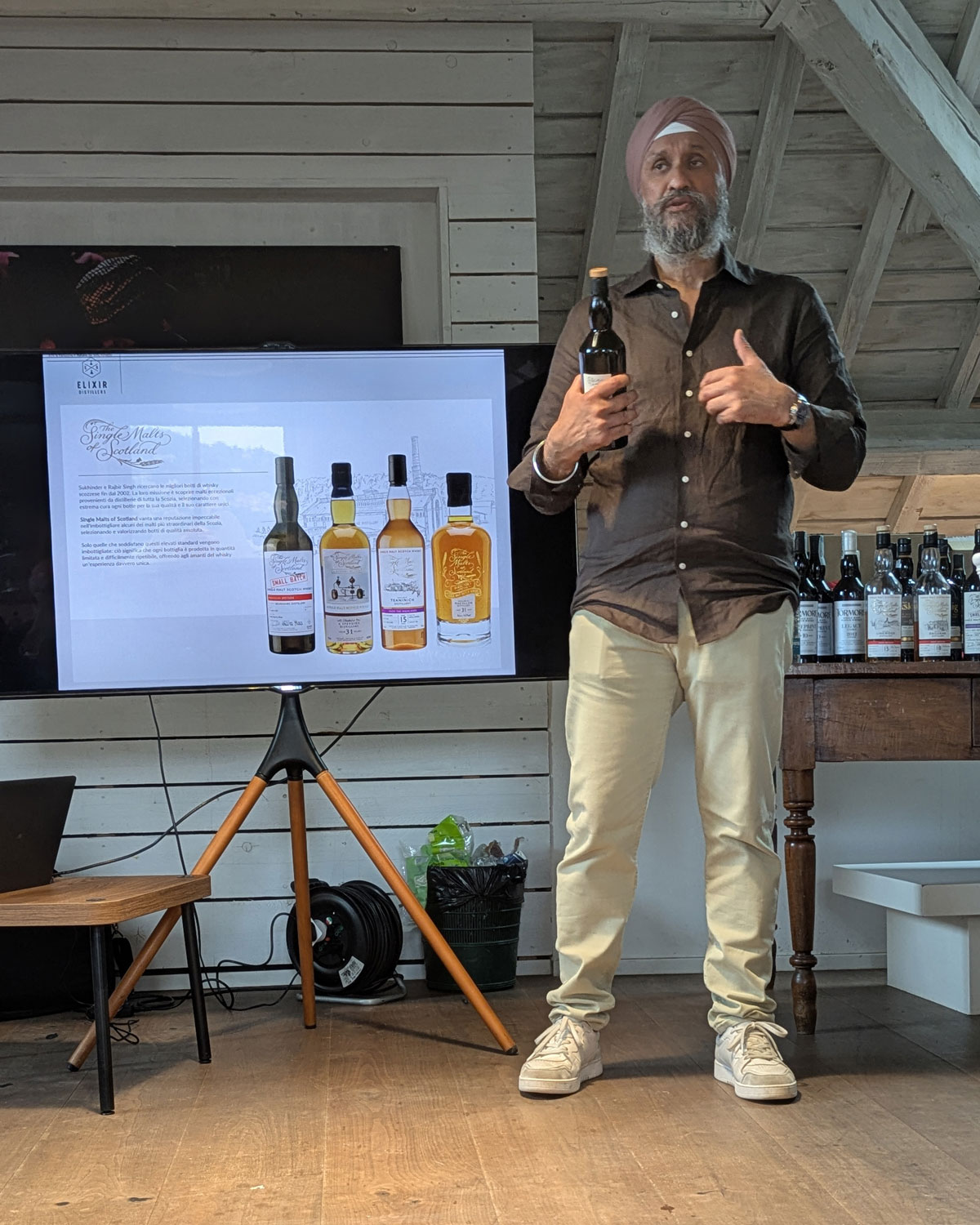
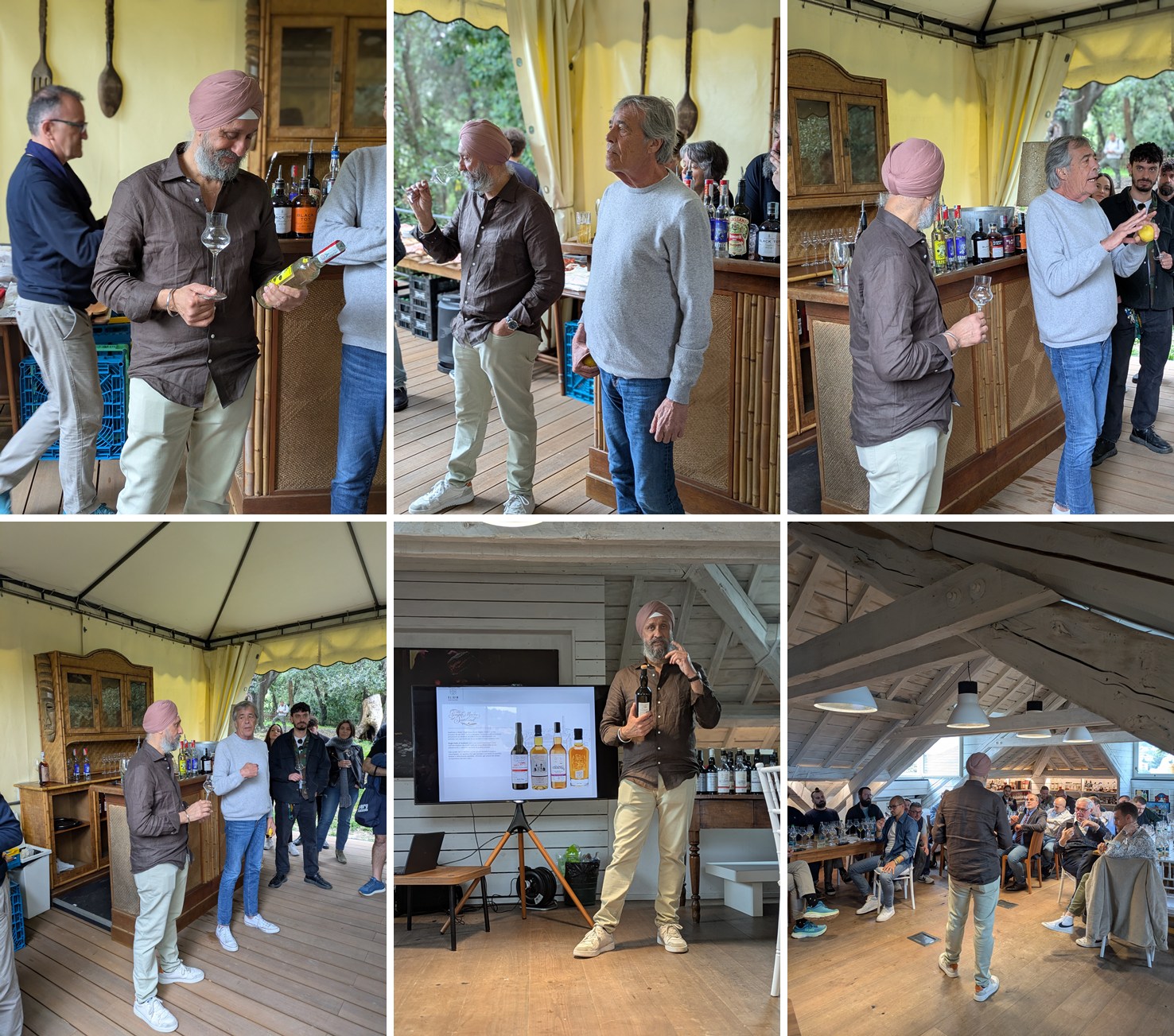
On April the 10th, Velier hosted a special event with Sukhinder Singh, one of the most influential figures in the contemporary whisky world. As the founder of The Whisky Exchange and now the driving force behind Elixir Distillers, Sukhinder guided us through the vast universe he has created via a series of tastings that served, above all, as a statement of intent. A sort of guide to what it really means to select or create quality spirits, be it tequila, rum or whisky.
Almost forty years in the whisky business is not just a matter of time, but of evolution. Sukhinder Singh began his journey in the late 1980s, at a time when single malt was still a niche market for enthusiasts. The son of the owners of a liquor shop – the first Asians to obtain a licence to sell alcohol in the UK – he grew up surrounded by bottles, but it was with the founding of The Whisky Exchange in 1999 that he permanently changed the way whisky is sold and presented: one of the world’s first specialist e-commerce sites, capable of combining selection, expertise and global access.
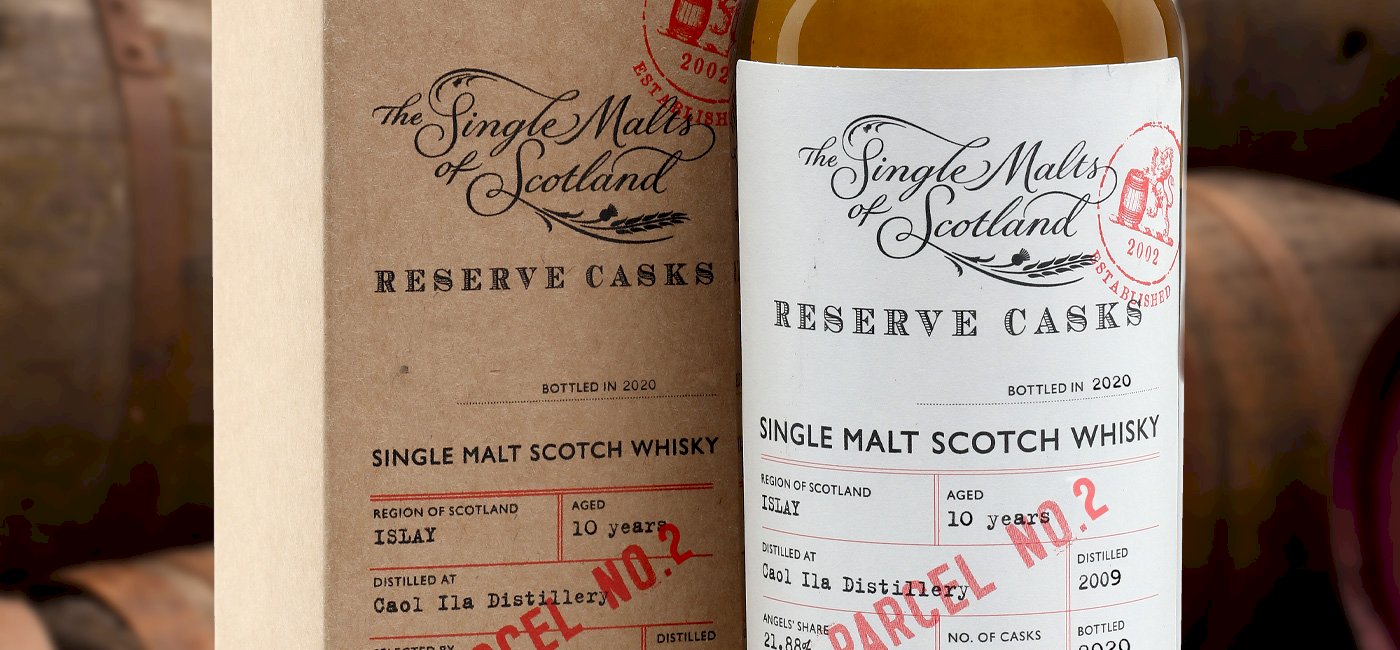
From there, the need to move beyond retail sales arose almost naturally. Speciality Drinks is the platform through which Singh developed import, distribution and, above all, the first proprietary brands. The first bottlings arrived in 2000, followed in 2002 by the launch of Single Malts of Scotland: initially a side project, almost ‘for fun’, which over time evolved into one of the most established and recognisable names in the independent bottling sector.
The real turning point, however, came more recently. Following the sale of Whisky Exchange, Singh decided to focus all his efforts on Elixir Distillers, taking the project to a new level: no longer just selection and bottling, but direct control over raw materials, stock and, increasingly, production.
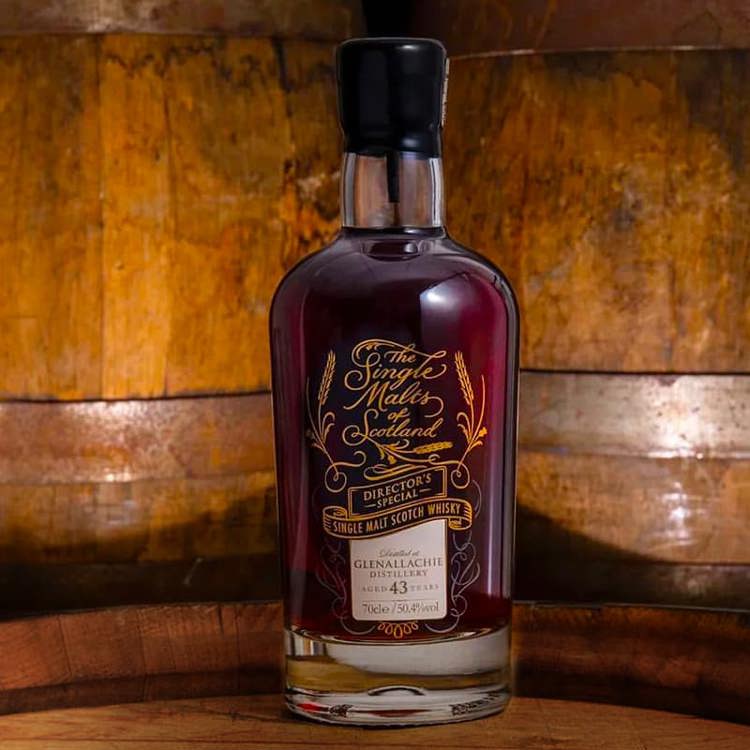
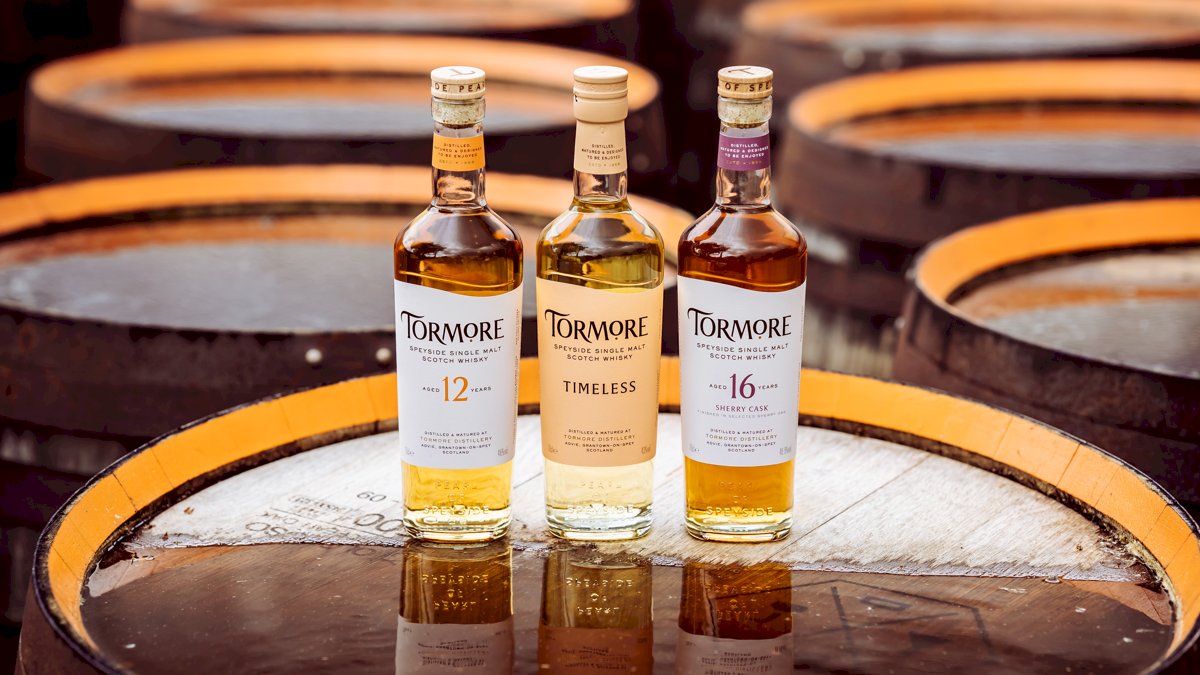
The result is a multifaceted ecosystem that brings together diverse yet complementary elements: the Single Malts of Scotland range, brands such as Port Askaig, Elements of Islay and Black Tot, right through to the decisive step of distillation. On the one hand, a new distillery on Islay (Portintruan), designed to reinterpret the production techniques of the past in a contemporary key; on the other, the acquisition of Tormore, a historic Speyside distillery that long remained in the shadow of blending, now at the centre of an effort to rediscover and enhance its elegant profile.
A coherent trajectory, starting with selection and leading to complete control of the process: from the bottle to the spirit. Always, however, bearing in mind Sukhinder’s underlying philosophy: “Just good liquid, we don’t do it for money, we do it for fun”.

The beginning: Tapatío tequila and the value of tradition
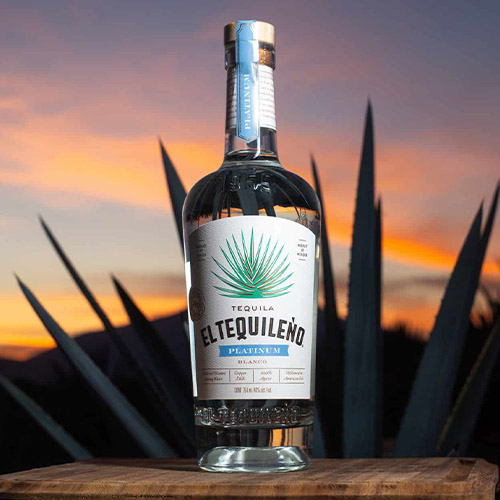
The day begins far from Scotland, with a tasting of Tapatío, for which Elixir Distillers is the global distributor outside Mexico and North America.
“I’m very traditional; I like to taste real spirits. When you drink rum, you want to taste the sugar cane. And when you drink tequila, you want the agave,” explains Sukhinder, before continuing with the characteristic frankness that will define his entire discourse throughout the day: “I love tequila, but today many of the most famous brands are flavoured, and to me they taste absolutely awful. Other tequilas taste like vodka, because excessive filtration has stripped away all the flavour.”
Tequila has undergone a radical transformation with the boom in the American market. Today, according to Sukhinder, very few producers maintain a truly traditional style: among them, the Camarena family, with Tapatio, Ocho and El Tesoro.
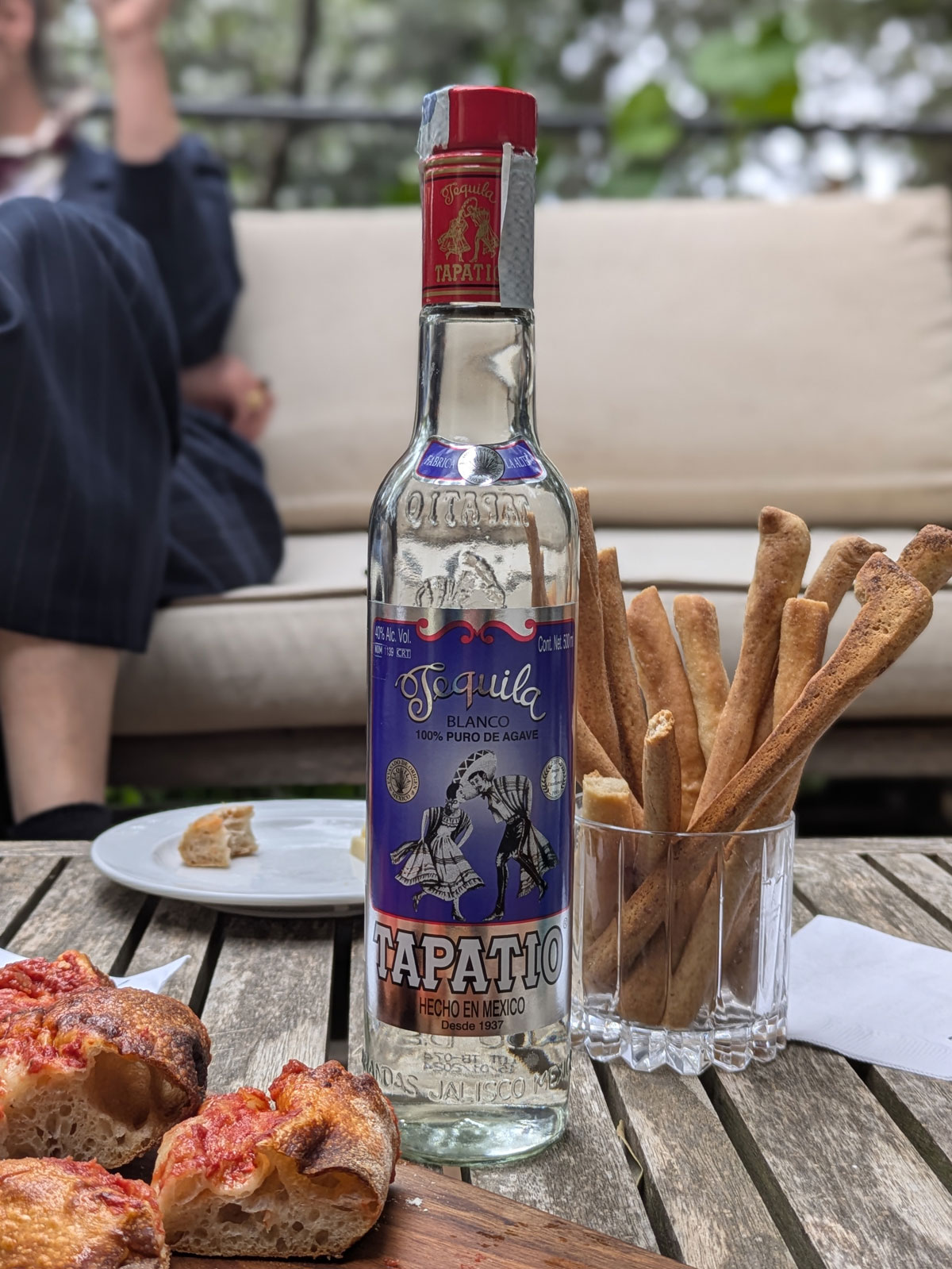
Produced at the historic La Alteña distillery, founded in 1937, Tapatío is today one of the purest examples of traditional tequila: 100% agave, slow, artisanal production methods, natural fermentation and the use of a stone tahona to extract the sugars. An approach that results in spirits where the agave always remains at the heart of the process, without corrective interventions or excessive processing.
In fact, anything that speeds up the production process, from early harvesting to aggressive filtration, results in tequilas that are hollow, standardised and lacking in identity.
A concept emerges here that will also come up when discussing whisky: flavour is built before distillation, not after.
Black Tot: history, memory and reinterpretation
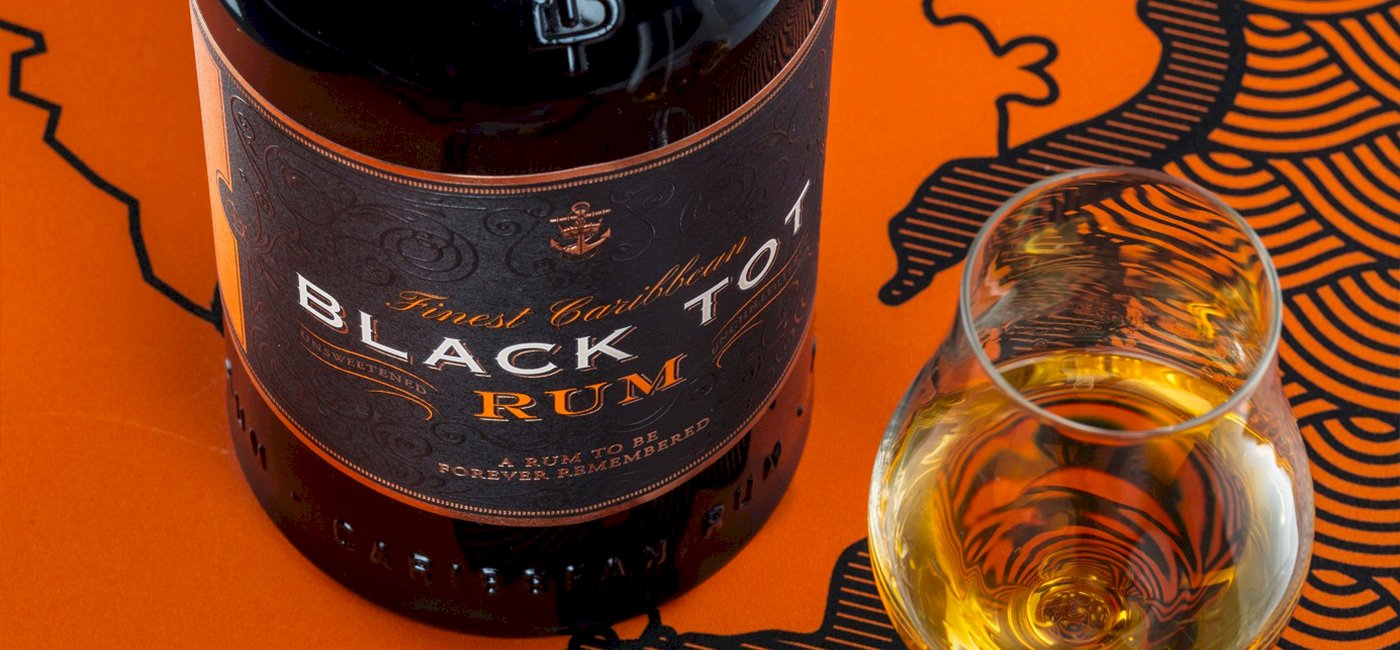
The second stage takes us on an exploration of Black Tot rum, which Sukhinder is particularly fond of, not least because of its iconic history. For 150 years, sailors in the Royal Navy received two daily rations of rum – two ‘tots’, as it were – until 31 July 1970, a day that has gone down in history as Black Tot Day. The rum distributed was a blend sourced from the British colonies – Jamaica, Barbados, Trinidad, Guyana, and occasionally Australia – and was stored in flasks.
“In early 2008,” says Sukhinder, “two ships offered me two of these flasks, and I gladly accepted them. I opened one because I was really curious, and I thought it was the most complex and layered rum I had ever tasted. One of the ships still had over 2,000 flasks in stock, all obviously dating from before 1970, and I took them all.”
The purchase gave rise to The Last Consignment: a unique and unforgettable blend.
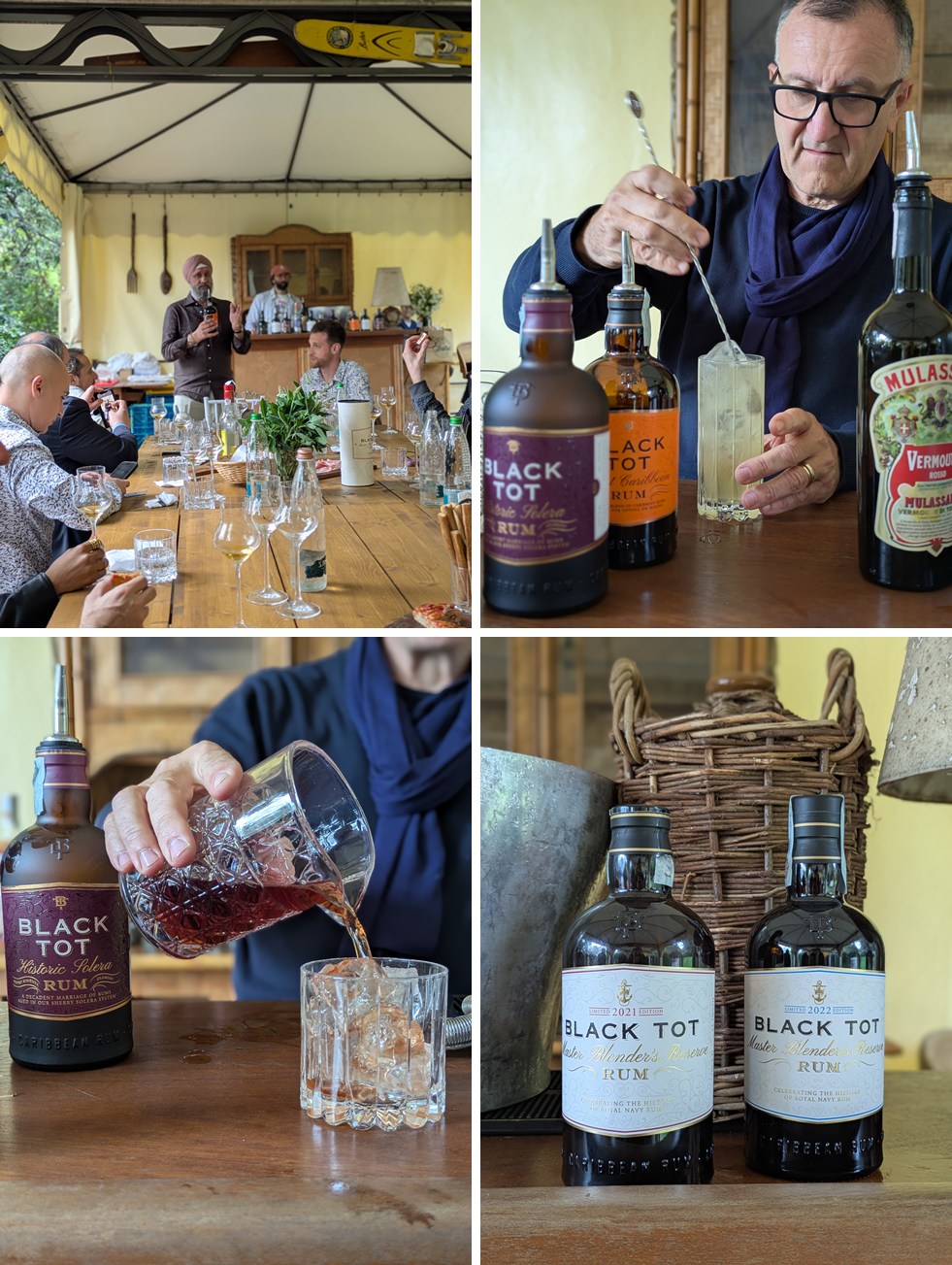
The project, however, goes beyond mere nostalgia, and the modern Black Tot range was created with the specific aim of recreating that historic style with a contemporary twist:
“We decided to use everything we’d learnt from the blending philosophy employed on ships,” explains Sukhinder. “Every island has its own style, and we’ve kept the same components but changed the recipe, because we were looking for a fresher rum. So we added more Barbados, more Trinidad, a touch of Guyana and a bit of Jamaica. We wanted a rum rich in aromas and flavours, one that would work well both for sipping and for mixing.”
The highlight of the day is whisky, starting with Single Malts of Scotland, Sukhinder’s most ‘historic’ project, launched in 2002. Before that, Sukhinder explains, bottling had been more of a hobby, a sideline pursued out of passion. Today, following the sale of The Whisky Exchange, the focus has shifted.
“To be a good whisky bottler, the most important thing for me is to have stock, or better still, to have control over the stock. Today there are hundreds of independent bottlers, but most buy five casks and bottle five casks: sometimes the whisky is good, sometimes it’s not so good. That’s why control is absolutely essential. We, on the other hand, fill our casks directly with new make from various distilleries across Scotland. Today, we have over 30,000 casks, and this gives us control.”
For Single Malts of Scotland, there are two distinct approaches: Small Batch and Single Cask.
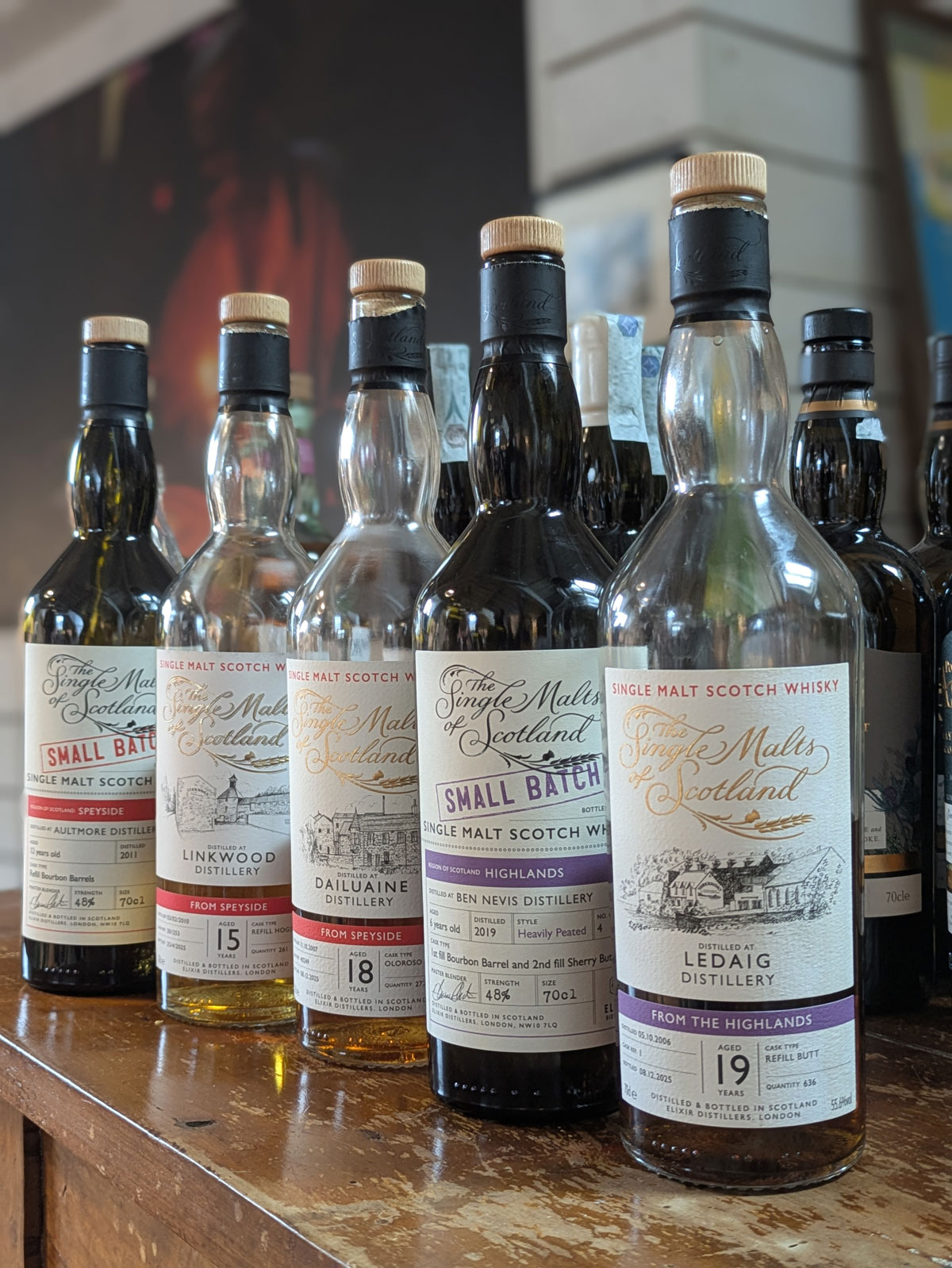
Small Batch whiskies are always bottled at 48%:
“In this range, we usually bottle expressions aged between 5 and 14 or 15 years, and we believe that for these younger whiskies, the original cask strength is sometimes too high in alcohol and, as a result, unbalanced,” explains Sukhinder.
“We therefore dilute it with water to 48% ABV, slowly, and this brings out many fruity aromas in the whisky, which is a very important aspect for us. Today there are quite a few whiskies where the wood is too prominent, distilled too quickly, simply boring because they have only one or two aromatic notes. When I started out, over 35 years ago, whiskies were more elegant, more fruity. Today everything is more loud and heavy.”
To produce a good single cask, Sukhinder continues, you have to be extremely selective.
“The other casks may well contain decent whisky, but in that case we prefer to blend them, combining different profiles to create something that is even better than a single cask. That’s why we only bottle single casks when we feel they are truly up to the mark.”
Sukhinder also believes that there is currently an overuse of ex-Sherry casks.
“An ex-Sherry cask is good when it’s of high quality,” he sums up, “but today it’s very different from what it was 20 years ago. Nowadays, they’re almost always what we call ‘seasoned casks’: they impart a lot of colour, plenty of woody spices and notes reminiscent of furniture polish. Some people like them, but personally I’m not keen on them. I think the key is to find a balance. We try to work with ex-Sherry casks that are a little less aggressive. A lot depends on the level of toasting and charring: when they’re too intense, you get a lot of colour. But that’s not what we’re looking for. We’re not interested in the colour: what we want is the flavour.”
The ex-Sherry casks we use are purchased from genuine bodegas and also from different areas such as Montilla – a region outside Jerez that produces fortified wines very similar to Sherry.
“These are wines that, to me, are sometimes even better than sherry,” Sukhinder points out. “We work with a fully biodynamic producer.”
Every year, between 3,000 and 4,000 casks are purchased, and Sukhinder prefers refill casks – that is, those that have already contained whisky at least once – but
“the problem is that when a distillery considers a cask ‘exhausted’, it sells it to a cooperage. There, it is cleaned, scraped, re-toasted and re-charred, and then resold as a refill. But for me, that’s not a true refill. A true refill is a cask that you use once, empty and reuse. The only way to get high-quality refills is therefore to make them yourself: you buy ex-bourbon casks, use them once, and then they become refills. It’s a long process. We do it, but we don’t have large quantities. Sometimes we buy stock that has already matured in good refills, and then we use them.”
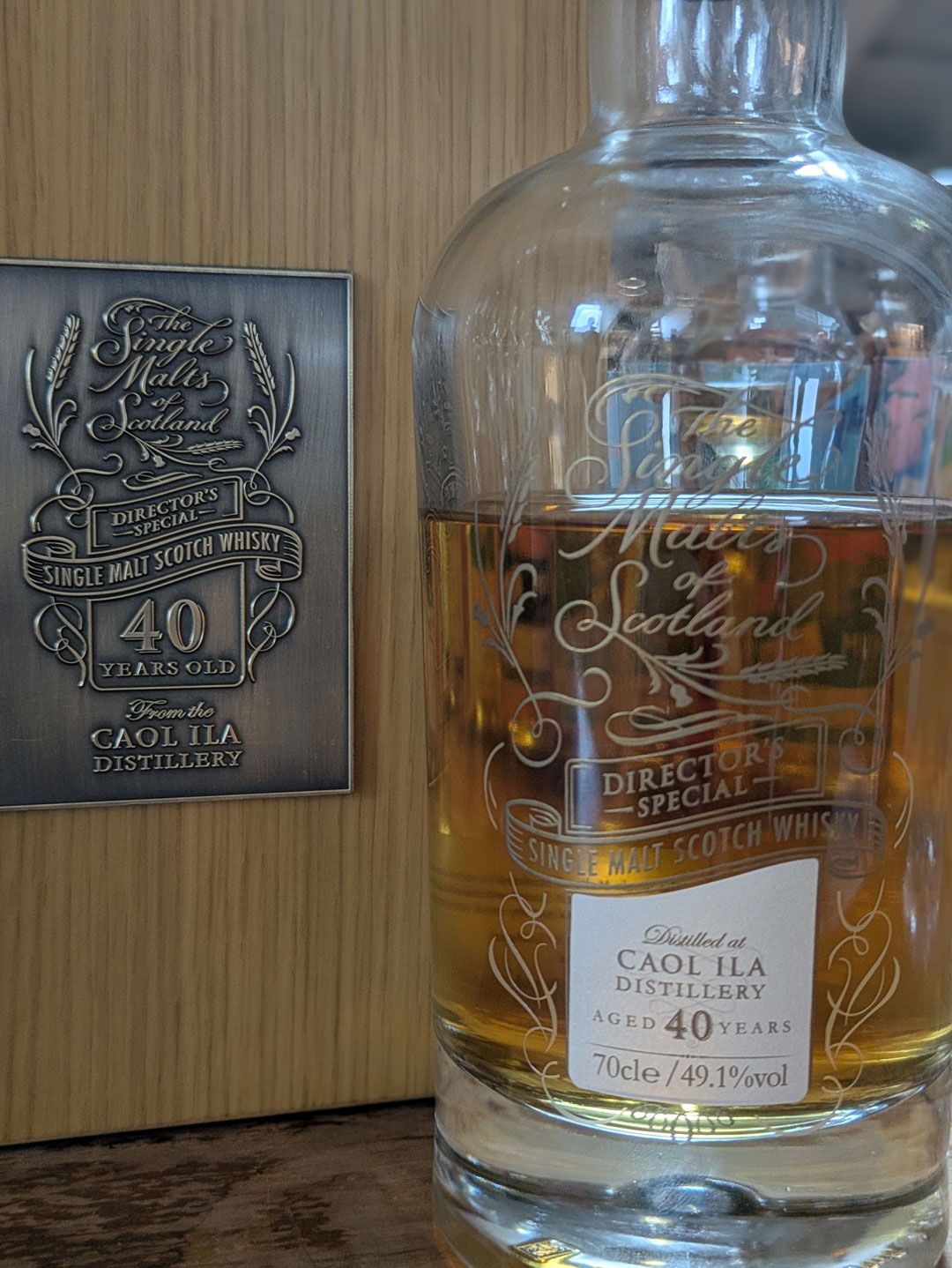
One of the most memorable tastings of the day was undoubtedly an incredible 40-year-old Caol Ila: fruity, mineral, still very vibrant, with a peaty note softened by the passage of time.
“We bought this cask twenty years ago and we still have excellent reserves. It is an extraordinary whisky, which ages magnificently, thanks in part to the highest quality wood. For me, Caol Ila is the best whisky on Islay. I always say that it is impossible to find a truly bad Caol Ila.”
When asked which is his favourite distillery, Sukhinder remains as candid as ever.
“It depends, especially if we’re talking about whiskies from the past. One of my favourites used to be Longmorn: I loved it, it was fantastic. Today, however, everything has changed at the distillery: the stills, the mash, the production volumes…
Generally speaking, I like many of Diageo’s malts; I find they still have a nice structure and a good fruity component, which we can then work on with the wood, enhancing them in various ways.
That said, I think some of the smaller distilleries are doing a much better job these days. Deanston, for example, I really like. I also love Bunnahabhain. In general, though, there’s still plenty of good stuff out there.”
A lot has changed, according to Sukhinder: faced with growing demand, the historic distilleries have often proved too small to expand, which has led them to shorten fermentation times and speed up distillation in order to keep up with demand. But this has changed everything.
Fermentation, in particular, is fundamental to the quality of a Single Malt, because that is where the aromas are created –
“distillation merely serves to concentrate those aromas”.
“Talking about maturation and understanding the quality of the casks is straightforward, but it’s much harder to grasp what can be done during fermentation and distillation. In reality, it’s not so much about what we can change, but about what has been changed over the years. For me, sometimes we need to go back to how things used to be done. Luca Gargano often talks about spontaneous fermentation, because it’s something authentic – even if it’s not easy to replicate on a large scale. What we’ve realised is that every environment is different. Every distillery is unique. You can even replicate exactly the same stills, the same setup, but if you move them to another location, you’ll still get a different result. Just change the length of the pipes, the angles, the routes… and the distillate changes.”
Every distillery – every region – has its own unchanging microclimate, and that is why Sukhinder has begun building a new distillery on Islay: Portintruan.

Located just a short distance from the town of Port Ellen on the south coast, work on the distillery began in late 2020 and it takes its name from the historic farmstead on which it stands – in Gaelic: ‘place of the stream’. The inspiration comes from traditional methods, with direct-fired stills, malting floors and long fermentation periods.
“The starting question was simple: how do you create flavour? We drink and eat to enjoy the taste. So, how do you actually create flavour? Everything I’ve studied has led me to one conclusion: in the past, whisky was better, richer in texture and fruitier, mainly for two reasons. The first is floor malting: the way the barley lives is completely different. Today, drum maltings are used almost exclusively, which are much more uniform. But with floor malting, heat builds up at the bottom and less so at the top, and this generates, in my opinion, a crisper, livelier, almost cereal-like note.”
To explain the concept more clearly, Sukhinder cites the example of Laphroaig, which still uses a small percentage of floor-malted barley – around 10% – and which sometimes bottles exceptional whiskies produced entirely from this batch.
“The second key element is direct-fired stills. Today, steam coils are used, but in the past, direct flame was employed. It’s a bit like cooking with induction or gas: with gas, you always get something more complex, as you’re able to caramelise. In the same way, more textures and flavour develop in the distillate,” continues Sukhinder.
In addition to these two fundamental aspects, fermentation remains another key pillar.
It is on this basis that Sukhinder decided to produce four different styles of whisky. The reasoning is simple:
“You need different whiskies depending on the maturation: one for ex-Sherry casks, one for ex-bourbon casks, and so on. I wanted to retain the ‘Single Malt’ designation, but at the same time have the flexibility to create different profiles. That’s why we produce lightly peated and heavily peated versions, very fruity distillates and others that are richer and oilier. We’ll mature them separately and then blend them, or combine them before maturation, to achieve different results. A simple example: by mixing lightly peated and heavily peated distillates in different proportions, you can achieve an intermediate level of peatiness.”
This idea was developed by Sukhinder after observing Japan:
“There, when they wanted to create blended whiskies, distilleries didn’t exchange spirits with one another because they were competitors. So they started producing many different styles within the same distillery, and at a certain point they realised that those same styles could also be used for their Single Malts.”
But let’s take a step back. When he received an offer to buy The Whisky Exchange, Sukhinder was overseeing the construction of Portintruan.
“We knew it would be a long time before we had any whisky ready. We needed something to balance out Islay, perhaps a distillery in Speyside, with stock available so we could bottle and remain active in the meantime.”
The best opportunity came from Pernod Ricard’s portfolio of distilleries, which offered Sukhinder Tormore.
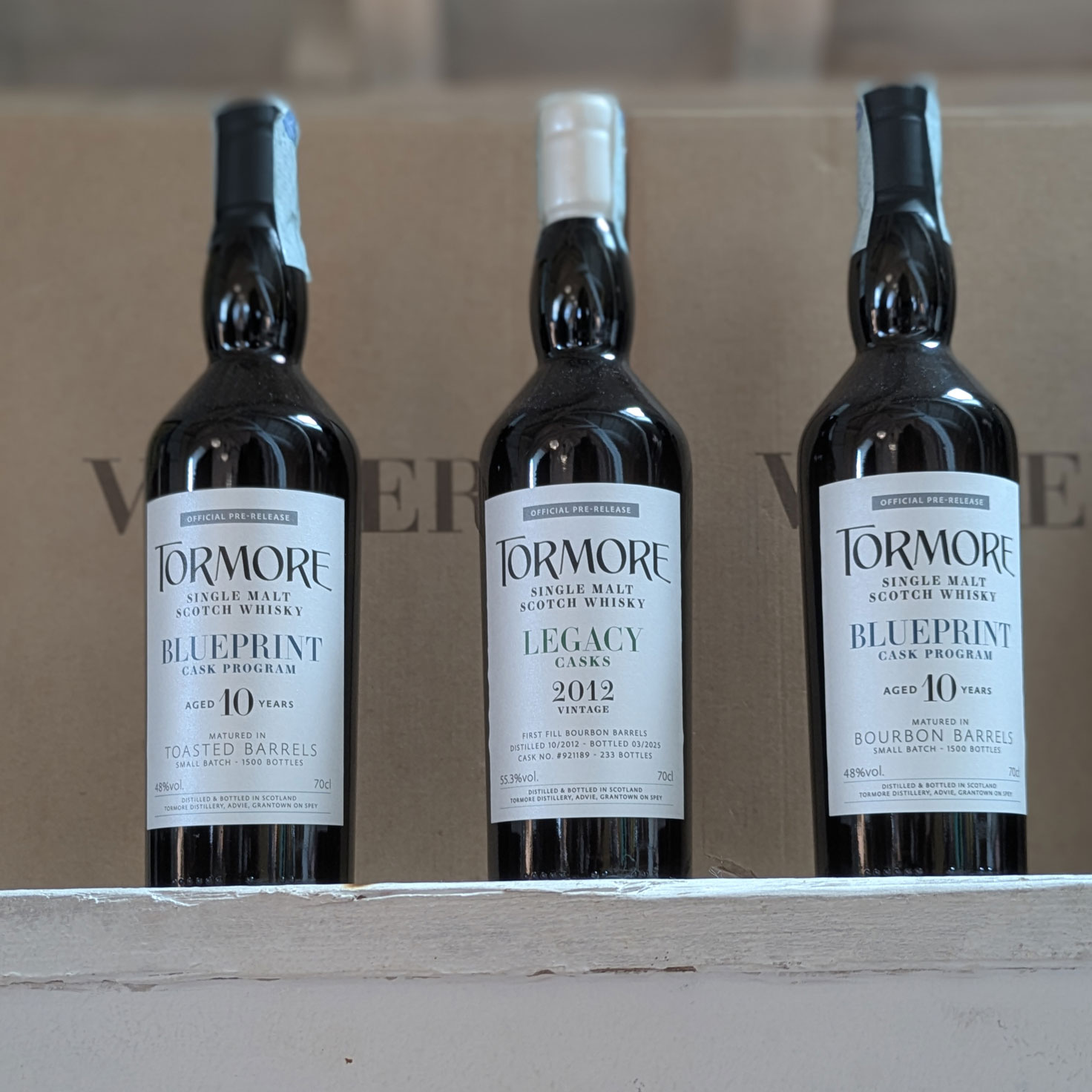
“When I weighed up the options, this was the one that convinced me the most. The main reason is that it produces an excellent spirit, even though almost nobody knows it, because historically it has been used almost exclusively for blending, particularly for Ballantine’s. We therefore knew that the base was very sound, but also that there was scope to improve it and make it more interesting over time. We love its flavour profile, which evokes an old-fashioned style: clean, fruity, with little or no sherry influence.”
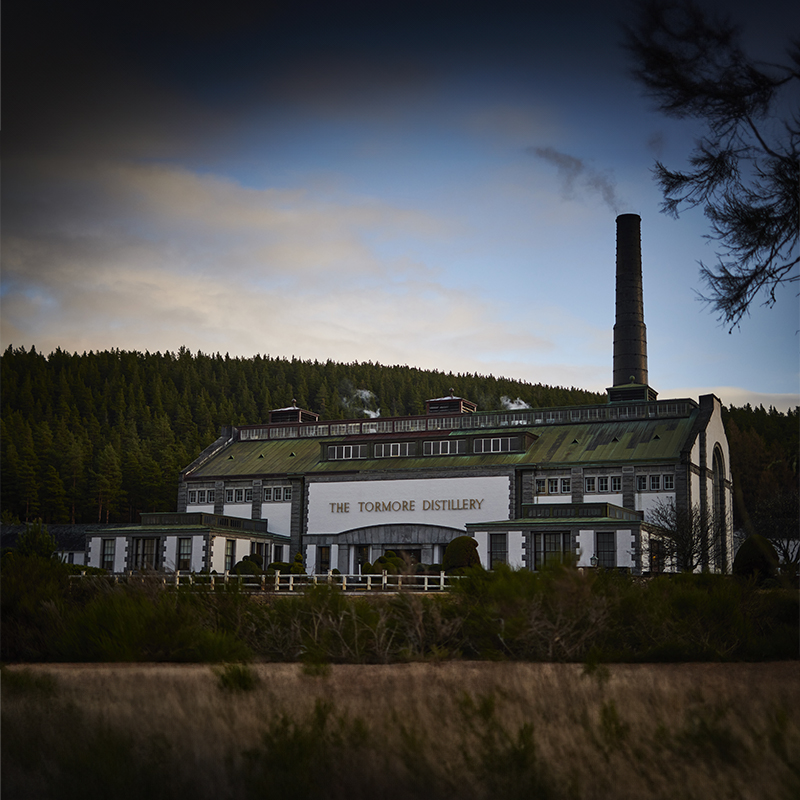
The Tormore distillery, whose first releases are due in June, is extremely versatile: it houses a pair of pot stills, a pair of retorts and a column still, which can be configured in many different ways and allow for the use of various grains. A major innovation has been the automation of the entire malting process. This is a large-scale system, developed by engineers, in which a handling mechanism turns the malt, pushes it onto a conveyor belt and distributes it across the floor.
Before 1970, most whiskies matured in ex-sherry casks used casks that had previously contained Cream Sherry. This was because England was a huge market for this style of wine: Cream Sherry was shipped in casks to the UK and Scotland, and once emptied, these casks were sold to the whisky industry.
Today, Sukhinder is seeking to revive that approach, working with both traditional bodegas and purchasing casks of Oloroso, Pedro Ximénez or Cream Sherry, which he uses whilst carefully crafting the recipes for the blend.
“When we bought Tormore Distillery, we asked ourselves how we could make the spirit richer and fruitier. We couldn’t make changes to everything, because it’s a historic distillery: you can’t, for example, introduce direct fire – it isn’t designed for that, and the regulations make it all extremely complex. At Islay, however, as it’s a new distillery, we can do so without any problems. So we went back to basics. First of all, the barley: we tested four different varieties to see which one expressed the most fruit. Then the yeasts: we use two types, distilling yeast and brewer’s yeast, both here and on Islay.”
A day dedicated to the quest for flavour
Whether it was tequila, rum or whisky, the common thread running through the day was the same: flavour is born long before the bottle.
From the selection of the agave to fermentation, from barrel management to stock control, Sukhinder Singh’s work is driven by a clear objective: to reclaim what has, over time, been simplified, standardised and often sacrificed in the name of speed.
At a time when whisky seems to be chasing concentration and intensity, his vision lies elsewhere: balance, precision, identity.
“If everything is perfect, you risk making a perfect whisky… but also a boring one.”
It is perhaps in this tension between control and imperfection that the future of Elixir Distillers lies: a forward-looking project, yet with its sights firmly set on what made the whisky of the past great.