





Ar(t)magnac, an all-round spirit
With over seven hundred years of history, Armagnac is not only one of the world's oldest spirits, it's also one of the most fascinating, deeply rooted in the land and, undeniably, one of the richest in flavor. Not to mention production method.
RESERVED & ARTISANAL
Let's face it: the reason why Armagnac is not under the spotlight like its direct competitors - whiskey, cognac and rum - is that this signature spirit needs to be explored further and requires cooperation from those who will soon discover its secrets.
Produced in the heart of Gascogne, in the southwest of France, the oldest French wine spirit is obtained by distilling white wine in a traditional Armagnacais still and aged for many years in oak barrels before normally being sold as millésime.
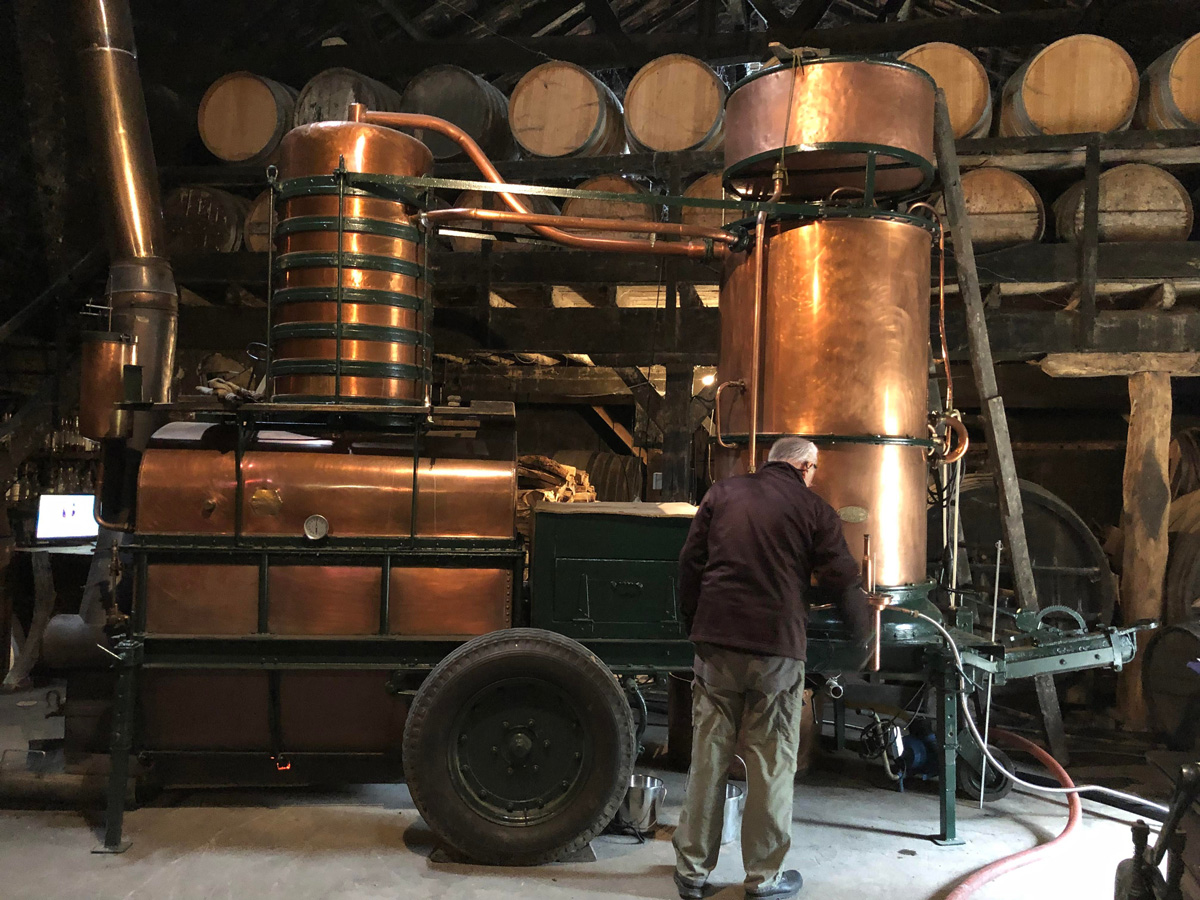
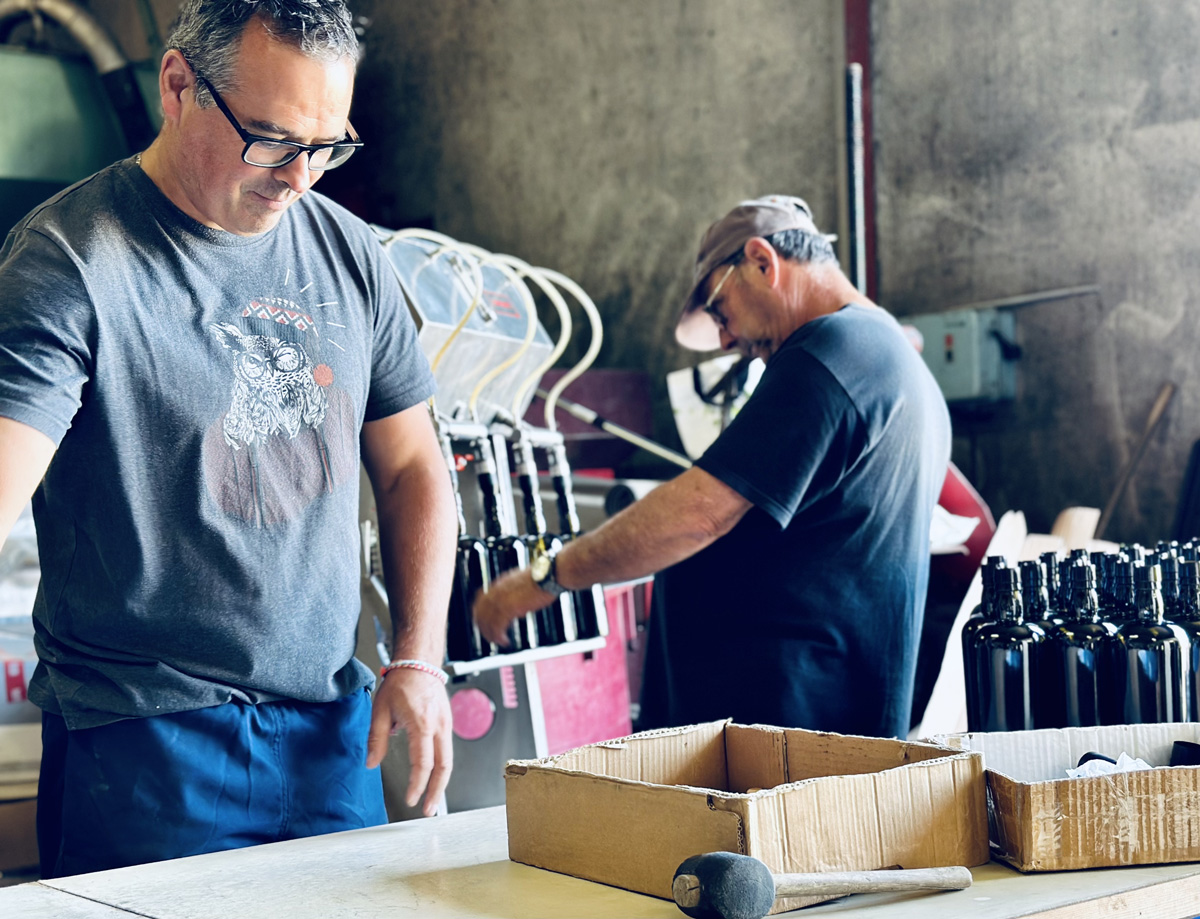
Very often, if not always, Armagnac is not referred to as a "brand" but as a Domaine, Château or Ferme. This distinctive spirit is the direct (and uncompromising) result of the work of individuals or families working hard to preserve a centuries-old heritage. As vine growers, farmers, producers and, more often than not, sellers of their own product, armagnac producers are involved on all fronts, from the vineyard to bottling. This is why we cannot expect armagnac to have the same visibility as its cousins, which are much more popular due to their greater media exposure. It's certainly not easy to find your place in a world that can't stand long waits. But what a reward it brings!
Armagnac in a nutshell (and numbers):
- Armagnac is the only spirit to have 2 AOCs. Officially a protected designation since 1936, Armagnac AOC has also officially recognized its white eau-de-vie (i.e. unaged Blanche d'Armagnac) as a designation since 2005. This is a unique case in France, since neither Calvados nor Cognac have dared that much.
- Armagnac production covers less than 2,000 hectares. A tiny area compared to Cognac's over 80,000 hectares distributed over 3 distinct terroirs/geographical areas which contribute to the spirit's richness - Bas-Armagnac, Armagnac-Ténarèze and Haut-Armagnac.
- 10 grape varieties are approved in the AOC. Ugni Blanc and Baco reign supreme, yet some producers are keeping old varieties alive to produce different aromatic profiles. They include Folle Blanche, Colombard and the even rarer Plant de Graisse, Clairette de Gascogne, Jurançon Blanc, Meslier Saint-François and Mauzacs Blancs and Rosés.
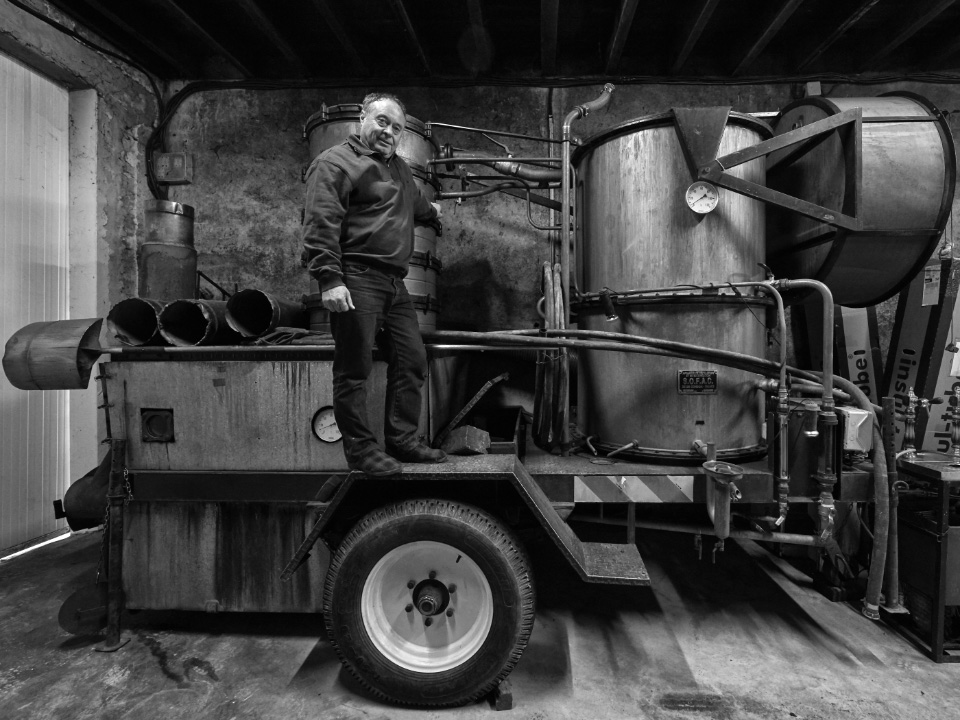
- The distillation of Armagnac involves a single step in small stills. There are 70 stills in operation and only 5 traveling/nomadic distillers covering the 3 Armagnac terroirs.
- In 2020, armagnac production was 784,200 liters of alcohol, corresponding to about 2.8 million bottles. By comparison, cognac sold 75 times as much the previous year, the equivalent of 220 million bottles.
A ONE-OF-A-KIND SPIRIT
Distilled in traditional copper stills, Armagnac is unique on the spirits scene. Distillation is mainly "continuous", meaning fermented must is constantly fed into the process. It requires a constant presence and a very special know-how. The distiller's art lies in his/her skill and perfect knowledge of the still, which includes knowing how to manage its quirks.
It's important to keep in mind that each process is manual and that human presence is necessary from the first drop to the last. Batch distillation is also allowed, but remains an exception (3% of annual production in 2020).
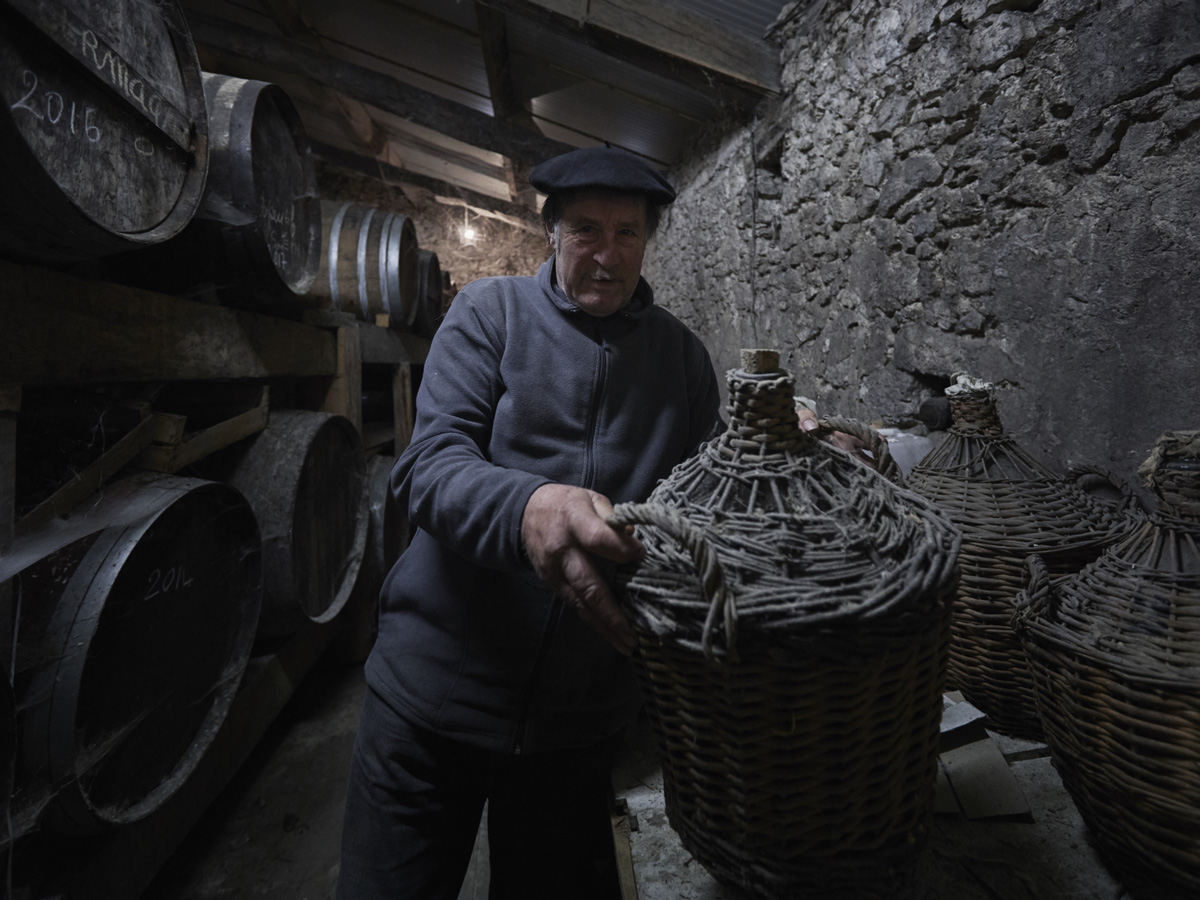
At the end of this constant battle, the crystal-clear liquid coming out of the still - called Blanche - holds a special place in the world of spirits. Exceptionally aromatic, it usually comes out of the still at between 52% and 60% ABV, although the AOC allows up to 72.5%. This gives Armagnac organoleptic properties far exceeding - to put it mildly - its peers. Unique levels of non-alcoholic elements, responsible for a spirit's aromatic palette, give Armagnac an identity and strength that only very few - and no less exotic – distillates can boast. Some examples include Clairin from Haiti, artisanal Mezcal and Cape Verde's Grogue.
THE IMPORTANCE OF NOMADISM
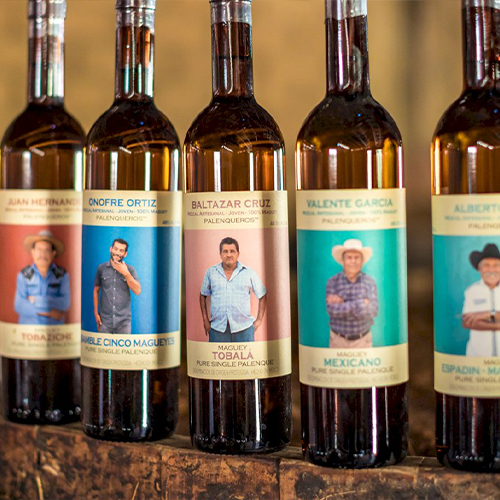
In the small world of armagnac, distillation is a time for sharing and celebration. While some distill with their own stills, many do not have one and still rely on traveling distillers who distill wine at the producer's premises. Each distillation brings with it a string of meetings and celebrations. Each nomadic distiller has their own personal style and secrets.
With their work, nomadic distillers keep alive an invaluable human heritage, leaving their daily lives for a few weeks a year to carry on the old traditions. It's an ancestral heritage that has survived the dictatorship of profitability, which has crept into every corner of our society to replace know-how. Faced with economic and climate crises, only a few of them remain. And won't give in. And do not think for one moment they can live off of this and do it full-time. This business is as ephemeral as it is fragile, and according to rumors it's on the verge of extinction.
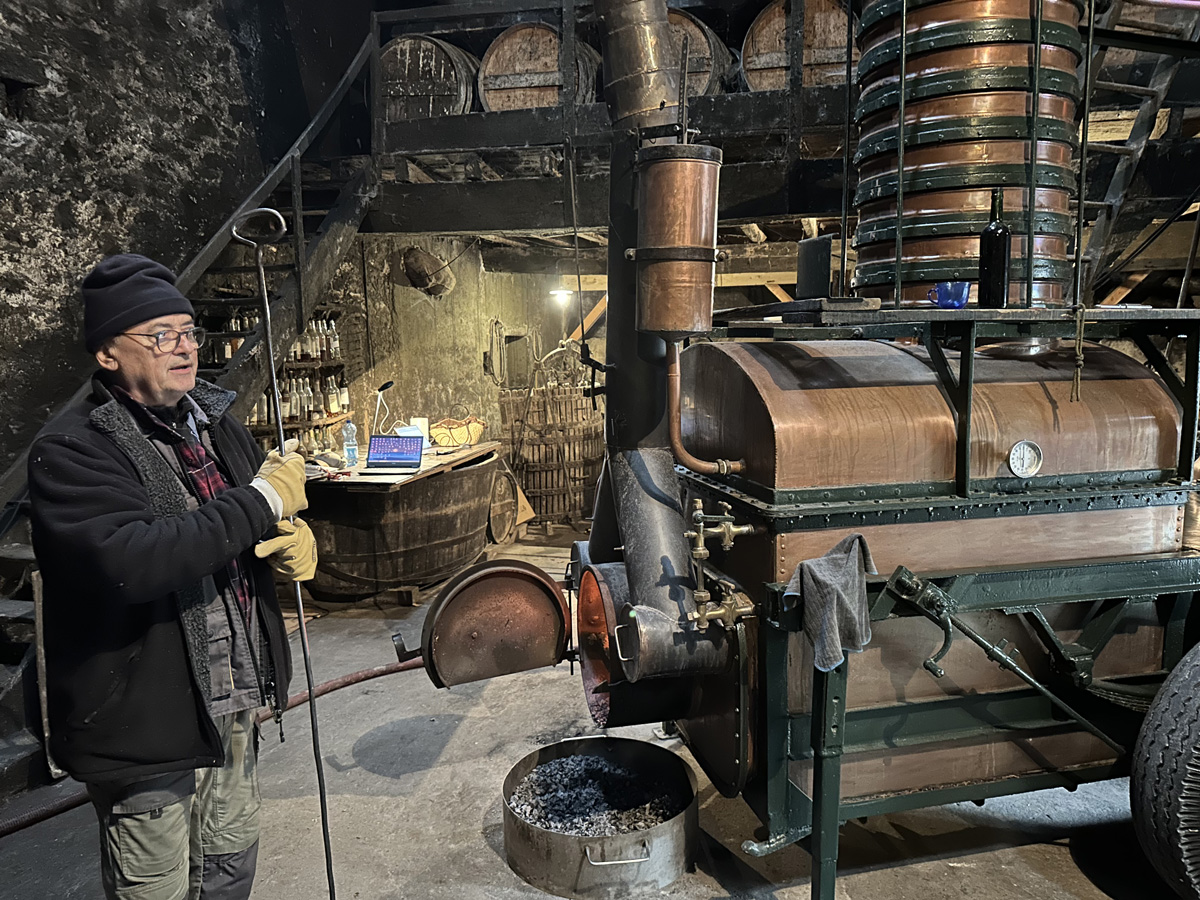
We need to look elsewhere. Without their essential self-sacrifice, how many armagnac producers would have gone bankrupt, unable to finance the purchase of a still or find the time to distill? Dozens. Too many. The bond between them is frail, yet valuable. Crucial. Nomadic.
Like superheroes from an old black and white film, these figures succeed in the incredible feat of overcoming the ages and capturing precious time fragments in a bottle to pass them on to future generations.
THE MILLÉSIME, ANOTHER TRADITION
Once distilled, the blanche is stored in oak barrels, usually brut d'alambic, i.e. undiluted, authentic. And since Armagnac has nothing to envy anyone else, the wood used to make the barrels comes from the forests of Gascony and Limousin, or right from the forests surrounding the production estates.
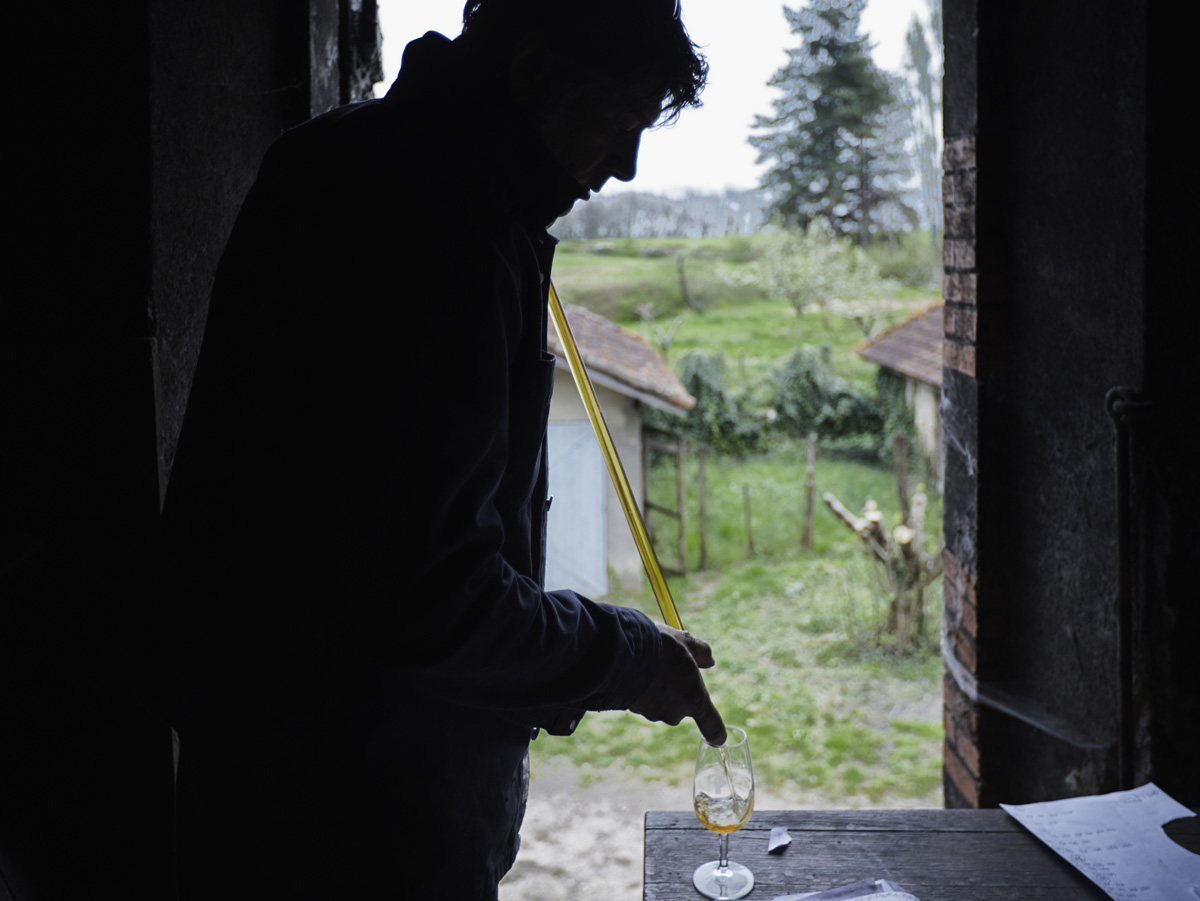
In Armagnac more than anywhere else, time is essential. The spirit is rarely sold before ten years of ageing (sometimes much longer), very often in individual millésimes. There are even many producers who only sell millésimes. It's a way to carry on the tradition as well as offer as many different personalities as there are vintages, and to tell new stories with each sip. It's an incredible opportunity and a bold gamble on the future when you consider that each producer only ages a few barrels each year - two to five, or twice as many in the best years. Slowly and tenaciously building a whole library of unique flavors.
a happy ending
As reserved as it is captivating, Armagnac is a signature spirit that will amaze any lover of fine drinking, as long as they take the time to explore it. In today's hectic world, Armagnac is an invitation to take things slow and a welcome return to our roots. An antidote to the evils of modern times. A vital air pocket.
In the competition that sees it wrestling with the greatest, it has yet to show its full power. A drop of history, tradition and humanity, of common sense and friendship. Long live Armagnac!

